Warsaw vs Kraków: Which Polish City Suits Your City Break?
Warsaw and Kraków suit different city breaks: a rebuilt, spread-out capital with modern history versus a compact, intact old town. Here is how to choose.
On this page
Pick Kraków if you want atmosphere with minimal effort and Warsaw if you want modern history and a capital that feels alive rather than preserved. Kraków's Old Town, Wawel and Kazimierz sit close enough to cover on foot, while Warsaw spreads its sights across a reconstructed centre and a wider city. This guide compares the two on layout, day counts, walking, history, crowds and cost so you can commit to one.
The two cities feel different because of what happened to them. Warsaw was almost entirely destroyed during the Second World War and then rebuilt, which is why its centre mixes reconstructed historic buildings with later towers, while Kraków came through largely intact.
Which city should you pick? The short answer
Choose Kraków for a first trip to Poland built on architecture, a medieval square and easy walking between sights. Choose Warsaw if you have already seen the postcard Poland, care about the Second World War and the communist period, or want a big capital with contemporary food and arts alongside the history. Those are the two clean decisions, and most of the remaining comparison follows from them.
Warsaw suits travellers interested in twentieth-century history, particularly the war and the communist era, and those who want to see a major European capital still defining itself. It appeals more to independent travellers and people spending longer in Poland than to those squeezing in a two-night break, precisely because it takes more effort to appreciate.
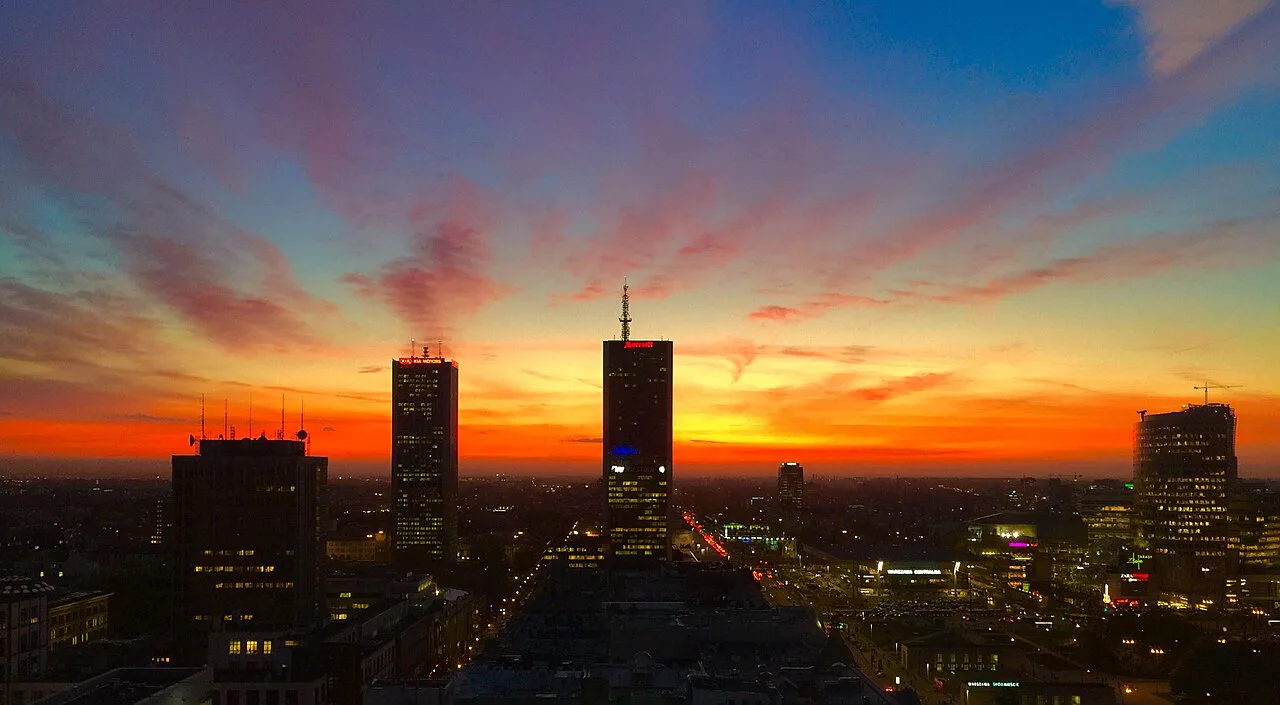
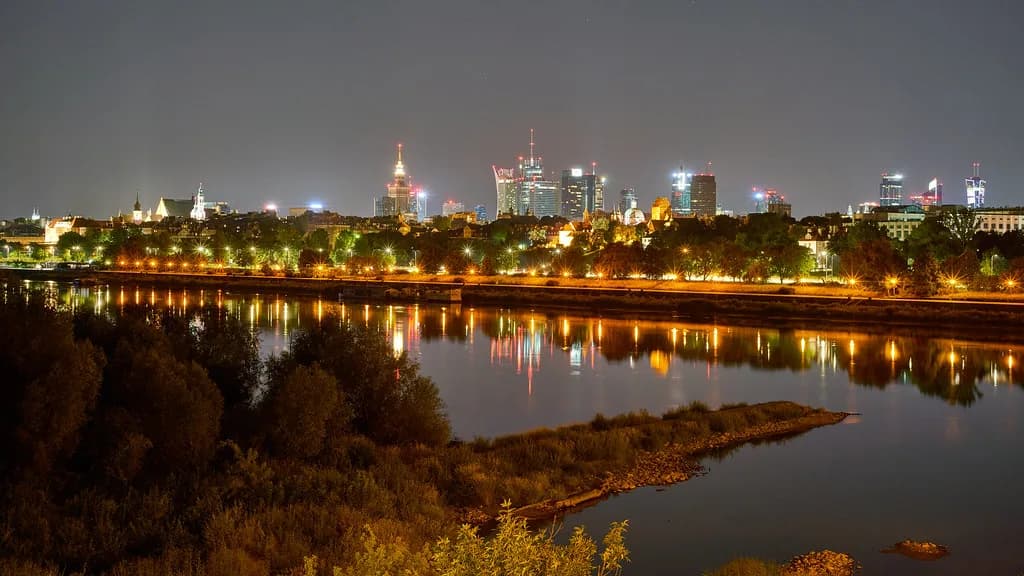
Warsaw: a rebuilt capital that rewards curiosity
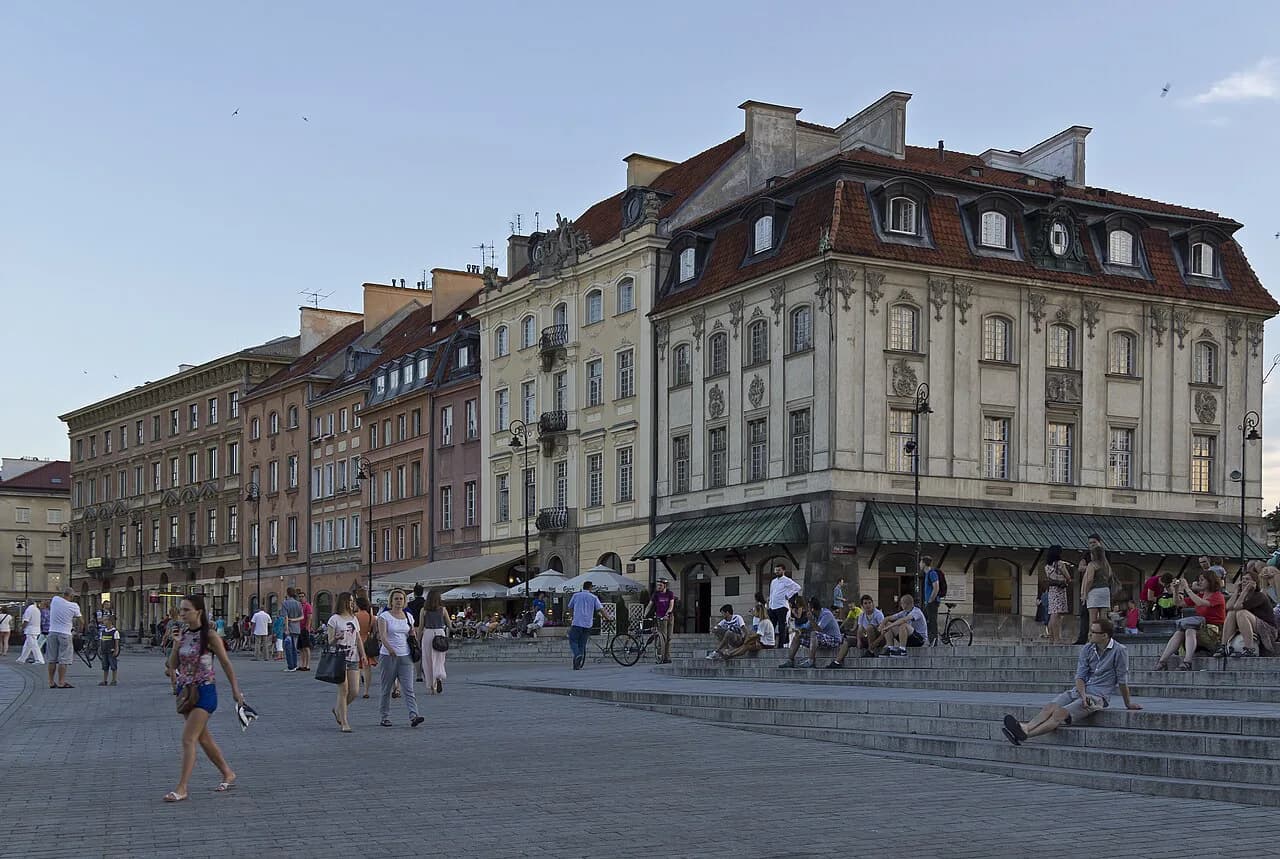
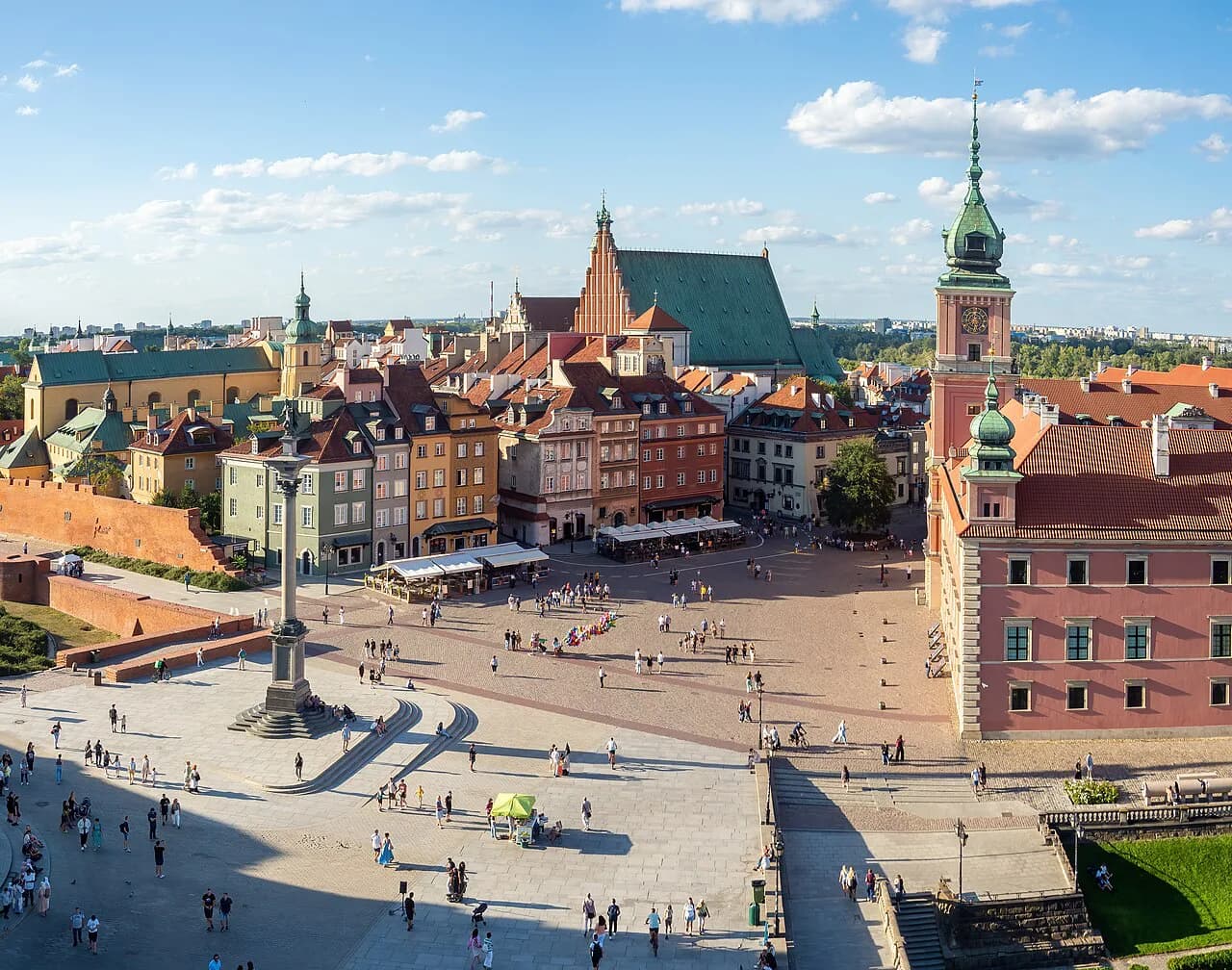
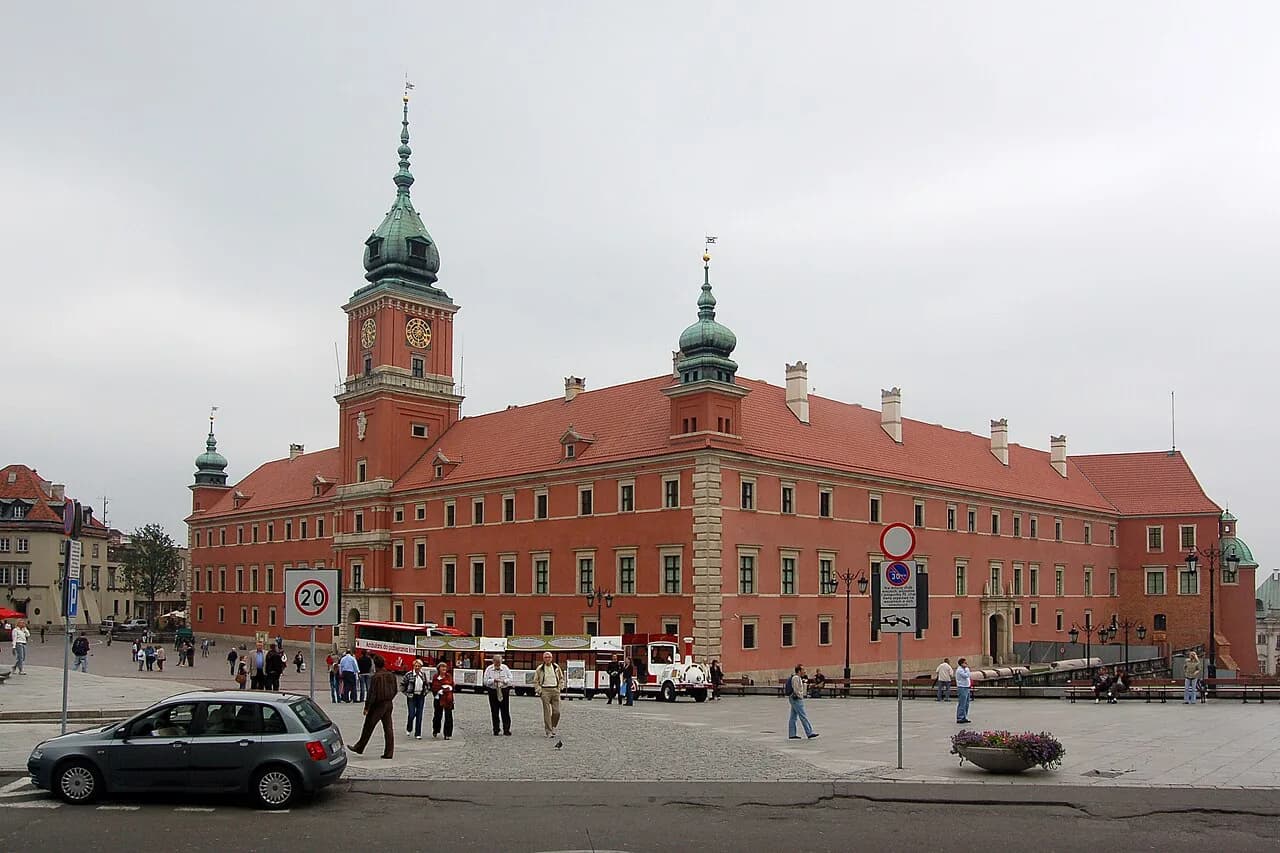
Warsaw's Old Town was painstakingly reconstructed after the war and is now a UNESCO World Heritage Site, recognised specifically for the restoration effort rather than for medieval survival. Start at Castle Square and the Royal Castle, then walk the surrounding streets knowing that what you see is a careful postwar recreation. That context is the point, not a footnote.
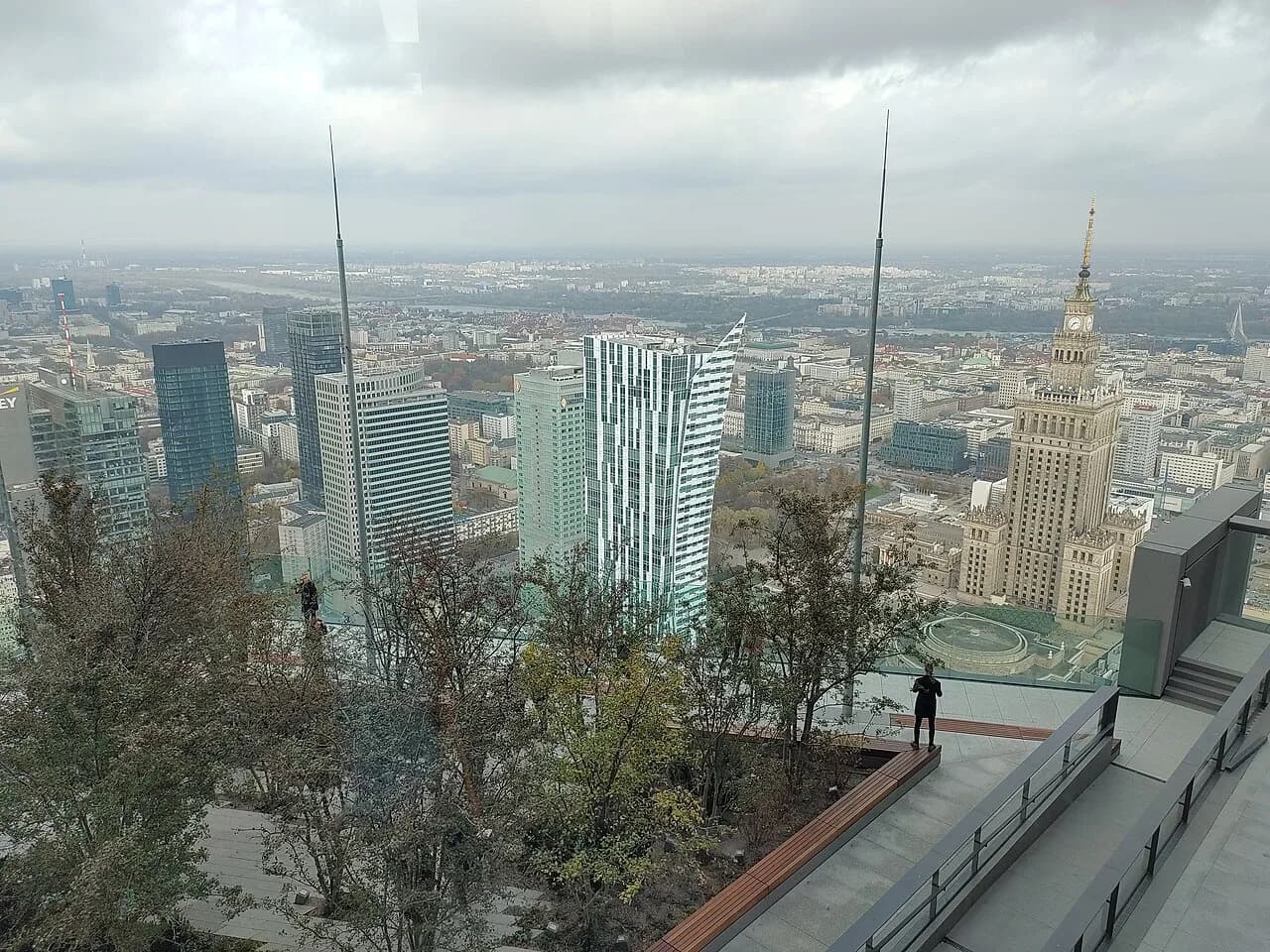
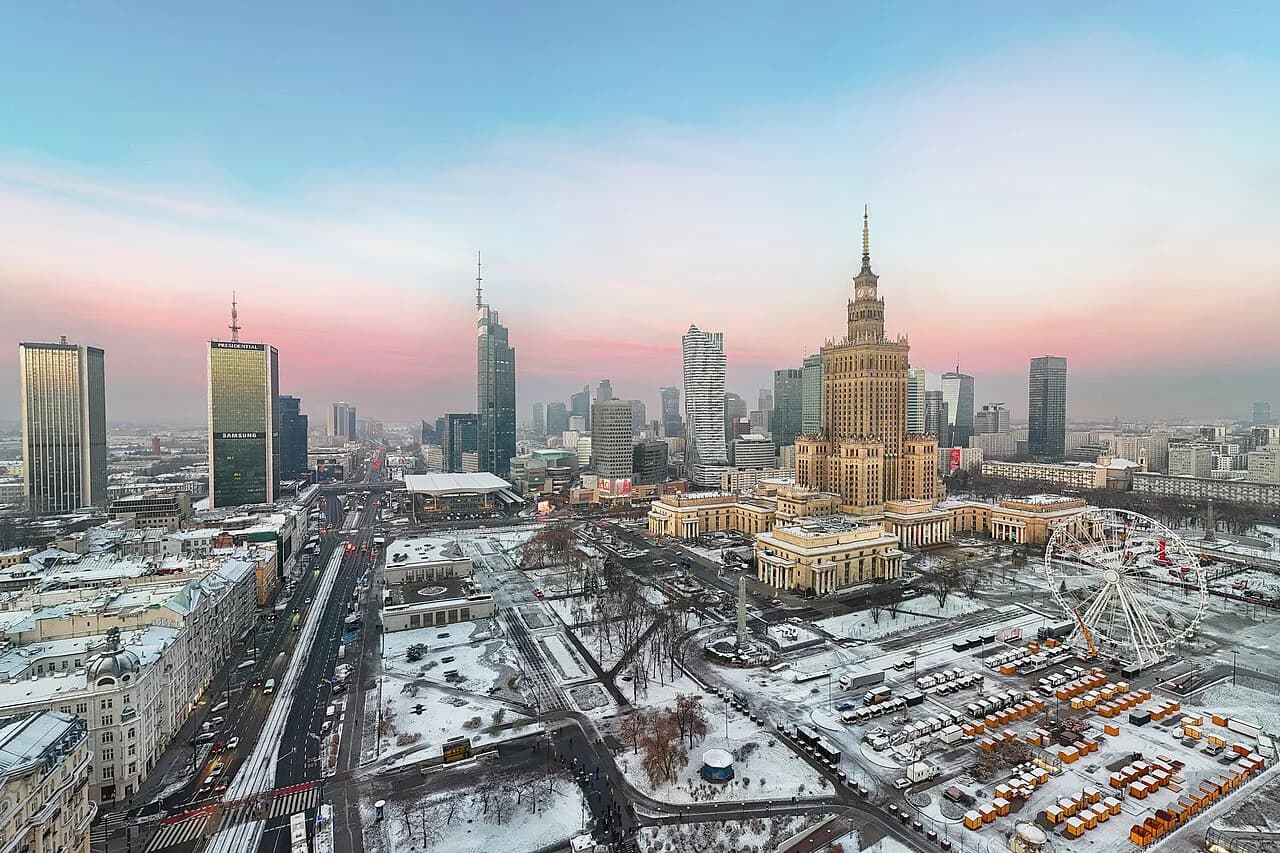
The Warsaw Uprising Museum tells the story of the 1944 uprising in detail and is well designed enough to engage visitors without a strong background in Polish history. The Palace of Culture and Science, a Soviet-era skyscraper that divides local opinion, houses theatres, cinemas and a viewing terrace. Wilanów Palace on the southern edge is a quieter Baroque royal residence with gardens, and Praga on the east bank kept more pre-war buildings than the rest of the city and now has a creative, independent scene.
Kraków: a compact old town that is easy to walk
Kraków feels like a well-preserved medieval city, with an Old Town, castle and historic streets intact in a way few European cities can match. The main square, Rynek Główny, is one of the largest medieval market squares in Europe, ringed by the Cloth Hall, St Mary's Basilica and townhouses best explored on foot. Wawel Castle and Cathedral above the Vistula deserve at least half a day.
Kazimierz, the historic Jewish quarter, now mixes synagogues with independent cafés, street art and restaurants. The Jagiellonian University was founded in 1364, which gives the centre a scholarly layer beyond the tourist trail. Kraków works for two to three days without much planning because the concentration of sights removes the need for a transport strategy.
The trade-off: atmosphere and instant charm vs depth and space
Kraków delivers its charm immediately: step out of your accommodation and the old town does the work. Warsaw asks more of you. The architecture is a mix of reconstructed historic buildings, Soviet-era blocks and modern towers, and that contrast takes time to appreciate, but it also tells you more about how Poland actually got here.
If you have limited time and want the most concentrated dose of history, architecture and culture in a walkable setting, Kraków is the easier choice. If you want a fuller picture of Poland, or you are spending more than a few days in the country, Warsaw adds a depth Kraków alone cannot provide. That is the honest trade: charm and convenience against breadth and substance.
The good news is that Warsaw rewards a second look. Building a 3 days in Warsaw plan around one reconstructed area, one museum and one palace gives the city room to make its case without rushing between districts.
How much time each city needs for a one to four day break
Kraków fits neatly into two or three days, and a single day covers the Old Town and Wawel at a push. Warsaw needs three days to do it properly: the Old Town and Royal Castle, the Uprising Museum, and a half-day at Wilanów or Praga each claim separate blocks. Read how many days in Warsaw you need against your own arrival and departure times before booking.
One day in Warsaw is enough only if you accept a single district and one museum, and it works best as a taster rather than a full visit. The city's spread means a short break of two nights leaves you choosing between the Uprising Museum and Wilanów, not fitting both.
What you can see on foot in each city
In Kraków almost everything on a short break is walkable. Rynek Główny, the Cloth Hall, St Mary's Basilica, the streets of Stare Miasto, then Wawel and Kazimierz follow one another without public transport. In Warsaw the Old Town, Castle Square and the Royal Castle cluster tightly together, but the Uprising Museum, Wilanów and Praga sit in different parts of the city and need transport or long walks between them.
Plan Warsaw around clusters rather than a single route: the Old Town and the Royal Route on one day, the museum district on another, Praga on a third. That structure is what a Warsaw city break needs to avoid spending the trip on trams.
Where the twentieth-century history sits in each city
Warsaw carries the heavier weight of modern history. The Uprising Museum covers 1944 in depth, and the reconstructed Old Town is itself a statement about destruction and rebuilding. Allocate real time to the museum rather than treating it as a filler on a rainy afternoon.
Kraków's history sits in its intact fabric and in Kazimierz, where synagogues sit alongside cafés and street art. The city is a base for the region's wartime sites, which are covered elsewhere and need their own planning. For a city break centred on the twentieth century, Warsaw is the stronger choice.
Crowds and pace: which city feels busier
Kraków draws millions of visitors each year and its compact centre funnels them into a few streets and the main square, so the sights feel busiest at the exact points you want to photograph. Warsaw's visitors spread across a larger city, so even the Old Town rarely feels as compressed. If you dislike queueing behind tour groups, the capital is the calmer pick.
Pace follows crowds. Kraków is easy and quick: sights come to you. Warsaw is a working capital with business and local life continuing around the tourist sights, which makes it livelier and occasionally less visitor-friendly in the centre. Neither is a problem if you know which one you are booking.
Cost and money in złoty: what actually differs
Both cities sit well below Western European price levels, and food and accommodation in Poland generally cost a fraction of what you would pay in the UK or Germany. Warsaw accommodation can run slightly higher than Kraków's, though the gap is not large. Treat this as a broad comparison rather than a budget: for details of tickets and entry charges, check each sight's own website, where Warsaw prices in złoty are listed. Is Warsaw Expensive? What a City Break Really Costs breaks the capital down properly.
Warsaw on a budget is genuinely possible: the city's free sights, parks and reconstructed Old Town cost nothing to walk, and eating away from the main tourist streets keeps costs down. If cost is your deciding factor, start with Warsaw on a budget and see what a short break actually adds up to.
Which city suits first-time visitors to Poland
Kraków is the natural fit for a first visit. It gives history, architecture and culture in a walkable setting that requires little advance planning, and it suits families and first-time visitors well. You will leave feeling you have seen Poland, even if you have mostly seen one beautifully preserved corner of it.
Warsaw can also work as a first stop, particularly if you want a capital with an edge and don't mind planning your days. It will not give you the easy postcard experience, but it will give you a more accurate sense of the country.
Which city suits repeat visitors and history-heavy trips
If you have already done Kraków, Warsaw is the obvious next step, especially for anyone drawn to the Second World War and the communist period. The Uprising Museum and the Palace of Culture and Science cover ground Kraków simply doesn't. Add Wilanów and Praga for a fuller picture.
Repeat visitors who want atmosphere over museums should still consider returning to Kraków, but the case for Warsaw is stronger. Staying three or four days lets you take in the museum properly and still see the reconstructed Old Town without rushing.
Travelling between the two cities
You do not have to choose. If you have more than four days, both cities are worth visiting and connect by rail, so a split trip is straightforward. Plan Warsaw first if your flight lands in the capital, then finish in Kraków, or reverse the order to end near the airport that suits your flight home.
Book a Warsaw itinerary around three days and you can still add two in Kraków without the trip feeling rushed. If your flights to Warsaw land at awkward times, that decision shapes the order as much as the sightseeing does.
Which city should you actually book?
Book Kraków for a first Polish city break built on atmosphere, architecture and easy walking, and book Warsaw for modern history and a capital that feels lived-in. If you have three days or more and care about the twentieth century, Warsaw is worth the extra effort; if you have two nights and want the postcard, Kraków wins.
If you are still torn, price the Warsaw side properly first: flights and a three-day plan show whether the capital fits your budget and your dates before you compare it with anywhere else.
Frequently Asked Questions
Is it better, Warsaw or Kraków?
Neither wins outright. Kraków suits a short break that wants atmosphere and walkability, while Warsaw suits travellers interested in modern history, a spread-out capital and a contemporary city.
What is the prettiest city in Poland?
Kraków is the obvious answer for many, with its intact Old Town and main square. Warsaw offers a different kind of beauty, in reconstructed streets and a skyline shaped by the twentieth century.
Which city is better to visit: Warsaw, Gdańsk, or Kraków?
For a first trip of two or three days, Kraków is the easiest. Warsaw suits anyone who wants the capital and modern history, and Gdańsk is a separate coastal option best planned as its own break.
Is Kraków cheaper than Warsaw?
Accommodation in Warsaw can run slightly higher than in Kraków, though the difference is not large by Western European standards. For ticket prices and entry charges, check each sight's own website.
Sources
Notes for your next Polish city break
Optional updates to our Poland guides.
You might also like
Continue reading
More guides you'll find useful