Is Warsaw Worth Visiting? An Honest Answer for a City Break
Yes, Warsaw is worth visiting for its rebuilt Old Town, wartime museums and lively Vistula side. Here is who will love it and how many days it needs.
On this page
Yes, Warsaw is worth visiting, and two full days cover its core sights without rushing. It suits travellers who want serious twentieth-century history, a reconstructed UNESCO Old Town and a modern capital with a river at its edge, rather than an intact medieval centre. This guide explains what the city does well, how it is laid out and who should choose somewhere smaller instead.
The capital is Poland's largest city, with a population of 1,863,056 in 2023, and it sits at the crossing of major east-west and north-south routes, which is why a short break here feels like a big European metropolis rather than a provincial town.
What Warsaw does better than most Polish cities
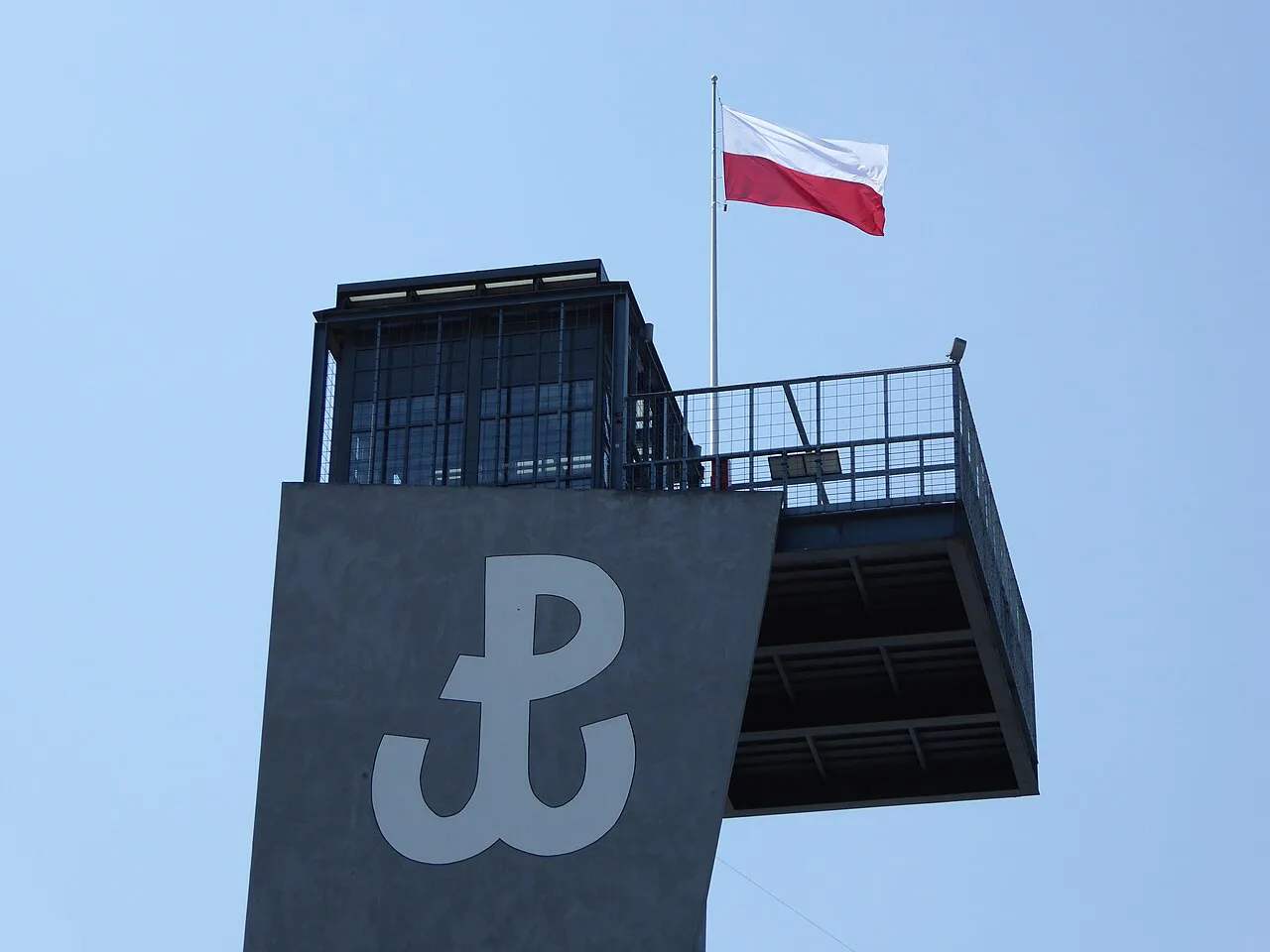
Modern history is Warsaw's strongest suit. The Warsaw Rising Museum documents the 63-day fight against the occupying forces, and the POLIN Museum of the History of Polish Jews traces a thousand years of Jewish life in the country across a multimedia exhibition.
The Old Town was rebuilt after complete wartime destruction using Canaletto's paintings as a guide, and the result is listed as a UNESCO World Heritage Site. Visitors expecting ancient stones will notice the difference immediately; visitors interested in how a city remakes itself will find it extraordinary.
The Old Town and the Royal Route
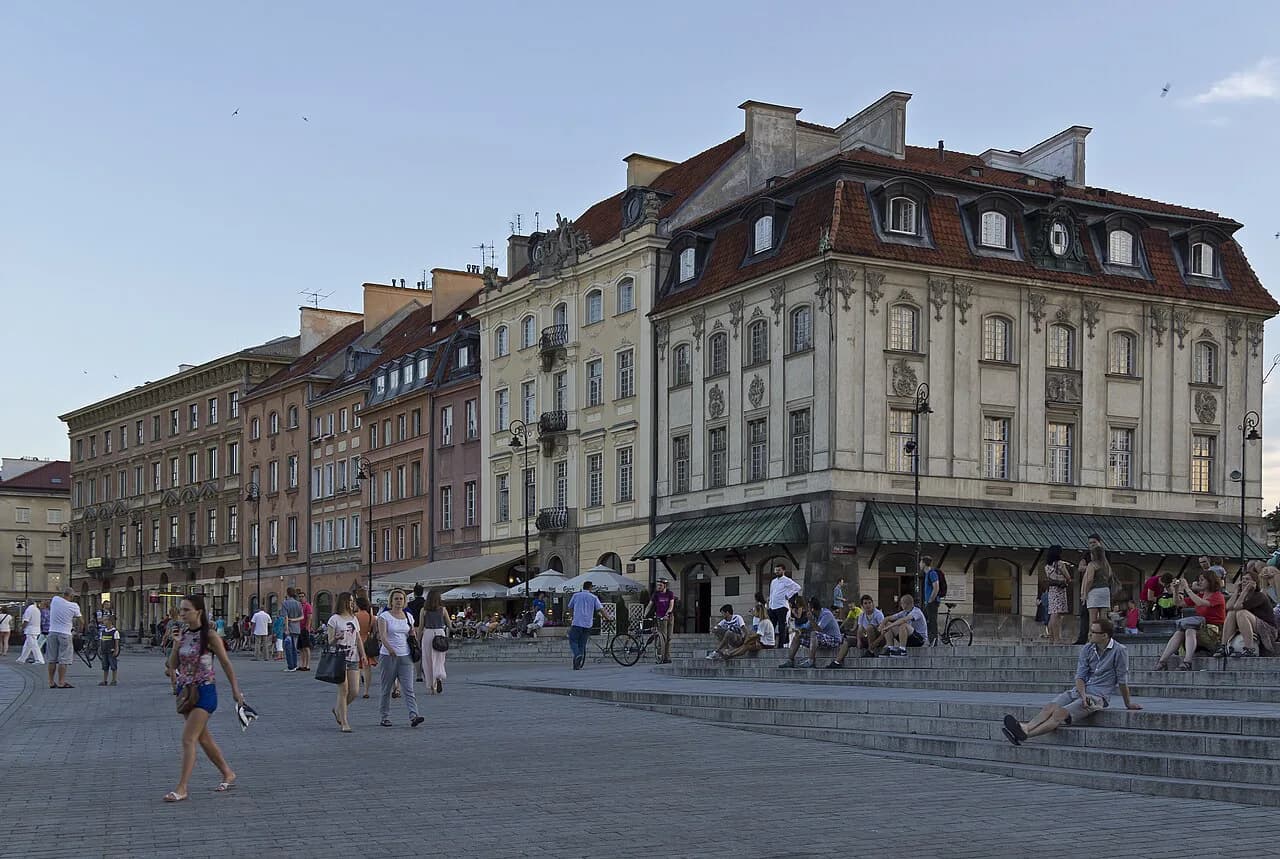
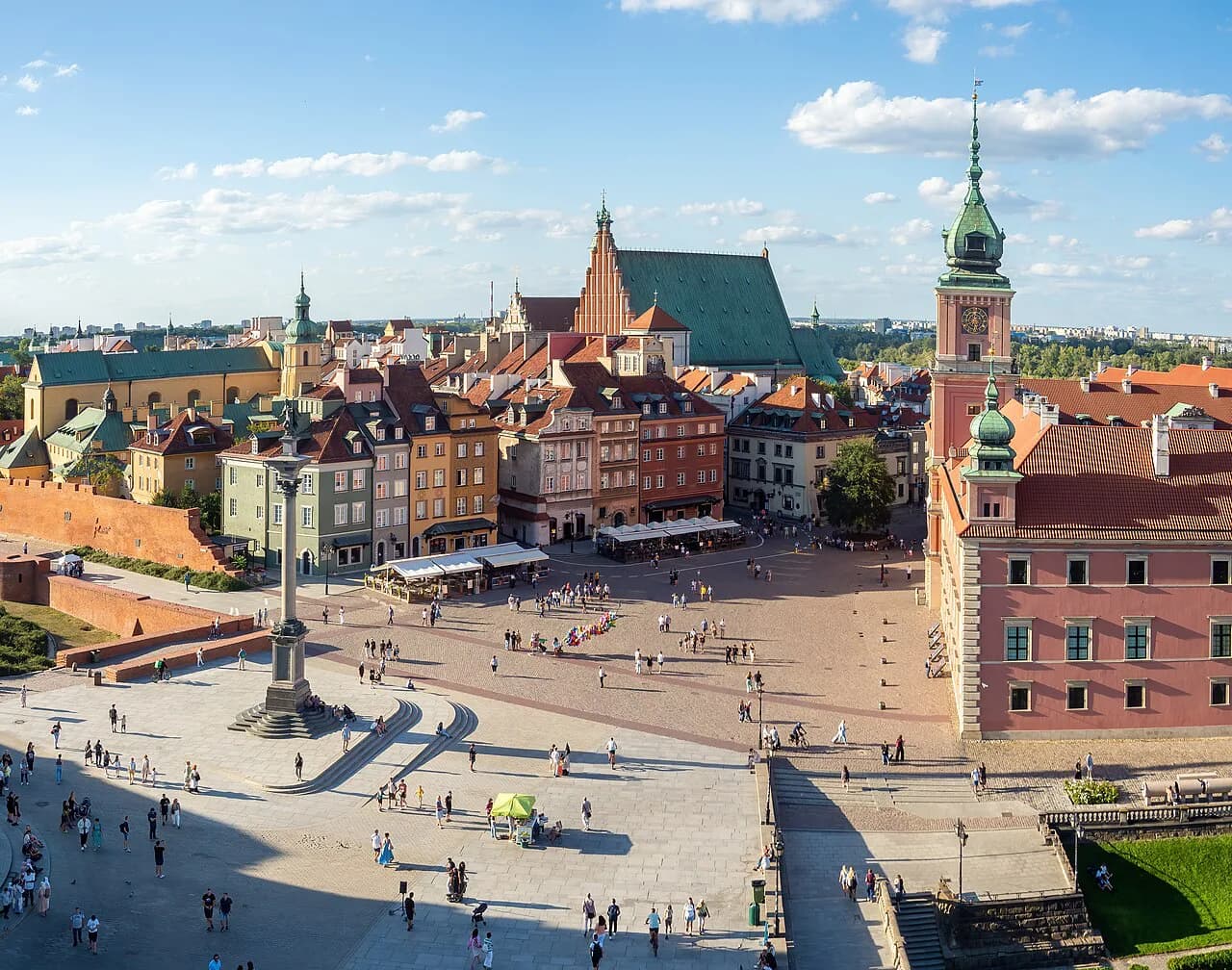
Start on the Market Square, the lifeblood of the Old Town, where the Warsaw Mermaid statue stands in the centre and the Museum of Warsaw occupies eleven surrounding tenement buildings. The Gothic St John's Cathedral nearby holds the tombs of the last Dukes of Mazovia.
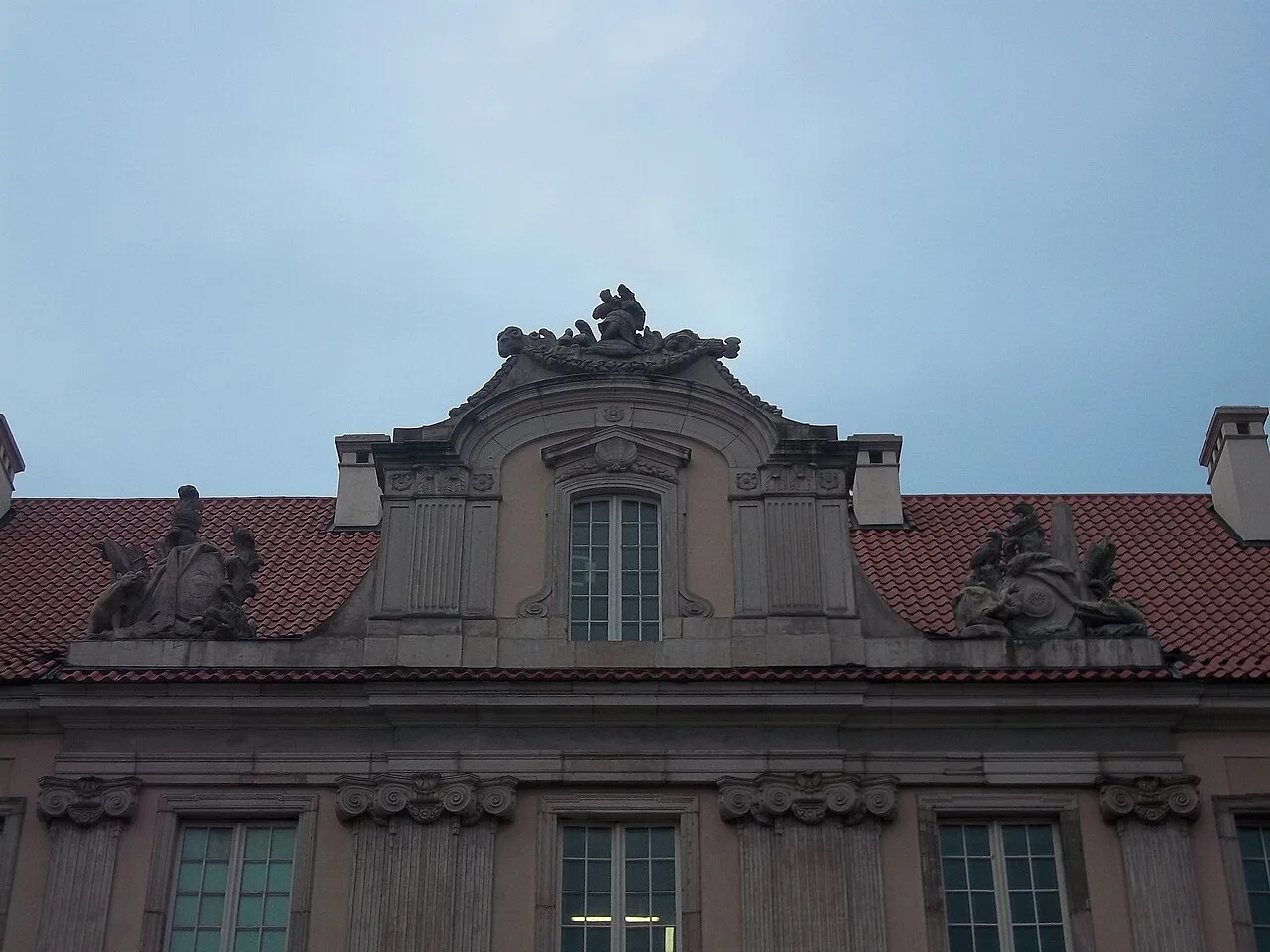
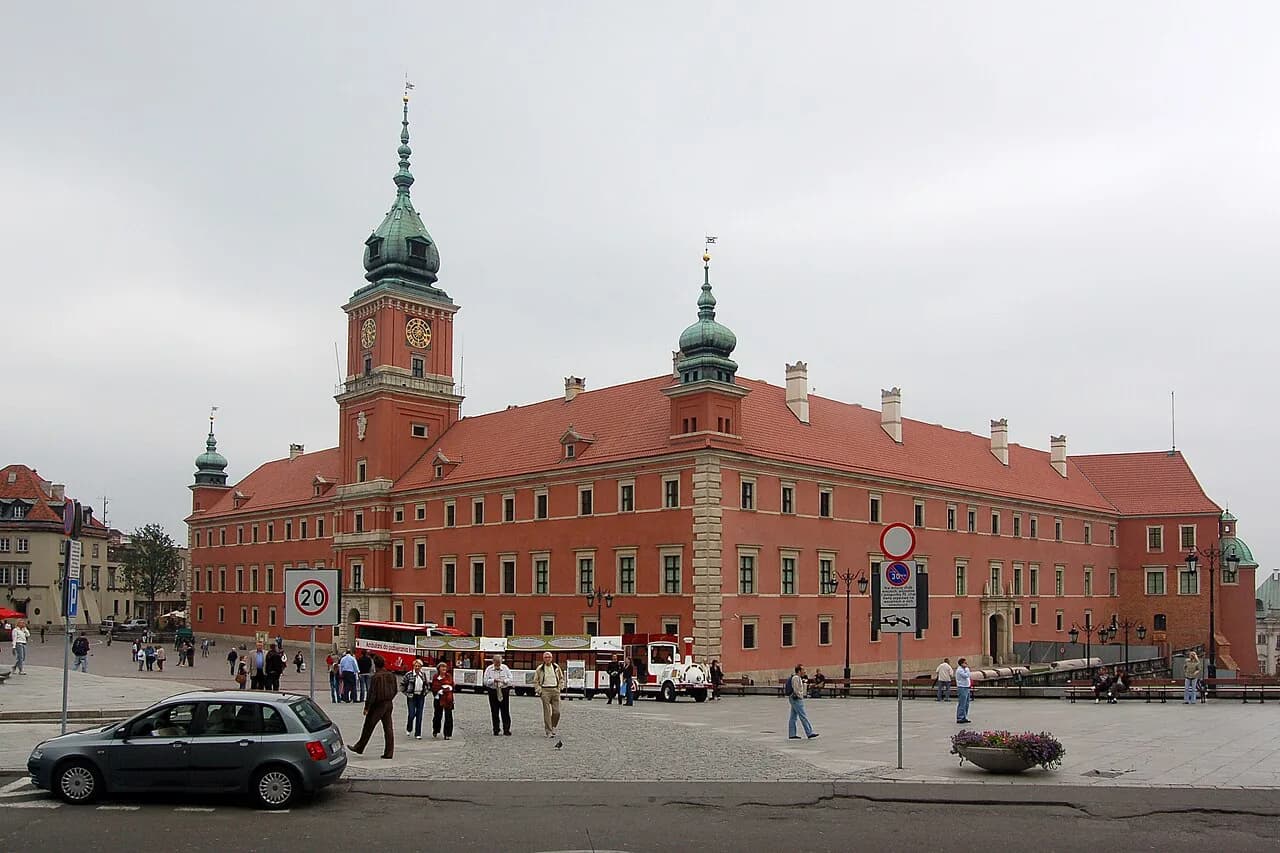
The Royal Route links the Old Town to the former royal residences, taking in the Baroque Royal Castle with its royal insignia and paintings, and the Sigismund Column, Poland's most famous monument. The Royal Castle is the single interior most worth booking time for, and 3 Days in Warsaw should give it a proper half-morning.
Walking the Royal Route is the natural spine of a Warsaw city break, because the sights line up in order rather than scattering across the map. On a Warsaw City Break you can cover the Old Town in a morning and Łazienki in an afternoon without doubling back. For a full itinerary by length of stay, see this guide to how many days in Warsaw.
Recent history done seriously: POLIN, the Rising Museum and the ghetto memorials
The route through the former Jewish district links the POLIN Museum, the Umschlagplatz memorial where the Germans deported Warsaw's Jews to the Treblinka camp, a surviving fragment of the ghetto wall and pavement plaques marking the old boundary. Treat this as a half-day minimum and read the memorial plaques slowly.
The Warsaw Rising Museum is interactive and dense, and it documents the 1944 struggle that changed the capital permanently. Two big museums in one day is too much for most people, so split POLIN and the Rising Museum across separate mornings.
Views and green space: the Palace of Culture and Łazienki Park
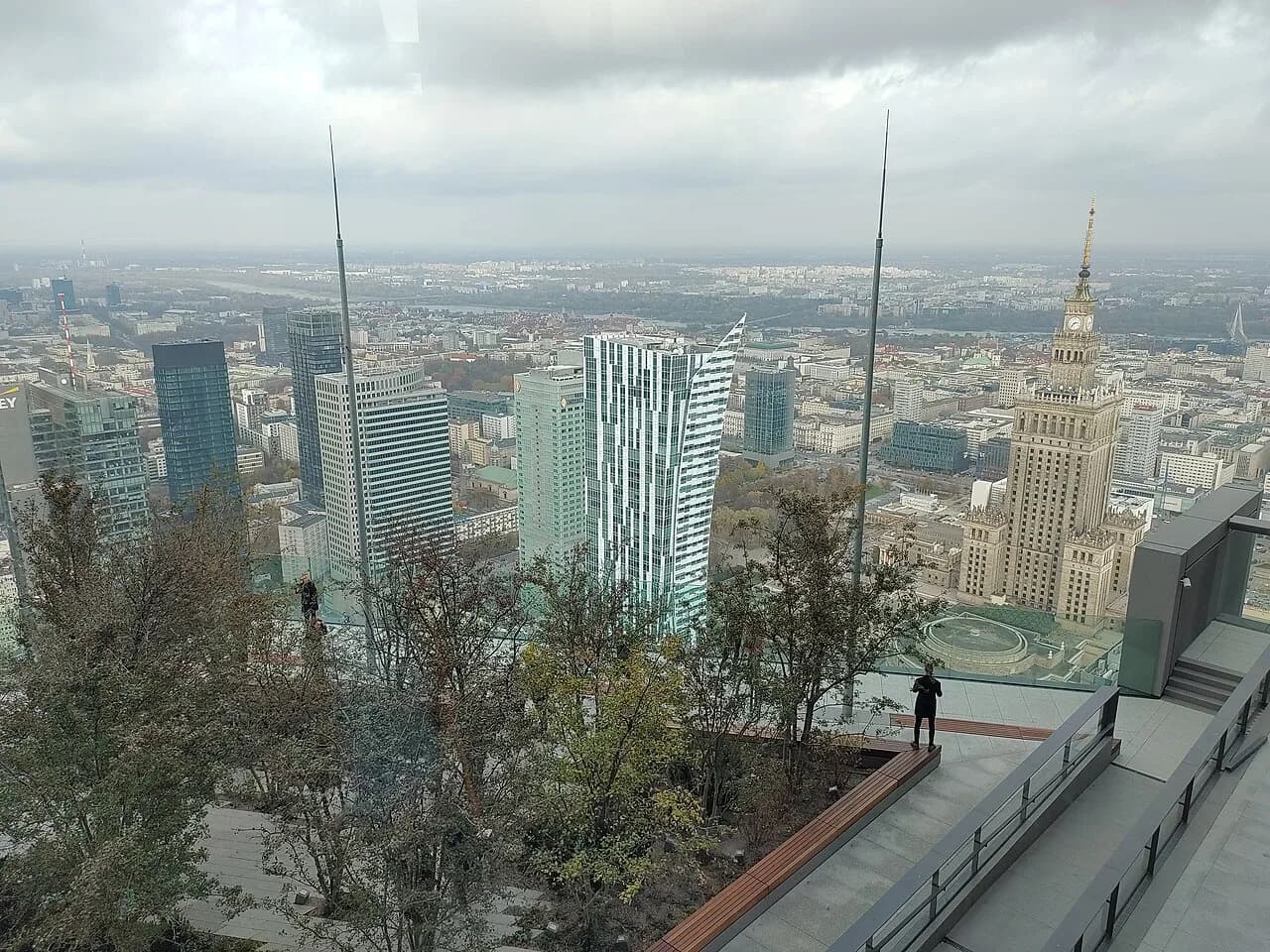
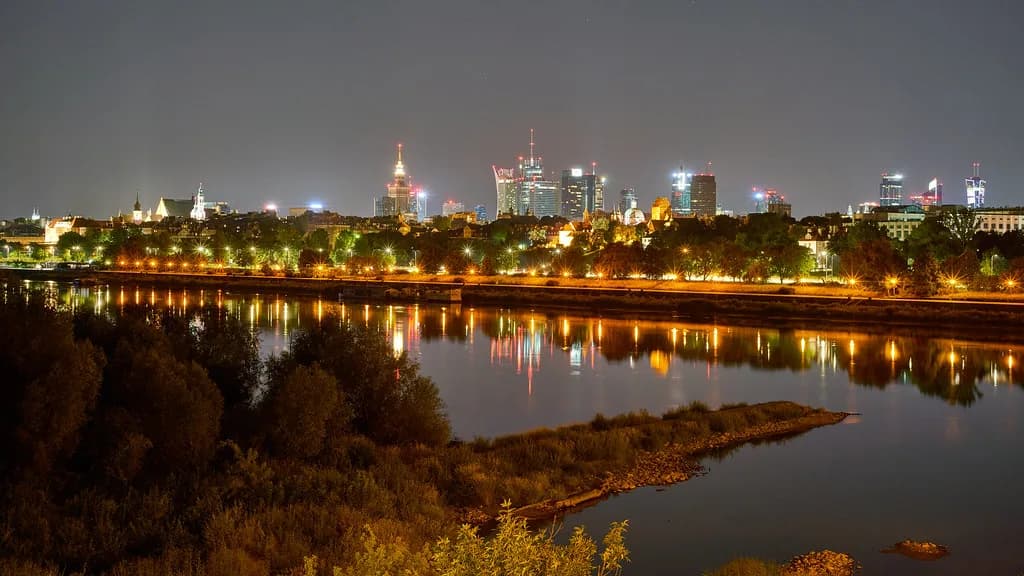
The Palace of Culture and Science rises over 230 metres and houses a theatre, cinema, museums, cafés and the main tourist information point. Its 30th-floor observation deck gives the broadest panorama in the city, taking in the new skyscrapers and both banks of the Vistula.
Royal Łazienki Park holds the classical Palace on the Water, whose interiors display paintings collected by Poland's last king, Stanisław Poniatowski, and open-air Chopin concerts are a summer fixture at the park's Chopin monument. It is the best place in Warsaw to slow down for an afternoon.
Wilanów, the yellow Baroque palace of King Jan III Sobieski, survived the war and now shows richly furnished chambers and gardens. It sits well beyond the centre and needs a separate half-day, which is why it belongs on a longer 3 days rather than a weekend.
How Warsaw is laid out and how much walking it involves
The city stretches across 517.2 square kilometres, so the sight list is spread out compared with a compact old town. The Old Town, Royal Route and Vistula embankment form one walkable band, but the Rising Museum and Wilanów sit away from it and need a tram, bus or taxi.
Plan on several kilometres of walking a day along the Royal Route and back, with comfortable shoes because the cobbles in Stare Miasto are uneven. The riverbank paths give a flat, quiet stretch when you need a break from the streets.
How many days Warsaw needs
Two days cover the Old Town, the Royal Route, the Palace of Culture viewing terrace and one major museum. Add Wilanów and a second museum on a third day, and the pace becomes comfortable rather than relentless. If you are weighing up the options, a comparison of one, two or three days will settle it quickly.
One day is enough for a taste if Warsaw is a stop on a longer Polish trip: Old Town in the morning, Łazienki or the Rising Museum in the afternoon. Three days is the better choice if history is the reason for coming, because POLIN and the Rising Museum each deserve unhurried time.
When to go
Spring and early autumn bring milder weather, fewer crowds and good conditions for walking the Royal Route and the riverbank. Summer is warm but busier, and the Old Town Square fills with outdoor café tables.
Museum closing days shape a Warsaw plan more than the weather does, since Polish museums commonly shut one day a week. Check each museum's own site before fixing your days, and keep one flexible morning for whichever venue is closed when you arrive.
Who may not enjoy Warsaw
Travellers who want an intact medieval old town with original fabric and narrow lanes should look elsewhere, because Warsaw's centre is largely reconstructed. The atmosphere is that of a modern capital rather than a preserved historic core.
Anyone wanting a quiet, small-scale city may find the distances and the traffic tiring. Warsaw rewards curiosity about how cities work and how they remember; it is less rewarding if you simply want picturesque streets to wander.
So, should you book Warsaw?
Book Warsaw if modern history, reconstructed architecture and a big-city river setting appeal, and give it two or three days rather than a rushed weekend. Choose a smaller Polish city if you want original medieval streets and everything within a short walk.
Prices in złoty, museum opening days and any free-entry arrangements are published by each venue, so confirm them when you fix your itinerary. Budget questions are covered separately if cost is the deciding factor.
Explore more Warsaw guides
Frequently Asked Questions
What is Warsaw famous for?
Warsaw is known for its reconstructed Old Town, a UNESCO World Heritage Site rebuilt after wartime destruction, the Royal Castle and Royal Route, the Palace of Culture and Science, and its major museums of twentieth-century history: POLIN and the Warsaw Rising Museum.
Is Warsaw good for a first trip to Poland?
It works well if you want a large capital with museums, river walks and a busy food scene. Travellers hoping for an intact medieval centre are usually happier in a smaller city such as Kraków.
Do I need to book Warsaw museums in advance?
This cannot be confirmed from the sources available here. POLIN and the Warsaw Rising Museum are the two most time-consuming visits, but each museum publishes its own booking rules and opening days, so check the museum's own website before fixing your dates.
Sources
Notes for your next Polish city break
Optional updates to our Poland guides.
You might also like
Continue reading
More guides you'll find useful