How Many Days in Warsaw? 1, 2 or 3 Days Compared
Two full days cover Warsaw's Old Town, Royal Route and one big museum. One day is a taster; three adds Praga and Wilanów. See what each length covers.
On this page
Two full days is the right answer for most first visits to Warsaw: one day for the Old Town and the Royal Route, one for a major museum plus Łazienki Królewskie. One day gives you the reconstructed Old Town and Krakowskie Przedmieście; a third day only pays off if you want Praga or the long run south to Wilanów.
This guide groups the sights by walking geography rather than ranking them and shows what gets cut at each length. For a full hour-by-hour plan, the 3 days in Warsaw itinerary slots these pieces together.
The short answer: one, two or three days in Warsaw
One day covers the Old Town Square, the Barbican, the Royal Castle exterior and a walk south to Nowy Świat. It is a taster: you pass the museum doors without going in.
Two full days unlock the city: day one as above, day two for a single big museum and an afternoon in Łazienki Królewskie. Three days add Praga and either Wilanów Palace or the Poster Museum, but that extra day is mostly travel across the river or south rather than new density in the centre.
The centre is compact enough to walk, though the run from the Old Town down to Wilanów is long and better done by bus or tram. If you are still deciding whether the city justifies the trip, whether Warsaw is worth visiting comes down to how much you want museums and reconstructed history in one place.
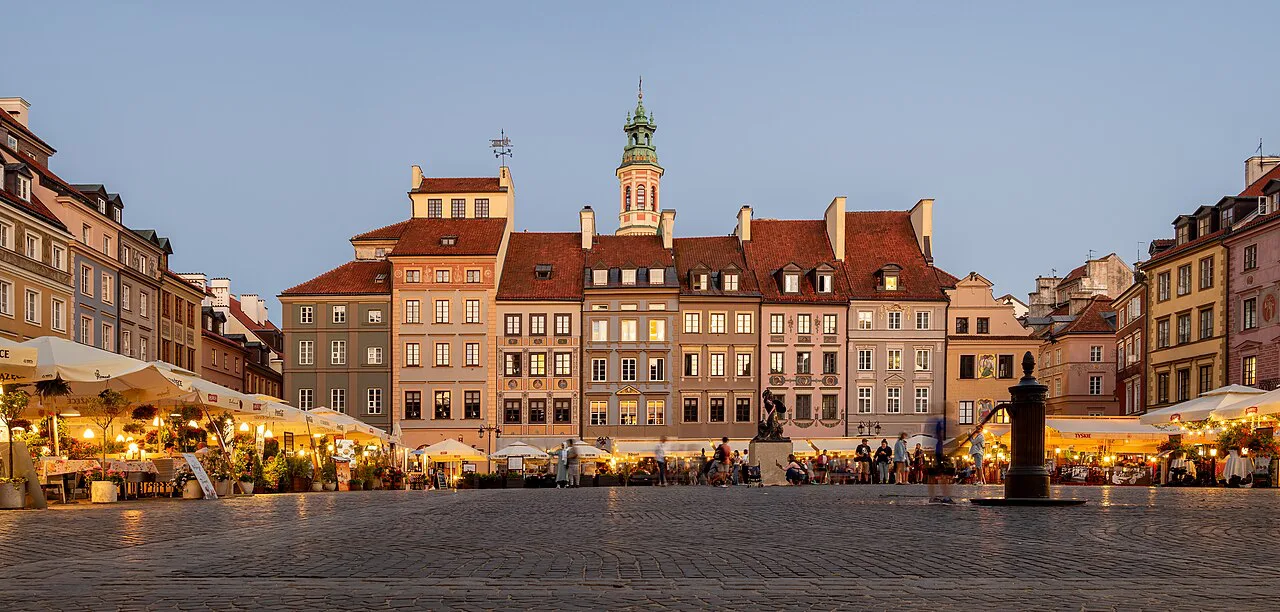
What one day in Warsaw covers: Old Town, the Royal Route and the Vistula
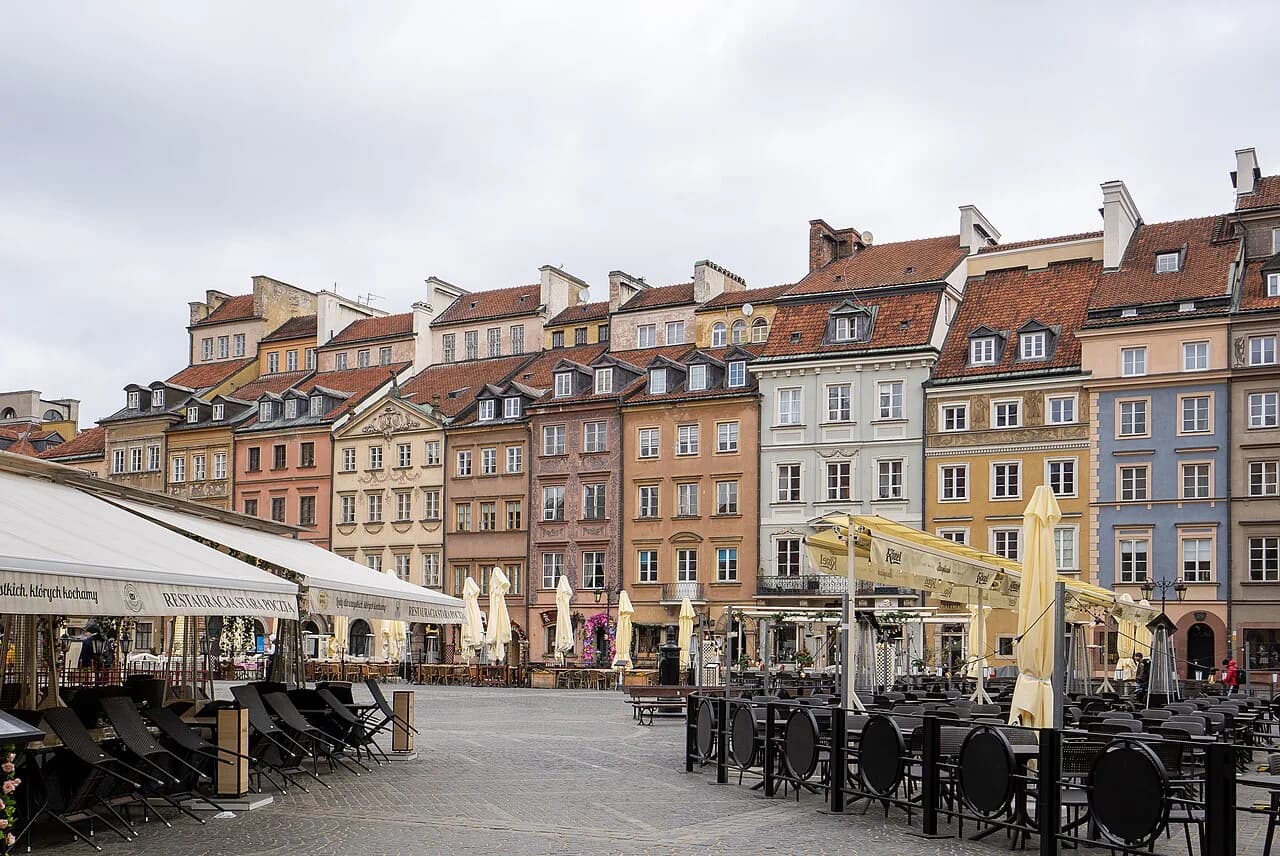
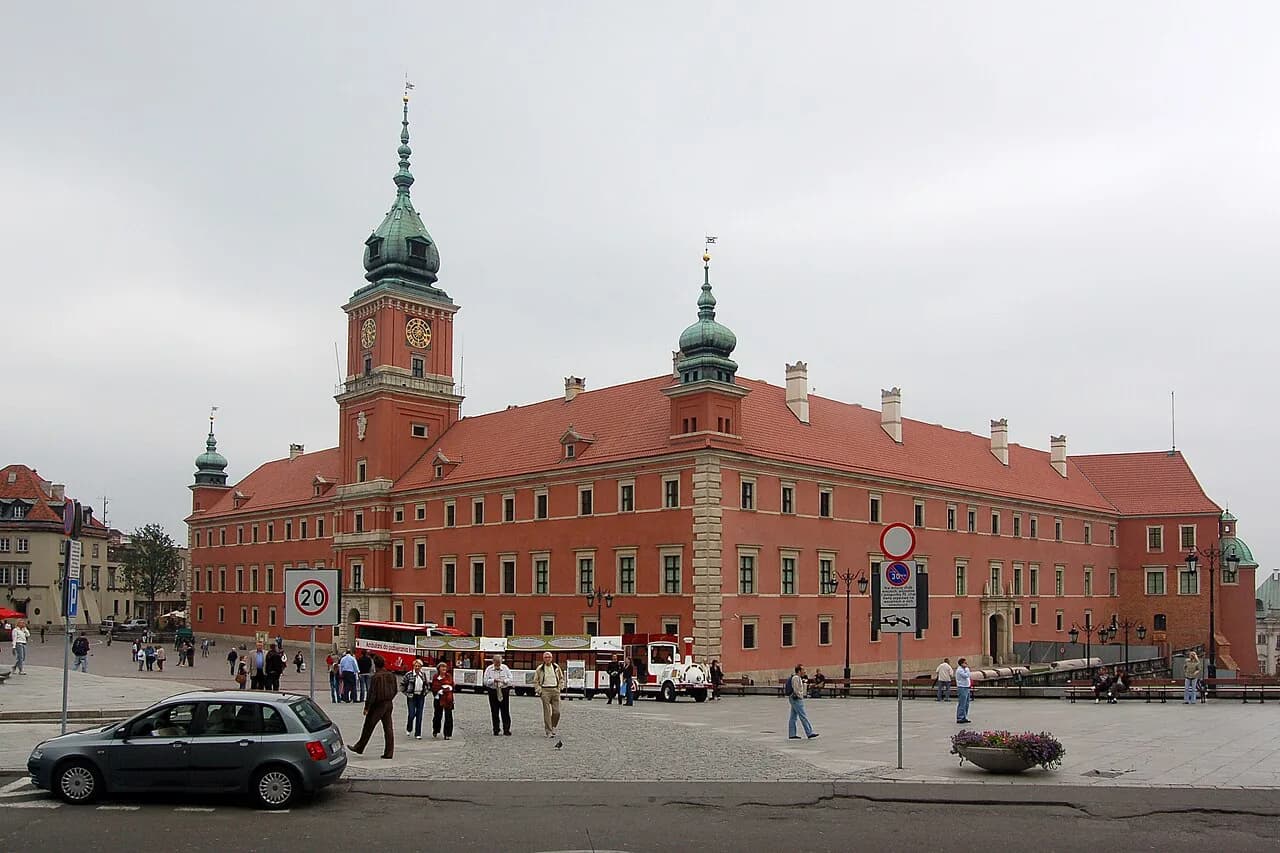
Start on the Old Town Square, ringed by colourful townhouses and centred on the Warsaw Mermaid, and walk the city walls and Barbican before the Royal Castle. Much of the Old Town was destroyed during the war and rebuilt from historical plans, photographs and other surviving documents, carefully enough to earn UNESCO World Heritage listing.
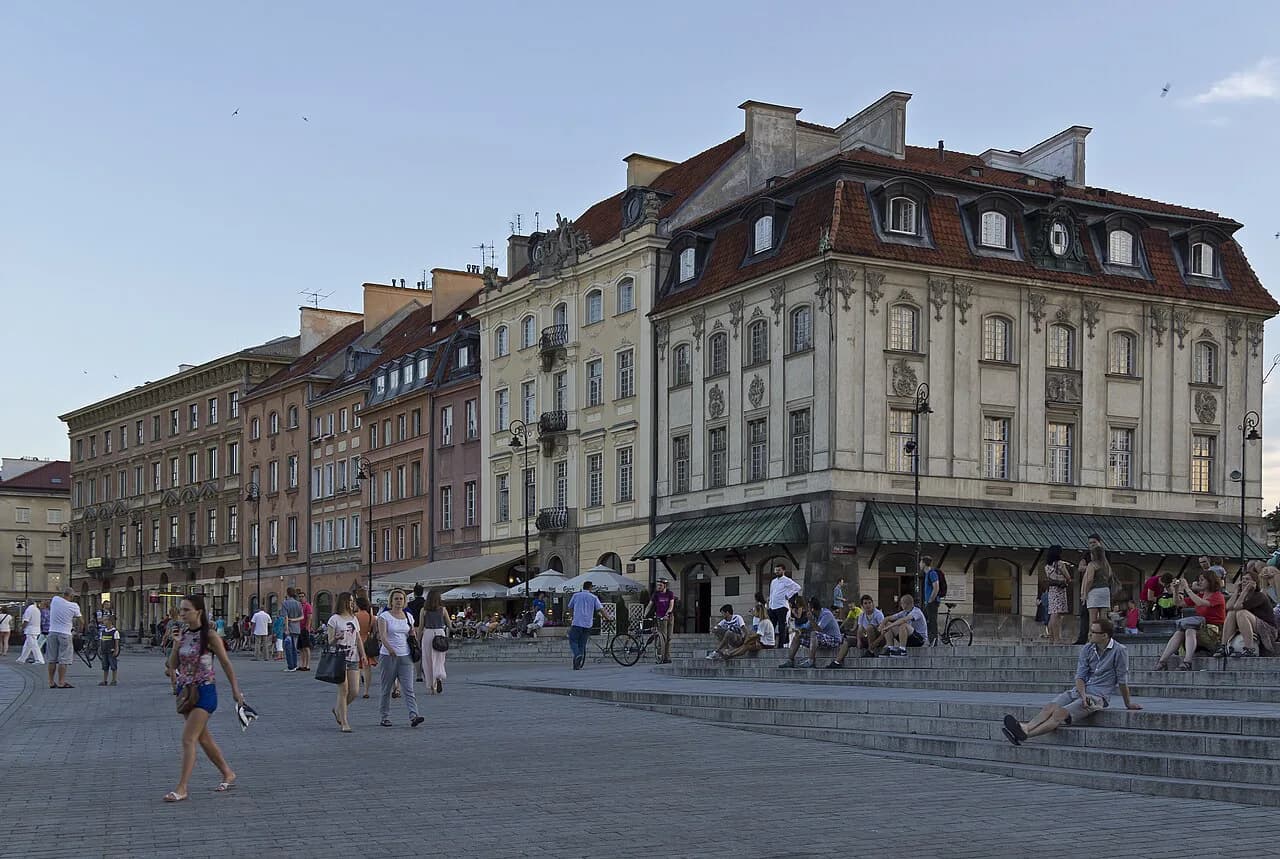
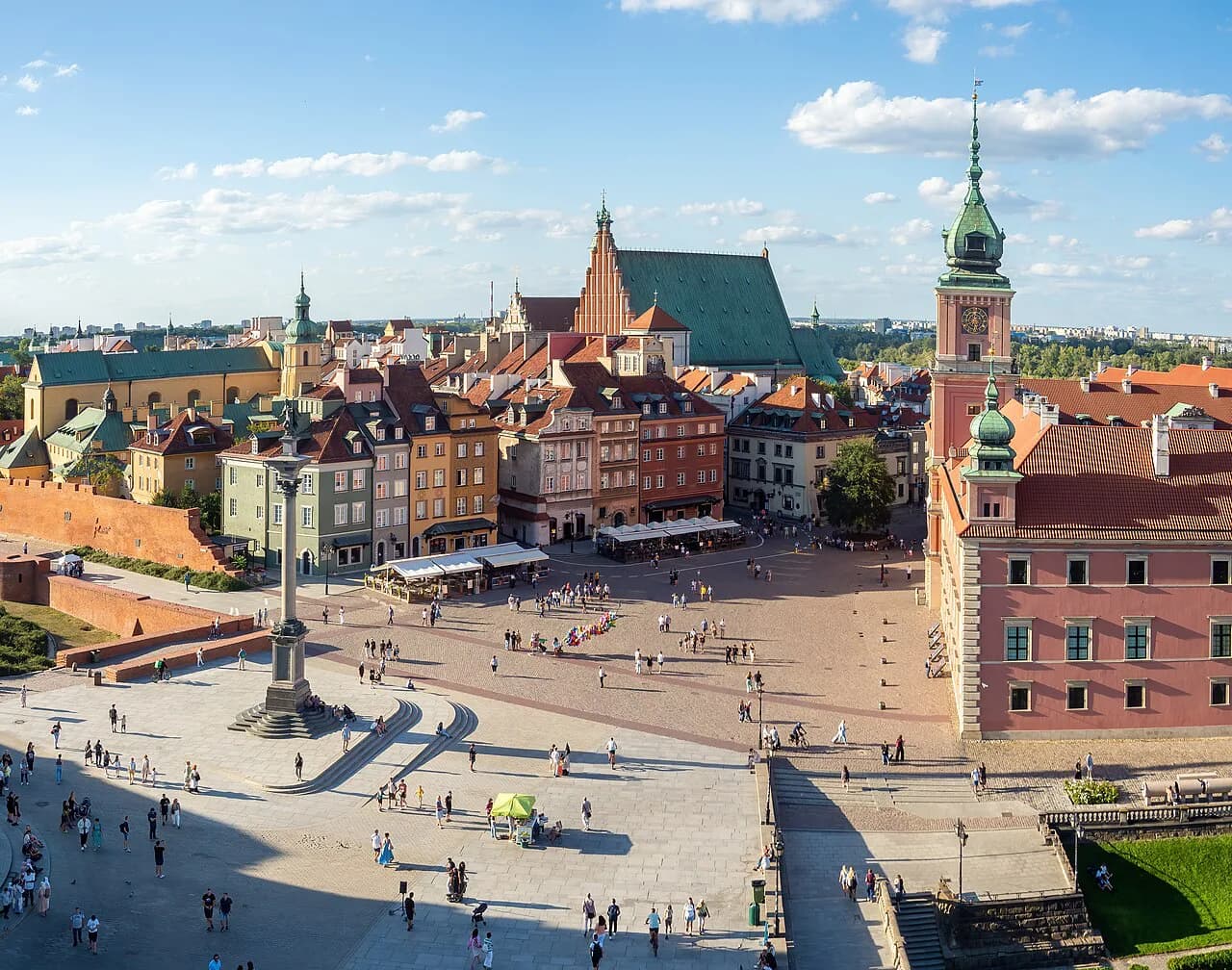
From Castle Square, the Sigismund Column marks the Royal Route, running south past churches, the University of Warsaw and the Presidential Palace, then on as Nowy Świat. Give this axis the bulk of the day and stop where a facade pulls you in rather than ticking off every building.
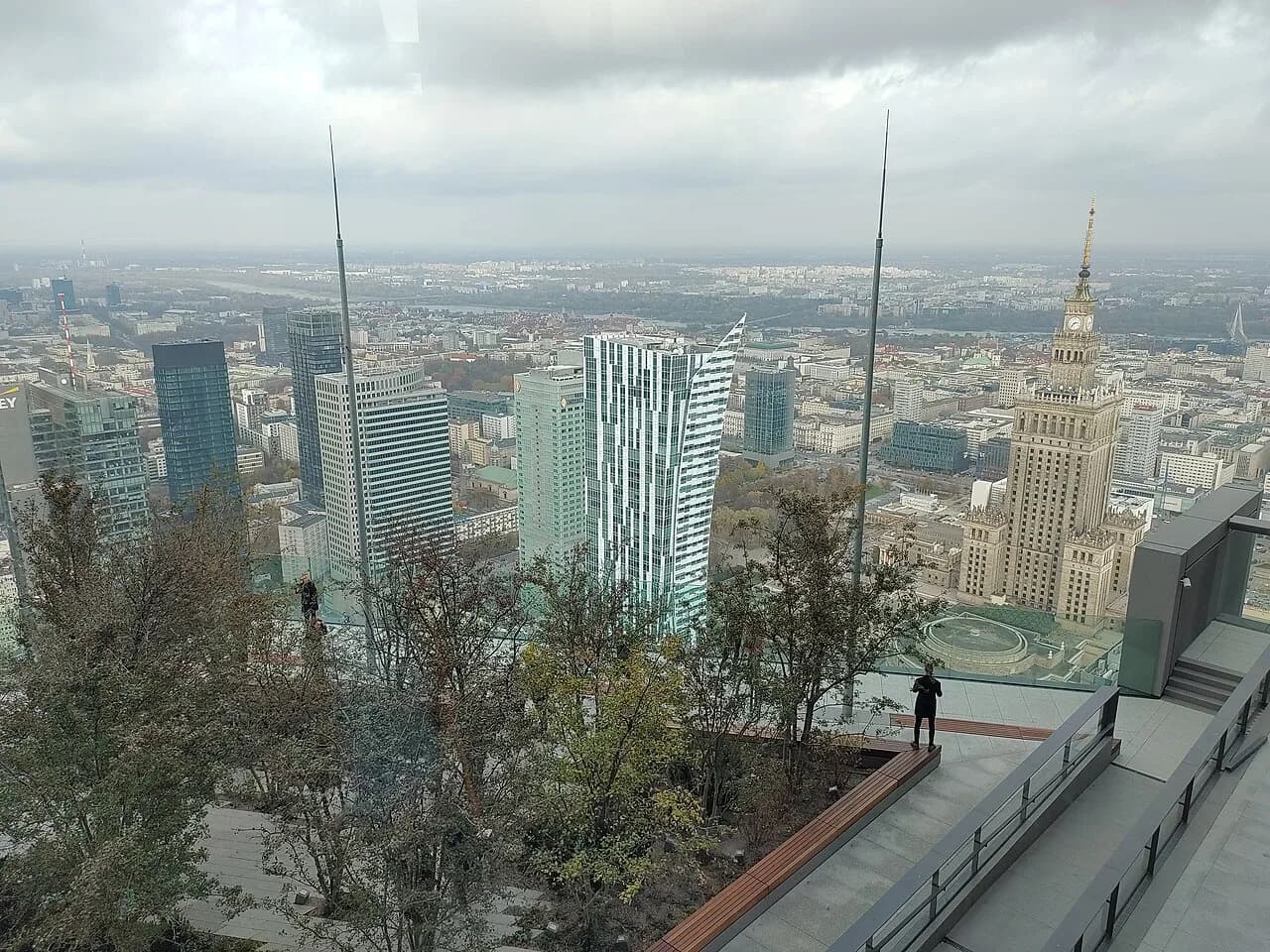
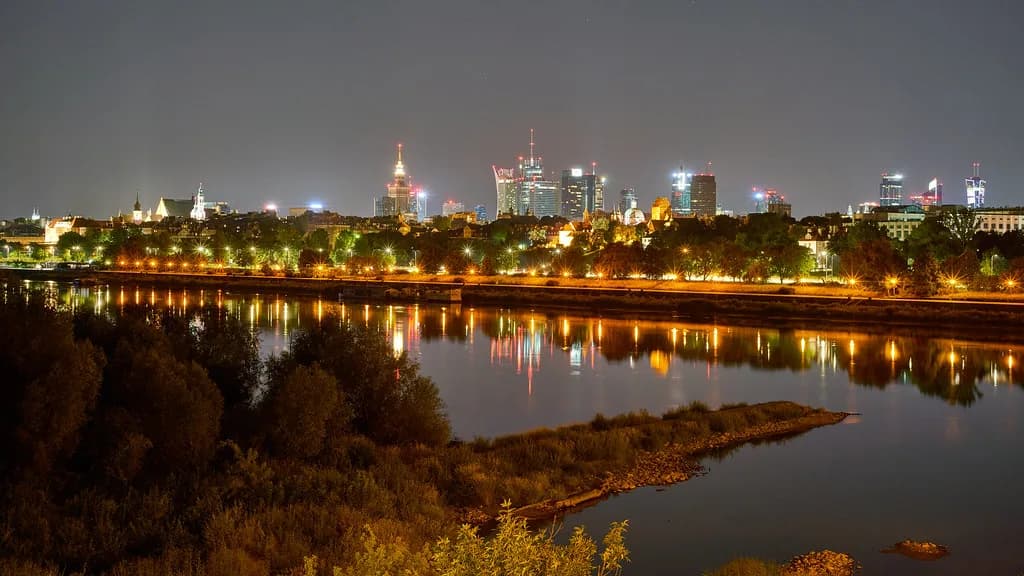
Finish on the Vistula Boulevards, where the riverside paths are the easiest place to watch the city slow down. The Magdalena Abakanowicz Footbridge crosses to Praga in around six minutes on foot, a skyline view without committing to a full afternoon on the eastern bank.
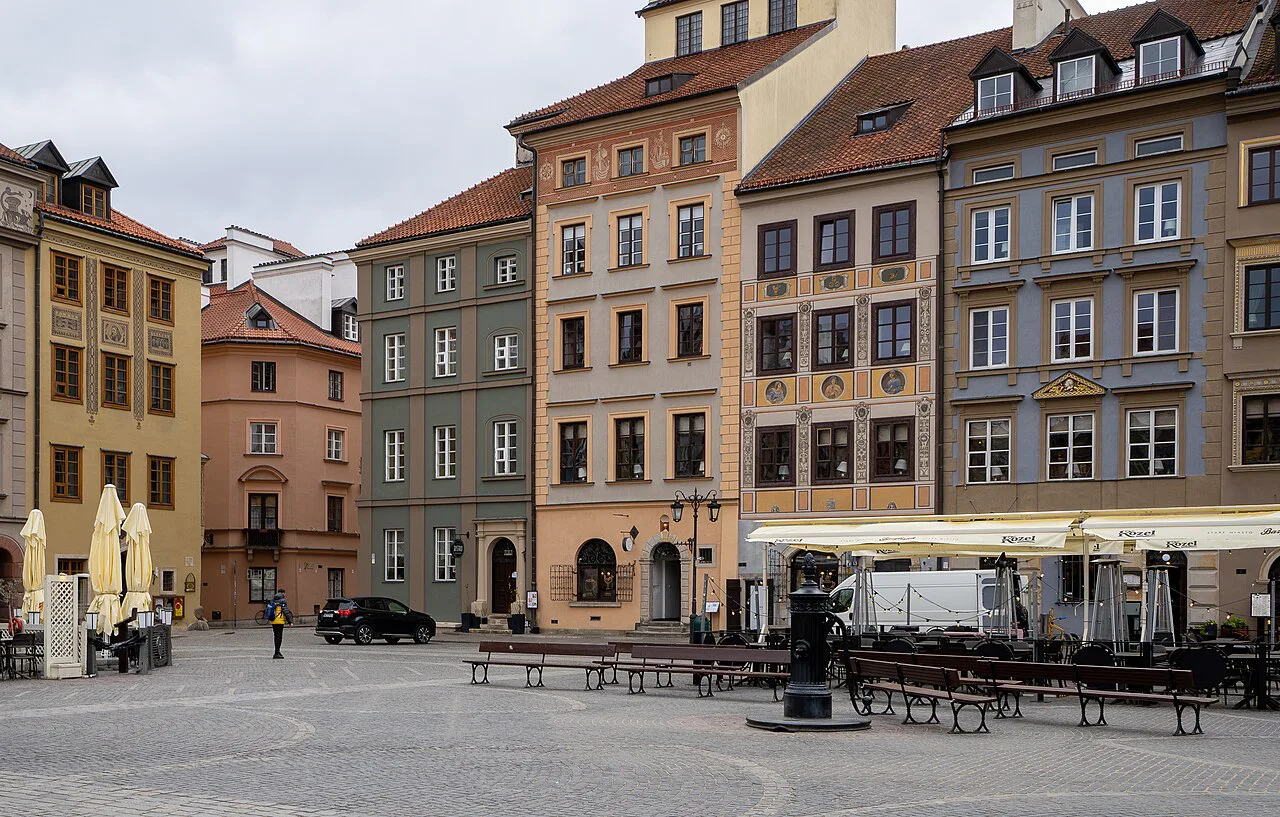
How two full days change the plan: one big museum plus Łazienki Królewskie
Day two is where you pick your museum, and the choice shapes the rest of the day. The Museum of Warsaw fills eleven tenement buildings on the Old Town Square and tells the city's story across several floors with a rooftop viewpoint over the square. POLIN Museum of the History of Polish Jews stands on the site of the former Warsaw ghetto and covers a thousand years of Polish Jewish history, while the Warsaw Rising Museum documents the 63-day uprising of 1944.
Pick one, not two. POLIN and the Rising Museum each fill a morning or afternoon, and adding a second leaves no time for the park. The Museum of Warsaw is the lighter option if you want the afternoon free, and you walk straight out into the Old Town afterwards.
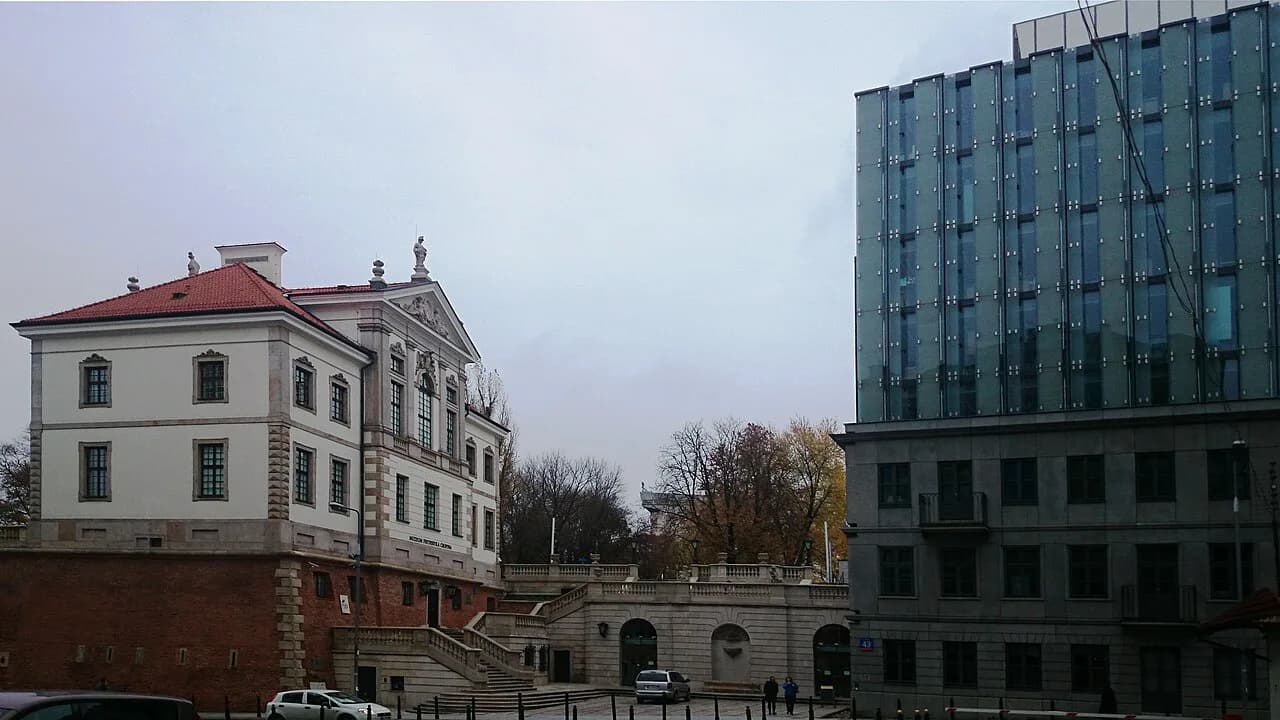
Spend the rest of day two in Łazienki Królewskie, home to the Palace on the Isle, the former summer residence of King Stanisław August. From spring to early autumn, free open-air piano concerts are held beside the Fryderyk Chopin Monument on Sundays, a tradition dating back to 1959. The Fryderyk Chopin Museum is closed for renovation during 2026, so do not build the day around it.
What a third day adds: Praga, the Neon Museum and Wilanów
A third day makes sense if you want the eastern bank. Cross to Praga, where the riverside keeps natural vegetation and sandy stretches rather than manicured embankments. The Neon Museum, which displays Cold War-era neon signs, sits across the river and is a small, focused stop rather than a half-day.
The other option is the long run south to Wilanów Palace, the Baroque residence built for King Jan III Sobieski and one of the few buildings the war left undamaged. The Poster Museum in Wilanów holds more than 63,000 posters, including one of the world's largest collections of Polish posters. Each direction is a half-day, so it only fits once you have seen the centre.
If neither Praga nor Wilanów appeals, a third day is padding. Better to slow down and revisit the Old Town after dark, when the reconstructed streets are at their most atmospheric, than to add a rushed cross-city trip.
Where to base yourself so the days walk themselves
Base yourself along or just off the Royal Route between the Old Town and Nowy Świat and most of your two days will be on foot. That band puts the Old Town, the Royal Castle, the museums on the square and the Vistula Boulevards within easy reach. The trade-off is that Praga and Wilanów become deliberate trips rather than strolls, so the Warsaw city break guide groups sights by area to help you choose.
When Warsaw deserves four days and when two is enough
Two days covers the Old Town, the Royal Route and one major museum for a first visit. Three days suits travellers who want a museum morning, a full afternoon in Łazienki Królewskie and either Praga or Wilanów. Four days only pays off if you want two museums in depth and both sides of the river without cutting anything.
Stopping at two is sensible if your trip is built around walking and atmosphere rather than exhibits, because the reconstructed Old Town is best without a schedule. If you are weighing the cost, whether Warsaw is expensive shows where a short break's money actually goes.
Warsaw also spreads further than Kraków, so two days here feels fuller than the same length there: the sights line the river and the Royal Route rather than packing into a tight ring. That spread is why two days is the sensible minimum.
What Warsaw museums cost in złoty and how closed days reshape your plan
The Museum of Warsaw is reported with a full ticket of 20 zł and a reduced ticket of 15 zł, closing on Monday and opening Tuesday to Sunday from 10am to 7pm. Confirm both the price and the hours on the museum's own site before relying on the exact amount. The ticket also covers the Praga Museum of Warsaw within seven days, which helps if you plan a third day on the eastern bank.
Several Warsaw museums close one day a week, often Monday, and a closure can wipe out your museum morning. Check each venue's own site for its closed day and hours before booking around it, since the pattern is not identical everywhere.
Budget for one paid museum per full day rather than several, and ask at the desk whether a combined or reduced ticket applies to your chosen venues. If cost decides between two and three days, Warsaw on a budget shows how to keep the extra day cheap.
Two days or three?
Book two full days unless you specifically want Praga or Wilanów. That gives you the Old Town and Royal Route on day one and a single museum plus Łazienki Królewskie on day two, the version most first-time visitors are happiest with. Add a third only if the eastern bank or the long run south genuinely appeals.
Check the closed day for the museum you pick before you lock the dates, and keep the second day flexible so a Monday closure does not cost you the afternoon. If you want the whole plan assembled for you, the Warsaw itinerary lays out the days in order.
Explore more Warsaw guides
Frequently Asked Questions
Is Warsaw a walkable city?
The centre is walkable: the Old Town, the Royal Route and the Vistula Boulevards link up on foot, and the Magdalena Abakanowicz Footbridge crosses to Praga in around six minutes. The long run south to Wilanów is better done by bus or tram.
Which is nicer to visit, Kraków or Warsaw?
They suit different trips. Warsaw's sights are spread along the river and the Royal Route, so two full days feels like a complete visit, while Kraków's are packed into a tighter ring and suit a shorter stay. Choose Warsaw if you want museums and reconstructed history at scale.
Do Warsaw museums close on Mondays?
Some do; the Museum of Warsaw closes on Mondays. The pattern is not identical across venues, so check each museum's own site for its closed day and hours before you plan around it.
Sources
Notes for your next Polish city break
Optional updates to our Poland guides.
You might also like
Continue reading
More guides you'll find useful