Gdańsk Boat Trip: River Cruises on the Motława
Plan a Gdańsk boat trip on the Motława: what a river cruise covers, how long it takes, which boats run trips and how to fit one into a city break.
On this page
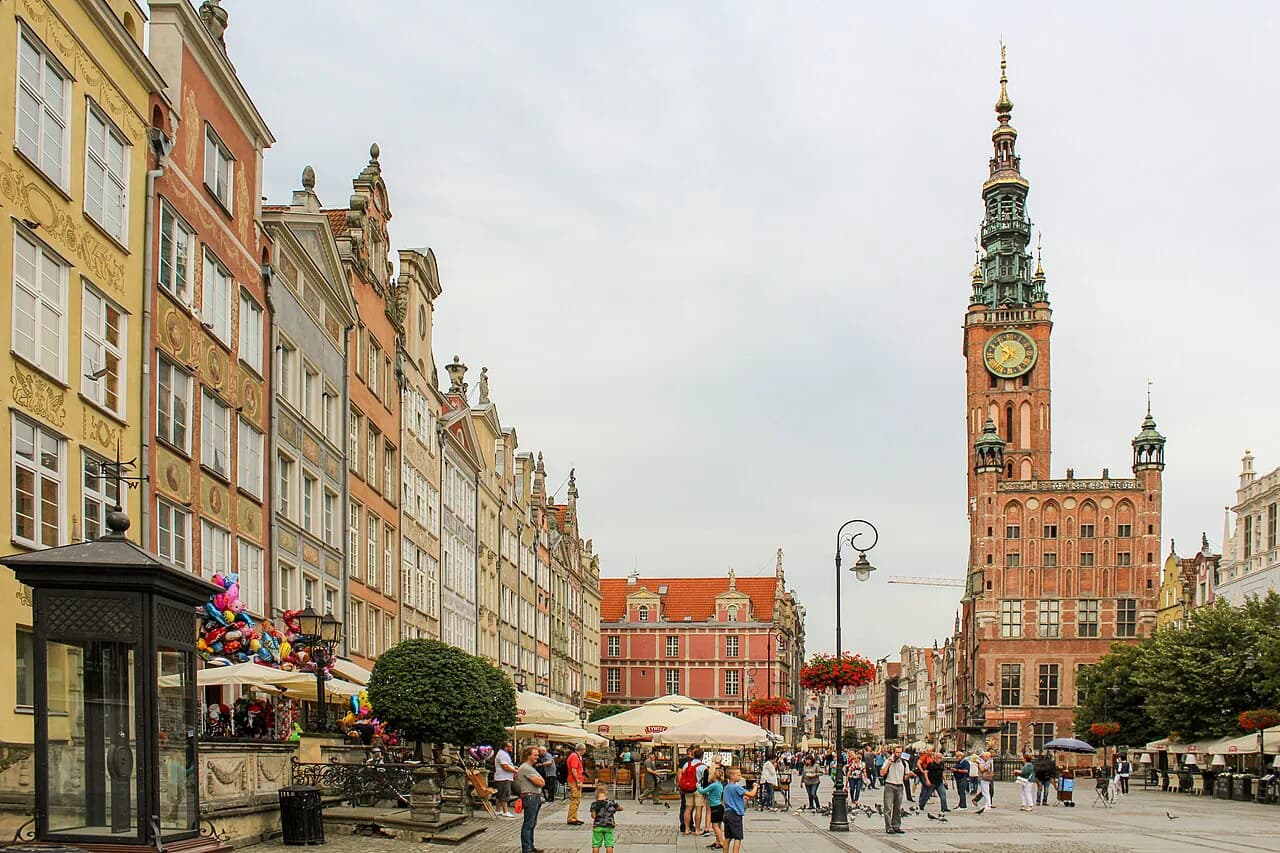
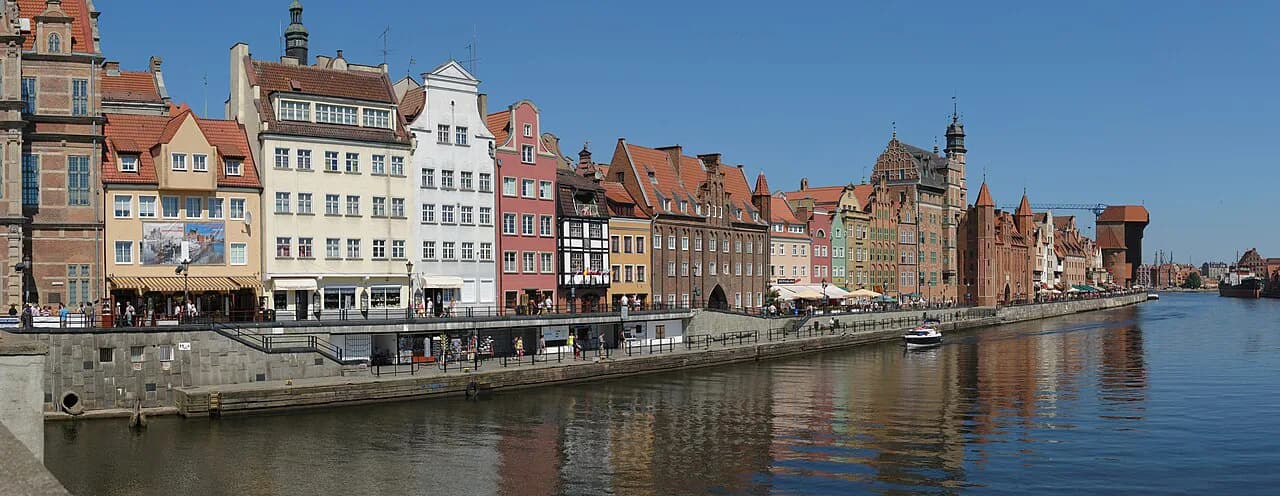
A Gdańsk boat trip is worth an hour of a city break because the Motława gives you the waterfront in one continuous view: the Długi Targ frontage, the Żuraw (the Crane) and the cranes and halls of the former shipyard beyond. The city's attraction list foregrounds the Główne Miasto, the European Solidarity Centre and the Museum of the Second World War, and a short cruise slots between a morning in the old town and an afternoon at the museums. This guide covers what the boats actually show, where the jetties sit, what the operator listings say about vessel and duration, and how to fit a cruise into one to four days without losing a walking day.
What a Gdańsk boat trip actually covers
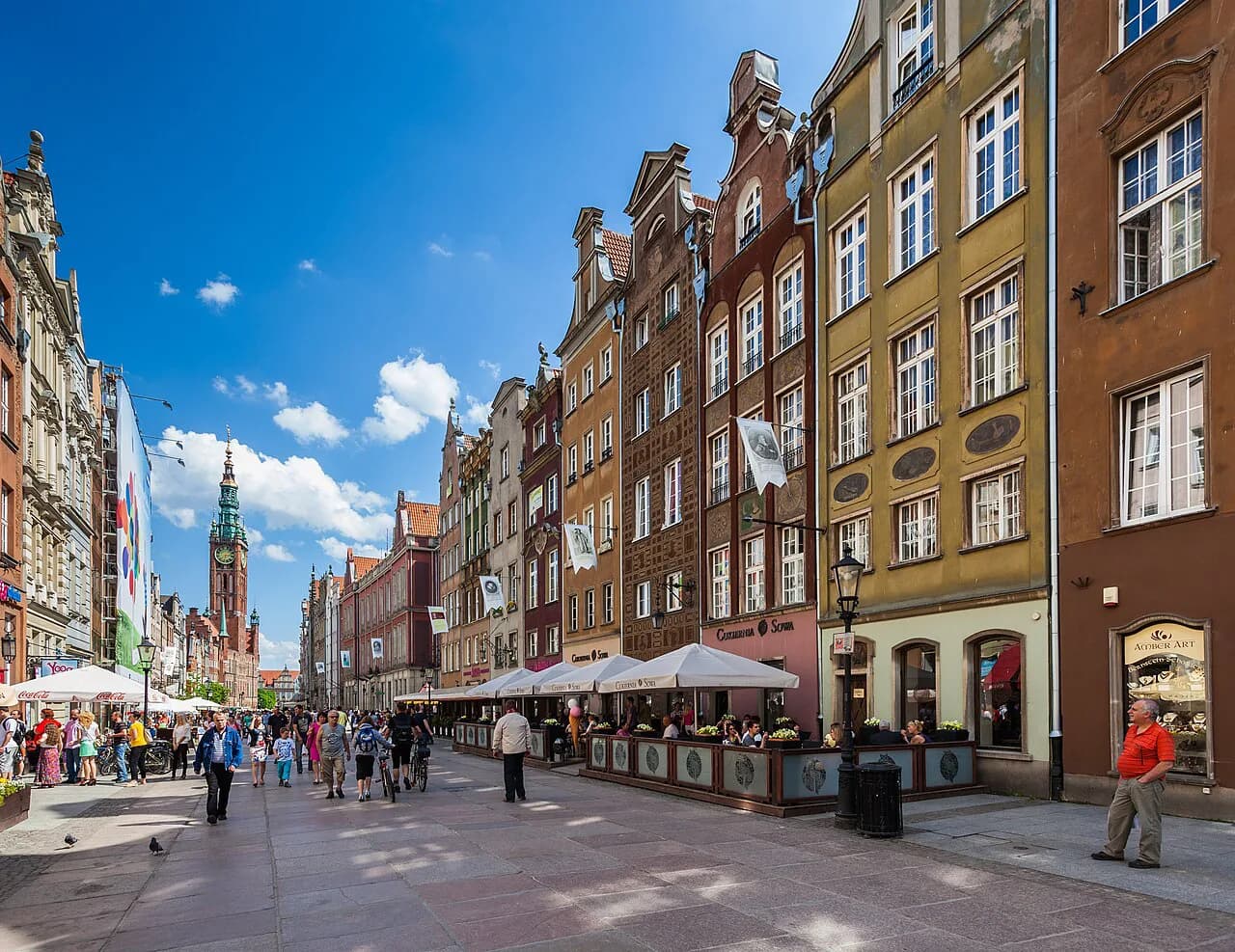
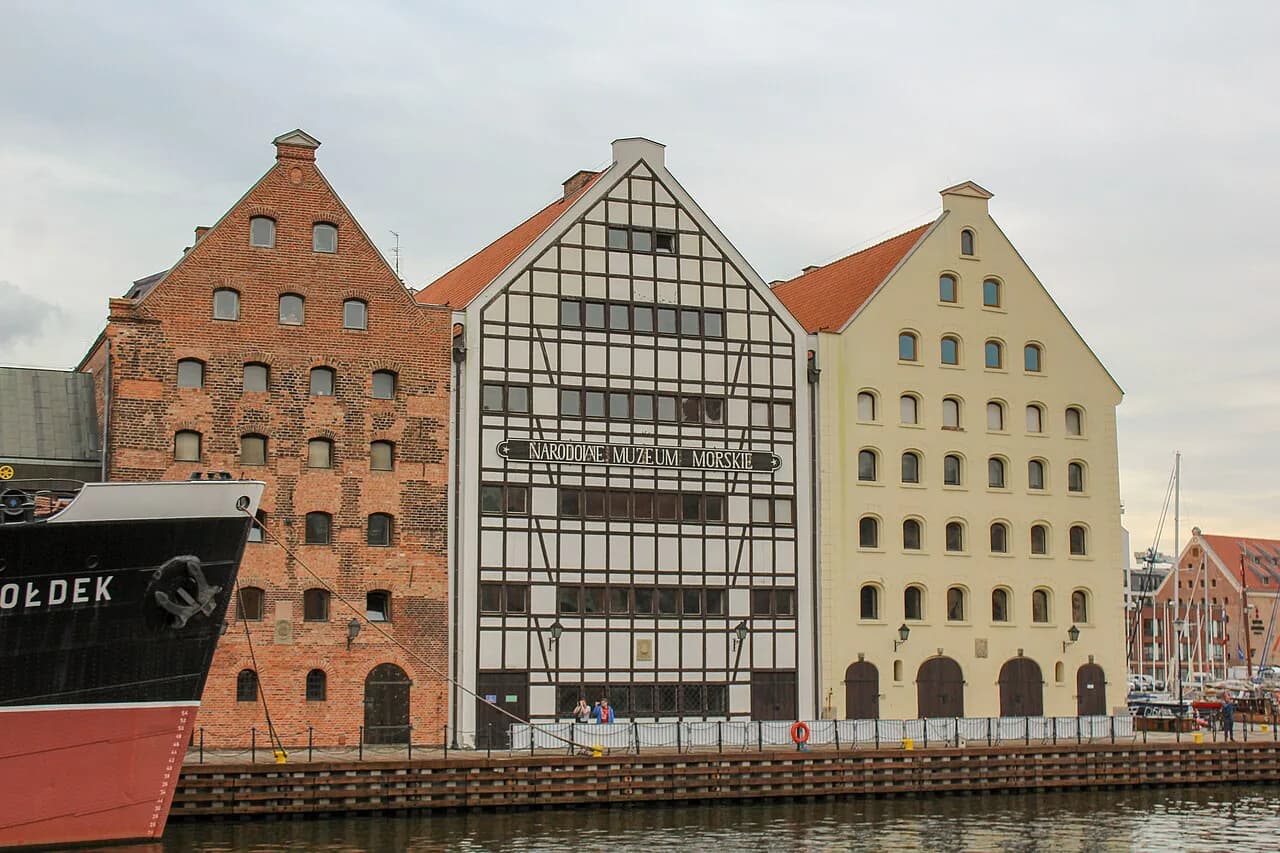
Cruises on the Motława give you the Główne Miasto waterfront from the water, with the gabled facades along Długi Targ lining up against the industrial cranes beyond. The city tourist board presents the Główne Miasto, the European Solidarity Centre and the Museum of the Second World War as the headline sights, and the river puts the first in front of you while pointing towards the other two.
What you do not get is interior access. The Żuraw, the town hall and the basilica need a walking visit, and a cruise works as a companion to those rather than a substitute. Treat the boat as an orientation lap early in the trip, then walk the streets you liked the look of.
Where boats leave from on the Motława
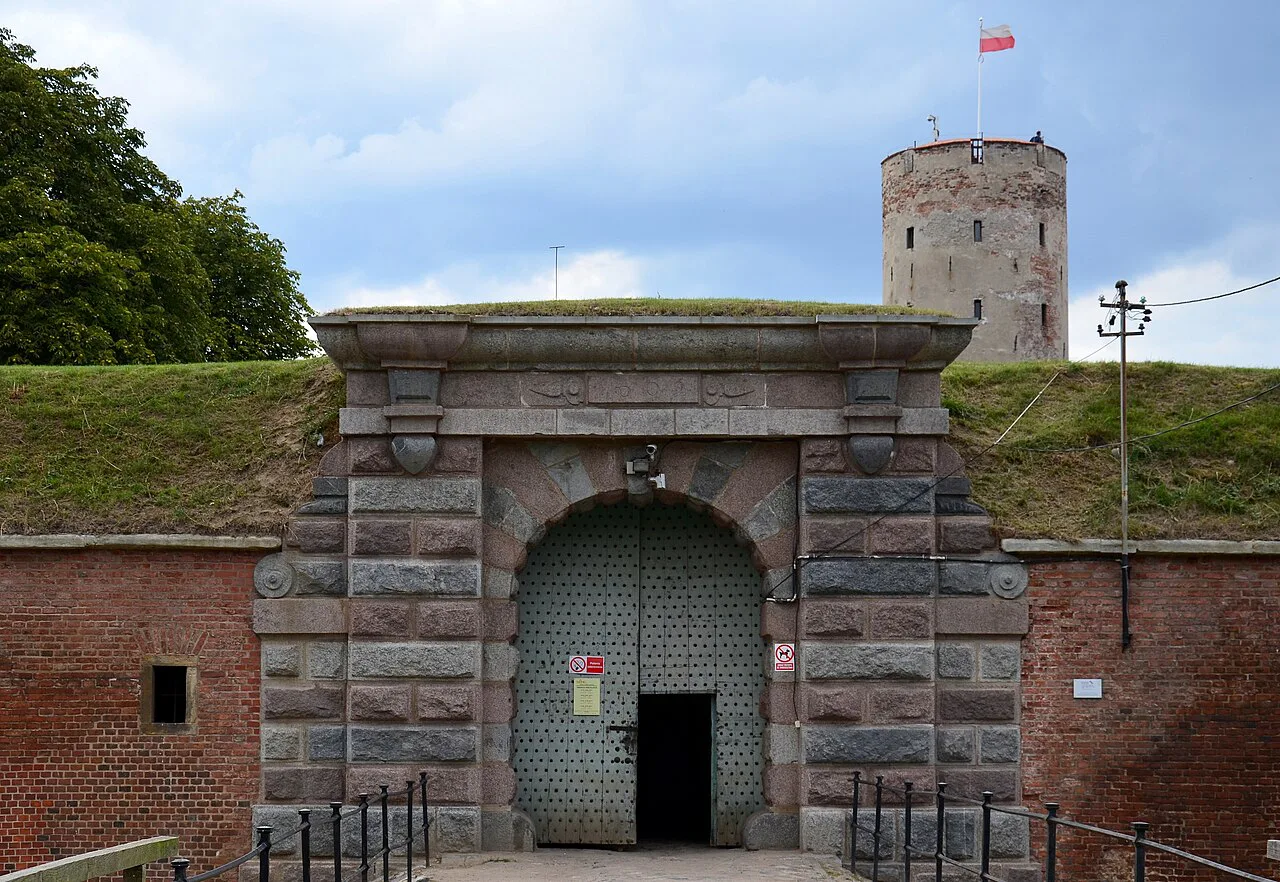
Passenger boats work the Motława in the Główne Miasto, the historic core that the city promotes as the centre of a Gdańsk visit. Where exactly each vessel boards is a matter for the operator, so confirm the quay when you book rather than assuming any one stretch of waterfront.
Check the boarding point with the operator when you book, because several boats share the same stretch of quay and signs are small.
The historical galley boat cruise
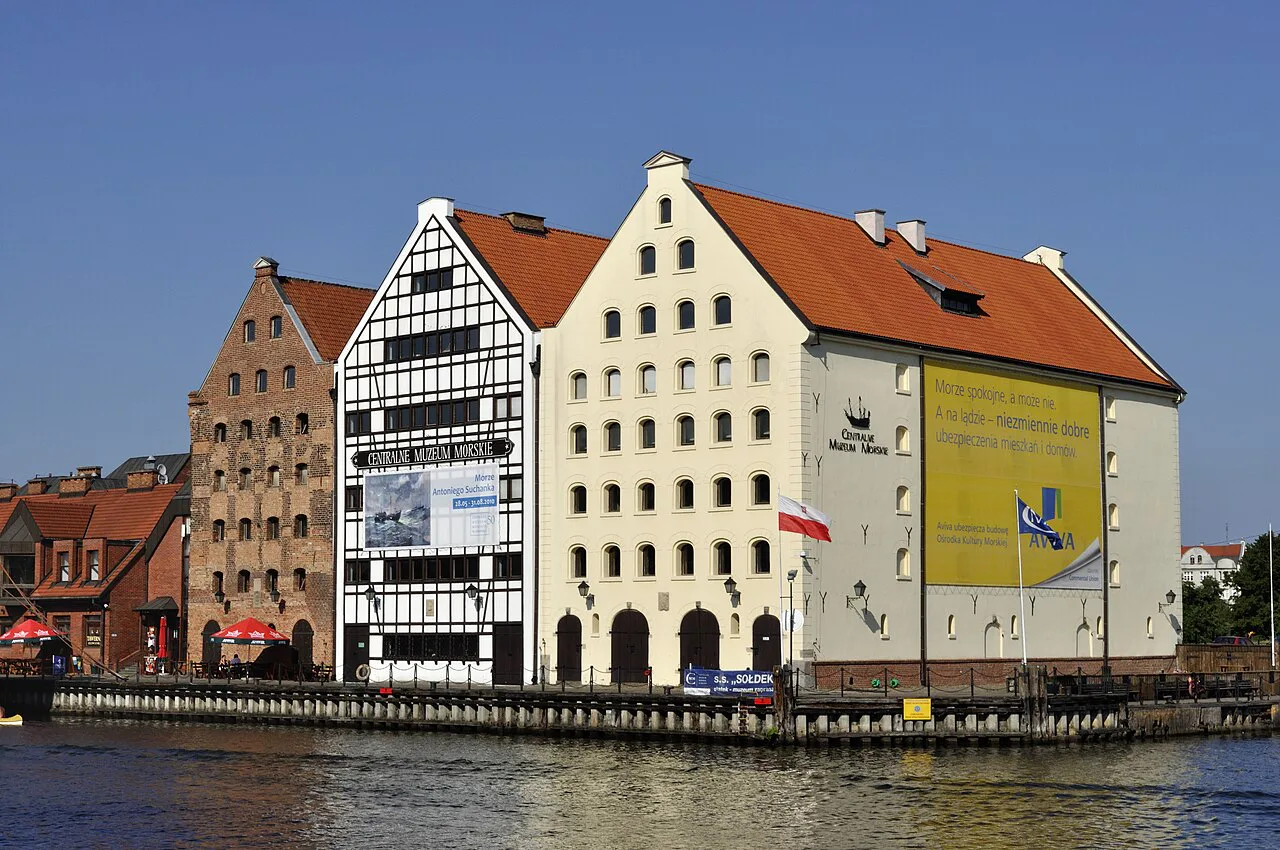
One listed option is a city cruise on a historical Polish boat, described as a 12-seater vessel covering the ancient and modern city from the water. The description puts the route past medieval landmarks and newer waterfront development, so expect a compact group and a guide-led narrative rather than a large ferry.
One listing describes that galley boat's run as around 55 minutes, which fits into a morning or late afternoon without eating a whole sightseeing slot. Take that as the stated timing for that boat rather than a guarantee, and check the duration when you book.
Catamaran options on the Motława
A second style of trip uses a catamaran, marketed as the Baby Blue Katamaran, on a route through the heart of Gdańsk along the historic Motława. A catamaran gives a wider, steadier platform than a small open boat, which can suit mixed-age groups. The trade-off is intimacy: a larger vessel feels less like a traditional river craft.
Both styles cover much the same water, so the choice comes down to atmosphere rather than route. If you want the traditional boat feel, book the galley; if comfort and space matter more, the catamaran is the easier ride.
Water versus foot: what each view gives you
From the river you see the Żuraw, the waterfront facades and the shipyard skyline as a panorama, and you cover ground that would take a long walk to match. The city's sightseeing list treats the Główne Miasto, the European Solidarity Centre and the Museum of the Second World War as the core of a visit, and the water perspective shows how tightly the old town sits against the working port.
On foot you get the details the boat skips: the town hall's Renaissance interiors, the basilica and the side streets off Długi Targ. A cruise is the overview; walking is the close reading. Do the boat first and the streets second, and the second pass makes more sense.
How long to allow and where it fits in your day
Budget around an hour and a half for the whole outing: walking to the jetty, boarding, a run of roughly an hour and disembarking. That fits between a morning walk through the Główne Miasto and an afternoon museum visit, or as a late-afternoon break before dinner. The city's own guides put the old town alongside the Solidarity and WWII museums, so a short cruise works best as the glue between those halves rather than as the main event.
If you have only one full day, take the cruise early, then walk Długi Targ and the waterfront while the geography is fresh. On a two- or three-day break, use it as a rest between heavier museum mornings and a food-focused evening.
When boats run and seasonal limits
A river cruise is a fair-weather activity, and departure days vary by vessel rather than following one city-wide timetable. Check the running dates for your specific boat before you build a day around it, because a route description does not guarantee a sailing on your date.
Tickets and what a cruise should cost
Ticket prices are set by each operator and are not published in a single city-wide source, so the fare shown when you book is the one to trust. Check what the price includes and whether children or groups get a reduced rate.
Do not assume a cruise is cheap just because the city is affordable on land. Set a budget in złoty before you board, and treat the fare as a discretionary extra alongside museum tickets, which you can price separately through the museums themselves.
Accessibility on the waterfront and on board
The riverside promenade through the Główne Miasto is straightforward to walk, but boarding a small boat is a different matter, and a 12-seat vessel may mean stepping down onto a low deck. If mobility is a concern, ask the operator directly about boarding arrangements and whether the vessel can take a wheelchair, because accessibility information is not standardised across the listings.
For anyone travelling with children or older companions, a catamaran's wider platform may make boarding and moving about easier than a traditional wooden boat. Pair the cruise with a rest stop nearby rather than a long walk straight afterwards.
Fitting the cruise into a one-to-four-day plan
On a one-day visit, put the boat in the morning and use the afternoon for the town hall and the waterfront on foot. On a two-day break, take the cruise on day one as orientation, then spend day two in the museums and the shipyard area. Three or four days let you add a second district, such as Oliwa or Wrzeszcz, without squeezing the boat trip in.
Keep the cruise as a flexible hour rather than a fixed appointment, and book it for a day when the weather looks settled. That way a cancelled sailing costs you a walk on the quay instead of a whole afternoon.
Is the boat trip worth it?
Yes, if you want the waterfront and the shipyard in one view and have an hour to spare. Skip it if your priority is interiors, because the museums and churches need a walking day of their own. Treat the cruise as the opening move of a Gdańsk break, not the reason for it.
Before you go, confirm the sailing date and boarding point with the operator, and keep the fare flexible in your budget. Then walk the Główne Miasto with the river view still in your head, and the old town will make more sense than it would have from the pavement alone.
Explore more Gdańsk guides
Frequently Asked Questions
Do I need to book a Gdańsk boat trip in advance?
For the 12-seat historical boat, advance booking is sensible because capacity is small. For larger vessels, turning up at the quay may work, but checking the operator's listing first saves a wasted walk if that day's sailings are full or cancelled.
How long is a Motława river cruise?
One listing describes the galley boat run as around 55 minutes on the water. Allow an extra half-hour for walking to the jetty, boarding and disembarking, so the whole outing takes roughly an hour and a half, and confirm the timing with the operator you book.
Sources
Notes for your next Polish city break
Optional updates to our Poland guides.
You might also like
Continue reading
More guides you'll find useful