Is Warsaw Expensive? Real Costs in Złoty for a City Break
Warsaw is mid-priced for a European city break: meals, coffee and groceries stay reasonable in złoty, while rent and utilities run high for residents.
On this page
Warsaw is moderately expensive for Poland but reasonable for a western European city break. Crowd-sourced price data puts an inexpensive restaurant meal in the capital at 45 zł, a cappuccino at about 17 zł and a half-litre of draught beer at 18 zł, which is well below London or Paris levels.
The catch is that Warsaw sits at the top end of Eastern European cities for several everyday items, so the city can feel pricier than Kraków or Poznań in ways that matter to residents more than visitors. This guide separates what a short break actually costs from what living here costs, so you can budget for a city break in złoty without overestimating the bill.
Is Warsaw expensive? The short answer for a one-to-four-day break
For a visitor, the answer is no: Warsaw is a mid-priced European capital rather than an expensive one. Meals, coffee and groceries sit well below UK levels, and the biggest single saving is that the historic centre is compact enough to walk, so you are not paying for transport every time you move. If you are weighing it up against the rest of the country, the guide to whether Poland is expensive puts the national picture alongside the capital's.
Where the budget climbs is accommodation, some ticketed sights and any habit of eating in the most touristed squares. Our Warsaw City Break plan keeps the days compact, so the spread between a frugal and a comfortable trip comes down to where you sleep and how often you sit down for a full meal rather than the price of a tram ticket.
The figures below are typical averages drawn from crowd-sourced cost data, so treat them as a planning range rather than a quotation. Prices shift with the season and the neighbourhood, and the złoty-to-pound rate moves too.
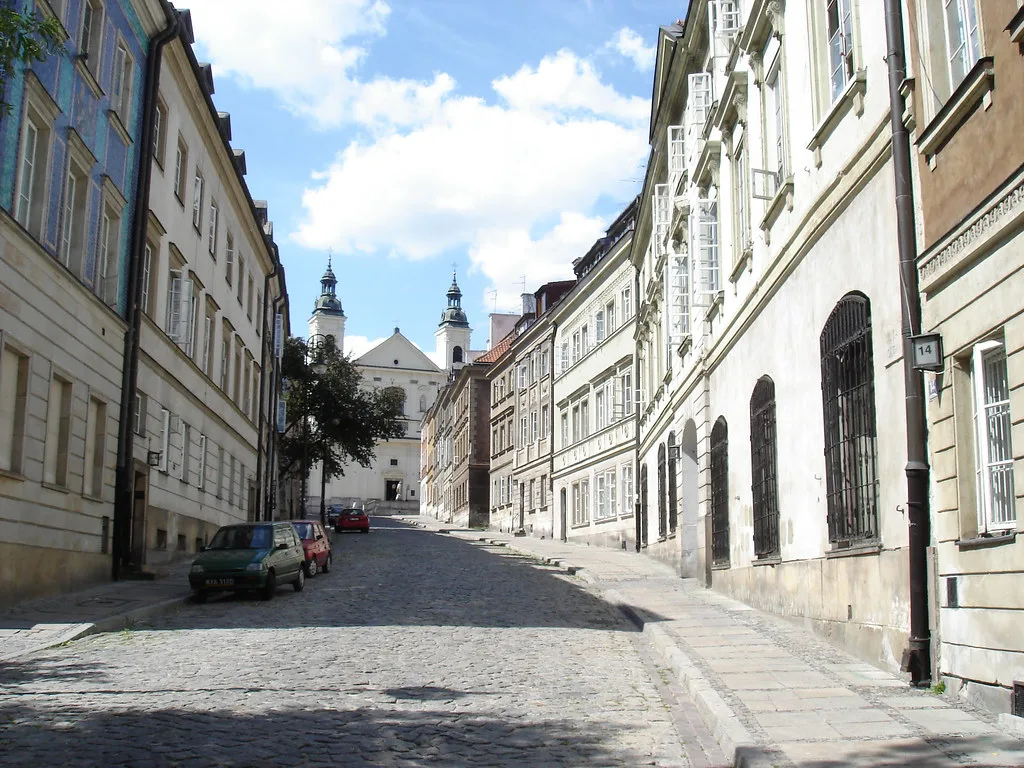
What a meal, coffee and a beer cost in Warsaw, in złoty
Eating out is where Warsaw most clearly undercuts western Europe. Price data for the capital lists a three-course meal for two at a mid-range restaurant at around 240 zł without drinks, a fast-food combo at about 40 zł and a soft drink at under 9 zł, figures that make a sit-down dinner feel ordinary rather than a splurge.
Coffee is the one everyday item where Warsaw looks expensive relative to its neighbours: the same data ranks the city first among Eastern European cities for a regular cappuccino, at roughly 17 zł. That is still cheap by UK standards, but it explains why a café stop is worth choosing carefully rather than treating as a reflex.
Groceries stay low, which is why a self-catering breakfast or a picnic lunch changes the arithmetic of a trip. Milk runs around 4 zł a litre, a kilo of apples under 5 zł, a dozen eggs about 15 zł and a kilo of chicken fillets around 25 zł, so stocking up for breakfast can cover most of a day's food spend for the price of one restaurant main.
Beer and wine are cheap by British standards, with a mid-range bottle of wine around 25 zł and a half-litre of domestic draught beer about 18 zł in a restaurant. If you want the full picture of how to eat and drink well without overspending, see the Warsaw on a budget guide, which builds these figures into a daily plan.
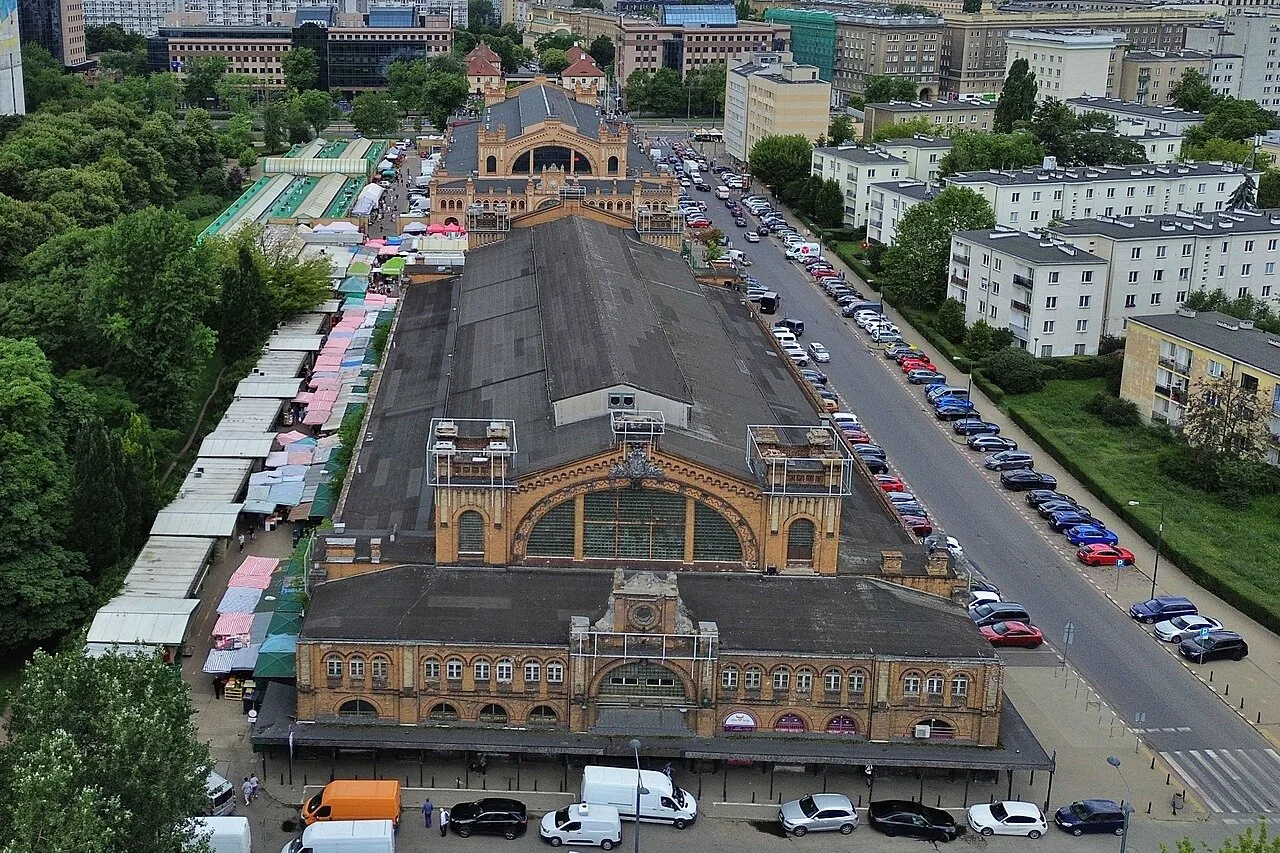
What an apartment costs to rent or buy in Warsaw, for context on local prices
Resident costs are where Warsaw genuinely earns its reputation for expense, and they are worth understanding even on a short trip because they explain local wage expectations and why some things cost more than you might expect. On the secondary market, the average transaction price for a flat in Warsaw was 16,393 zł per square metre in the third quarter of 2025, with the primary market close behind at 16,475 zł.
Rents follow the same pattern. A one-bedroom flat in a new-build in the city-centre district of Warsaw starts at upwards of 3,500 zł a month, according to an account of Polish living costs, which is a useful reminder that the hotel bill you pay for a few nights is not what accommodation costs people who live there.
Everyday utilities also sit high for the region: the same price data ranks Warsaw's monthly basic utilities for an 85-square-metre flat as the 26th most expensive of 237 European cities, which is a striking position for a Polish capital. None of this affects a visitor's wallet directly, but it explains the context in which Varsovians earn and spend.
Getting around Warsaw cheaply: walking the centre and paying for transport
The single best budget decision in Warsaw is to walk. The Old Town, the Royal Route and the main shopping streets sit close enough together that a sensible plan rarely needs more than one or two short rides a day, which keeps transport a minor line in the budget.
A city break built around the centre also makes the tram and metro a convenience rather than a necessity, and that is where the savings land. For a two- or three-night trip, choosing a base within walking distance of the Old Town area removes most of the daily transport cost from the equation.
Single tickets, day passes and the current tariff are set by the city's public transport authority. Check the official fare list before you travel and buy through the city's own app or ticket machines rather than relying on a figure quoted second-hand.
How to keep a Warsaw city break budget down without skipping the sights
Breakfast at the apartment and one sit-down meal a day is the simplest way to cut a Warsaw budget substantially, given how low grocery prices are relative to restaurant prices. Coffee is the weak spot: at roughly 17 zł a cup, two a day adds up over four days, so pick your café stops rather than drifting into one whenever you pass.
Free and low-cost sights should carry the plan. Walking the reconstructed streets, the riverside boulevards and the memorial routes costs nothing, and it lets you spend the savings on the one or two paid experiences that matter most to you, whether that is a museum or a tower.
The Warsaw Attractions: 10 Visitor Guides hub is the place to check what each sight costs before you commit, since ticket prices and closing days vary by venue and change over time. Budgeting is easier when you know which stops are free and which are worth paying for, and how many days in Warsaw you need to pace them without rushing.
Warsaw versus Kraków and the rest of Poland on price
Warsaw is not the cheapest Polish city and it does not pretend to be. It ranks among the priciest in Eastern Europe for a cappuccino and draft beer, and city-centre rents are high; average transaction prices on the secondary market in Poznań were 11,405 zł per square metre in the third quarter of 2025 against Warsaw's 16,393 zł.
For a short break the gap between Polish cities is smaller than the property figures suggest. Food, coffee and drink prices in Warsaw are modest enough that the biggest cost is usually accommodation and the odd sight rather than the cost of a bowl of soup. If you are weighing the two, the Warsaw vs Kraków comparison sets out the trade-offs directly.
Whether Warsaw stretches your budget further depends on the kind of trip you want: cheaper daily life and serious museums here, or a denser cluster of sights elsewhere. If you are still deciding, is Warsaw worth visiting covers how long the city really needs and what it does best, and one day in Warsaw shows what a short stop can achieve.
Is Warsaw worth the expense for a short break?
Yes, for most travellers: Warsaw's costs for meals, coffee and drink stay modest, and its sights, food and history make a short break worthwhile. The trick is to treat it as a normal European capital rather than a bargain destination, budget for a sit-down meal a day and walk the centre instead of paying for short hops.
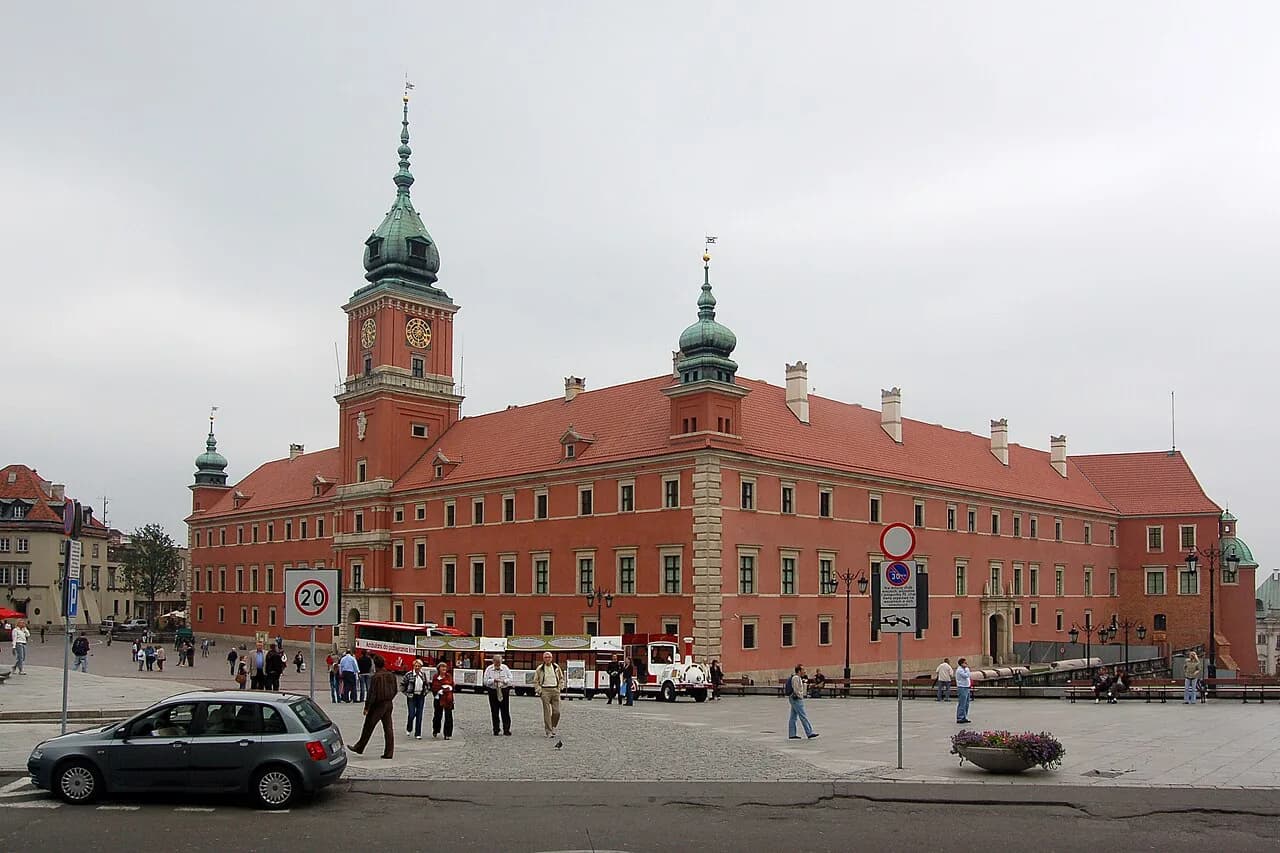
Spend your money where it counts, use the free streets and memorial routes as the backbone of the trip, and the daily total drops quickly. The guide to flights to Warsaw is the natural next step once the budget is settled, and the Royal Castle and the historic centre are worth planning around whichever days you land on. For more, see 3 days in Warsaw.
Frequently Asked Questions
Is Warsaw affordable for a British visitor?
Generally yes. Restaurant meals, groceries and beer in Warsaw are well below London prices, so a short break typically costs less than an equivalent trip in the UK, even allowing for higher accommodation bills in the centre.
How much does a flat in Warsaw cost?
On the secondary market, the average transaction price was 16,393 zł per square metre in the third quarter of 2025, and a one-bedroom flat in a new-build in the city-centre district starts at upwards of 3,500 zł a month in rent. These are resident costs, not hotel rates.
Is Warsaw more expensive than the rest of Poland?
Warsaw ranks among the priciest Polish cities for a cappuccino, draft beer and rent, while groceries and restaurant meals across the country stay low by western European standards. For a short break the gap with other Polish cities is usually smaller than the property figures suggest.
Sources
Notes for your next Polish city break
Optional updates to our Poland guides.
You might also like
Continue reading
More guides you'll find useful