Wrocław Botanical Garden: What to See and How Long to Allow
A practical guide to the University of Wrocław Botanical Garden, from its greenhouses and aquatic pools to its walk from Ostrów Tumski.
On this page
Allow about an hour at the University of Wrocław Botanical Garden, and treat it as a green pause between the sights of Ostrów Tumski rather than a destination in its own right. The garden sits within about two kilometres of the city's main square, so it slots easily into a morning built around the cathedral quarter. This guide covers what to look for inside, how the visit fits a one- to four-day break, and which nearby sights pair with it.
It is Poland's second-oldest botanical garden after the Jagiellonian University garden in Kraków, and it is listed as a monument of Lower Silesia. That pedigree matters less to a casual visitor than the atmosphere: shady alleys, glasshouses and pools, all within a short walk of the Odra.
Where the garden sits in Wrocław
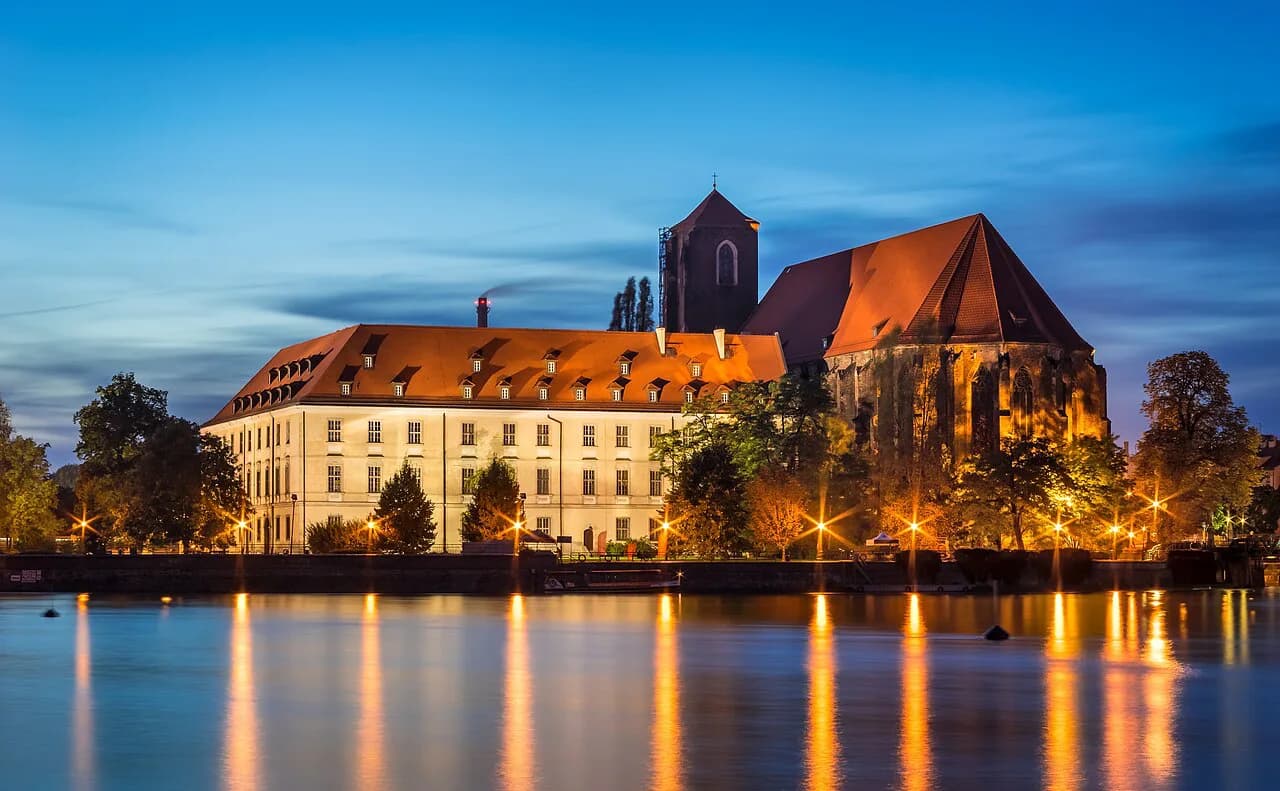
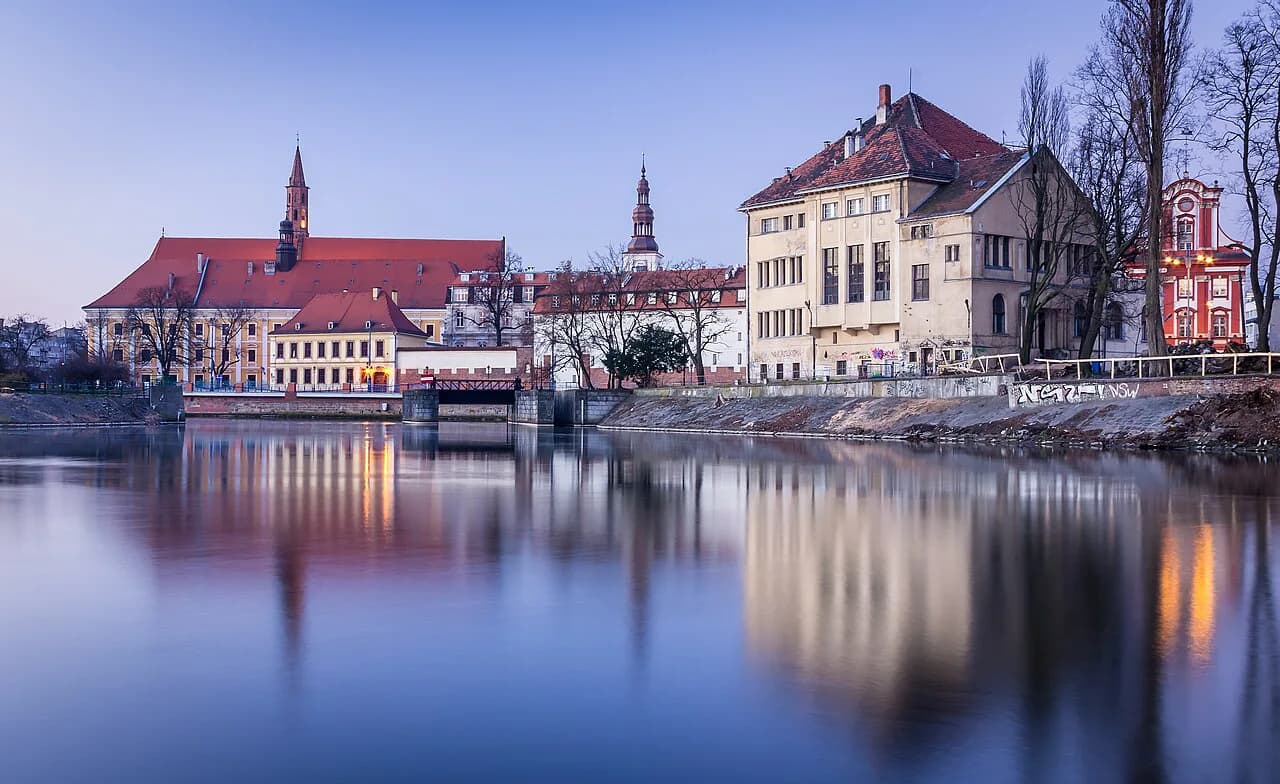
The garden is situated partly within the historic Ostrów Tumski district, close to the Cathedral of St John the Baptist and the Church of the Holy Cross. In practice that means you can step out of the cathedral's shadow and into planting beds within a few minutes. Approach it from the cathedral side rather than from the main square and the transition feels deliberate.
The entrance address is Henryka Sienkiewicza 23, in the postcode 50-335, and the garden's telephone number is +48 71 322 59 57. If you are coming across the river from the main square it is roughly a twenty-minute walk; public transport serves the area, though the exact stop depends on your route, so a mapping app is the simplest check.
Because it belongs to the university, the garden reads as a working scientific collection rather than a landscaped city park. Expect labels, research beds and glasshouses under glass: about 0.33 hectares of the site is under cover. For travellers weighing up the city's green spaces, this is the one with the botanical pedigree.
Why it feels different from the Rynek and Ostrów Tumski
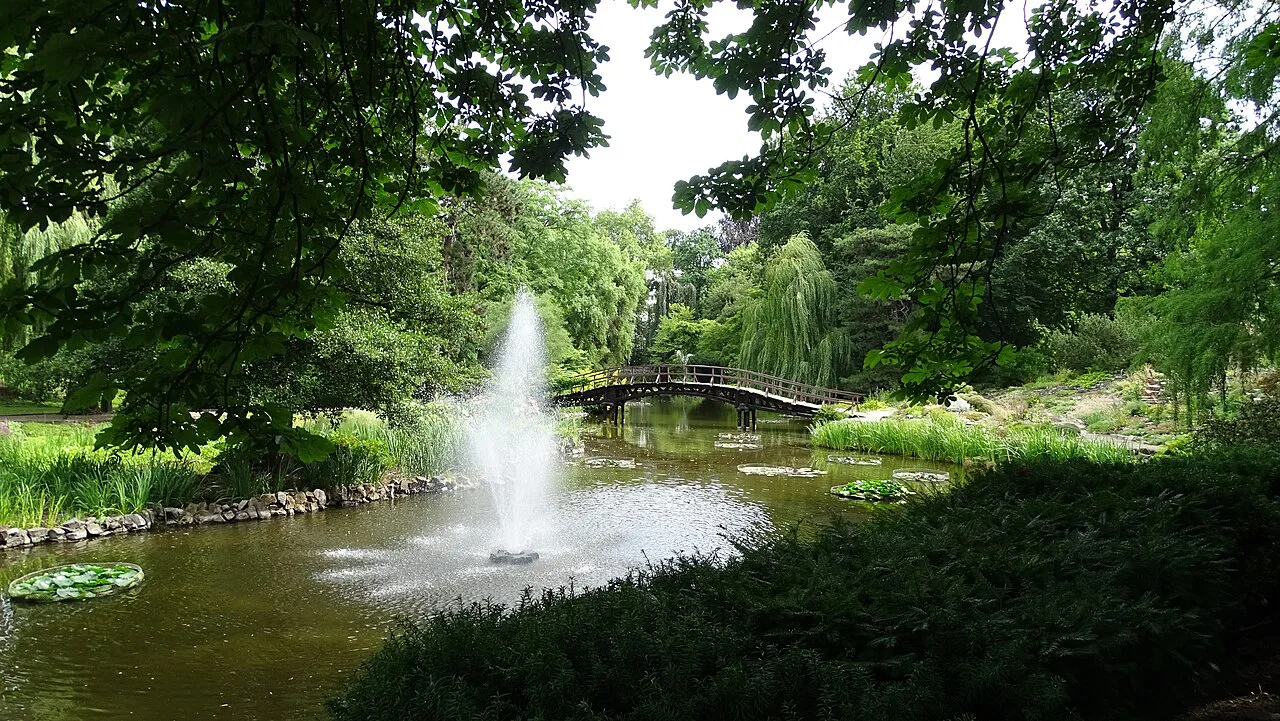
The Rynek is all noise, café tables and cellar restaurants; the cathedral quarter swaps that for brick spires and lamp-lit lanes. The botanical garden changes the register again, because walls enclose it and the sounds of the city drop away almost immediately. If your itinerary leans on churches and squares, an hour here gives you shade, quiet and a different kind of looking.
That makes it a sensible break point rather than an item to tick off. Slot it after a cathedral visit and before you walk back into town for lunch, and it works as a genuine rest. Anyone wanting constant stimulation or a packed list of sights may prefer to spend the hour elsewhere.
What to see inside
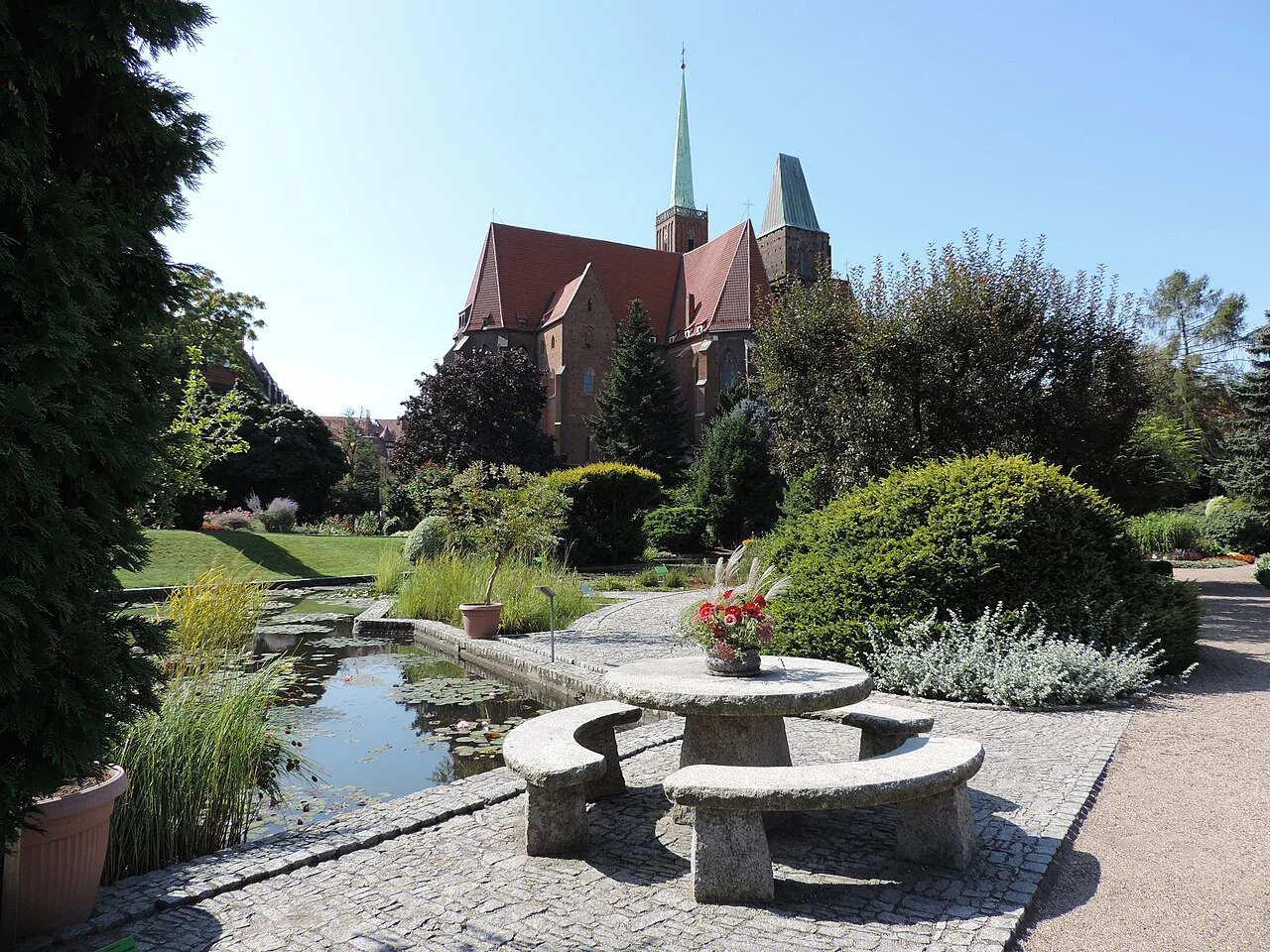
Start with the greenhouses, where the collection's exotic palms and other heat-loving plants grow under glass. The display began with roughly 400 species in the early nineteenth century and had passed two thousand within five years, so the range on show is the point rather than any single specimen. Give the glasshouses the bulk of your hour, especially if the weather outside is doing its own thing.
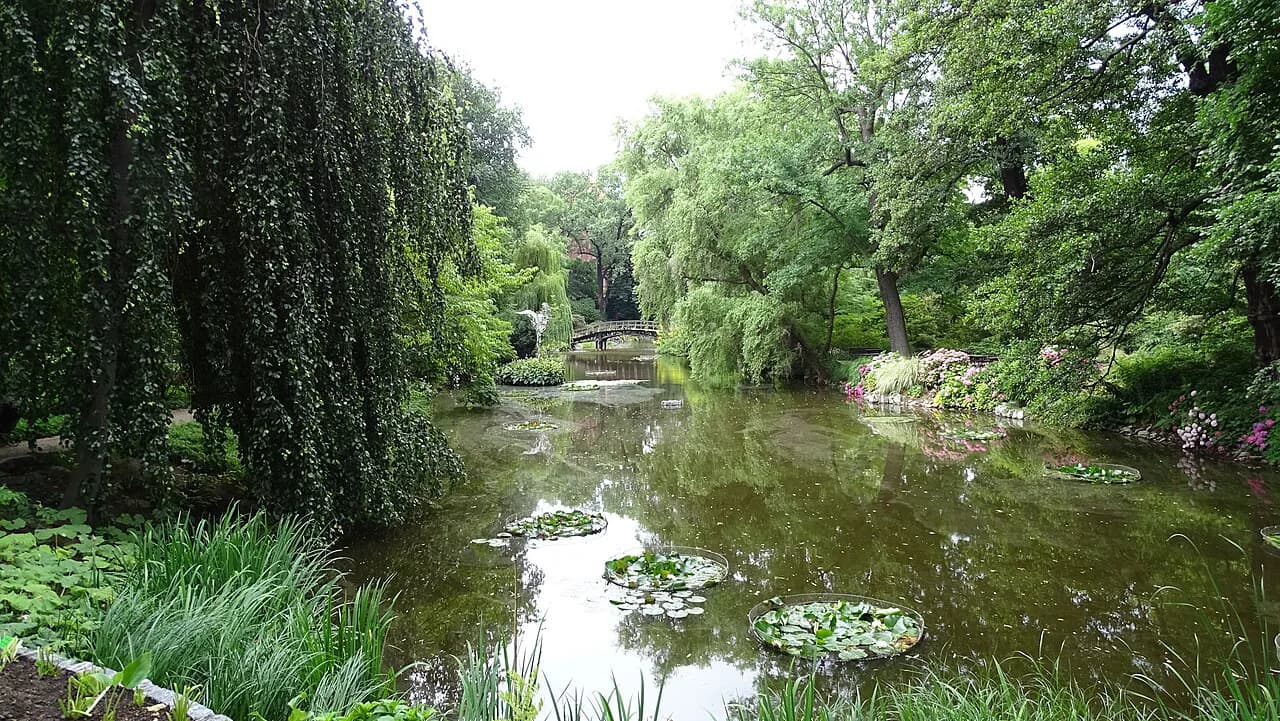
The pools built for aquatic plants form a separate small world and repay a slow lap: they are easy to hurry past on the way to the glass. Then look for the monuments to Carl Linnaeus, the Swedish naturalist whose naming system underpins all of botany, and J. H. Göppert, the Silesian botanist associated with this garden. Both sit in the open ground, so they are the sort of detail that rewards a few minutes' attention rather than a photograph at walking pace.
History in brief
The garden was founded in 1811 on land that had belonged to city fortifications destroyed during the Napoleonic Wars, which is a large part of why its setting feels older than a nineteenth-century institution. It started at around five hectares and grew from there. The combination of university science and military-era ground gives the place its particular character.
The garden functions as an educational and scientific centre as well as a place for walks, with research on rare species and talks and tours for visitors. It holds a place on the Lower Silesian monuments register, which is the formal recognition behind its heritage status.
How long to allow and how to pace the visit
An hour covers the greenhouses, the aquatic pools and the monuments at an easy pace; ninety minutes lets you sit down somewhere in the open air as well. Beyond that there is no schedule to fill, because the garden is a collection to wander rather than a circuit with numbered stops. Treat any extra time as a bonus walk back past the cathedral rather than a reason to stay longer.
Pace it by weather and by your own patience. In warm months the outdoor beds and pools earn more of the hour; in a cold snap the glasshouses are where you will spend it. The garden's own site is the place to confirm seasonal timings, and one sentence of advice covers the rest: check the official website before setting out.
Combining it with Ostrów Tumski
Pair the garden with the Cathedral of St John the Baptist, which stands close by and is the anchor of the island quarter. Walk the lanes of Ostrów Tumski first, cross to the garden for an hour of green, then return over the river as the light softens. That sequence uses the garden when your legs need it rather than at the start of the day.
If you want the wider picture of what the city offers before you plan, the broader list of things to do in Wrocław shows how the garden, the main square and the river sights fit into a short break. On a rainy visit, the glasshouses are the obvious shelter when you are already in this part of town, and the river crossings nearby make a natural loop back to the centre.
Practical points: address and before you go
The garden's official website is www.ogrodbotaniczny.wroclaw.pl, with the entrance at Henryka Sienkiewicza 23 and the phone line on +48 71 322 59 57. Current ticket prices, opening times and any seasonal closures are set by the university and change through the year, so buy or plan on the day using the official listing rather than a reprinted timetable.
Allow a little slack around the entrance, since a university garden can adjust access for research or events. Keep the visit short if you have a cathedral or museum slot booked later in the day.
Is the botanical garden worth an hour of your Wrocław break?
Yes, if you are already seeing Ostrów Tumski and want a quiet, walled hour between the cathedral and the river. It is not worth crossing the city for on its own, and anyone with only a day in Wrocław should weigh it against the Rynek, the Old Town Hall and the island churches before committing.
Build it into a morning on the island, give it an hour, and check the official site for the day's opening before you set off.
Explore more Wrocław guides
Frequently Asked Questions
Do I need to book tickets in advance for the Wrocław botanical garden?
The university garden's opening times, prices and any booking arrangements are set by the university itself, so check the official website before you go rather than relying on an old timetable.
Is the garden suitable for children?
It is a gentle, enclosed space with glasshouses and pools, which makes it easy to walk with children for an hour. The glasshouses and water features call for close supervision, and the garden suits a short visit rather than a full afternoon.
Sources
Notes for your next Polish city break
Optional updates to our Poland guides.
You might also like
Continue reading
More guides you'll find useful