Wrocław Dwarfs: What They Are and Where to Find Them
Wrocław's dwarfs are small bronze figures scattered across the city, born from the Orange Alternative. Here's the story and the best way to hunt them down.
On this page
Wrocław's dwarfs are small bronze figures scattered across the city centre, and hunting them is one of the cheapest and most enjoyable things to do in Wrocław. They began as a single monument on Świdnicka Street in 2001, honouring the absurdist Orange Alternative protests of the 1980s. This guide explains the story behind them, which figures to look for first and how to organise a hunt around the market square.
Allow roughly two hours for a focused hunt, or treat the dwarfs as a thread running through a longer walk. Most of the well-known figures sit within a few minutes of each other in the Old Town, so you can combine a search with sightseeing rather than making a separate trip.
What the Wrocław dwarfs actually are
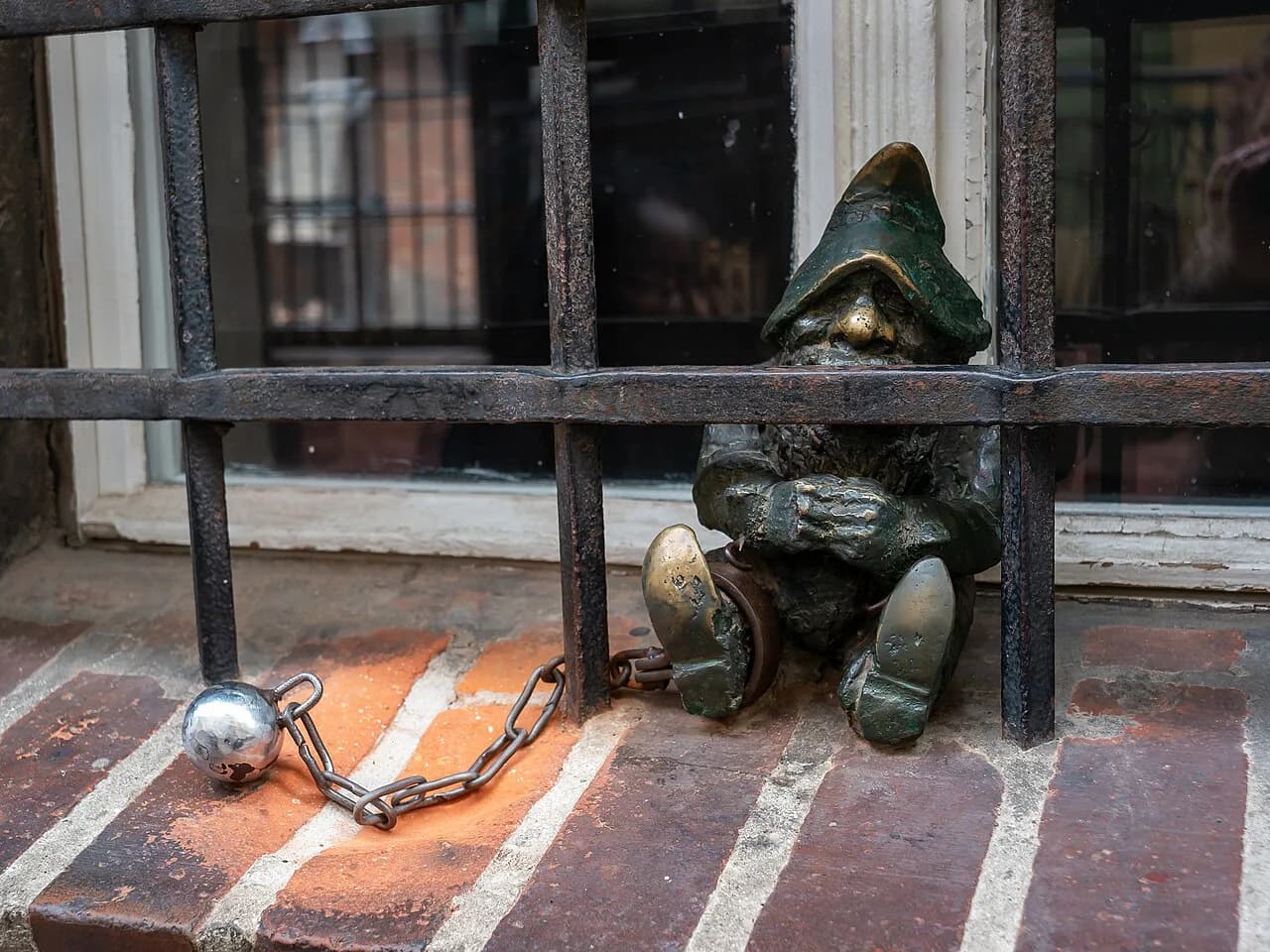
The dwarfs, called krasnale in Polish, are small bronze statues placed at street level across Wrocław, often just outside the door of the business that sponsored them. One stands in front of a bank apparently withdrawing cash, another lies flat with an overfull belly after eating too much. Because they sit low, you spot them by looking down rather than up, which makes the hunt feel like a treasure trail rather than conventional sightseeing.
Most figures are funded by local and other businesses as a way of promoting themselves, so the collection keeps expanding. New dwarfs appear while others are stolen or destroyed, which is why no printed list stays accurate for long. Treat any map as a starting point rather than a complete inventory.
The Orange Alternative: where the idea began
In the 1980s, while Poland was under Soviet-backed rule, an underground movement called the Orange Alternative operated in Wrocław. It protested through absurd, humorous stunts rather than confrontation, including painting gnomes over the paint patches that authorities used to cover anti-government slogans. When police arrested supporters, the movement turned the arrests into public ridicule.
The dwarf became the movement's emblem precisely because it looked harmless and silly. That history is the reason Wrocław's dwarfs carry more weight than a simple public art project, and knowing it changes how you read the figures you pass.
The first dwarf on Świdnicka Street
The very first dwarf monument was installed on Świdnicka Street in 2001, at the spot where Orange Alternative happenings had taken place. It was intended as a memorial to the movement, and the city was unusual in choosing to commemorate an anti-government initiative in this way. Few expected that one statue to start a tradition.
Start any hunt here if you want the story in chronological order, then work north towards the Rynek. Świdnicka Street is one of the main pedestrian arteries of the centre, so you will pass the spot anyway on most routes through the Old Town. If you want other no-cost ways to fill the day, see our guide to free things to do in Wrocław.
How many dwarfs there are
No one knows the exact total, because new figures keep arriving while others disappear. In October 2013 there were more than 270 dwarfs in the city; by 2025 the dwarf-hunting app listed 1,170 and counting. That jump means older guidebooks and souvenir maps are badly out of date.
The practical consequence is that you should never treat a dwarf count as fixed or expect to find every figure. Pick a compact area, look carefully, and accept that you will miss plenty. The pleasure is in the spotting, not in completing a list.
Where to start a dwarf hunt: the Rynek, Świdnicka Street and Plac Solny
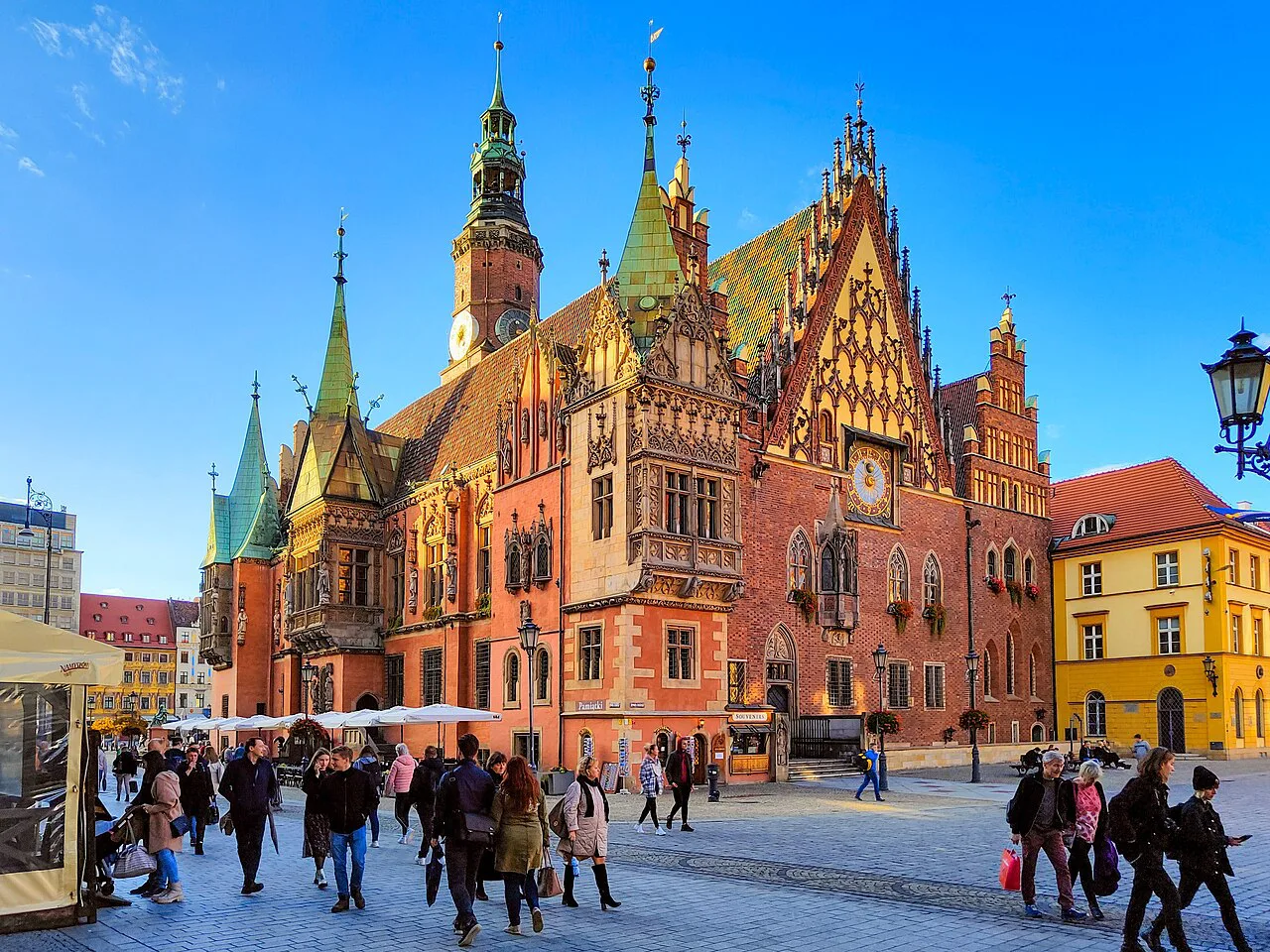
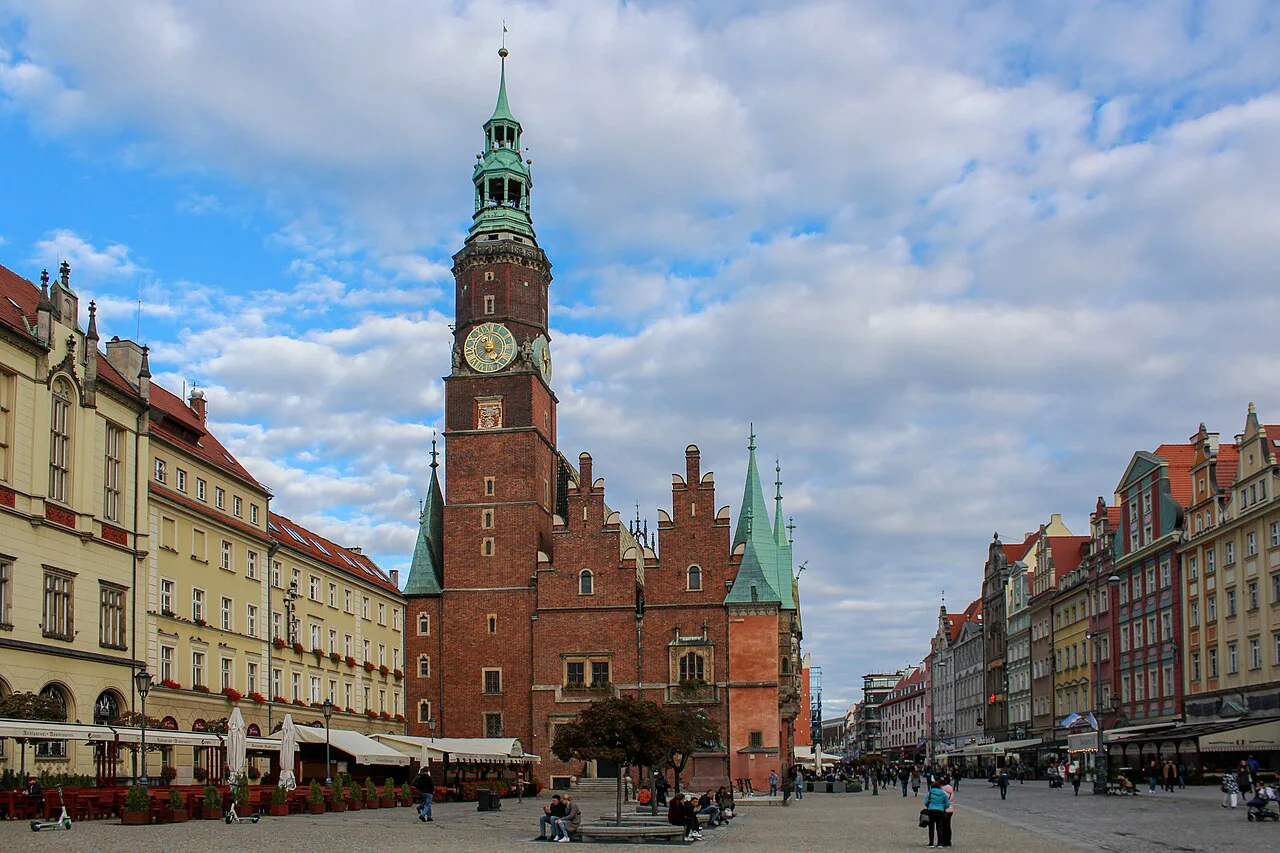
The densest concentration of well-known dwarfs sits in and around Wrocław Market Square (Rynek), Świdnicka Street and Plac Solny, all within a few minutes' walk of each other. Begin at the market square, where the tourist information point and the surrounding lanes hold several figures. The Wrocław Market Square also gives you the Old Town Hall and the arcaded houses as a backdrop while you search.
From the Rynek, walk south down Świdnicka Street towards the first dwarf monument, then loop back through Plac Solny. Plac Solny, the old salt market, is a short detour and a natural place to pause for a coffee or a snack while you scan the flower stalls. If you would rather follow a set route with commentary, a Wrocław walking tour can cover the same ground with the history filled in, and our Wrocław food guide covers places to eat nearby.
Because these three points sit within a few hundred metres of each other, the classic first hunt needs no transport at all. Wear comfortable shoes and keep your eyes at knee height.
Dwarfs worth looking for
Several figures are easy to find and make good first targets. Near the tourist information office, a tourist dwarf studies a city map, apparently lost. Beside a hotel, another sleeps soundly in a comfortable bed. In front of a bank, one reaches into an ATM, and two more are caught stealing chocolate from a sweet shop.
There are rebel figures too, including two enjoying a drink and a revolutionary holding a flag. Because these are tied to the businesses that sponsored them, the exact line-up changes over time as shops close and figures move or vanish. Ask at tourist information or check the app's dwarf directory for the current cast.
The trio in the Rynek and what they represent
In the heart of the market square stands a trio of disabled dwarfs: one blind, one deaf and one in a wheelchair. They were placed there to show that Wrocław aims to be a barrier-free city. It is a small, quietly political installation, and worth a minute of your time even if you are hunting purely for fun.
Look for them at ground level near the main square buildings, where they can easily be missed in a crowd. The setting makes the message plain: these are not just souvenirs but a statement about who the city is for.
Paper map versus the dwarf-hunting app
Paper dwarf maps are sold in shops around the Old Town, and they work well if you want something tactile and offline. Their weakness is age: given how fast the collection grows, a printed map can be years behind the reality on the street. Buy one for the fun of it, but do not treat it as definitive.
The Wrocław Dwarfs app offers a continually updated interactive map, suggested routes, a nearest-dwarf list, a ranking and a dwarf directory. On Android the free version has the basic map and shows ads, with a fuller version available; on iPhone and iPad the full version sits on the App Store. Any prices for the paid version vary by store, so check the listing before you download.
If you are travelling with children, the app's photo-and-points system turns the search into a game that keeps them interested while adults see the sights. If you prefer to stay offline, a paper map plus a slow walk through the Rynek and Plac Solny covers the highlights well enough.
Either way, remember that the map and the app are tools, not the attraction. The dwarfs themselves are the point, and the best finds are often the ones you spot without looking.
How long a dwarf hunt takes and how to fit it into a day
Budget about two hours for a deliberate hunt around the Rynek, Świdnicka Street and Plac Solny, including pauses to actually look at the buildings. A shorter forty-five-minute pass will still net you a dozen figures if you concentrate on those three streets. Anything longer starts to feel repetitive unless you are chasing a high score in the app.
In a one-day Wrocław plan, slot the hunt into the morning while the Old Town is quiet, then move on to heavier sightseeing such as the university quarter or Ostrów Tumski. Dwarfs combine naturally with the free sights of the centre, since the activity itself costs nothing beyond a map if you want one. For the best viewpoints over the city afterwards, see our guide to the best views in Wrocław.
Practical notes for a dwarf hunt
Everything in the core hunt is on foot, and the clusters around the Rynek, Świdnicka and Plac Solny are close enough that you will not need a tram. If you extend the search towards the river or Ostrów Tumski, plan a longer loop and use the walk as a way to see more of the centre. A boat trip from the river is a pleasant way to rest your legs afterwards.
Go in daylight, since the dwarfs are small and easy to miss in poor light or when a crowd is pressing past. Weekday mornings are calmer than weekends, when the market square fills up. Keep an eye on the pavement rather than your phone, and step aside from the main flow before you stop to photograph a figure.
If you want to pair the hunt with other low-cost sights, the Wrocław botanical garden and the city's viewpoints make good afternoon additions once you have finished in the Old Town.
Is a dwarf hunt worth your time in Wrocław?
Yes, if you have a spare couple of hours and want an excuse to walk the Old Town slowly. The dwarfs are free to find, rooted in a genuinely unusual piece of Polish history, and they take you down streets you might otherwise skip. Skip them only if your schedule is already full of museums.
Start at the market square, work down Świdnicka Street, loop through Plac Solny and use the app's map if you want a route. A paper map from an Old Town shop is a pleasant backup, but expect the collection to have moved on since it was printed.
Explore more Wrocław guides
Frequently Asked Questions
Why are gnomes famous in Wrocław?
They grew out of the Orange Alternative, an absurdist 1980s protest movement that painted gnomes over anti-government slogans. The first dwarf monument went up on Świdnicka Street in 2001, and businesses later began sponsoring their own figures across the city.
Are the Wrocław dwarfs free to see?
Yes. They stand on public streets and squares, so you can hunt them at no cost. Paper maps are sold in Old Town shops and the hunting app has a free version with ads on Android.
How long does it take to find the Wrocław dwarfs?
Allow around two hours for a relaxed hunt around the Rynek, Świdnicka Street and Plac Solny. A shorter forty-five-minute pass will still show you a good number if you concentrate on those three areas.
Sources
Notes for your next Polish city break
Optional updates to our Poland guides.
You might also like
Continue reading
More guides you'll find useful