Warsaw Royal Castle: What to See, Tickets and How Long
A practical guide to Warsaw's Royal Castle: the royal interiors, the UNESCO listing, how long to allow and where it sits on the Royal Route walk.
On this page
Warsaw's Royal Castle is worth an hour and a half to two hours of a city break: it is the former residence of Polish kings on Castle Square, now a museum holding royal insignia and thrones alongside paintings by Rembrandt, Canaletto and Matejko. It also anchors the start of the Royal Route, the historic axis that runs south through the city. This guide covers what the interiors hold, why the building reads newer than it looks, how to pace the visit against the rest of the Old Town, and what comes next on foot; for the wider picture see Museums in Warsaw.
What the Royal Castle is
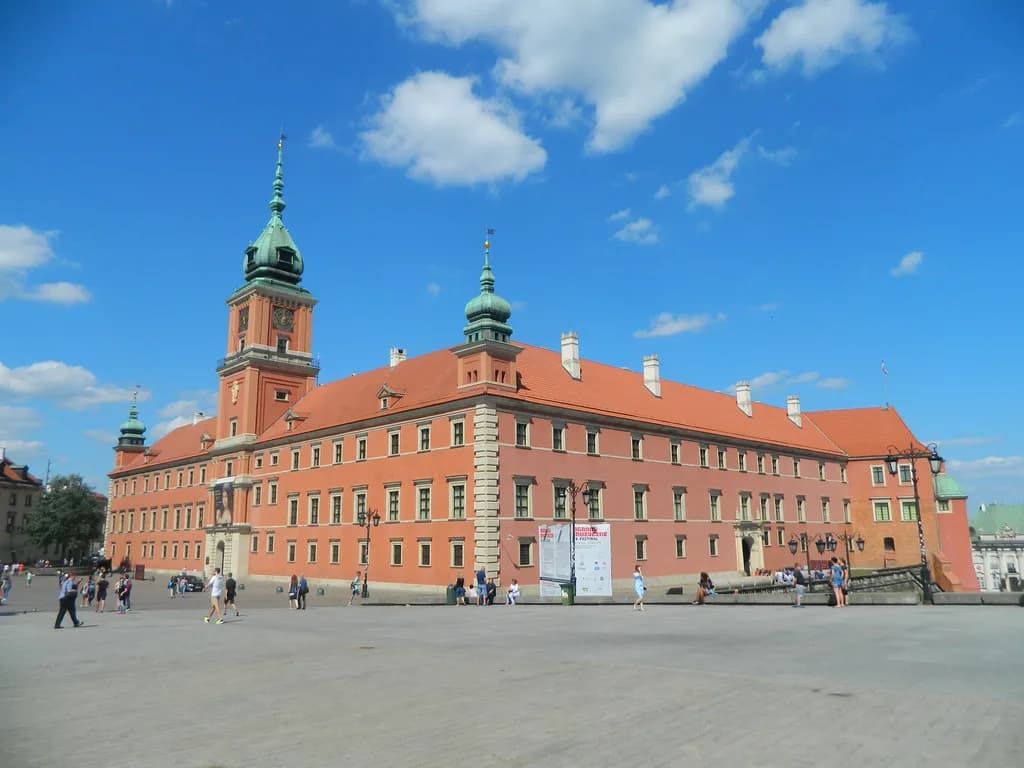
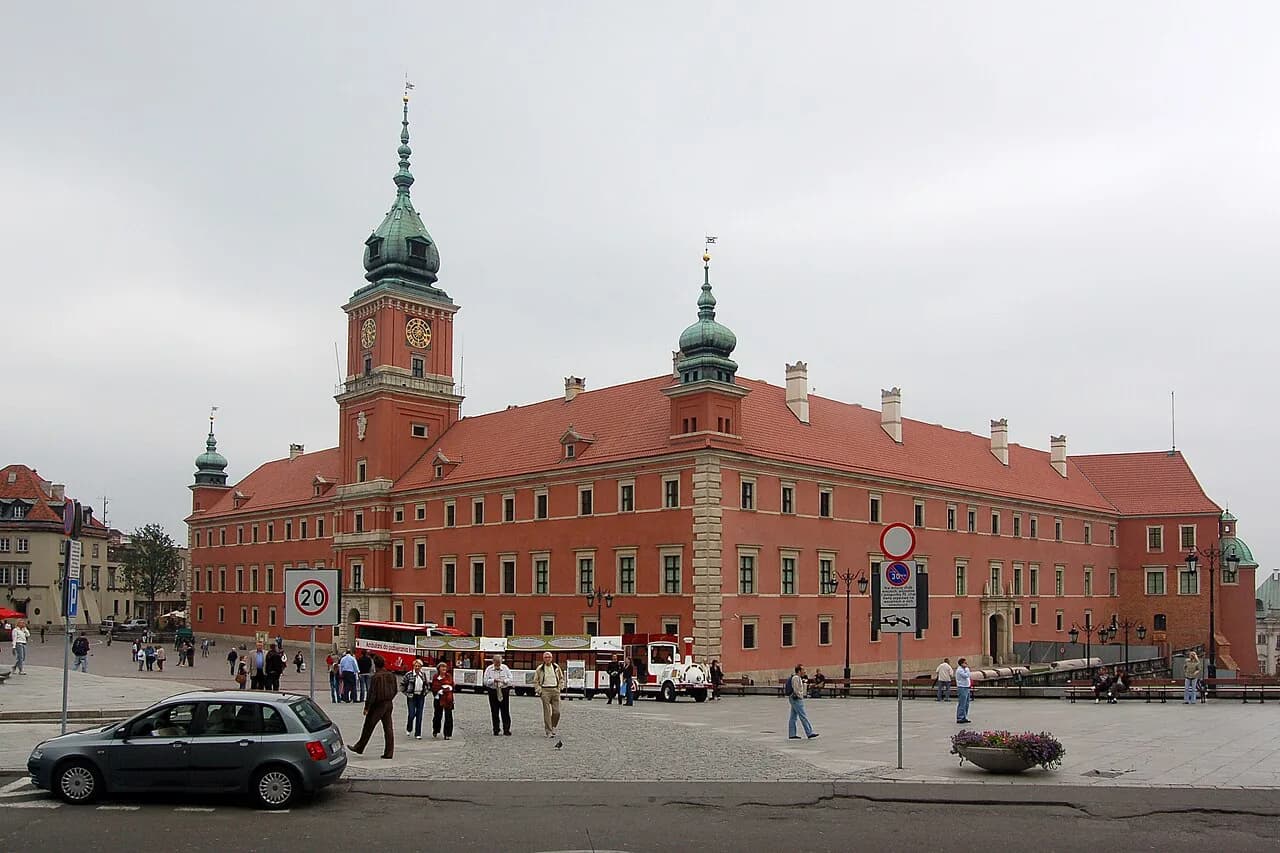
The castle stands on Castle Square at the northern end of the Royal Route, and served as the official residence of Polish kings from the 16th century onwards. Its interiors display royal insignia and thrones as well as paintings by Rembrandt, Canaletto and Matejko, which makes it the most concentrated dose of royal history in the city. Treat it as a museum first and a monument second: the rooms are staged as a collection, not as furnished private apartments.
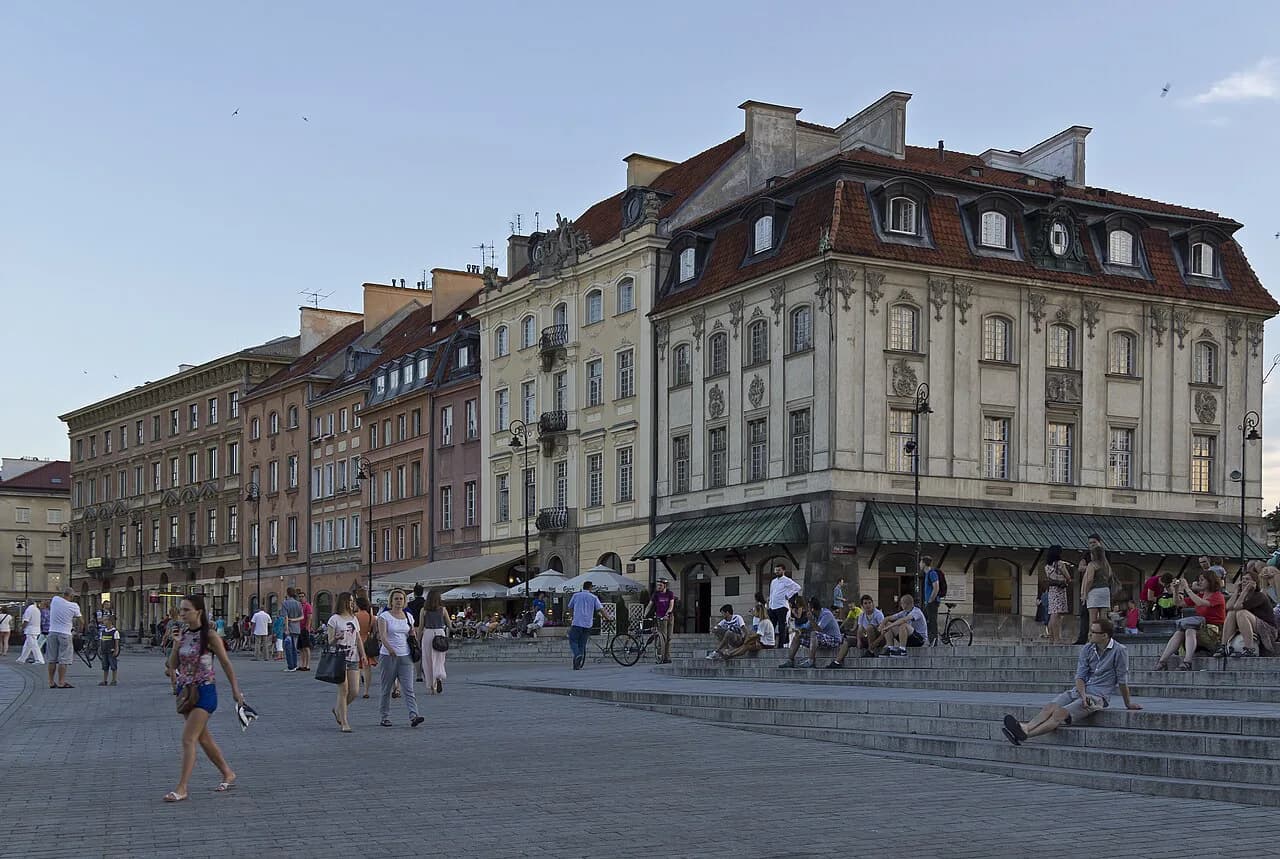
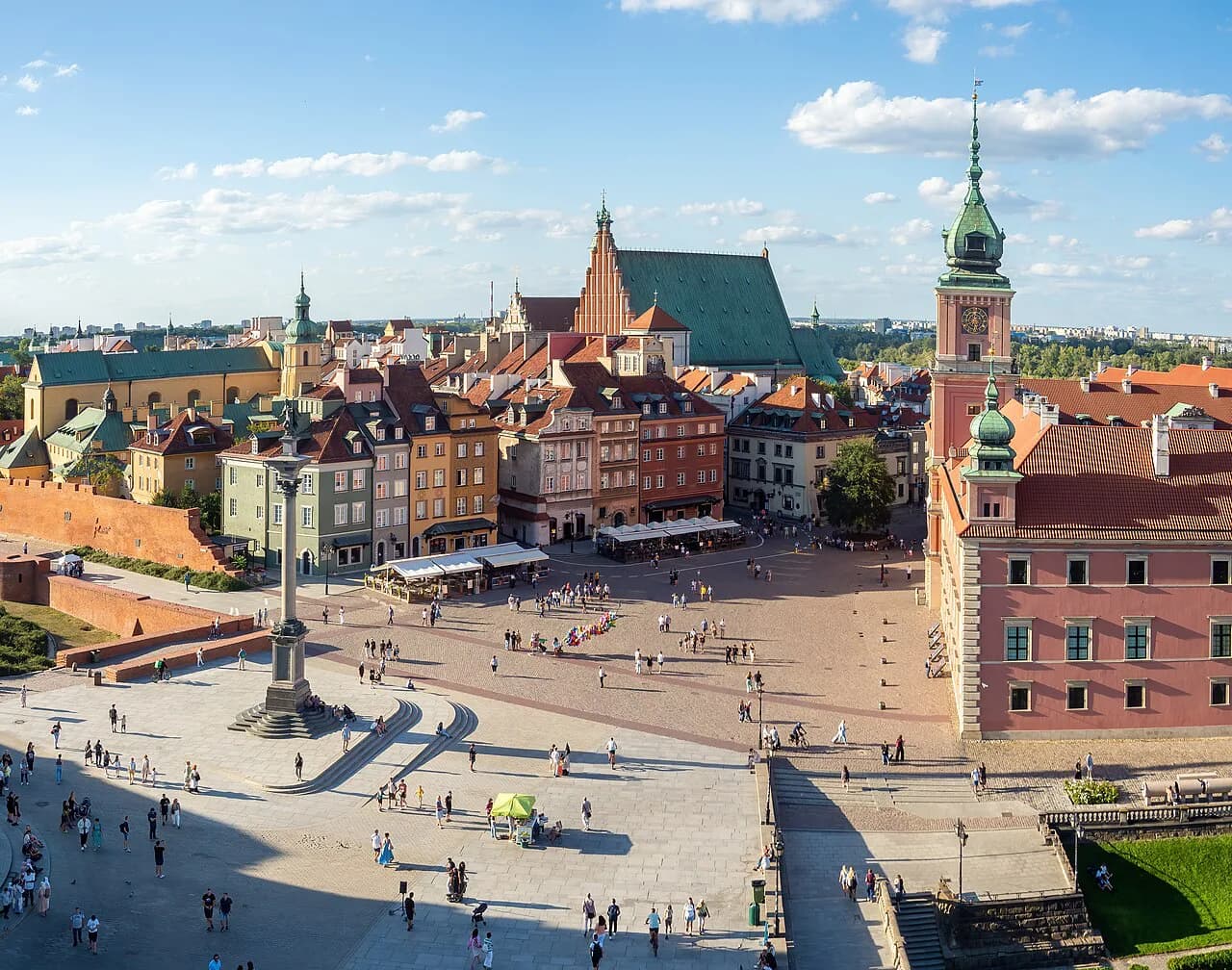
The Sigismund Column just outside is described as Poland's most famous monument and a favourite meeting point for residents and visitors, so the square in front of the castle is a natural place to start or end a walk. In summer the Old Town Square nearby fills with outdoor cafés and strollers, which makes the immediate neighbourhood busy rather than quiet. To see the interiors with more breathing room, go early in the day. The wartime destruction and rebuilding that shaped this quarter are covered in Warsaw WW2.
Why the castle looks newer than it is
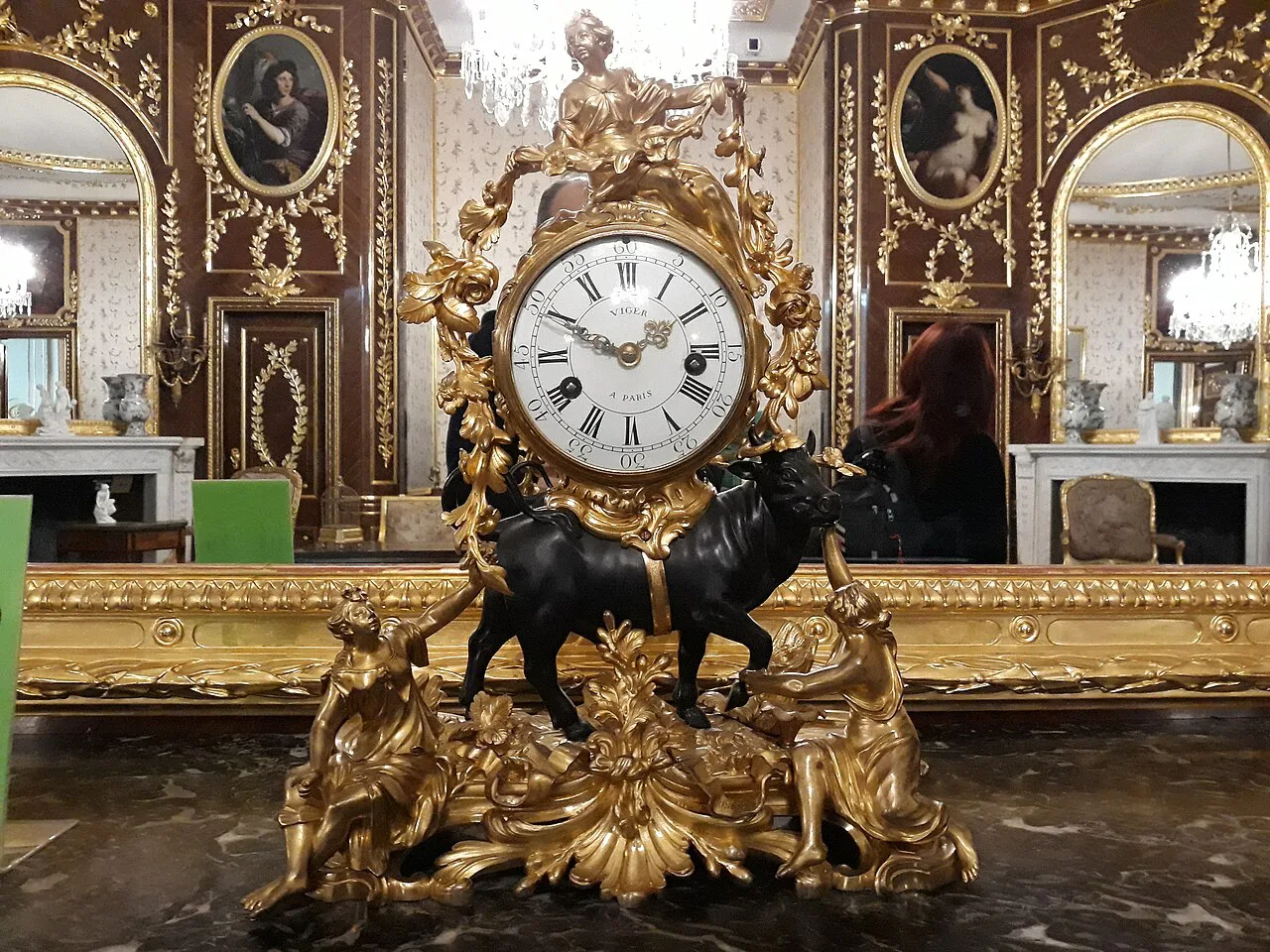
Much of Warsaw's Old Town was destroyed during the Second World War and later rebuilt using historical plans, photographs and surviving documents, and the reconstruction was careful enough for the historic centre to be inscribed on the UNESCO World Heritage List. The castle and the surrounding Old Town were together listed as a UNESCO World Heritage Site in 1980, so the protection covers the whole reconstructed ensemble rather than the castle as an isolated building. That distinction matters when you read claims about how much original fabric survives.
Knowing this changes how you look at the rooms: the interiors are a painstaking post-war recreation of a royal residence, not medieval stone worn by centuries of use. That is part of the point in a city whose wartime story is one of deliberate erasure and rebuilding, and it connects directly to the wider Warsaw WW2 story told at sites across the centre. Read the room notes as reconstruction history as much as art history.
What you see inside
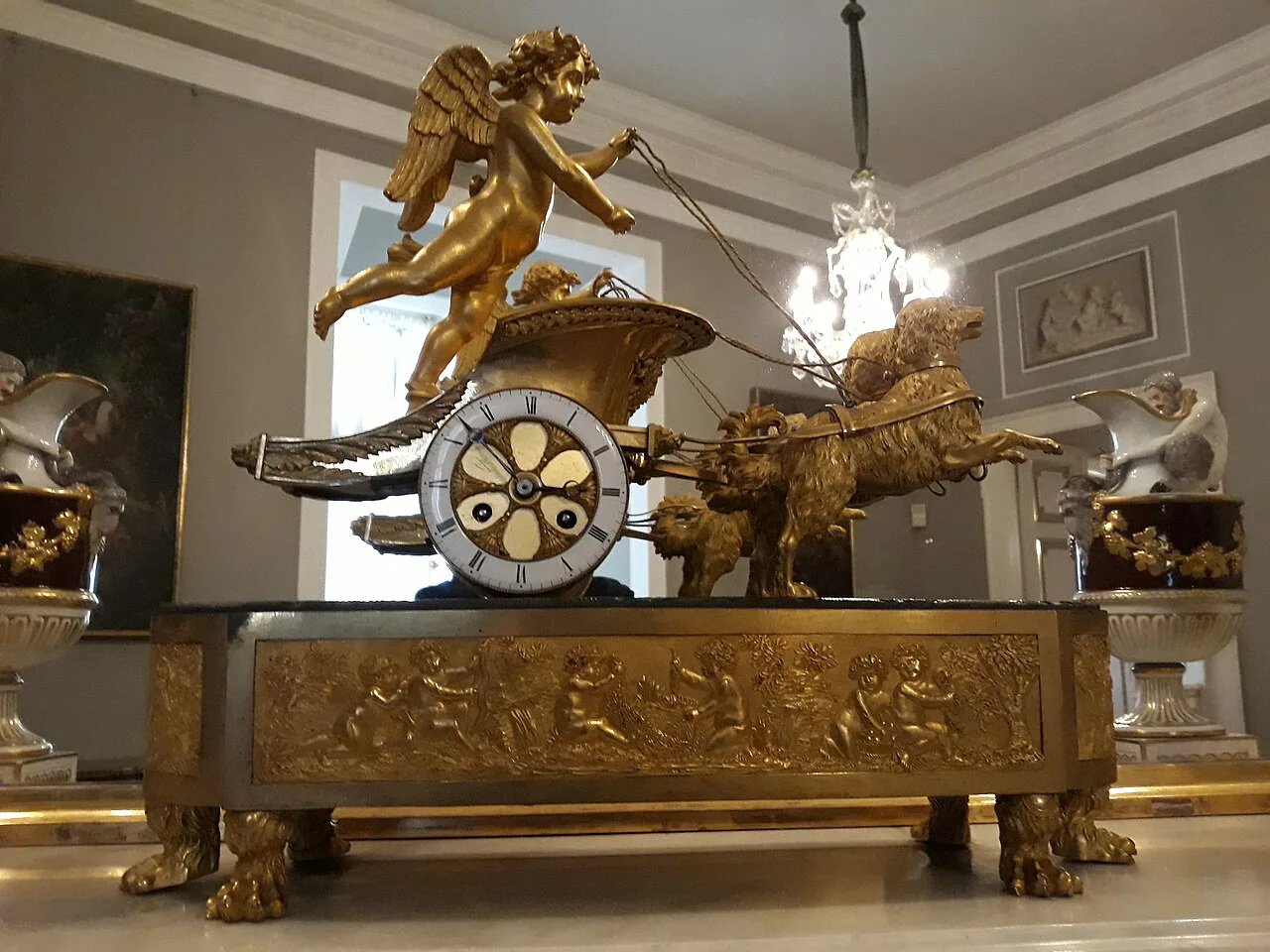
The strongest reason to go in is the combination of regalia, thrones and paintings in one continuous route through the state rooms. The Canaletto works are the ones to linger over in a city context: they depict views of the capital from before its destruction, and the Old Town was rebuilt partly with reference to paintings of this kind. Matejko supplies the grand historical narrative, while the Rembrandt canvases reward anyone who expects a royal collection to be mostly furniture.
Allow roughly 90 minutes for the state rooms at a steady pace, and longer if you read the panels in each room. The castle works well as a single substantial stop rather than a half-day, which leaves time for the rest of the Old Town and the Royal Route in the same afternoon. If you are choosing between several paying interiors on a short break, put this one early: it frames everything you see afterwards.
How long to allow and how to pace it
On a one-day visit, pair the castle with the Old Town lanes and St John's Cathedral a few minutes away, then walk south down Krakowskie Przedmieście rather than doubling back. On a two- or three-day break, give the castle its own morning and keep the afternoon for a park or a museum on the other side of the river. The mistake is to bolt the castle onto an already packed museum day, because the interiors reward attention rather than a quick pass.
St John's Cathedral nearby holds tombs of the last Dukes of Mazovia and plaques commemorating Polish patriots and statesmen, so it makes a short, free-feeling complement to the paid castle route. If the weather turns, the castle is one of the most reliable indoor activities Warsaw offers in the centre, alongside the larger museums. Build a wet-weather fallback around it rather than around a park.
Around Castle Square
Castle Square itself is the hinge between the castle, the Sigismund Column and the entrance to the Old Town lanes, so you can see all three without planning separate stops. The Museum of Warsaw occupies eleven tenement buildings around the Old Town Square a short walk away, and its collections trace the city and its residents; the castle and that museum together give you the royal and the everyday versions of the same story. Expect at least three hours if you do both properly.
Beyond the square, the Old Town walls, the Barbican and the colourful townhouses form the compact historic core that most visitors walk in an hour or two. The lanes are at their most atmospheric after dark, when the daytime crowds thin and the square's cafés stay busy. Plan the castle for daylight, then return to the same streets in the evening without paying again.
The Royal Route and what comes next
From Castle Square the Royal Route runs south along Krakowskie Przedmieście and Nowy Świat, passing churches, palaces, monuments and the Presidential Palace, the University of Warsaw and the Academy of Fine Arts. Walking it is the single best free hour in central Warsaw, and it stitches the castle to the rest of the city without any transport. Start at the castle and let the street carry you south.
The axis continues to Royal Łazienki Park, where the Palace on the Water sits among gardens and ponds, and then to Wilanów Palace in the far south, built for King Jan III Sobieski. Łazienki also hosts free open-air piano concerts beside the Chopin monument on Sundays from spring to early autumn, a tradition dating to 1959, which makes a Sunday walk down the route especially worthwhile. Wilanów is a separate trip rather than a stroll, so decide in advance whether you are walking to the park or riding further south.
If you only have one day, stop at Łazienki and leave Wilanów for a longer stay; the palace and its gardens deserve their own half-day rather than a rushed late-afternoon look. The Poster Museum in Wilanów, with a collection of more than 63,000 posters, is the reason to give that end of the route proper time. Choose one southern endpoint and do it well.
Tickets and opening days
Check the castle's own website for current opening days, ticket prices in złoty and online booking before you travel, because these are the details most likely to change between seasons. The Royal Castle in Warsaw Museum publishes its visitor information at zamek-krolewski.pl, including how to buy tickets in advance. Booking ahead matters most in summer and at weekends, when the Old Town is at its busiest.
Polish museums often close one day a week, commonly Monday, and some run a free-entry day, so confirm the castle's pattern on its own site rather than assuming. Many Warsaw museums time their free days to weekdays when demand is lower, which can make a short break cheaper if you are flexible about which day you give to which collection. Do not build a fixed itinerary around a remembered closing day.
Should the castle be your first stop?
Yes, if you want one interior that explains Warsaw's royal past and its reconstruction in a single visit: start at Castle Square, do the state rooms at a steady pace, then walk south down the Royal Route. Skip it only if your short break is already full of museums and you would rather spend the time outdoors in Łazienki. Either way, check the castle's own site for the day you plan to go.
Explore more Warsaw guides
Frequently Asked Questions
Is the Royal Castle in Warsaw free to enter?
The castle is a paid museum, and admission is ticketed. Prices, reduced rates and any free-entry day are published by the Royal Castle in Warsaw Museum on its own website, so check there before you go rather than relying on older trip reports.
Can I buy Royal Castle tickets online?
The castle's official site is the place to confirm current online booking, opening days and admission prices. Booking ahead is most useful in summer and at weekends, when the Old Town around Castle Square is busiest.
How long does a visit to the Royal Castle take?
Allow around 90 minutes for the state rooms, and longer if you read the room panels and linger over the paintings. Add time for Castle Square, the Sigismund Column and the short walk into the Old Town lanes.
What is the difference between the Royal Castle and the Royal Route?
The castle is one building on Castle Square; the Royal Route is the historic axis running south from it along Krakowskie Przedmieście and Nowy Świat towards Łazienki and Wilanów. Do the castle first, then walk the route.
Sources
Notes for your next Polish city break
Optional updates to our Poland guides.
You might also like
Continue reading
More guides you'll find useful