Warsaw Ghetto: What to See and How to Visit the Site Today
The Warsaw Ghetto was the largest Nazi ghetto in occupied Europe. Here is its history, the surviving memorials and how to plan a respectful visit.
On this page
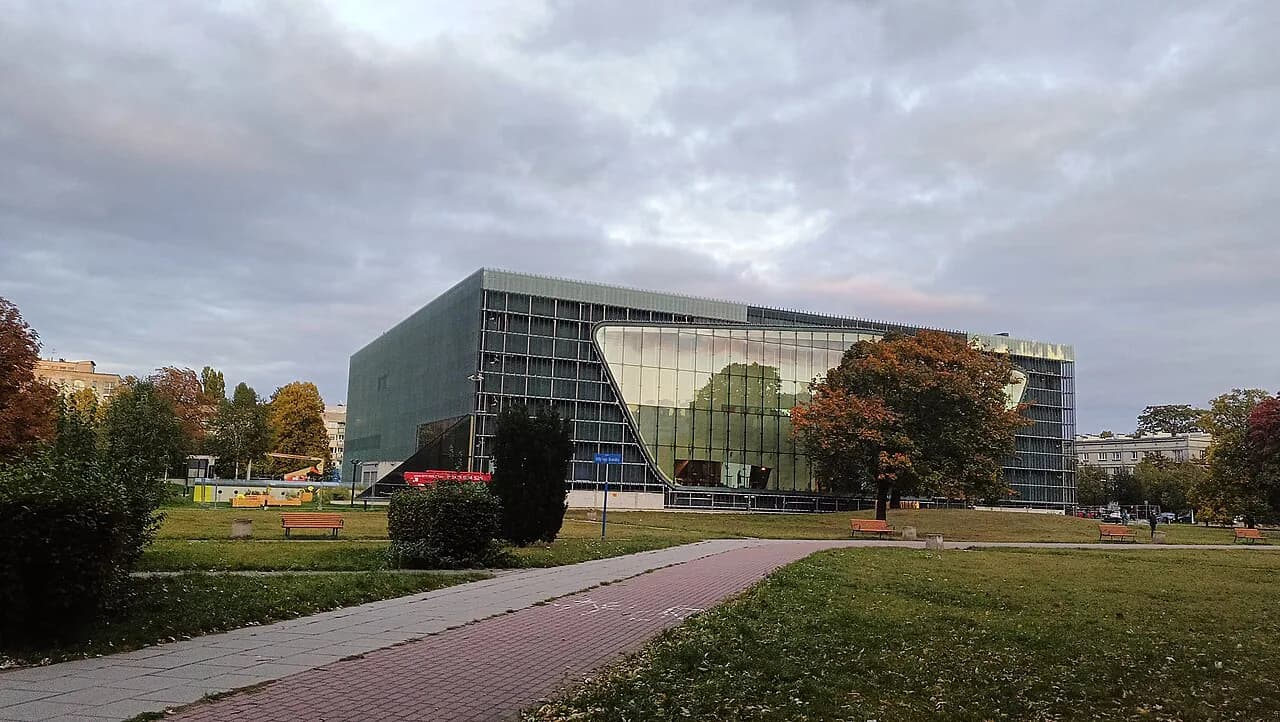
The Warsaw Ghetto is not a single sight you can tick off: it was the largest ghetto in Nazi-occupied Europe, established in a real residential district, and what survives today is a set of fragments, markers and memorials spread across the city centre. The building that matters most is POLIN Museum of the History of Polish Jews, which stands on the ghetto's former ground and tells a thousand years of Polish Jewish history. This guide covers why the ghetto was created, where its boundaries ran, the 1943 uprising, and how to walk the surviving sites in an afternoon or a day.
Why the ghetto was created and where it stood
The German occupiers ordered the creation of a Jewish district in Warsaw in late 1940, and it became the largest ghetto in Nazi-occupied Europe, sealed off from the rest of the city and run by a German-appointed Jewish council under brutal conditions. On 2 October 1940 Ludwig Fischer signed the order establishing it.
The area lay north-west of the Old Town, centred on what is now Muranów, and it was not empty ground: it absorbed a long-established Jewish neighbourhood along streets such as ul. Nalewki. Today those streets have been rebuilt as housing estates and open space, which is why the former ghetto reads as a district rather than a monument.
Life and death inside the ghetto: deportation to Treblinka
Conditions inside were defined by hunger, overcrowding and forced labour, and the Holocaust Encyclopedia documents the daily struggle to survive on starvation rations. From summer 1942 the German authorities carried out mass deportations from the Umschlagplatz, the rail siding on the ghetto's edge, to the Treblinka camp.
Treat any figures you read about deportee numbers with care and take them from the museum or memorial that publishes them rather than from casual guides. POLIN's core exhibition sets the ghetto's destruction within the wider history of Polish Jews, and it is the place to start if you want the chronology straight before you walk the streets.
The Warsaw Ghetto Uprising of 1943
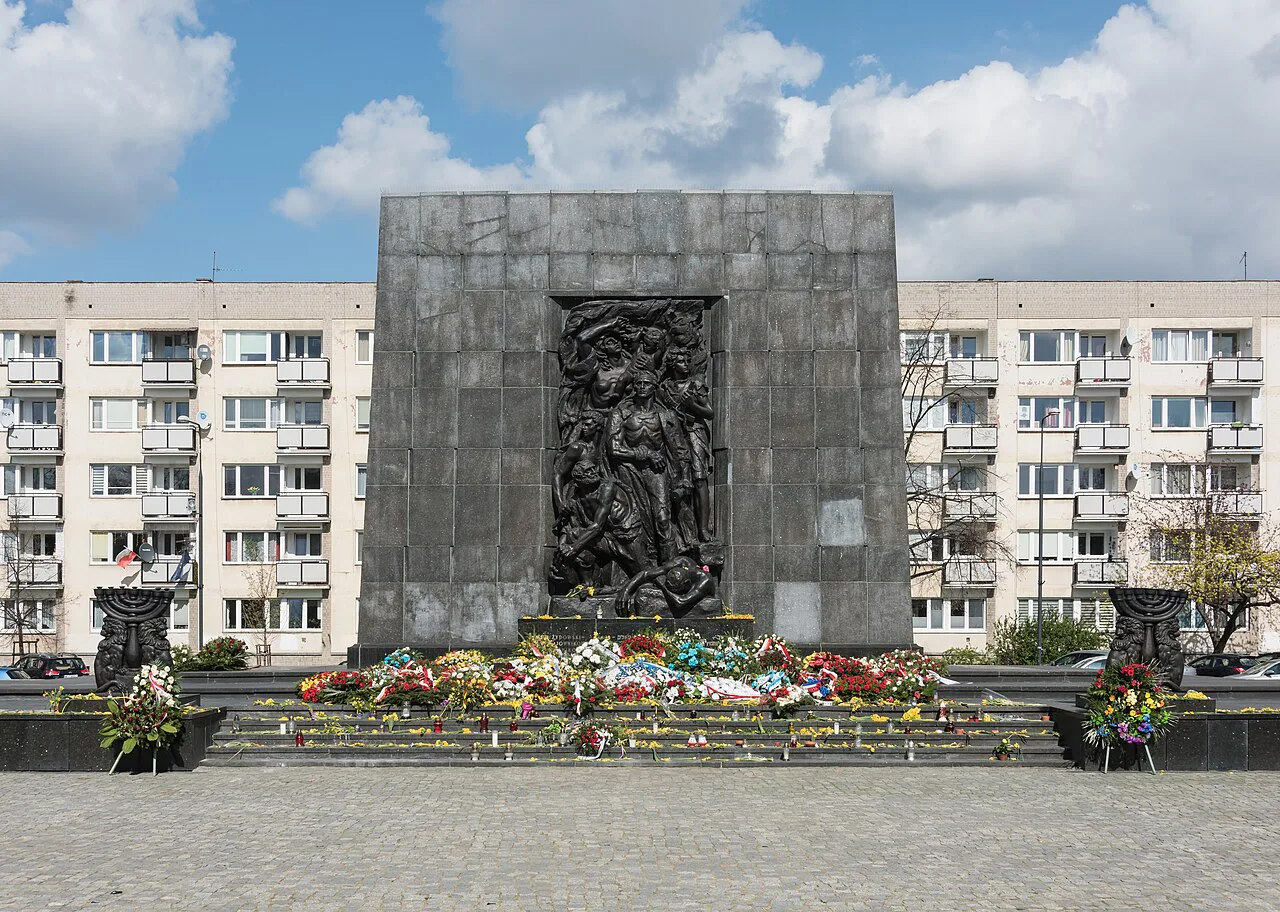
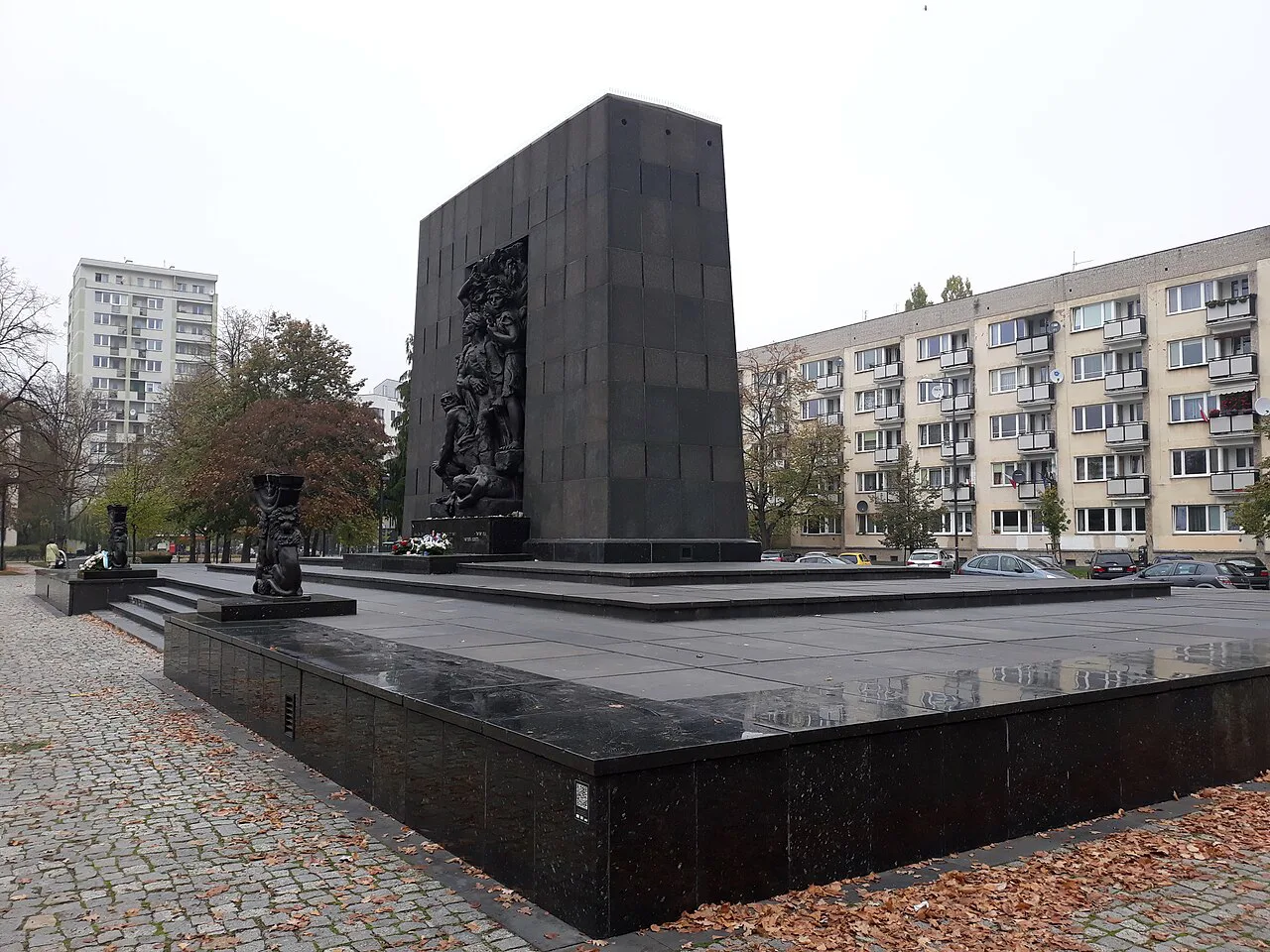
In April 1943, as the Germans moved to liquidate the remaining ghetto, the Jewish Combat Organisation and other resistance groups fought back for weeks, and the German response was to burn the district street by street. This is the Ghetto Uprising of 1943, and it is a different event from the Warsaw Rising of 1944, when the whole city rose against the occupiers and the Red Army waited across the Vistula. Visitors confuse the two constantly, so keep the dates clear in your head before you visit either memorial.
Survivors who escaped the burning ghetto were deported, and the area was levelled; the ruins were later cleared and built over in the socialist-realist style that shaped postwar Warsaw. The Warsaw Rising Museum documents the 1944 struggle, which is a separate story and a separate museum.
What survives today: the wall fragment on ul. Złota and the boundary markers
Very little of the ghetto was preserved, so treat claims of a surviving 'Jewish quarter' with caution. The clearest physical remnant is a fragment of the ghetto wall on ul. Złota, and plaques set into the pavement mark where the boundary ran through the modern streets.
A sensible route threads these fragments together with the memorial at Umschlagplatz and the POLIN building on ul. Anielewicza, which stands on ground the ghetto once covered. Add half a day if POLIN is the main purpose of your visit, since its galleries reward unhurried time.
The Umschlagplatz memorial and the Memorial Route
The Umschlagplatz memorial on ul. Stawki marks the siding from which Warsaw's Jews were deported to Treblinka, and it is a place to stand quietly rather than photograph at length. Nearby, the Memorial Route of Jewish Martyrdom and Struggle runs through the former ghetto, linking the deportation point with the rest of the commemorative route through the district.
Read the inscription blocks along the route before you walk; they carry the names and dates that make the abstract history concrete.
POLIN Museum: the core of any visit
POLIN, the Museum of the History of Polish Jews, opened on the former ghetto ground and won the European Museum of the Year award in 2016; its core exhibition covers the first traces of Jewish settlement in Poland through the golden age, the war and the postwar years. Build in at least three hours, because the galleries are dense and the audio guide is worth taking.
Check the museum's own information for current opening days and ticket prices in złoty before you go, since these change and the museum publishes them directly.
Other Jewish sites in Warsaw: the Nożyk Synagogue and the cemetery
The Nożyk Synagogue and the Jewish Cemetery on ul. Okopowa are the other main places to add to a Jewish-heritage walk through Warsaw. Once you have seen the ghetto markers and POLIN, these give you the city's living and commemorative Jewish sites.
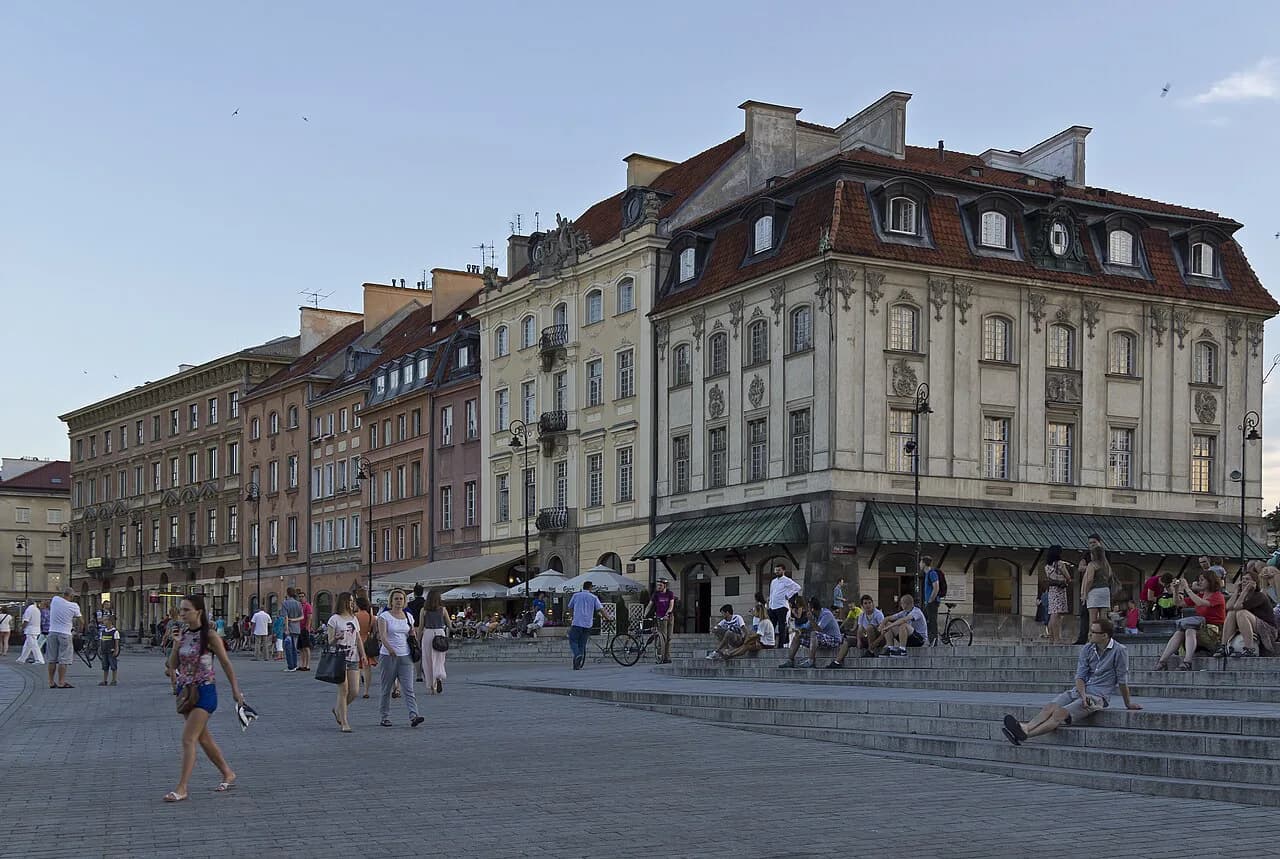
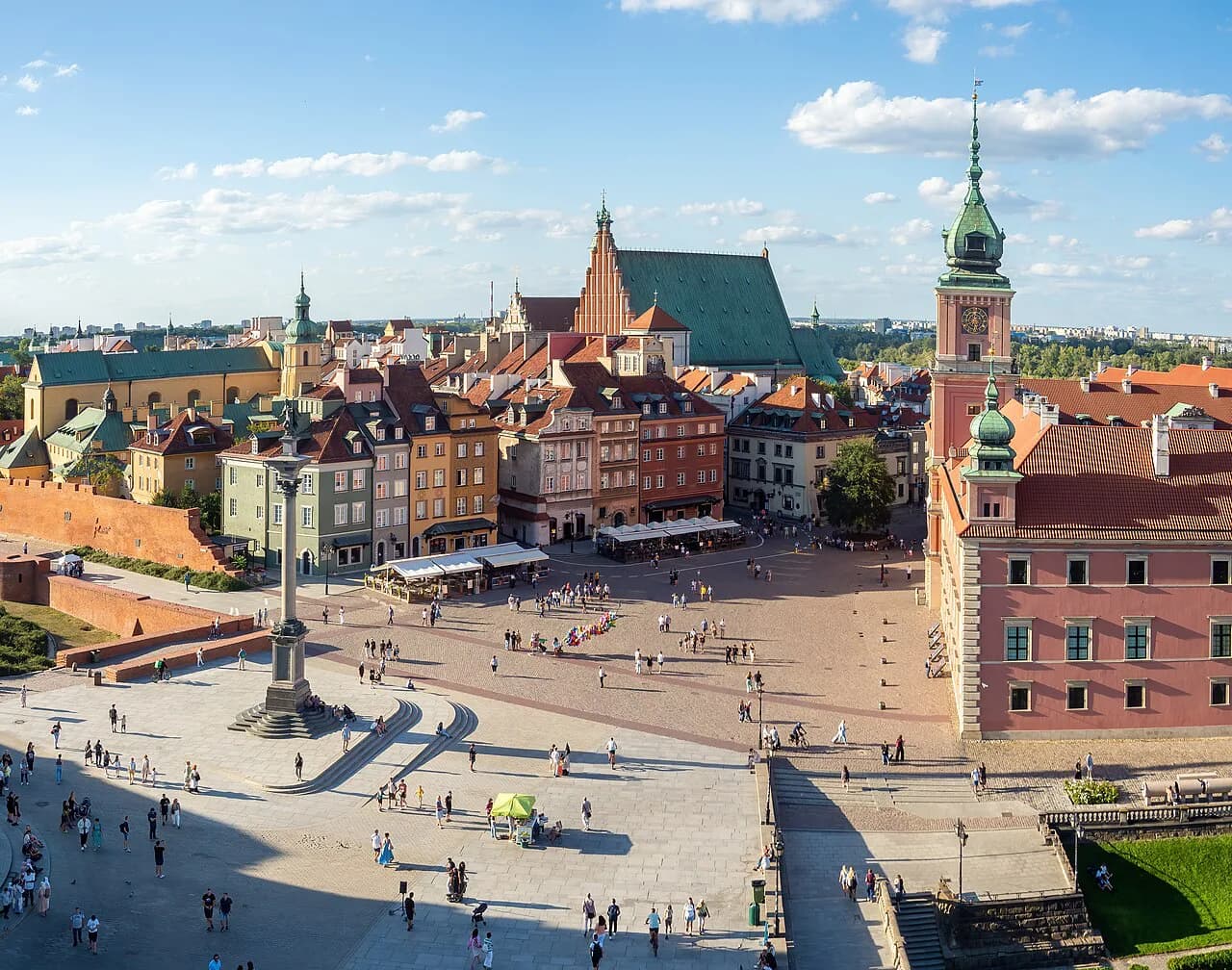
Both are active religious and commemorative sites, so dress modestly and confirm visiting arrangements with the institutions themselves before you go. The Old Town, rebuilt after the war using historical paintings and photographs, is a fifteen-minute walk east and a natural next stop.
Walking the former ghetto: a practical route
Start at POLIN on ul. Anielewicza, take in the Złota Street wall fragment and the boundary plaques, then walk north to the Memorial Route and finish at Umschlagplatz on ul. Stawki. The whole loop is walkable in an afternoon, and the flat grid makes it easy to follow without a guide.
If you have only one free morning, choose POLIN and the Umschlagplatz memorial and leave the outlying sites for a longer trip. The city's museums are the strongest part of its visitor offer, and a museum-heavy itinerary here is no hardship.
Visitor etiquette at the memorials
These are burial and commemoration sites, so keep voices low, avoid climbing on monuments and do not stage photographs at Umschlagplatz or the wall fragment. Group walking tours are welcome but should leave space for people coming to remember.
When you talk about the camps afterwards, say German Nazi camps, never Polish camps, because the occupiers built and ran them on occupied Polish soil.
How it fits a one to four day Warsaw itinerary
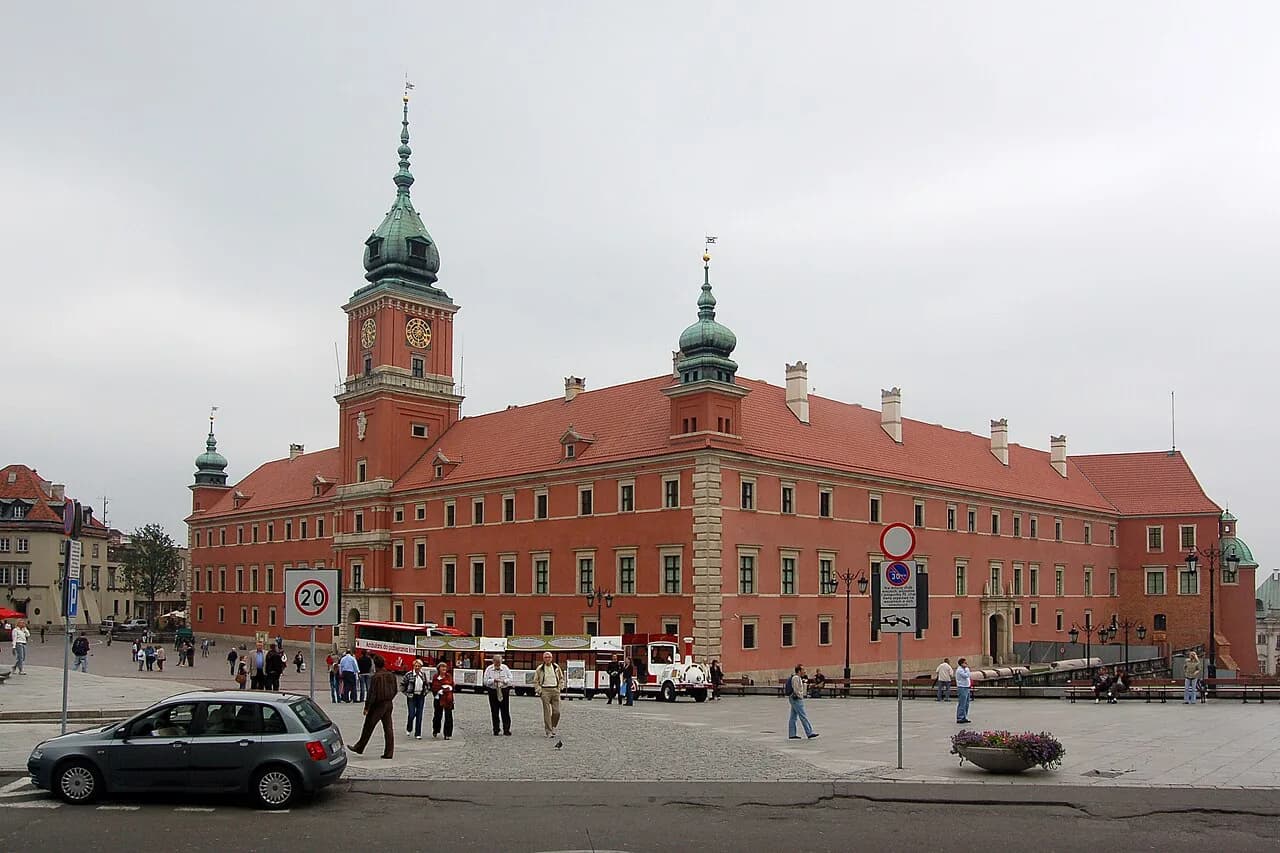
On a one-day visit, pair POLIN with the Old Town and the Royal Castle on the Royal Route, since they sit close together and give you both the rebuilt medieval core and the modern Jewish story. A second day covers the Warsaw Rising Museum and the riverside boulevards; a third leaves room for Wilanów and the Jewish sites on the other side of the centre.
In summer the city moves outdoors, and the walk between the ghetto markers is pleasant in good weather; the free Chopin concerts by the monument in Łazienki are a Sunday fixture in the warm months. Time your ghetto walk for the morning and keep the afternoon flexible.
One afternoon or a full day?
One afternoon is enough to see POLIN, the Złota Street wall fragment and Umschlagplatz, and that combination gives you the essential history on foot. If the subject is the reason for your trip, give it a full day and add the Nożyk Synagogue and the Jewish Cemetery.
Either way, go with the chronology in your head and the tone low, and the walk through Muranów will make more sense than any single exhibit.
Explore more Warsaw guides
Sources
Notes for your next Polish city break
Optional updates to our Poland guides.
You might also like
Continue reading
More guides you'll find useful