Warsaw History: What Shaped the City and Where to See It
Warsaw history for visitors: how the city was rebuilt after wartime destruction, why the Old Town is UNESCO-listed, and which sights show each period.
On this page
Warsaw's history is best understood as a story of reconstruction: the city was badly damaged by bombing in the Second World War, painstakingly rebuilt, and its Old Town was inscribed on the UNESCO World Heritage List in 1980. That single fact shapes how you should read the city, because the handsome façades you photograph are largely a post-war achievement rather than a medieval survival. This guide walks through the periods that built Warsaw and names the places where each one is still legible.
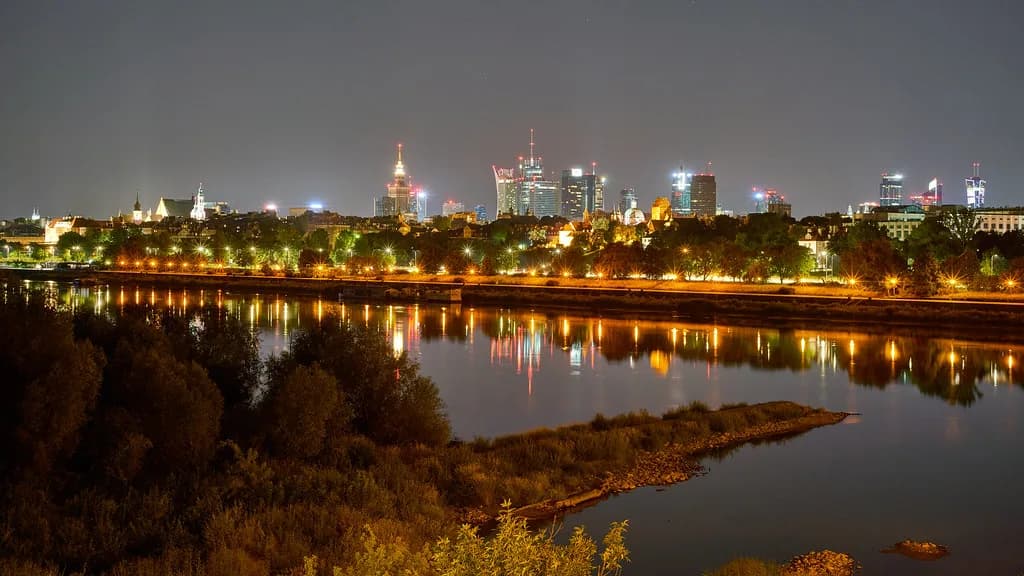
Almost everything of visitor interest sits on the western bank of the Vistula River, which splits the metropolis into two uneven halves. The historic spine runs south from the Old Town along the Royal Route, while the communist-era skyline is dominated by the Palace of Culture and Science. Plan your days around that geography and you will spend less time crossing the city and more time looking at it.
A rebuilt capital: what the UNESCO listing actually means
The Old Town's UNESCO inscription is about reconstruction, not survival. The area was badly damaged by bombing during the Second World War and then rebuilt with enough care that it joined the World Heritage List in 1980. Knowing this changes the experience: you are looking at a deliberate act of civic recovery, carried out by people who had lost the original fabric.
Warsaw is a large metropolis of more than 1.7 million people, and the rebuilt centre is only part of the picture. Treat the Old Town as the set-piece opening chapter rather than the whole book, and leave room for the districts that grew up around it. That framing also helps you separate the two great wartime stories covered later, which visitors often merge into one.
The Royal Route: Warsaw's historic spine
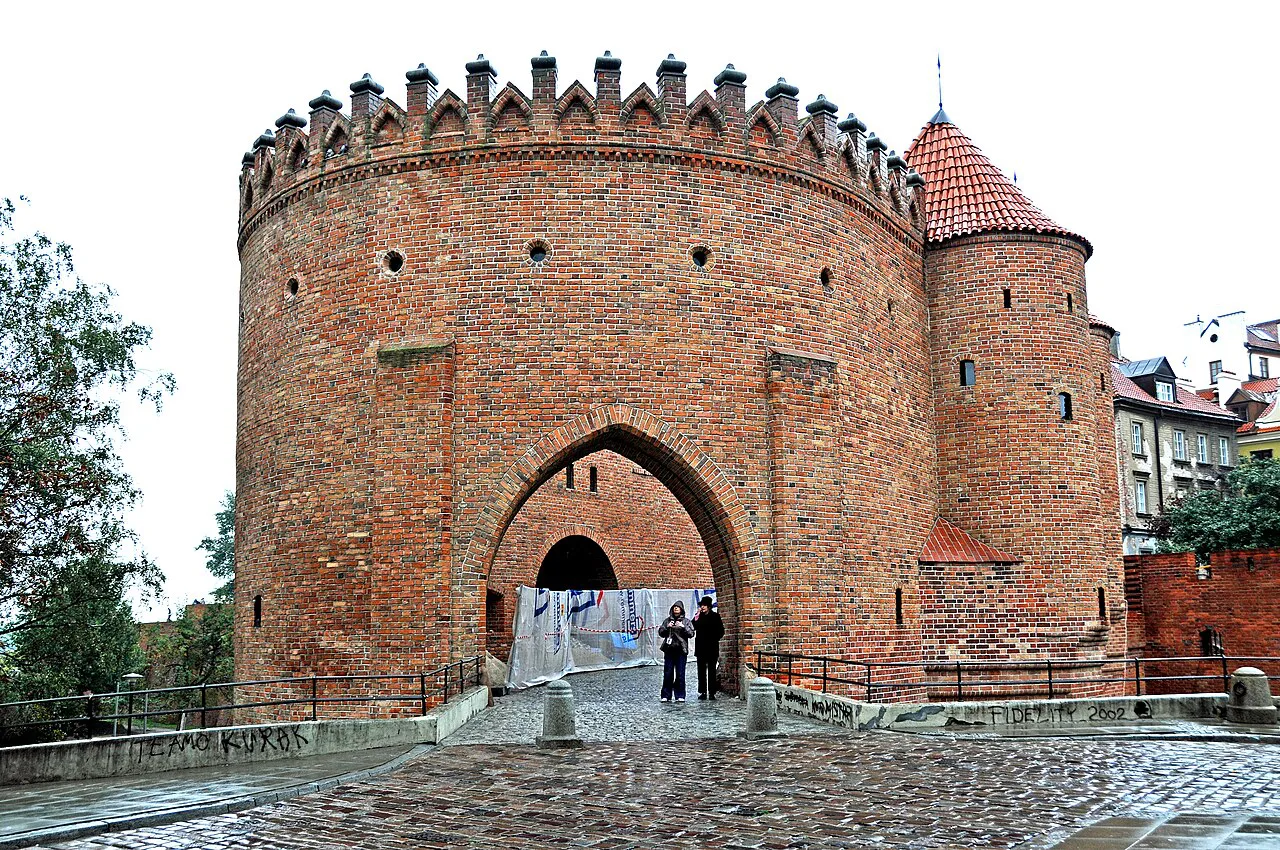
The Royal Route, or Trakt Królewski, runs south from the Old Town and links a string of historical landmarks in one continuous line. Rather than scattering these sights across your itinerary, treat the route as a single southward walk and let the city unfold in order. It is the most efficient way to see several centuries of architecture in a day without doubling back.
The route's southern anchors are the royal gardens of Łazienki Park and the seventeenth-century Wilanów Palace, both well beyond the Old Town. Wilanów in particular sits far enough south that it rewards a dedicated half-day rather than a quick detour. If you only have one clear day, choose either Łazienki or Wilanów and enjoy it properly instead of rushing both.
Łazienki is also the natural place to notice how much green space Warsaw holds. Leafy parks, rowing lakes, outdoor cafés and open-air concerts give the rebuilt city a mood far removed from grim communist-era images. Build a park pause into the walk rather than treating it as filler between monuments.
The Old Town and Royal Castle: reading the rebuild
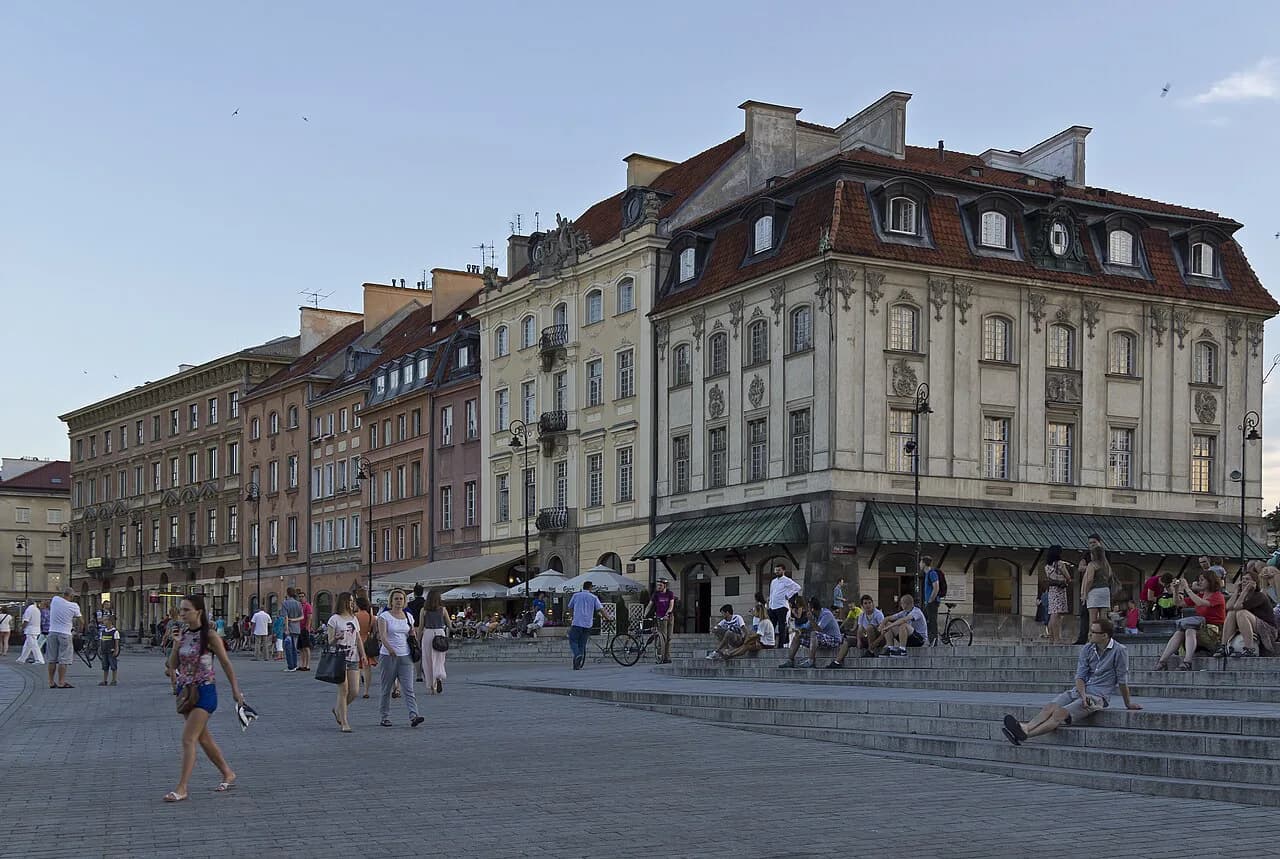
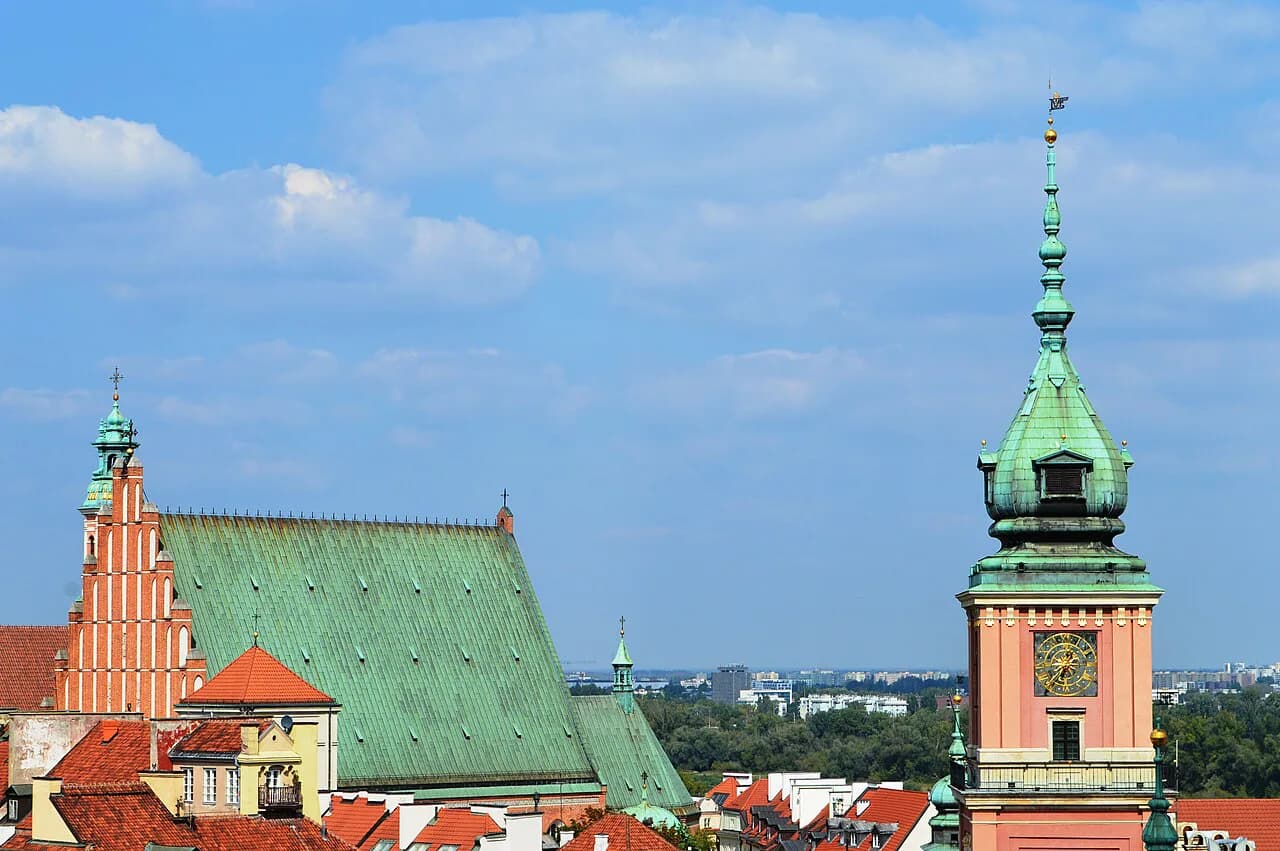
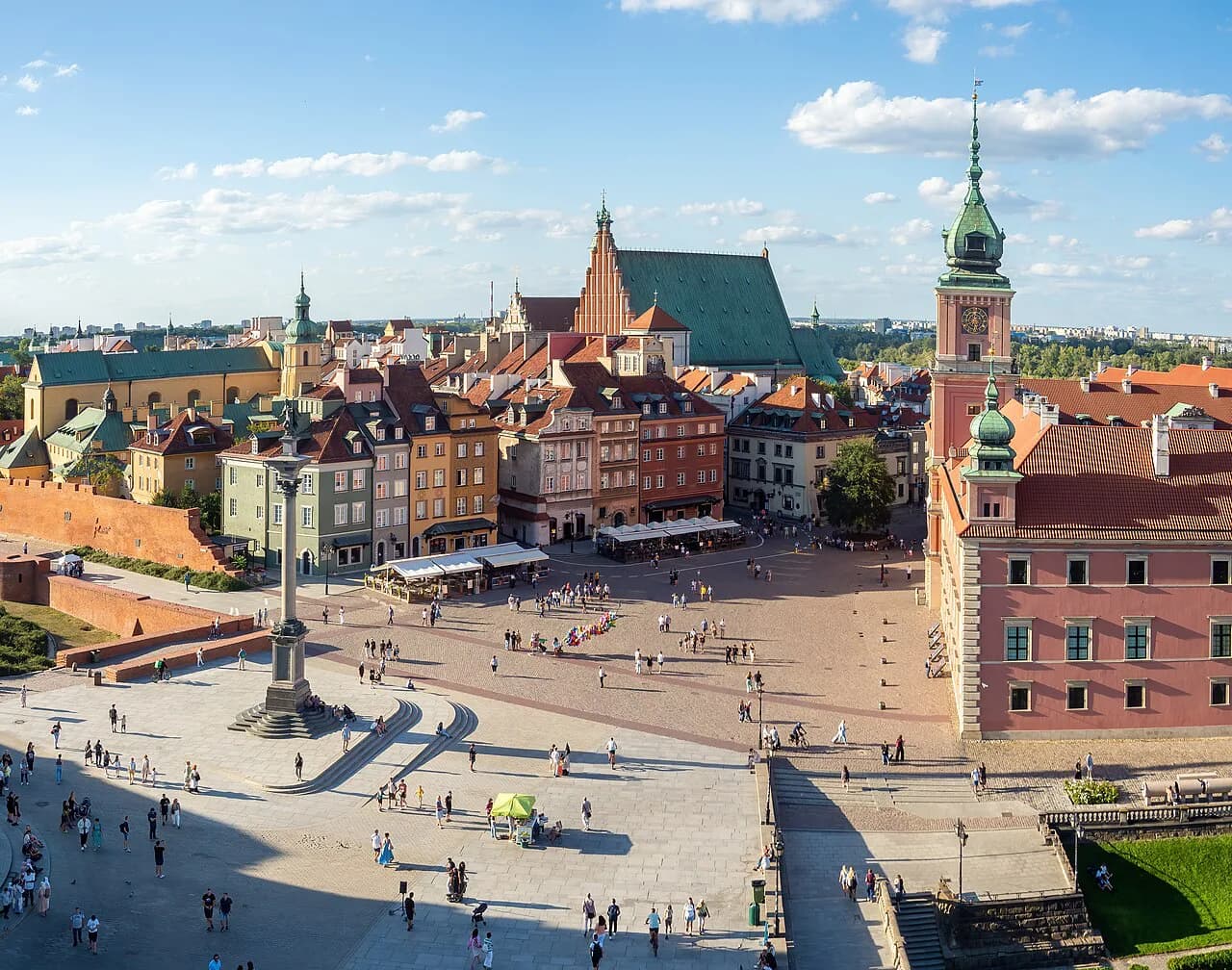
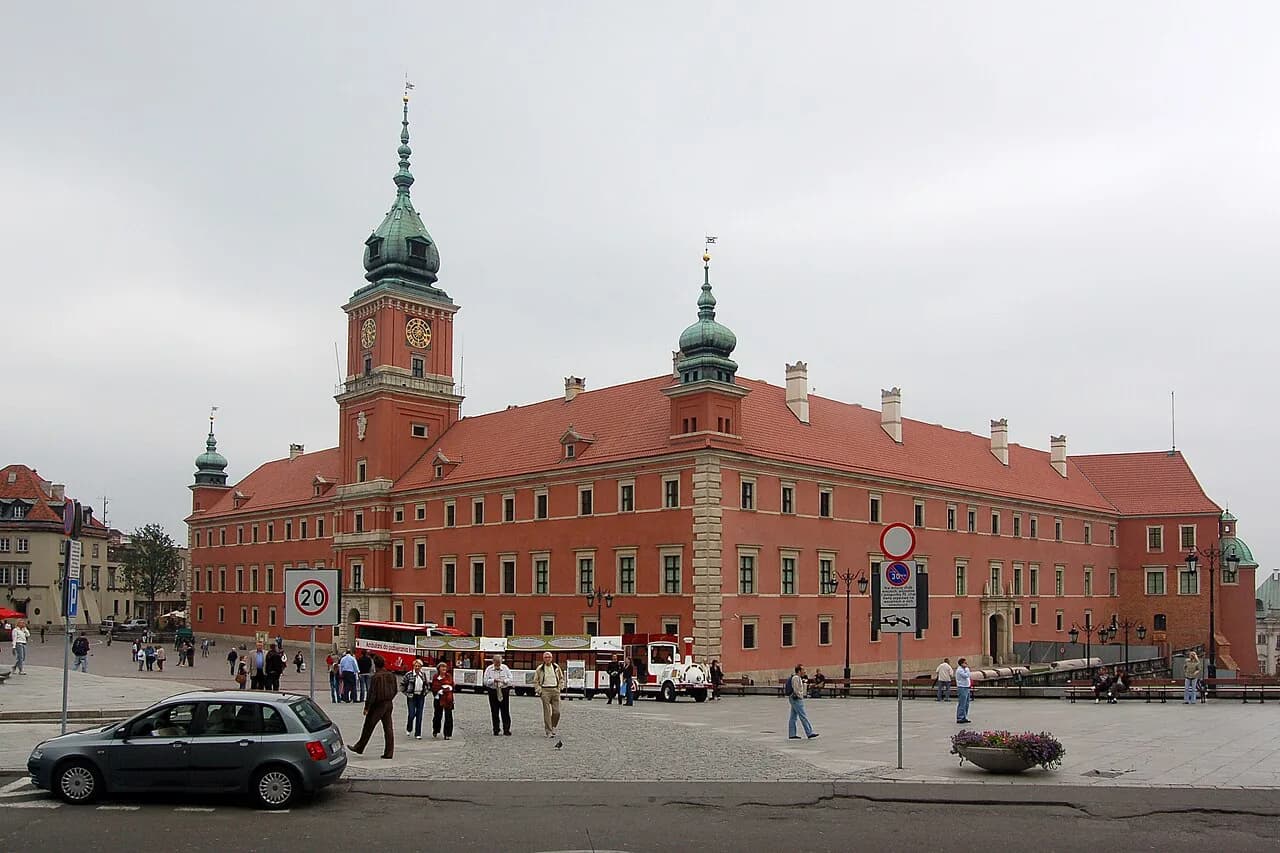
The Old Town is Warsaw's chief set-piece attraction, and its streets gather the Royal Castle and St John's Cathedral within a compact area. Because the district is a reconstruction, look for the details that betray the twentieth century: regular façades, restored interiors and a street plan faithfully reinstated. That combination of loss and precision is the real sight.
Give the castle interior its own slot rather than squeezing it between square and church. The castle is also a useful rain plan, alongside the city's other indoor stops, so keep it in reserve for the wettest part of your stay. Check the castle's own published opening days before you set your route.
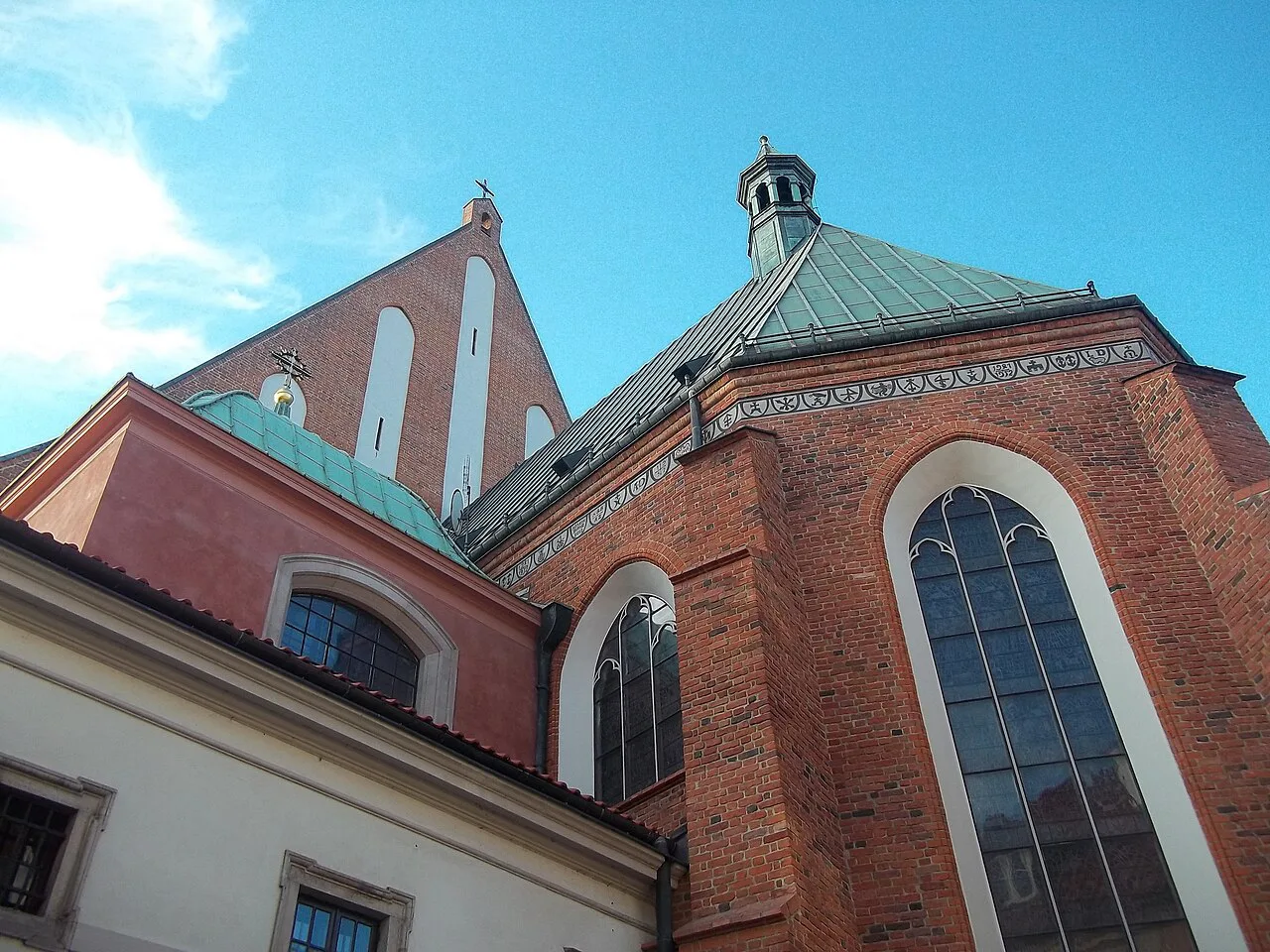
Churches are threaded through the same streets, and the cathedral is the obvious starting point. If ecclesiastical architecture interests you, a short circuit of the centre's churches fits neatly around the Old Town rather than competing with it.
The 1944 Warsaw Uprising
The 1944 Warsaw Uprising was the single largest military effort undertaken by resistance forces to oppose German occupation during the Second World War. It is a separate event from the destruction of the city's Jewish population and from the earlier bombing, and Warsaw's memorials assume you know the difference. Read each monument's inscription carefully before drawing conclusions about what it commemorates.
Warsaw is a special case among European cities in that its inhabitants mounted an organised rebellion against the German occupation and the city remembers it prominently. Follow that thread through the streets rather than treating it as a single museum visit. The city's wartime sites form a coherent trail if you take them in sequence.
The Warsaw Rising Museum and how to fit it in
The Warsaw Rising Museum tells the story of the men and women who rose up against their occupiers during the Second World War. It is the obvious place to deepen what the street memorials only sketch, so pair the two rather than choosing between them. Allow it a proper block of time, because it rewards attention over speed.
The museum sits away from the Old Town, so slot it into a different part of the day from the Royal Route rather than trying to bolt it on. Check its current opening days and any ticketing arrangements directly before you go.
Jewish Warsaw and the memory of the ghetto
Warsaw's Jewish history is central to the city's wartime story, and the memorial landscape deserves a slow, respectful visit rather than a rushed stop between sights. The POLIN Museum of the History of Polish Jews is the substantial collection to plan around, with the surrounding memorial streets providing context. Approach the area quietly, read the markers, and avoid treating it as a photo opportunity.
The scale of the wartime destruction of Warsaw's Jewish community is documented by the city's museums and memorial institutions, and that documentation is the right frame for what you see. Set aside real time here, and pair the museum with the memorial streets nearby. This is the part of the itinerary where fewer sights, seen properly, works best.
Post-war Warsaw: the Palace of Culture and Science
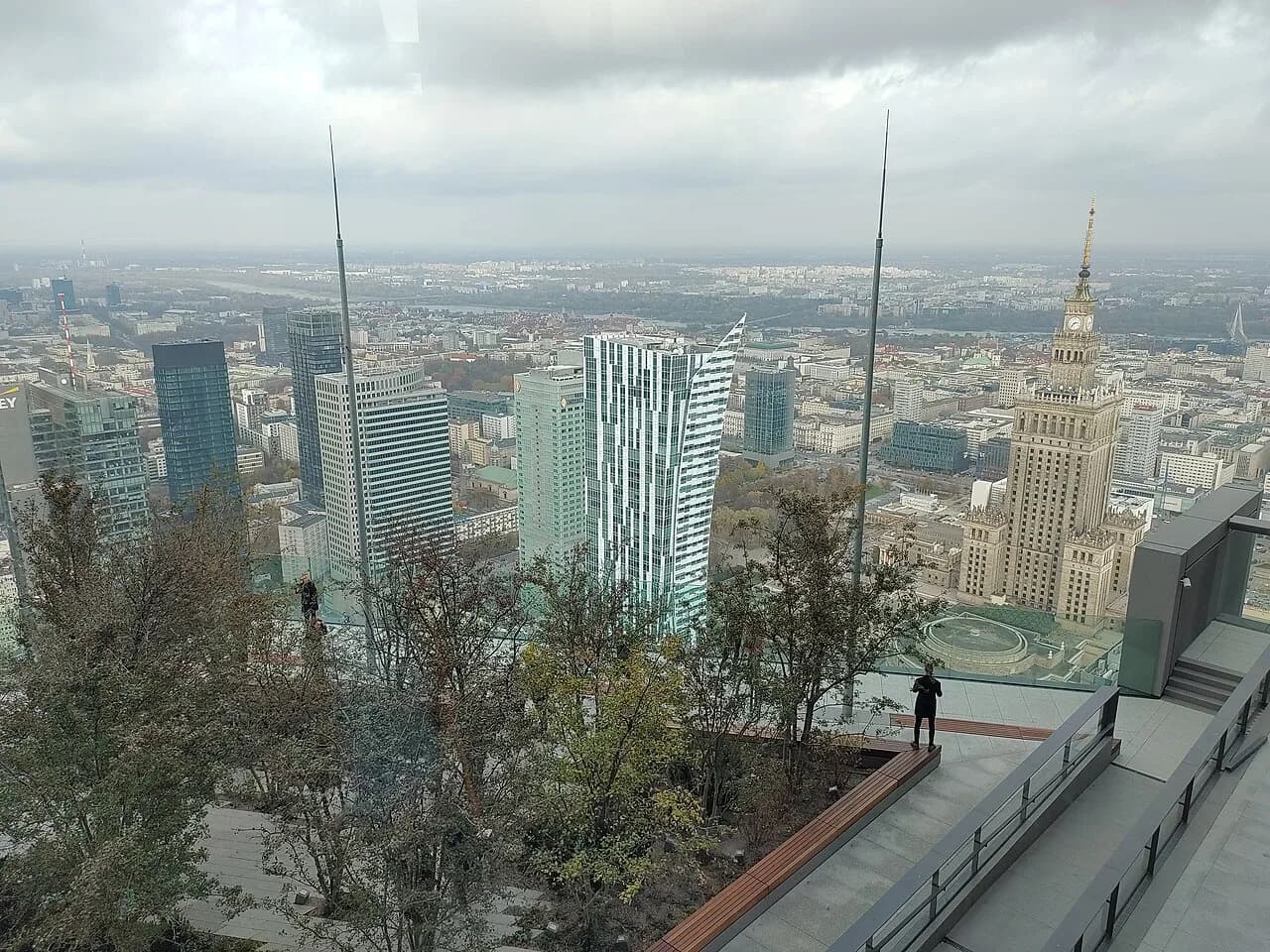
The Palace of Culture and Science dominates the skyline as a 1950s 'gift' from the Soviet Union, and at 237 metres it remains the tallest building in Poland. It is the clearest single monument to the post-war political order, and its presence explains the shape of the modern centre. See it in the evening when the surrounding streets are lit and the scale registers.
Beyond the palace, the rebuilt city rewards a closer look at its post-war architecture, which mixes socialist-realist set pieces with later modernism. A short walk around the central streets is enough to see the contrast without a formal tour.
Green Warsaw and the city's lighter side
Warsaw offers an unusual amount of green space for a capital, with parks, lakes and open-air concerts shaping the summer mood. Use them to break up the heavy history rather than as an afterthought. A morning in a park followed by an afternoon in a museum is a workable rhythm for a short break.
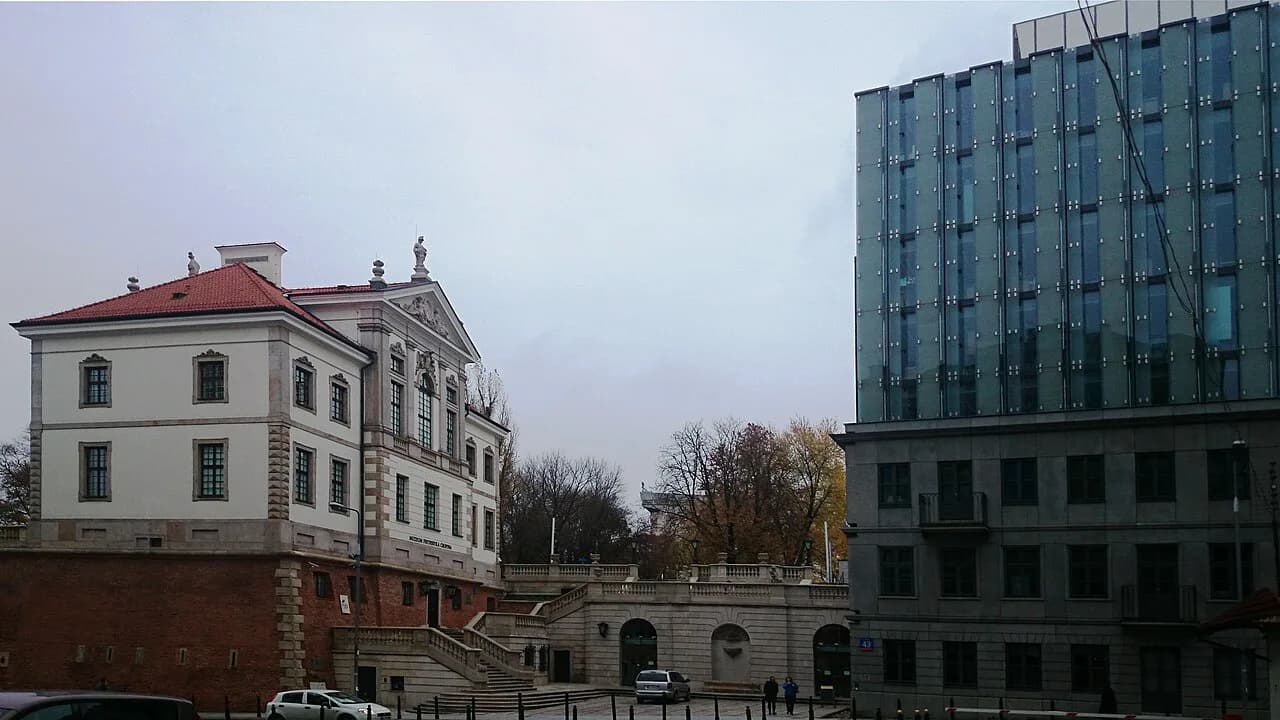
Music is another thread worth following if you want a break from wartime commemoration, and the city's Chopin connections sit comfortably alongside the historic sights. Pair a park visit with a concert rather than adding another museum.
For a change of register, Warsaw's art scene offers contemporary contrast to the memorial trail. Galleries work well as a half-day when your feet need a slower pace.
One, two or three days: a realistic history routing
With one day, take the Old Town and Royal Castle in the morning, then walk south along the Royal Route to Łazienki Park in the afternoon. That covers the UNESCO reconstruction and the historic spine without crossing the city twice. Add the Palace of Culture and Science in the evening if energy allows.
With two days, give the second to the Warsaw Rising Museum and the Jewish memorial area, which carry the wartime story in depth. With three, add Wilanów Palace and a park or gallery half-day to lighten the schedule. Do not try to see everything; the history is dense and the city is large.
How much Warsaw history can you fit in?
History is not an add-on in Warsaw; it is the city's main attraction, and the reconstruction story gives every street a second layer. Prioritise the Old Town and Royal Route, then choose either the Warsaw Rising Museum or the Jewish memorial area for depth. Build in a park pause so the weight of the material does not overwhelm the trip.
Check current opening days and ticket arrangements directly with the museums you plan to visit, as these change. Beyond that, the city's geography is simple enough to plan around on a short break, and the route order above keeps the walking manageable.
Explore more Warsaw guides
Sources
Notes for your next Polish city break
Optional updates to our Poland guides.
You might also like
Continue reading
More guides you'll find useful