Warsaw WW2 Sites: Museums, Memorials and What Happened
Plan a Warsaw WW2 visit with the rebuilt Old Town, the Warsaw Rising Museum, POLIN and the ghetto boundary markers, plus how to order the sites.
On this page
Warsaw's Second World War story needs two days to do properly: one for the 1944 uprising and one for the Warsaw Ghetto and its Jewish history. The sites sit close together, so the Old Town, Muranów and the Warsaw Rising Museum can be linked on foot rather than by taxi. This guide sorts the museums and memorials by what they commemorate, explains which buildings are reconstructed, and suggests how to fit them into a short city break.
The most useful distinction for planning is between places about the uprising and places about the Holocaust. They overlap in the city centre but ask for different attention, and grouping them wrongly leaves you shuttling across town.
Why the war is visible in the streets you walk today
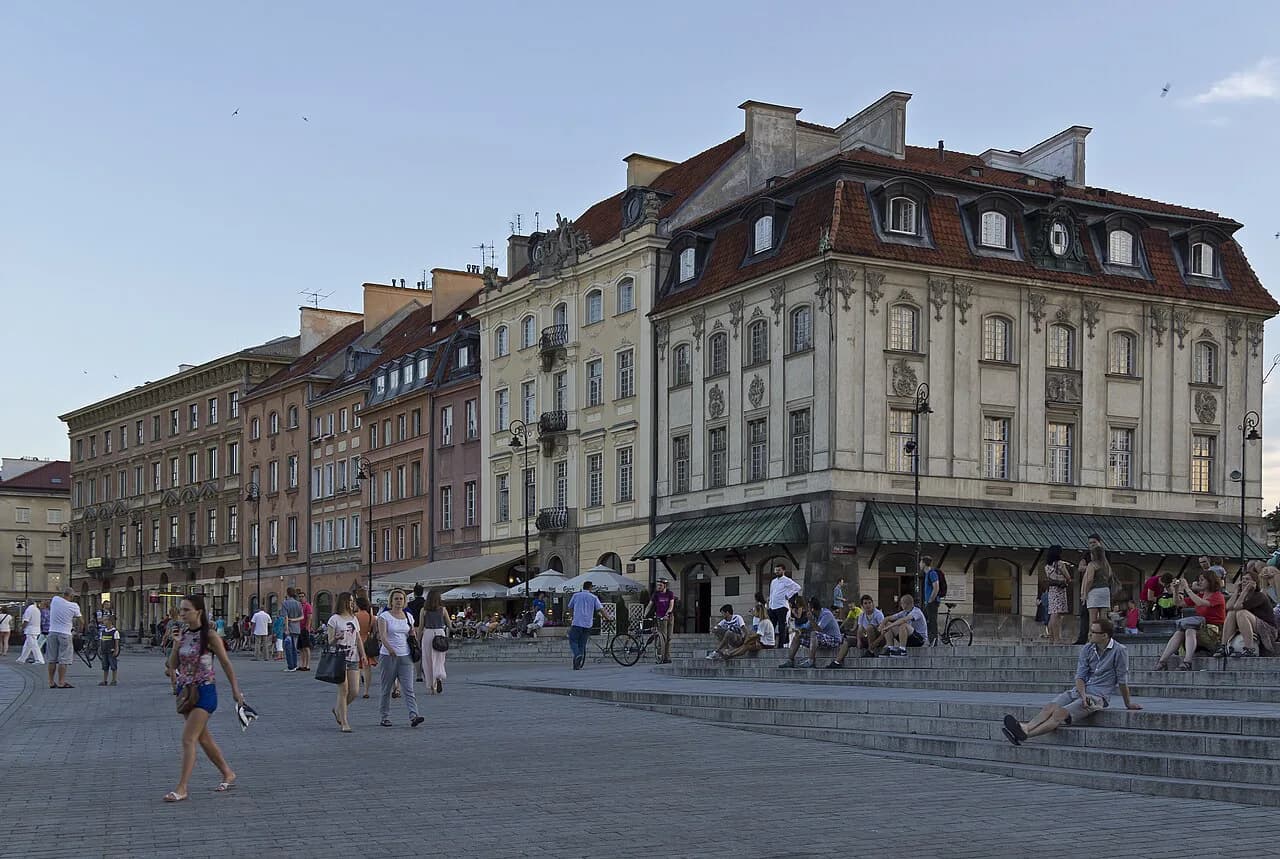
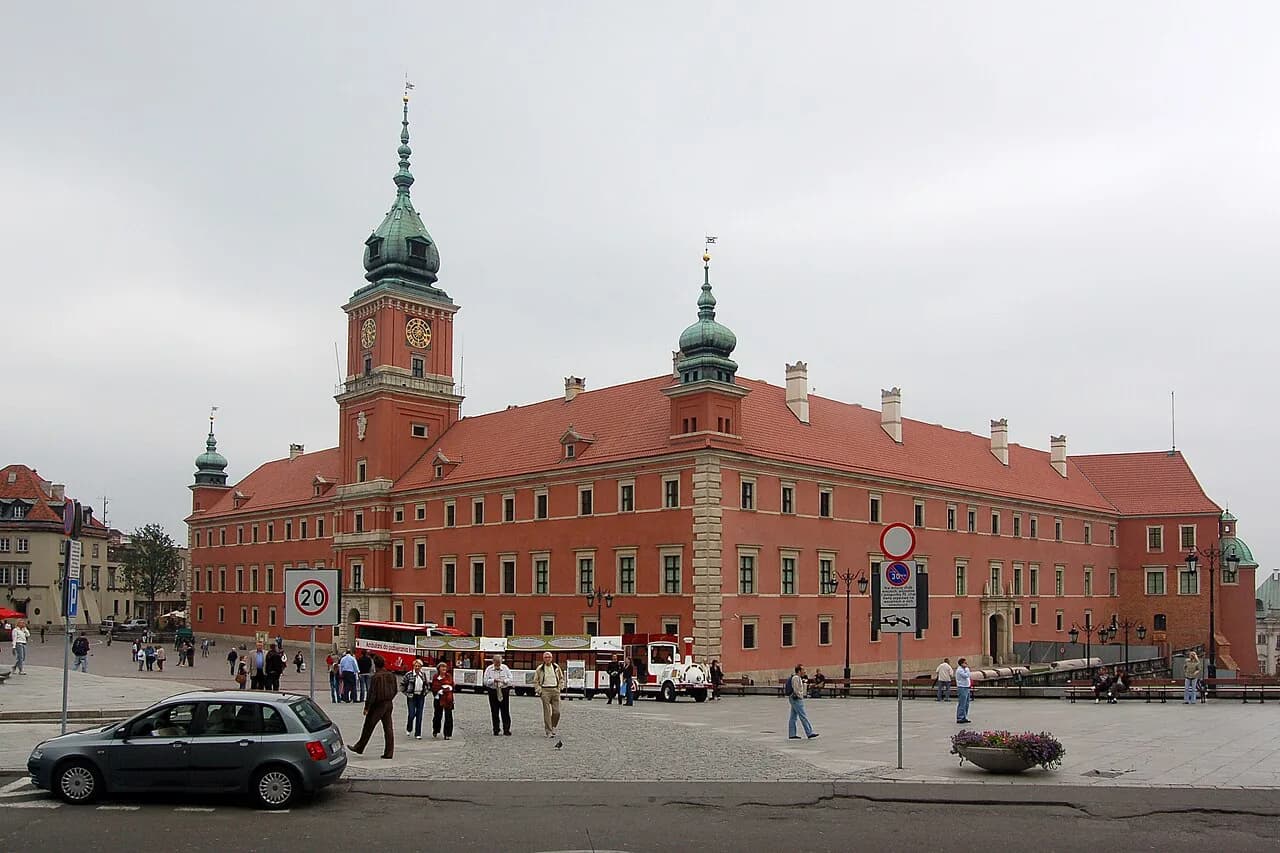
Warsaw's historic centre was rebuilt after the war using historical plans, photographs and surviving documents, which is why it looks centuries old but is largely postwar work. That reconstruction was careful enough for the historic centre to be inscribed on the UNESCO World Heritage List. Knowing this changes how you read the streets: the shape is historic, much of the fabric is not.
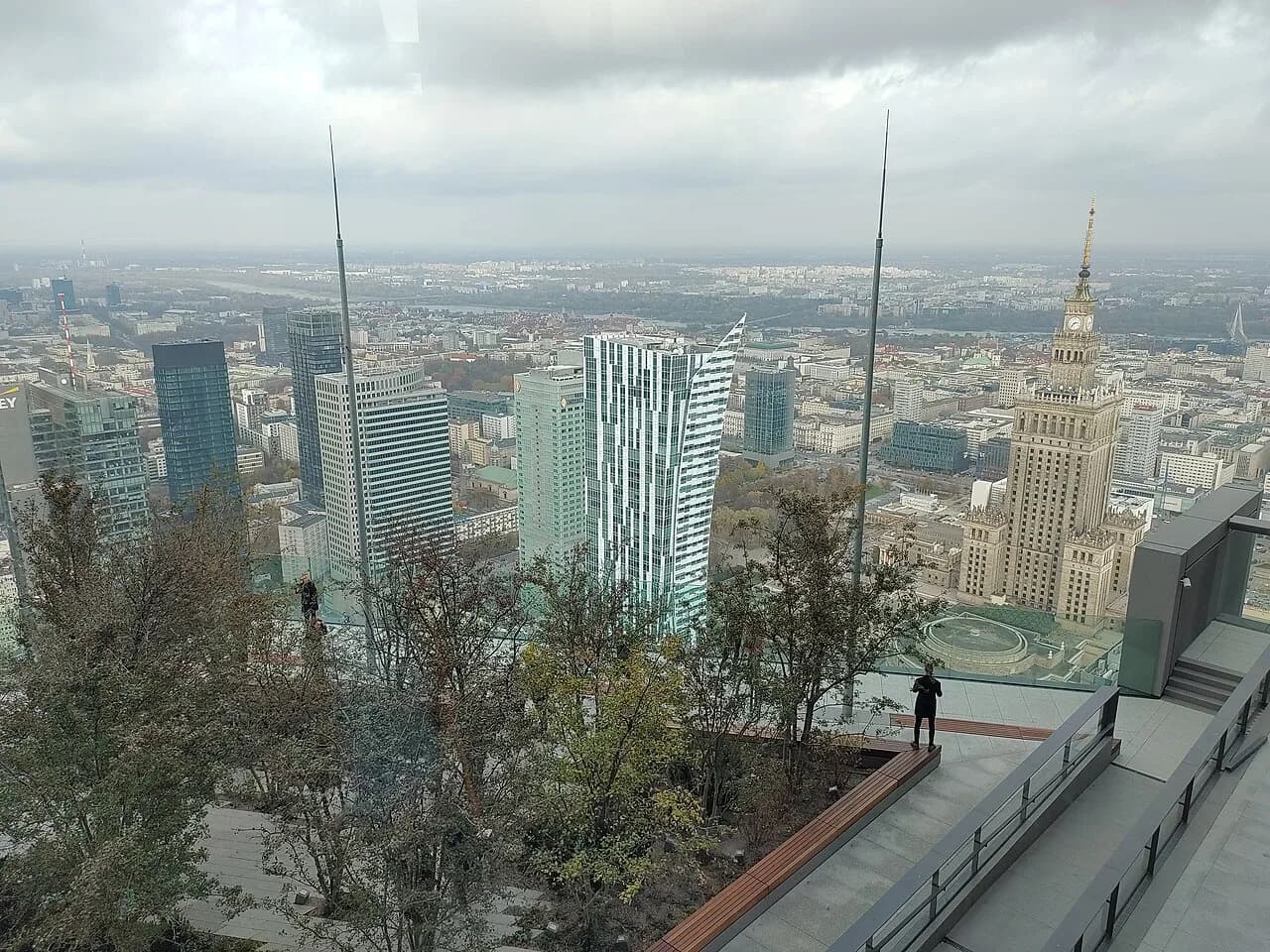
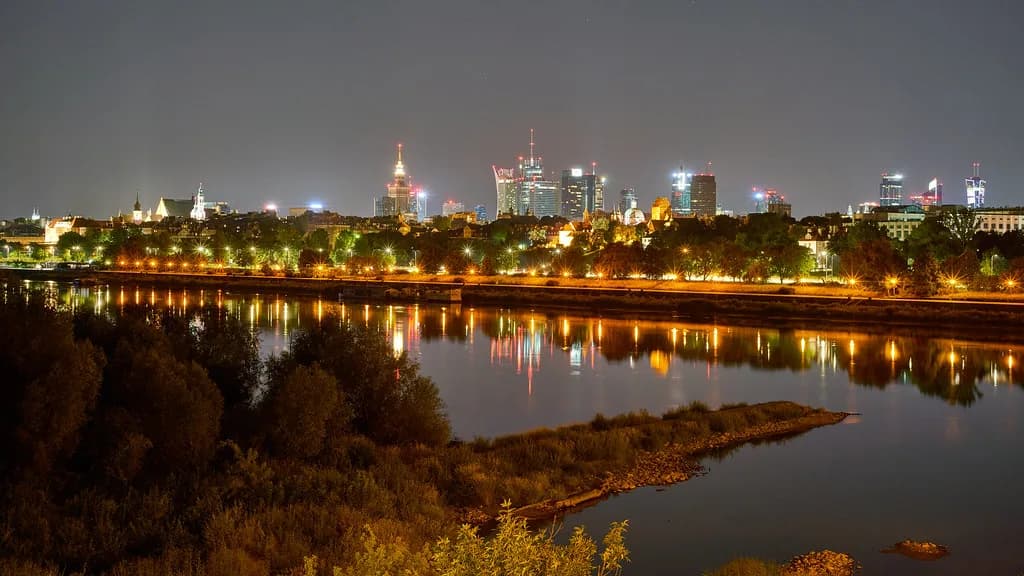
The Palace of Culture and Science, at over 230 metres, became the modern icon of the rebuilt capital and now houses a theatre, cinema, museums, cafés and the main Tourist Information Point. Its 30th-floor observation deck gives the clearest view of how the postwar city was laid out around the river.
The Old Town and Royal Castle: destroyed and rebuilt
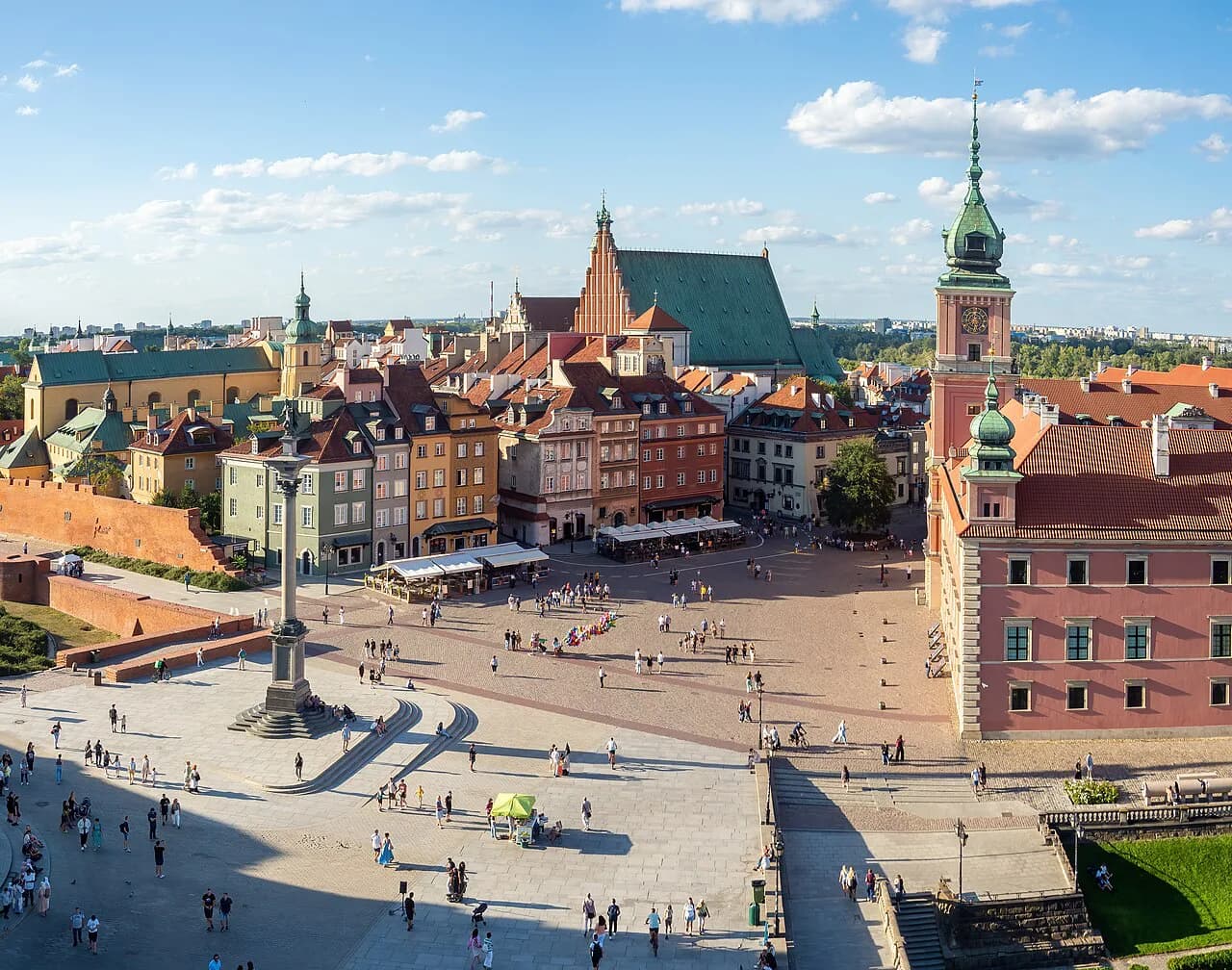
Start at the Old Town Square, where the Warsaw Mermaid statue stands in the centre and eleven surrounding tenement buildings are occupied by the Museum of Warsaw. Its collections trace the city and its residents, and the top floor has a viewpoint over the square. It is the single best primer before you look at anything else.
The Royal Castle was the official residence of Polish kings from the 16th century and holds royal insignia, thrones and paintings including works by Rembrandt, Canaletto and Matejko. The Sigismund Column nearby is the city's best-known monument and a common meeting point. Pair the castle with the Gothic St. John's Cathedral, which holds the tombs of the last Dukes of Mazovia.
The Museum of Warsaw opens Tuesday to Sunday and closes on Mondays, so do not leave it for the final morning of a weekend trip. It is a substantial visit rather than a quick stop, and the same ticket gives discounted entry to the Praga Museum of Warsaw within seven days.
The Warsaw Rising Museum: the 1944 uprising
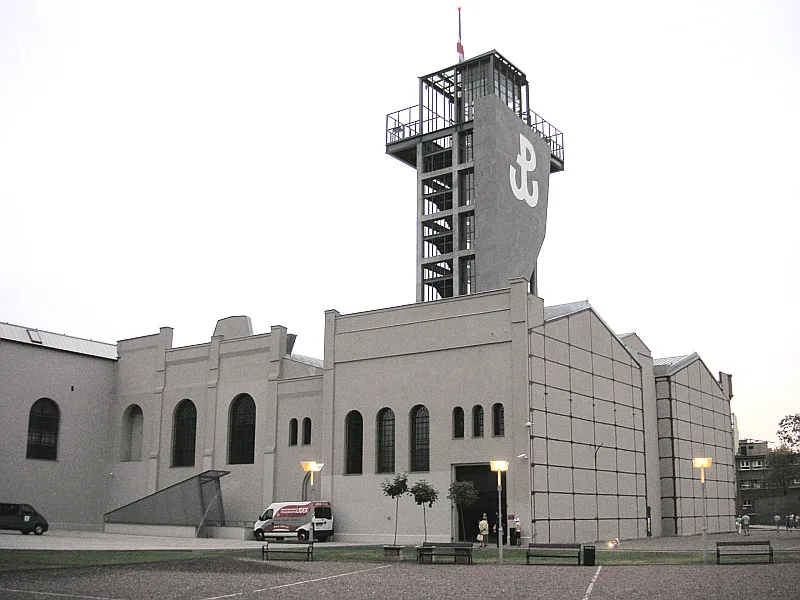
This is the museum to prioritise if the uprising is your main interest. It documents the 63-day struggle of Warsaw's residents against the occupying German forces in 1944, an event that changed the capital permanently. The building is large and the displays are dense, so most visitors need more time than they expect.
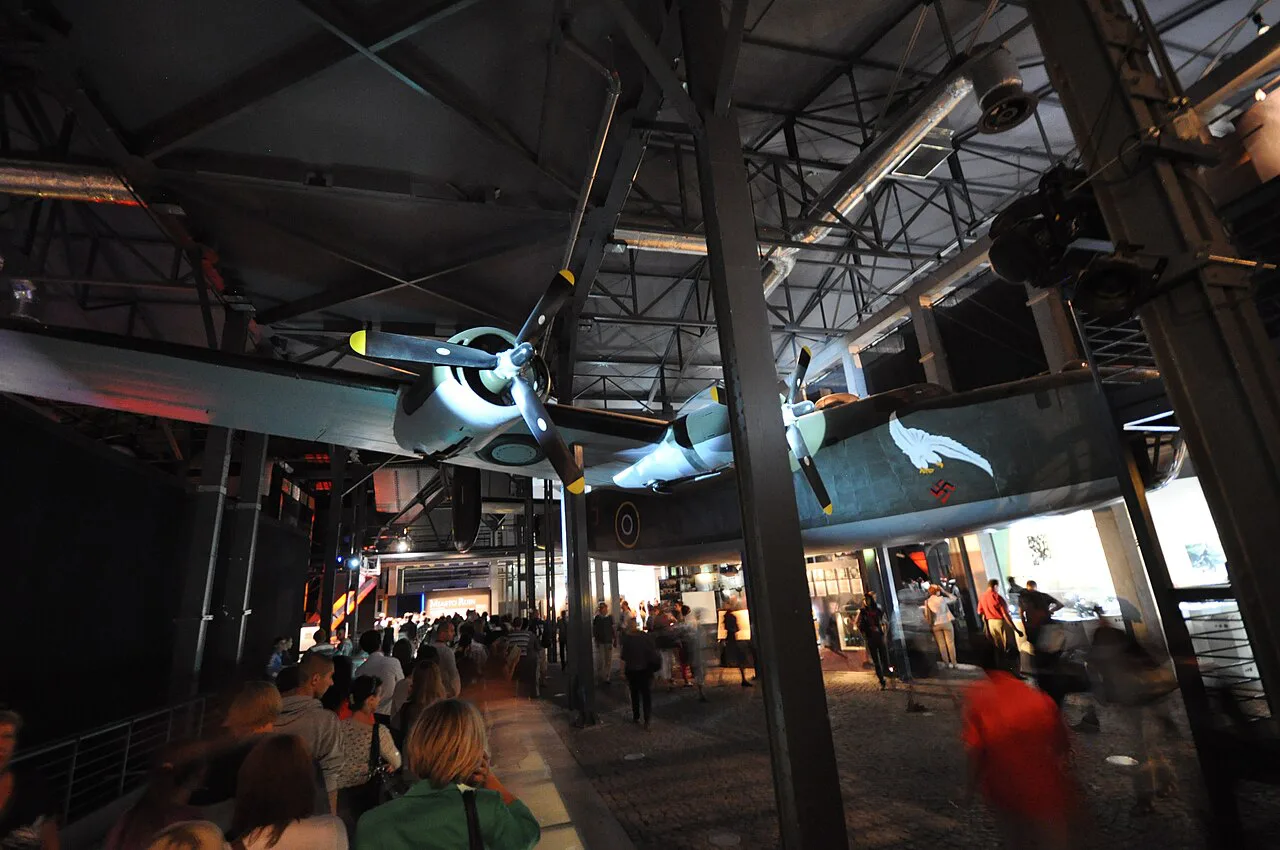
Two exhibits are worth planning around: a replica Liberator B-24J bomber suspended from the ceiling, and a 3D film showing the city after the bombings. The film is quiet rather than dramatic, and that restraint is what makes it land. An audioguide helps you follow the route through the galleries, because the sequence is not always obvious.
The trade-off is size. If you have a single afternoon, choose either the uprising galleries or the 3D film and give the other a miss rather than rushing both. The museum opened in 2004 and sits outside the Old Town, so it works best as the anchor of a half-day in the western centre.
POLIN Museum of the History of Polish Jews
POLIN stands on the ground of the former Warsaw ghetto and covers a thousand years of Jewish history in Poland, from the earliest traces through the golden age and pre-war years to the Holocaust and after. The building was designed by a team of Finnish architects and was named European Museum of the Year in 2016. Its core exhibition uses light and sound rather than rows of cases, and the Forest Gallery at the start sets the tone.
The ghetto itself was sealed by the German occupiers in mid-November 1940, and overcrowding and food shortages produced an extremely high death rate before deportations began. Keep those facts in view as you walk the district; the museum explains them in detail.
Budget at least half a day here and treat it as the centrepiece of a Holocaust-focused visit rather than an add-on to the Old Town. For the wider set of city museums, the guide to museums in Warsaw helps you decide what else earns a slot.
Umschlagplatz, the ghetto wall and the boundary markers
A walking route through the former Jewish district links the POLIN Museum, the Umschlagplatz, a surviving fragment of the wall that separated the ghetto from the so-called Aryan side, and pavement plaques marking the old ghetto boundary. The Umschlagplatz is where the Germans transported Warsaw's Jews to the Treblinka camp. Walk it slowly and in order: the markers make the ghetto's extent legible in a way a map does not.
Muranów, the estate built over the ghetto ruins, is part of the same walk and shows how socialist-realist planning reshaped the area after the war. The same style appears at Konstytucji Square and the MDM hotel nearby. Expect a couple of hours on foot between the Old Town edge and POLIN, with the memorial stops spaced along the way.
Treat these as memorial ground rather than photo stops. Read the plaques, keep voices low and give other visitors space, especially at the Umschlagplatz.
Socialist-realist Warsaw: the postwar answer
After 1945, socialist realism was applied to most newly built monuments, public buildings and even whole districts, which is why central Warsaw can feel monumental and severe at once. The Palace of Culture and Science is the clearest example, an Art Deco-meets-Stalinism tower that dominates the skyline. Seeing it after the wartime sites makes the sequence of destruction, rebuilding and ideology easier to follow.
For contrast, the Museum of Modern Art in Warsaw opened in 2024 in a Thomas Phifer building at Plac Defilad beside the palace, and Varso Tower's Highline observation deck sits around 230 metres above the ground. Both show a city still building over its own history. If it rains, these are sensible substitutes for a walking afternoon.
Łazienki Królewskie and Wilanów: a deliberate break
Two or three days of wartime history is heavy, so build in an afternoon at Łazienki Królewskie, a park of gardens, ponds, sculptures and elegant buildings with the Palace on the Isle at its centre. It was the summer residence of King Stanisław August and the paintings inside come from his collection. In summer, free open-air piano concerts are held beside the Chopin monument on Sundays, a tradition dating to 1959.
Wilanów Palace, at the southern end of the Royal Route, was built for King Jan III Sobieski and was one of the few buildings not damaged during the war, which makes it a useful counterpoint to the reconstructed Old Town. The Poster Museum in Wilanów holds more than 63,000 posters, including one of the largest collections of Polish posters. Both need a half-day between them.
How long a Warsaw WW2 visit needs
One day: the Old Town, the Royal Castle and the Museum of Warsaw in the morning, then the ghetto boundary walk and the Umschlagplatz in the afternoon. Two days: add the Warsaw Rising Museum on one day and POLIN on the other, which is the honest minimum for both. Three or four days: add Łazienki and Wilanów as recovery afternoons, plus the Palace of Culture viewpoint.
Order matters more than distance. The Old Town, the Royal Route along Krakowskie Przedmieście and Nowy Świat, and Muranów form a natural line, while the Rising Museum sits apart and deserves its own half-day. Do not schedule the Museum of Warsaw on a Monday.
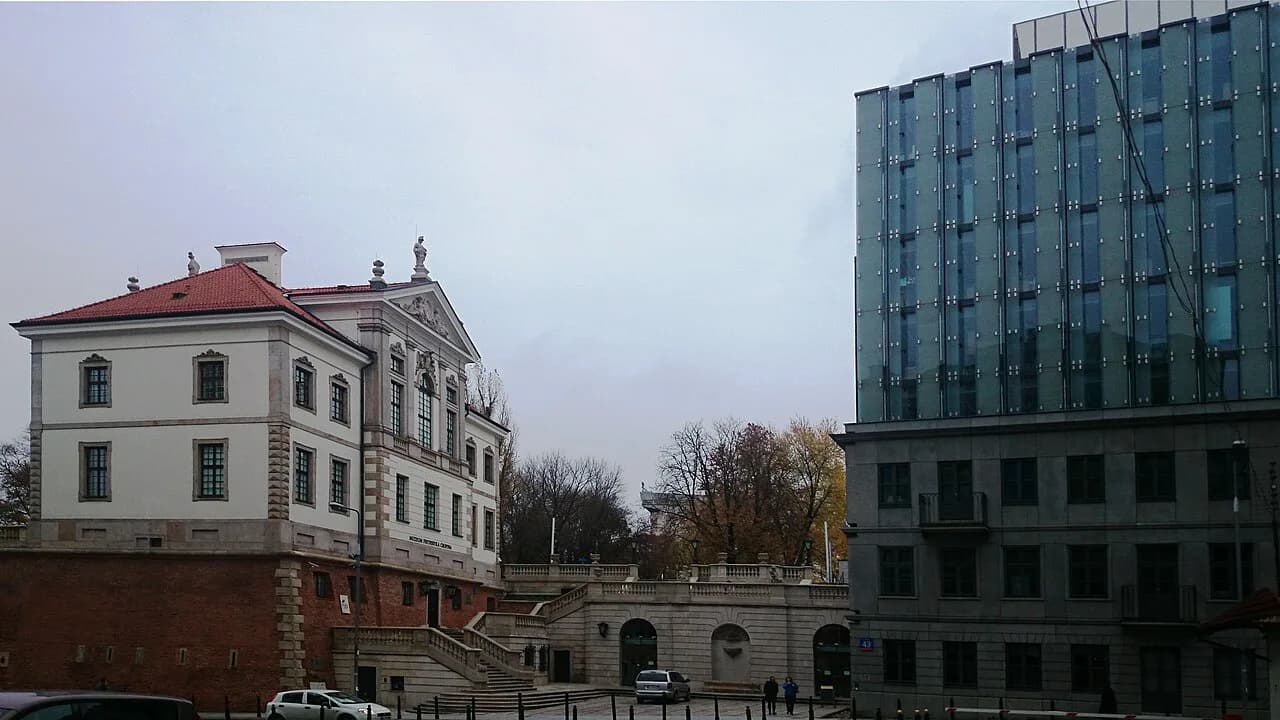
The Fryderyk Chopin Museum is closed for renovation during 2026, so it cannot fill a slot that year. The wider story of the city, from its founding to the present, is set out in the guide to Warsaw history if you want context before you arrive.
Which Warsaw WW2 sites to book first
Do POLIN and the Warsaw Rising Museum first, because they carry the most information and set the shape of the trip. The Old Town and the ghetto walk are self-guided and work around them. If you have one day only, choose the uprising or the Holocaust thread rather than both.
For the churches along the Royal Route, including St. John's Cathedral, see the guide to churches in Warsaw. The Chopin Museum's renovation status and any changes to opening days are worth confirming before you travel.
Explore more Warsaw guides
Frequently Asked Questions
Did any of Warsaw survive the Second World War?
Yes. The Old Town and Royal Castle were rebuilt after wartime destruction, using plans, photographs and surviving documents, and the result is listed as a UNESCO World Heritage Site. Wilanów Palace, at the southern end of the Royal Route, was one of the few buildings not damaged during the war. Some original fabric therefore survives outside the rebuilt centre, but much of the central historic streetscape is postwar reconstruction.
Was Warsaw the most destroyed city of the Second World War?
Warsaw suffered destruction on an enormous scale, and the rebuilding of its historic centre is the clearest evidence of that in the city today. Comparing cities by destruction is difficult because the measures used differ, so treat the question as context rather than a ranking and look at what each museum documents rather than at league tables.
When did Warsaw fall in the Second World War?
The German invasion of Poland began in September 1939, and Warsaw was occupied by German forces for the rest of the war. The Warsaw Rising against the occupiers ran for 63 days in 1944, and the city was devastated afterwards. The Warsaw Rising Museum covers the uprising in detail, while the Holocaust Encyclopedia covers the ghetto.
Sources
Notes for your next Polish city break
Optional updates to our Poland guides.
You might also like
Continue reading
More guides you'll find useful