Gdańsk vs Sopot: Which Is the Better City Break Base?
Gdańsk and Sopot sit minutes apart on the same rail line but suit different trips. Compare atmosphere, sights and how each works as a base for one to four days.
On this page
Gdańsk is the better base for most first city breaks, and Sopot is the better base if you want sea air, a smaller centre and a quieter rhythm. The two sit minutes apart on the same rail line, so the choice is really about atmosphere, scale and how much you want waiting outside your door rather than travel time. This guide compares them as bases for a one- to four-day trip, covering what each one gives you, how you move between them, and which traveller suits which.
The verdict turns on wet days and wandering. Gdańsk has far more streets, gates, churches and museums to absorb a rainy afternoon; Sopot has the pier, a compact resort centre and the sea, which is glorious on a bright day and thinner cover when it rains.
The short answer: Gdańsk for a first city break, Sopot for a slower seaside stay
Pick Gdańsk if this is your first visit to the region, if you have one to four days and want a dense historic centre, or if you travel in shoulder-season weather that may turn. Pick Sopot if you have already seen Gdańsk, if you want a short break built around the sea, or if you are travelling with someone who prefers flat, compact strolls to cobbled streets full of sights.
The common mistake is treating this as an either-or choice. Because the two are so close on the same rail corridor, a Sopot base still gives you Gdańsk on demand, and a Gdańsk base still gives you the pier on a sunny morning. Base your decision on where you want to wake up and where you want to eat dinner, not on what you can reach.
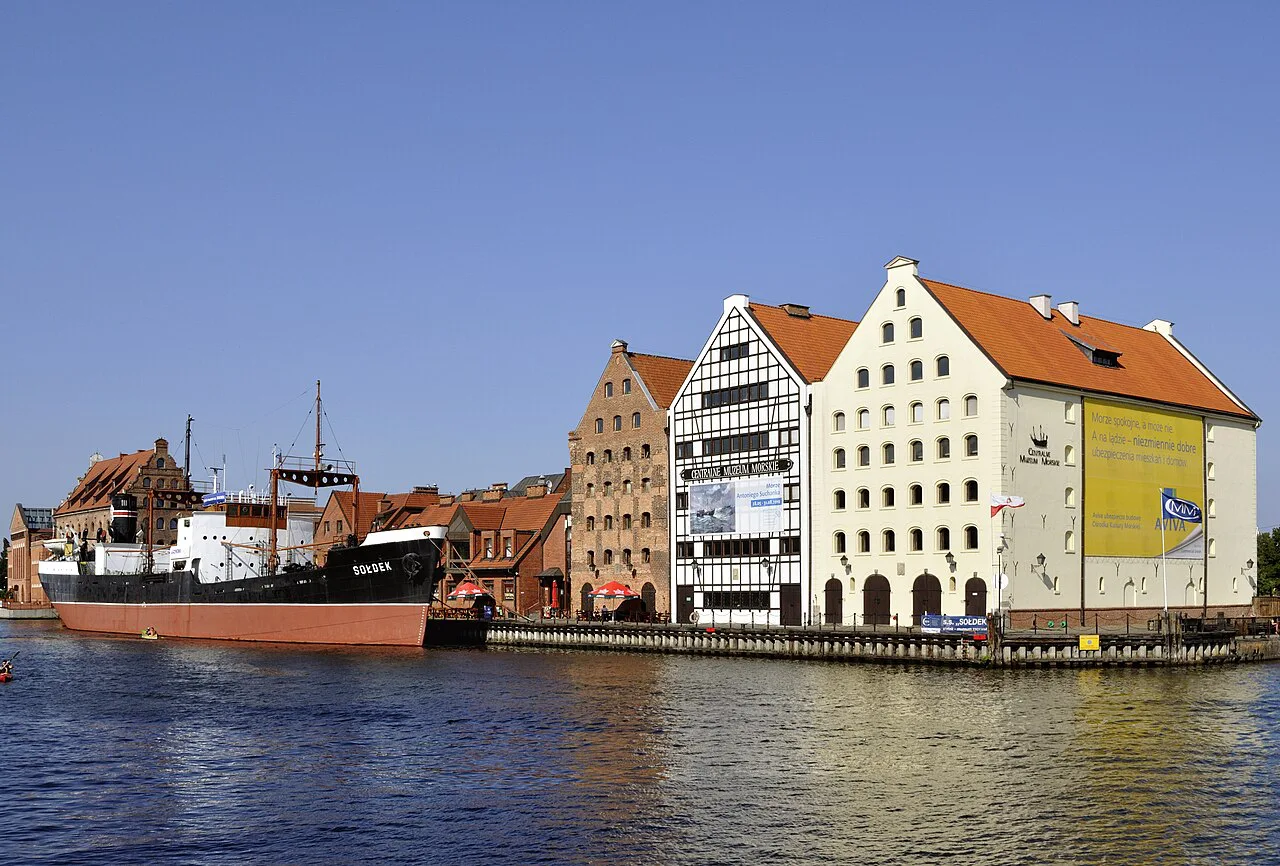
How the two differ in character: Hanseatic port city versus seaside resort
Gdańsk is a Hanseatic port city on a grand scale. Its historic core, the Main Town, is a dense grid of gabled burgher houses, gates and churches, anchored by St Mary's Basilica, which a Tri-City tour operator describes as the largest brick church in the world. Sopot is the opposite: a compact seaside resort whose centre is small enough to cross on foot in minutes, with the pier and the promenade as its set pieces.
Scale is the practical difference. A Sopot stay can be covered on foot in a day or two without repeating yourself, which suits travellers who want a low-effort break. Gdańsk rewards three or four days because the sights are spread across the Main Town, the shipyard district and outlying neighbourhoods such as Oliwa, which is why a guided sweep of the whole Tri-City can comfortably fill an eight-hour day.
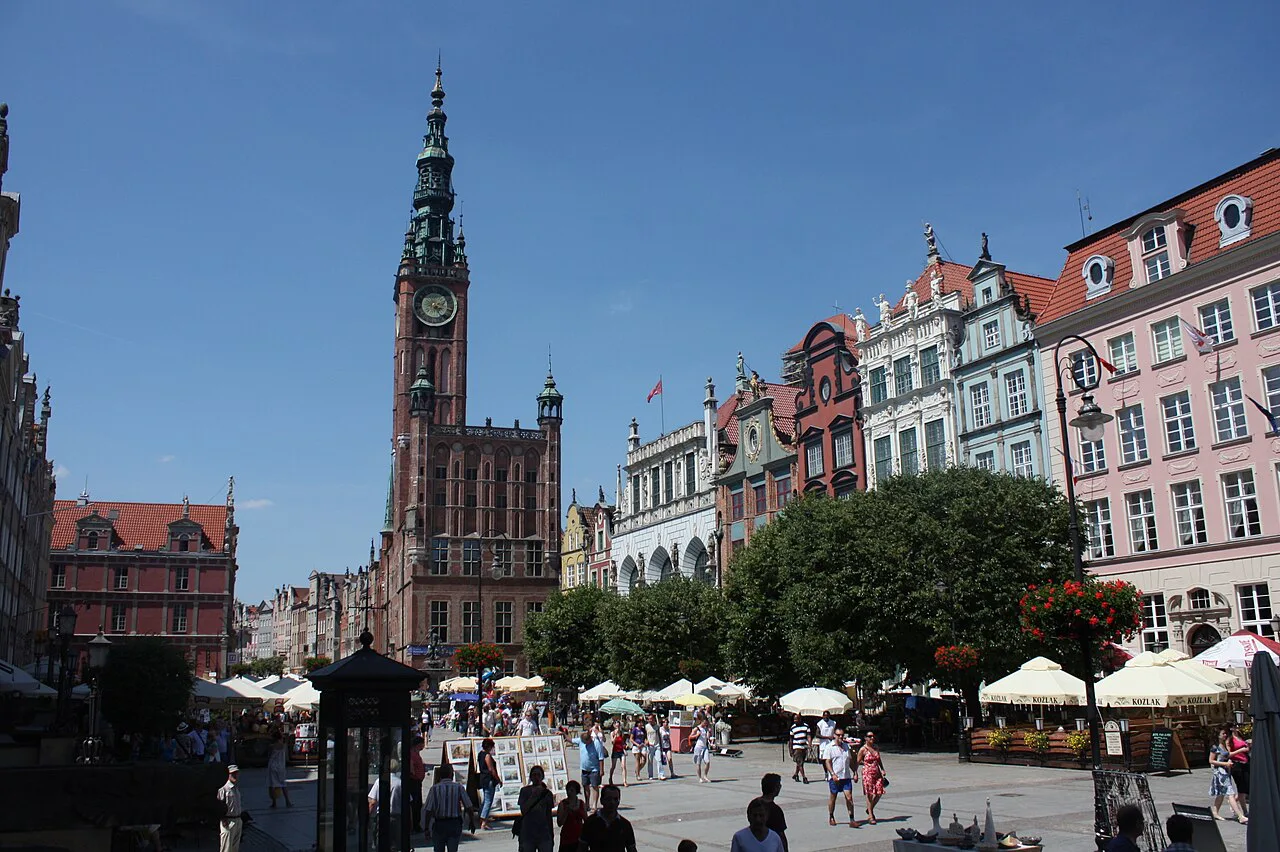
What you get in Gdańsk: Główne Miasto, Długi Targ, Żuraw, St Mary's Basilica and the shipyard
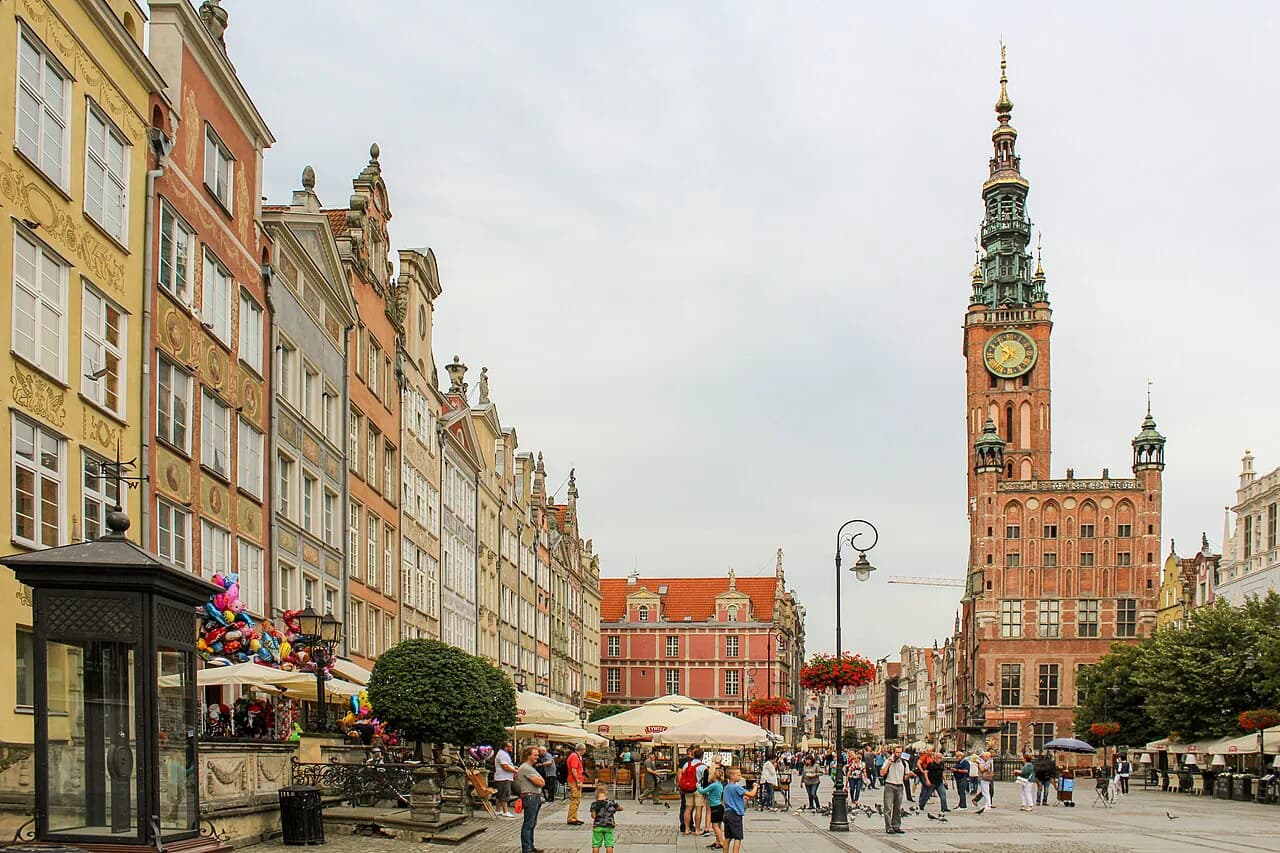
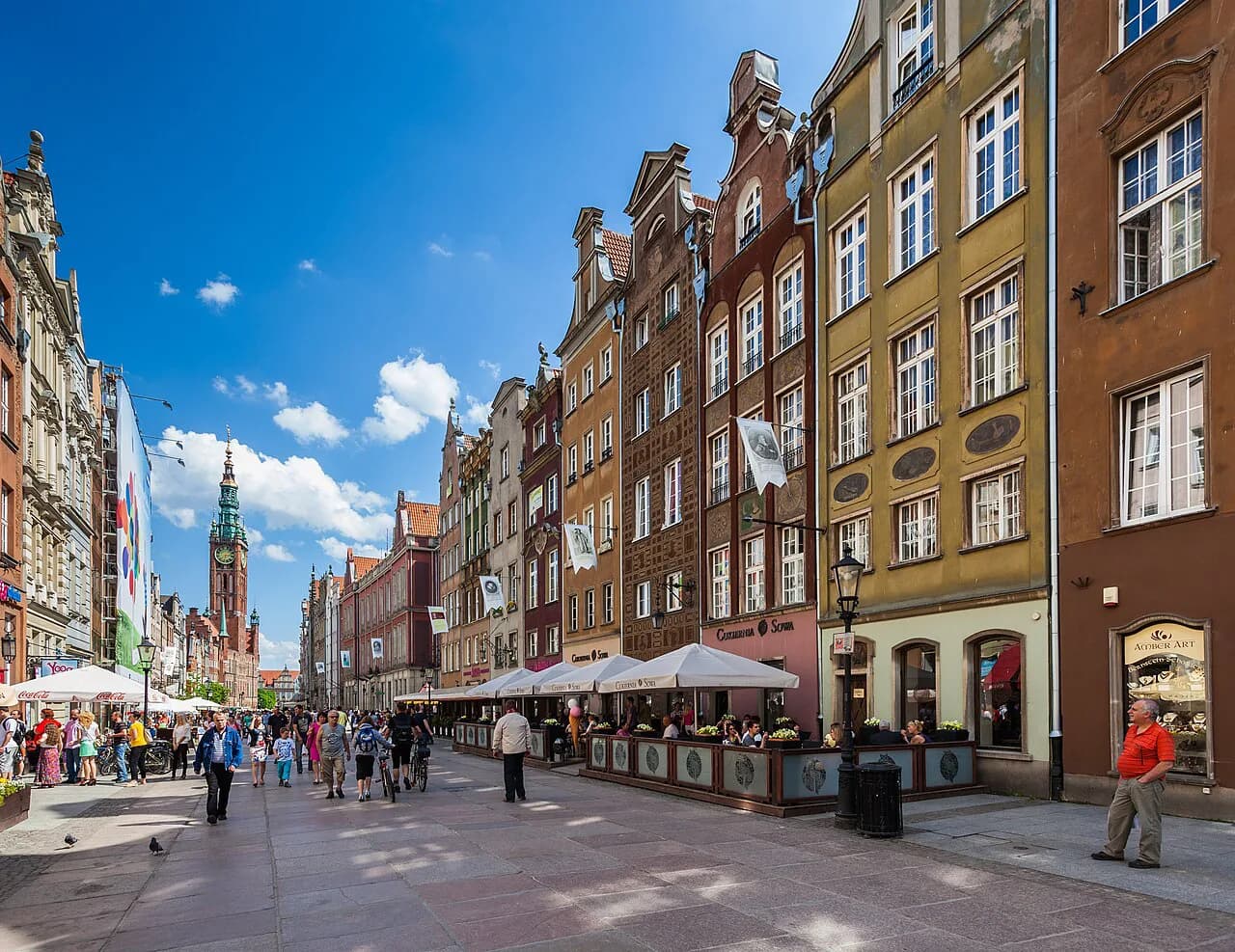
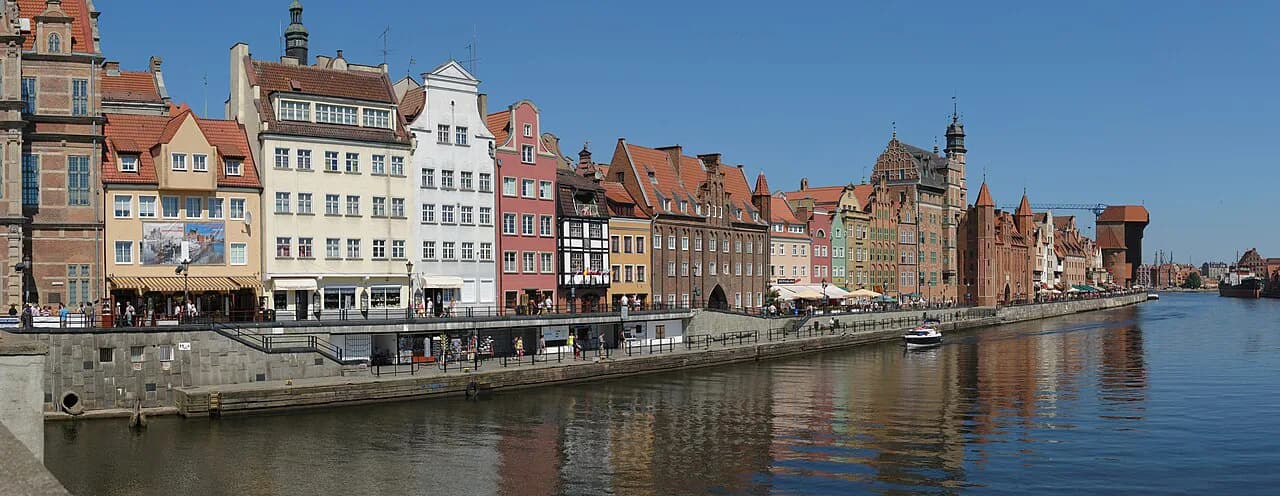
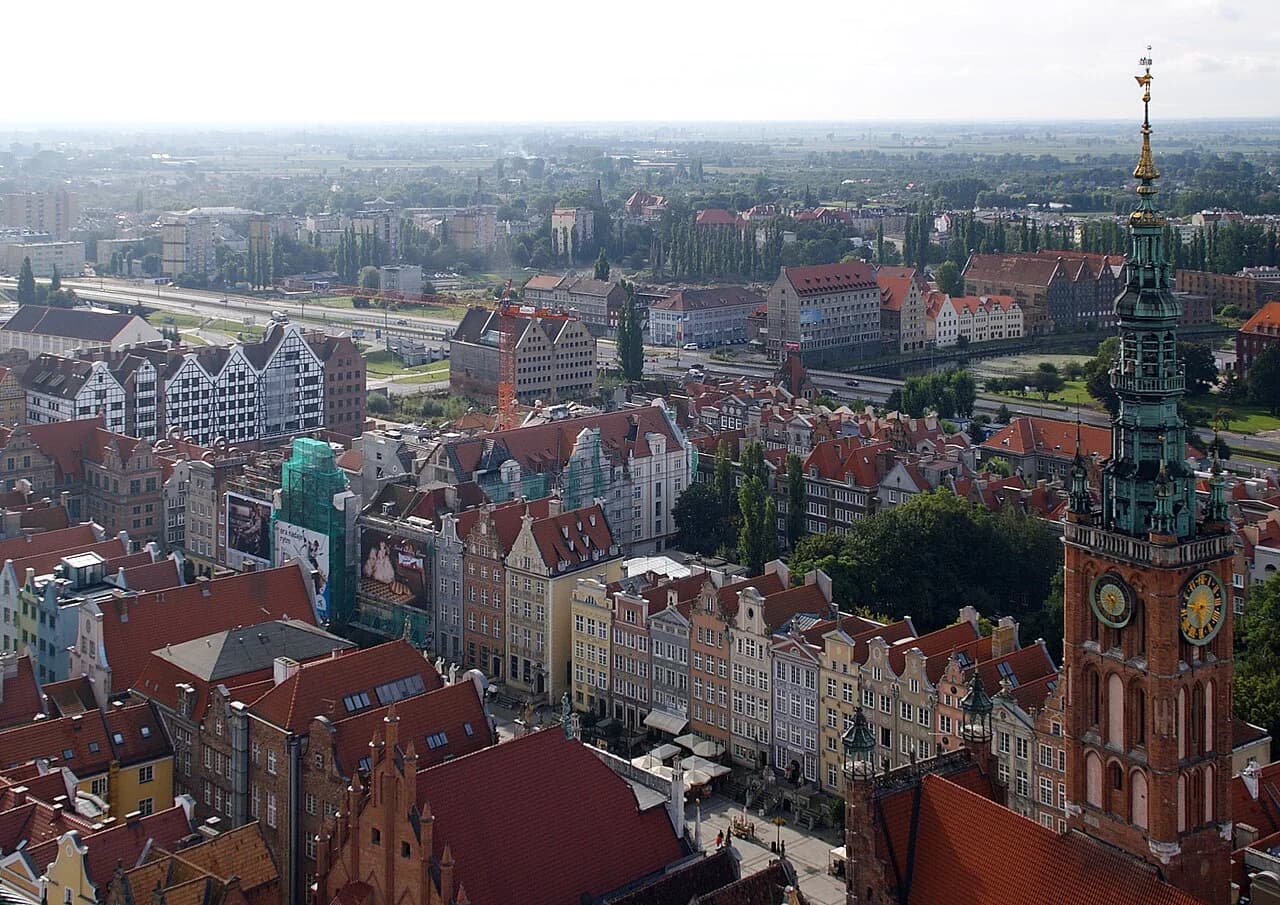
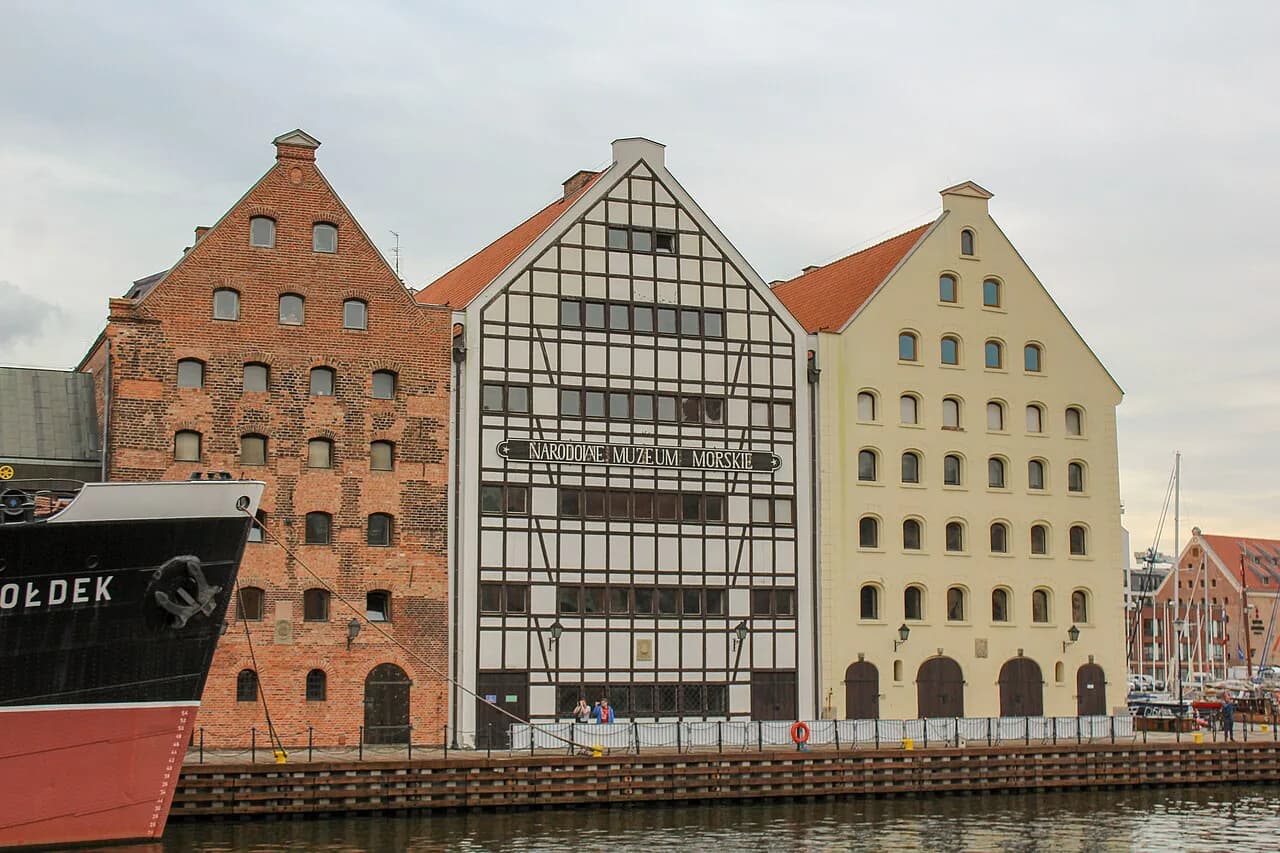
The historic core is Główne Miasto, the Main Town, and its spine runs from the Golden Gate down Długi Targ, the Long Market, past the town hall and the Neptune fountain to the waterfront. The Żuraw, the medieval crane, sits on the Motława riverbank and is the city's most photographed industrial relic. St Mary's Basilica, a vast brick church, dominates the skyline above the surrounding streets, and its tower gives the classic view over the rooftops.
Beyond the centre, the Gdańsk Shipyard and its Solidarity heritage carry the modern history: the Health and Safety Hall, where the August Agreements were signed, is part of the story told on Tri-City tours, alongside the shipyard's older buildings. Westerplatte, where the Second World War began in 1939, is a separate excursion and a sobering one. Oliwa, one of the city's oldest districts, survived wartime destruction and pairs a park walk with the cathedral's organ concerts. A full Gdańsk Itinerary sets out how those days fit together.
This breadth is the argument for basing yourself in Gdańsk. You can build a day around the Main Town, another around the shipyard and Westerplatte, and a third around Oliwa and the outlying districts, without ever leaving the city.
What you get in Sopot: the wooden pier and the resort's compact centre
Sopot's centrepiece is its wooden pier, which reaches out into the bay and is described by a Tri-City tour operator as the longest wooden pier in Europe, almost half a kilometre long. Around it, the resort centre is a small grid of streets with the usual seaside architecture, cafés and a promenade, all easily walked in an afternoon. The beach is the other draw, best treated as one long, sunny stop rather than a separate itinerary.
What Sopot does not give you is depth for a long stay. Its sights are few and close together, so a three- or four-day break based here will send you to Gdańsk or Gdynia for most of each day. That is fine if the train ride is the point, or if you simply want sea air, but it is a compromise for a first-time visitor.
Getting between the two towns
The two towns sit on the same stretch of coast, and visitors have long asked about the best way to get between them, including a possible ferry across the bay.
If you base yourself in Sopot, build the rail journey into your day rather than treating it as an exception: a morning train into Gdańsk, a full day of sights and a return in the evening. If you base yourself in Gdańsk, Sopot is the easy half-day, best saved for a clear day when the pier and the promenade will earn the journey.
Using one as a base and visiting the other
A Gdańsk base with a Sopot day works like this: mornings in the Main Town around Długi Targ and St Mary's Basilica, then an afternoon on the pier at Sopot, back in Gdańsk for dinner. A Sopot base inverts it, with the sea at breakfast and the historic streets after lunch. Both are realistic because the two are close enough for a day trip in either direction, which is why a weekend in Gdańsk can comfortably include Sopot.
The one thing to avoid is a base that forces you to cross the whole Tri-City twice a day. Gdynia is the third partner in the Tri-City, a modern port town with its own modernist architecture and the Orłowo cliff; treat it as a half-day add-on, not as a base, unless you have a specific reason to stay there.
Where Sopot wins: smaller scale, sea air, a quieter stay
Sopot wins on scale and atmosphere. Everything worth seeing in the centre is within a short walk, the streets are quieter than Gdańsk's tourist core, and the sea is a genuine presence rather than a distant view. It suits couples, older travellers and anyone who wants a break that feels like a resort rather than a city break.
It also suits summer stays, when the promenade and pier are the main event and a city's worth of sightseeing is not the point. The trade-off is real, though: on a wet day, Sopot's compact centre runs out of indoor options faster than Gdańsk's.
Where Gdańsk wins: more museums, more streets to wander, more for wet days
Gdańsk wins on volume and variety. The Main Town alone offers churches, gates, the waterfront and the crane, and the shipyard and Westerplatte add modern history, while Oliwa adds a park and a cathedral concert. That spread is what you want when the weather turns or when you have more than two days to fill.
It also wins on evening options, because a larger centre simply has more streets to wander after the sights close. This is the base to choose if you want the trip to keep giving after the first afternoon.
Which suits a one- to two-day trip and which suits three or four days
For one or two days, Gdańsk still wins for a first visit: the Main Town, the crane and the shipyard can fill two days without strain. Sopot can also work for a very short break if the sea is the whole point, in which case one full day is enough and a second day can go to Gdańsk.
For three or four days, Gdańsk pulls further ahead, because you can add Oliwa, Westerplatte and a Sopot afternoon without running out of things to do. A Sopot base for three or four days only makes sense if you plan to commute into Gdańsk most days and treat Sopot as a quiet place to sleep.
Gdynia in the mix: the third Tri-City partner in one line
Gdynia completes the Tri-City as a modern port with modernist architecture and the Orłowo cliff walk, and it is worth a half-day if you have three or more days. It is not a substitute for either Gdańsk or Sopot as a base.
Who should pick each, by travel style
Choose Gdańsk if you are a first-time visitor, if you like dense historic centres, if you want museums and memorials as much as scenery, or if you travel in mixed weather. Choose Sopot if you have seen Gdańsk before, if you want a resort pace, if you are travelling with someone who prefers flat, short walks, or if the sea is the reason for the trip.
If you are torn, base yourself in Gdańsk and spend a day in Sopot: you lose nothing but a short train ride, and you keep the wet-weather cover. If you already know Gdańsk, reverse it.
Which base fits your trip?
For most first city breaks of one to four days, Gdańsk is the stronger base: more sights, more streets and more to do when it rains, with Sopot a short rail ride away for a sunny day. Sopot is the better choice for a slower seaside stay, a return visit or a short break built around the pier and the promenade.
Decide by what you want outside your door in the evening and what you want to do on a wet Tuesday, then let the rail link handle the rest.
Explore more Gdańsk guides
Sources
Notes for your next Polish city break
Optional updates to our Poland guides.
You might also like
Continue reading
More guides you'll find useful