How Many Days in Gdańsk? What 1, 2 and 3 Days Cover
Two days in Gdańsk cover the Main Town, St Mary's and the Solidarity centre; add a third for the WWII museum or a slower pace. Here is how to choose.
On this page
Two days in Gdańsk is enough for most first trips: day one on the Royal Route and around St Mary's Basilica, day two on the heavy twentieth-century history at the European Solidarity Centre or the Museum of the Second World War. One day works if you accept the Main Town alone and skip a museum entirely, and three days only pay off if you want both museums plus unhurried time on the waterfront. Our Gdańsk Itinerary sets out what each day covers, how the sights sit together on foot, and where the time actually goes.
How many days in Gdańsk: the short answer
Give Gdańsk two full days. The historic core is compact and walkable, so the constraint is not distance but how deep you go into the museums: the Main Town fills a morning and afternoon comfortably, and the European Solidarity Centre or the Museum of the Second World War will absorb the best part of another day. One day leaves you choosing between them, and three days lets you do both without rushing.
For a longer version of the same plan, with evenings and a slower rhythm built in, A Weekend in Gdańsk is the natural extension of the two-day answer. Think in half-days rather than days: the Main Town is roughly one long half-day, St Mary's Basilica and its tower another, and each of the two big museums a half-day of its own.
What one day covers: Długi Targ, Długa Street and Mariacka Street
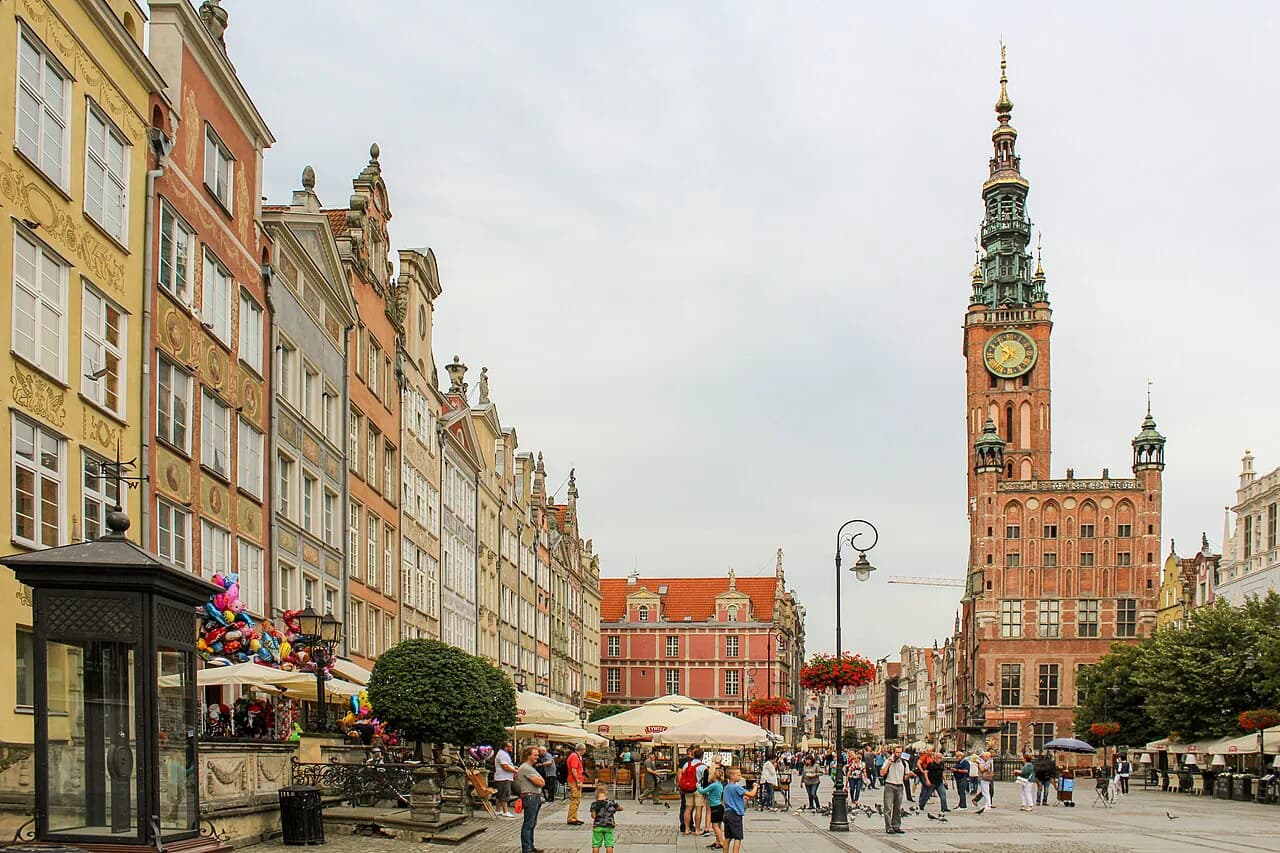
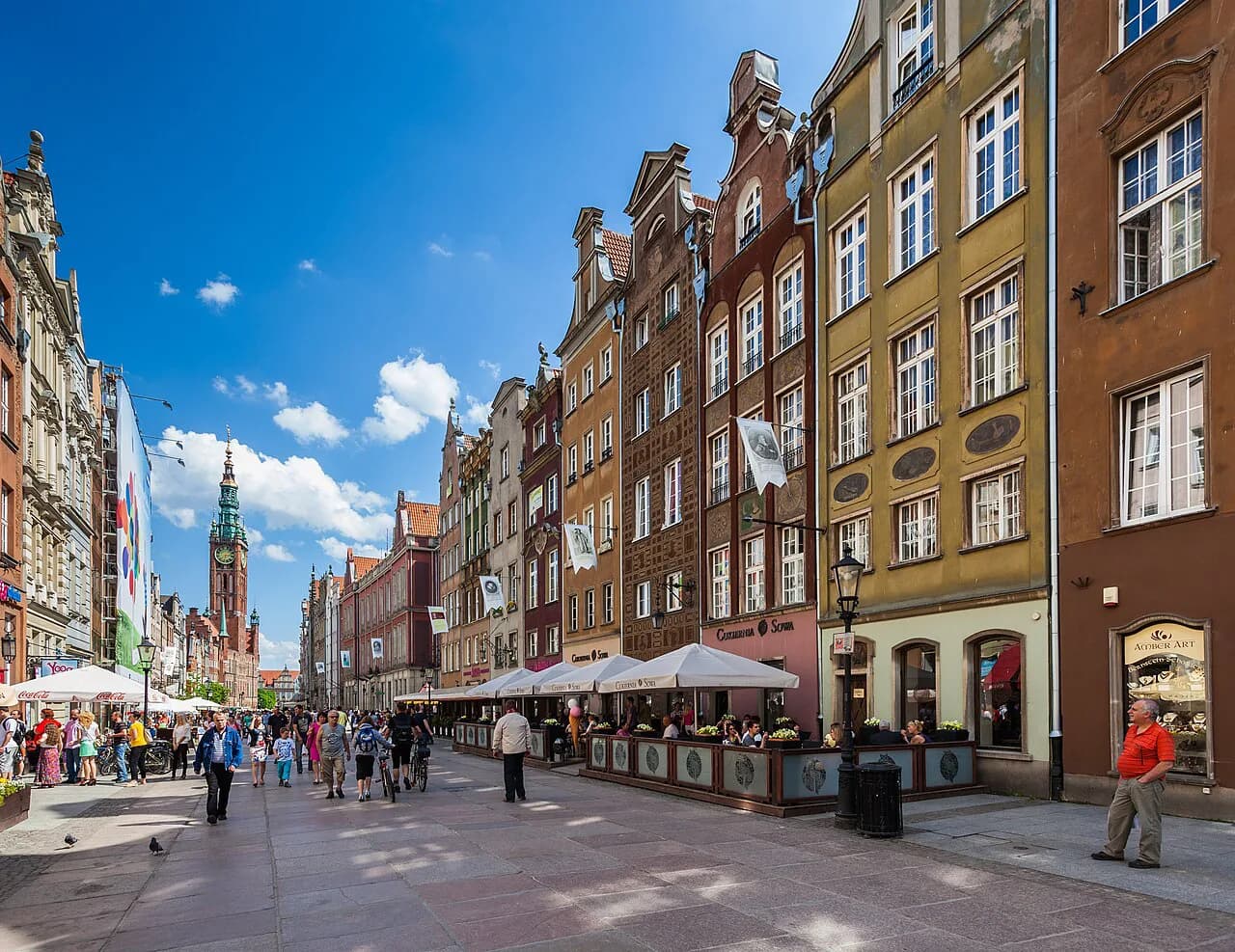
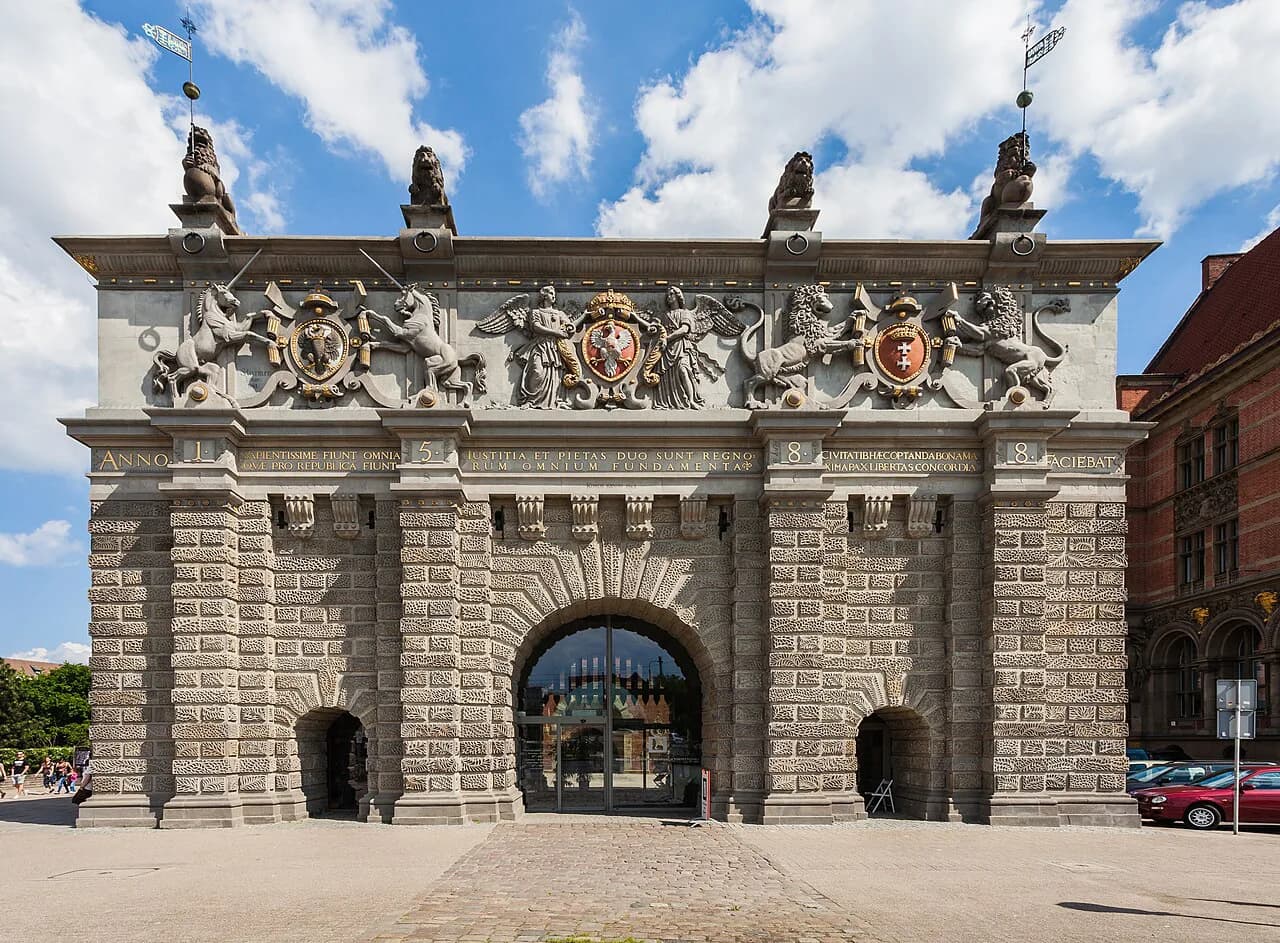
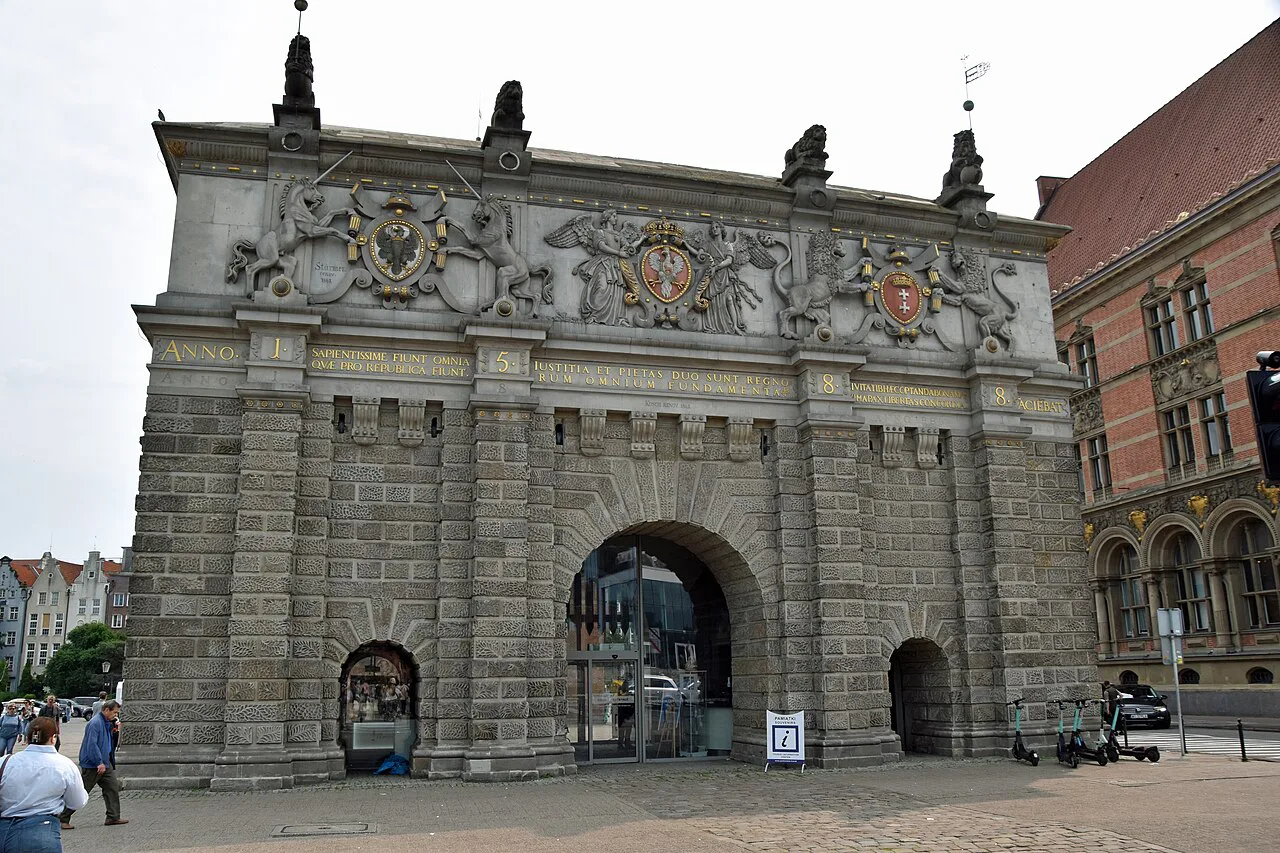
One day is a Royal Route day. The classic line starts at the Highland Gate, passes through the Golden Gate onto Długa Street and opens out at Długi Targ, the representative square where the Neptune Fountain, Artus Court and the Main Town Hall sit within a couple of minutes of each other. Długa Street runs only 320 metres, so the walk itself is short; the time goes on stopping.
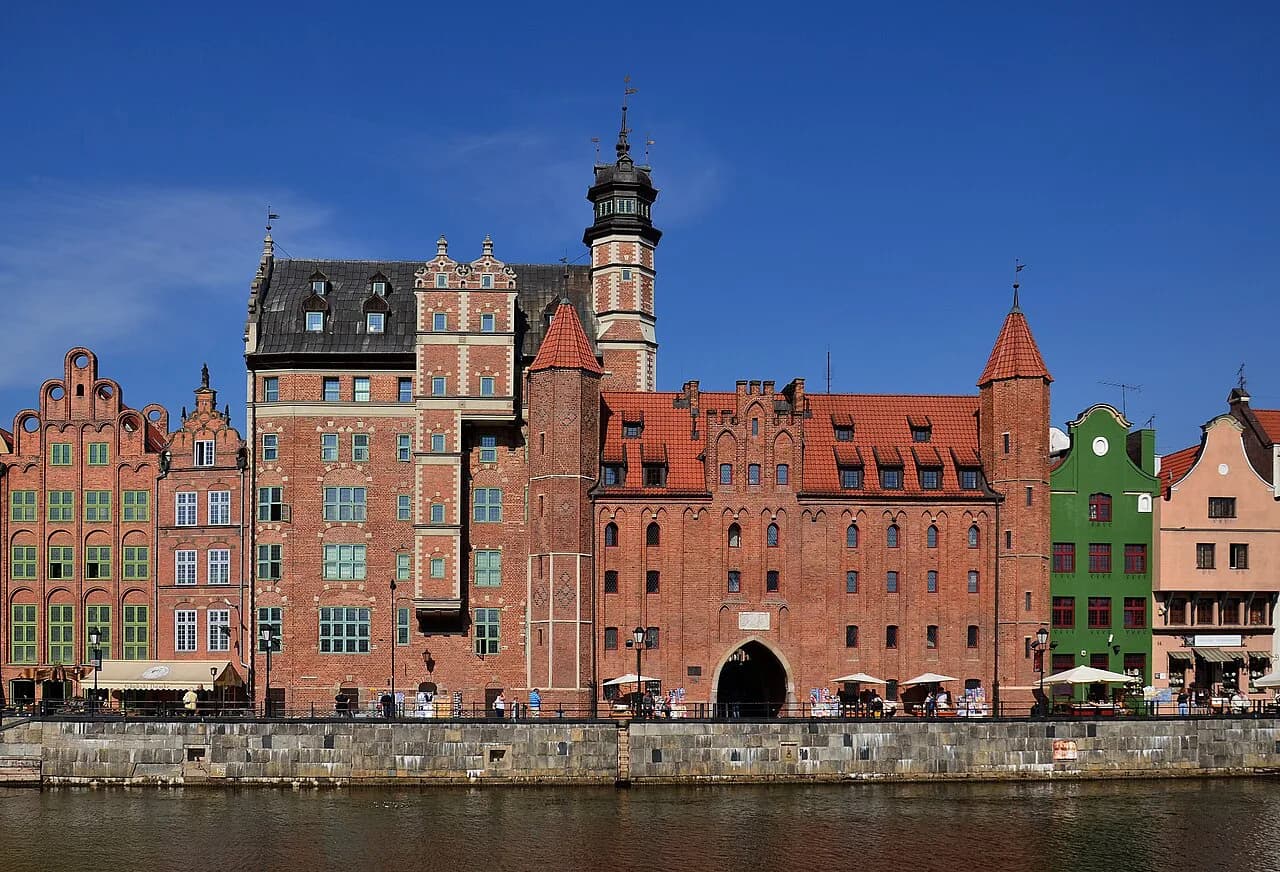
From Długi Targ, Mariacka Street leads towards the basilica, lined with tenement facades and amber galleries, and the Green Gate closes the square at the river end. If you have genuinely one day, treat the Main Town as a walking route with a single interior rather than a checklist, and leave the museums for a return trip; the one day in Gdańsk plan covers exactly this compressed shape.
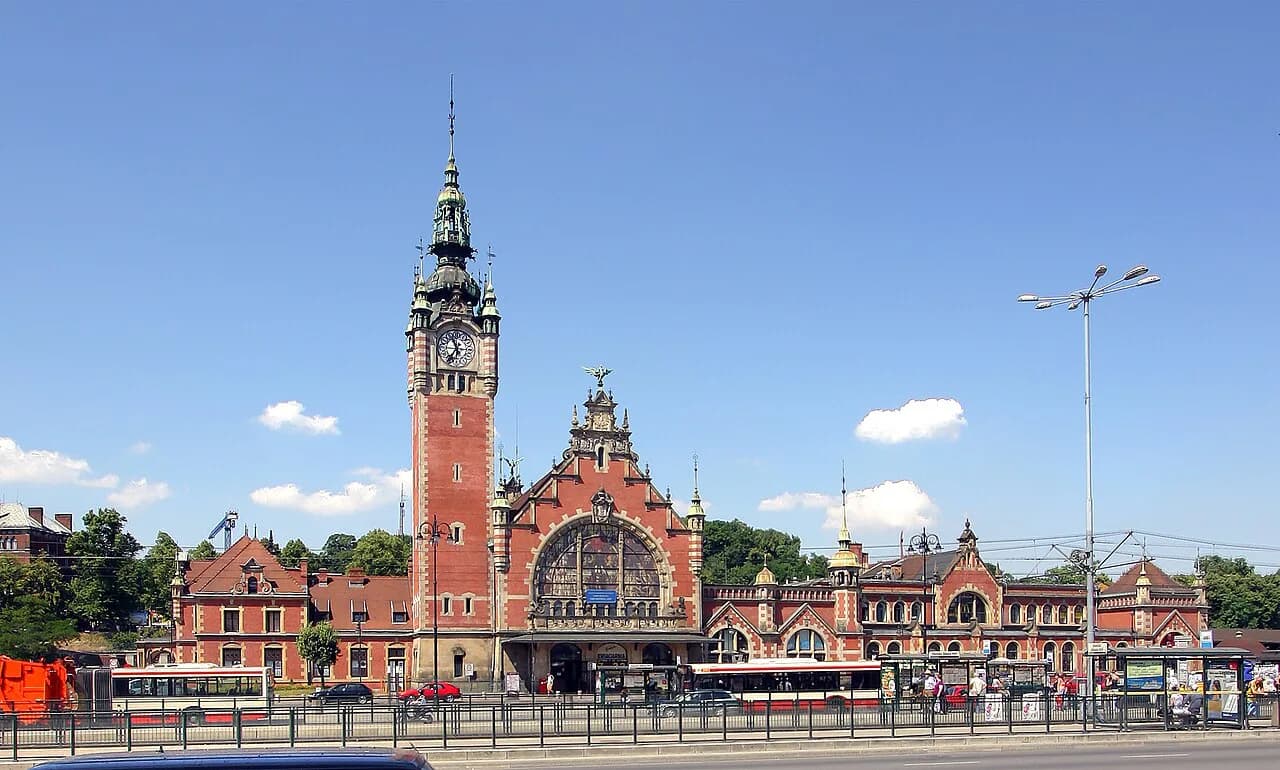
The city station sits right by the Old Town, so a train arrival puts you on the route within minutes; Warsaw to Gdańsk runs about three hours direct, and Kraków takes about five to six hours, which makes Gdańsk a realistic rival to Kraków for a short Baltic break.
St Mary's Basilica and the tower climb: time and effort
St Mary's Basilica is free to enter Monday to Saturday from 8.30am to 5pm, with Sunday opening split into 11am to noon and 1pm to 5.30pm. The interior alone takes about 30 minutes, covering the vast nave and the astronomical clock, and counts as the single most impressive free sight in the Main Town.
The tower is a separate decision: 409 steps, a ticket costing 18 PLN, and a compact viewing platform with a high safety cage that makes photography awkward. The stone spiral in the first half is relentless and narrow, so if anyone in your party dislikes enclosed stairs, the Main Town Hall tower is the gentler alternative.
The Main Town museums: Artus Court, Uphagen House and the Main Town Hall
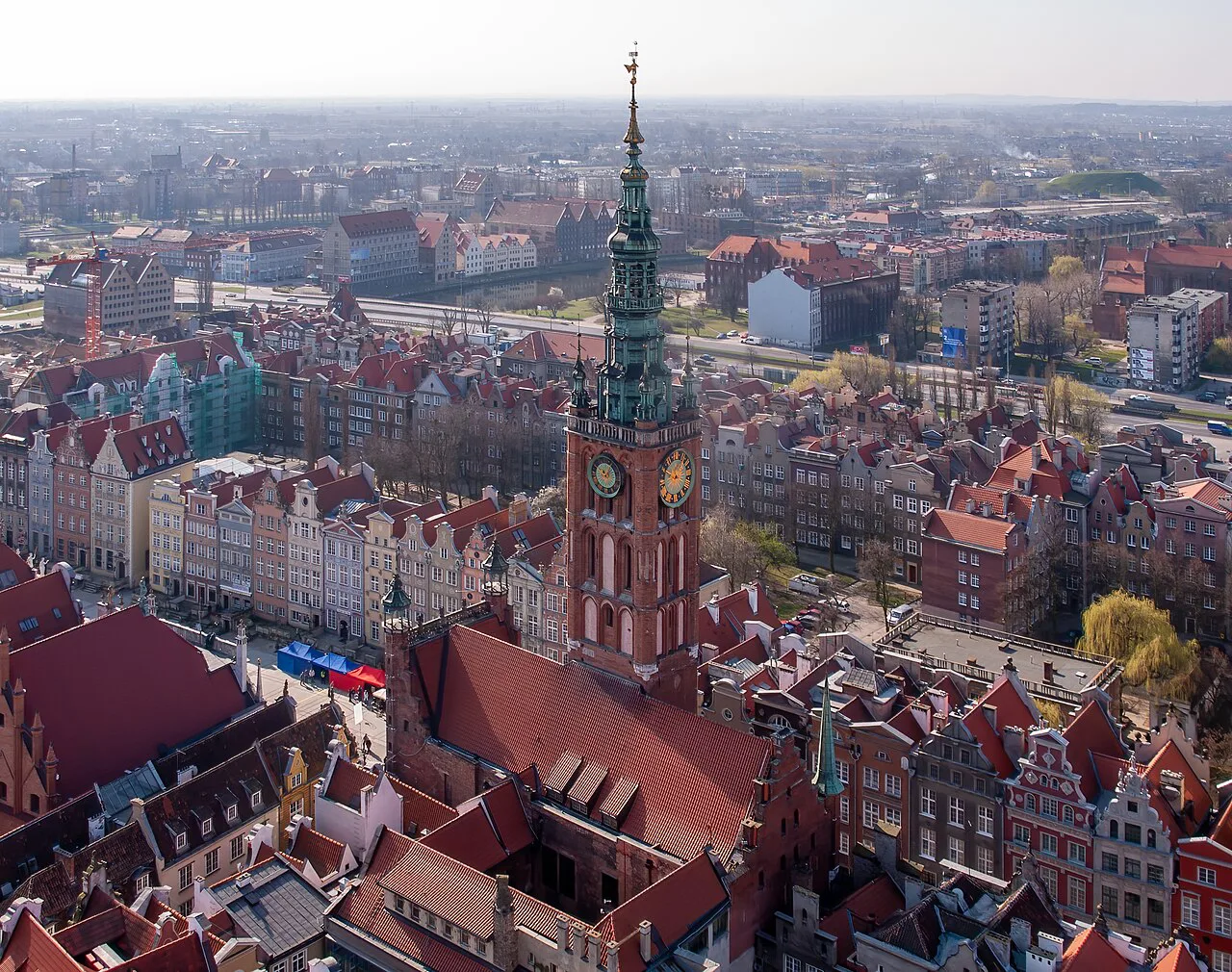
Artus Court, Uphagen House and the Main Town Hall share one pattern: free entry on Monday from 10am to 4pm, closed on Tuesday, and a 25 PLN ticket on Wednesday to Sunday, with Thursday extended to 6pm. Hours can be extended in summer, and the tower climb at the Main Town Hall carries an extra fee on top of admission.
Allow about 30 minutes each for Artus Court and Uphagen House and 45 minutes for the Main Town Hall, plus another half-hour and roughly 187 steps if you climb the tower. Three interiors at that pace is a solid half-day, so pick two if you are protecting museum time elsewhere, and note that the free Monday slots often make Monday the busiest day in these buildings.
What two days add: the European Solidarity Centre and the shipyard side
The second day belongs to the European Solidarity Centre and the shipyard side of the city, where the exhibition traces the movement that began on these docks. The building's exterior, with its tall crosses, is part of the visit rather than a backdrop, and the scale of the material rewards arriving fresh rather than after a long walking morning.
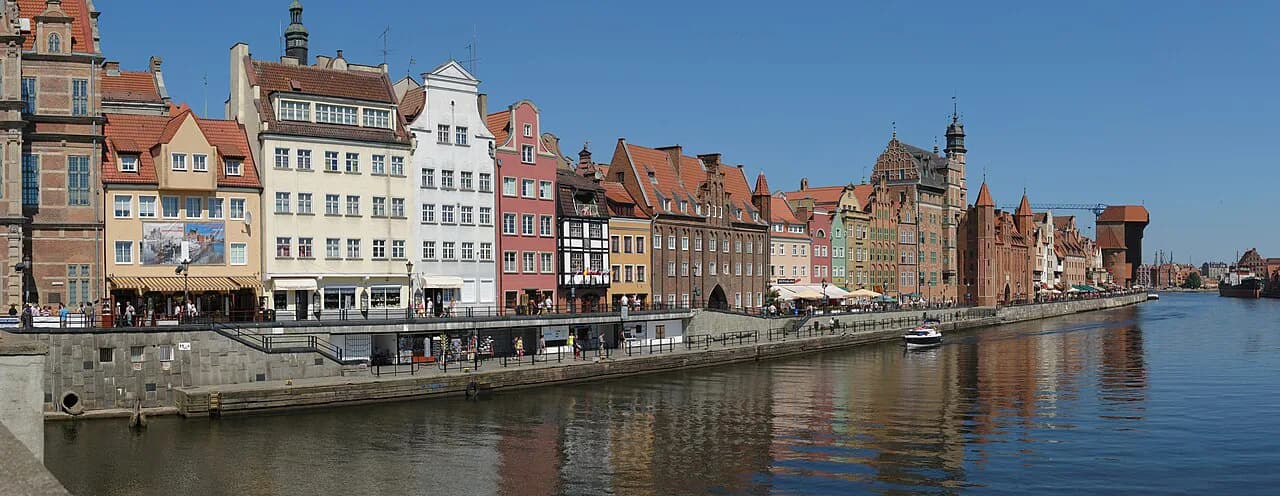
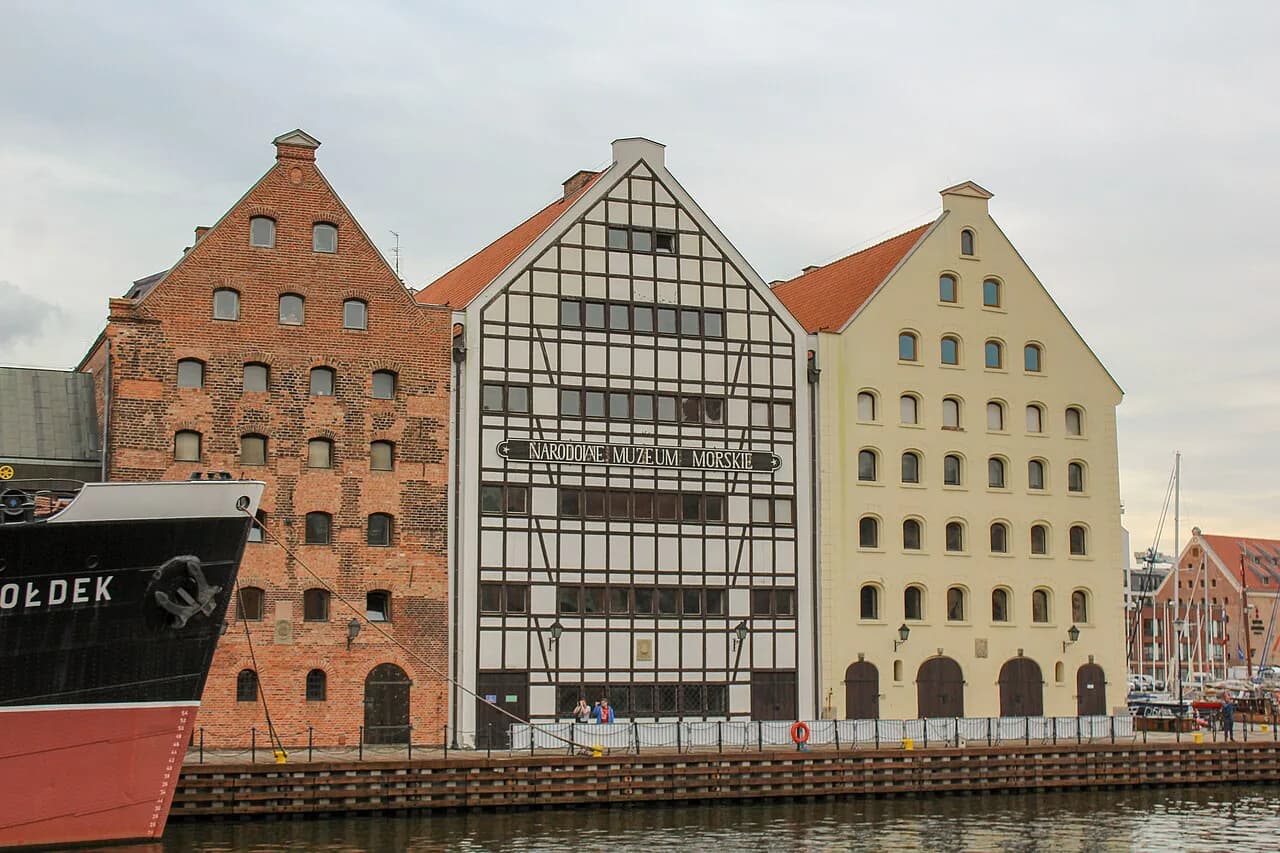
Pair it with the waterfront: the Żuraw, the medieval crane on the Motława, sits on the riverside stretch known as Długie Pobrzeże, where historic facades line the bank and river cruises leave from the quay. That gives day two a natural shape of one heavy museum plus an easy afternoon outside, which is a much better balance than two exhibitions back to back.
The Museum of the Second World War: how much time it takes
The Museum of the Second World War is deliberately placed on the opposite day from the Solidarity centre. Both are substantial exhibition visits with a lot of reading, and doing them on consecutive days is the fastest way to stop taking any of it in. Putting the Main Town and the basilica between them resets your attention.
Keep the rest of that day light: the walk from the museum back along the Motława and into the Main Town is short and flat, so an afternoon of wandering, a look at the Green Gate and an early dinner is a realistic plan rather than a compromise.
Two days or three: when a third day earns its place
A third day is worth it when both museums matter to you. Two days forces a choice between one of them and a wandering afternoon; a third day lets you keep the Main Town, the Solidarity centre and the WWII museum and still have time on the Motława without clock-watching. If only one of the two appeals, two days is the honest answer and the third day is padding.
Use a spare third day for the things that get squeezed otherwise: a proper sit-down in the Main Town, a boat trip from the Długie Pobrzeże quay, or the amber workshops of Mariacka Street without a queue of sights behind you. What you should not do is spread three days across the same set of squares and call it a longer trip.
Laying out the days: walking times and what sits where
Everything in the Main Town sits within a few minutes of everything else: Długa Street and Długi Targ form one line, Mariacka Street runs parallel behind, and the Motława embankment is a short walk north of the square. The only genuine transfer is between the Main Town and the shipyard museum area, which is why the two heavy museums belong to different days rather than the same afternoon.
Two worked layouts are worth comparing before you commit: the two-day version for a first visit, and a weekend in Gdańsk if you want the same content with a gentler pace. Bear in mind that the free Monday at the Main Town museums can reshuffle your plan, since Monday is also a common arrival day, so book the museum day accordingly.
When a longer stay makes sense
Beyond three days, Gdańsk stops being a city-break question and becomes a base question. The coast around the city is the usual pull, with Sopot a short hop away for an afternoon, and comparison shoppers weighing Gdańsk against Kraków usually find the decision turns on whether they want the Baltic and the Solidarity story or the southern picture-postcard version.
If the plan is a week rather than a long weekend, check what things cost in złoty before you extend, since a fourth and fifth night change the budget more than any single ticket does. On cost, the honest comparison is against your expectations rather than against Kraków.
Two days or three: which should you book?
Book two full days. That covers the Royal Route, St Mary's Basilica, one Main Town interior and one of the two big museums, which is the realistic core of a first visit to Gdańsk. Add a third only if you intend to see both the European Solidarity Centre and the Museum of the Second World War properly rather than skimming one.
Sort the order before you go: put the free Monday at Artus Court, Uphagen House and the Main Town Hall where it fits, keep Tuesday clear of those three, and give the tower climb at St Mary's its own slot rather than tacking it onto a museum morning. Then confirm the current ticketing for the two large museums on their own websites before you fix the days.
Explore more Gdańsk guides
Sources
Notes for your next Polish city break
Optional updates to our Poland guides.
You might also like
Continue reading
More guides you'll find useful