Gdańsk vs Kraków: Which Polish City Suits Your Short Break?
Gdańsk gives you a Baltic waterfront and maritime museums; Kraków gives you Wawel, Kazimierz and a bigger old town. Here is how to choose for a short break.
On this page
Pick Gdańsk if you want a compact, walkable Baltic city where the waterfront and the maritime museums do the heavy lifting on a two- or three-day break. Pick Kraków if you want the former royal capital and are willing to accept a bigger, busier centre that takes more planning to cover. This comparison sets the two side by side on layout, sights, history, cost, food and how many days each really needs.
Kraków appears here purely as a comparison point and a transport hub, not as a destination guide. Everything on the Gdańsk side is built around the practical questions of a short city break: what to see, how the centre is arranged and where your money goes.
What each city is, in one line
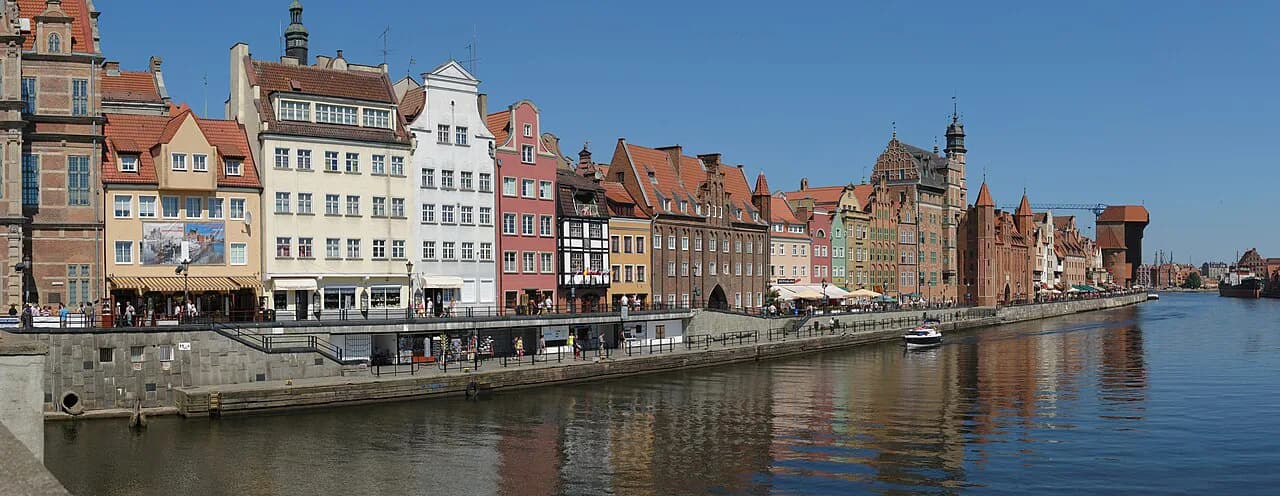
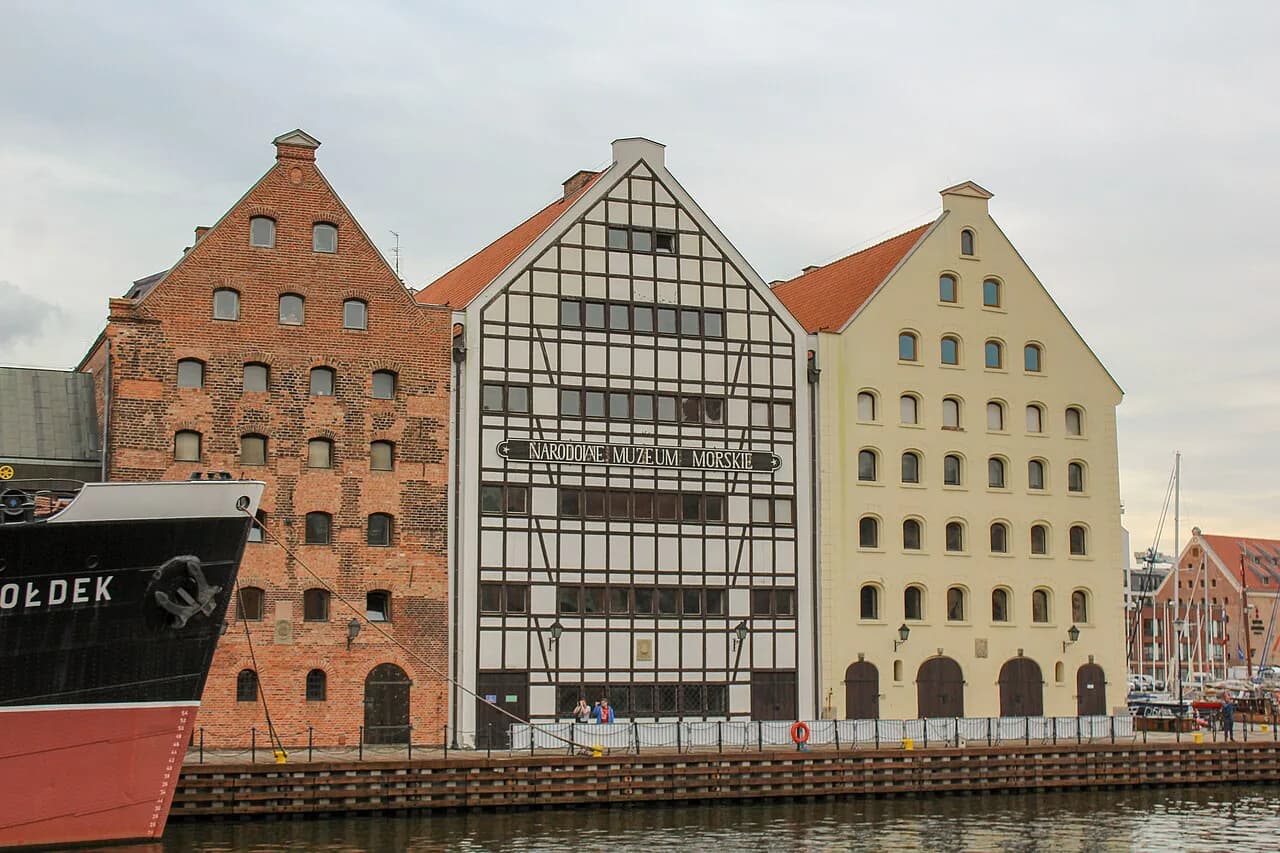
Gdańsk is a Hanseatic Baltic port, rebuilt after the Second World War, with a long waterfront, merchant houses and museums about ships, amber and the Solidarity movement. It is often described as offering maritime grit and an open waterfront, a slower and more relaxed atmosphere than an inland historic capital.
Kraków is the former royal capital, with a medieval core, a castle hill and the Kazimierz district that carries centuries of Jewish heritage. The same comparison frames it as layered history and energetic neighbourhoods, the sort of place you read as a living history book rather than a port.
Scale and layout: compact against sprawling
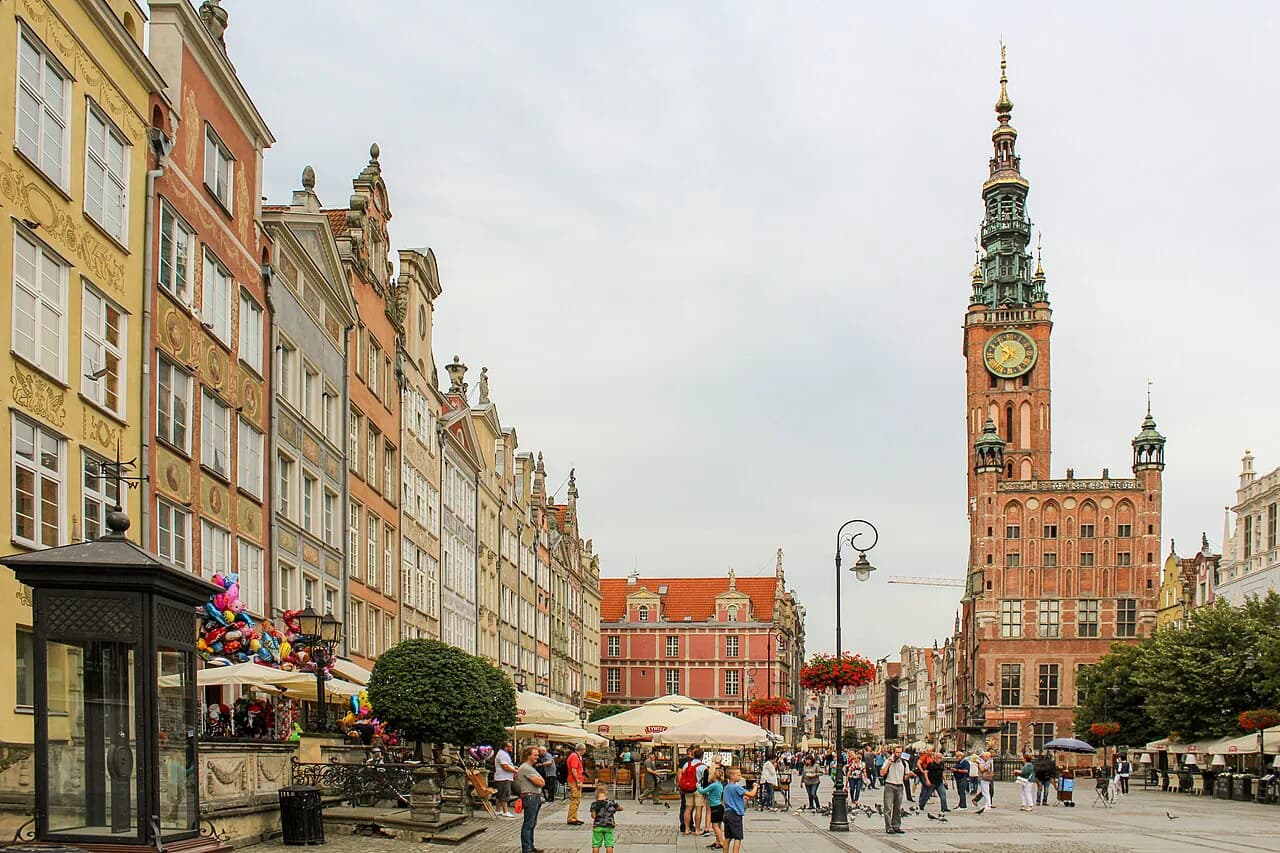
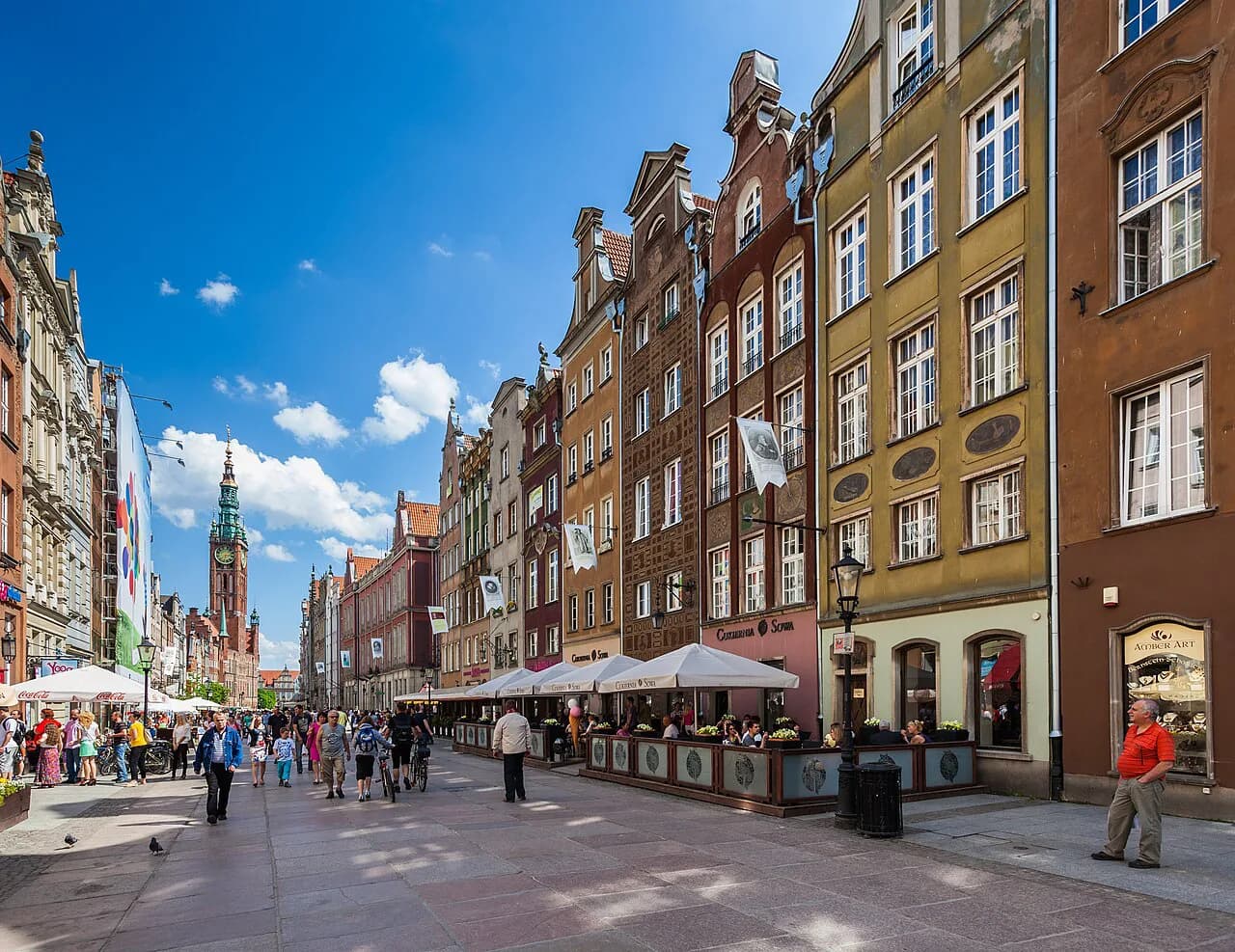
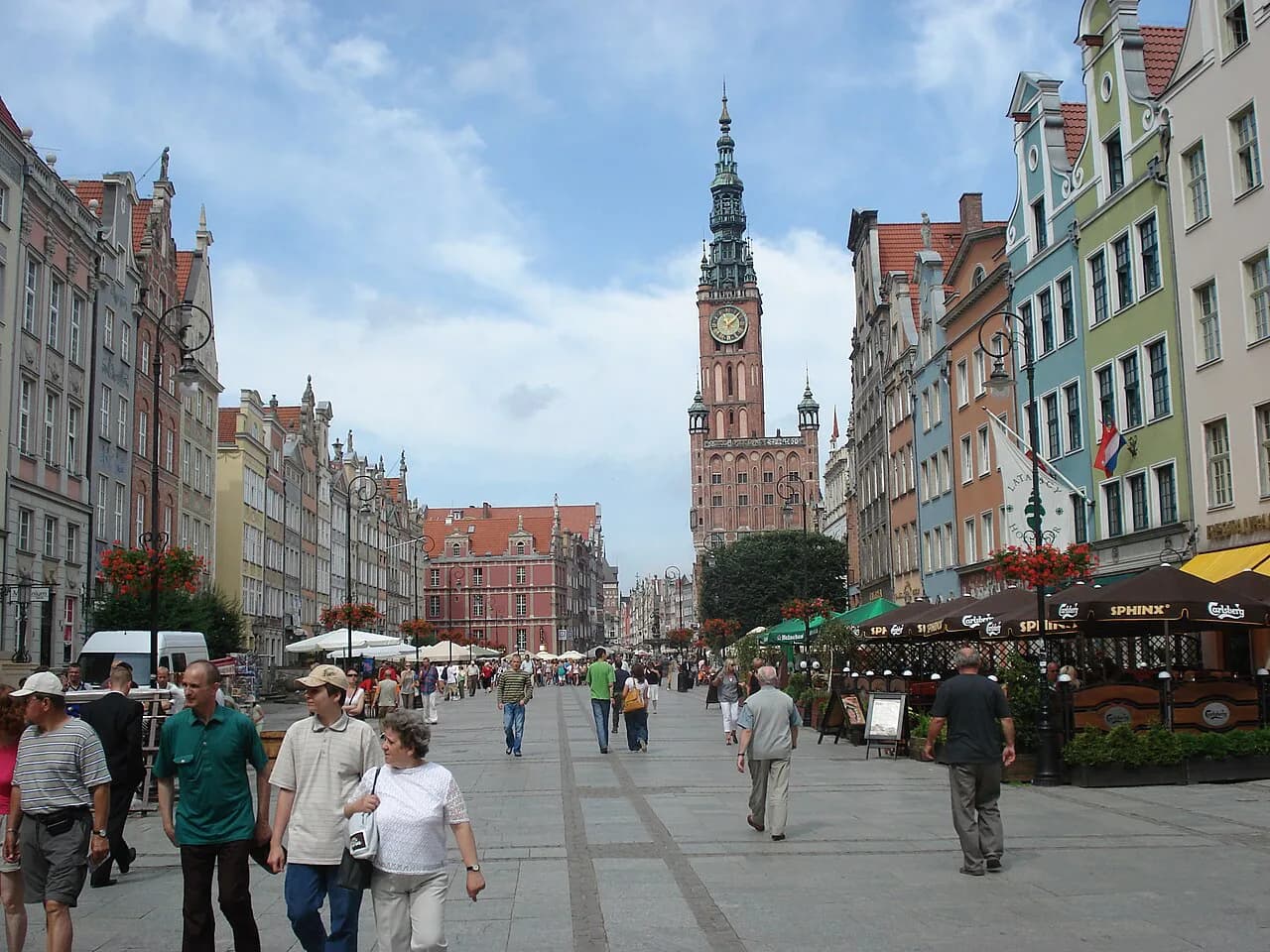
Gdańsk's main centre is compact enough to walk, which changes what a short break feels like: you spend time looking rather than travelling. The comparison singles out this compact centre as the reason Gdańsk is easy on foot, and that holds for the Główne Miasto and the riverside streets around it.
Kraków is larger, and the same comparison notes that its size needs more transit planning across a stay. If you are choosing between them for two days, Gdańsk hands you a tighter loop of sights on foot while Kraków asks you to decide in advance what you will skip.
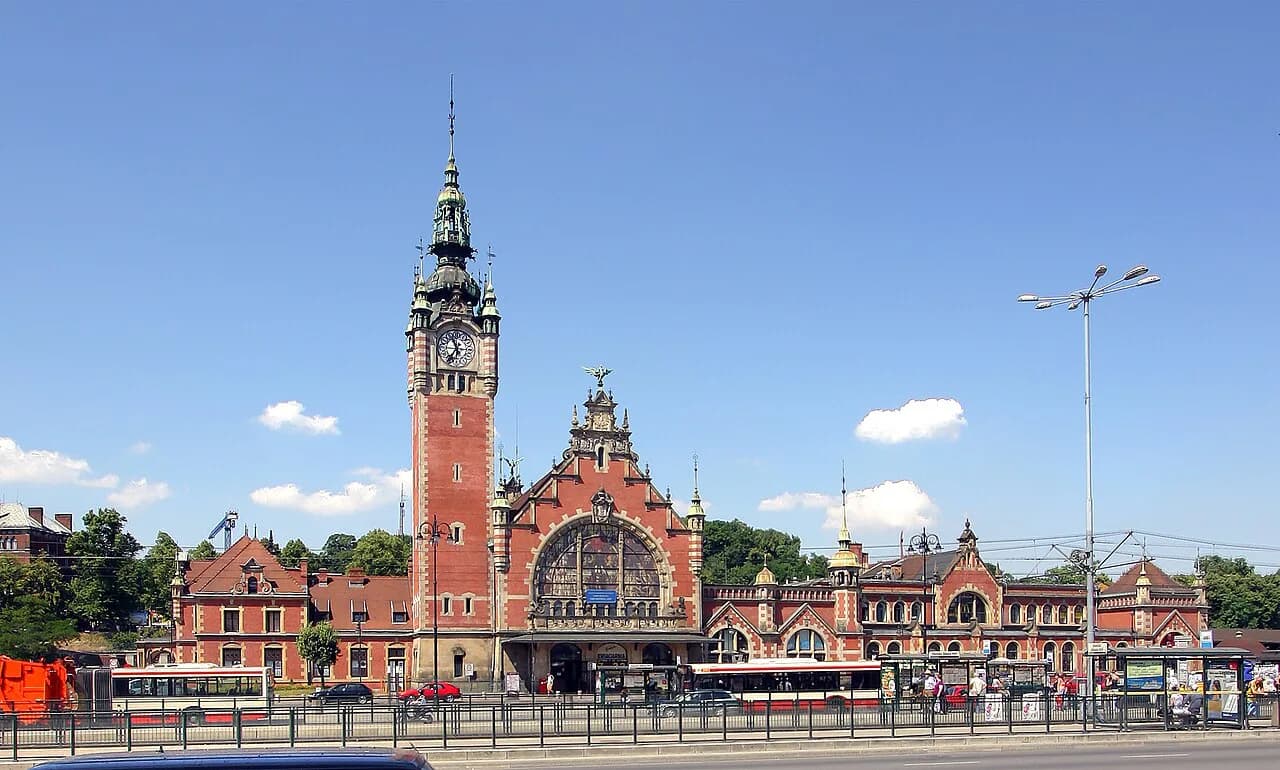
That difference matters most on a weekend. A weekend in Gdańsk can run on foot from the station side into the old town and out along the water, with no need to master trams or buses before you have had breakfast.
The headline sights in each
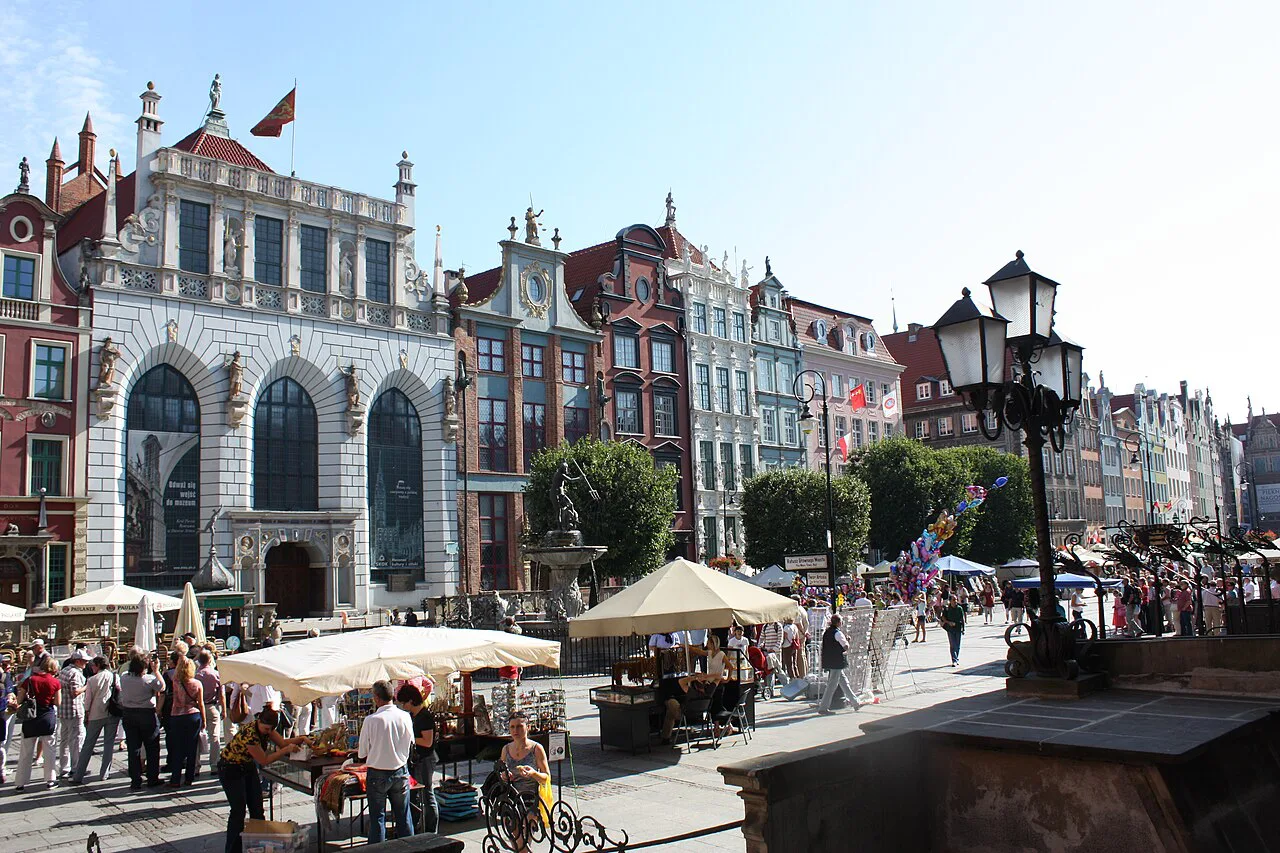
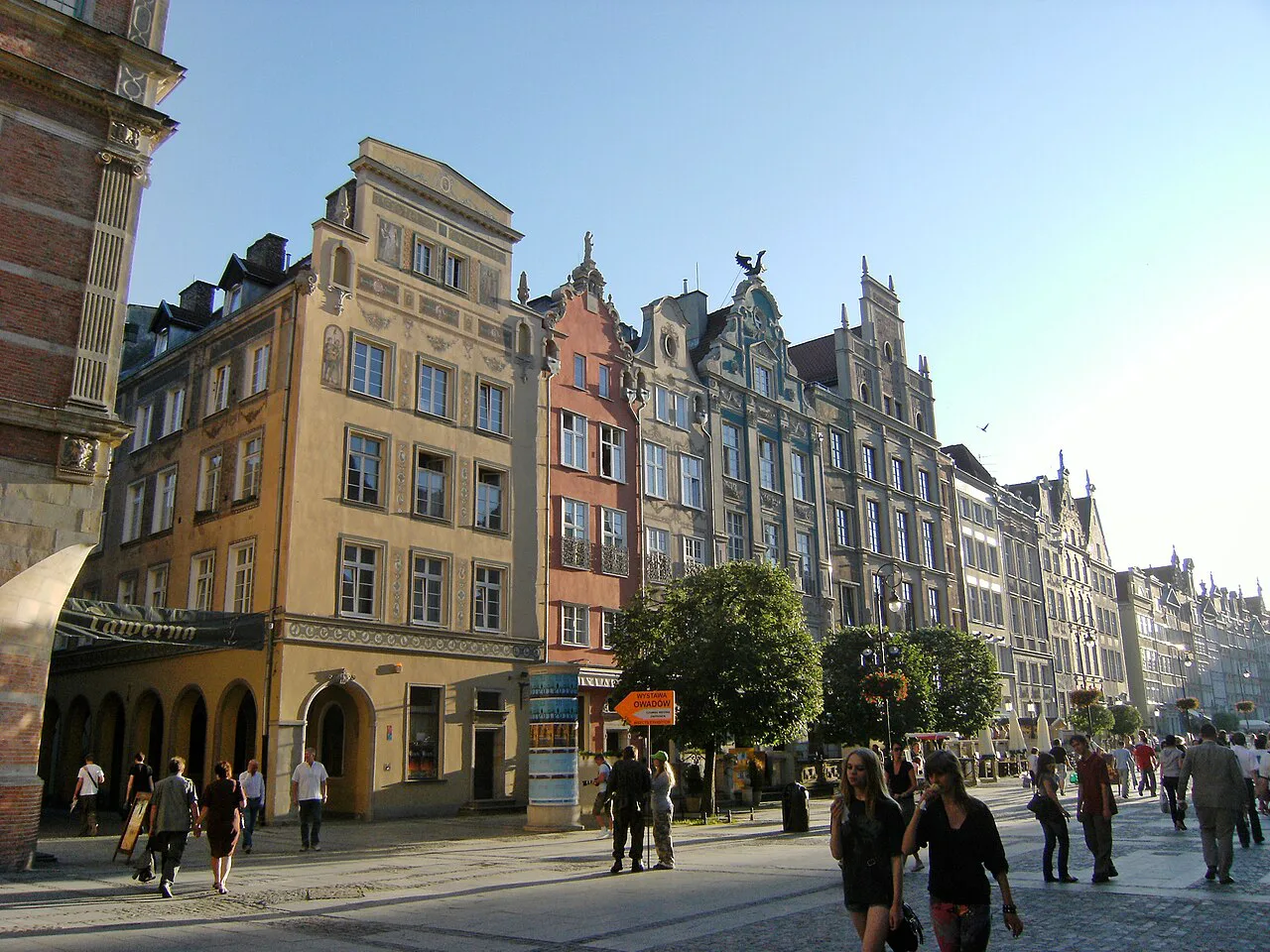
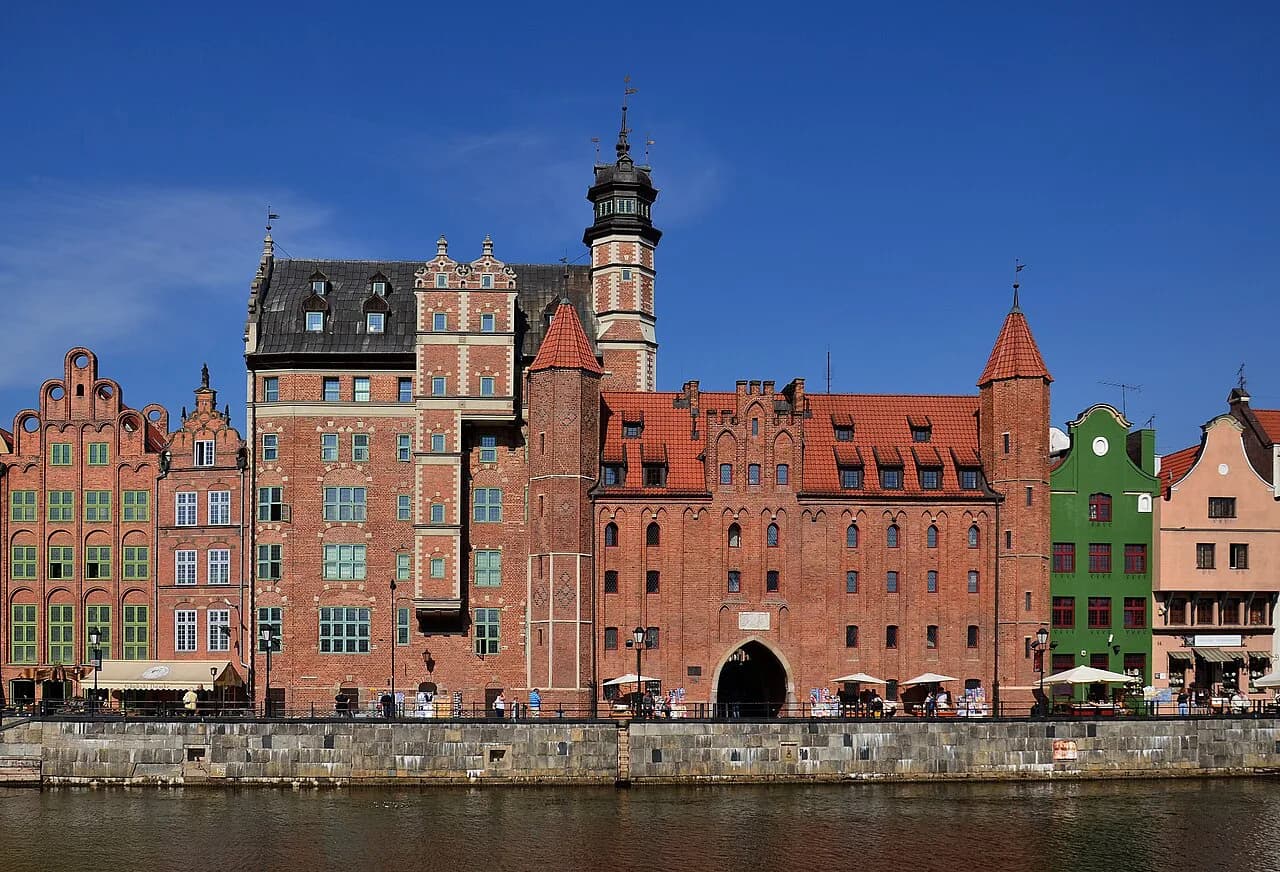
In Gdańsk the anchors are the long market street of Długi Targ with the Neptune Fountain, the medieval Żuraw (the Crane) on the waterfront, and the European Solidarity Centre, which covers the strike movement and its consequences. Those three give you a merchant city, a working port and a modern political story within a short walk of each other.
Kraków's equivalents are the Main Market Square, Wawel Castle above the river, the Kazimierz district and Schindler's Factory, a set that spreads across the city rather than clustering. Planty Park rings the old town and gives you a green route between sections of the day.
For a Gdańsk visit built around named stops rather than adjectives, the Gdańsk itinerary sets out days that link Długi Targ, the waterfront and the Solidarity museum in a sensible order. It is the fastest way to see how the pieces fit before you commit.
Historical depth against maritime character
If you want layers of history stacked on top of each other, the comparison is blunt: Kraków's Wawel and Kazimierz deliver more of that depth, while Gdańsk tells its story through the port and its museums. Neither is shallow, but they reward different appetites.
Gdańsk's history is inseparable from the twentieth century, and visitors who want seawater, cranes and the story of a city rebuilt from rubble often find it more affecting than a castle itinerary. The same comparison credits Gdańsk's Hanseatic past as an equal in historical interest, just a different kind: trade, dockyards and dissent rather than dynasties.
Crowds and pace on a short break
Kraków's old town buzzes, and the comparison notes that its nightlife and general energy are louder than Gdańsk's quieter, more relaxed evenings. If your ideal break ends with a calm dinner near the water rather than a crowded square, the Baltic city wins on pace.
Gdańsk also offers an easy sea-side option: Sopot, with its beach, sits close enough to reach from the city. Treat it as a change of scene rather than a separate trip, and let the rest of the break stay in the old town.
Budget in złoty
On day-to-day spending, the comparison's takeaway is that Kraków tends to be the cheaper of the two for food and accommodation, while Gdańsk costs more but adds the seaside setting. Read that as a relative pattern, not a price list: the gap shows up over a whole trip rather than on any single bill.
For a clearer picture of what a Gdańsk break actually costs in złoty, work through the costs piece before you book, since it covers the categories that move a budget most. Cost-of-living comparison tools can add context on relative prices between Polish cities, but they measure living costs rather than visitor spending.
Food: hearty Polish cooking against Baltic seafood
Kraków's food scene leans into hearty Polish dishes served in historic settings, which suits anyone who wants pierogi and stews in vaulted cellars. Gdańsk leans towards fresh seafood and Baltic-inspired menus, a natural fit for a port.
How many days each city needs
One day in either city is a sampler: in Gdańsk you can cover the main market street, the waterfront and one museum without rushing, while in Kraków a single day barely touches the old town and castle. Two days lets Gdańsk add the Solidarity museum and a riverside wander; Kraków can then fit Kazimierz or Schindler's Factory, not both at leisure.
Three days is where Gdańsk starts to feel generous, with room for a slower morning and an evening by the water. For a full breakdown of what each length of stay covers, How Many Days in Gdańsk? What 1, 2 and 3 Days Cover is the page to read before you book flights.
Getting between them and fitting them into a wider Poland trip
Kraków works well as a transport hub and a comparison base when you are moving around Poland, and the two cities sit in different parts of the country. For a short break the simpler move is to treat them as separate stops rather than trying to see both in the same trip.
For a short break, the simpler move is to pick one and give it your days rather than splitting them. Gdańsk rewards that choice more readily because its compact centre means less time lost to transit.
Which city to pick for your circumstances
A first Poland trip that has to be easy on the feet, or a repeat visit after Kraków, points towards Gdańsk. Limited walking, a two-night window or a preference for water over castle walls all push the same way, and Is Gdańsk Worth Visiting? An Honest Answer for a City Break sets out that case directly.
Choose Kraków if the castle, the Main Market Square and Kazimierz are the reasons you are coming, and accept a bigger, busier city with more planning. Flights to Gdańsk from the UK are worth comparing first if the Baltic option appeals, since direct air links make a short break realistic.
Whichever you choose, browse Gdańsk Attractions: 5 Visitor Guides if you want the named sights expanded one by one before you fix an itinerary.
Common mistakes when choosing between the two
The usual error is assuming both cities work at the same pace: Kraków's size means a two-day plan that ignores transit will leave you seeing less than you expect. The second is treating Gdańsk as a stopover for the coast, when the old town and the Solidarity museum can fill a break on their own.
A third is budgeting for one city using the other's reputation. Check current prices for the place you are actually booking, and confirm museum opening days on each venue's own site before you build a day around it.
Which city gets your days?
Give your days to Gdańsk if you want a compact, walkable Baltic city where the waterfront, the Crane and the Solidarity museum fit into two or three unhurried days. Give them to Kraków if Wawel, the Main Market Square and Kazimierz are the points you came for and you are happy to plan around a larger centre.
Decide on that single question rather than on price alone, then build the trip on the itinerary pages for whichever city you pick.
Explore more Gdańsk guides
Frequently Asked Questions
How far is Kraków from Gdańsk?
They lie in different parts of Poland, so you should treat them as separate stops rather than a quick hop. Check current rail and flight options yourself when you fix dates, since scheduled journey times change.
Is Gdańsk a good city to visit?
Yes, if you want a compact, walkable Baltic centre with a waterfront, the Żuraw and the European Solidarity Centre within easy reach of each other. It suits two- and three-day breaks better than a rushed single day.
Sources
Notes for your next Polish city break
Optional updates to our Poland guides.
You might also like
Continue reading
More guides you'll find useful