A Weekend in Gdańsk: A Two-Day Itinerary for the Main Town
Plan a weekend in Gdańsk with a two-day Main Town itinerary: Długi Targ, Żuraw, Mariacka Street and the big museums, plus what to skip when time is short.
On this page
Two days is enough for a weekend in Gdańsk: one day on the Royal Route and the Motława waterfront, one day in a major museum, with everything in the Main Town reachable on foot. Add a third day only if you want a day trip rather than a second museum. This plan covers the layout, the fixed opening days, ticket costs in złoty and what to leave out.
Almost everything here sits inside Główne Miasto (Main Town), a compact grid of gabled merchant houses rebuilt after the war. You will not need public transport for the two days described; you will need comfortable shoes for cobbles and a tower staircase.
How Gdańsk is laid out and how long it needs
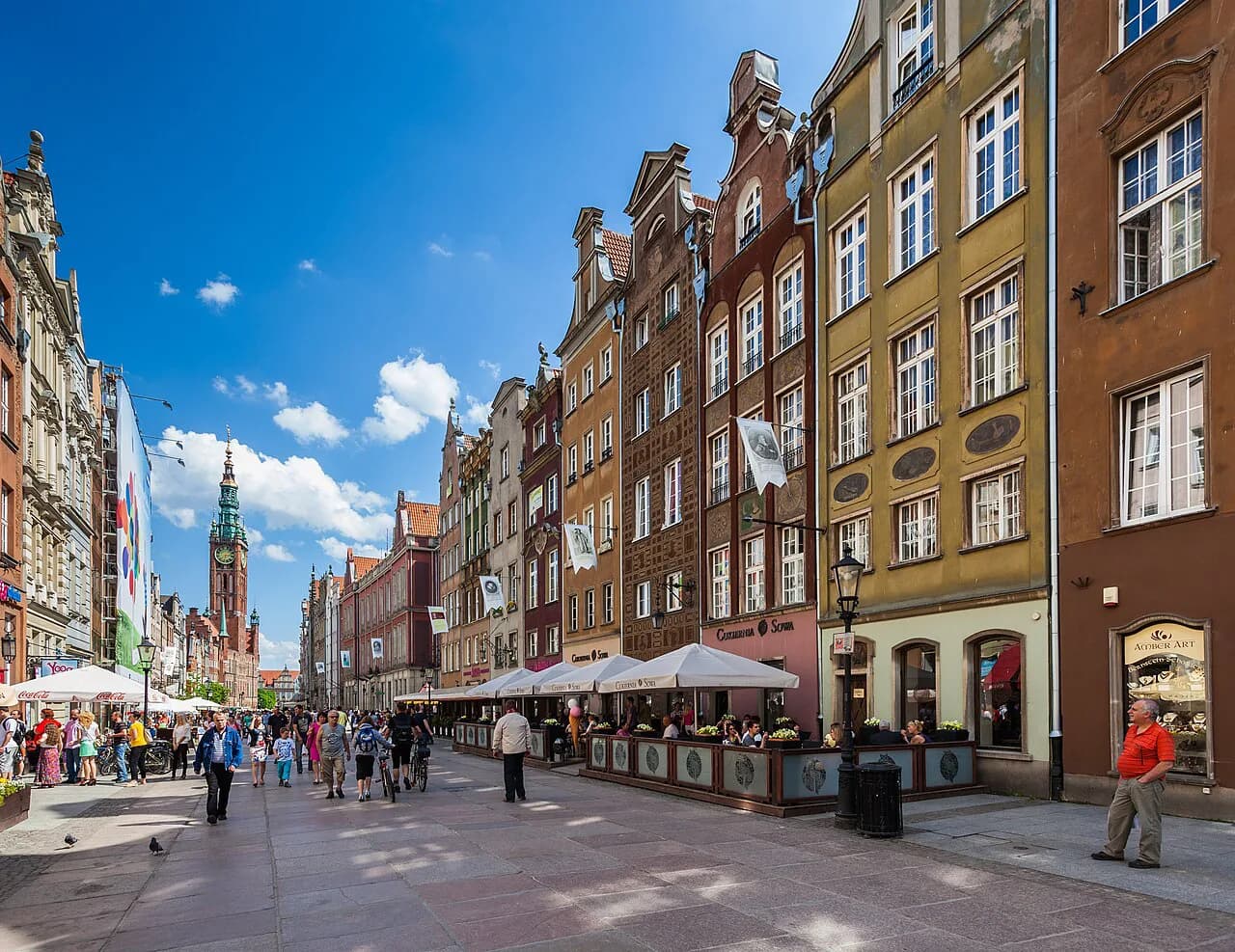
The Main Town is a short, walkable slice of the city: Długa and its continuation Długi Targ run from Złota Brama (Golden Gate) down to Zielona Brama (Green Gate), and Mariacka Street leads off towards the Basilica of Saint Mary. The Motława riverfront, Długie Pobrzeże and Granary Island lie immediately east of the Green Gate, so the whole circuit takes minutes rather than hours to cross. For a ready-made plan, see our Gdańsk Itinerary.
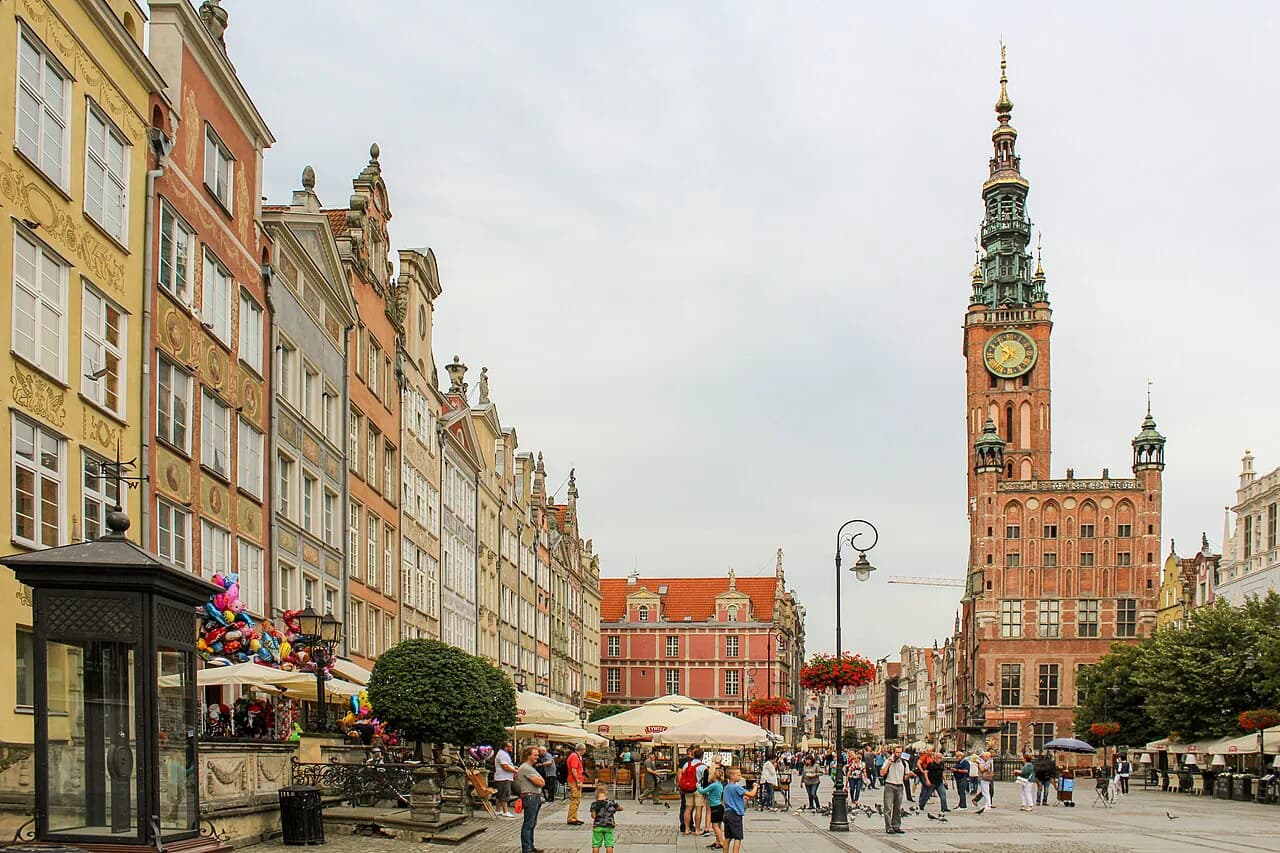
Długi Targ is not a classic market square but a wide street lined with cafés, bars and shops, framed by the Neptune Fountain and Artus Court. Walking it end to end takes around ten minutes, which is why the sights either side matter more than the street itself.
Two days lets you see the Main Town without rushing and still give one museum half a day. One day is workable if you stick to the Royal Route, Mariacka Street and the waterfront and skip the interiors entirely.
Day one morning: the Royal Route from Golden Gate to Green Gate
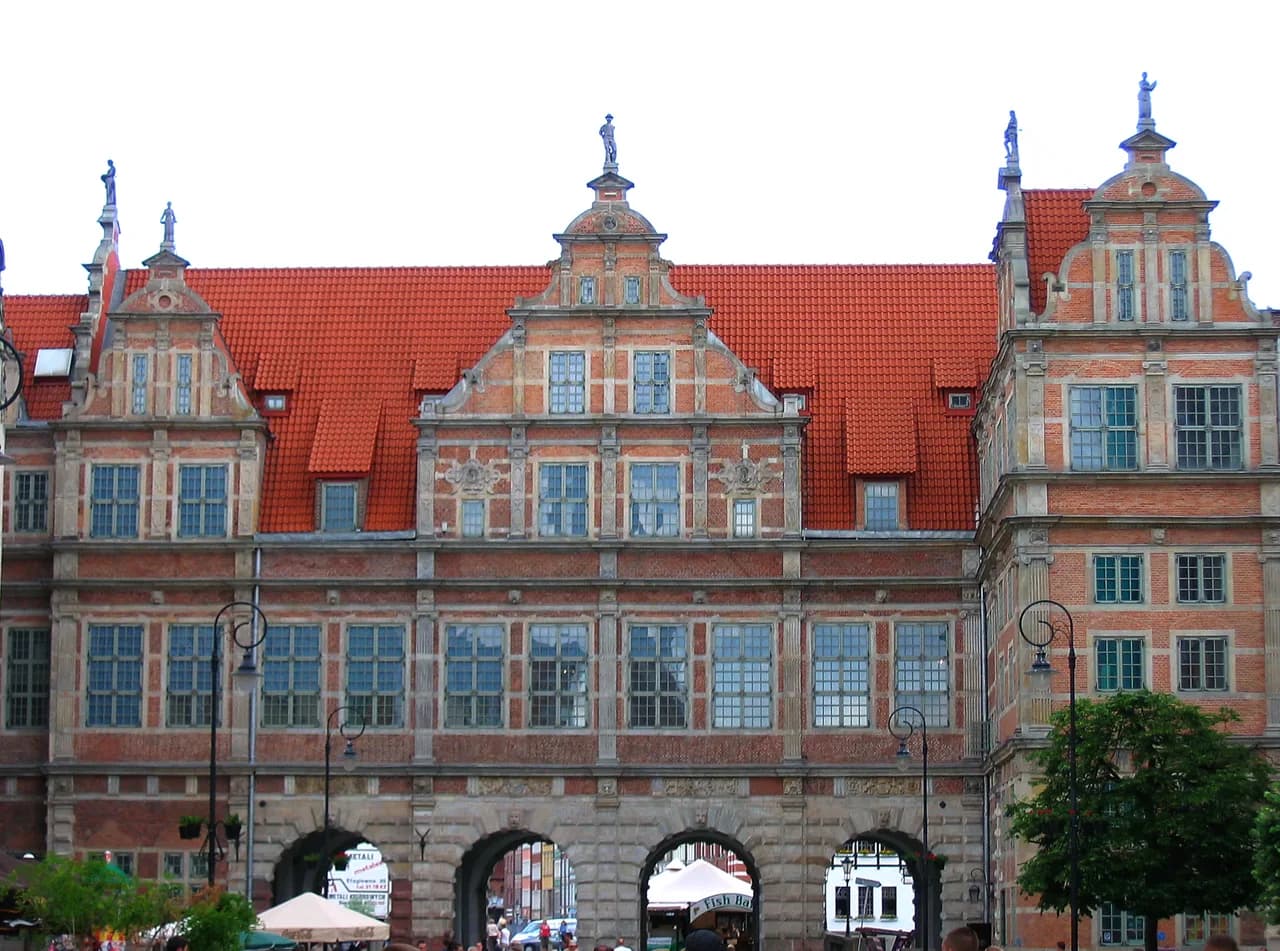
Start at Złota Brama and walk downhill along Długa into Długi Targ, finishing at Zielona Brama by the river. Along the way you pass the Neptune Fountain, Artus Court, and merchant houses whose facades carry more detail the slower you go. The Green Gate, originally built in the 1500s, is the largest gate in the city and marks the end of the formal route.
Give this stretch a relaxed morning rather than a rushed hour, because the side streets off Długa reward a detour and the gates themselves are part of the walking route rather than ticketed sights.
Day one midday: climb the Town Hall tower on Długa
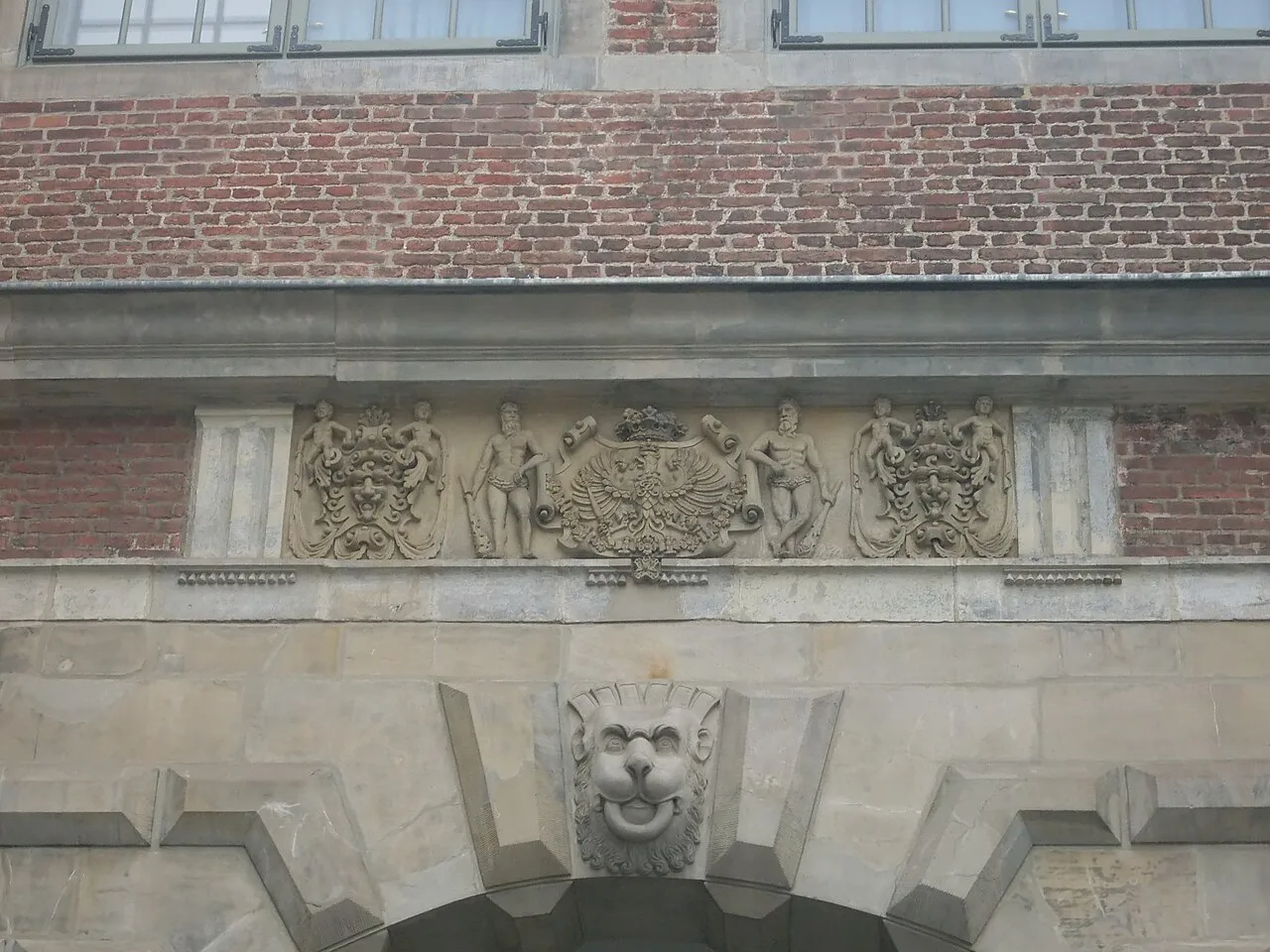
The Town Hall Museum of Gdańsk stands on Długa at number 46, and its tower gives one of the best views over the Main Town rooftops. The clock tower holds a 37-bell carillon that chimes on the hour. One travel blog reported that the museum was open every day except Tuesday, from 10am to 4pm and until 6pm on Thursdays, with free admission on Mondays.
That reported Tuesday closure and Monday free day are worth checking against the museum's own timetable before you build the weekend around them: if they hold, a Sunday arrival lets you take the tower on Monday for nothing, while a Tuesday start would find the Town Hall closed that day. Treat any such rule as specific to this museum rather than assuming it for the Museum of the Second World War or anywhere else.
Day one afternoon: Mariacka Street and the Basilica of Saint Mary
Mariacka Street keeps some of the city's older architecture, with oversized porches spilling onto the pavement and gargoyle heads, known as pukers, that spout rainwater during storms. It ends near the Basilica of Saint Mary, one of the largest brick churches in Europe, and Mariacka is also where you shop for Baltic amber.
The tower climb is 408 steps, which is the trade-off for a rooftop view over the city. Treat the Basilica tower and the Town Hall tower as a choice rather than two obligations: one climb per weekend is plenty, and the Basilica suits the afternoon when the light softens.
Day one late afternoon: the Motława, Długie Pobrzeże and Żuraw
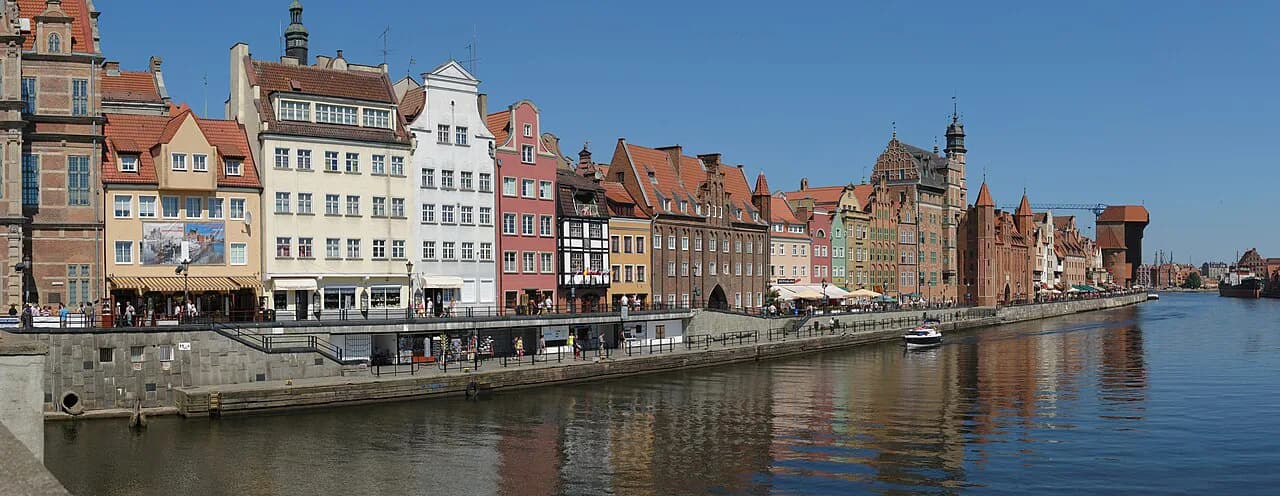
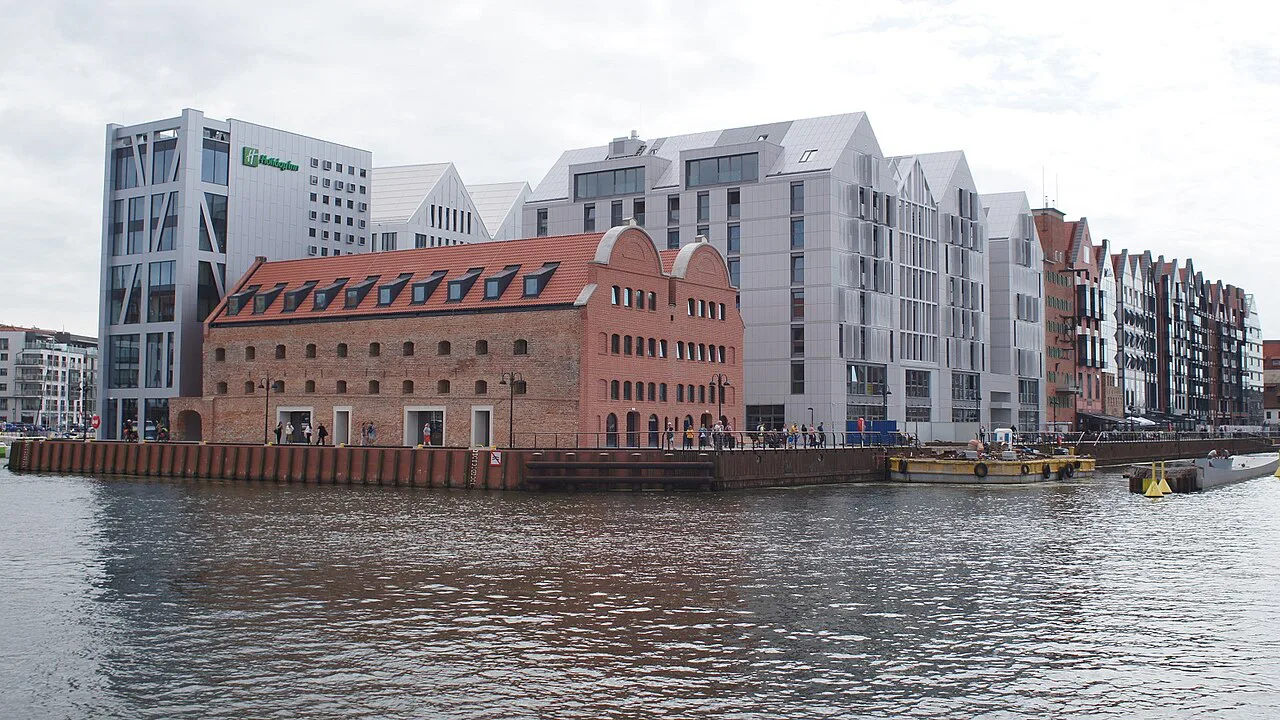
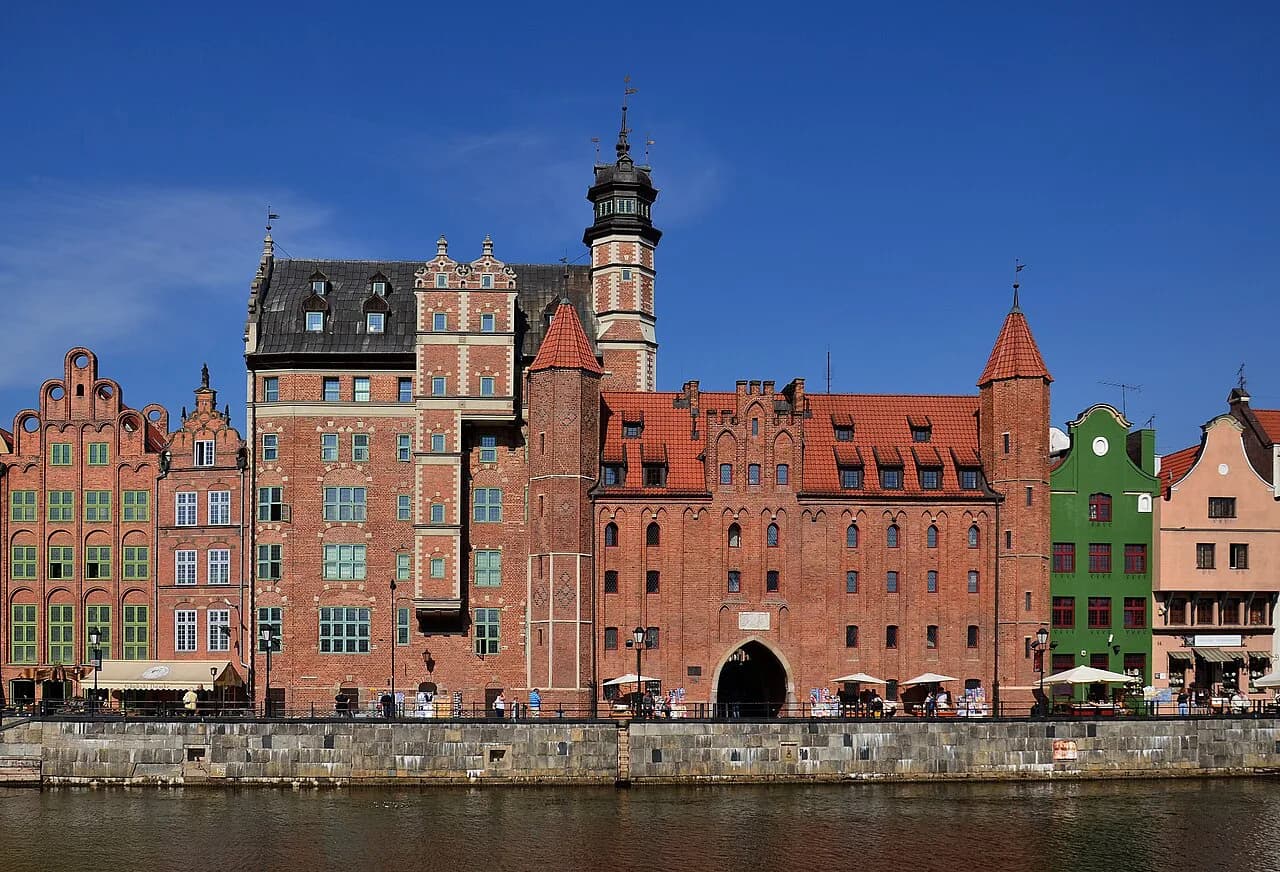
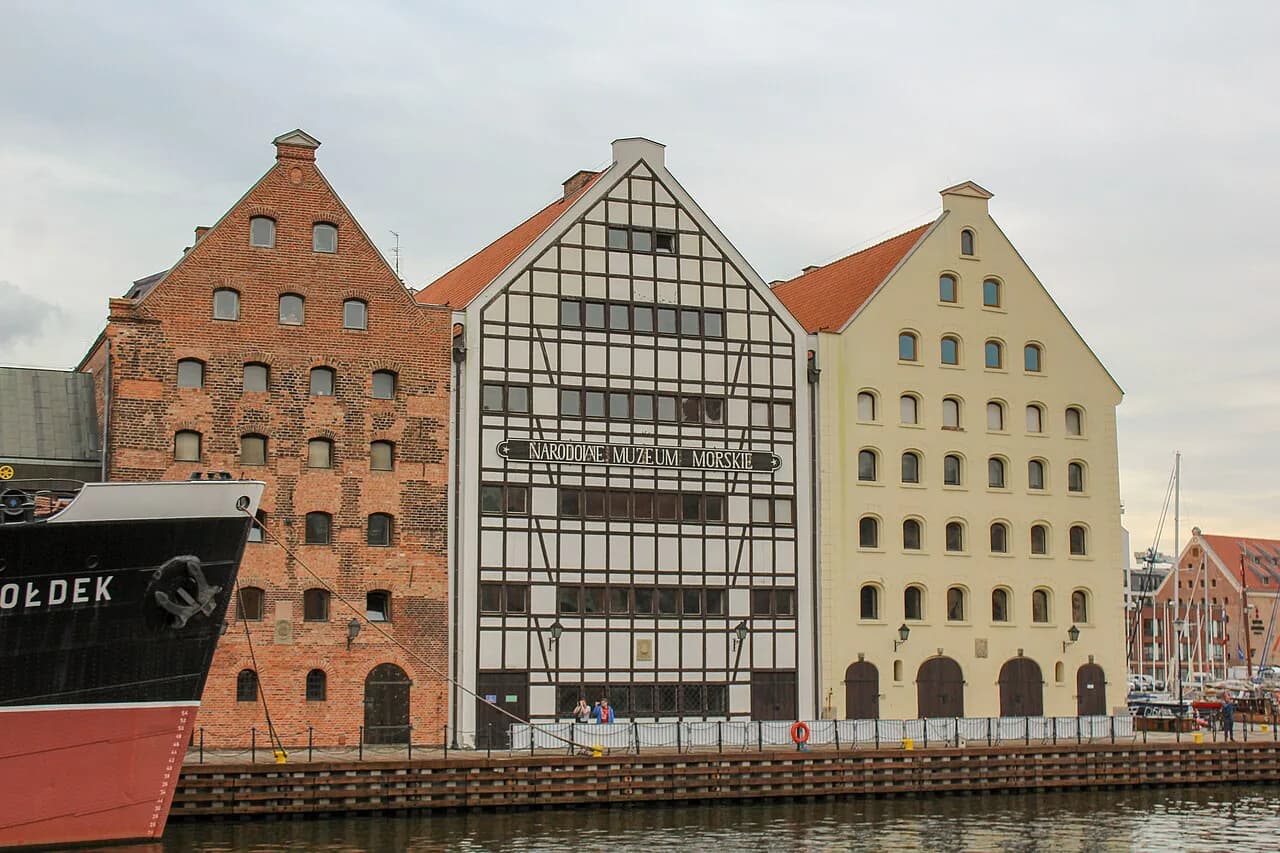
Cross the Green Gate to the river and walk both banks for the best angles: Granary Island on one side, the brick facades of Długie Pobrzeże on the other. The medieval Żuraw (the Crane) is the landmark to aim for, a hulking riverside structure that once loaded cargo onto ships and now symbolises Gdańsk's trading past.
The Crane can be toured if you want the interior, but the waterfront walk itself is the better use of an hour before dinner. Finish at the pedestrian drawbridge and the Gdańsk sign for the photograph many visitors take.
Day two: the Museum of the Second World War
The Museum of the Second World War sits on plac Władysława Bartoszewskiego beside the Motława, and it tells the war chronologically, starting with the invasion of Poland that began at Gdańsk. Exhibits include two mock streets with shops and a tank, propaganda material from German Nazi Germany, and items connected to Auschwitz; the tone is documentary, not sensational.
Allow about three hours if you want to read and watch rather than skim, which is why this museum earns half a day instead of an afternoon slot. One blog recorded a ticket at 25zł in the year of that visit, so check the museum's own site before you budget around it.
If you would rather not spend the second day indoors, swap in the smaller museums below and give the waterfront the extra time. Either way, do not try to fit both the war museum and a day trip into the same weekend.
Day two alternative: Polish Post, Amber Museum and Dom Uphagena
The Museum of the Polish Post covers the defence of the post office in September 1939, and it suits travellers who want a tighter, more focused visit than the large war museum. The Amber Museum of Gdańsk covers the trade that made the city wealthy, and Dom Uphagena opens a merchant's house to show how prosperous burghers lived.
Pick two of these rather than all three; a pair plus a slow lunch on Granary Island makes a better second day than a checklist.
What is open when: build the plan around fixed days
Check the Town Hall Museum's reported Tuesday closure and Monday free entry against its own timetable before you lock the weekend around them. If they still apply, a Saturday-to-Monday trip can do the Royal Route and waterfront on Saturday, the war museum on Sunday and the Town Hall tower on Monday, when entry is free. A Sunday-to-Tuesday trip could take the tower on Monday and the big museum on Sunday, leaving the Main Town walk for the Tuesday, but confirm the current timetable first.
Published opening days change with the season, and the Museum of the Second World War's own timetable is the one that counts. The one check worth making on arrival is the opening days of whichever museum you have built the weekend around.
What to skip on a two-day weekend
Sopot, Gdynia and Malbork Castle are separate trips, not add-ons: each takes enough of a day that adding one means dropping a museum. Sopot and Gdynia are the other two cities of the Tricity area, and Malbork is the castle trip most visitors pair with Gdańsk.
With two days, the Main Town itself is the better value; the day trips belong on a third day or a return visit.
Where to eat on a weekend in Gdańsk
Skip the café strip on Długi Targ, which is priced for passing tourists, and eat a street or two back or down on the Motława. Restauracja Bazar on the river opposite the Crane serves Polish dishes including pierogi, soup and mains, and the menu is worth reading before you sit down.
For a cheaper lunch, the pierogarnia spots in the centre and the milk-bar style Pyra Bar both keep costs down, and a Dobra Pączkarnia doughnut covers breakfast. Reserve ahead for riverside tables if you want a balcony view at dinner.
When to go and what it costs
Gdańsk works as a city break across the warmer months, and summer is the busiest time to visit a Baltic port. The city is compact and affordable by western European standards, which is part of why it suits a two-day trip.
Budget in złoty and treat any figure you read online as historical: museum tickets plus two restaurant meals a day add up modestly, and on the reported Monday free day the Town Hall museum costs nothing. For current prices, check each museum's own ticket page rather than a blog.
Is two days the right length for Gdańsk?
Two days is the right length for a first weekend in Gdańsk: one day on the Royal Route and waterfront, one in a museum, with the Town Hall tower slotted in on a Monday if the reported free entry applies. It is a walkable, compact plan that leaves room for a slow lunch and an amber shop rather than a scramble between sights.
If you only have one day, keep the Golden Gate to Green Gate walk, Mariacka Street and the Crane, and save the museums for next time. If you have three, add Malbork or Sopot instead of a second museum.
Explore more Gdańsk guides
Frequently Asked Questions
Can you do Gdańsk in one day?
Yes, if you keep to the Main Town: start at Złota Brama, walk Długa and Długi Targ to Zielona Brama, take in Mariacka Street and the Basilica, then finish on the Motława at the Crane. That leaves no time for a major museum, so choose either the town or the collections rather than both.
Is Gdańsk cheap for a weekend?
It is described as compact and affordable, and it compares well with western European cities for food and museum tickets; the gates and the waterfront cost nothing to see. Prices in złoty are the ones to budget in, and if the reported Monday free entry at the Town Hall museum applies, that tower costs nothing either; check each museum's own ticket page for current figures.
What is the best month for a weekend in Gdańsk?
There is no single best month: the waterfront and Mariacka Street are outdoor pleasures, so pick a time when you will want to walk rather than shelter, and expect summer to be the busiest. Check opening days before you book, since some museums close one day a week.
Sources
Notes for your next Polish city break
Optional updates to our Poland guides.
You might also like
Continue reading
More guides you'll find useful