Wrocław Architecture: Buildings to See, by Period and Area
A walking guide to Wrocław architecture, from the colourful Rynek to Centennial Hall and the WUWA estate, with what to look for and how to pace the day.
On this page
Wrocław's architecture is best read as a layered city: you can walk from a Gothic brick church to a 1913 concrete dome and a 1929 model housing estate within an afternoon. The Old Town rewards slow looking rather than a checklist, while the exhibition grounds east of the centre are where the city's early modernism sits. This guide groups what to see by period and by area so you can build one coherent route instead of zig-zagging.
What defines Wrocław architecture and why the city looks so mixed
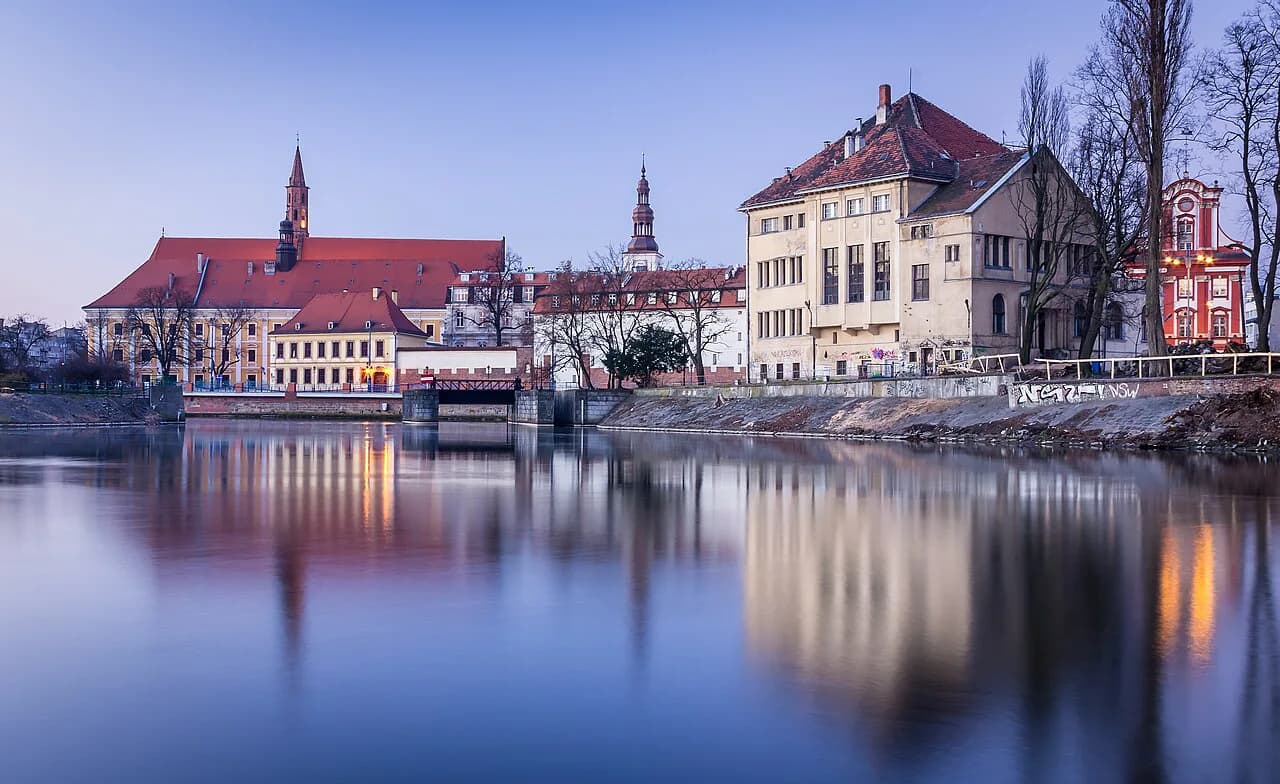
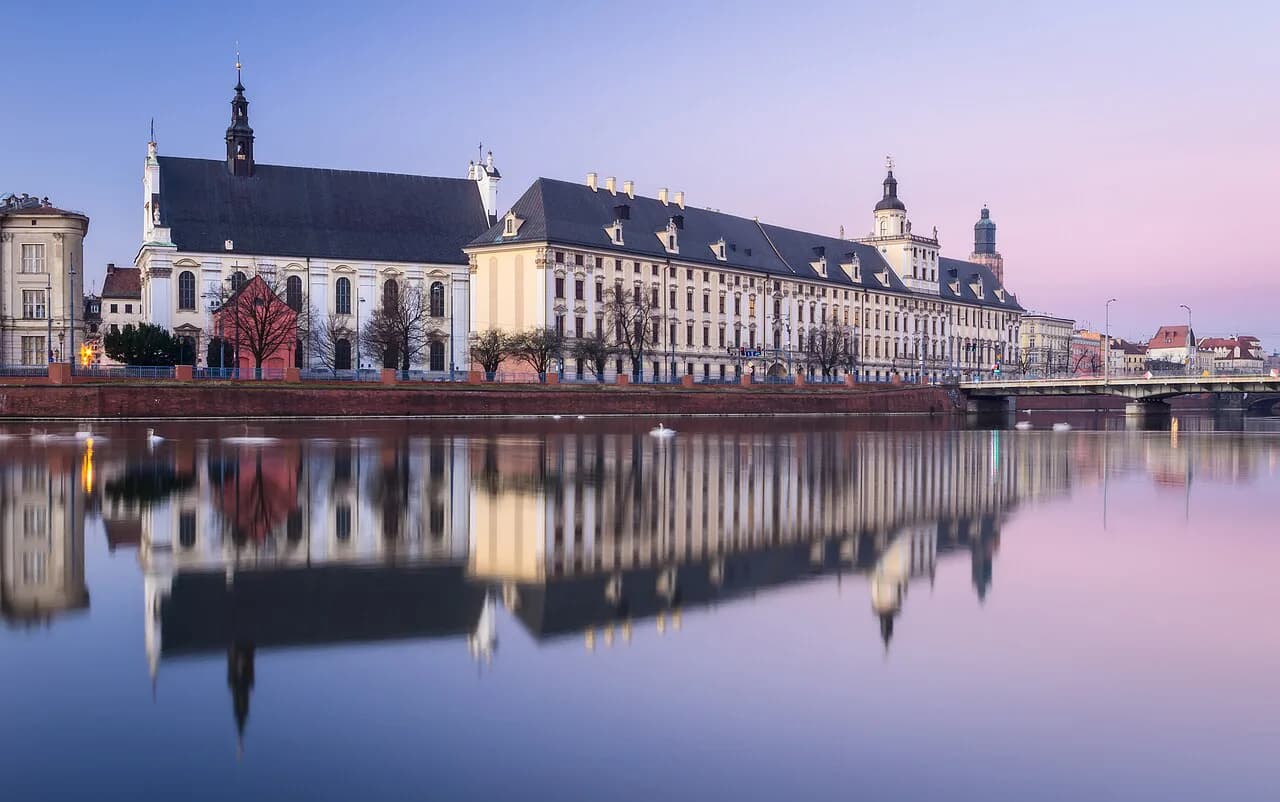
The reason Wrocław feels so varied is that the city's building stock spans several political eras, from its time as the German city of Breslau to the post-war People's Republic of Poland. That history produced a centre of Gothic and Renaissance brickwork inside a ring of twentieth-century modernism, often on the same block. Keep that timeline in mind and the changing facades along your route start to make sense.
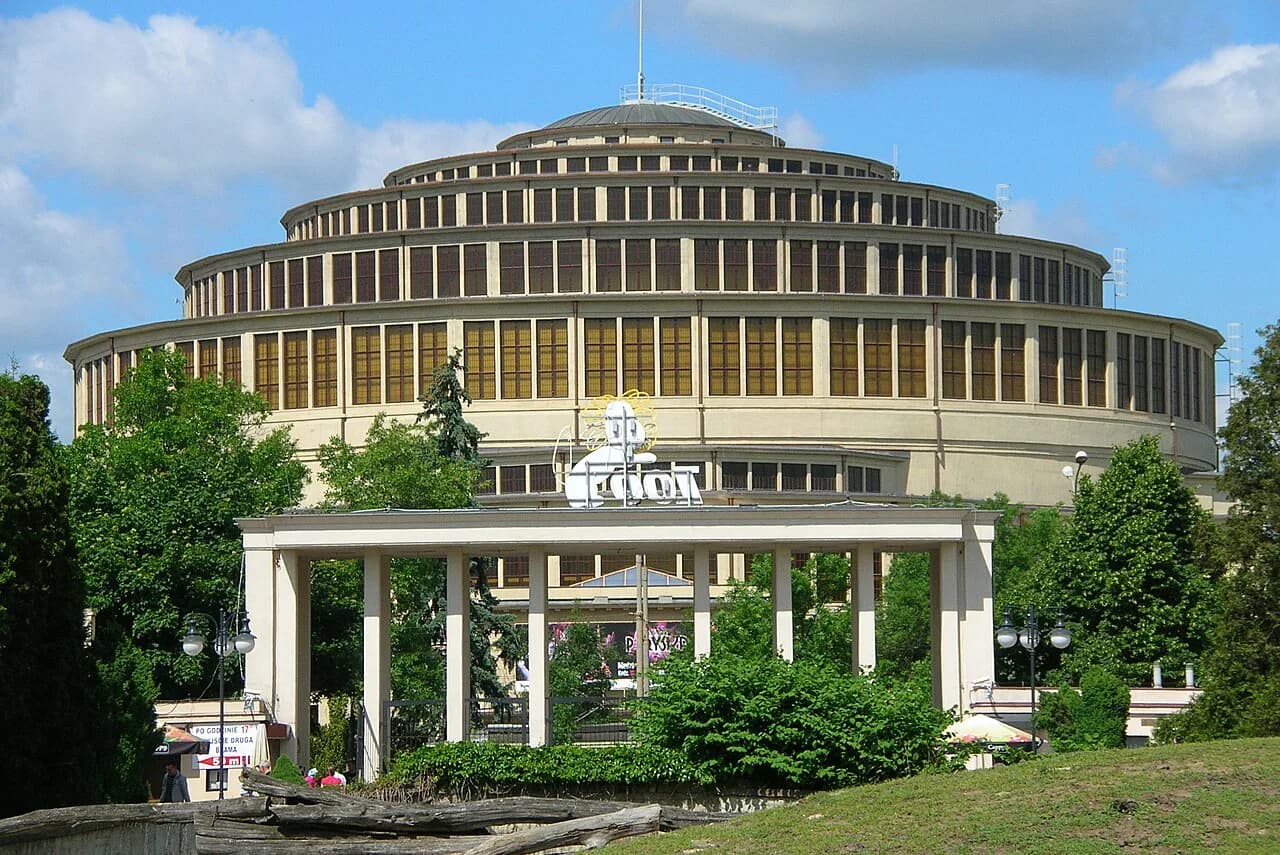
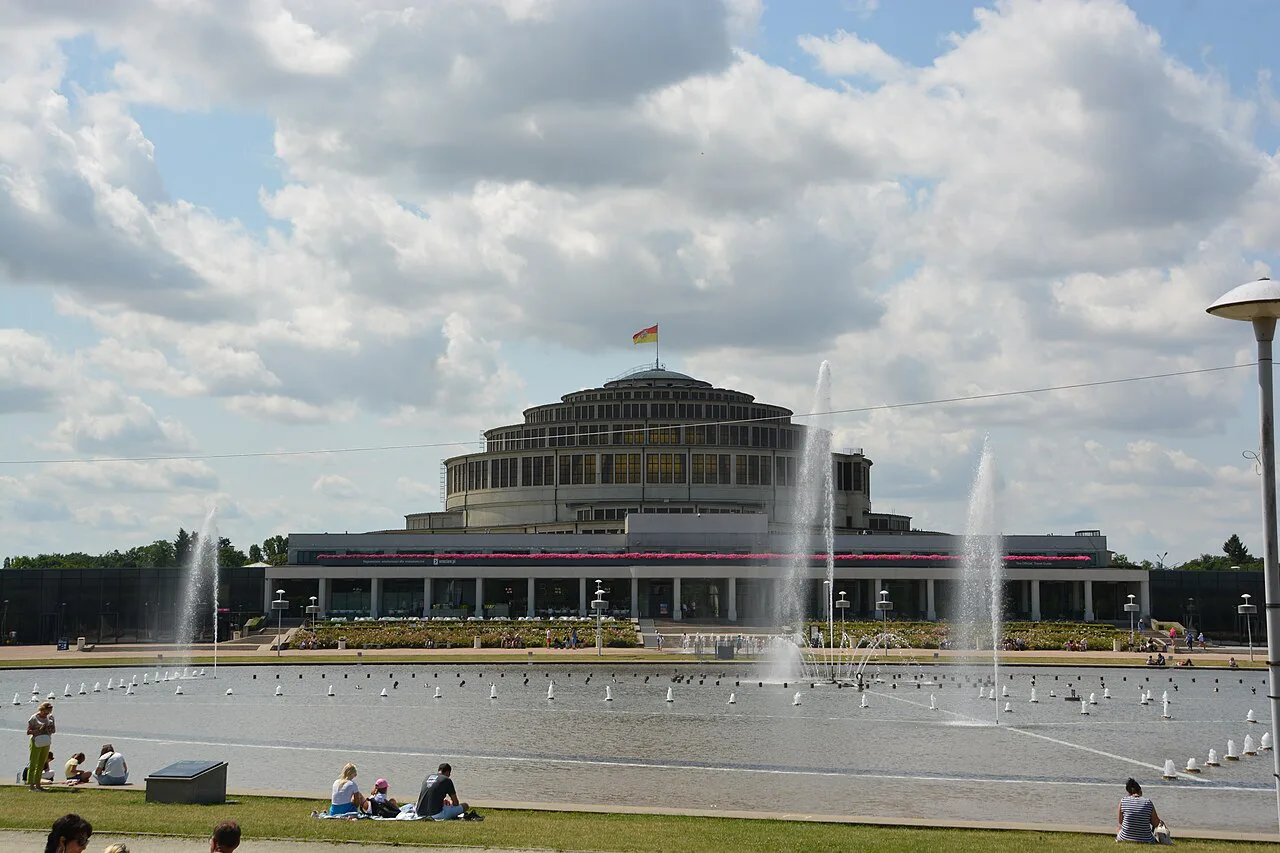
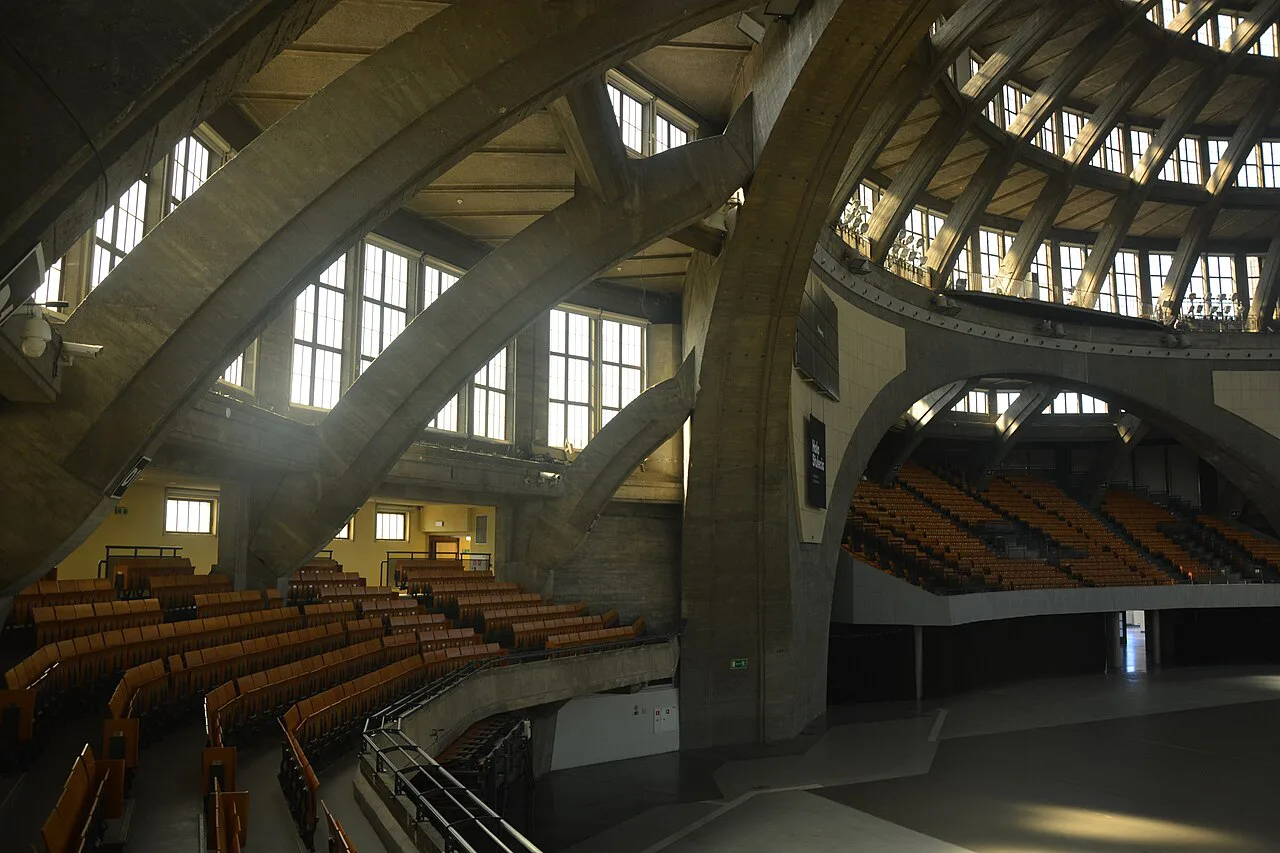
Modernism arrived early and stayed influential. The Centennial Hall, designed by Max Berg and dating to 1913, is described as an outstanding example of early Modernism and holds UNESCO World Heritage status. Its neighbours in the exhibition grounds, including Hans Poelzig's Four Domes Pavilion, completed in 1912, make that area a compact lesson in the style.
Start at the Rynek and Główne Miasto: what the facades tell you
The Rynek and the surrounding Główne Miasto are the obvious starting point, and justifiably so: a large main square lined with colourful townhouses is the postcard image of the city. Look past the paint and notice how each frontage handles its roofline, window rhythm and ground-floor arcade. That is where you can begin to date and compare the buildings without needing a guidebook in hand.
The square's older civic core is also the right place to pick up the city's institutional story before you head out to the modern estates. If you want the historical thread explained properly, the streets around the Rynek set up the rest of the walk; our Wrocław history guide covers the city's development in more depth. Treat the Old Town as your orientation lap, not a box to tick off.
Gothic and brick churches worth a detour
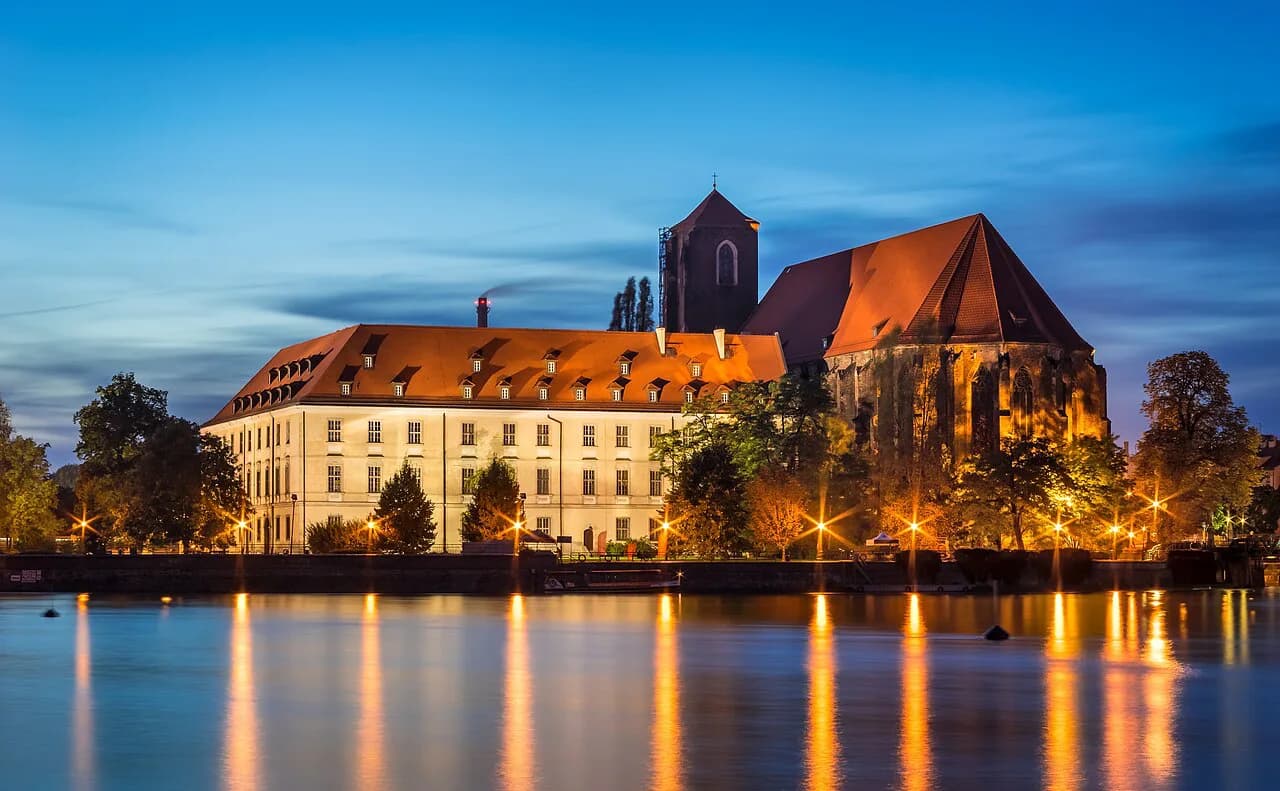
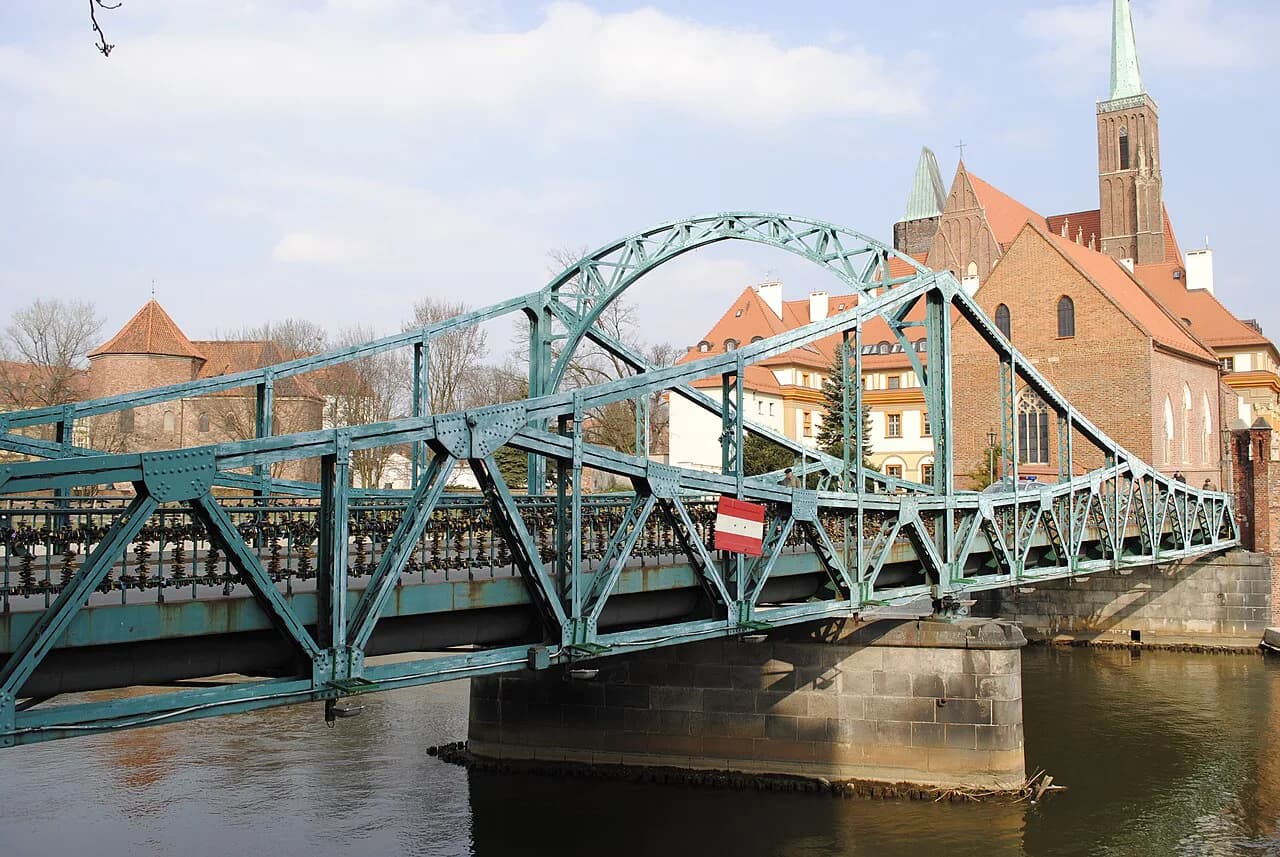
Brick Gothic is the oldest layer you will see at close range, and the churches give it scale that the townhouses cannot. Ostrów Tumski, the cathedral island, is the place to see it, with a cluster of religious buildings that reward a slow circuit rather than a quick photo stop. The cathedral itself is the anchor of that walk, and the surrounding streets repay extra time.
Two practical notes shape this leg. First, churches are working buildings, so look at how visitors are expected to behave and follow the notices posted at each entrance. Second, keep ticket prices and opening hours for any tower or crypt you want to climb until you are at the door, where they are posted.
Centennial Hall and the Four Domes Pavilion: early modernism in a park
The exhibition grounds east of the centre are the single best half-day for architecture in the city. The Centennial Hall is the centrepiece, a 1913 structure with a 23-metre dome that now operates as a conference and concert venue, with a visitor centre exhibition on the building and its context. The Four Domes Pavilion next door, completed in 1912, houses the museum of modern and contemporary art.
Take the short tram ride from the centre and allow about half a day for the area, because it holds more than the two headline buildings. The Multimedia Fountain runs shows on the hour, and the Japanese Garden a few steps away is a calm place to reset after the exhibition. Decide in advance whether you are there for the buildings or the museums, since trying to do both thoroughly will stretch the visit.
WUWA, the 1929 model housing estate, and what to look for on its streets
WUWA is the quiet highlight for anyone interested in how modernism shaped everyday life. The estate was a model housing project built in 1929 and completed in three months, a demonstration of how quickly functional housing could be assembled. It has survived as a working residential area, which is exactly why it is worth the ten-minute walk from the Centennial Hall.
Look for natural light, generous green space between blocks and the way the apartments were planned around residents rather than facades. This is also private housing, so walk the streets and photograph the elevations rather than peering into windows or courtyards. A short visit is enough; the reward is in the details, not in a formal sight.
Other modernist landmarks: Manhattan, Scientists' House, department stores and Dolmed
Modernism in Wrocław is not confined to the exhibition grounds, and some of the best finds sit outside the usual market-square route. The Manhattan housing estate, the Scientists' House, the Renoma and Kameleon department stores and Dolmed all date from the twentieth century and show the style shifting through its phases. Not all of them are in good repair, so look up as you walk rather than expecting polished facades.
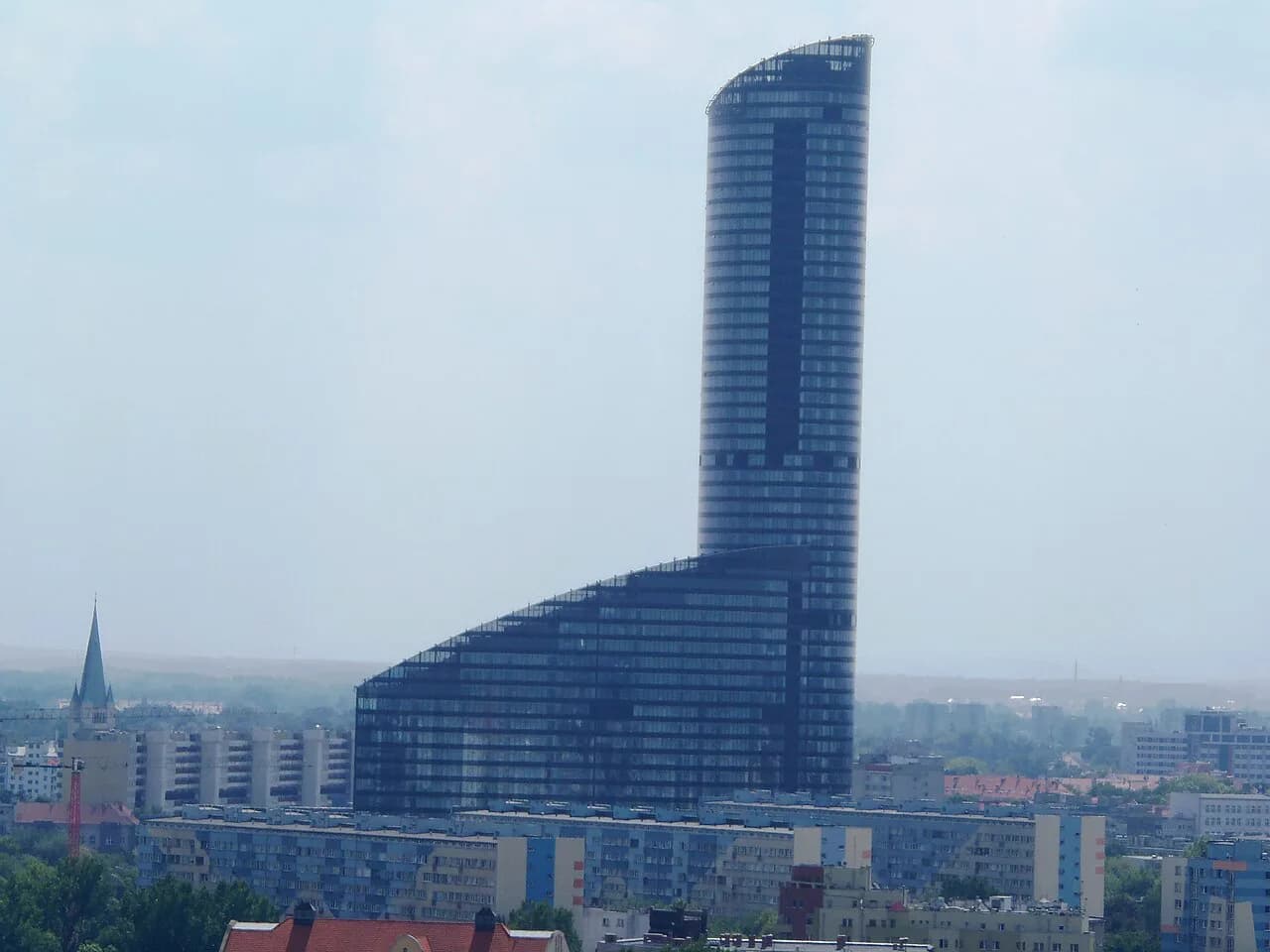
Newer work continues the story. The National Forum of Music and the Ovo Wrocław tower are among the contemporary buildings that architecture-minded travellers seek out, and the Concordia Design conversion is a recent example of older fabric being reworked.
The Museum of Architecture and the city's building history
The Museum of Architecture, founded in 1965, sits in a historic building in the Old Town and is the place to get the long view on how the city was built. Use it early if you want vocabulary for what you are seeing, or save it for the end when the buildings on your walk give the displays meaning.
Check what is on before you commit a slot: exhibitions change, and temporary shows can be more relevant to your interests than the permanent displays. Confirm current opening days, ticket prices and any reduced or free-entry times at the museum before you go. If you are collecting museums rather than just architecture, our guide to the Museums in Wrocław helps you choose between them.
A realistic route through the city by area and walking time
A sensible two-day shape is the Old Town and Ostrów Tumski first, then the exhibition grounds second. Start on the Rynek, walk through Główne Miasto and up to the cathedral island for the Gothic layer, then leave early modernism for a fresh, unhurried morning. Trying to fit both into one day means rushing the tram ride out and the walk back in.
On day two, take the tram to Centennial Hall, see the hall and the Four Domes Pavilion, walk ten minutes to WUWA and come back through the park via the Japanese Garden. Add the Manhattan estate or Dolmed only if you are walking the surrounding streets anyway, because they are dispersed and eat time. Keep the Museum of Architecture as a weatherproof slot rather than a fixed appointment.
When to go and how to pace an architecture-focused city break
Architecture is largely a fair-weather pursuit: long walking days are more comfortable outside the coldest months, and museum time fills the gaps when weather turns. Build in one indoor block per day so a wet afternoon does not derail the plan. The city rewards repetition too, so returning to the Rynek in different light is not wasted time.
Pacing matters more than mileage. Two half-days on foot will show you more than a packed day of transit hops, and the tram out to the exhibition grounds is the one leg worth paying for. If the war and the city's twentieth-century destruction interest you, the Wrocław WW2 sites are worth pairing with the architecture walk.
Which half-day should you book first?
If you only have one free half-day for architecture, spend it in the exhibition grounds: Centennial Hall, the Four Domes Pavilion and the walk to WUWA give you three distinct modernist moments in a compact area. If you have a full day, do the Old Town and cathedral island first and use the tram for the second half.
Explore more Wrocław guides
Frequently Asked Questions
Is Wrocław more Polish or German?
Wrocław was the German city of Breslau until 1945 and became part of Poland after the Second World War. The architecture reflects both eras, with Gothic and Renaissance brickwork alongside German-built modernism from the early twentieth century. Read the building dates as political history and the street scene makes more sense.
Why is Wrocław called the Venice of Poland?
Wrocław sits on the Oder and its islands, and the bridges and riverside walks give parts of the city a waterborne feel. It is a loose comparison rather than a formal title, so treat it as a hint about the layout rather than a description of canals and gondolas.
What are the most famous pieces of architecture in Poland?
Wrocław's own standout is the Centennial Hall, designed by Max Berg and dating to 1913, recognised as an outstanding example of early Modernism and a UNESCO World Heritage Site. Across the country, the range runs from brick Gothic churches to post-war modernism, and each city has its own version of that story.
Sources
Notes for your next Polish city break
Optional updates to our Poland guides.
You might also like
Continue reading
More guides you'll find useful