WW2 Sites in Poland: Where to Go and What to Expect
Plan a respectful trip to Poland's Second World War sites, from Gdańsk's Westerplatte to the Museum of the Second World War, with guidance on what to expect.
On this page
Give Second World War sites one full day in Gdańsk or Kraków and half a day in Warsaw, and treat former camps as a separate, slower visit rather than something to squeeze between lunch and a museum. Poland's wartime heritage splits into three kinds of place, each with a different rhythm, and knowing which you are heading to is the single most useful planning decision you will make. This guide sorts them by city, explains what each type asks of you as a visitor, and shows how to slot them into a short break alongside the rest of the city.
The three groups are straightforward. Museums are indoor and built around exhibitions; battlefields and memorials are outdoor ground you walk across; former camps and ghettos are memorial landscapes where behaviour matters as much as route. A guided history tour of Poland often strings all three together across eight days, taking in Kraków, Podgórze, Kazimierz, Wieliczka, Auschwitz, Warsaw, Mikołajki and Gdańsk, which shows how much ground the subject covers nationally.
What you can see: the three main kinds of Second World War site in Poland
Museums give you chronology, objects and interpretation, and they are where you go if you want to understand rather than simply stand somewhere. They anchor a day rather than fill a gap, because a single exhibition can absorb two or three hours.
Outdoor sites such as Westerplatte or a battlefield memorial suit a morning walk, but they rarely explain themselves well without some preparation beforehand. Former camps and ghettos are a third category again: often unmarked ground, sometimes with a monument, always demanding quiet and time. A map of the German Nazi extermination, concentration, labour and prison camps alongside major pre-war Polish cities shows how widely the network spread, and it is worth looking at before you choose which places to visit.
Decide which category you are travelling for before you book anything. A city break built around exhibitions looks quite different from one built around walking to monuments on the edge of town.
Gdańsk: Westerplatte and the Museum of the Second World War
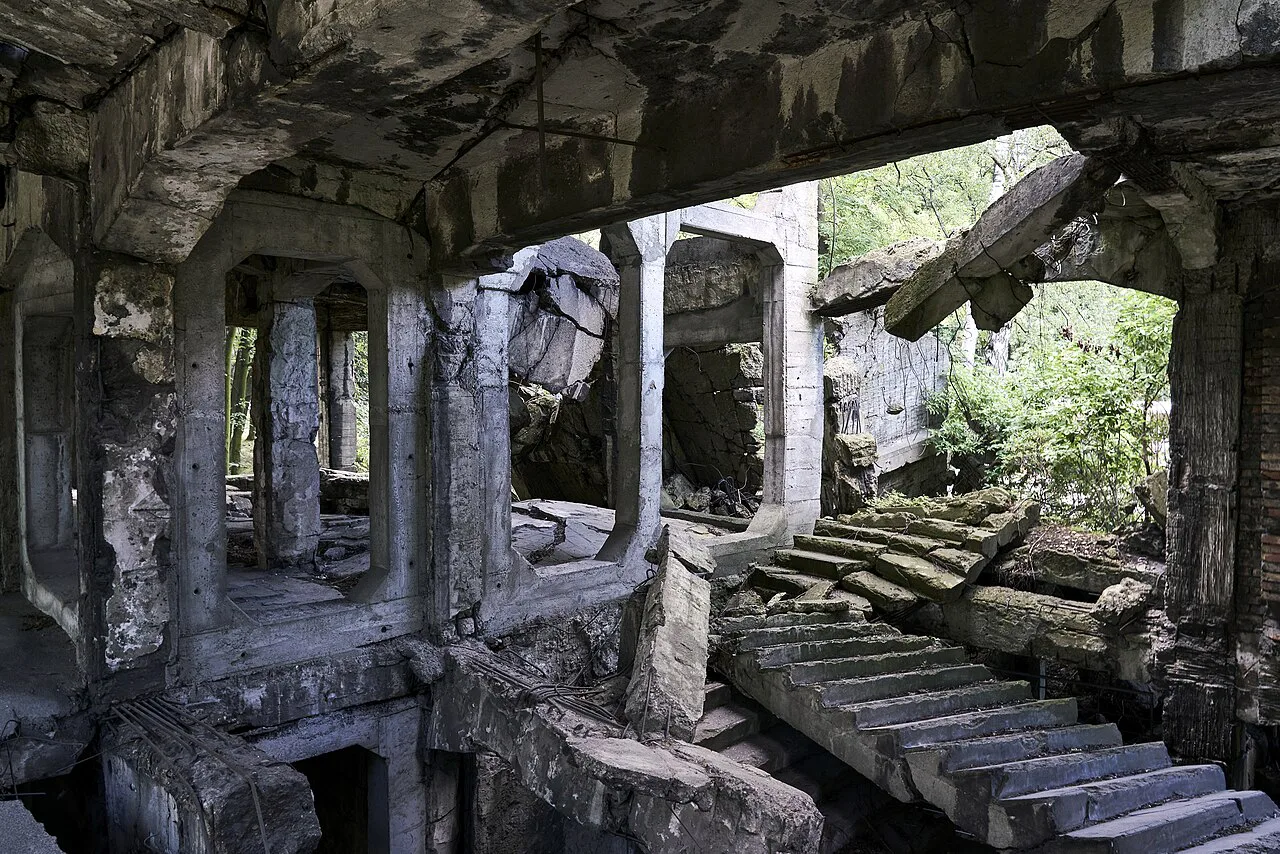
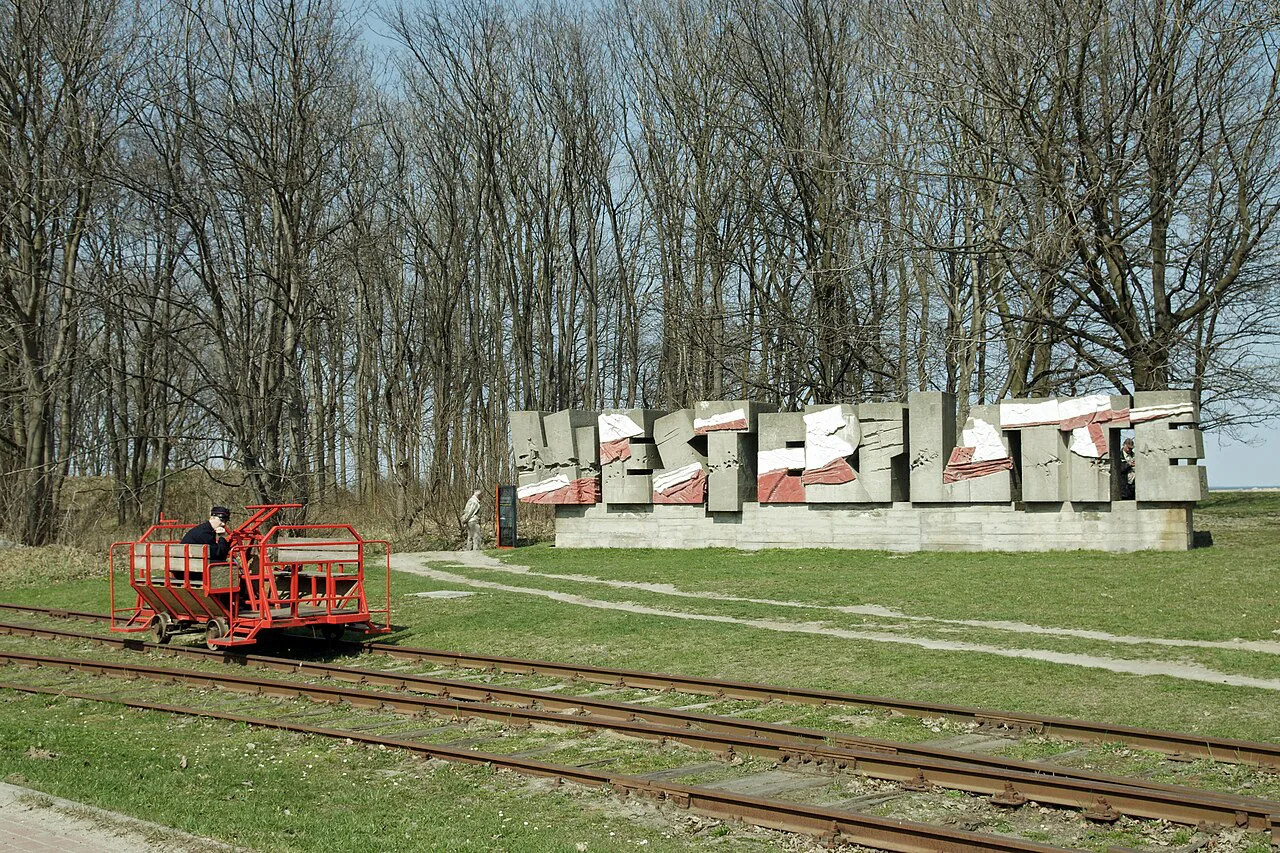
Gdańsk carries the opening of the war and its interpretation. Westerplatte, where the first shots were fired, is outdoor ground, and the Museum of the Second World War is the indoor counterpart; a battlefield tour of Poland pairs the two as its starting point.
Allow a half day for Westerplatte and a half day for the museum, and do not plan both on the same afternoon. Westerplatte is a walk across open ground with monuments rather than a didactic exhibition, so the visit works best when you already know the sequence of events. The museum does the explaining, so consider it first if you are new to the subject.
Check the museum's own website for timed entry and book ahead if you want a particular slot, especially in summer.
Kraków: the former ghetto in Podgórze, the Płaszów memorial and Schindler's Factory
Kraków concentrates more Second World War ground within walking distance than any other Polish city on a typical short break. The former ghetto in Podgórze, the Płaszów memorial and Schindler's Factory sit close enough to link on foot, and Kazimierz, the old Jewish district, rounds out the day.
A common sequence runs from Podgórze through the ghetto area to Schindler's Factory, then on to the Płaszów memorial, finishing in Kazimierz. It is a long, sobering day rather than a sightseeing circuit, so build in a stop for lunch in Kazimierz and do not stack a second museum on top.
Płaszów was a German Nazi labour camp, and the memorial on its site is outdoor ground. Treat it as a place to stand and read rather than a photo stop, and avoid planning anything celebratory immediately afterwards.
Schindler's Factory is a museum, so build your day around its published calendar rather than assuming it will be open on the day you reach it. Guided versions of this route exist and can save you the navigation, though they set the pace for you.
Warsaw: the 1944 rising and the city that was rebuilt
Warsaw's wartime story is one of destruction and rebuilding, and the city wears it in its streets rather than in a single site. The uprising of 1944 is the thread most visitors follow, and The Warsaw Uprising of 1944 gives you the sequence before you arrive.
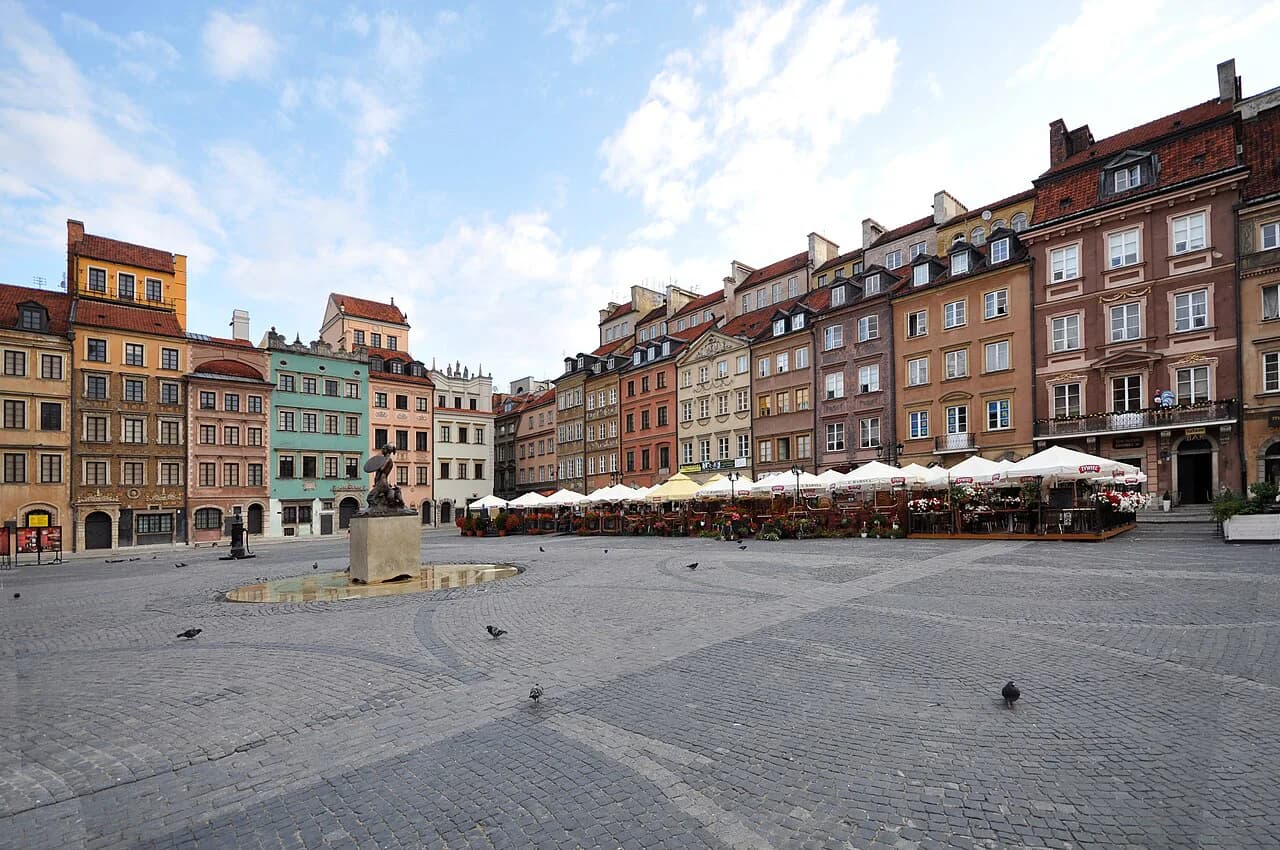
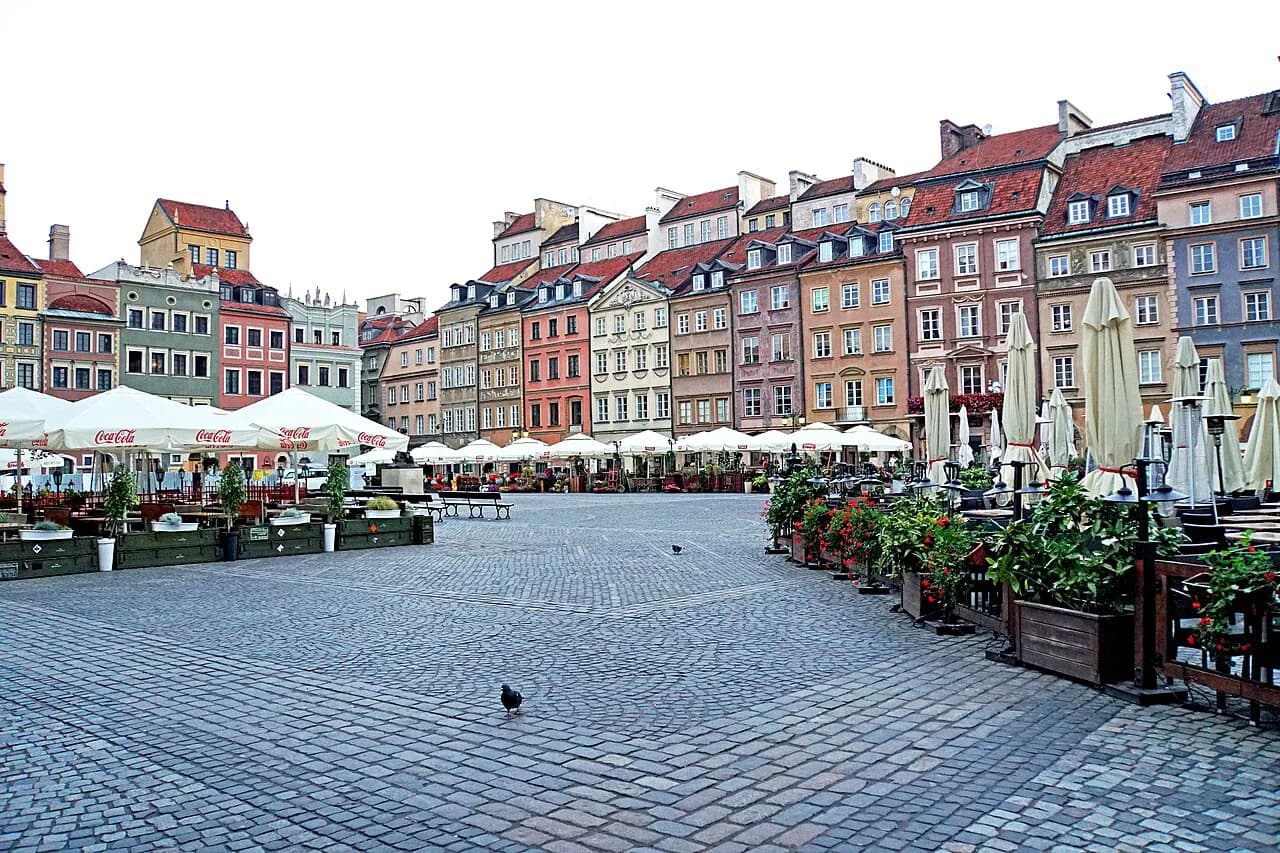
Plan Warsaw as a walking day with museum stops rather than a checklist. The rebuilt Old Town rewards attention to what is reconstruction and what survived, and the memorials scattered through the centre are easy to pass without noticing.
Do not try to cover Warsaw's wartime sites and its other sights in the same half day. Two nights gives you room for one focused day and one lighter one.
Former German Nazi camps and memorials: how to visit with care
Poland's camp memorials are places of burial and remembrance, not attractions. The map of the German Nazi camp network is useful for understanding how the system operated, but visiting one site properly takes time and emotional room.
Stutthof, on the coast near Gdańsk, is one of the camps reachable on a day out from the city. Majdanek, on the edge of Lublin, preserves extensive original structures, and the State Museum at Majdanek explains them on site. Read what each memorial holds before you commit a day to it.
Go in the morning, go with purpose and go on your own if you can rather than as one stop on a multi-venue coach tour. Read the site's own visitor guidance first, follow any instructions about photography and quiet, and leave the rest of the day light.
Museums versus sites: what each type asks of you as a visitor
A museum asks for two to three hours indoors, a ticket and attention to a narrative somebody else has constructed. An outdoor site asks for footwear, weather sense and enough prior knowledge to read what you are standing on.
Camps and ghettos ask for the most: time, restraint and a willingness to be uncomfortable. If your group includes children, look for age guidance on the museum you plan to see and consider leaving the camps for another trip.
The temptation is to see everything. Choose two museums and one memorial for a four day city break, and you will remember more than if you race through six.
How many days to give over to Second World War sites within a city break
On a two day break, give one day to wartime sites and keep the other for the city itself. On three or four days, split the subject across two half days so you are not absorbing heavy material back to back.
In Gdańsk, Westerplatte and the Museum of the Second World War fill a day between them. In Kraków, Podgórze, Płaszów and Kazimierz fill one long day. In Warsaw, one walking day covers the centre's memorials with a museum stop.
If the subject is your main reason for travelling, base yourself in one city and take a second day rather than moving between cities to tick off more sites.
Getting between sites on foot and by public transport
Kraków's Podgórze cluster is walkable from Kazimierz, and the Płaszów memorial is a longer walk or a short ride beyond it. Gdańsk's Westerplatte sits away from the old town and is best reached by public transport or taxi, while the Museum of the Second World War is central.
In Warsaw, the wartime memorials in the centre are walkable; anything further out may be quicker by tram than on foot.
Save your feet for the sites themselves. Walking to a camp and then around it is a lot of standing, so budget transport for at least one leg.
Reading and language: what you need before you go
Most major museums publish English-language exhibition text, and some offer audio guides, but smaller memorials may carry Polish-only signage. Read a short history of the invasion and occupation first, and the sites will make far more sense.
Polish place names matter: Podgórze not Podgorze, Płaszów not Plaszow, Westerplatte as written. Learn the word for memorial, pomnik, and for camp, obóz, and signage becomes easier to read.
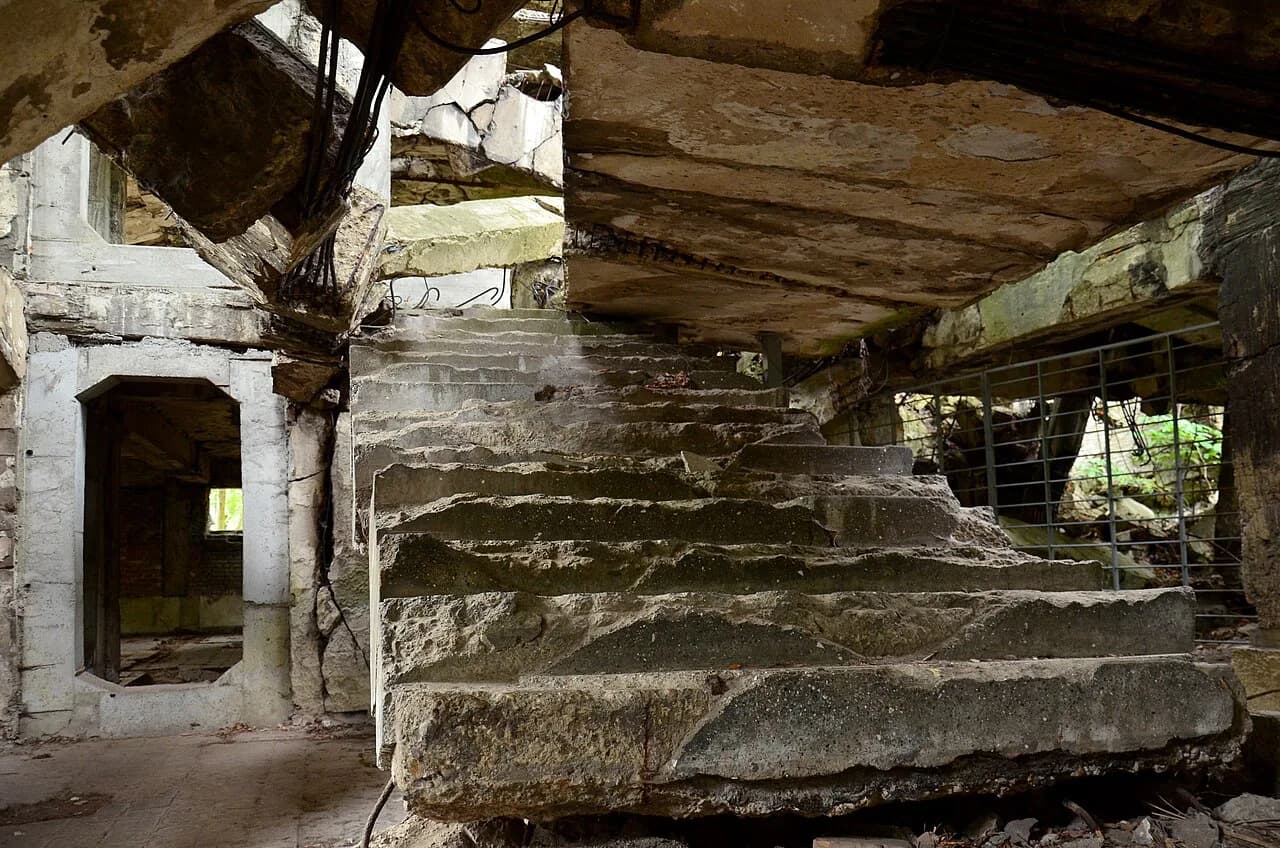
Two other wartime sites lie well outside the cities and need their own day. The Wolf's Lair (Wilczy Szaniec) in the northern forests is a long trip from Warsaw or Gdańsk, and Project Riese in the Owl Mountains of Lower Silesia needs a car and a full day.
Planning your days around museum opening times
Build your museum days against each venue's own published calendar first, then arrange the outdoor sites around them, since a battlefield or memorial does not depend on an opening time. Checking opening days before you commit to a route saves a wasted journey.
Check each museum's own site in the week before you travel for its current calendar and any ticket worth booking ahead. Outdoor memorials are the flexible part of your plan.
Weather decides which order works. Late spring and early autumn make comfortable conditions for walking outdoor memorials, when city breaks are at their best.
Sunday trading restrictions in Poland mean some shops are shut, so buy water and snacks on Saturday if your site day falls on a Sunday.
Which wartime site should you build your break around?
Build the trip around Gdańsk if you want the war's opening and its clearest museum interpretation in one place, or around Kraków if you want the ghetto, the camp memorial and the old Jewish district within walking distance. Choose Warsaw if you are more interested in destruction and rebuilding than in a single exhibition.
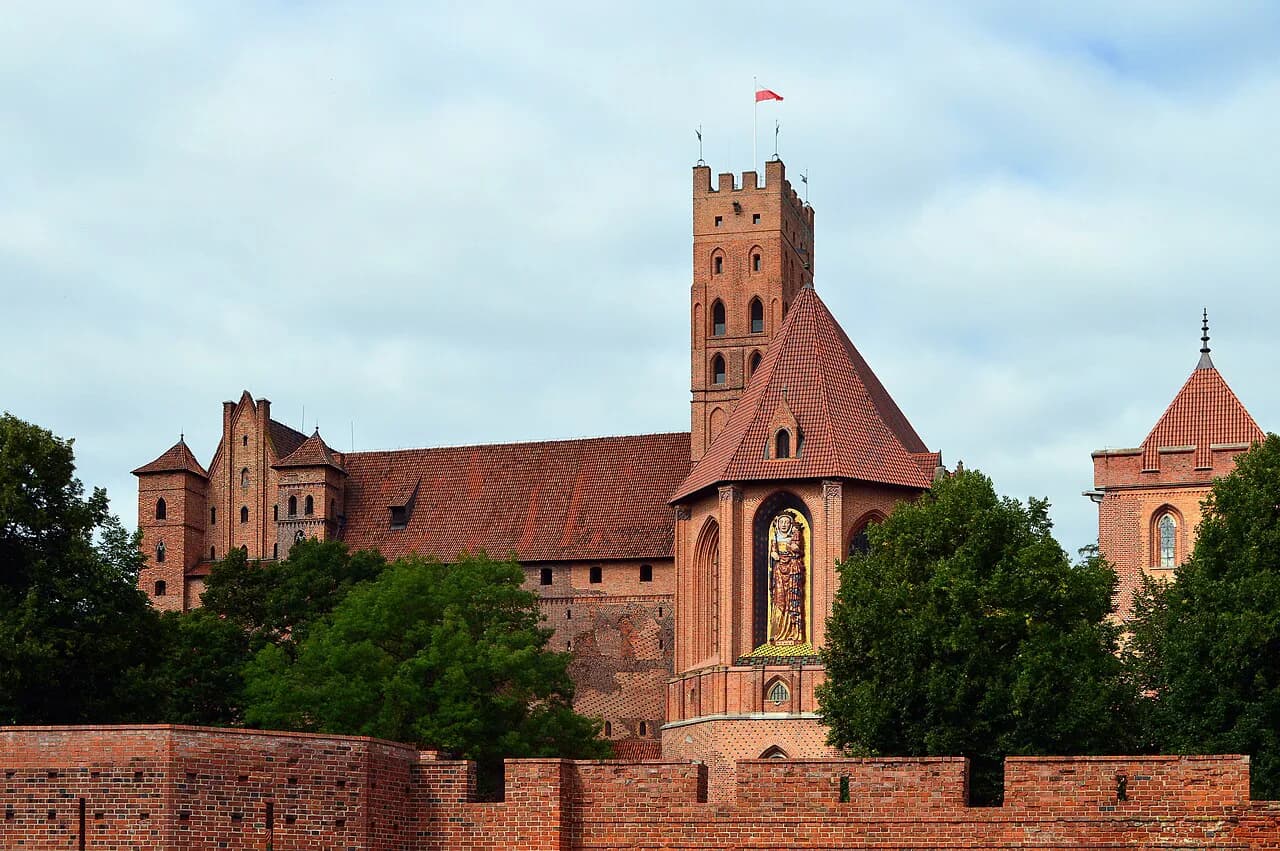
Whichever you pick, book the museums first, leave the outdoor days flexible and do not attempt more than one former camp in a single trip. If you later want lighter history, the castles in Poland make an easy counterweight to a heavy itinerary.
Explore more Poland guides
Frequently Asked Questions
Do you need to book Second World War museums in Poland in advance?
Check each museum's own website for its booking policy and current opening hours, and book online if it offers timed entry for the exhibition you want to see. Outdoor monuments and memorials need no ticket.
Are Second World War sites in Poland suitable for children?
Look for age guidance on each museum's own website, and apply it to the specific exhibition you plan to see. Former camps are best left for older children and a separate trip.
How much do tickets cost?
Ticket prices are set by each institution, so check the venue's own website for current prices in złoty before you book. Battlefields and outdoor memorials are the part of a wartime itinerary that costs nothing to walk.
Sources
Notes for your next Polish city break
Optional updates to our Poland guides.
You might also like

Continue reading
More guides you'll find useful