Alternatives to Kraków: Polish Cities Worth a City Break
Kraków is not the only Polish city break. Compare Gdańsk, Wrocław, Poznań, Łódź and Warsaw by old town, museums, layout and how many days each needs.
On this page
Swap Kraków for Gdańsk, Wrocław, Poznań, Łódź or Warsaw and you get a Polish city break with its own old town, museum set and rhythm, usually with thinner crowds. This guide compares the five on layout, headline sights, how many days each needs and how to sequence a visit, so you can choose before you book flights.
The trade-off is rarely quality; it is fit. Some cities hand you a compact, walkable centre, others sprawl or ask you to read industrial and rebuilt heritage on its own terms.
Which Polish cities work as alternatives to Kraków
The strongest swaps are the cities with a coherent historic core and enough museums to fill a rainy afternoon. Gdańsk and Wrocław lead on old-town atmosphere, Poznań on a lively market square, Warsaw on sheer museum choice and Łódź on a long main street with industrial heritage.
Treat Kraków as the benchmark for a first trip and the others as different flavours of the same country. If you want to see several in one holiday, build the route around rail links and give each city at least two nights, which is easier to judge once you have sketched a rough Poland itinerary around arrival days and museum closing days.
For a wider shortlist that weighs food, architecture and size, the best cities in Poland for a city break covers options beyond this five. Narrow to one or two here first, then use that page to confirm you are not missing a city that suits your dates better.
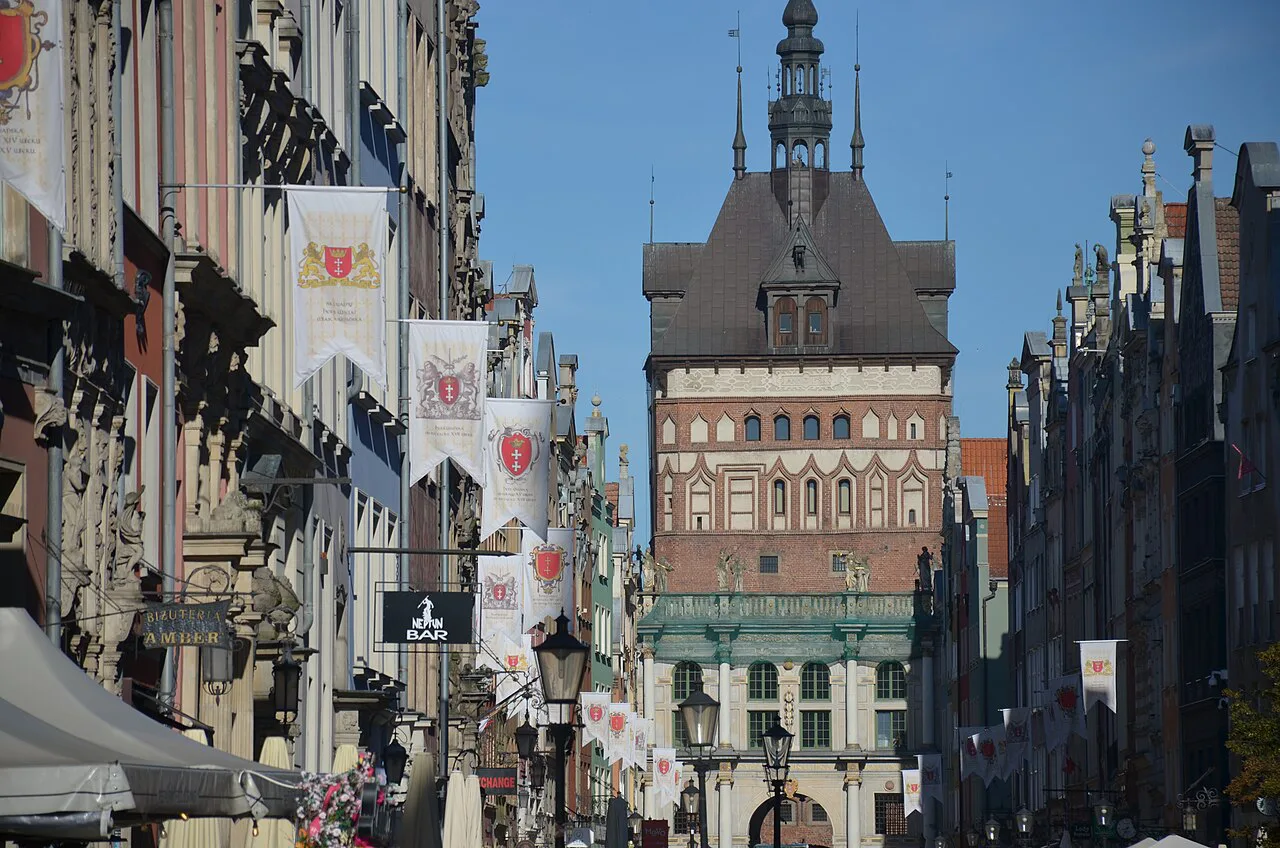
Gdańsk: Główne Miasto, Długi Targ and the Żuraw
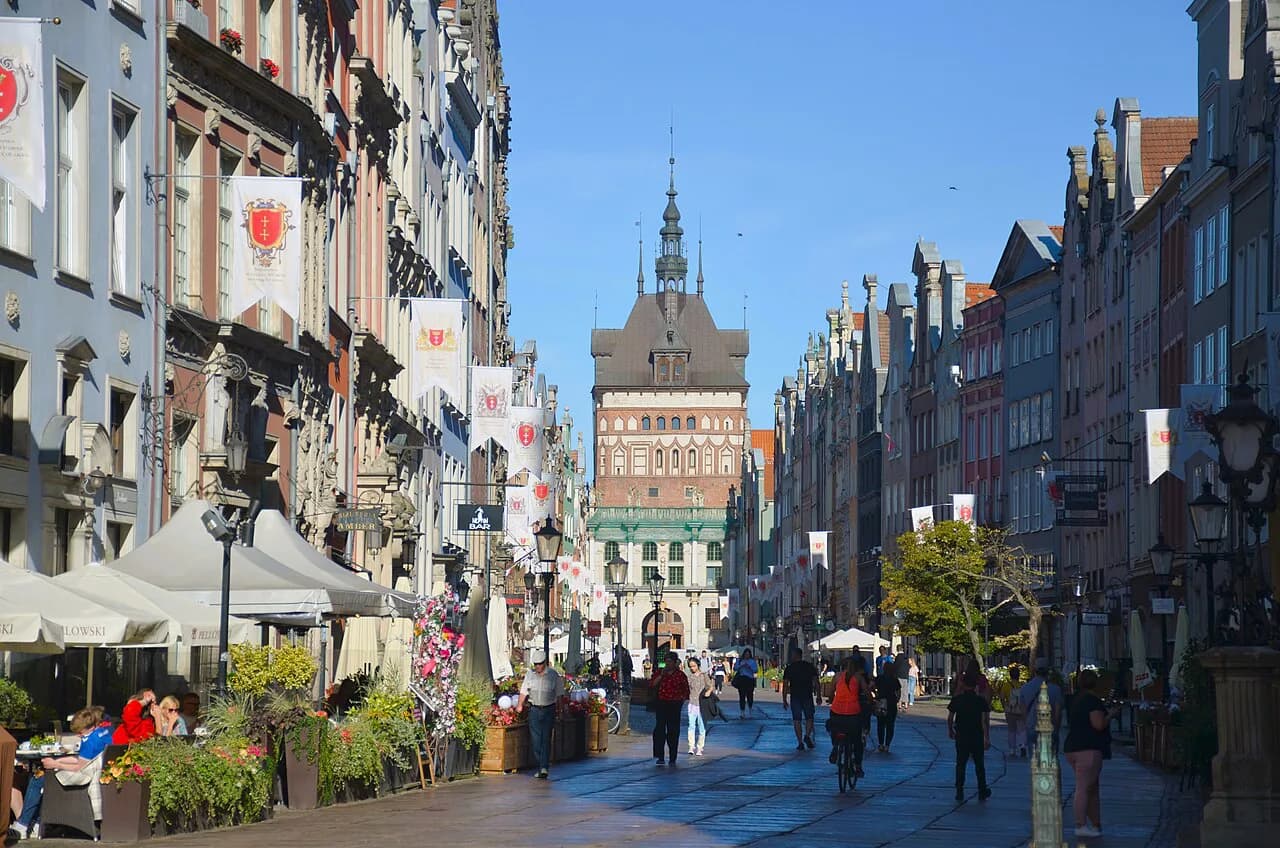
Gdańsk puts its showpiece in a tight, walkable package: Główne Miasto (Main Town) is threaded by Długi Targ, the long market square lined with tall, narrow burgher houses, and the waterfront brings you to the Żuraw, the medieval crane that has become the city's signature. Maritime and war history sit within a few minutes of each other, so a single morning covers a lot of ground.
The honest trade-off is that Gdańsk's most famous streets are busy in high season and smaller than the postcard suggests, and the Baltic weather can turn a waterfront stroll into a dash. Plan indoor museum time as a buffer rather than a filler.
If your trip is a choice between several Polish cities rather than one, a page on where to go in Poland helps you weigh Gdańsk against inland options before you commit to the coast.
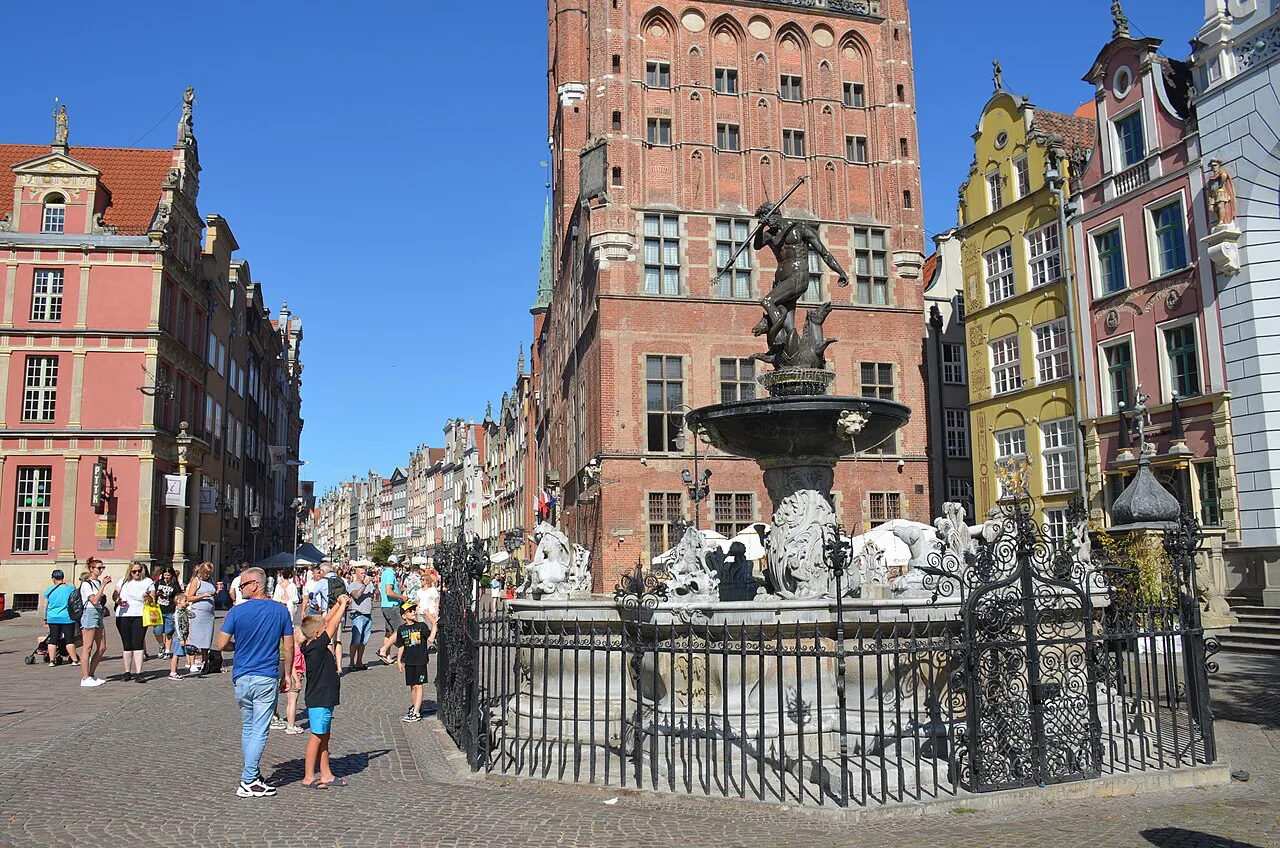
Wrocław: the Rynek and Ostrów Tumski
Wrocław spreads its appeal across the Rynek, one of the largest market squares in Poland, and Ostrów Tumski, the cathedral island reached by a short walk over the Odra. The two give you a Gothic civic centre and a quieter ecclesiastical quarter in one day, with the riverbank in between.
This is the city that most closely matches Kraków for density of squares, churches and museums, but its sightseeing area is more dispersed, so you walk a little further between set pieces.
Give Wrocław two full days: one for the Rynek and its surroundings, one for Ostrów Tumski and a museum, which leaves the evening free rather than squeezing everything into a single loop.
Poznań: the Old Market Square and cathedral island
Poznań follows the same two-part pattern as Wrocław on a smaller scale: a compact Old Market Square with colourful townhouses and a separate cathedral island, Ostrów Tumski, a short walk away. That makes it easy to cover the historic core on foot in a day and spend a second day on museums or a longer wander.
Poznań is the quietest of the five as a tourist proposition, which is its advantage and its limitation; you will not find the same volume of headline sights, so it suits travellers who prefer a relaxed, lived-in city to a checklist.
In Gdańsk, Wrocław and Poznań alike, the old-town core is the part you walk, not the part you commute through. Book accommodation with that in mind even though the exact neighbourhoods are a separate decision.
Łódź: Piotrkowska and the city's industrial heritage
Łódź is the outlier. Its centrepiece is Piotrkowska, a long commercial street rather than a market square, and much of its character comes from nineteenth-century industrial wealth: factories and villas, plus industrial heritage in nearby Silesia such as the workers' district of Nikiszowiec, which lies out at Katowice rather than in Łódź itself. This is heritage you read through architecture and museums rather than through an old town.
The trade-off is real: Łódź has no postcard square to anchor a first visit, and its sights are strung along streets and across districts instead of clustered. Travellers who want cobbles, towers and a compact old town in an hour will find it harder work.
Come for two days and treat Piotrkowska as your base line, with a half-day for the industrial districts. If you are still deciding between the cities, the comparison of Łódź against the more obvious choices belongs in the wider best cities in Poland for a city break, where industrial cities and old-town cities sit side by side.
Warsaw: a rebuilt Old Town and the largest museum choice
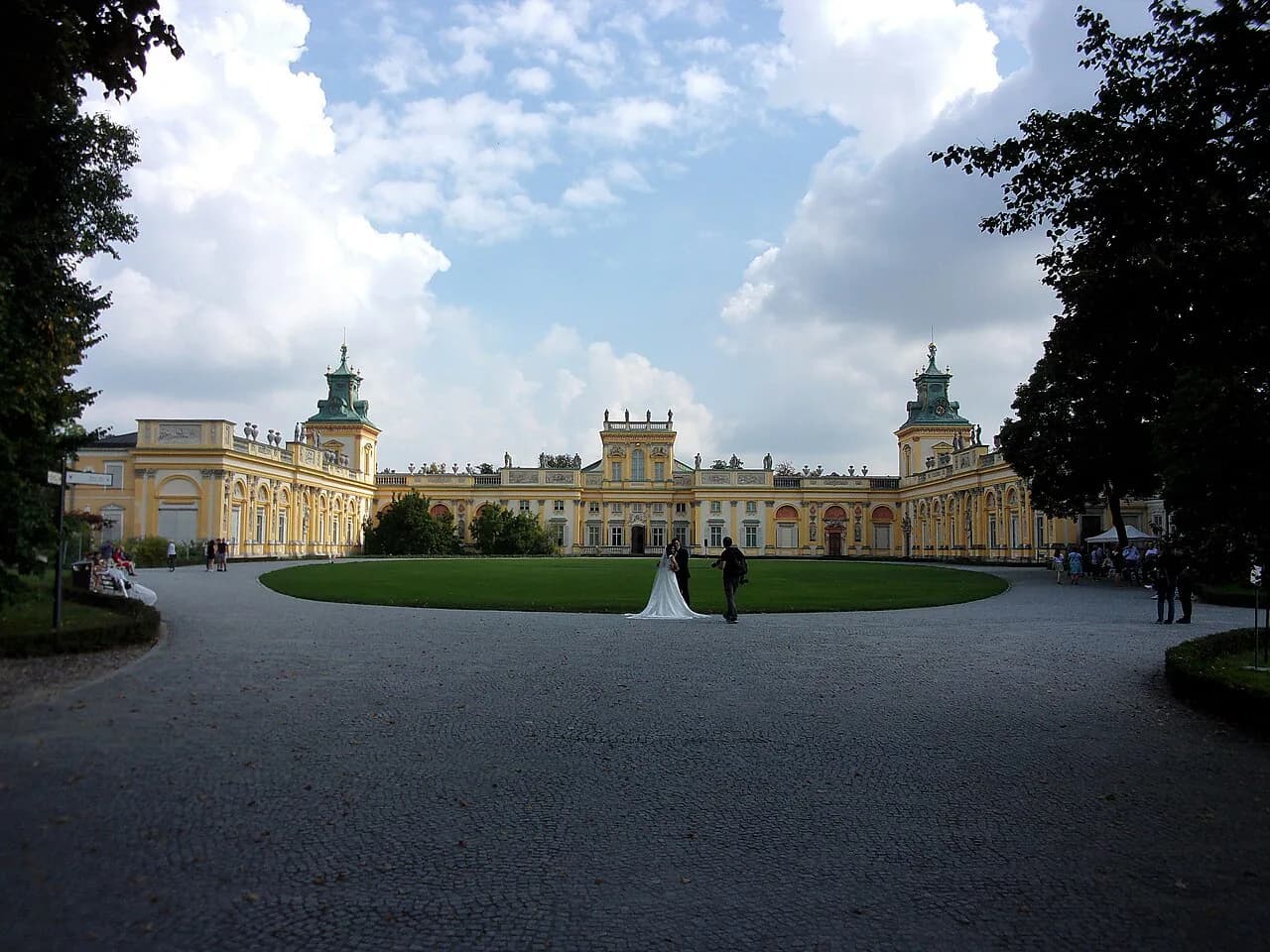
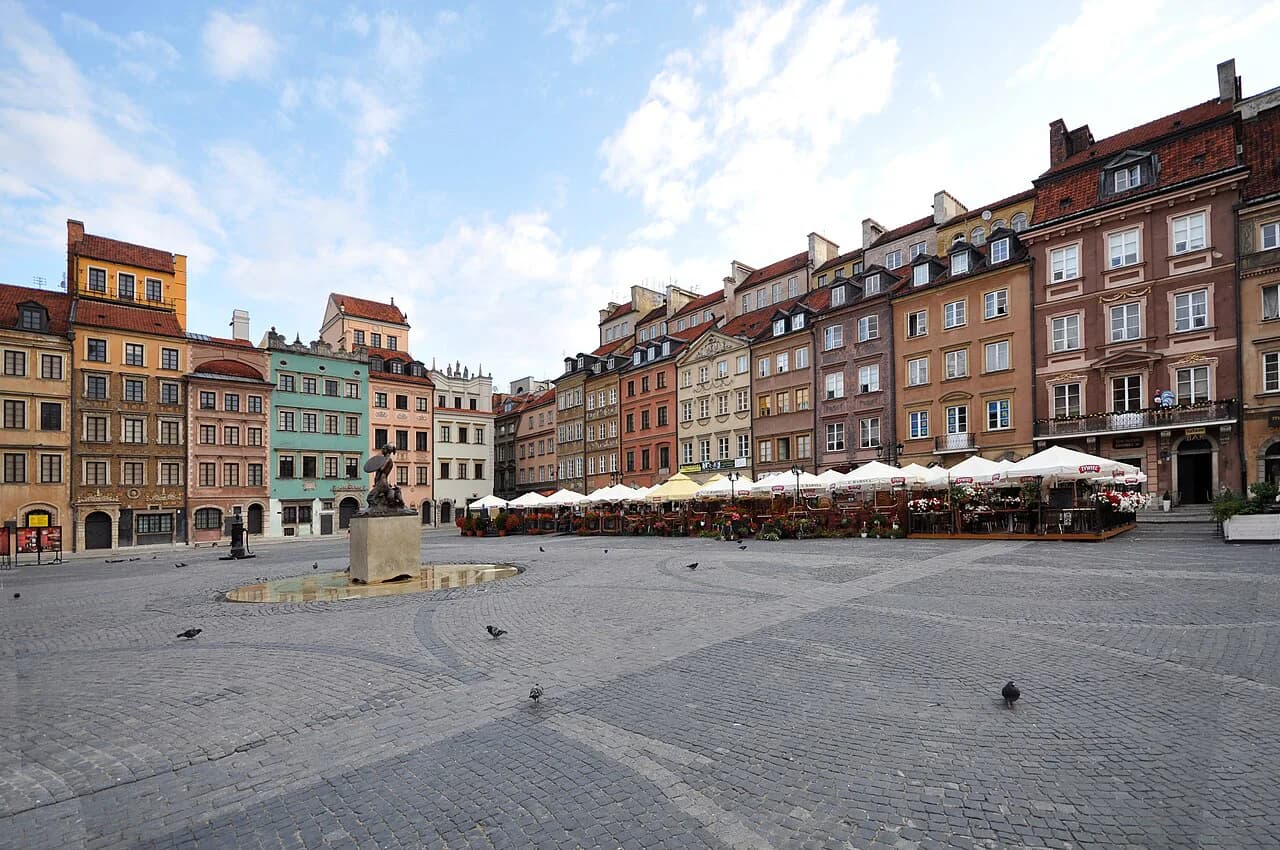
Warsaw's Old Town was reconstructed after the destruction of the Second World War, and visiting it means understanding that history rather than expecting medieval fabric. In exchange you get the biggest museum choice in the country, from the Warsaw Rising Museum to the POLIN Museum of the History of Polish Jews, plus a modern city centre that feels nothing like Kraków.
The rebuilt Old Town is a genuine draw, not a consolation prize, but it is small and heavily visited, so do not build a whole break around it. Warsaw rewards travellers who want contemporary city life and serious museums alongside a historic core.
Two days in Warsaw is a museum-led visit, three is comfortable. Fitting Warsaw into a longer route is straightforward, and a full Poland itinerary that treats Warsaw as one stop rather than the whole trip keeps the museum days from swallowing the holiday.
How each city compares on size, layout and days needed
Ranked for compactness, Gdańsk's Główne Miasto and Poznań's Old Market Square are the easiest to cover on foot, with Wrocław close behind once you accept the walk to Ostrów Tumski. Warsaw is the largest and most dispersed, and Łódź needs a deliberate plan because its highlights are not in one place.
As a rule of thumb, one full day suits Poznań's historic core, two days suit Gdańsk, Wrocław or Łódź, and two to three days suit Warsaw. A one-day visit to any of them is possible but leaves the museums for next time, which is the wrong trade if museums are why you travel.
The best cities in Poland for a city break sets these side by side with further options if none of the five quite fits. Use it after you have decided what you want from the break: old-town atmosphere, museum depth or a lived-in city with fewer visitors.
Choosing by trip length: one, two or three days
With one day, choose Poznań or Gdańsk: a compact core and a short walk between the headline sights leaves time to sit down. With two days, Wrocław gives you the Rynek and Ostrów Tumski without rushing, and Gdańsk adds its museums and waterfront.
With three days, Warsaw earns the extra time through museum choice alone, and Łódź justifies it if industrial history interests you more than squares. The common mistake is picking a city for its size on a map rather than for how its sights are arranged.
For a multi-city trip, two nights per city is a workable baseline, and the wider Poland itinerary shows how these stops stack into a week.
When to go and how Polish museum closing days affect your plan
Spring and early autumn give the best balance of daylight and walking weather in all five cities, and each has its own festival calendar that can raise prices or fill hotels. Check the specific dates you want against the city's own listings before booking, because event weeks change the mood of a short break more than the month does.
Museum closing days are the single biggest planning risk on a two-day break. Polish museums commonly close one day a week, and a city's headline museum may close on a different day from its neighbour, so confirm opening days for the specific venues you want before you fix your dates rather than discovering a closed door on your only full day.
Build the trip around the museums you care most about, then fill the gaps with squares, streets and waterfronts, which do not close. That way a closed gallery costs you a reshuffle rather than the reason for the trip.
Costs in złoty and what to budget per day
Budget in złoty (PLN) rather than converting from pounds each time, and treat museum tickets, meals and local transport as separate lines. Prices vary by city and season, and Warsaw runs higher than the others for accommodation and food, so a single national daily figure is misleading.
The honest approach is to pick your two or three must-see museums, look up their ticket prices on their own websites in PLN, and add a daily allowance for food and transport. A guide to whether Poland is expensive sets out what a city break really costs in złoty and how the cities compare.
Souvenirs are optional but budget for them: Baltic amber, ceramics and food gifts are widely sold, and prices are easier to judge once you know what you are buying.
Common mistakes when swapping Kraków for another city
The first mistake is assuming that every Polish old town is a compact ring of cobbles. Łódź and Warsaw, in particular, ask you to travel between districts, so allow more time or accept a shorter list.
The second is treating a day trip as the main event. Both Tarnów and Wrocław are promoted as easy days out from Kraków, and Tarnów, eighty kilometres from the city, has a preserved old town and Renaissance town hall worth more than a rushed afternoon.
The third is underestimating how much a single museum day shapes the trip. Decide which museum matters most in your chosen city, check its opening days, and plan the rest of the break around that fixed point rather than the other way round.
Which city should replace Kraków on your trip?
Pick Gdańsk or Poznań for a first swap, Wrocław for a classic two-day old-town break, Warsaw if museums are the point, and Łódź if you want industrial heritage and a long city street instead of a square. Each works; the choice comes down to days available and how far you are willing to walk between sights.
Fix your dates, check museum opening days for the venues you want, and set a złoty budget before you book. If you are still weighing destinations, the wider Poland itinerary and the city comparison will narrow the shortlist faster than another set of lists.
Frequently Asked Questions
Are Cracow and Kraków the same city?
Yes. Cracow is the English spelling and Kraków is the Polish one, with the diacritic on the o; the city is identical. If you are swapping it for another Polish destination, the practical question is not the name but which city suits your dates and how many days you have.
Is Kraków inexpensive compared with other Polish cities?
City-break costs vary by city and season, and Warsaw generally runs higher than the smaller old-town cities for accommodation and food. Rather than rely on a general reputation, look up museum ticket prices on each venue's own website and compare them with what you would spend on meals and local transport in the city you choose.
What are the top places to visit in Poland besides Kraków?
The strongest alternatives for a short break are Gdańsk, Wrocław, Poznań, Łódź and Warsaw. Gdańsk and Wrocław offer the most complete old-town experience, Poznań is the quietest, Warsaw has the widest museum choice and Łódź stands apart for industrial heritage along Piotrkowska.
Can you visit Wrocław or Gdańsk as a day trip from Kraków?
Both are better as city breaks than day trips, because the travelling eats into the time you would spend in the old towns. Base yourself in the city you want to see, give it at least one full day, and keep day trips for places close enough to reach and return from comfortably.
Sources
Notes for your next Polish city break
Optional updates to our Poland guides.
You might also like

Continue reading
More guides you'll find useful