
Poland Travel Tips for a First City Break: Money, Trains and Opening Days
Practical Poland travel tips for a first city break: using the złoty, trains between cities, restricted Sunday trading, museum closing days and when to go.
On this page
Pick your city first, then build the days around what is open: a first Polish city break works well in Gdańsk, Wrocław, Poznań or Łódź with złoty in your pocket, a train booked ahead and a midweek core. This guide covers money, intercity trains, Sunday trading, museum closing days, typical monthly temperatures and how to fit Warsaw in.
What currency Poland uses and how to handle złoty on a short break
Poland uses the złoty, written PLN, and prices in shops, museums and restaurants are quoted in it. When you pay by UK or US card, your bank may add a conversion charge on top. Withdraw cash from a bank ATM rather than a standalone currency machine in a tourist square, and if the machine offers to convert the amount into pounds or dollars for you, decline and let your bank handle it.
Whether cards are accepted and when you still need cash
Cards and contactless payment are widely accepted at museum ticket desks, restaurants and chain shops in Polish cities. Carry a little cash as a backup for small vendors, market stalls and family-run places that may prefer it, and keep a few coins for luggage lockers. If your bank charges a fee per transaction, paying once for the group rather than splitting every round keeps costs down.
How to get between Polish cities by train and how far ahead to book
Polish intercity trains connect the main city-break destinations on the same national network, so you can pair Gdańsk with Warsaw or Wrocław with Poznań without flying. Book a seat on the faster services ahead for the best chance of a cheap fare, and keep the ticket on your phone; unreserved regional trains are generally cheaper but slower. On longer legs, a first-class seat often costs little more and gives you room for luggage.
Restricted Sunday trading in Poland and what it means for your day
Sunday trading is restricted in Poland, which reshapes a Sunday city day: treat it as a day for museums, churches, parks and long lunches rather than shopping. Buy food, water and any pharmacy items ahead of Sunday, and check the opening hours of specific venues rather than assuming a shopping centre is open.
Museum opening days: why Monday catches people out and where free-entry days exist
Many Polish museums close one day a week, frequently Monday, so a two-day break that falls on Sunday and Monday can lose you the best indoor sights. Build the plan around Tuesday to Saturday where you can, and put your must-see museum on a weekday morning. Some museums run a free-entry day, so check the venue's own page for the day and any ticket limits before you rely on it. Reading the Poland itinerary helps you slot museums into a week rather than guessing.
Which months suit a one-to-four-day city break and what the weather averages are
May to September gives the most comfortable city walking, with typical averages around 17°C in May and 23°C in June, July and August, and rain possible in any month. April and October are quieter and often cheaper, while December and January average around 1–3°C and suit museum-heavy days rather than long strolls. These are climate averages, not forecasts, so treat them as a guide to what to pack and how much indoor time to plan.
Which city fits your days: Gdańsk, Wrocław, Poznań or Łódź
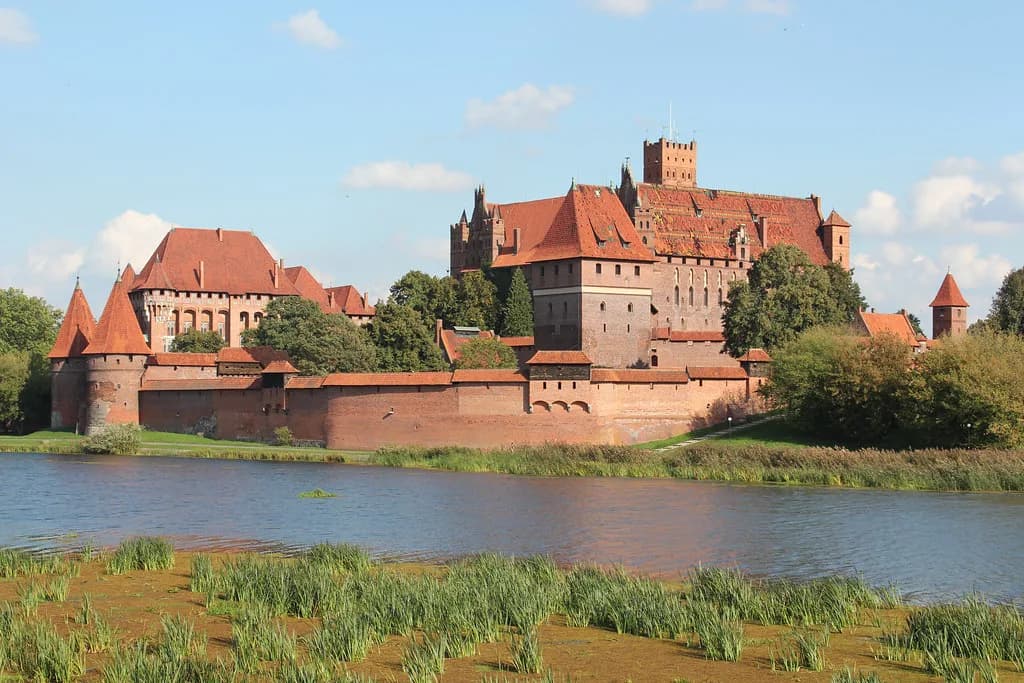
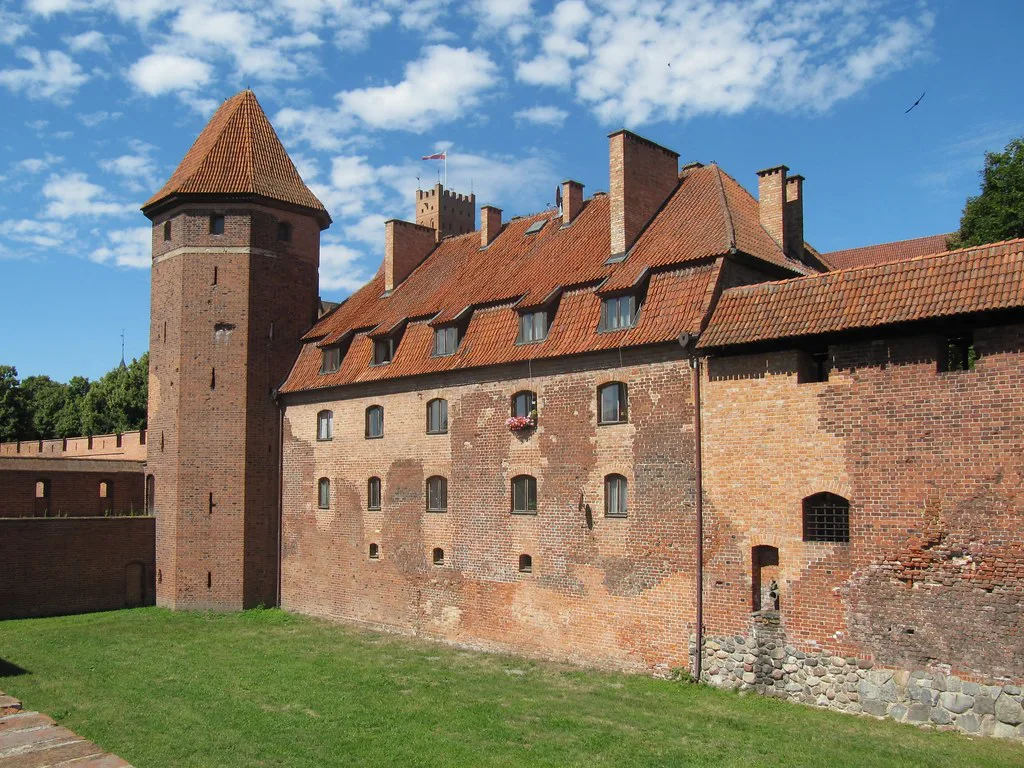
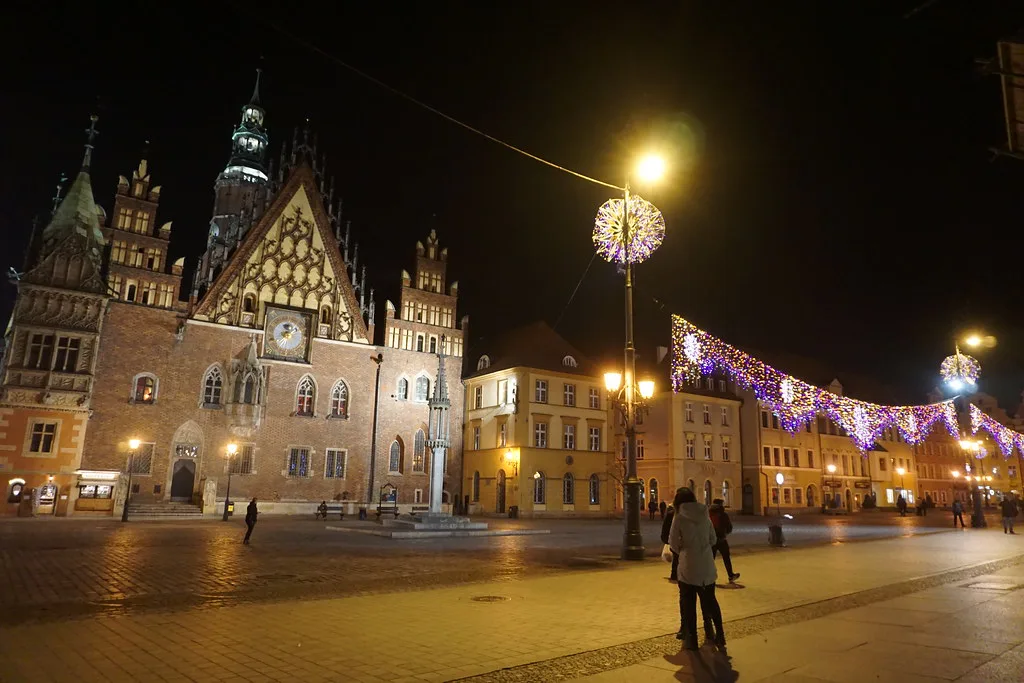
Gdańsk rewards two full days with its Główne Miasto, the long Długi Targ and the waterfront Żuraw, and it pairs well with Malbork Castle as a half-day. Wrocław works for two to three days around its Rynek and Ostrów Tumski, Poznań for two days around the old market square, and Łódź for one to two days along Piotrkowska and in Nikiszowiec. Compare the best cities in Poland before you book, and use alternatives to Kraków if you want a smaller, less crowded old town.
What a city break costs day to day in złoty
Poland remains one of the cheaper city-break countries in Europe, with mid-range hotels and restaurant meals costing noticeably less than in Germany or France. Budget in złoty rather than converting to pounds or dollars: museum tickets, tram rides and a sit-down lunch are the three lines that move most, and they vary by city. For a clearer breakdown of daily costs, read is Poland expensive.
How many days Warsaw needs if you add it to the trip
Warsaw needs two full days to cover the rebuilt Warsaw Old Town, a UNESCO World Heritage Site, plus the museum district and the riverfront. Three days lets you add a half-day out to Wilanów or a slower morning in Łazienki Park. If Warsaw is your only Polish stop, two nights is the minimum that feels unhurried.
Safety and petty theft in busy city centres
Polish cities are generally low-crime, but pickpocketing and bag-snatching do happen in crowded tourist areas, especially around main squares and on busy trams. Keep your phone out of a back pocket, wear a cross-body bag in market halls, and don't leave luggage unattended at station platforms. The same precautions you would use in any European city apply here.
Language: how far English gets you and the Polish names worth knowing
English is widely understood in hotels, museums and restaurants in the main cities, though older staff and smaller shops may prefer Polish. Learn a handful of place names so signs and tickets make sense: Główne Miasto means Main Town in Gdańsk, Rynek is the market square in Wrocław and Poznań, and Piotrkowska is Łódź's main street. A simple dzień dobry and dziękuję goes a long way.
Which city and how many days should you book?
If you have three days, choose Gdańsk for the Główne Miasto and the sea air, or Wrocław for the Rynek and Ostrów Tumski; plan a midweek core so weekday museums are open. With two days, Poznań or Łódź keeps costs down and walking distances short. Book the train as soon as your dates are fixed and plan Sunday around sights rather than shops.
Explore more Poland guides
Frequently Asked Questions
Do I need a visa to travel to Poland from the UK or US?
Entry rules depend on your nationality, so check your own passport's validity and Poland's current entry requirements before you book, as they can change over time.
What power plug does Poland use?
Polish sockets take type C and type E plugs with two round pins, so UK and US travellers need an adapter for laptops and phone chargers.
Sources
Notes for your next Polish city break
Optional updates to our Poland guides.
You might also like



Continue reading
More guides you'll find useful


