Best Cities in Poland for a City Break: Where to Go and How Long
The best cities in Poland for a short break, matched to what you want: sea air in Gdańsk, colourful squares in Wrocław and Poznań, Gothic Toruń, big Warsaw.
On this page
Pick the city to fit the days you have, not the other way round: two days suits Toruń or Poznań, three to four days suits Wrocław, Gdańsk or Warsaw, and a week lets you pair two of them. Poland's short-break cities are close enough together that the choice is really about style — Hanseatic brick and sea air, a vast colourful market square, a walled Gothic town, or a capital of museums and parks. This guide sets out what each city is best at, how long it needs and how they connect by rail, so you can slot the right one into your Poland itinerary.
Which Polish cities are worth a city break, and what each is best at
Five cities do the heavy lifting for a one- to four-day break: Gdańsk on the Baltic, Wrocław and Poznań in the west with big colourful old-town squares, Toruń with its medieval walled centre, and Warsaw as the capital option. Each is a distinct trip rather than a variation on the same one, which is why comparing them by travel style works better than a top-ten list. Kraków remains the benchmark first city for many visitors and a complete short break in its own right, so it can sit at either end of a trip.
Trip length decides more than anything else. The sensible split is two to three days for Wrocław and Poznań, two days for Toruń, three to four days for Gdańsk and Warsaw, and a longer stay only if you want day trips out of the city — a structure that matches how travellers tend to divide a Polish weekend between historic centres, museums and coastal getaways. Match the city to the days you can actually take, then build the days around the named sights below.
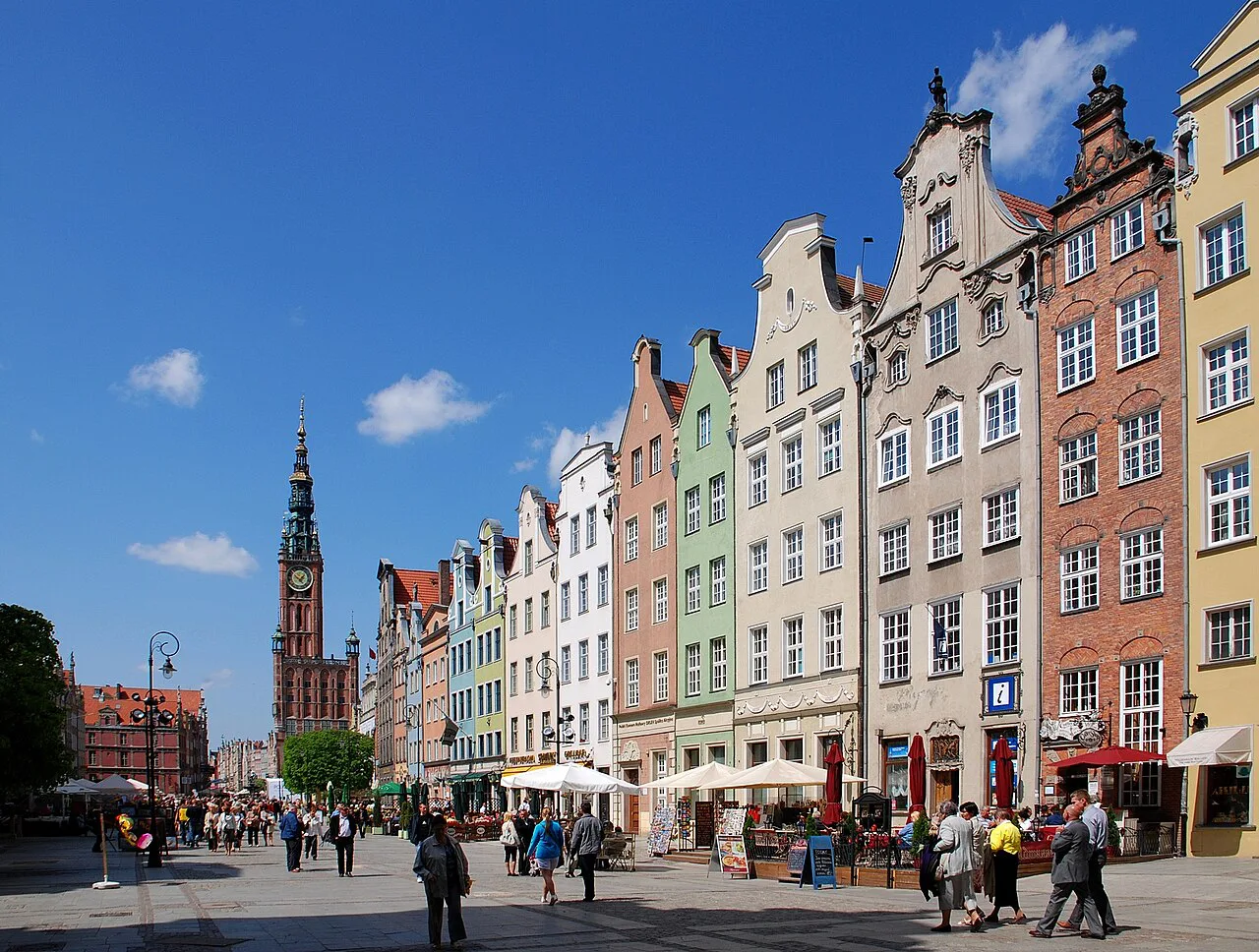
Gdańsk: Hanseatic Main Town, the Crane and a Baltic setting
Gdańsk is the pick if you want a historic city by the sea with serious modern museums. The old centre splits into the Główne Miasto (Main Town) and the riverside strip along the Motława, where the Żuraw (the Crane) — the medieval port crane — anchors the waterfront walk. Długi Targ, the long market square, is the social heart: brick merchant houses, the town hall and the Neptune fountain, all within a few minutes of each other on foot.
Allow three to five days here, which covers the old town, the Second World War museum content and a short hop to Sopot for sea air. Sopot is a seaside resort next to Gdańsk, reachable by train, and worth half a day rather than a trip in itself. Gdańsk is the one city on this list that combines a colourful old town, war-related museums and the coast in a single base.
Gdańsk works best as a standalone long weekend or as one end of a longer rail trip rather than a quick add-on to a southern city, because it sits well north of the others. It is also the one city here where the Baltic and the seaside resort of Sopot are part of the plan, so leave room for a half-day away from the old town. The trade-off is that a compact weekend in Gdańsk leaves less time for the museums than the same days in Warsaw.
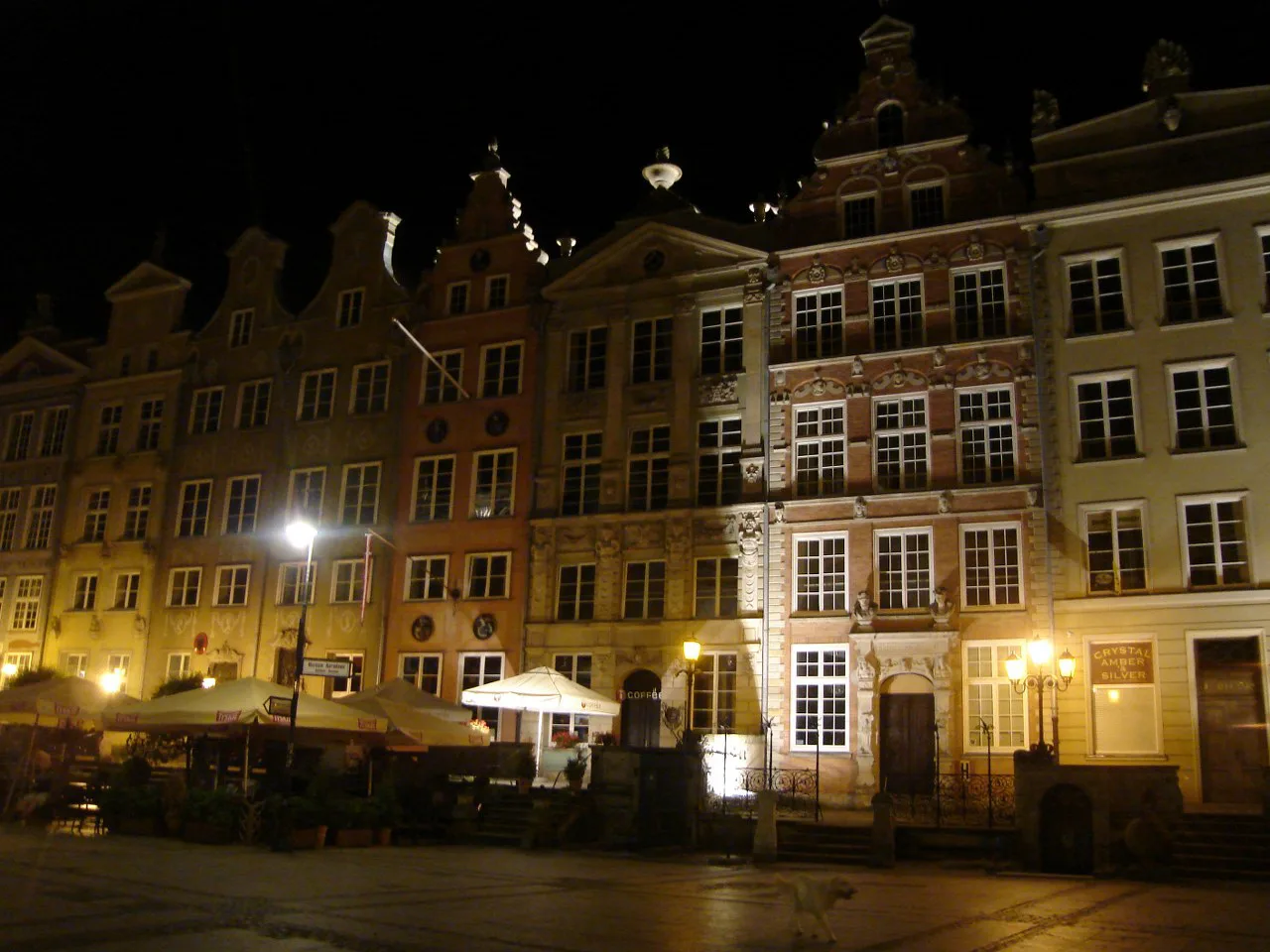
Wrocław: a colourful market square and quieter streets
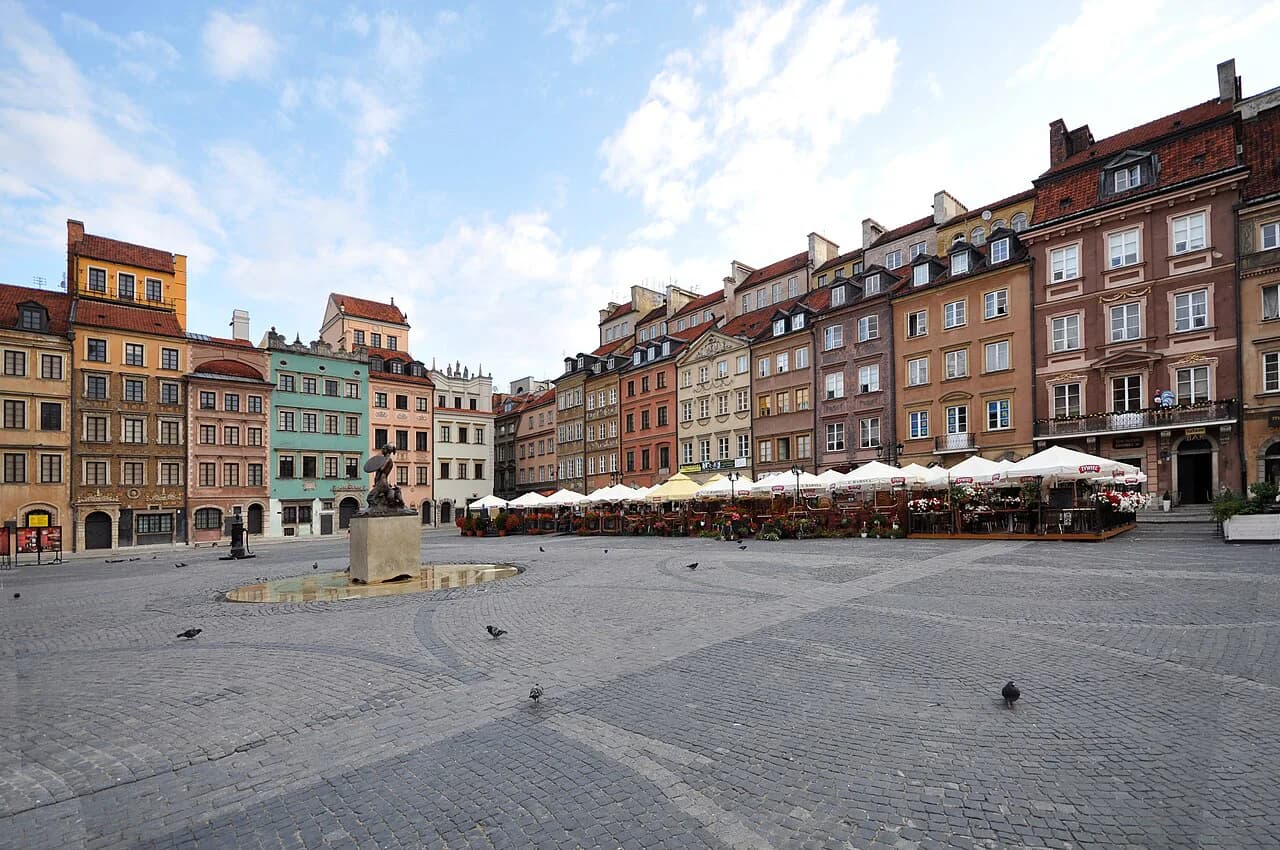
Wrocław suits travellers who like colourful historic centres without the crowds of the biggest names. The market square, the Rynek, is the anchor, with the town hall in the middle and cafés under the arcades; beyond it, the streets towards the university and the river islands are quieter and better for wandering. Two to three days is the sensible allocation: one full day on the Rynek and the old town, one on the churches and parks, and a half-day buffer.
Wrocław is also the handiest base for a short trip because it is compact and easy to walk, and it rewards slower days rather than a checklist. Architecture, panoramic church towers and riverside parks are the reasons to come; if you want big set-piece museums, Warsaw is the stronger choice. Wrocław generally makes it easier to keep a city-break budget under control than Warsaw or Gdańsk in high season.
Poznań: an old-town square and a compact centre
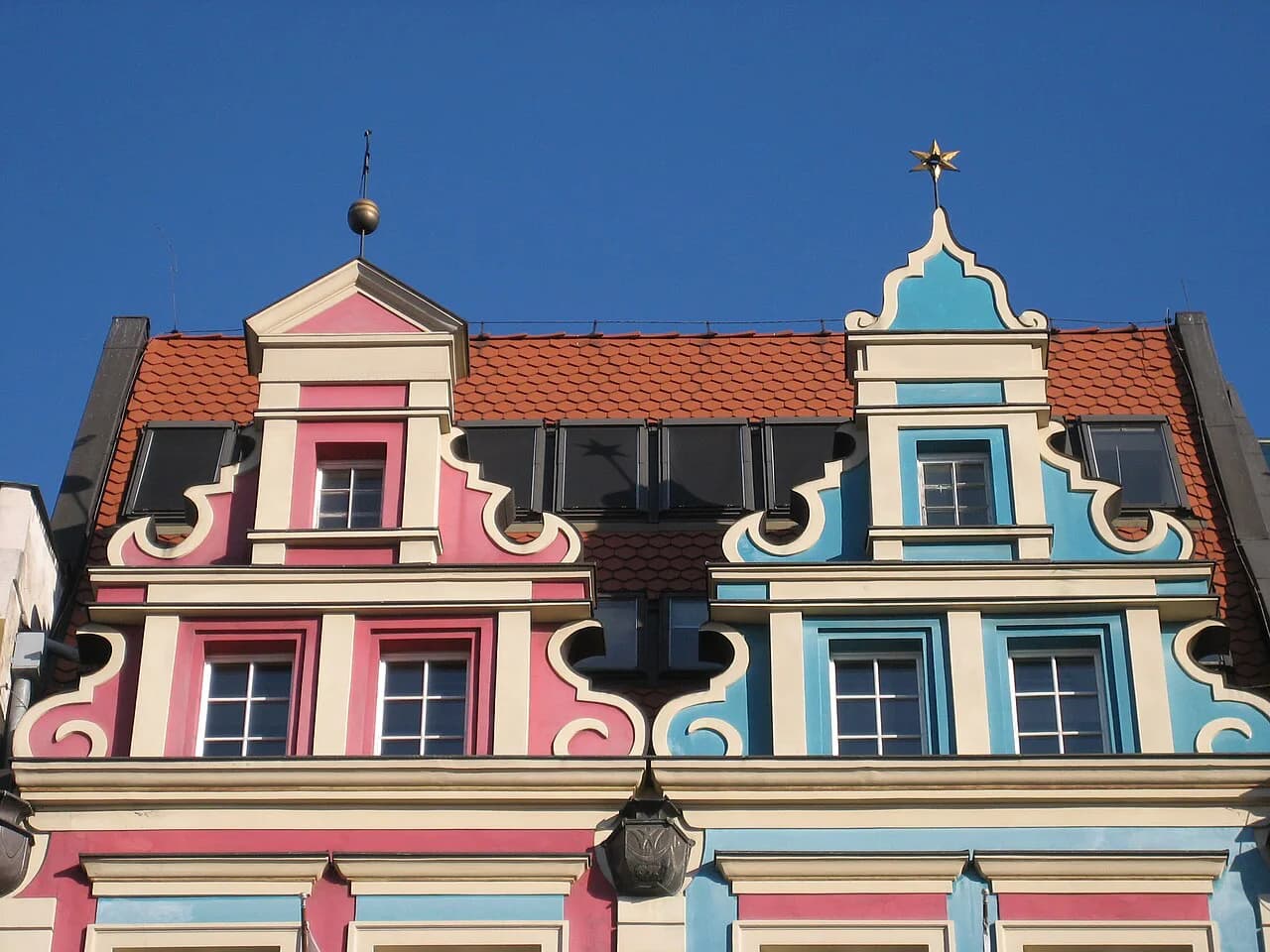
Poznań is the unexpected one: a colourful old-town square, original museums and lakes and parks on the edge of the city, all within two to three days. The centre is compact enough to cover on foot, with the market square as the natural starting point and the surrounding streets holding most of what a short break needs. It is a good choice if you already know the big names and want a city that still feels under-visited.
Treat Poznań as a relaxed two- or three-day stop rather than a headline destination: the appeal is the atmosphere of the old town plus a couple of good museums, not a packed sightseeing schedule. Because the centre is small, you can spend the first morning orienting yourself and still see the main square, the churches and a museum by the end of the day. Pair it with Wrocław, a straightforward rail hop south, for a four- or five-day two-city trip.
Toruń: a walled Gothic old town for a short, slow stop
Toruń is a fortified medieval town on the Vistula, and it is best treated as a quiet short stop rather than a headline destination. Two days covers the walled old town, the Copernicus and gingerbread museums that give the place its identity, and a riverside walk with views back at the skyline. The scale is the point: you are not rushing between districts, and one evening is enough to eat well in the centre.
Use Toruń as a two-day link in a longer route rather than a destination in its own right. It sits between Gdańsk, Poznań and Warsaw by rail, so it works well as a break in a journey — one night, one full day, then onward. If your trip is only a weekend, save Toruń for a return visit and give the time to a bigger city instead.
Warsaw: the big-capital option for museums and parks
Warsaw is the extended-weekend choice: a large capital with numerous museums, parks and Second World War remembrance, and it needs three to four days to feel properly visited. The reconstructed Warsaw Old Town and the Royal Castle area give you the historic core, while the museum district and the big parks fill the rest of the days. It is also the most urban of the five cities, so the rhythm is different — more time indoors in galleries, more distance between sights, more use of trams and the metro.
Choose Warsaw if you want a capital-city break with serious museums and green space, and accept that you will not walk everywhere. It also makes the best starting or finishing point for a rail-based trip, since the other cities on this list connect to it directly. The capital and Gdańsk can both run more expensive than Wrocław, Poznań or Toruń depending on the season and neighbourhood.
How the cities link by train, and pairing two into one trip
All five cities sit on the national rail network, which is what makes two-city trips realistic. The natural pairings are Gdańsk with Toruń on the north–south line, Toruń with Warsaw, and Wrocław with Poznań in the west; each pair fits into four to five days without feeling rushed. A longer route — Gdańsk, Toruń, Warsaw — covers three very different cities in about a week.
Build the trip around one-night minimum stays and travel in the morning, so the arrival city still gives you an afternoon. Toruń is the natural one-night stop; Wrocław, Poznań and Gdańsk each deserve at least two nights, and Warsaw three. Check timetables and seat reservations for your specific dates, since schedules change by season.
How to choose: trip length, time of year and what you want from the days
Match the city to the trip you can actually take. A two-day weekend points to Toruń or Poznań; three days to Wrocław or Gdańsk; four days to Warsaw or a two-city combination. If you are travelling mainly for museums and remembrance, Warsaw and Gdańsk carry more weight; for colourful squares and slow wandering, Wrocław and Poznań are the better fit.
Time of year matters less than you might expect, because all five are walking cities with indoor museums for wet afternoons. Summer is the easiest season for long days outdoors, and Gdańsk is the only one where the coast is part of the plan. Practicalities such as museum closing days are worth checking before you book, and these Poland travel tips cover the rest of the groundwork.
On costs, the picture is straightforward: Poland is affordable for a short break compared with most of Western Europe, and the differences between these cities are a matter of degree rather than order of magnitude. Wrocław, Poznań and Toruń tend to be the easiest on the wallet; Warsaw and Gdańsk can cost more in high season and in the most central neighbourhoods. If you want the detail on what a break actually costs in złoty, the guide to whether Poland is expensive sets it out city by city before you commit.
Kraków as the benchmark first city and a transport hub
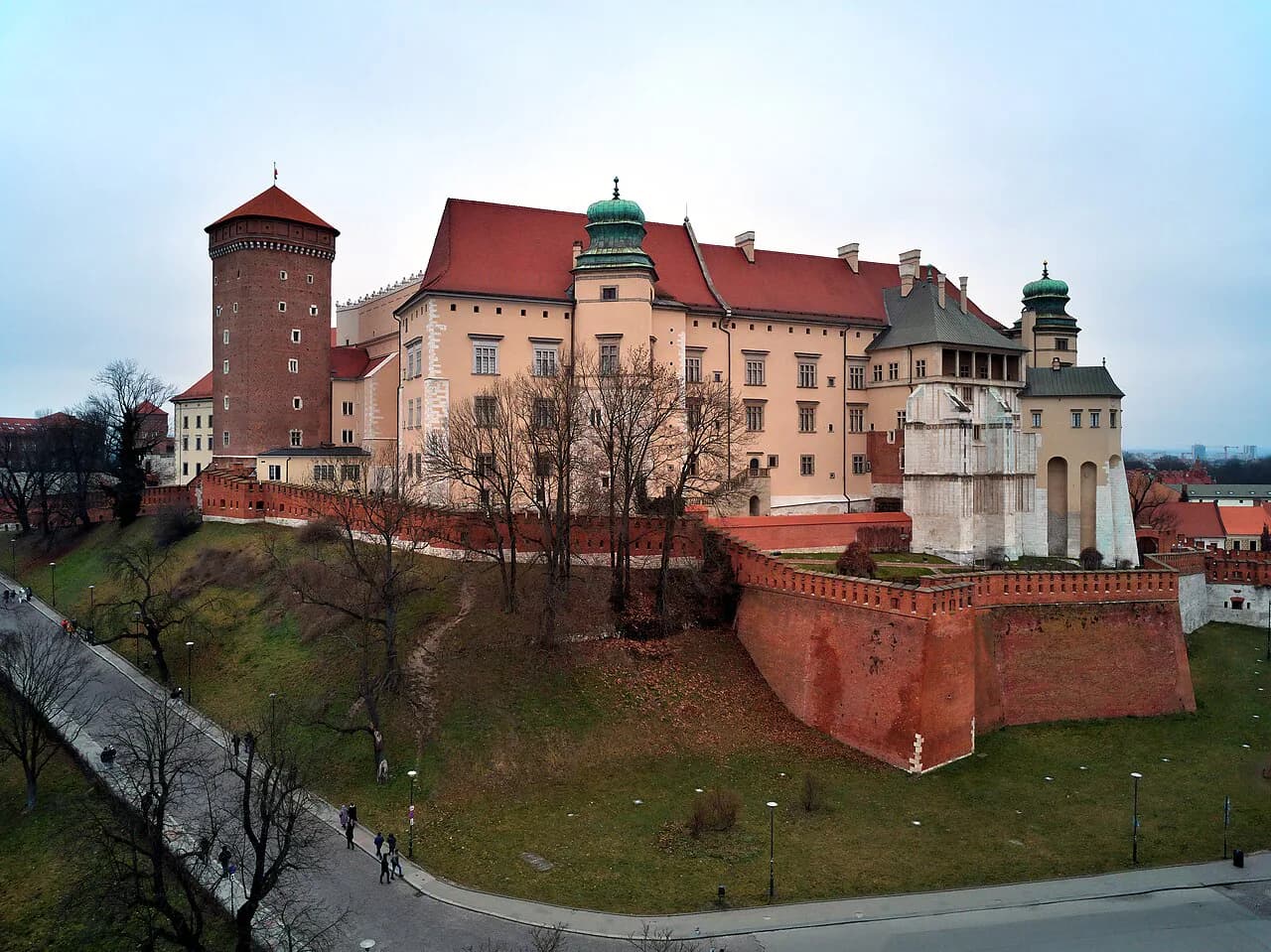
Kraków is the city most first-time visitors use as their baseline, and it remains a complete short break in its own right: a UNESCO-listed old town, a castle and a former Jewish quarter. Treat it as the comparison point rather than the default, and decide whether your days are better spent on sea air, a market square or a capital's museums.
If Kraków is already on your list, use it as the starting point and add one of the cities above rather than trying to see everything from one base. The choice then comes down to travel time: Gdańsk is far north, Warsaw and Toruń are on the main north–south corridor, and Wrocław and Poznań sit west. A rail map plus a realistic number of nights is all you need to settle the route. For what to buy along the way, the guide to Polish souvenirs covers ceramics and food gifts worth carrying home.
Which city should you book for your Polish break?
Book Gdańsk for sea air and Hanseatic brick, Wrocław or Poznań for a colourful market square and a slower pace, Toruń for a two-day Gothic stop, and Warsaw when you want a capital's museums and parks. If you have five days or more, pair two of them by rail rather than squeezing a single city. The deciding factor is the number of nights, not a ranking, and the Poland itinerary lays out how the pairings fit together.
Explore more Poland guides
Frequently Asked Questions
Which city is the most beautiful in Poland for a short break?
Beauty is subjective, but the cities with the most striking historic centres for a short break are Gdańsk for its Hanseatic waterfront and the Crane, Wrocław and Poznań for large colourful market squares, and Toruń for its walled Gothic streets. Kraków remains the classic first choice and a complete short break in its own right, not just a hub for the others.
How many days do you need in each Polish city?
As a practical guide, allow two days for Toruń, two to three days for Poznań and Wrocław, and three to four days for Gdańsk and Warsaw. Add a travel half-day whenever you move between cities, and avoid one-night stops in Warsaw or Gdańsk, where the distances between sights make a single day feel rushed.
Do the main Polish cities connect by train?
Yes. Gdańsk, Toruń, Warsaw, Wrocław and Poznań all sit on the national rail network, and the most useful pairings for a short trip are Gdańsk with Toruń, Toruń with Warsaw, and Wrocław with Poznań. Check schedules and whether your route needs a seat reservation when you book, since timetables vary by season.
Which city should I pick if it is my first trip to Poland?
Kraków is widely treated as the best-balanced first city, with a UNESCO-listed old town, a castle and major memorial sites. If you want to start elsewhere, Gdańsk and Sopot combine a historic town, the Baltic coast and Second World War museums, while Warsaw and Wrocław suit a museum- and city-focused break.
Sources
Notes for your next Polish city break
Optional updates to our Poland guides.
You might also like

Continue reading
More guides you'll find useful