Where to Go in Poland: Which City Suits Your Trip
Where to go in Poland depends on your trip: Gdańsk for Baltic history, Wrocław for river islands, Poznań for Renaissance streets and Łódź for industrial heritage.
On this page
For a first city break in Poland outside Kraków, pick Gdańsk for Baltic and wartime history, Wrocław for river islands and a lively Rynek, or Warsaw for a rebuilt Old Town and grand parks. Poznań and Łódź suit shorter, cheaper breaks with fewer crowds, and Toruń works as a compact medieval day. This guide matches each city to your trip length and interests, so you choose one place and do it properly rather than racing between four.
The trade-offs are real. Gdańsk carries heavy wartime history alongside its postcard streets; Wrocław is more about wandering islands and squares than tick-box sights; Warsaw is bigger and needs more time. A four-day break can hold a main city plus one add-on — Malbork Castle from Gdańsk, or the Tatras from a southern base — but not two cities at opposite ends of the country.
Where to go in Poland: the short answer
Gdańsk, Wrocław, Poznań, Warsaw, Łódź and Toruń each have a distinct character rather than interchangeable old towns. Gdańsk and Wrocław are the strongest all-round picks for a three- or four-day break; Poznań and Toruń reward two days; Warsaw needs at least two full days to cover the Old Town and the wider city.
If your main interest is scenery rather than streets, Zakopane and the Tatra Mountains are the obvious alternative, and Malbork Castle is a straightforward half-day add-on from Gdańsk. Neither is a city break on its own. Compare character and pace in our round-up of the best cities in Poland, then come back here to plan the days, and use our Poland Itinerary for the day-by-day structure.
How to choose: days available, season and what you want from a city
Start with the number of full days you actually have, not the number of nights. Two days suits one compact city; three days lets you add a museum or a second neighbourhood; four days opens up a day trip such as Malbork from Gdańsk or Wilanów from central Warsaw. Anything less than two full days leaves you seeing train stations and squares rather than cities.
Then narrow by interest. Choose Gdańsk for port history and the wartime story, Wrocław for islands and riverside wandering, Warsaw for the scale of a capital with rebuilt heritage and royal parks, Łódź for industrial architecture and Piotrkowska's long commercial street, and Toruń for a compact Gothic centre. Season matters mainly for how much time you want outdoors; the south and the mountains are for warmer months, while the northern cities reward dry weather rather than heat.
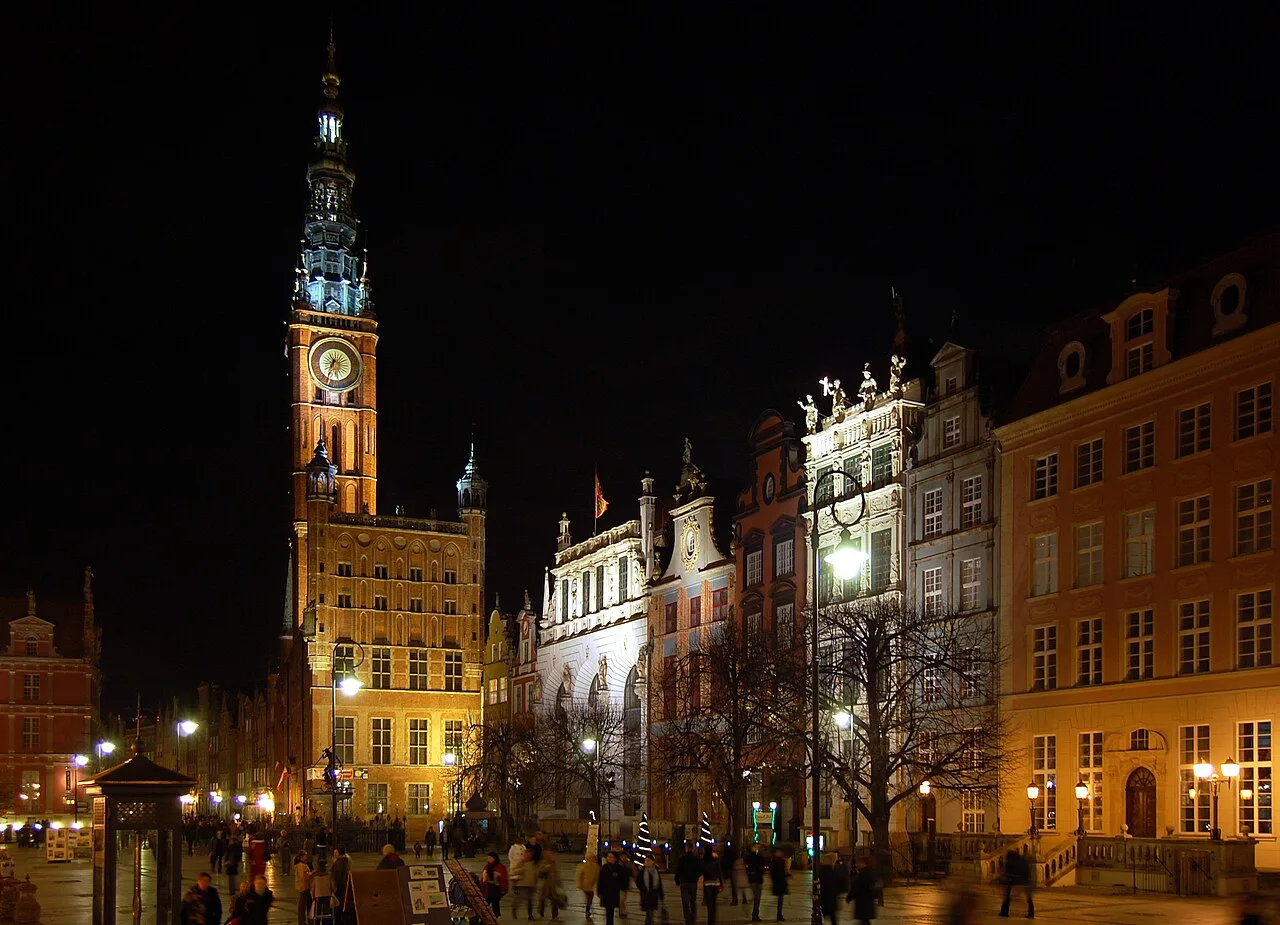
Gdańsk and the Baltic coast: Główne Miasto, Długi Targ and the Żuraw
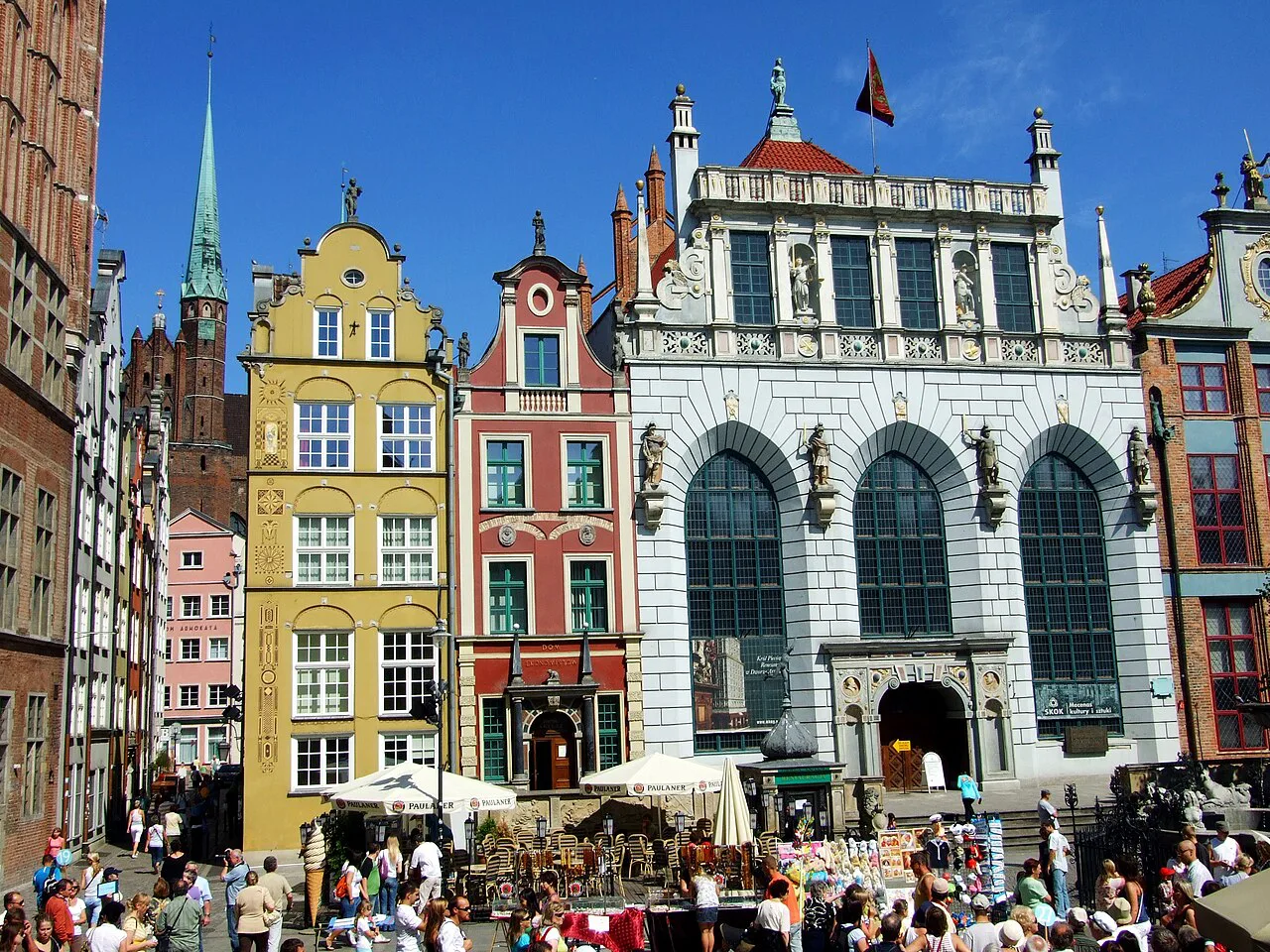
Gdańsk's appeal is concentrated in the Główne Miasto, where the Long Market (Długi Targ) forms the long market square lined with tall, narrow merchant houses, and the waterfront recalls the port's trading past. The city is also where the first clash of the Second World War happened during the German invasion of Poland, which gives the museums here a weight that the pretty facades alone do not explain.
Plan two full days for the Main Town and its museums, plus a third if you add Malbork or a coastal run. The city's museums are numerous and varied, and a maritime or wartime museum can absorb a whole morning. Amber shops are everywhere in the old streets; read our guide to Polish souvenirs before you buy so you know what you are looking at.
Wrocław: the Rynek, Ostrów Tumski and the river islands
Wrocław spreads across the Oder's islands, which gives the centre a different rhythm from a single-square old town. The Rynek is the main market square, and Ostrów Tumski, the old cathedral quarter, sits across the river and is best reached on foot through the island streets. The city also appears on round-ups of Poland's most beautiful places, and it earns that for the mix of architecture rather than one headline sight.
Two days is enough for the Rynek, the cathedral quarter and a museum or two; three days lets you slow down and explore the islands properly. Wrocław is the best pick if you want wandering rather than a checklist, and it pairs naturally with a river walk at the end of each afternoon.
Poznań: the Renaissance market square and the city's early history
Poznań is associated with early Polish history and a Renaissance-era market square that forms the heart of the old centre; the city's own heritage is set out as Renaissance streets and regional food, not one dominant monument. It suits travellers who want a compact, manageable centre. Two days covers the centre comfortably, and a third is a bonus rather than a necessity.
If you are weighing it against a bigger city, Poznań is the lower-effort choice: you see the old town on foot and still have afternoons free. It works well as a first Polish city for anyone worried that Warsaw will be too spread out.
Warsaw: rebuilt Old Town, the Royal Route and Łazienki
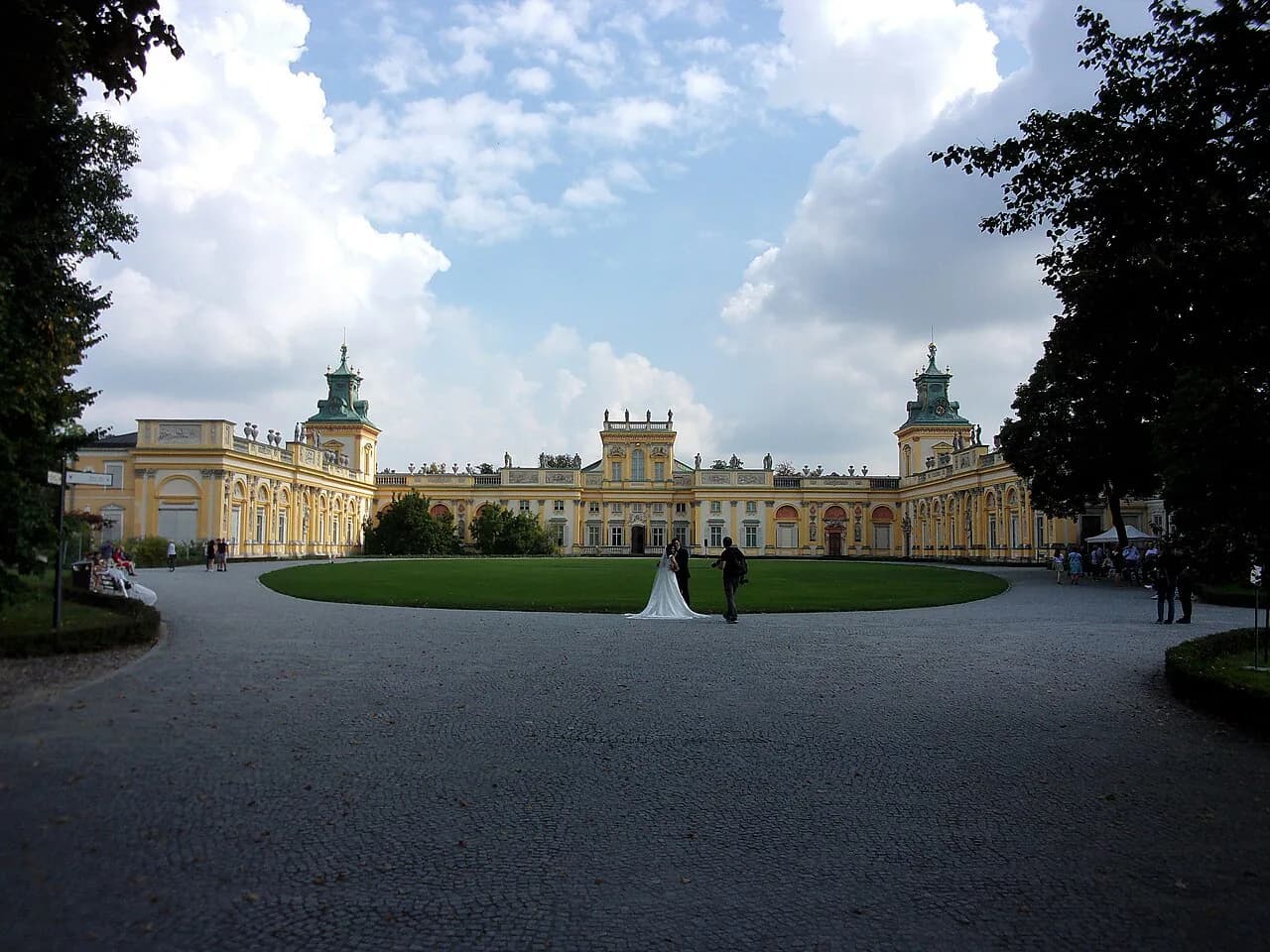
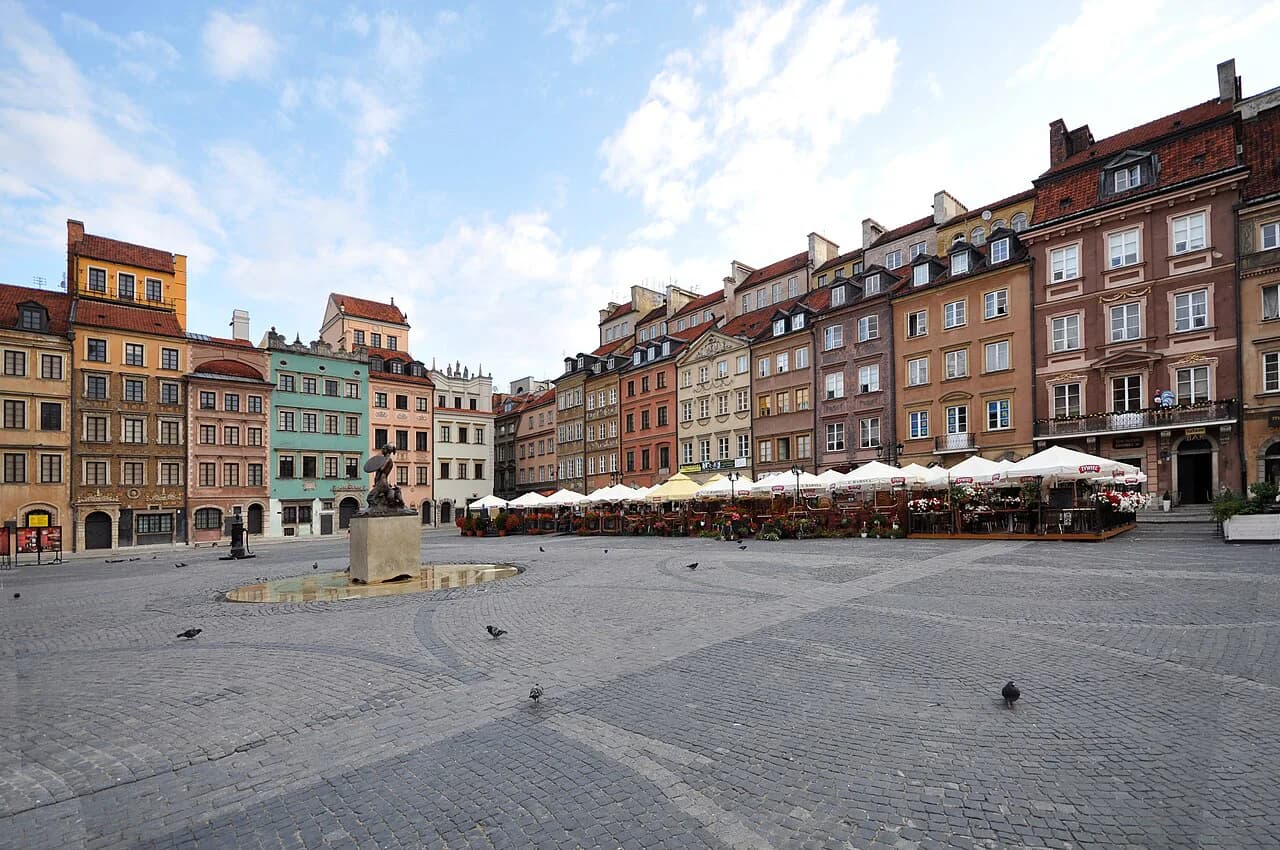
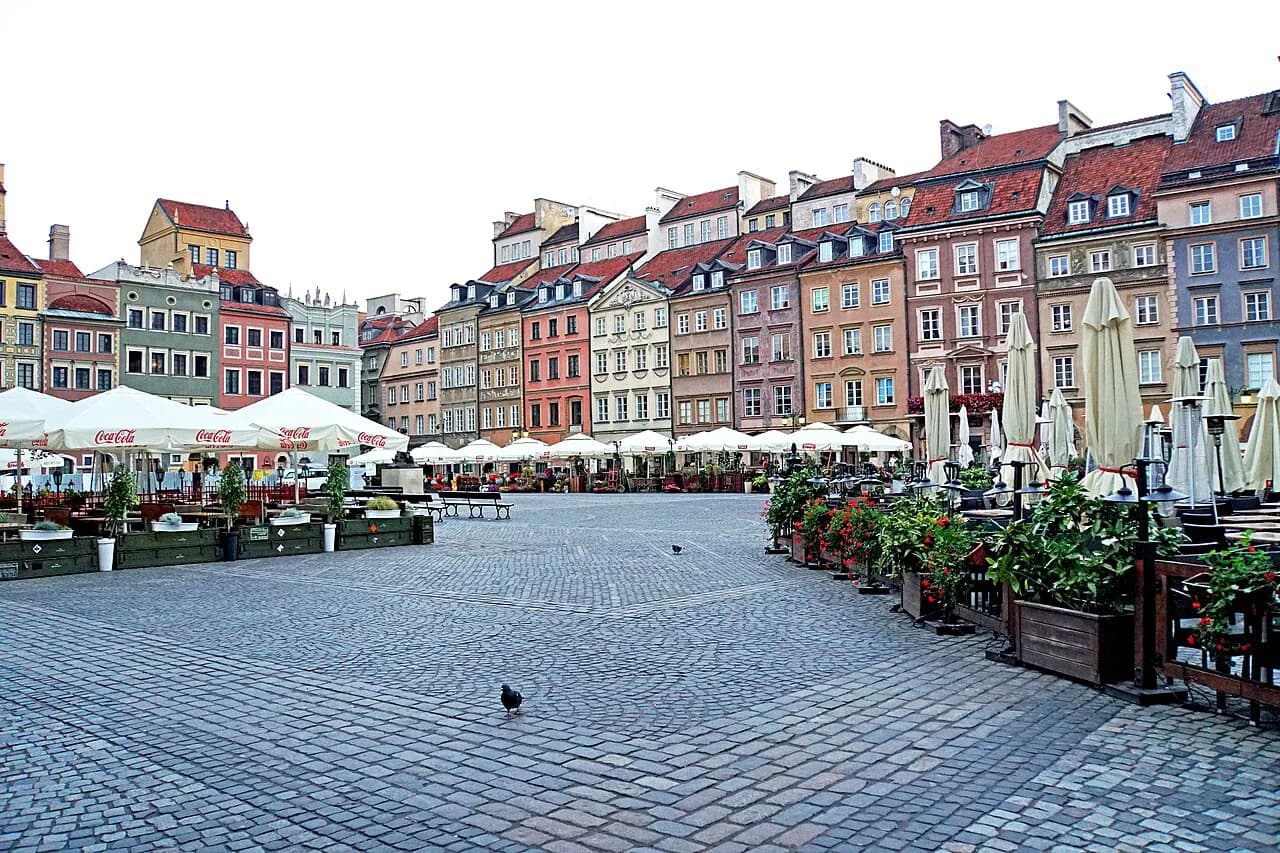
Warsaw's old town was rebuilt after the war and is now one of the city's most vibrant quarters, with a spacious market square, the Royal Castle, Sigismund's Column and St John's Archcathedral grouped within a short walk. Beyond it, Wilanów Royal Palace and the Uprising Museum sit outside the centre, and the Łazienki park gives the city a great green space.
Give Warsaw at least two full days, and three if you want the palaces and museums without rushing; one day for the old town and one for the wider city is the usual split. The capital is the right pick if you want museums with depth, a royal palace, and a big-city feel rather than a small historic core.
Łódź: Piotrkowska and industrial heritage
Łódź is the pick for industrial heritage, with Piotrkowska running through the centre as a long commercial street and factory architecture scattered through the city. It is a city to walk and to read in layers rather than a single headline sight, and it sits in central Poland.
Łódź needs two days for Piotrkowska and a museum or two, and it suits travellers who have already seen the obvious cities. It is not a first-timer's fairytale, but it is honest about what industrial Poland looked like.
Toruń and other small historic towns worth a day
Toruń is a compact medieval town on the Vistula, known as Copernicus's birthplace and easy to cover on foot; the Cathedral Basilica of St John and the old walls are the anchors of a half- or full-day visit. Its size is the attraction: you are never far from the next sight. That same compactness makes it a good add-on rather than a base for a whole break.
Other small towns fit the same pattern: a preserved centre, one or two key churches or museums, and a day's worth of walking. Choose one when your trip is built around a bigger city and you want a change of pace without changing hotels.
Malbork Castle as a half-day from Gdańsk
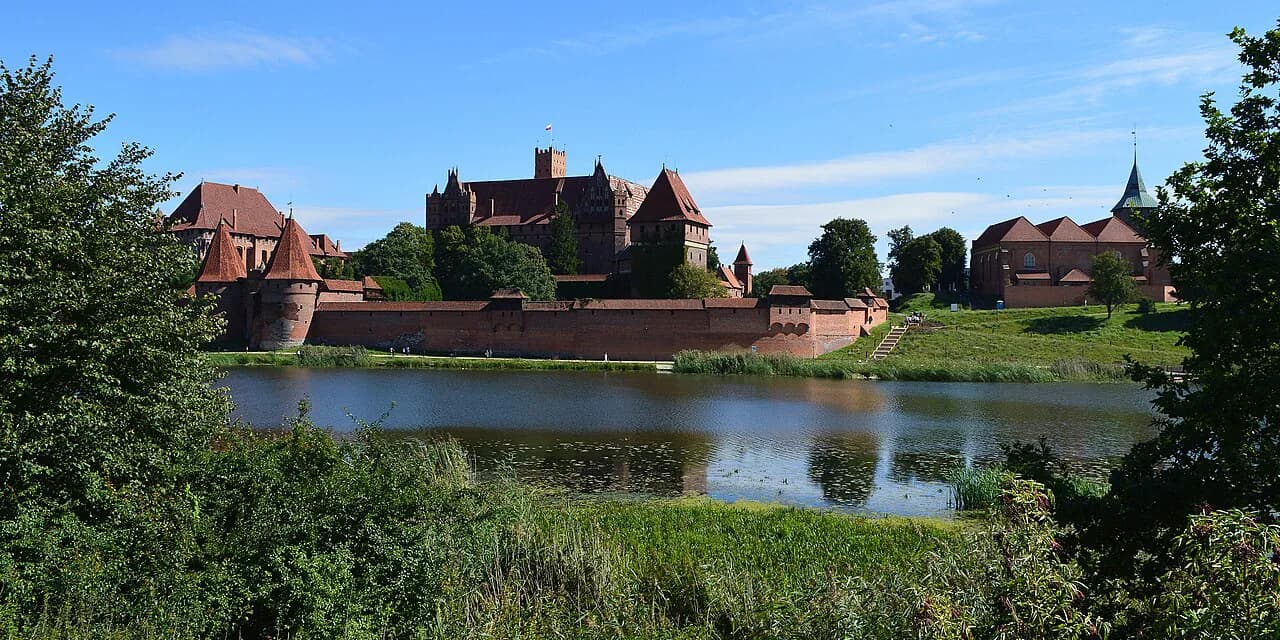
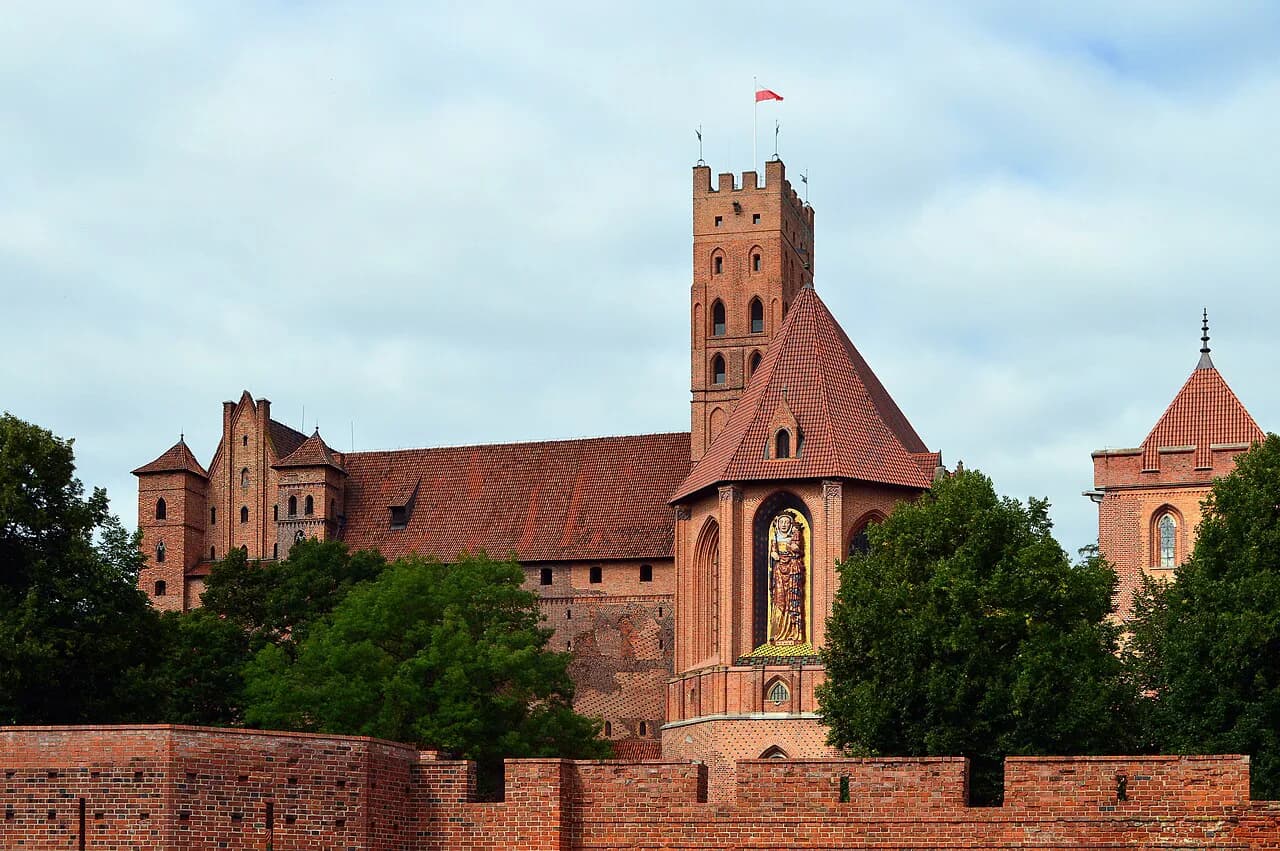
Malbork Castle is the Teutonic stronghold that highlights most shortlists of Polish places to see, and it works as a half-day or full-day excursion from Gdańsk rather than a destination in its own right. It is also listed among Poland's standout castles and heritage sites, so build it into a Gdańsk itinerary instead of trying to cram it between two cities.
If you only have two days in Gdańsk, choose between the castle and a second day in the Main Town; the castle wins if medieval architecture interests you more than the port's museums. Do not attempt Malbork and a coastal town on the same day.
Zakopane and the Tatra Mountains if you want scenery instead of a city
Zakopane is the southern base for the Tatra Mountains and a resort town rather than a city break: you go for the scenery, and the town itself is a base rather than the attraction. Pair it with a city rather than treating it as one.
Build two or three days here if the mountains are your priority, and keep the base in Zakopane while you travel out to the viewpoints.
How many days each city needs
Gdańsk, Warsaw and Wrocław each want roughly two full days to cover the main sights without sprinting; Poznań and Łódź fit comfortably into two; Toruń and Malbork are day-sized. Zakopane needs two or three days to justify the journey. Use these as planning baselines, then cut the museum list when your time is short rather than the walking.
Matching cities to trip length: two, three and four days
With two days, take a single compact city: Poznań, Toruń or Łódź. With three days, Gdańsk or Wrocław gives you a solid centre plus one excursion. With four days, Warsaw or Gdańsk plus Malbork is realistic, and you can add a half-day rather than a second city.
Avoid pairing cities at opposite ends of the country on a short break; the travel time eats a day. Focus on one region instead — the Baltic coast around Gdańsk, or the south around Wrocław and the mountains.
When to go: season by season
Spring and early autumn are the most comfortable for city walking, with milder temperatures and longer daylight than midsummer crowds. Summer suits the coast and the mountains best but brings the busiest streets in Gdańsk and Zakopane. Winter is quiet and cold, and it limits what you can do outdoors, so weight your plans toward museums if you travel then.
What things cost in złoty and how far the budget stretches
Poland is generally affordable for British and American travellers, with the main costs being accommodation, museum tickets and meals in the centre. Prices in złoty are still modest compared with western Europe, but they vary by city and season, so check current costs before you commit. Our guide to whether Poland is expensive breaks down what a city break really costs in złoty.
Museums, transport and restaurant bills are the three places a budget moves fastest. Decide which museums matter before you arrive, so you spend on the ones you want rather than on whatever is nearby.
Common mistakes when combining Polish cities
The most common mistake is treating Poland as a series of one-day stops; the cities are far enough apart that each move costs half a day in transit and unpacking. The second is booking a top-ten city without checking what you actually want from it: match the city to the days and the season, not to a list.
Which city should you book?
Choose Gdańsk for history and the Baltic, Wrocław for islands and wandering, or Warsaw for the capital's scale; take Poznań, Łódź or Toruń when you have two days or less. Add Malbork or Zakopane only when your trip is long enough to absorb the journey.
Book the city first and build the days around it, rather than the other way round. Once you have your dates, check museum opening days and current prices before you finalise the plan.
Explore more Poland guides
Frequently Asked Questions
Where should I go in Poland for a first city break?
Gdańsk and Wrocław are the strongest all-round picks for three or four days, because each has a compact centre plus enough museums and streets to fill the time. Warsaw suits travellers who want a capital's scale and depth. Poznań and Toruń work better for a shorter two-day break.
Is Poland expensive for British travellers?
Poland is generally affordable compared with the UK, with złoty prices on accommodation, meals and museum tickets staying modest. Costs still vary by city and season, so check current prices when you book rather than relying on older figures.
Which Polish city is best for history?
Warsaw and Gdańsk carry the heaviest wartime and twentieth-century history, with museums and memorials across both. Poznań covers early Polish history and Toruń gives you medieval architecture. Choose based on whether you want museums or a preserved old town.
Sources
Notes for your next Polish city break
Optional updates to our Poland guides.
You might also like

Continue reading
More guides you'll find useful