Gdańsk Castle: What Visitors Actually Find and How to Plan a Visit
Gdańsk has no castle in its old town, but the vast Malbork complex lies close by. Here is what the visit covers and how to plan the day trip.
On this page
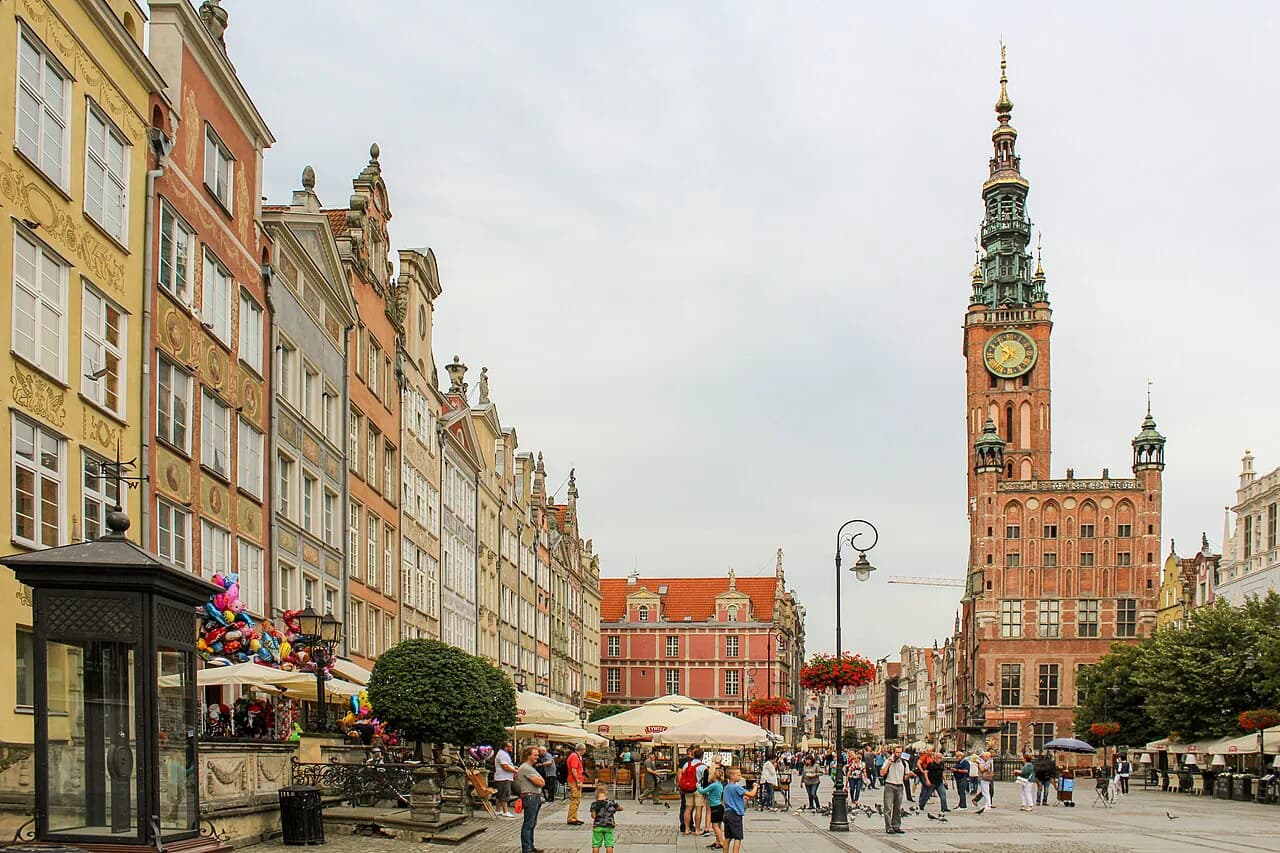
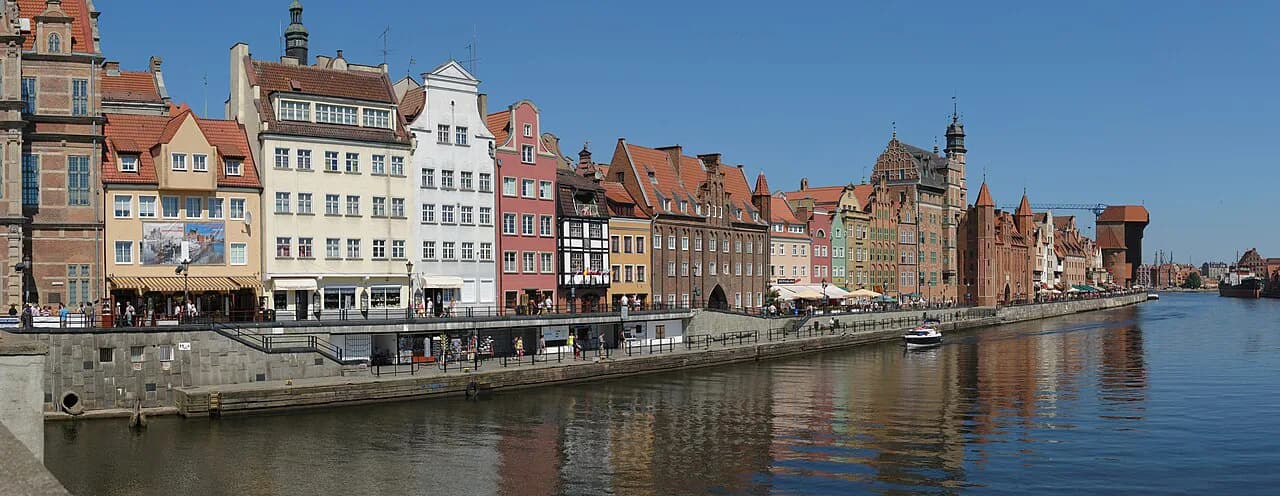
There is no castle in Gdańsk's old town. The centre is a fortified merchant city, and its medieval defences were walls, gates, bastions and the Crane on the waterfront rather than a royal keep. The castle that brings visitors here is Malbork, a separate town to the south-east, and this guide explains what it is, what the visit covers and how to plan it from Gdańsk.
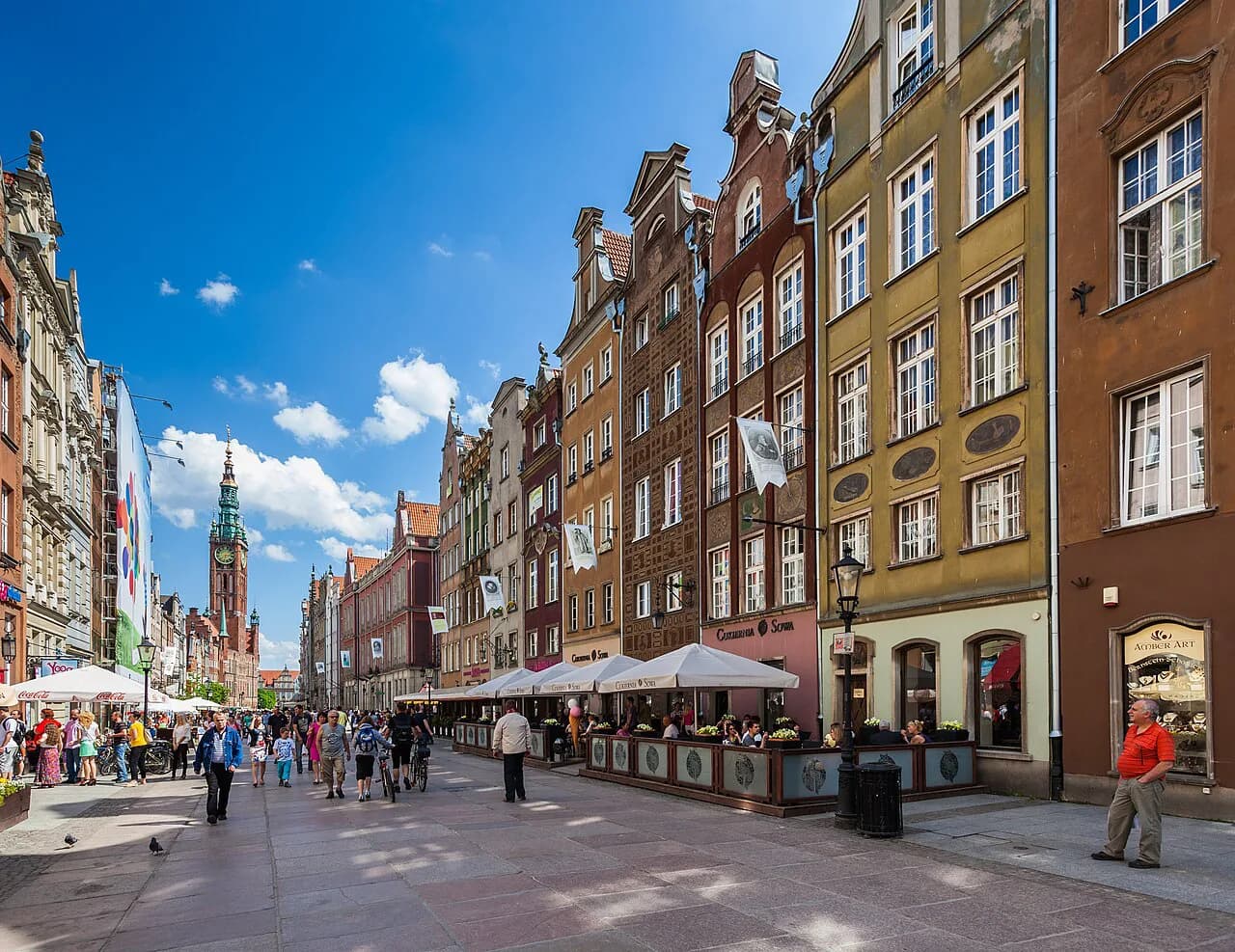
Knowing that up front saves a wasted morning. Walk the Główne Miasto expecting a castle and you will find a rebuilt Hanseatic streetscape of tall burgher houses, brick churches and a riverside promenade. Walk Malbork expecting a single building and you will find three connected castles inside a ring of walls.
What people mean by 'Gdańsk castle'
Search for a Gdańsk castle and most results point at Malbork, roughly 60 km to the south-east. Gdańsk's own defensive heritage is spread across the old town: gates, towers, earthen bastions and the medieval port crane. None of these is a castle in the sense of a fortified residence.
That matters for planning because the two experiences are different shapes. The old town is a self-paced wander that fits into any half-day between museum visits. Malbork is a ticketed museum complex outside the city that needs a deliberate block of time, so treat it as its own outing rather than something to squeeze between other stops.
If your interest is the city's military story rather than medieval brick, the museums in Gdańsk cover it in depth, from the post office to the shipyard. Reserve Malbork for the day you want Teutonic architecture and scale instead.
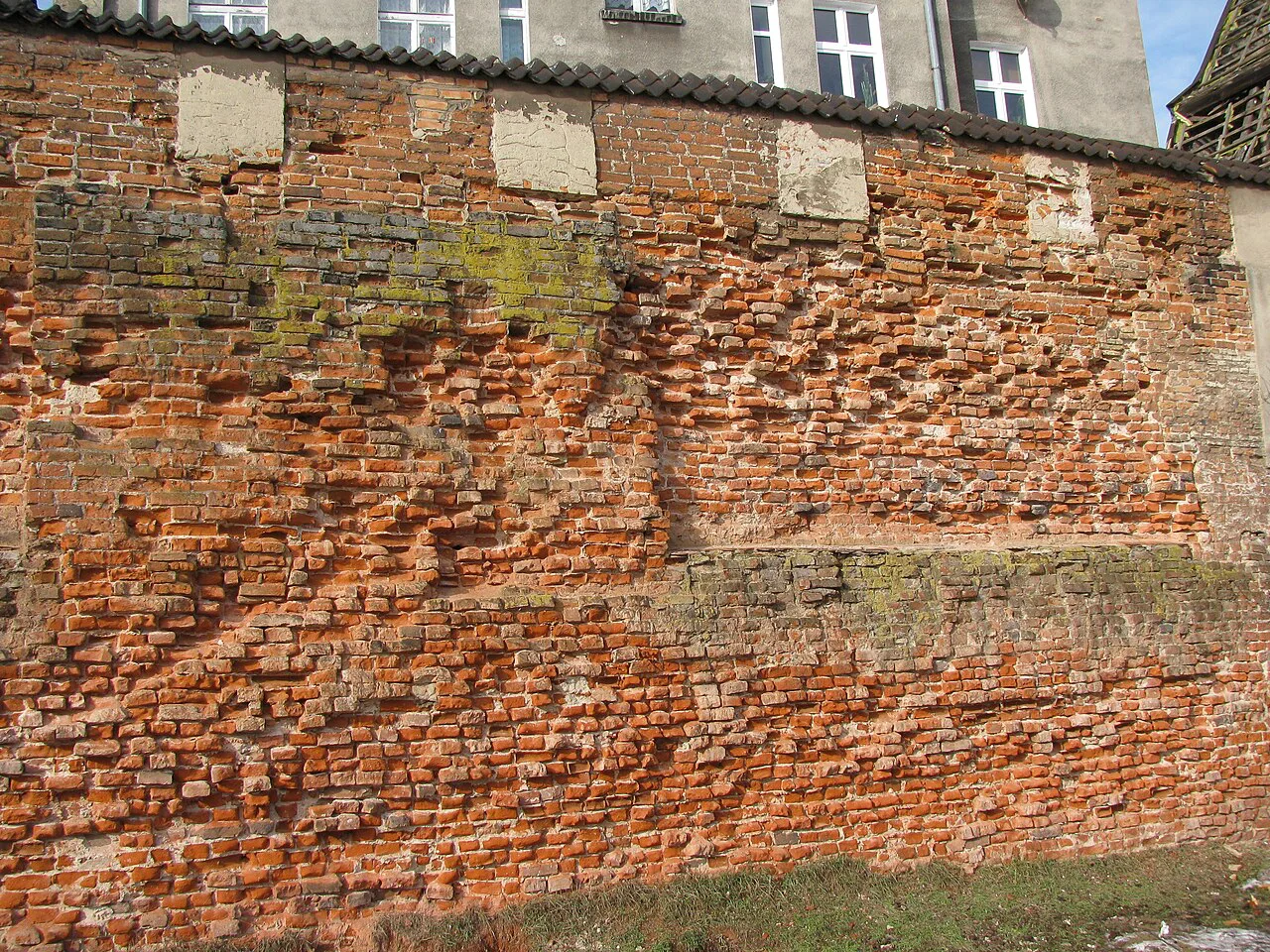
The Teutonic castle legacy in Gdańsk
The Teutonic Order shaped this coast and built Malbork as its headquarters, and that story is why Gdańsk and Malbork are usually discussed together. For the visitor, though, the practical point is simple: the castle you can tour sits at Malbork, not in Gdańsk's streets.
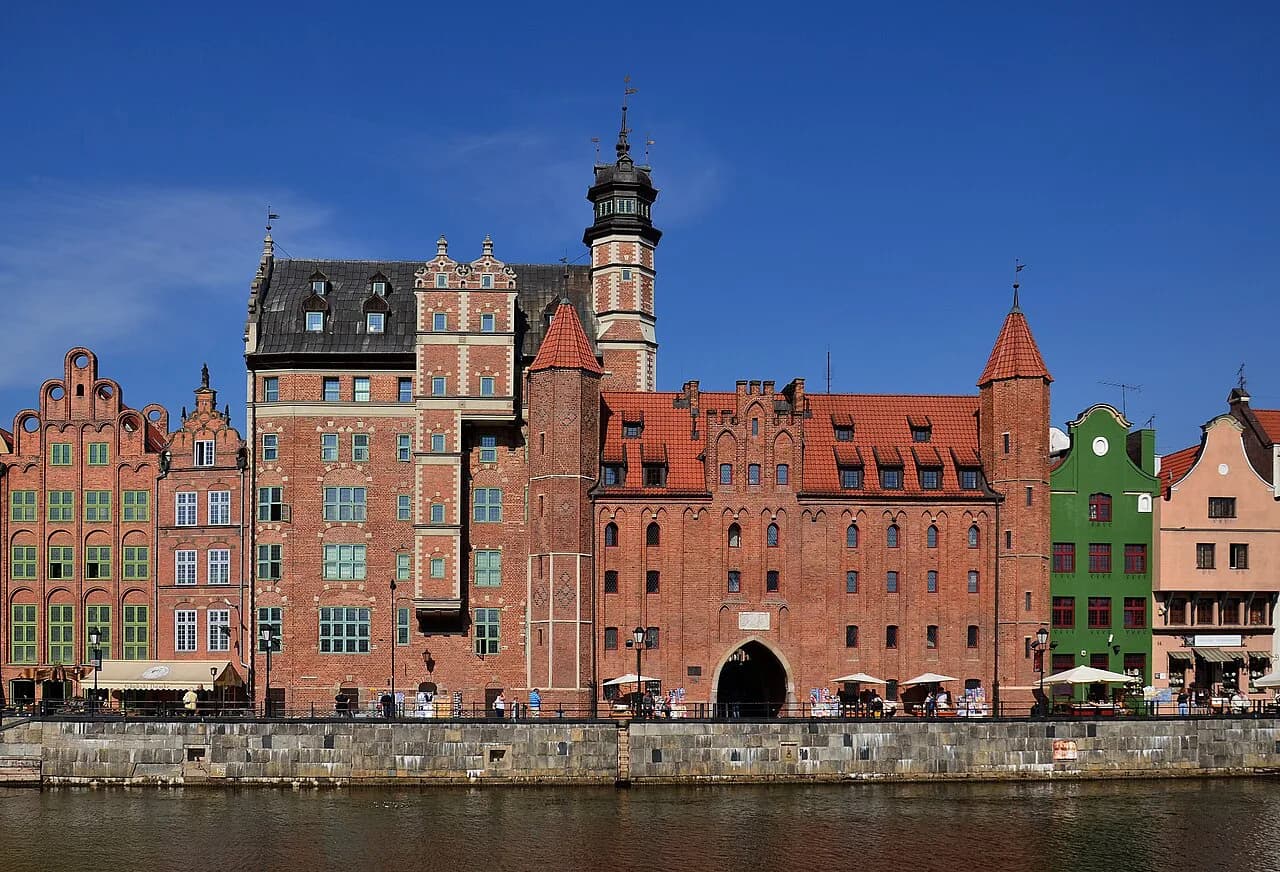
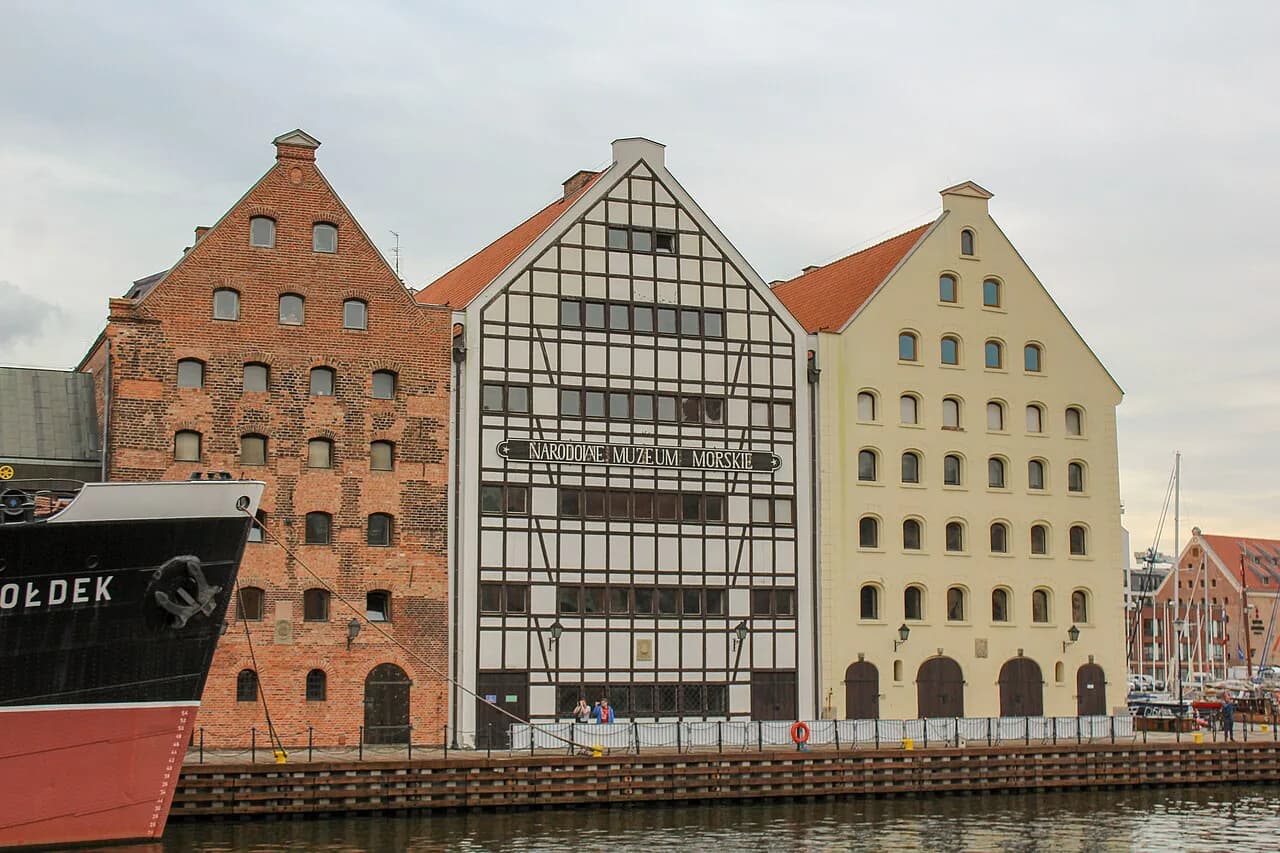
Spend the time in the old town looking at merchant rather than knightly architecture. The rebuilt burgher houses, the waterfront Crane and the great brick churches show how a trading city defended and displayed itself. Our guide to Gdańsk architecture explains what to look for as you walk.
Malbork Castle: the triple complex
Malbork is described as the largest surviving medieval castle in Europe. Its land area is given as around 143,591 square metres, and it was built in three connected parts: the High Castle, the Middle Castle and the Low Castle.
The High Castle holds the chapel, the chapter house and the courtyard, while the Middle Castle has the Grand Master's Palace with its banquet and audience halls. The Low Castle contains the North Gate and the former armoury. Understanding this layout helps you read the museum's trail options instead of wandering without direction.
Construction began on the right bank of the River Nogat at the end of the 13th century, and from 1309 to 1457 the castle was the seat of the Teutonic Grand Masters. It later served as one of the residences of Polish kings and today houses the Malbork Castle Museum.
Where Malbork is and how the day works
Malbork lies south-east of Gdańsk across the flat Vistula delta, an easy day trip by rail or by organised tour. Independent travellers take the train to Malbork and walk from the station to the castle, while guided options handle transport and entrance as a package.
A private day tour from Gdańsk covers both the city and Malbork in seven to eight hours, with a guide, transport, entrance fee and bottled water included and lunch excluded. It departs from an office on Chlebnicka in the old town, and the operator notes that it is not wheelchair accessible and recommends a moderate level of physical fitness.
The trade-off is cost and structure against convenience. A guided transfer removes the logistics and adds commentary but ties you to a group pace; going independently gives you freedom to linger in the High Castle or walk the riverbank for the classic view of the walls from across the Nogat.
What the visit covers inside the walls
The Malbork Castle Museum is described as running its visit along marked trails rather than one open route. As the operator's published guide sets out, the Historical Route operates during the day from Tuesday to Sunday, while the Green Trail runs on Monday during the day and on other days from late afternoon into the evening.
That structure is useful: it means a Monday visit is still possible via the Green Trail, and a late-afternoon entry can suit anyone arriving after a morning in Gdańsk.
Inside, expect the Grand Master's Palace, the chapels, the chapter house, the courtyards and a series of exhibitions on the Teutonic builders and the castle's later life. Allow several hours: the complex is spread across three castles and the distances on foot add up.
The castle changed hands repeatedly over the centuries and was used by the German occupiers during the Second World War. For the wartime story in Gdańsk itself, our Gdańsk WW2 guide covers the sites and memorials in the city.
How long to allow on site
Plan on several hours at Malbork rather than a quick stop. The three castles, the exhibitions and the walk between them mean a half-day is realistic, and a full day is comfortable if you add the riverside views and a meal in town.
Build in buffer around the transfer as well. A guided day tour from Gdańsk runs seven to eight hours door to door, which leaves little room for other sightseeing that day. If you want both Malbork and a proper look at the old town, give each its own day.
Wear shoes for walking on cobbles and stone stairs. The complex is spread across three castles with plenty of ground on foot, so plan the day around comfortable pacing rather than a rushed circuit.
Tickets and opening days
Tickets for Malbork come in standard and reduced categories, with reductions for EU students under 26, seniors over 65 and children, and audio guides available in multiple languages. The price depends on which trail you choose, and early booking is advised in summer and around public holidays.
The Historical Route runs Tuesday to Sunday during the day and the Green Trail covers Monday daytime and late afternoon on other days. Treat these as the described pattern rather than a fixed timetable, as seasonal hours change; confirm before you travel.
Guided tour or independent visit
Choose a guided transfer if you want the logistics handled and value commentary: the private tour from Gdańsk bundles transport, entrance and a guide into one booking. Choose independent travel if you prefer to control your pace, spend longer in one wing or stop for photographs from the far bank of the Nogat.
Either way, early booking is advised for summer and public holidays, when demand is highest.
Castle-style stops within Gdańsk
If you cannot leave the city, the old town still delivers fortified atmosphere. The Żuraw, the great medieval port crane on the Motława, is the most castle-like structure on the waterfront, and the surviving gates and bastions trace the line of the old walls.
Pair these with a climb up a church tower for the city view and a walk along the river. The Gdańsk cathedral and its neighbours are worth an hour, and the waterfront promenade is the best place to see how the city defended its trade.
For a wider plan across the city's museums and neighbourhoods, start with our Museums in Gdańsk guide. It sets out what is worth your time and how the pieces fit into a short break.
Is Malbork worth the day out?
Yes, if you want the medieval brick fortress that people picture when they search for a Gdańsk castle. It is a UNESCO-listed complex on a scale you will not find in the old town, and a day there is well spent.
No, if your short break is about Gdańsk itself. In that case skip Malbork, walk the Główne Miasto, climb a tower and give the city's museums your time; the merchant city rewards a full day on its own.
Explore more Gdańsk guides
Frequently Asked Questions
Is Malbork Castle the biggest castle in the world?
It is described as the largest castle by land area, at around 143,591 square metres, and as the largest surviving medieval castle in Europe. It is built in three parts: High, Middle and Low Castle.
What happened to Malbork Castle during its history?
From 1309 to 1457 it was the seat of the Teutonic Grand Masters, and it later served as one of the residences of Polish kings before becoming the Malbork Castle Museum. For the wartime story in Gdańsk itself, the city's museums and memorials cover it in detail.
Do I need to book Malbork tickets in advance?
Early booking is advised for summer and public holidays, when demand is highest. The ticket price depends on which trail you choose, so confirm current prices before you book.
Sources
Notes for your next Polish city break
Optional updates to our Poland guides.
You might also like
Continue reading
More guides you'll find useful