Gdańsk WW2 Sites: Museum of the Second World War & Westerplatte
Gdańsk WW2 sites explained: what happened at Westerplatte and the Polish Post Office, what the Museum of the Second World War covers, and why the city matters.
On this page
Two places anchor Gdańsk's wartime story: Westerplatte, the peninsula shelled on 1 September 1939, and the Museum of the Second World War, a few kilometres away in the city centre. Visit them as two halves of one narrative rather than alternatives — the site where the war started, then the exhibition that explains how it spread and what it left behind. This guide covers what happened at each, what the museum's galleries contain, and how to pace a visit.
Allow roughly half a day for the museum's main exhibition and a couple of hours for Westerplatte, or split them across two days if you are also working through the Główne Miasto. Both are places to read, stand still and think, so they sit badly with a rushed schedule.
Why Gdańsk is central to the Second World War
The Second World War officially began at 4.45 a.m. on 1 September 1939 with the shelling of Westerplatte near Danzig, then a Free City rather than part of Poland. That status made the city a flashpoint: German claims on Danzig and the Polish corridor were among the grievances the invasion was launched to settle.
Within days the city's Polish institutions were under attack, and the Polish Post Office became one of the first places of organised resistance against the German assault. The war's opening hours, in other words, happened here in Gdańsk, which is why the city's memorial landscape carries more weight than its size suggests.
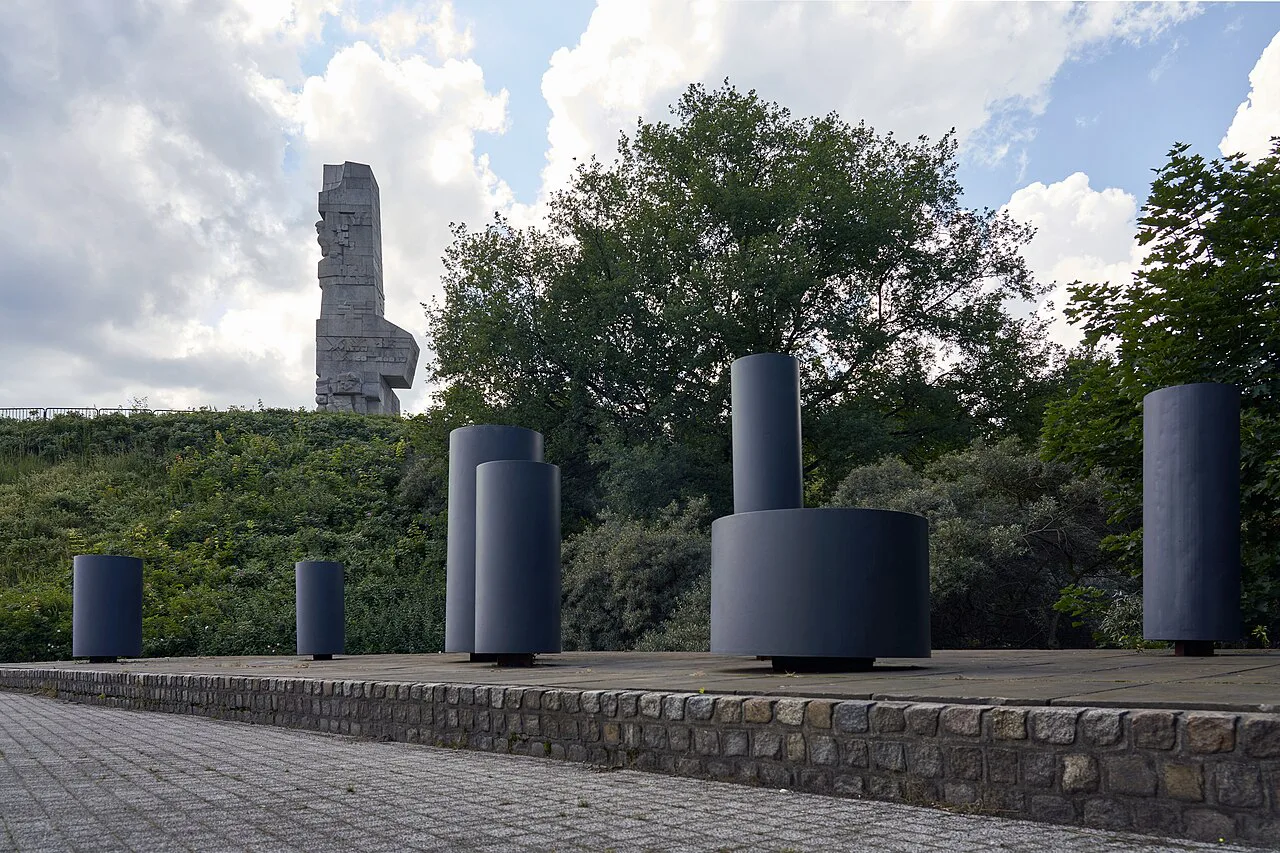
Westerplatte: the symbolic starting point
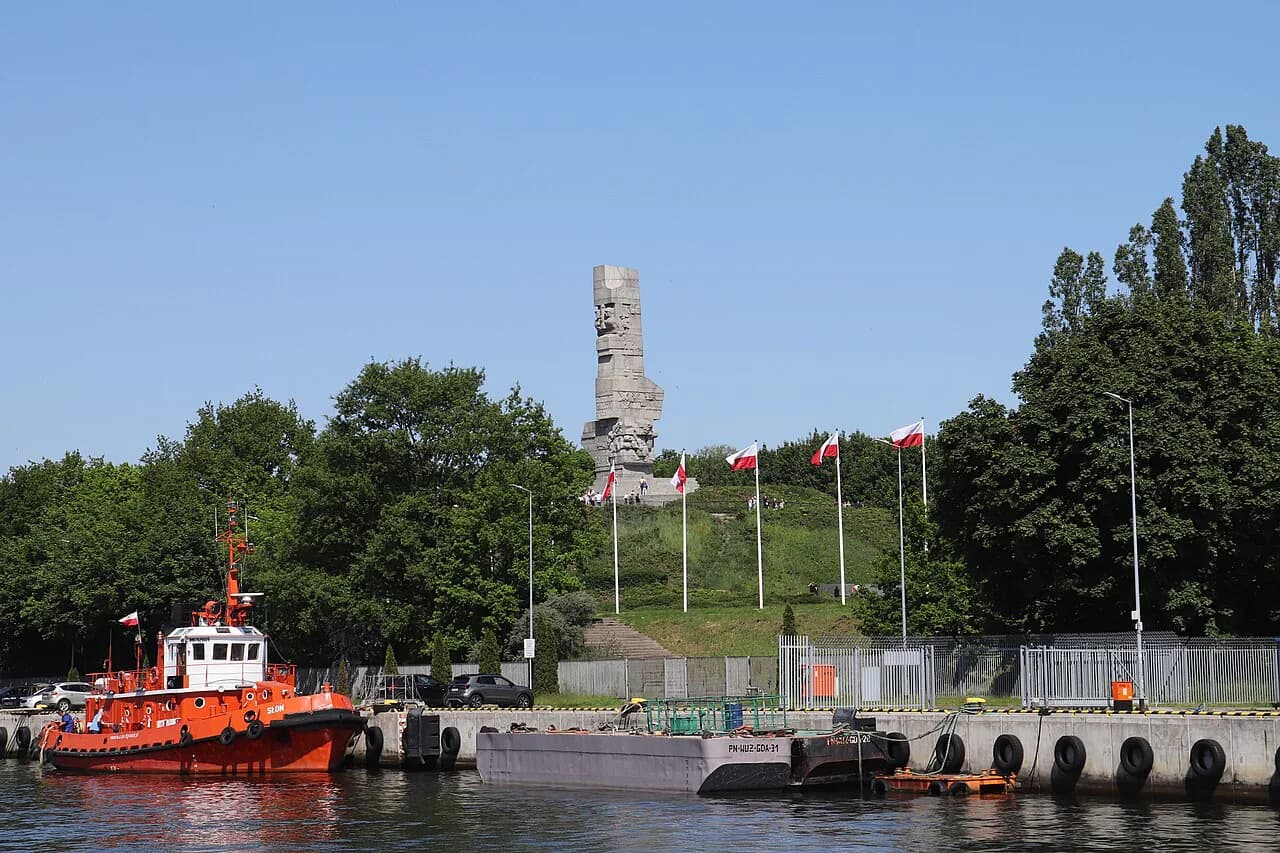
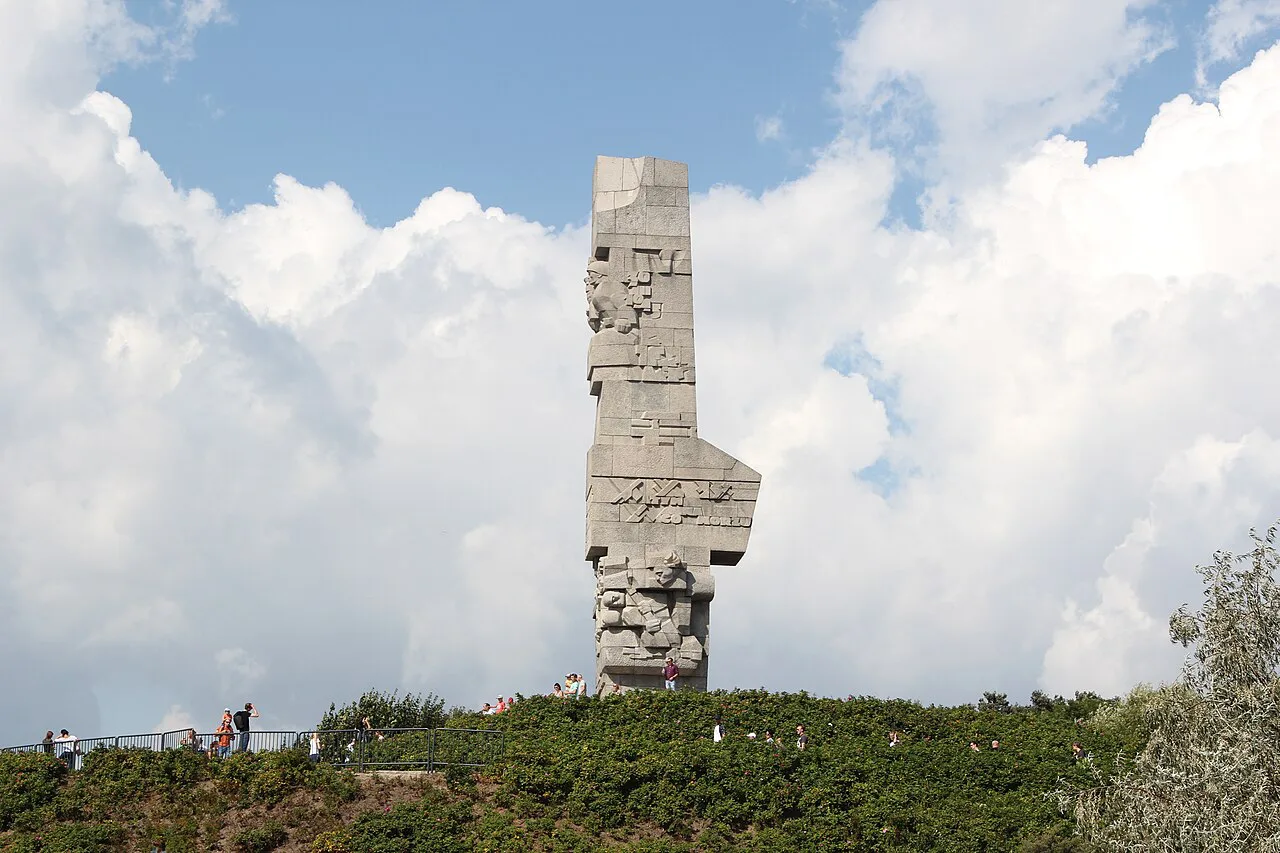
Westerplatte is a flat, wooded peninsula at the mouth of the harbour, and the symbolic gateway to the war's history: the first shots were fired here. Treat it as an outdoor memorial rather than a museum, with the ruins of the barracks and the monument to the defenders as the fixed points of a walk.
The site rewards a little preparation, because the terrain itself does not explain much. Reading up before you go on the garrison's defence turns a scatter of brick ruins into a legible story, and it makes the contrast with the museum's dense displays sharper.
The Museum of the Second World War and its setting
The museum stands near Władysław Bartoszewski Square, a few kilometres from Westerplatte in the city's lower section, and its main exhibition is the largest of its kind among historical museums. The building is huge and deliberately monumental, with the galleries sunk underground — a design choice that shapes the whole visit.
Władysław Bartoszewski, after whom the square is named, was a Home Army soldier, holder of the Order of the White Eagle and named Righteous Among the Nations. Around 200 metres further on stands the Polish Post Office building, one of the first places of heroic resistance against German aggression, so the two wartime sites can be linked on foot in a single afternoon.
What the museum exhibition covers
The narrative runs through three blocks — The Road to War, The Horror of War and The Long Shadow of War — divided into eighteen smaller thematic sections. Over 2,000 exhibits and around 240 interactive stations carry the story, and the perspective is deliberately wider than Poland alone, taking in the European and global background.
The axis is not a roll-call of dates, front lines and divisions. The sections instead follow the birth and expansion of totalitarianism, appeasement, occupation and collaboration, the end of the war and its aftermath, with the emphasis on civilian experience: migration, expulsion, deportation and crimes against prisoners of war.
Recorded witness interviews do much of the emotional work, turning statistics into individual lives, and the exhibition repeatedly invites the visitor to ask what, if anything, later and contemporary conflicts show we have learned. That reflective register is the reason to give the galleries time rather than ticking off rooms.
How long to allow, and whether it suits families
Budget around three hours for the main exhibition, and longer if you read the witness testimony properly; it is not a collection you can skim in an hour. The galleries sit in underground corridors where natural light does not reach, which builds atmosphere but can feel enclosed and tiring for younger children or anyone with sore legs.
Families with primary-age children may find the dense, low-lit sequence heavy going; the content is better suited to older children and adults. If you are travelling with small children, Westerplatte's open ground is the easier half of the pairing.
The Polish Post Office in Gdańsk
The Polish Post Office building is a short walk from the museum and holds a firm place in the story as one of the first sites of resistance against the German attack in September 1939. It is a compact stop rather than a full museum visit, and it works well as the connecting thread between Westerplatte and the exhibition.
See it on the same afternoon as the Museum of the Second World War so the sequence makes sense: the event first, then its wider context. Reading about the defenders beforehand gives the building meaning that the exterior alone will not supply.
One day, two sites: how to choose
With a single day, do both but in the right order: Westerplatte in the morning while you are fresh, then the museum in the afternoon when you can sit with the material. If you genuinely have only half a day, choose the museum — it explains the war's course and consequences in a way the peninsula cannot — and save Westerplatte for a return visit.
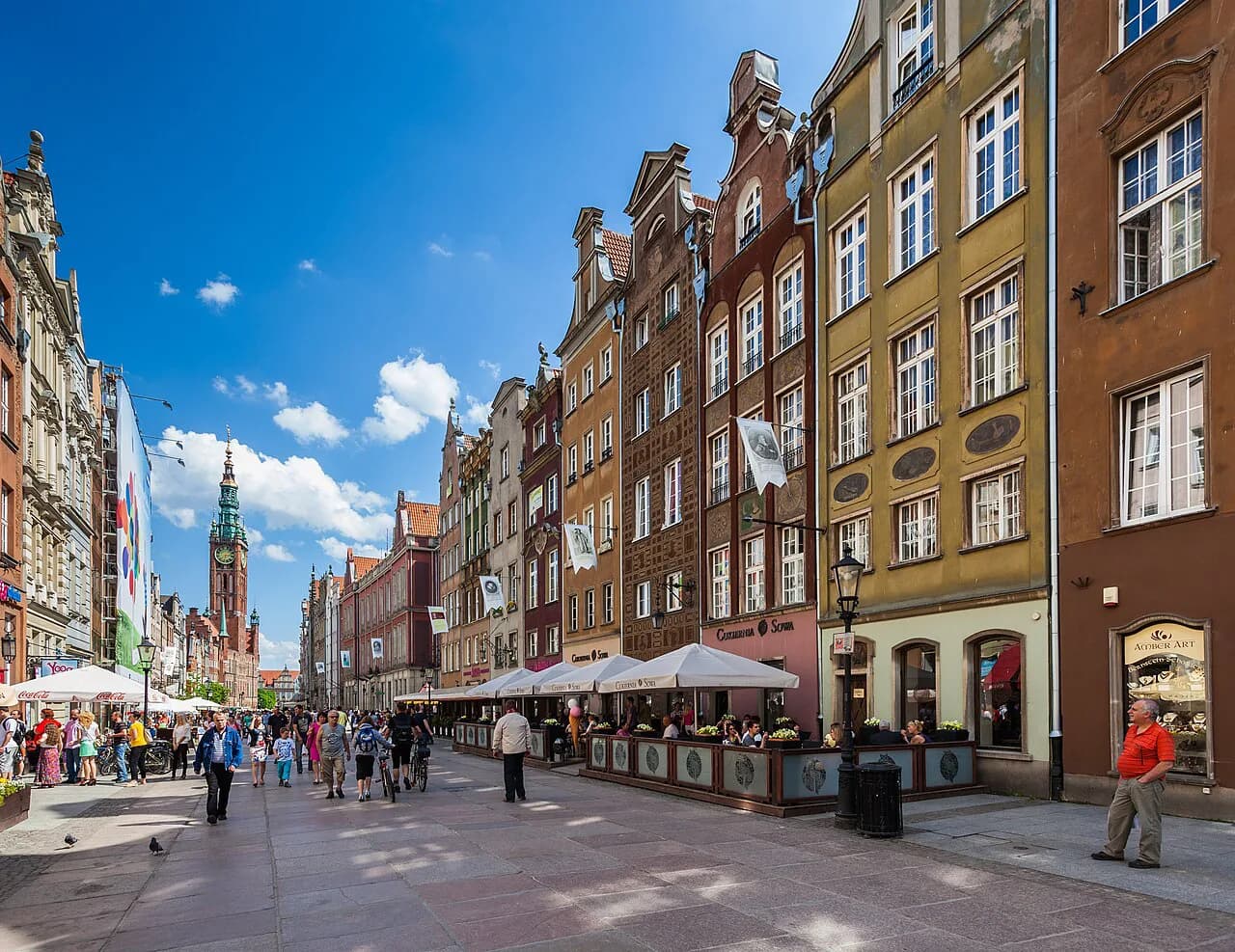
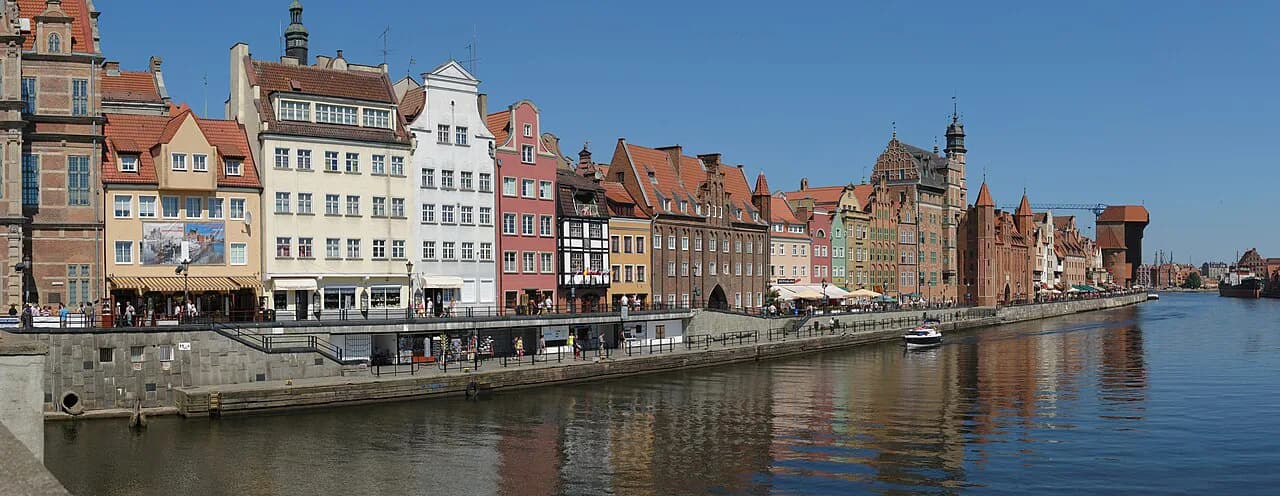
History is only one strand of the city, and a one- to four-day break will also want the waterfront, the great brick churches and the rebuilt streets. The wider set of museums in Gdańsk shows how much else competes for your hours, so decide early whether the wartime sites get a full day or two half-days.
Visiting respectfully
These are sites of occupation and loss, not attractions with a photo opportunity at the end. Keep voices low in the witness galleries, give other visitors space at the most affecting displays, and follow any photography guidance posted on site; the tone of the exhibition itself invites that restraint.
Use precise language when you talk about the occupation: the camps and killing sites were run by the German Nazi regime, and the phrase 'Polish camps' is both inaccurate and deeply wounding in Poland. The wartime story of the city's Jewish community, deported and murdered under German occupation, is a strand worth giving its own time, and Jewish Gdańsk covers its heritage in more depth.
Fitting the sites into a Gdańsk city break
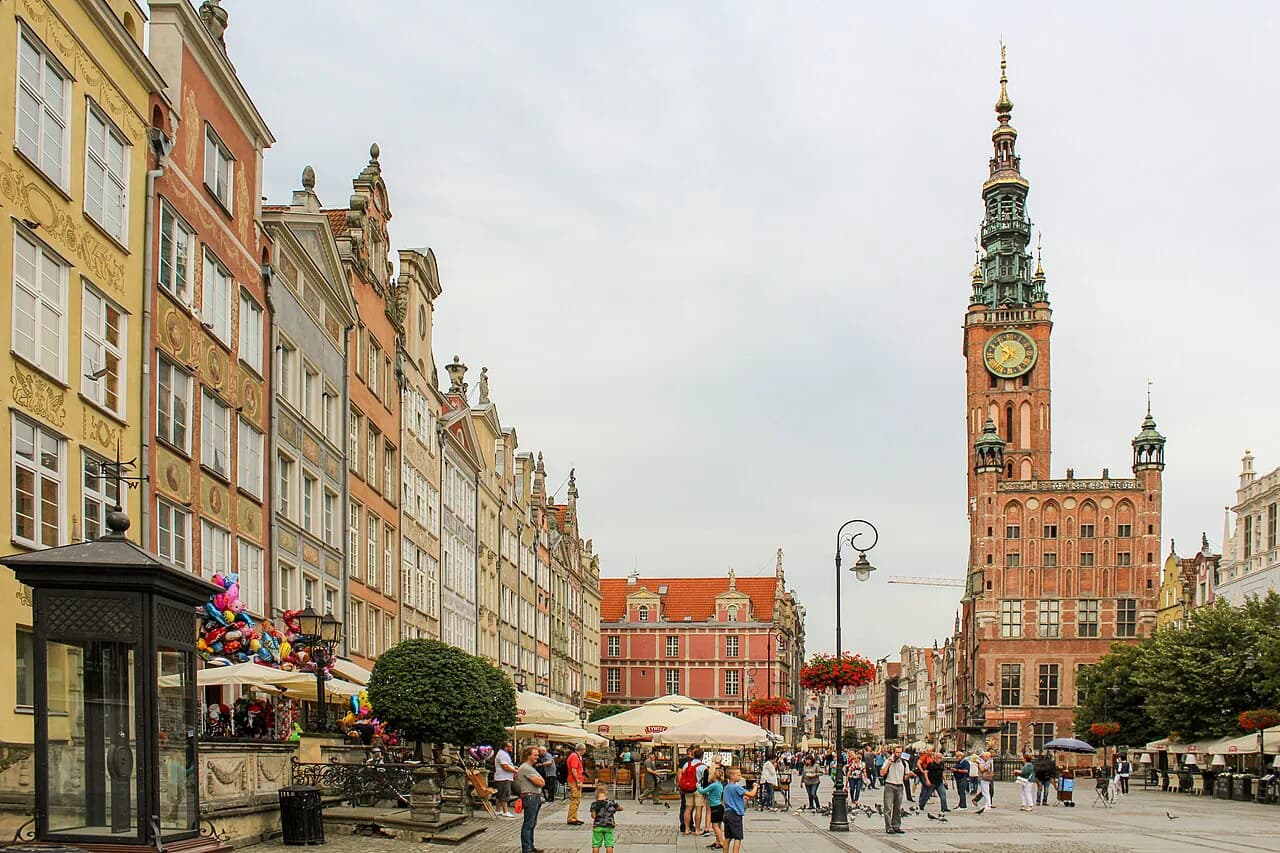
The museum and the Post Office building sit in the lower city, within a short walk of each other and reachable on foot from the Główne Miasto; Westerplatte needs a separate journey out along the harbour. That geography argues for one city-centre afternoon and one excursion, rather than trying to chain all three in a single morning.
If your break runs to three or four days, the wartime sites can take a full day without crowding out the old town, Ostrów Tumski or the shipyard's Solidarity heritage. Two days is tighter: pick the museum plus Westerplatte and leave the Post Office for the walk between them.
Which half of the story should you book first?
Start with Westerplatte to stand where the war began, then let the Museum of the Second World War explain the six years that followed and the shadow they cast. Booking the museum's slot for the afternoon gives you a fixed point around which the morning's excursion can flex.
Prices, opening days and any free-entry arrangements for the museum are set by the museum itself, so confirm them before you travel and plan the rest of the day around what you find.
Explore more Gdańsk guides
Frequently Asked Questions
Was Gdańsk part of Poland when the war started?
No. In September 1939 the city was the Free City of Danzig, a separate entity rather than Polish territory, and it was shelled at Westerplatte at 4.45 a.m. on 1 September 1939. That status is central to why the war's opening shots were fired here.
Is the Museum of the Second World War suitable for children?
Older children with some grounding in twentieth-century history get the most from it. The main exhibition sits in low-lit underground galleries and runs to three narrative blocks, which is demanding for primary-age children; Westerplatte's open ground is an easier introduction.
Can I see Westerplatte and the museum in one day?
Yes, if you start early. Westerplatte takes a couple of hours on site and the museum around three, with travel between them along the harbour. Doing the peninsula first and the museum second keeps the story in sequence and leaves the afternoon for the Polish Post Office building nearby.
Sources
Notes for your next Polish city break
Optional updates to our Poland guides.
You might also like
Continue reading
More guides you'll find useful