Gdańsk History: The Periods That Shaped the City
A short Gdańsk history for visitors, covering the free city years, the war and Solidarity, and the streets where each period is still visible today.
On this page
Gdańsk history is best understood as a sequence of ownership changes, not a single story: a German trading city called Danzig, a League of Nations protectorate between 1920 and 1939, then a Polish city rebuilt from rubble after 1945. The periods that shaped it most are visible in the Główne Miasto, at Westerplatte and along the shipyard waterfront, and this guide pairs each era with a place you can actually stand in. For the museum stops that carry each period, see Museums in Gdańsk.
Plan on a half day for the old centre and a separate half day if you want the wartime sites, because Westerplatte sits away from the historic core rather than next to it. The rest of the history is compressed into a walkable loop of squares, churches and gates.
Why Gdańsk was German Danzig, and when it became Polish
Before the First World War the city belonged to Germany and was known as Danzig, a Baltic port whose trade and architecture were built on centuries of German-speaking merchant life. After 1945 it became part of Poland and took the Polish name Gdańsk, which is why older British and American maps, postcards and family records still show Danzig for the same streets you walk today.
The name change matters for visitors far more than it sounds: museum labels, memorial plaques and even beer-hall signs often give both forms, and knowing that Danzig and Gdańsk are the same place makes the city's 20th-century story much easier to follow.
The Free City of Danzig, 1920 to 1939: what it was and why it existed
After the First World War the city was detached from Germany and set up as the Free City of Danzig, a self-governing territory under the protection of the League of Nations. It existed from 1920 to 1939, with its own institutions and currency, while Poland handled its foreign affairs and kept a presence in the port.
The arrangement was a compromise rather than a clean solution: it gave Poland access to the sea without handing it a largely German-speaking city, and it left the Free City's population with divided loyalties that worsened through the 1930s. That tension is the backdrop to everything that follows in Gdańsk's wartime history.
1939: the first shots of the Second World War at Westerplatte
The Second World War began here in 1939, when German forces opened fire on the Polish military depot at Westerplatte at the mouth of the harbour. Polish defenders held out for more than a week before the position fell, and the site is now a memorial rather than a building you tour for its interiors.
Treat Westerplatte as a half-day outing on its own: it is a flat, open, weather-exposed site, so it rewards a dry morning and a windproof layer far more than a rushed stop between Old Town sights. Visitors who want the fuller chronology should pair it with the city's wartime exhibitions rather than expecting one memorial to carry the whole story; the Gdańsk WW2 Sites guide covers those stops in detail.
How the war destroyed and rebuilt the Główne Miasto
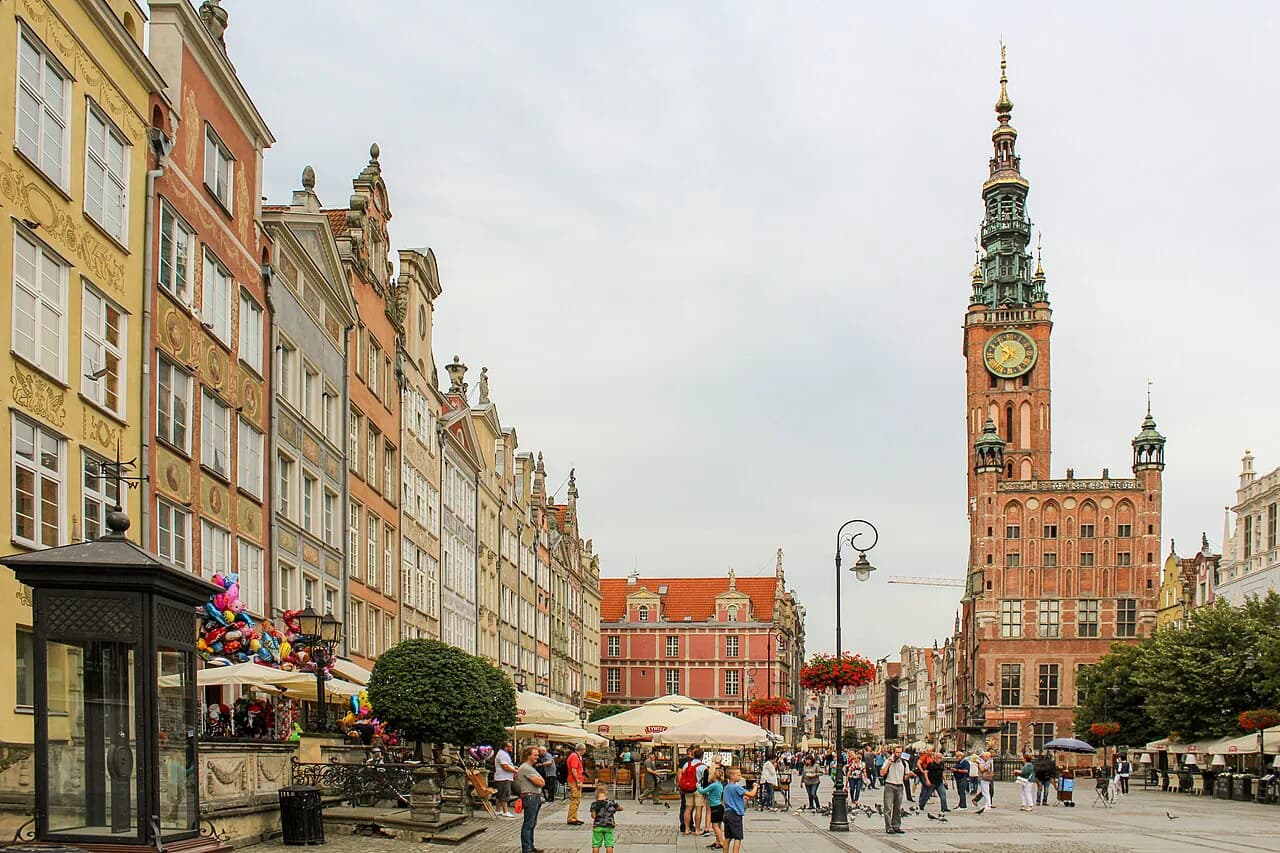
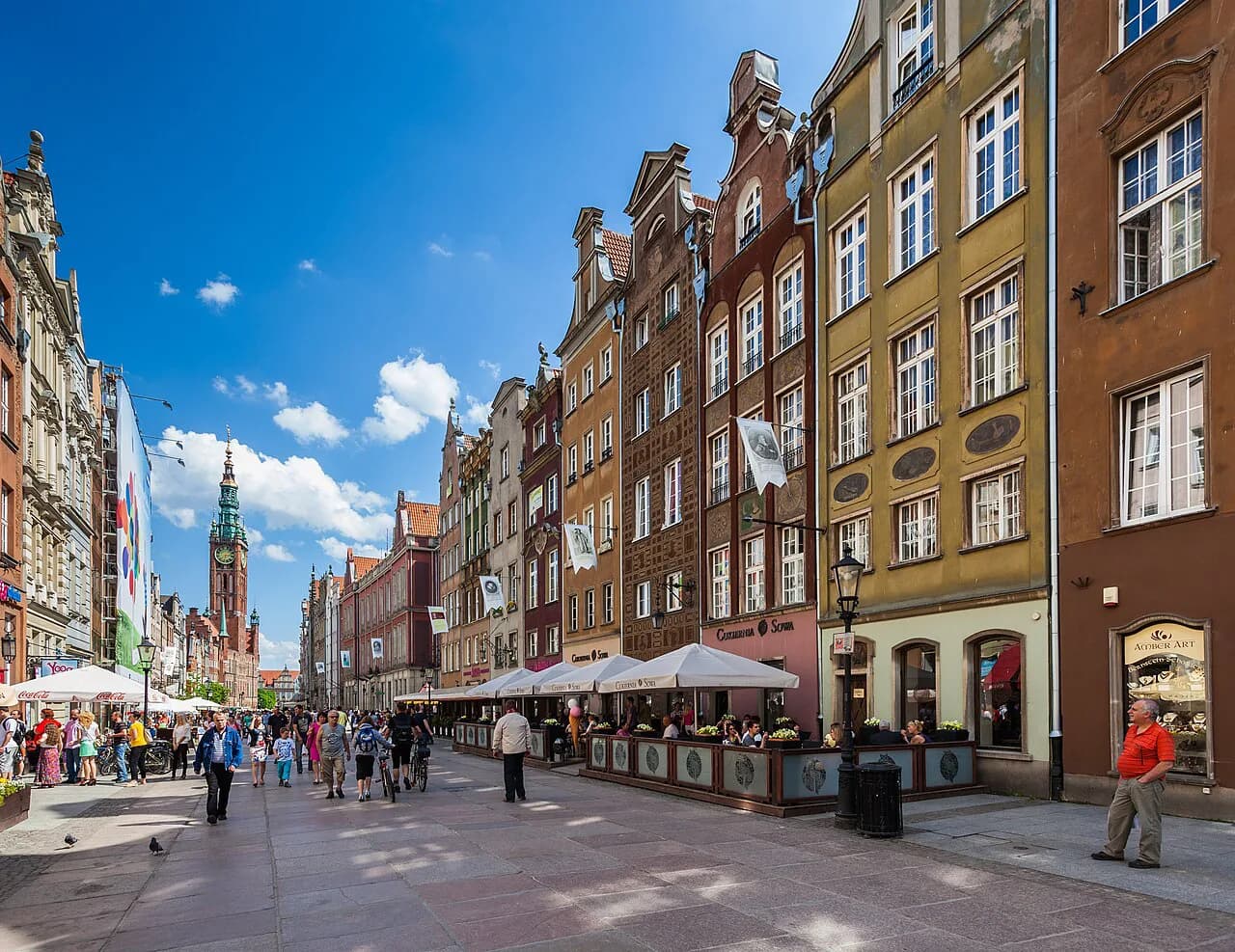
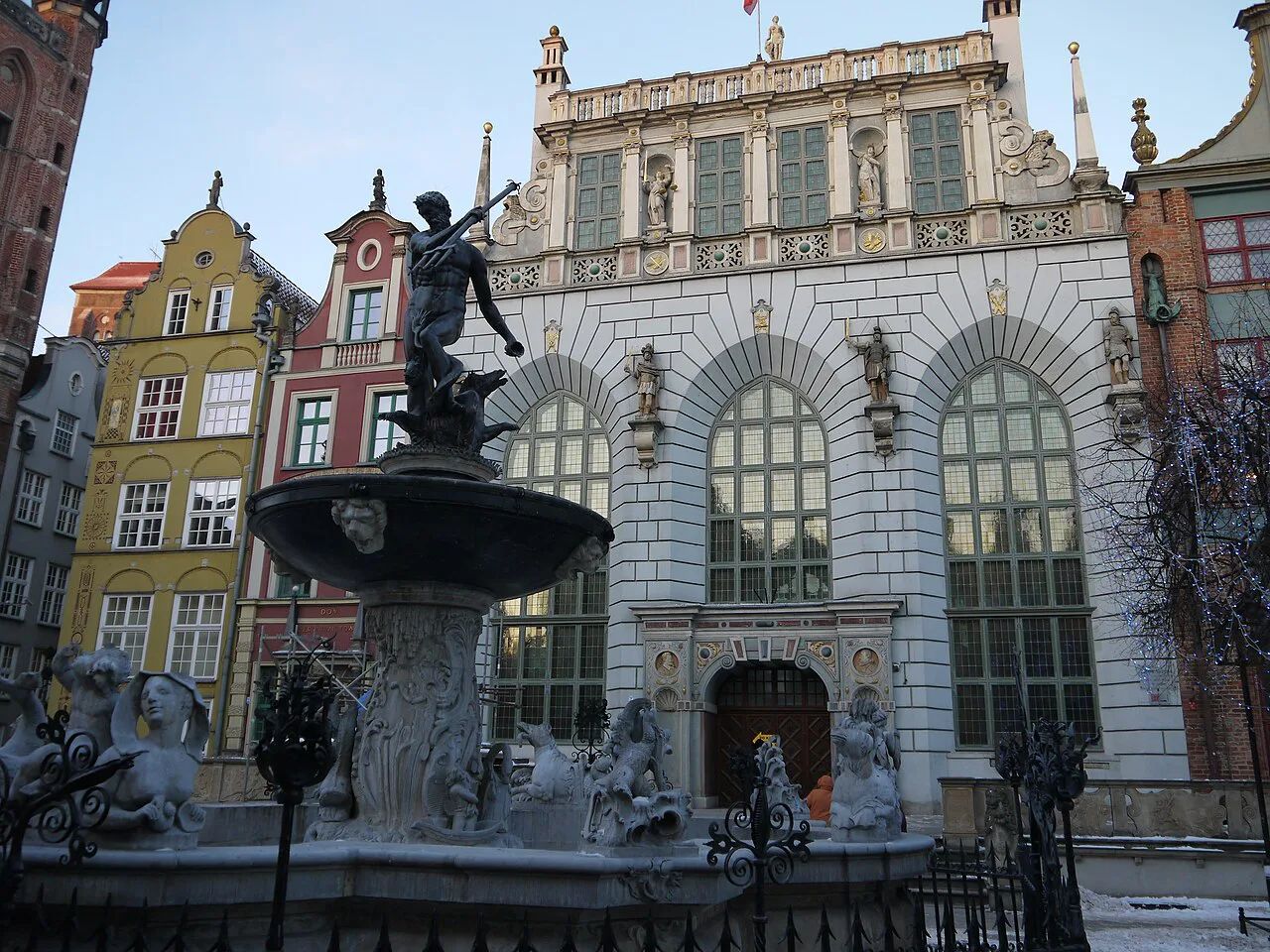
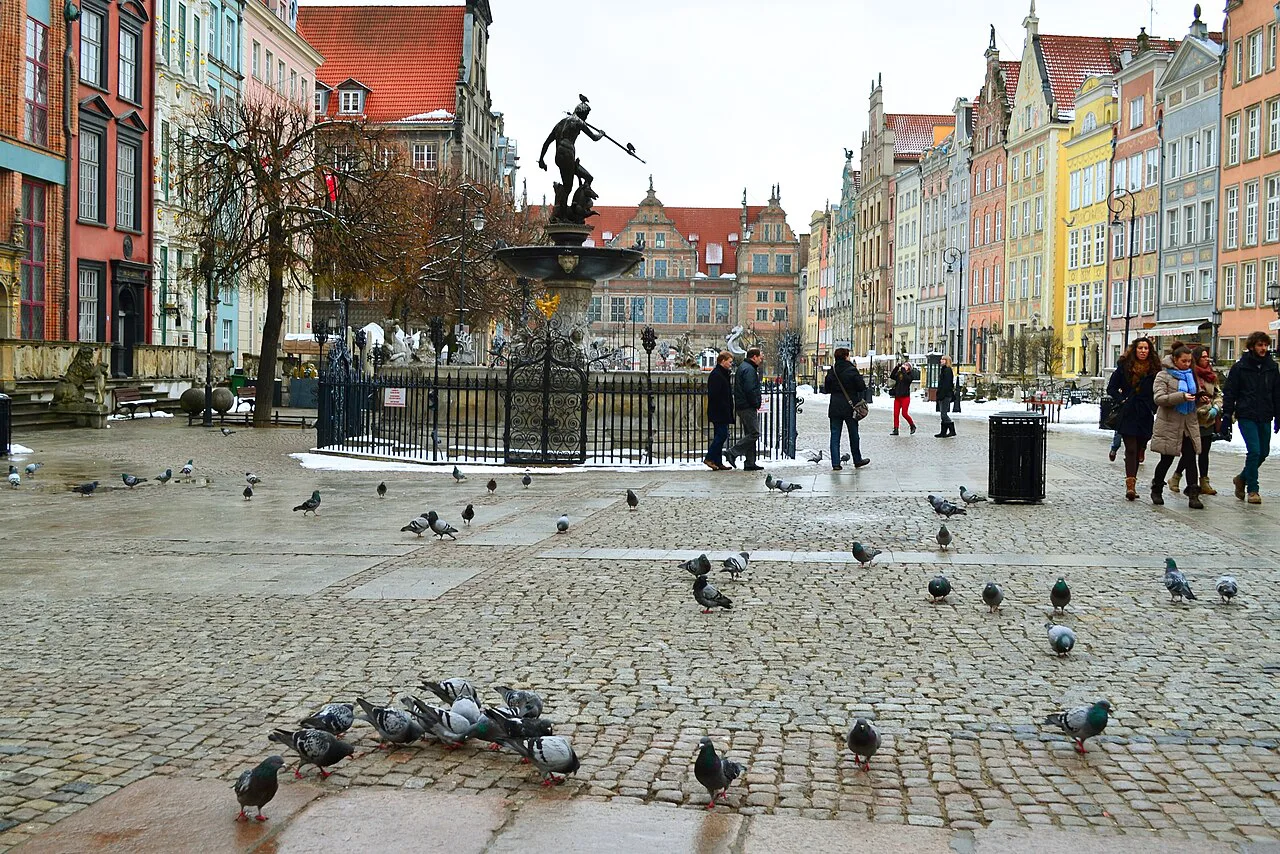
The old centre was almost entirely destroyed during the Second World War and was subsequently rebuilt to its original grandeur, which is why the Główne Miasto reads as historic but looks unusually crisp. The long pedestrian run of Długi Targ, the city's answer to a conventional market square, was originally laid out in the 13th century as a merchant route into the trading area.
For visitors the practical point is that you are looking at a careful postwar reconstruction, not untouched medieval fabric, so the interest lies in the facades, the layout and the surviving monuments rather than in age alone. The Neptune Fountain on Długi Targ is the most recognisable of those monuments and the natural place to start a walk through the centre.
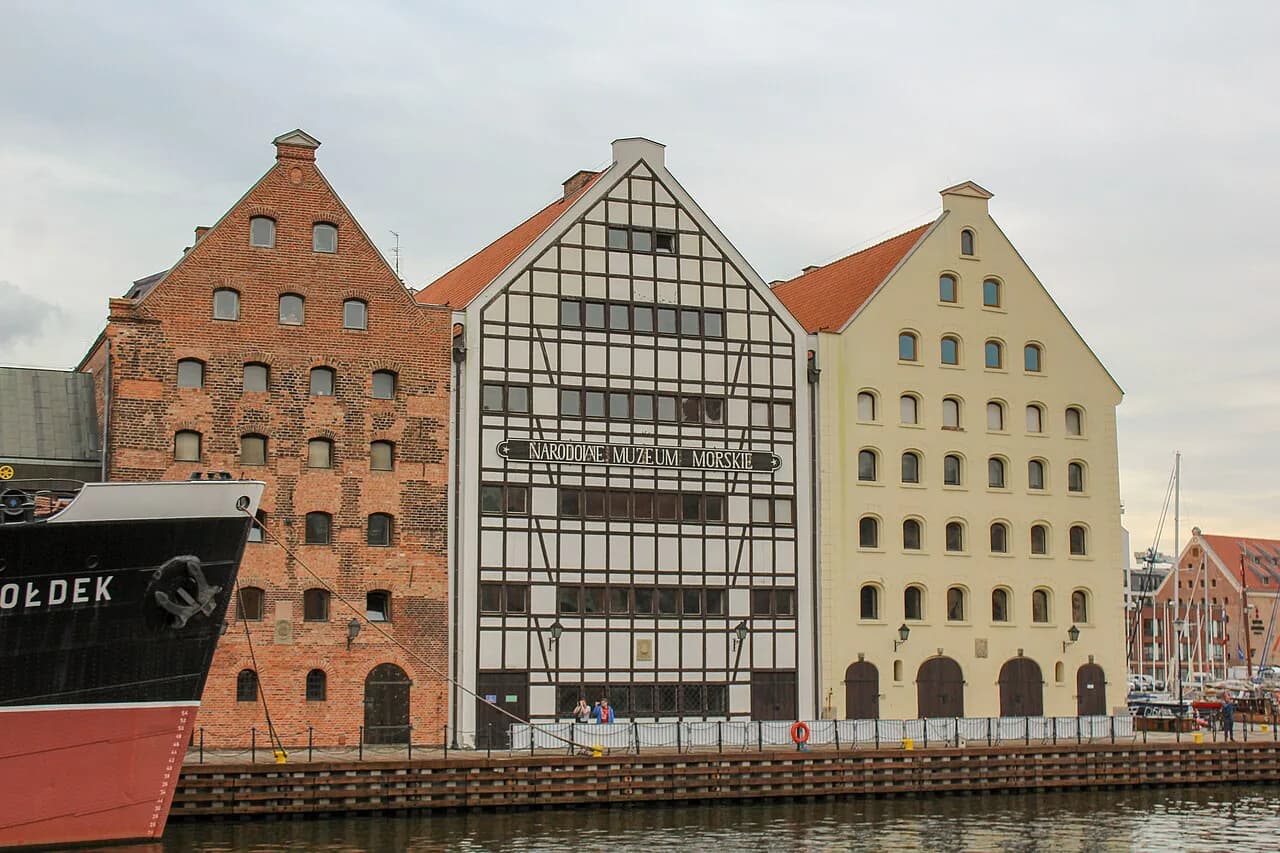
One street detail worth knowing before you go: the Główne Miasto preserves the layering of a trading city, from the tall burgher houses to the waterfront defences. To go deeper, the Gdańsk architecture guide traces the building styles, and a guided walking tour is an option if you want the layout explained as you go.
The shipyard and Solidarity: where the fall of communism in Poland began
In 1980 the Solidarity movement gained traction in the city's industrial shipyards, and that strike wave is the point from which the fall of communism in Poland is usually dated. The shipyard area sits north of the historic centre and is a working waterfront rather than a museum quarter, though the memorials and exhibition spaces there carry the story.
If your interest is 20th-century politics rather than medieval streets, give the shipyard and the wartime sites the larger share of your time and treat the Old Town as an evening walk. The two halves of the city tell very different stories and neither substitutes for the other.
What to see in Gdańsk for each period: Długi Targ, St Mary's, the Crane, the museum sites
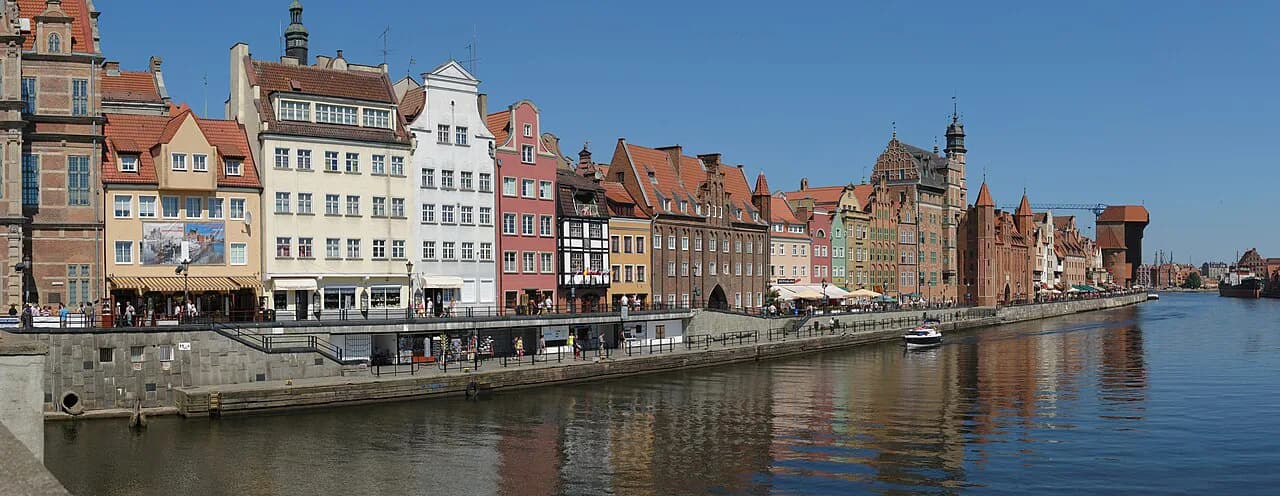
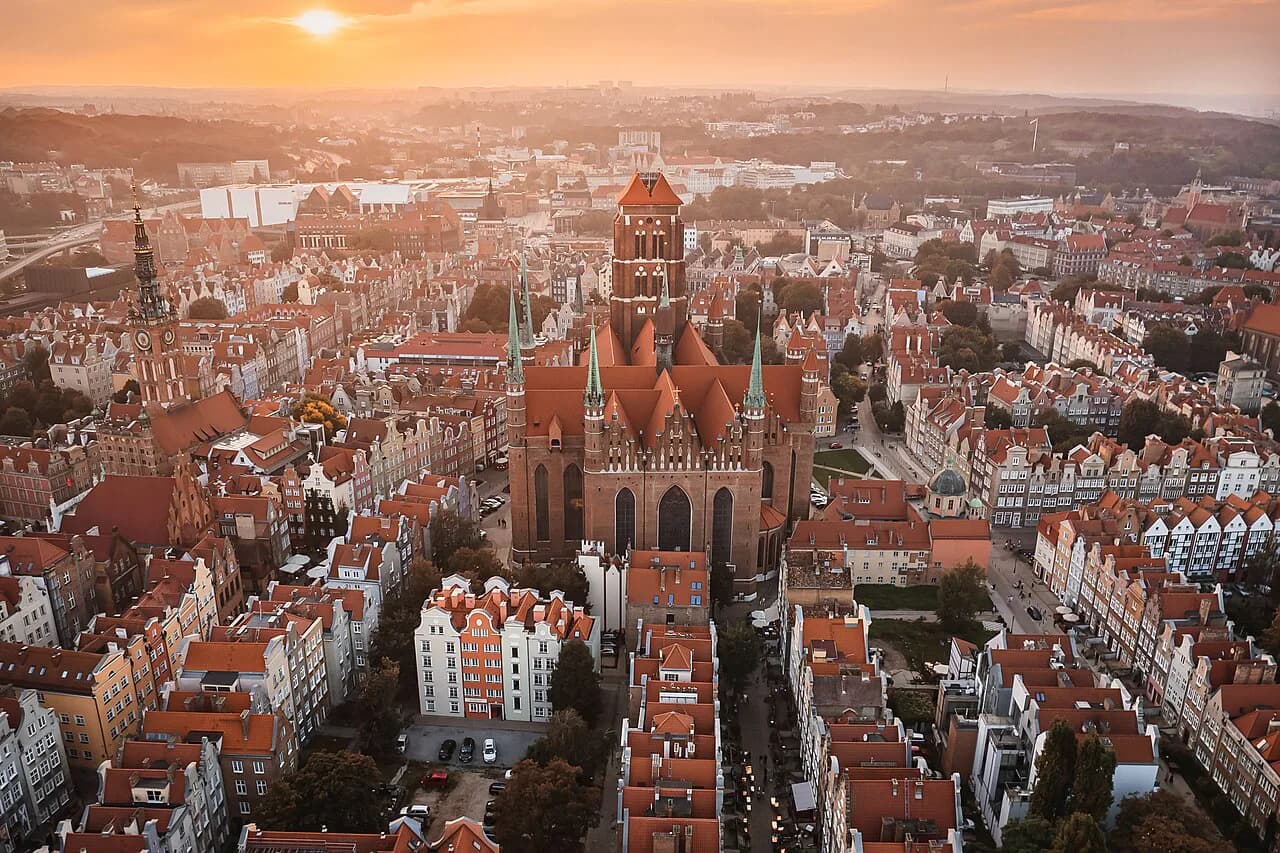
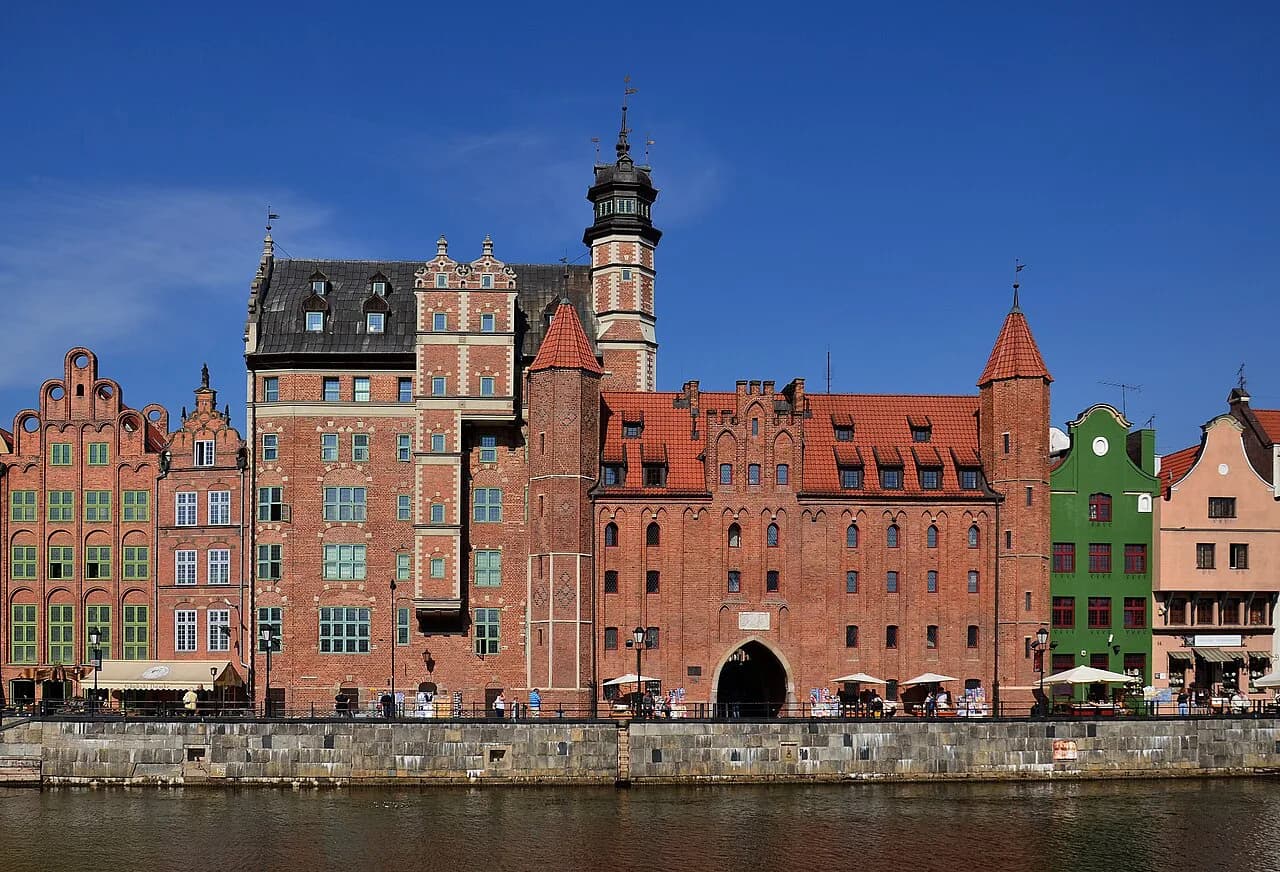
St Mary's Church is commonly described as the largest brick church in Europe and is said to hold over 25,000 people, which makes it the single most impressive stop for the medieval and merchant era; its scale is the sight, so allow time to look back over the rooftops. From there the walk runs through Długi Targ past the Neptune Fountain, then down to the waterfront where the Crane, the medieval port crane known in Polish as the Żuraw, marks the working harbour edge.
The Żuraw is the best single place to understand why the city mattered: it is a piece of port machinery, not a palace, and it puts the grain trade and shipping that paid for the Old Town in plain view. If you enjoy church interiors and towers, the churches in Gdańsk guide covers the options beyond St Mary's.
Goldwasser, the city's signature liqueur with flakes of gold, has been produced here since the 1500s and turns up in shop windows and on menus across the centre, a small reminder of the merchant culture that shaped the streets.
For the wartime period, the Museum of the Second World War is the principal exhibition in the city and the most efficient way to place 1939 in context before or after a Westerplatte visit. Opening days and ticket prices change, so confirm them on the museum's own site before you set your day around it.
Gdańsk is part of the Tri-City with Gdynia and Sopot, so a short break can mix the historic centre with a different port city or a coastal town without a long transfer.
How much history fits into one day of a city break
On a one-day visit, choose one theme and do it properly: St Mary's, Długi Targ and the Żuraw make a coherent morning and early afternoon on foot, with the waterfront as the natural finish. Adding Westerplatte as well turns the day into a rushed checklist, because the memorial is a separate site with its own travel time.
With two days, give the second day to the shipyard and the Second World War museum, and with three you have room for a church tower, a slower look at the rebuilt facades and a half day out in the Tri-City. Skip the temptation to treat every period equally; the medieval trading city and the 20th century are the two that reward time.
Which period should you follow first?
Start with the rebuilt Główne Miasto, because it gives you the geography, the harbour and the merchant story in one walk, and it is the area you will pass through repeatedly anyway. Then choose between Westerplatte and the shipyard for your second block of time depending on whether you are more drawn to 1939 or to 1980.
If you would rather let a museum do the explaining, build the day around the city's exhibition sites and use the streets as the interval between them. Either way, the history is concentrated enough that a short break covers a surprising amount of it without a guide.
Explore more Gdańsk guides
Frequently Asked Questions
Is Gdańsk the same as Danzig?
Yes. Danzig is the German name for the same Baltic city that is now Gdańsk in Poland, and it was used while the city belonged to Germany and during the Free City period from 1920 to 1939. Older maps, photographs and family records will often show Danzig for streets that now carry Polish names.
Why was the Free City of Danzig created?
It was set up after the First World War as a compromise between German-speaking inhabitants and Poland's need for access to the sea. The city governed itself but was placed under the protection of the League of Nations, an arrangement that lasted from 1920 until 1939.
Why did Poland refuse to give Danzig to Germany?
The city and its port were Poland's route to the Baltic, so ceding it would have left the country dependent on a foreign harbour. That strategic stake is the background to the demands and tensions of the late 1930s.
What not to miss in Gdańsk if I only have a day?
St Mary's Church, the walk along Długi Targ past the Neptune Fountain and the Żuraw on the waterfront give you the historic centre in a single loop. Add Westerplatte or the wartime museum only if you are willing to give up the slower walk through the Old Town.
Sources
Notes for your next Polish city break
Optional updates to our Poland guides.
You might also like
Continue reading
More guides you'll find useful