Gdańsk Street Art: Zaspa Murals and Where to Find Them
Gdańsk street art means the monumental murals at Zaspa plus contemporary galleries such as NOMUS. Here is what to see and how it fits a short city break.
On this page
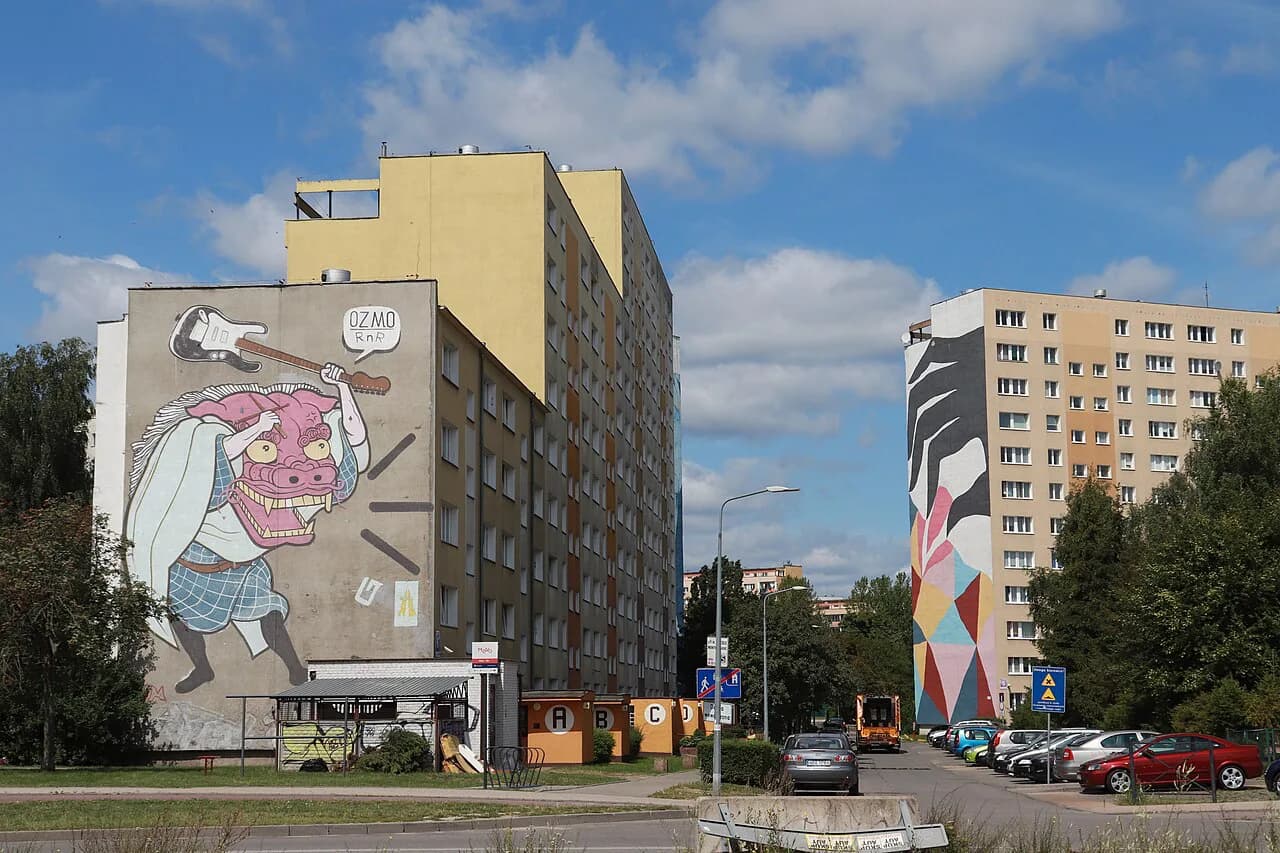
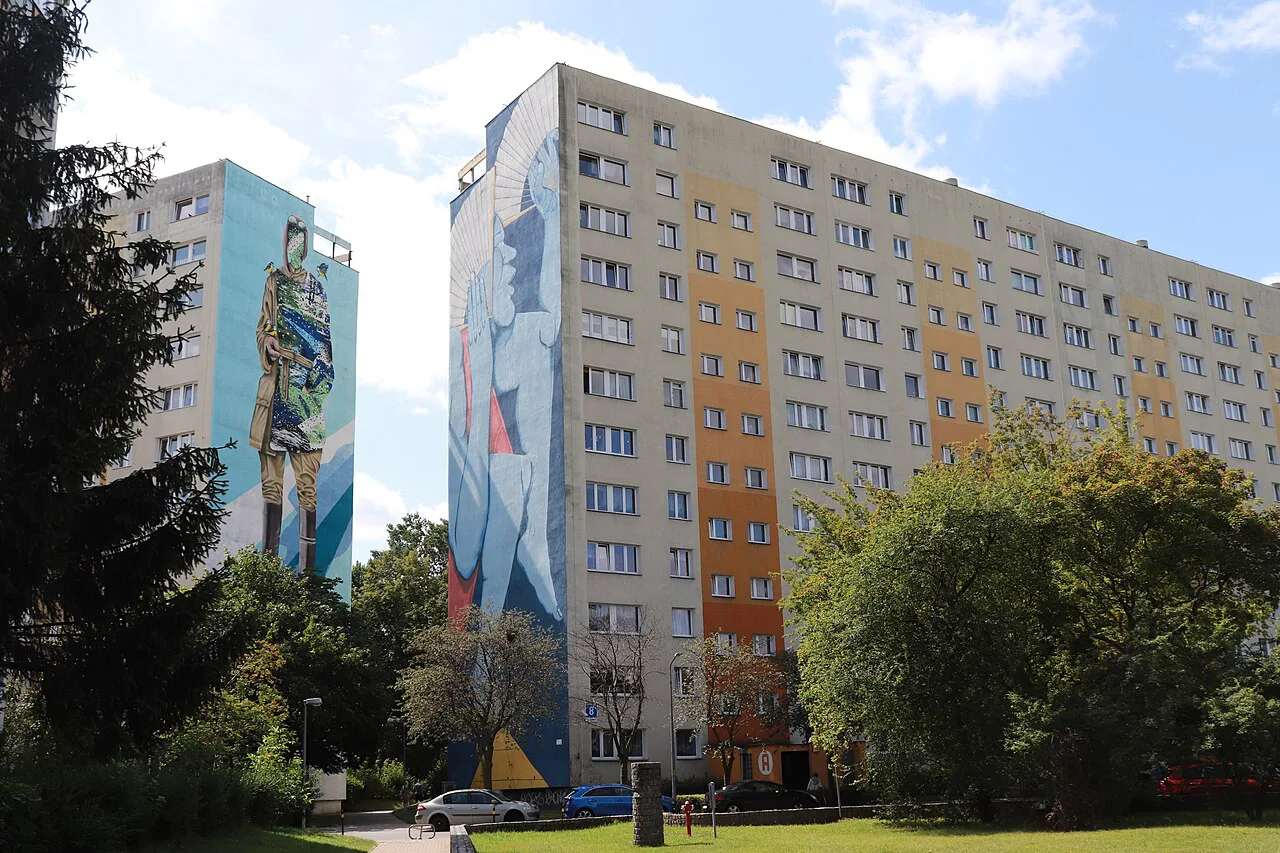
Gdańsk street art means Zaspa: a residential estate in the north of the city whose apartment blocks carry a collection of monumental murals painted on their gable walls since 1997. Allow about half a day for it, because you are walking between housing blocks rather than through a gallery district, and it sits well away from Główne Miasto, the old town. This guide covers what the murals are, how to see them on foot, and where to go indoors for contemporary art when the weather turns.
The second half of the plan is the city's contemporary art scene, which Visit Gdańsk sets out as a mix of galleries and changing exhibitions, with NOMUS described as the youngest museum of contemporary art in Poland. Neither the murals nor the galleries belong to the old-town sightseeing circuit, so both reward a deliberate detour rather than a stroll past.
What Gdańsk street art actually is
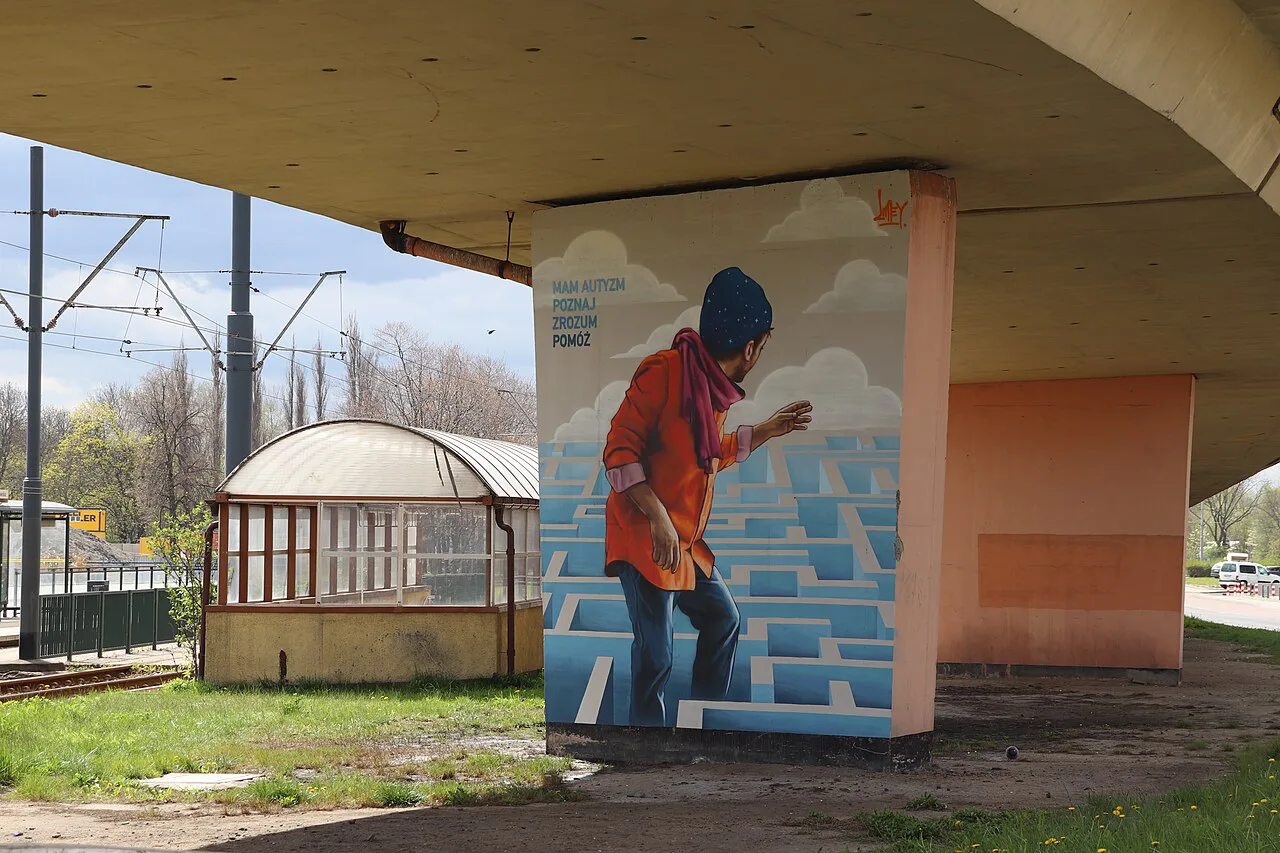
Visitors expecting frescoes on burgher houses in the old town are looking in the wrong place. The city's large-scale street art is a collection of monumental murals on the Zaspa estate, documented in a collection PDF that gathers examples of street art, classical mural painting, figurative work and conceptual pieces. That range matters when you plan: some walls are pure lettering and colour, others are narrative pictures that reward a closer look.
Treat the murals as public art rather than an attraction with a door and a ticket desk. They are painted onto the walls of inhabited blocks, so you view them from courtyards, pavements and the gaps between buildings, and you keep your voice down and your camera pointed at the wall. That is the honest trade-off: no curation, no interpretation panels to rely on, and no shelter if it rains.
Zaspa in brief: a housing estate in the north
Zaspa is a large postwar housing estate in the north of Gdańsk, built up with long blocks and open ground rather than the compact grid of the old town. Knowing this helps you read a map: you are navigating a residential district, so pick your target blocks before you set out and expect to walk between them on ordinary streets.
The estate lies north of the centre and is served by public transport, which is how most visitors get there without a car. Plan the trip as a single out-and-back leg rather than something you slot between old-town sights, and check current times and ticketing with the operator before you set out.
The murals themselves: scale, subjects and growth
Scale is the point. A visitor listing notes that the largest murals rise some 36 metres, which is why the paintings read from a distance and why a phone snapshot from the pavement rarely does them justice. Step back across the courtyard or road to take in a whole wall before moving in on the detail.
The collection has grown since 1997, when painting on the estate began, and later walls sit alongside earlier ones, so styles shift as you walk. The mural collection PDF is the most useful single overview of what the project covers, gathering street art, classical mural painting, figurative work and conceptual pieces.
How to see Zaspa on foot
Work out a loop rather than zig-zagging: pick a handful of blocks, walk the streets between them, and accept that you will pass plain walls too. Two to three hours covers a good selection at an unhurried pace, and half a day lets you add a pause without clock-watching. Wear shoes for pavements and grass verges, and carry water in summer because the estate has little shade in its open spaces.
Because the murals are scattered across a lived-in estate, a printed or offline map earns its place. Save the route before you leave the centre, jot down the block names and streets you want to hit, and keep expectations realistic: this is a walk with art on it, not a signed trail with a start and finish.
Painted walls elsewhere in the city
Zaspa holds the concentration, with walls painted by Polish and international artists on the estate's apartment blocks. The difference for your plan is scale: this is one large, dense collection rather than single murals dotted across the centre, so treat it as a destination in its own right. If time is short, you are better off skipping it than trying to catch it in passing.
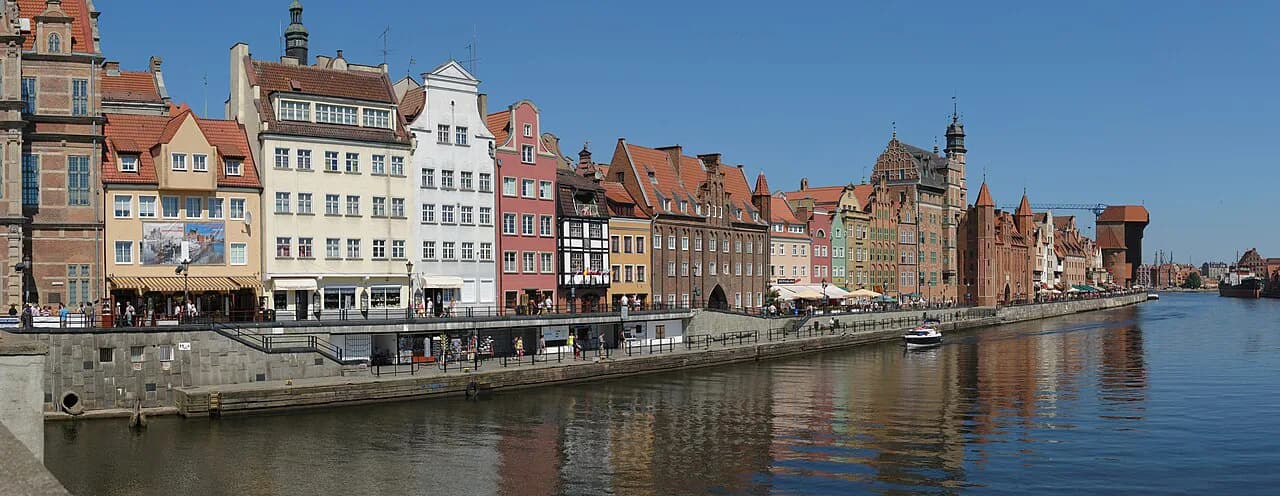
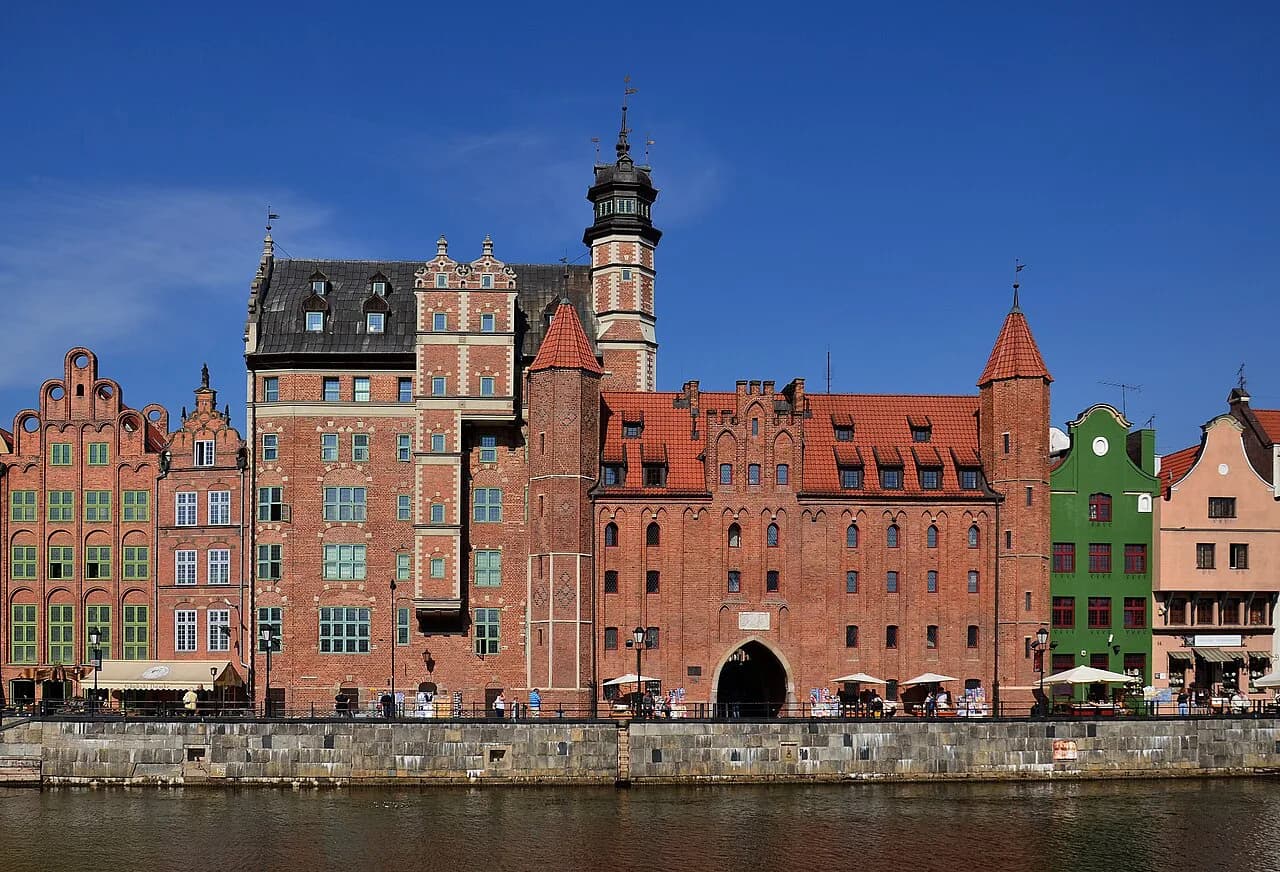
Set your expectations for the old town accordingly. The appeal of Główne Miasto is its rebuilt brick facades, towers and gateways, and that is where old-town sightseeing belongs rather than the estate. If you want to understand the architecture you are walking past, keep a short reference to hand while you wander, and if your plans touch the city's Jewish heritage, there is a separate guide to Jewish Gdańsk.
Contemporary art indoors: NOMUS
NOMUS is the anchor for a wet day. Visit Gdańsk describes it as the youngest museum of contemporary art in Poland, with exhibition rooms plus a social space called Znajomi znad morza that holds a café, a children's corner and a bookshop, and a ground floor used for film screenings, talks and concerts. That mix makes it a sensible choice for a group with mixed appetites for looking at art.
The same source sets out detailed access information, including step-free routes, a lift, an adapted toilet, a quiet room and a staff contact for visitors who want to discuss a particular exhibition before arriving. If anyone in your party has access needs, emailing ahead is the practical move because each new exhibition is arranged differently. Ticket prices and opening days are published by the museum itself, so check its site for the day you plan to go.
Smaller galleries: Galeria UL and Gdańska Galeria Miejska
Galeria UL is a contemporary art gallery at Święta Barbara 3, described by Visit Gdańsk as a grassroots cultural initiative running since 2018 and bringing together artists and theorists from different fields. Its scale is the appeal: small rooms, changing shows, and a visit that takes under an hour. The same listing covers the Gdańska Galeria Miejska, a municipal gallery with links to galleries across Poland.
Pair the two with a walk through the old town rather than treating them as separate outings, and check each gallery's own programme before you go, since exhibitions rotate and a closed changeover week would waste the detour. If your interest runs to the city's collections more broadly, the wider guide to museums in Gdańsk helps you sequence them.
Matching art to a one-, two- or three-day break
On a one-day visit, skip Zaspa. Stay in Główne Miasto, see the core sights, and use a gallery such as Galeria UL as a short indoor break if it is raining. The estate takes a half-day once you count the journey each way, and spending it there means dropping something central.
With two days, give Zaspa a morning: travel out early, walk a loop of the murals, and come back for an afternoon in the centre or at NOMUS. On three days, split the art properly, with murals on one day and the galleries on another, which leaves room for the heavyweight history museums as well. If you are weighing those, the Gdańsk WW2 guide covers the Museum of the Second World War and the Westerplatte memorial.
Is Zaspa worth a morning of your break?
Yes, if street art is a reason you travel rather than a nice surprise. The murals are large, numerous and free to see, and walking a housing estate gives you a side of Gdańsk that the rebuilt old town cannot. No, if this is your first short visit and you have one full day: the old town and a single museum will use it well, and Zaspa will still be there next time.
Whichever you choose, put the indoor option on the other half of the day. NOMUS and the small galleries give you somewhere dry to land, and the murals give you the outdoor half that no ticket queue can spoil.
Explore more Gdańsk guides
Frequently Asked Questions
Do you need a guide to see the Zaspa murals?
No. The murals are on the exterior walls of residential blocks and are viewed from public streets and courtyards, so you can walk them independently. Take a map, note the street names, and allow two to three hours for a selection.
Is the street art in Gdańsk free to see?
The Zaspa murals are painted on the outside of apartment buildings and there is no ticket desk. Indoor galleries and museums set their own admission, which you check on the venue's site before travelling across the city.
What is the main street in Gdańsk for sightseeing?
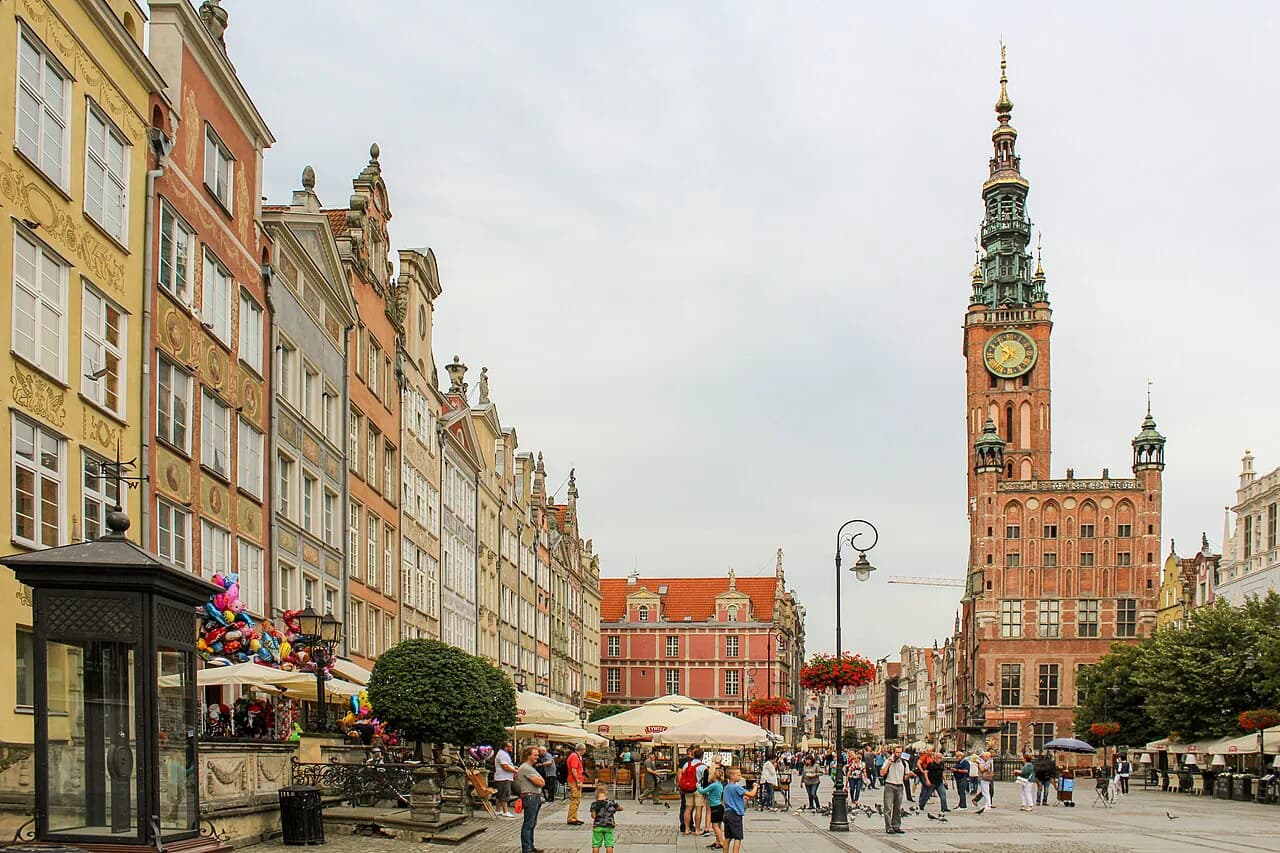
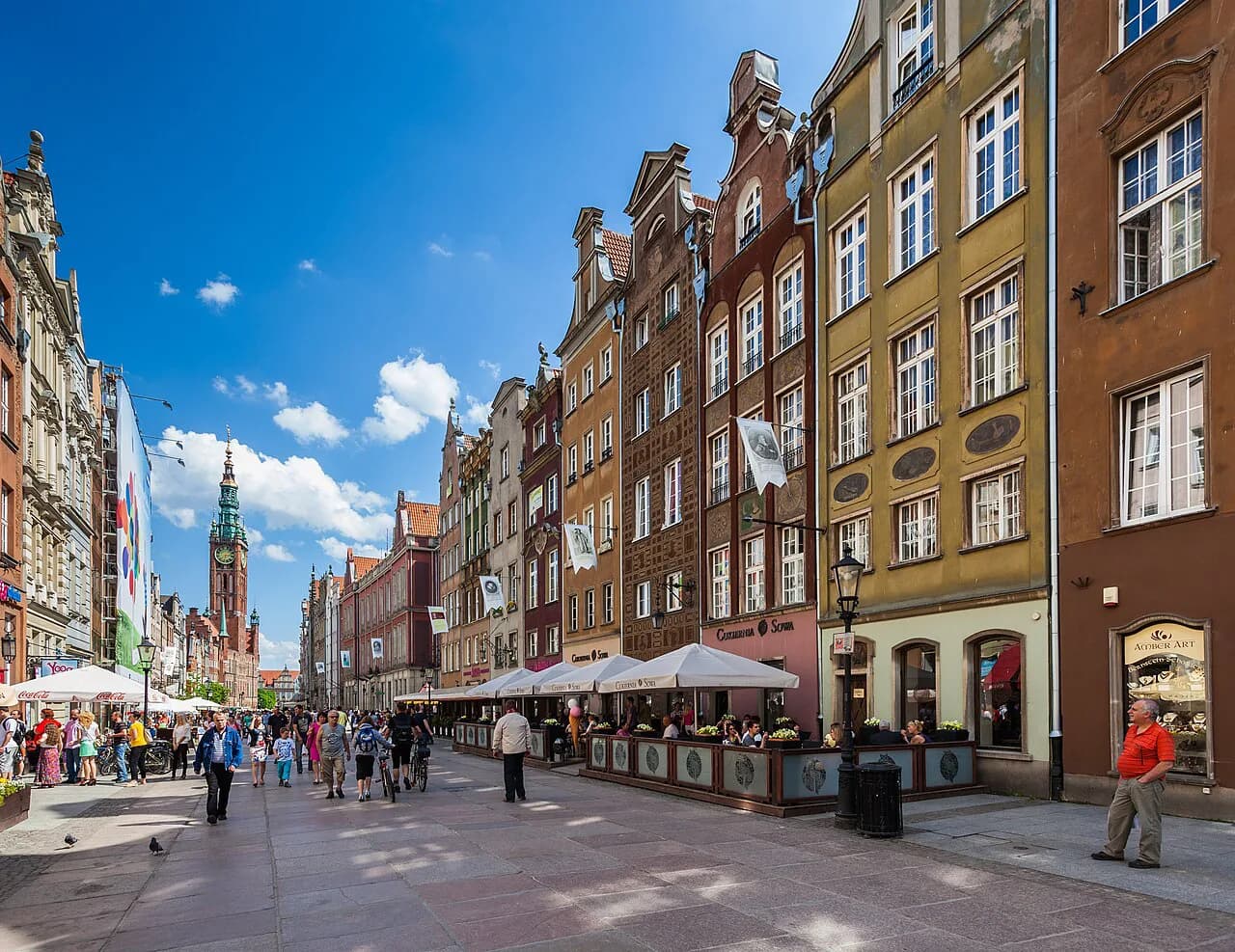
Długi Targ, the long market in Główne Miasto, is the ceremonial heart of the old town, lined with the town hall, Artus Court and the Neptune fountain. It is a natural starting point before heading north to Zaspa.
Sources
Notes for your next Polish city break
Optional updates to our Poland guides.
You might also like
Continue reading
More guides you'll find useful