Jewish Wrocław: Synagogue, Cemetery and Heritage Sites
Plan a Jewish heritage visit in Wrocław: the White Stork Synagogue on ul. Włodkowica and the Old Jewish Cemetery on Ślężna, with what each site is.
On this page
Jewish Wrocław fits into two named sites on a short break: the White Stork Synagogue at ul. Włodkowica 7, a short walk from the Rynek, and the Old Jewish Cemetery at Ślężna 37/39, a tram ride south of the centre. This guide covers what each one is, what a visit involves, the tombstone symbolism worth hunting for at the cemetery, and how to slot both into a one- to four-day trip.
The city's Jewish story runs deep: the oldest Jewish tombstone found in Wrocław dates to 1203, and by 1290 the community here was the second largest in East Central Europe after Prague, according to the JGuide Europe entry for the synagogue. That long arc is the reason a couple of hours spent on these two sites repays the detour.
What Jewish heritage you can see in Wrocław in a short break
Two sites carry the visit: the White Stork Synagogue on ul. Włodkowica and the Old Jewish Cemetery on Ślężna. The synagogue sits in the streets west of the Rynek, close enough to pair with a morning in the centre; the cemetery is further out, so treat it as its own half-day rather than something you tack onto a lunch break.
Those looking for more Jewish history in Poland often head to Kraków's Kazimierz, but Wrocław rewards a shorter, more focused stop: one restored synagogue plus one of the region's oldest surviving Jewish cemeteries. If your interests run to museums more generally, the city's main collections are gathered in our guide to museums in Wrocław, which helps you decide what else deserves a slot.
The White Stork Synagogue on ul. Włodkowica: what it is and what a visit involves
The White Stork Synagogue stands at ul. Włodkowica 7, with the contact number listed by JGuide Europe as +48 71 343 64 01. A visitor account describes it as authentically restored and holding a historical overview of the Jewish community in Breslau, the city's German name.
It is a restored synagogue rather than a museum, so the visit is short: you look at the restored interior and the historical display, then you leave. Allow roughly 30 to 45 minutes. Check the synagogue's own opening times and admission arrangements before you build your day around it.
The trade-off is that a short visit and an active congregation mean you should not treat the synagogue as an attraction to tick off noisily; arrive with a few quiet minutes in mind and expect the building to set the pace. If you want a fuller half-day in the centre, the Rynek, the Town Hall and the streets of the Główne Miasto are within walking distance and are covered in our guide to Wrocław history.
The Old Jewish Cemetery on Ślężna: the sepulchral art and symbolism worth looking for
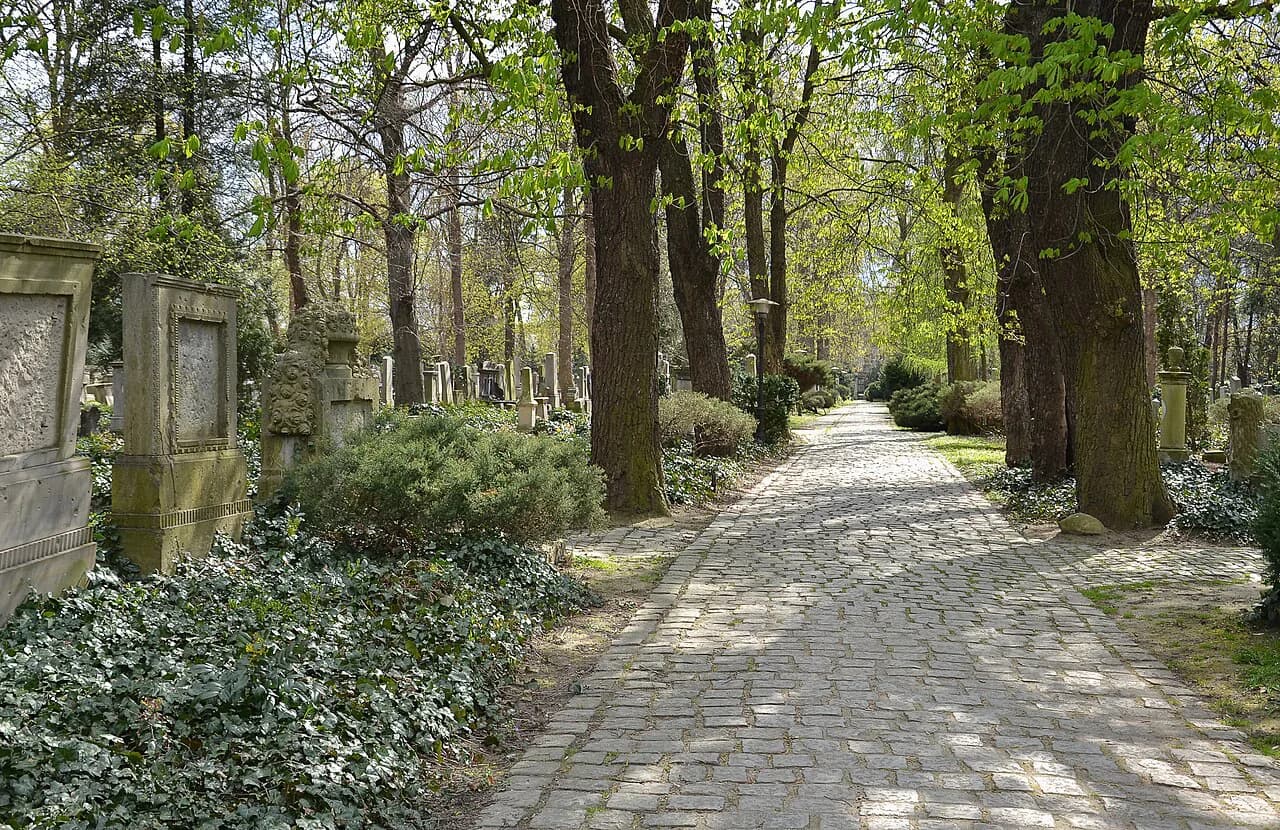
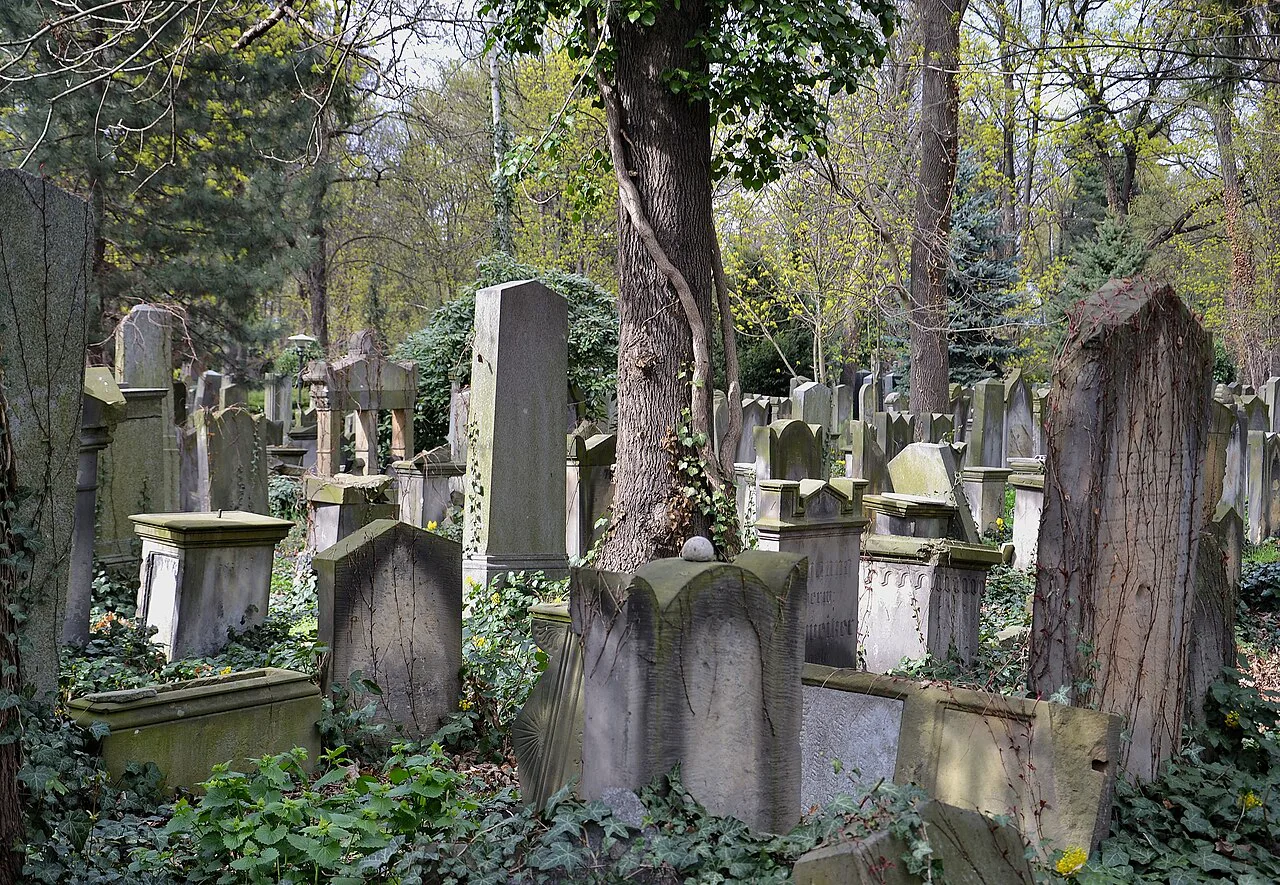
The Old Jewish Cemetery at Ślężna 37/39 is not medieval despite the name: it was created in the mid-19th century, in the fashion for park-like burial grounds that placed tombstones in natural settings. During the Second World War the German Nazi occupiers used the site as a fortress, and bullet holes from the fighting are still visible today. It was recognised as a city monument of Wrocław in 1975, when restoration measures finally began.
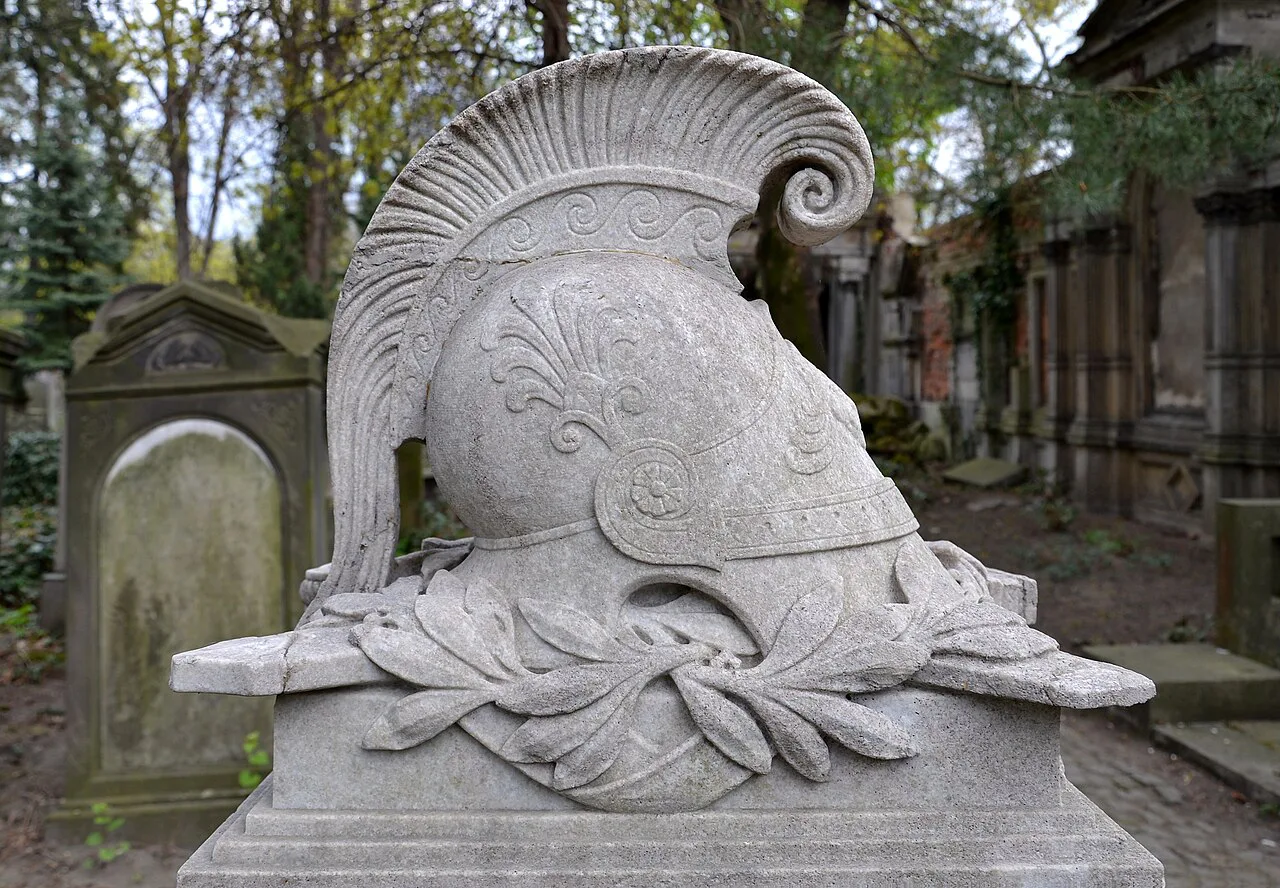
The real reward here is the Ashkenazi tombstone symbolism. A broken candle marks a woman whose life ended young; a set of hands indicates a descendant of Aaron; a jug of water marks a descendant of the Levites, who wash the hands of the priests; a truncated tree symbolises a sudden death. Once you know the code, the overgrown plots become a scavenger hunt rather than a wander.
The grave of the rabbi Ferdinand Rosenthal and his wife, marked with a menorah, is one of the identifiable stones to look out for. The site is atmospheric and partly overgrown, which some find moving and others simply hard to read without guidance.
How the two sites fit into a one- to four-day Wrocław itinerary
On a one-day visit, do the White Stork Synagogue in the morning while you are fresh and close to the Rynek, then spend the afternoon on the centre's museums and squares. On two days, give the cemetery its own afternoon: the tram ride south plus an hour or more among the stones is a genuine half-day, not a quick detour.
With three or four days you can pair the cemetery with the older parts of the city across the river. Ostrów Tumski's churches, including the Wrocław cathedral, are a natural companion for a quiet, contemplative day, and our guide to the churches in Wrocław covers the main ones. Keep one full day for the centre and one for the riverbank rather than trying to cross town between sights every hour.
If you are also weighing the city's larger sites, our guide to Wrocław castle sets out what is there and helps you decide whether it deserves a day alongside the Jewish sites.
Walking and getting between the synagogue quarter and the cemetery
The synagogue quarter is a short walk from the Rynek, so it slots into a city-centre stroll alongside the architecture of the Główne Miasto. The cemetery on Ślężna is different: it is a tram or bus ride south of the centre, so plan the transport leg rather than assuming you can walk it in the same morning.
Build the trip from your hotel district with the tram map in hand, and see our guide to Wrocław WW2 for the wider wartime context of the city.
Ticket prices in złoty and free-entry days reported for the cemetery
A 2015 visitor account records admission to the Old Jewish Cemetery on a band of 7 to 20 zł, with free entry on Thursday. Treat those figures as a historical snapshot and check the current prices at the gate.
The same 2015 account gives entry hours of 10am to 6pm, with autumn and winter closing at dusk. The White Stork Synagogue's own hours and ticket arrangements are not documented in these sources, so check them with the synagogue directly before you go.
The reported free Thursday is the obvious way to keep the cemetery within budget, but a weekday morning paid entry is likely to give you the quieter, more reflective visit for the cost of a few złoty.
Etiquette and respectful visiting at the synagogue and cemetery
As at any active place of worship, keep voices low and be mindful about photographing people at prayer. At a Jewish burial ground, behave as you would in any cemetery: keep to the paths where you can, do not walk on or lean against stones, and remember that the overgrown sections are memorial ground.
For those interested in the wider wartime story, the city's other memorials are worth adding to a longer trip. Our guide to Wrocław WW2 Sites covers the fighting that shaped the modern city.
Where to read up before you go: the cemetery booklet and site interpretation
The difference between a pleasant wander and a proper visit at the cemetery is a small booklet on the Old Jewish Cemetery by Maciej Lagiewski, which explains the sepulchral art and tombstone symbolism. Buy it when you arrive and use it as a field guide rather than reading it afterwards.
For a broader cultural context, the display inside the White Stork Synagogue covers the history of Breslau's Jewish community, which is useful as background before you walk south to the cemetery. It is a short read but it frames the stones you will see later.
If you want the larger picture of Wrocław's museums and collections before committing your days, our guide to the museums in Wrocław sets out the choices for a rainy afternoon.
Which site should you start with?
Start with the White Stork Synagogue if you have only a day: it is close to the Rynek, a short visit, and it frames the story before you travel south. Move to the Old Jewish Cemetery when you have a half-day to spare, because its reward comes from slow looking with the booklet in hand rather than from a fast circuit.
If the cemetery is the reason for your interest, go straight there on a weekday morning when the light is better and the paths are quieter, then walk the synagogue quarter in the afternoon. Either way, one visit to each is enough to see Jewish Wrocław properly on a short break, and the rest of your days can go to the museums, churches and streets of the centre.
Explore more Wrocław guides
Frequently Asked Questions
Is the White Stork Synagogue still an active synagogue?
JGuide Europe lists the White Stork Synagogue as a place of worship on ul. Włodkowica 7. Its opening hours and admission arrangements are not documented in these sources, so check with the synagogue directly before visiting and treat it as a place of worship wherever services are taking place.
How old is the Jewish community in Wrocław?
The oldest Jewish tombstone found in the city dates to 1203, showing a settled community by the early 13th century. By 1290, Wrocław had the second largest Jewish community in East Central Europe after Prague.
Do you need to book to visit the Old Jewish Cemetery?
The 2015 account describes it as a paid visitor site with a small booklet sold at the entrance and no mention of booking. Confirm current admission arrangements before you go, especially for groups.
Sources
Notes for your next Polish city break
Optional updates to our Poland guides.
You might also like
Continue reading
More guides you'll find useful