Art Nouveau in Poland: Where to See It Beyond Kraków
Art Nouveau in Poland is called secesja, covering stained glass, cafés, facades and industrialists' palaces. Here is where to find it and what to look for.
On this page
Art Nouveau in Poland is called secesja, and the style runs through stained glass, café interiors, apartment facades and industrialists' palaces. This guide explains the Polish term, names the key artists and streets, and shows how to plan a short city break around the buildings you can actually visit.
Kraków holds much of the movement's depth, but the style appears across the country in different forms, from surviving facades to whole districts. The trade-off is that interiors often belong to cafés or museums, so you need to check where you can walk in and where you can only look up.
What Art Nouveau in Poland is and why Poles call it secesja
Secesja is the Polish word for Art Nouveau, and it appears on museum labels, gallery captions and heritage plaques across the country. The term became associated with Młoda Polska, or Young Poland, the movement that gathered painters, designers and writers around 1900 and gave the style a distinctly national flavour.
The style flourished in the Habsburg province of Galicia after 1870, when the region gained far-reaching autonomy and Kraków was allowed to teach in Polish again. Museums opened and the Jan Matejko Art Academy was launched, drawing artists from across divided Poland to the city. That combination of civic confidence and artistic freedom is why so much of the movement's surviving work sits in and around Kraków.
Kraków's role as the centre of the movement
Kraków served as the movement's hub because it was the former royal capital and a place where Polish cultural life could breathe under Austrian rule. Artists belonging to the Sztuka fraternity staged exhibitions across Galicia and beyond, and many of them gathered in the city's cafés. The result is a dense cluster of buildings, interiors and collections that rewards a focused walk rather than a rushed one.
Many of the artists came from noble families, and those who did not burn out went on to become professors, which helped embed the style in the city's institutions. For a visitor, that means the surviving pieces are as likely to sit in a museum or a café as on a facade.
The names to know: Wyspiański, Mehoffer and Malczewski
Three figures stand out: Józef Mehoffer, Jacek Malczewski and above all Stanisław Wyspiański. All three were invited to join Vienna's Secession in its opening year and contributed regularly to its journal, Ver Sacrum. Knowing their names helps you spot the difference between a decorative facade and a room designed as a total work of art.
Wyspiański's reputation rests on more than painting; he worked across stained glass, theatre and design. Mehoffer and Malczewski likewise moved between portraiture, mural work and decorative schemes, which is why their names appear on buildings as well as in galleries. When you see a plaque or a caption in a museum, these are the names to look for first.
Café Jama Michalika and the bohemian interiors of Florianska
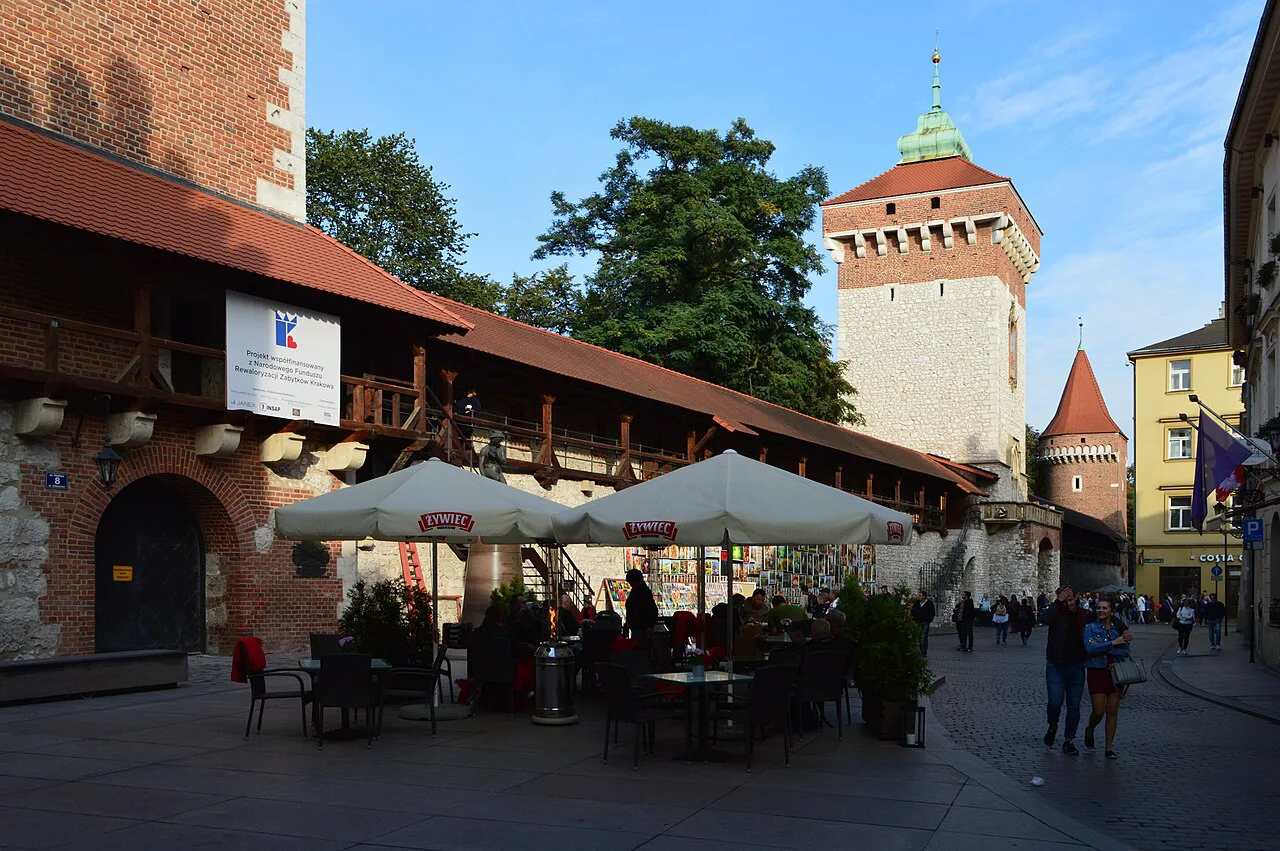
Café Jama Michalika, often translated as Michalik's Den, was a legendary hangout for Kraków's bohemian set. It sits on Florianska, the street that runs from the main square towards the Florian Gate, and its interior is the reason many visitors step inside.
Treat a visit as a coffee stop rather than a heritage tour, and order something if you want to linger. Walk Florianska slowly and look above the ground-floor shopfronts, where the decorative detail often survives intact.
Szczepański Square: the Art Nouveau facades to look up for
Szczepański Square, a short walk north-west of the main square, is worth a detour for its Art Nouveau facades. The buildings lining the square reward a closer look, especially if you raise your eyes above the ground floor. It is a compact stop that fits easily into a walk between the main square and the university quarter.
Treat the square as an outdoor gallery: the pleasure is in the detail rather than in entering any single building. Many of the facades belong to working offices or apartments, so admire them from the pavement and do not expect to go inside. Pair the square with Florianska and you have a short, walkable secesja circuit.
How Polish artists fitted into the Vienna Secession
When Gustav Klimt co-founded the Vienna Secession in 1897, a fifth of its members were Poles, a share that grew over the following decade. Polish artists contributed reams of material to the group's journal, Ver Sacrum, and Viennese critics often singled them out as the most inspiring presence in the movement. That connection explains why Polish names appear in Habsburg-era exhibition records and building commissions.
The Secession's motto, that every age should have its art and art its freedom, resonated with artists working in a country divided between three empires. For Poles, the style carried a patriotic charge as well as an aesthetic one. When you read about Polish secesja, the Vienna link is the reason the movement looks outward as well as inward.
Buildings built in this style elsewhere in Poland: what to know before you plan
Outside Kraków, the style survives in different forms, and the Wikimedia category for Art Nouveau architecture in Poland groups buildings by voivodeship and by city. That structure is useful for planning because it shows which towns have documented examples before you commit to a detour. Use it as a starting point, then confirm that a building is open to visitors rather than just visible from the street.
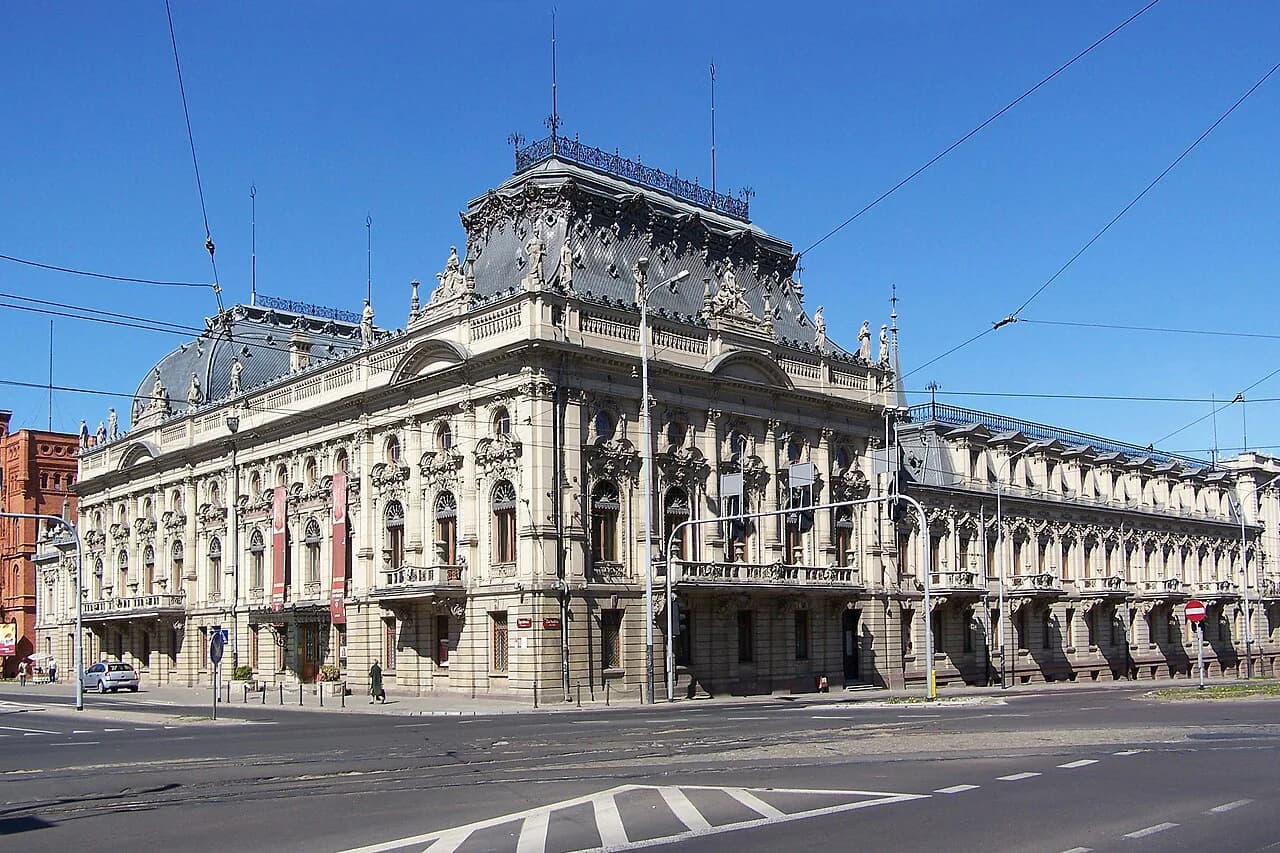
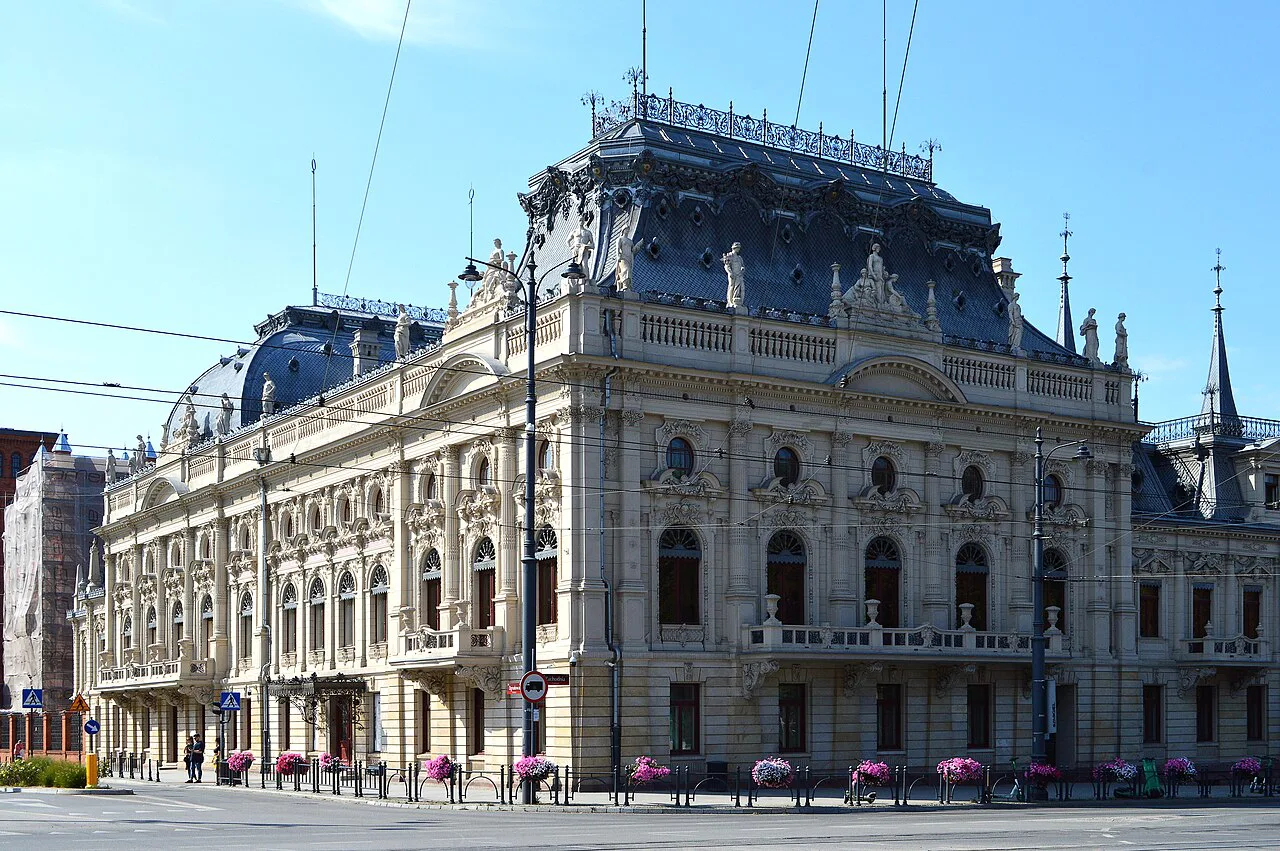
Łódź, Gdańsk, Poznań and Wrocław all have documented Art Nouveau buildings in the wider Polish story, but the survivals in each city vary in scale and accessibility. The Wikimedia category groups them by voivodeship and by city, which is a useful starting point for planning, but it does not establish that any given building is open to visitors. Confirm access with each city's own heritage listings before you build an itinerary around a single building; many are apartment blocks or offices where only the facade is on show.
Other Polish cities to watch for the style
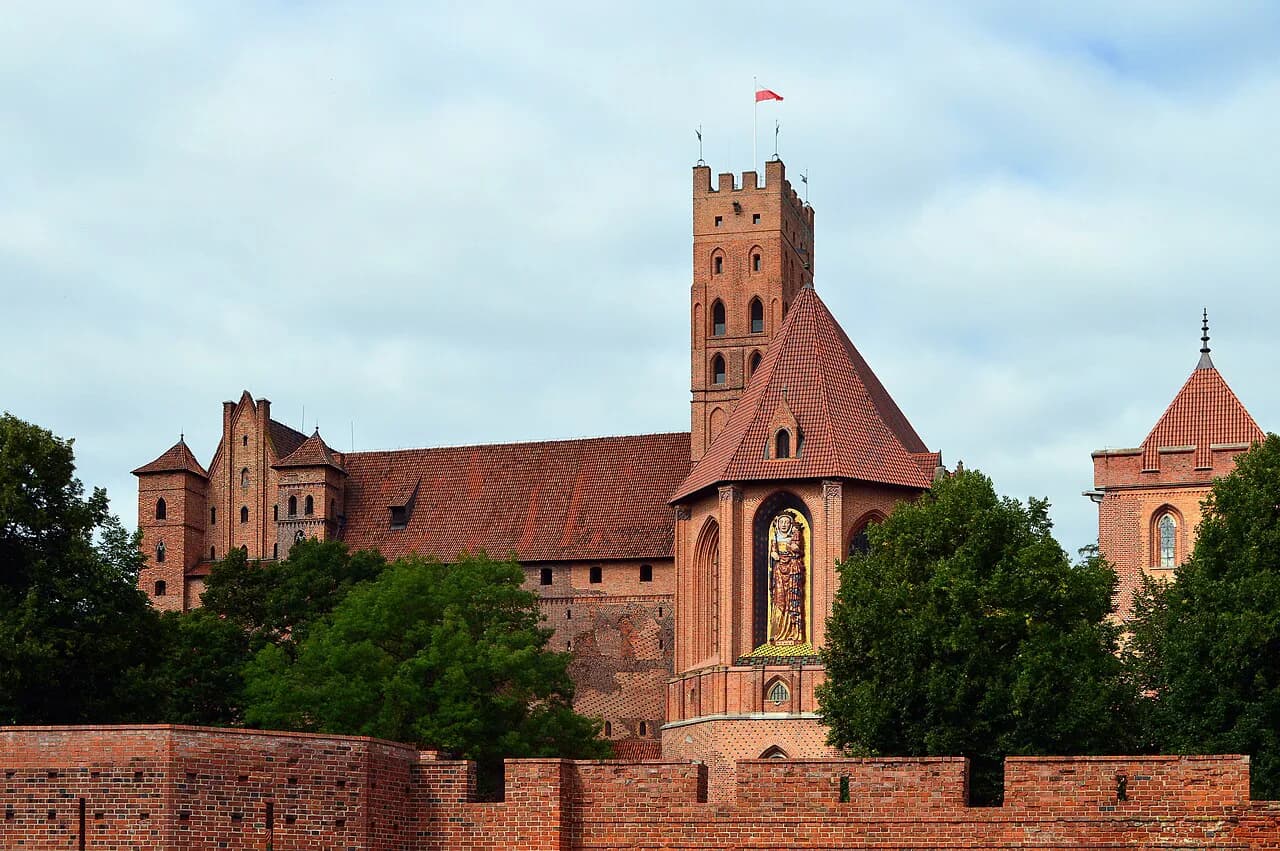
Gdańsk's Główne Miasto is better known for brick Gothic, but the wider Polish architecture trail shows how styles layer across the country's cities. If you are already following that trail, add a secesja stop where a city's heritage listings support one. It is a way to widen a short break without turning it into a research project.
For travellers who want to see how Polish architects adapted international currents to local materials, the Zakopane style is a separate thread worth reading alongside secesja. The same instinct, of turning a European style into something national, runs through both. Keep the two traditions distinct when you read plaques, because they answer different questions.
How to plan a short city break around Art Nouveau buildings
Build the day around a single quarter rather than chasing buildings across the city. In Kraków, start at Szczepański Square, walk down Florianska to Jama Michalika, and finish at the main square, which keeps the walking short and the looking concentrated. Allow time to stand still and look up, because the detail is easy to miss at walking pace.
Check whether the interior you want to see is a café, a museum or a private building before you set out. Cafés are working businesses, museums may need a ticket, and private buildings are facades only. That single check prevents most wasted detours.
If you are comparing Polish cities, pair modern architecture with secesja to see how the country's building culture changed across a century. The contrast makes both styles easier to read. Keep the itinerary to two or three named stops a day so you have room for the unplanned facade that catches your eye.
Which city should you book for secesja?
Kraków is the strongest single base for Art Nouveau in Poland because it combines facades, café interiors and museum collections within a walkable centre. Choose it if you want depth and are happy to mix a coffee stop with a heritage walk.
Choose another city only when its own heritage listings name a secesja building you specifically want to see. Otherwise, treat the style as one thread in a wider Polish architecture trip rather than the whole reason for the journey. For more, see Polish architecture.
Explore more Poland guides
Frequently Asked Questions
What was Art Nouveau called in Vienna?
In Vienna the movement was called the Secession, after the group Klimt co-founded in 1897. Polish artists joined in large numbers and contributed to the group's journal, Ver Sacrum.
Which Polish city is most associated with Art Nouveau?
Kraków is the city most closely tied to Polish secesja, with interiors, facades and collections within a walkable centre. Other cities have documented examples, but the scale and accessibility vary, so check local heritage listings before planning around a single building.
Can you see Art Nouveau interiors without a museum ticket?
Cafés such as Jama Michalika on Florianska have interiors that are part of a working café rather than a ticketed museum. Treat it as a coffee stop: order something if you want to linger and admire the room, and check the café's details before a special trip.
Sources
Notes for your next Polish city break
Optional updates to our Poland guides.
You might also like

Continue reading
More guides you'll find useful