Toruń: A Practical Guide to Poland's Gothic UNESCO City
Plan a Toruń city break around the UNESCO-listed medieval town, Copernicus and gingerbread, with honest advice on how many days to allow.
On this page
Toruń needs one full day, and two if you want the museums rather than just the streetscape, because the medieval town is compact enough to walk end to end but dense enough to fill a slow afternoon. This guide covers what Toruń is, how the Old Town and New Town sit together inside the walls, which sights to prioritise, how the Copernicus and gingerbread stories fit your day, and how to slot the city into a wider Polish trip.
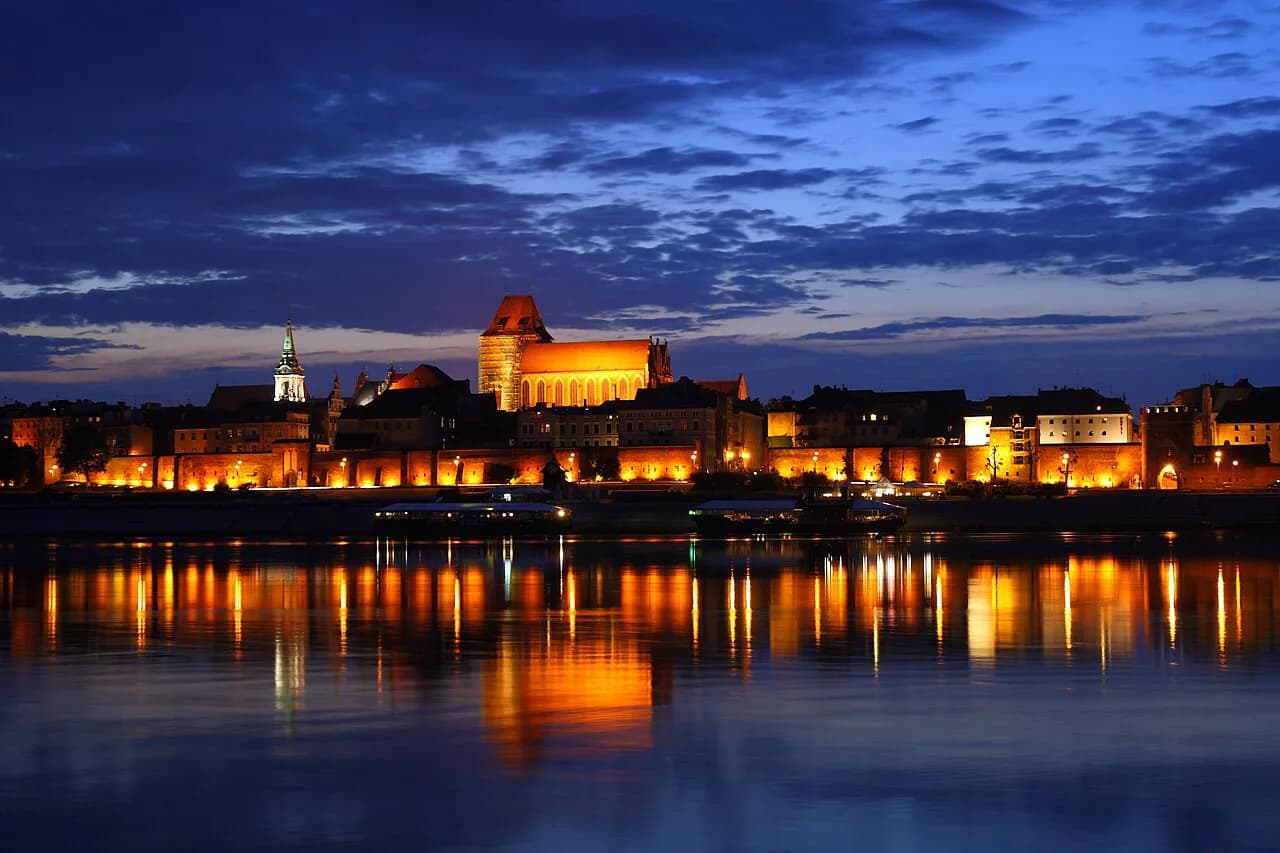
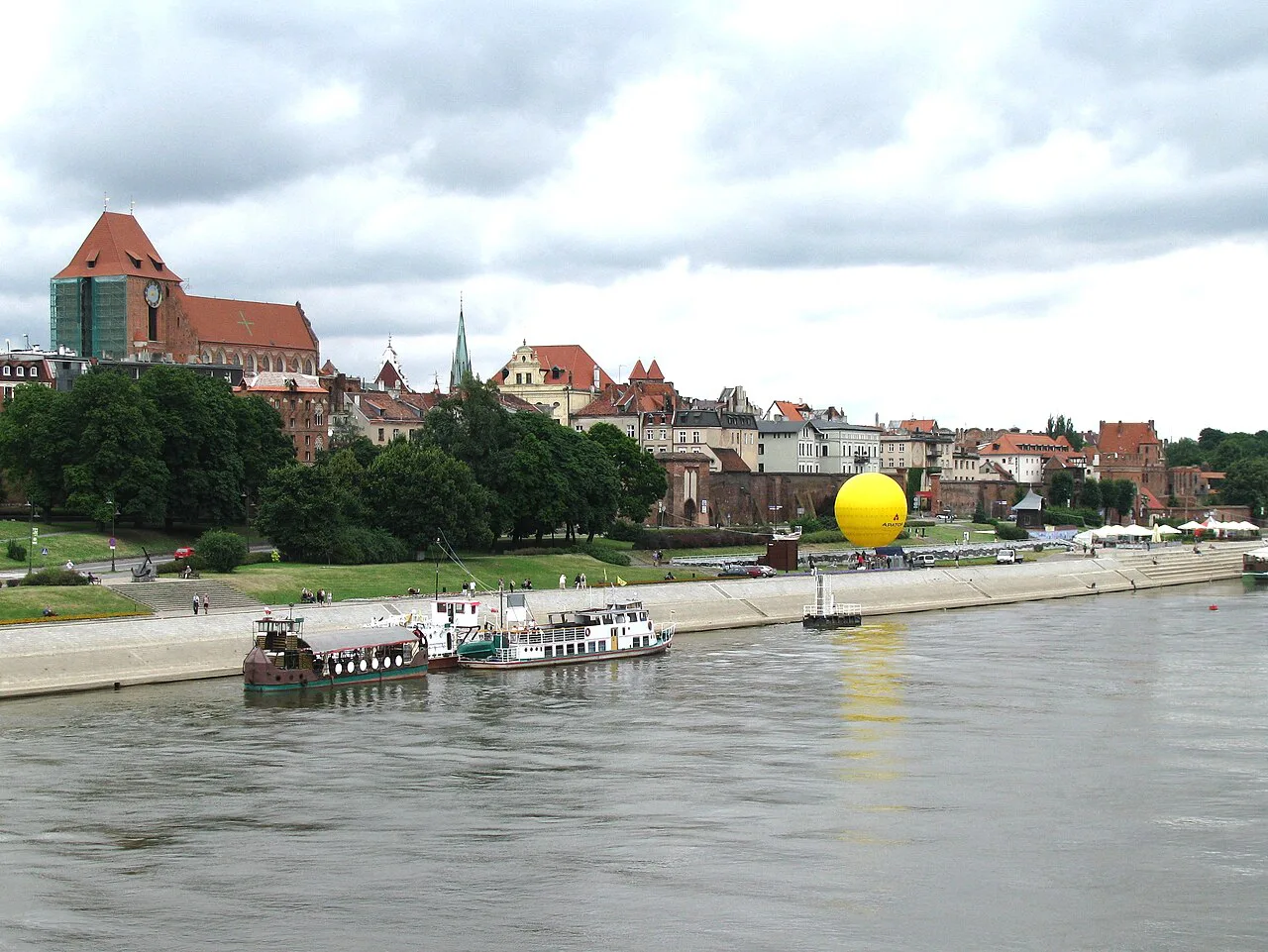
The city sits on the Vistula in north-central Poland and was inscribed as a UNESCO World Heritage Site in 1997, with the listing describing it as a remarkably well-preserved example of a medieval European trading and administrative centre. That status is the reason to come: the street plan, the red-brick churches and the merchant houses survive as a single ensemble rather than as isolated monuments.
What Toruń is known for
Toruń is famous for three things: the best-preserved medieval town in Poland, Nicolaus Copernicus, and gingerbread. The city's own tourism board describes it as Poland's best-preserved medieval city and one of the most valuable medieval urban complexes in Europe, and the same portal treats Toruń's gingerbread and the astronomer as headline stories rather than footnotes.
A Teutonic, then Hanseatic, then royal city, Toruń prospered at the junction of trade routes between eastern and western Europe. That trading wealth, not court patronage, paid for the churches and town halls you will walk past, which is why the centre reads as mercantile rather than aristocratic.
The historic core you will visit is small enough to cross on foot in half an hour. Expect a working provincial city around the old walls rather than a town built entirely for visitors, which keeps prices and pace less polished and more ordinary.
How Toruń is laid out
Toruń's medieval town is split into two connected parts inside the old defences: the Old Town, centred on the Rynek, and the New Town to the north, which was a separate merchant foundation with its own market square. The UNESCO listing covers the medieval town as a whole, so both halves count as the heritage site rather than only the showpiece square.
In practice this means you can plan a loop: start on the Rynek, walk north through the Old Town Gate into the New Town, then follow the surviving walls back down towards the river. The streets between the two market squares are short, and the numbered street grid from the medieval layout makes navigation simple once you fix the river to the south.
The tourism board publishes a page on getting around Toruń alongside information on the old city's UNESCO site and its car traffic, so the centre is best handled on foot. Bring comfortable shoes: the surfaces alternate between paving, cobbles and flat riverside paths, and heritage streets are rarely kind to wheels.
The sights to prioritise
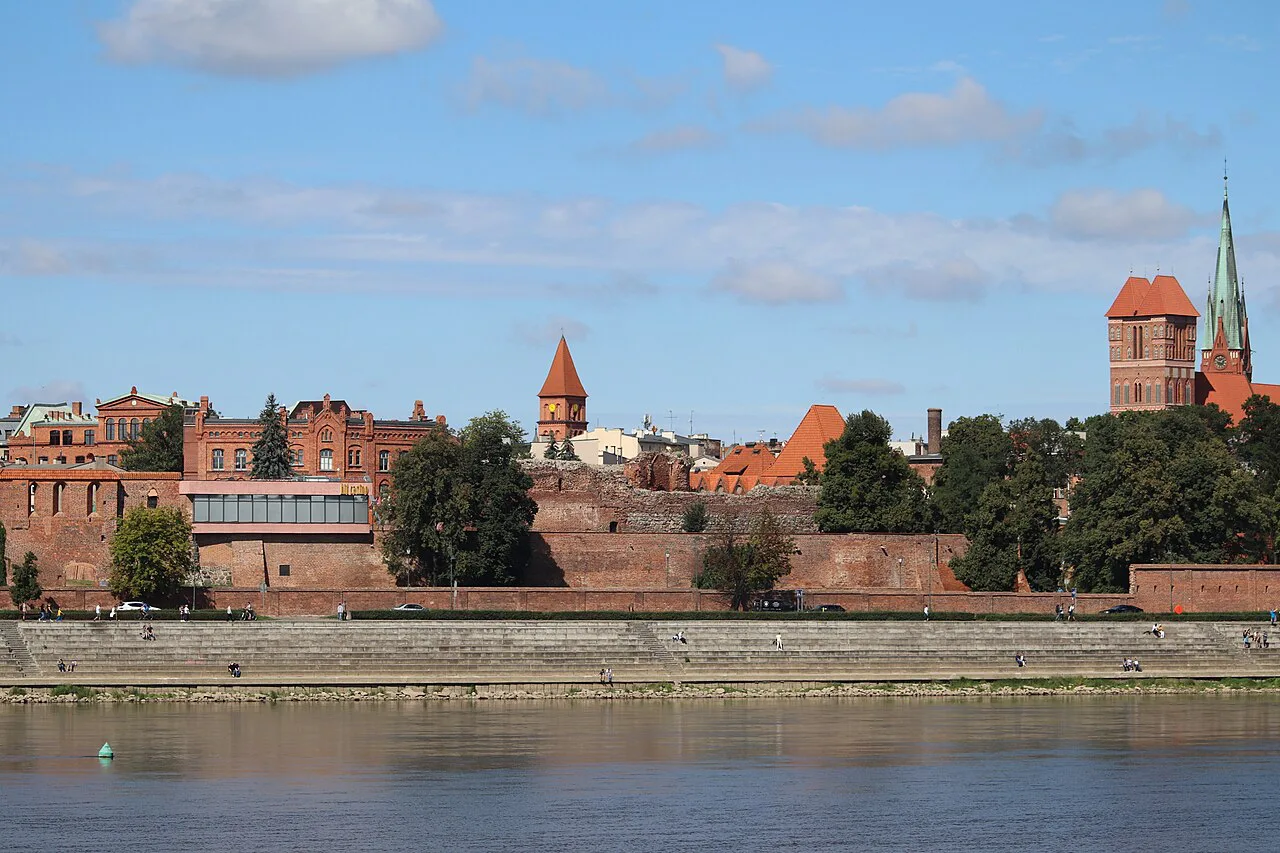
The Old Town Hall in the middle of the Rynek is the first stop, the square's brick centrepiece and the natural orientation point for the whole Old Town. From its steps you can pick out the cathedral towers, the gatehouse and the merchant frontages without committing to a route.
Second on the list is the cathedral quarter towards the river, then the city walls and gates, including the leaning tower that appears on the tourism board's own itinerary building blocks. The New Town's Teutonic castle remnants give you the occupation story as a ruin rather than a display case, and the walk between these three covers most of the historic core.
Check opening days and ticket prices for each museum directly with the venue, since smaller museums close one day a week and you do not want to lose your only morning to it.
The wider Polish comparison is useful here: the UNESCO Sites in Poland page groups Toruń with the country's other inscribed towns, so you can judge whether to spend your heritage hours here or save them for another city.
Copernicus in Toruń
Nicolaus Copernicus was born in Toruń, and the city treats that as its single biggest claim on your attention. The tourism board runs a dedicated Copernicus section and a themed guided tour called The Spirit of Copernicus in Toruń, which is the simplest way to follow the story through the streets if you are short of time.
For self-guided visitors, the Copernicus connection is spread across the Old Town rather than concentrated in one building, so mark the points on your loop before you arrive. Combine it with the Old Town Hall visit rather than treating it as a separate excursion.
Gingerbread and how to engage with it
Gingerbread is Toruń's other defining story, and the city is genuinely proud of it: the tourism board calls the town the capital of aromatic gingerbread and devotes a section to Toruńskie Pierniki. A guided gingerbread walk is listed among the official tours, which suits visitors who want the tradition explained rather than just bought.
If you would rather not book a tour, use gingerbread as a shopping task rather than a sight: buy a packet in the Old Town on your way round and treat the shop as a break between churches. Prices and shop opening hours change, so compare what the shops display on the day instead of relying on any plan made at home.
How many days Toruń needs
A half-day gets you the Rynek, the Old Town Hall from outside, the cathedral and a walk along the walls; it is enough if Toruń is a stop between Gdańsk and Warsaw and you accept that museums will be skipped. A full day adds one or two museums and a proper sit-down meal, which is the version most city-break travellers should book.
Two days lets you slow down: the New Town and castle remnants on the second morning, the Copernicus trail in the afternoon, and a gingerbread stop without rushing it. Do not stretch to three unless you plan a day beyond the city, because the historic core itself does not need it.
The split also decides your base: with one day, stay inside or just beside the old walls and walk everything; with two, you can range further from the Rynek without feeling you are wasting the day.
When to go
Spring and early autumn give you the most comfortable walking weather for a town where the sightseeing is outdoors, and late spring daylight is long enough to fit both halves of the medieval town into one afternoon. High summer fills the Rynek with visiting groups, so go early in the morning if you want the square to yourself.
Check the tourism board's pages before you set dates in case any events or temporary restrictions apply. Winter visits are possible but the appeal of Toruń is the streetscape, and cold, dark afternoons cut short exactly that.
Getting there and onward connections
Toruń sits between Gdańsk, Poznań and Warsaw, which makes it an easy stop on a wider Polish trip rather than a destination that needs its own flight. The tourism board publishes a getting-to-Toruń section covering the options, and that page is the place to confirm current connections before booking.
Two nights here pairs naturally with a longer stay in Gdańsk, and the city is close enough to Warsaw to work as a break in the journey rather than a detour. See how the sites group together on the UNESCO Sites in Poland guide before committing.
Is Toruń worth a full day?
Yes, if you want one of Europe's best-preserved medieval streetscapes without a large-city crowd, and you accept that the museums are modest and close on rotation. Book one full day, two if you want Copernicus and gingerbread treated as more than a quick stop, and keep the itinerary centred on the Rynek and the river.
If your Polish trip is built around heritage towns, compare Toruń with the country's other inscribed cities on the UNESCO World Heritage Sites in Poland guide before you fix your route.
Explore more Poland guides
Frequently Asked Questions
Why is Toruń famous?
Toruń is known for its preserved medieval town, for Nicolaus Copernicus, who was born here, and for gingerbread. The historic centre was inscribed as a UNESCO World Heritage Site in 1997, which is the main reason travellers put it on a Polish itinerary.
How many days does Toruń need?
One full day covers the Rynek, the cathedral quarter and a walk along the walls; two days adds the New Town and Teutonic castle remnants, the Copernicus trail and a gingerbread stop. The compact historic core rarely justifies a third day on its own.
Sources
Notes for your next Polish city break
Optional updates to our Poland guides.
You might also like

Continue reading
More guides you'll find useful