UNESCO Sites in Poland: The Full List and Where to Find Them
Poland has 17 UNESCO World Heritage Sites, from Toruń's medieval town to Wrocław's Centennial Hall. Here is what each one is and which city break covers it.
On this page
Poland has 17 entries on the UNESCO World Heritage List, and several of them can be seen without leaving a city you were already planning to visit. The strongest city cluster is Kraków's Old Town, Warsaw's rebuilt Old Town and Toruń's medieval street plan, with Wrocław's Centennial Hall as a single-monument listing and Zamość in the east; Malbork's Teutonic Castle is the heavyweight that sits on the northern circuit. This guide lists all 17, says what each one actually is, and sorts them by whether they fit a one-to-four-day city break or deserve their own journey.
What UNESCO World Heritage status means for a Polish city break
A World Heritage listing marks a place as having outstanding value to humanity, and in Poland the list spans far more than old towns: it takes in castles, churches, mines, a landscape park and even a forest. For a traveller the practical effect is that a single city can hold several listed monuments, so a short break often covers more than one entry at once. Treat the list as a way of grouping your days rather than a checklist to tick off in order.
Several of the 17 are urban or single-monument listings inside cities that work well for a short break, which makes them the easiest to combine. The rest are spread across the country, many in small towns or open landscape, and repay a dedicated half-day or full day. Deciding which group you are targeting is the single most useful planning step.
The UNESCO sites you can see on a city break
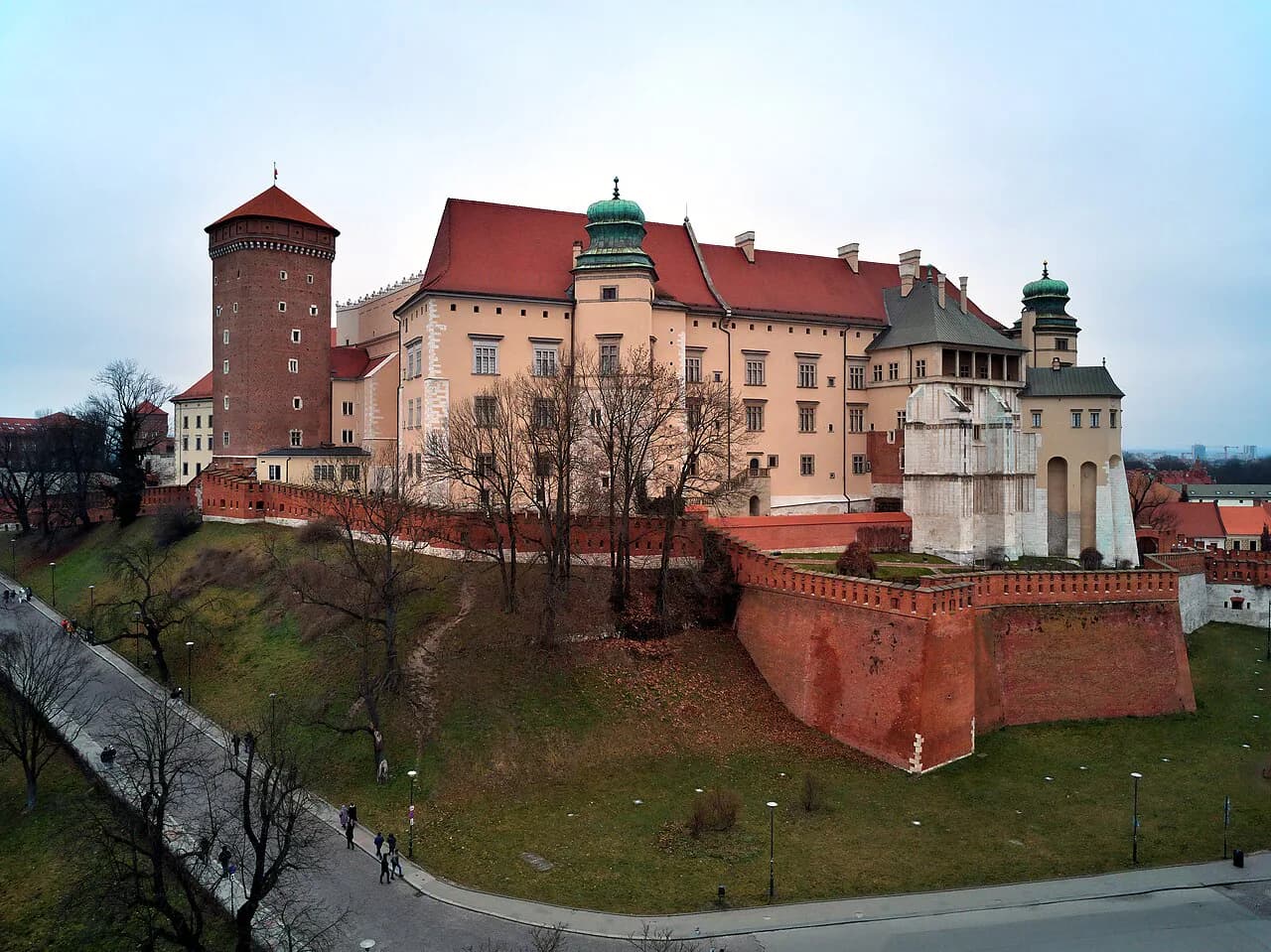
Kraków's Old Town centres on the Main Market Square, laid out from the mid-thirteenth century and described as the largest medieval town square in Europe. The Cloth Hall and St Mary's Basilica dominate the square, with Wawel Royal Castle, the Collegium Maius and the Czartoryski Museum rounding out the listed area. Kraków works best as a base in its own right or as the transport hub for southern Poland; give the Old Town and Wawel a full day before adding anything else.
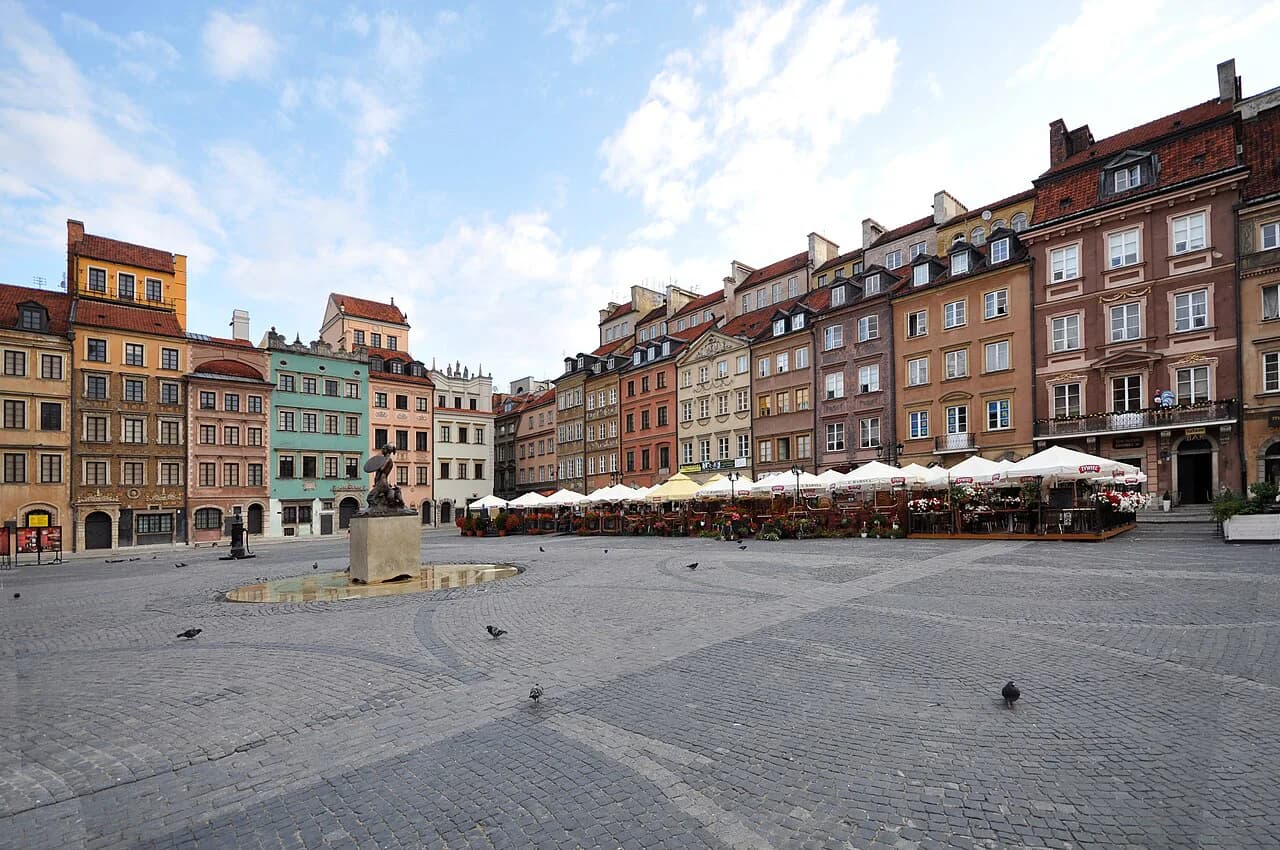
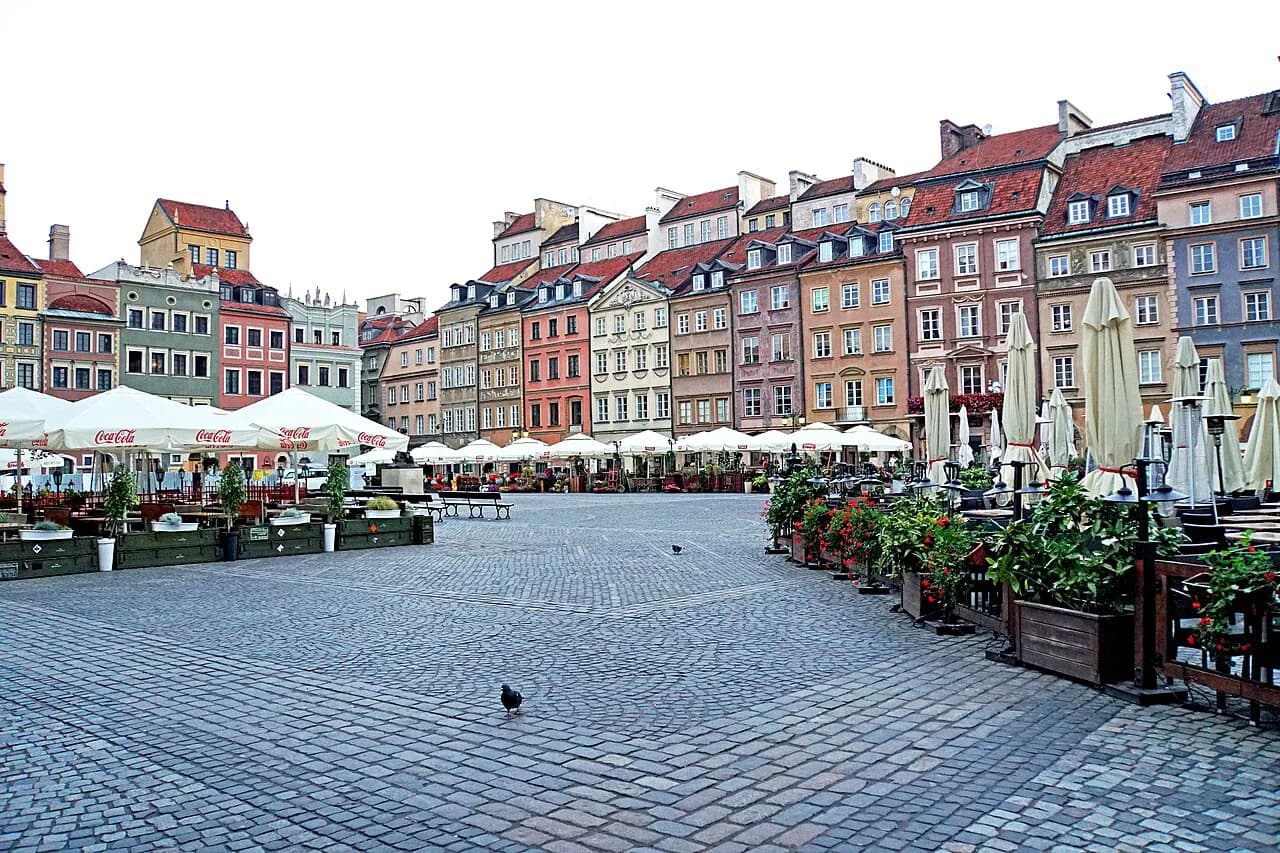
Warsaw's Old Town was recognised by the World Heritage Committee and sits at the heart of the capital, so it slots naturally into any Warsaw itinerary rather than demanding a separate excursion. Pair it with the wider city rather than treating it as a standalone sight.
Toruń's medieval urban complex preserves a complete historic street plan, which makes wandering the point rather than visiting a single building. It is compact enough to absorb in a day and pairs well with a longer northern itinerary. Our Toruń guide covers how the old town is laid out and what to prioritise.
Wrocław's Centennial Hall: what it is and why it is listed
The Centennial Hall in Wrocław is the listing that surprises people expecting another old town, because it is a twentieth-century reinforced-concrete building rather than a medieval monument. It is the reason Wrocław appears on the list at all, so it deserves more than a passing glance.
Wrocław also makes the natural base for the Churches of Peace at Jawor and Świdnica, which are separate listings in Lower Silesia rather than city monuments. That combination is the reason Wrocław earns a longer stay than its own historic core alone would justify.
Zamość's Old Town: the Renaissance planned town in the east
Zamość is a Renaissance town laid out to a plan, which is precisely why it was listed: the grid, the arcaded market square and the fortifications read as a single designed ensemble. It sits in eastern Poland, far from the main city-break circuit, so it works as the anchor of a dedicated trip rather than an add-on. Our Zamość guide covers the main sights.
Malbork's Teutonic Castle: the brick fortress and how it fits a Gdańsk trip
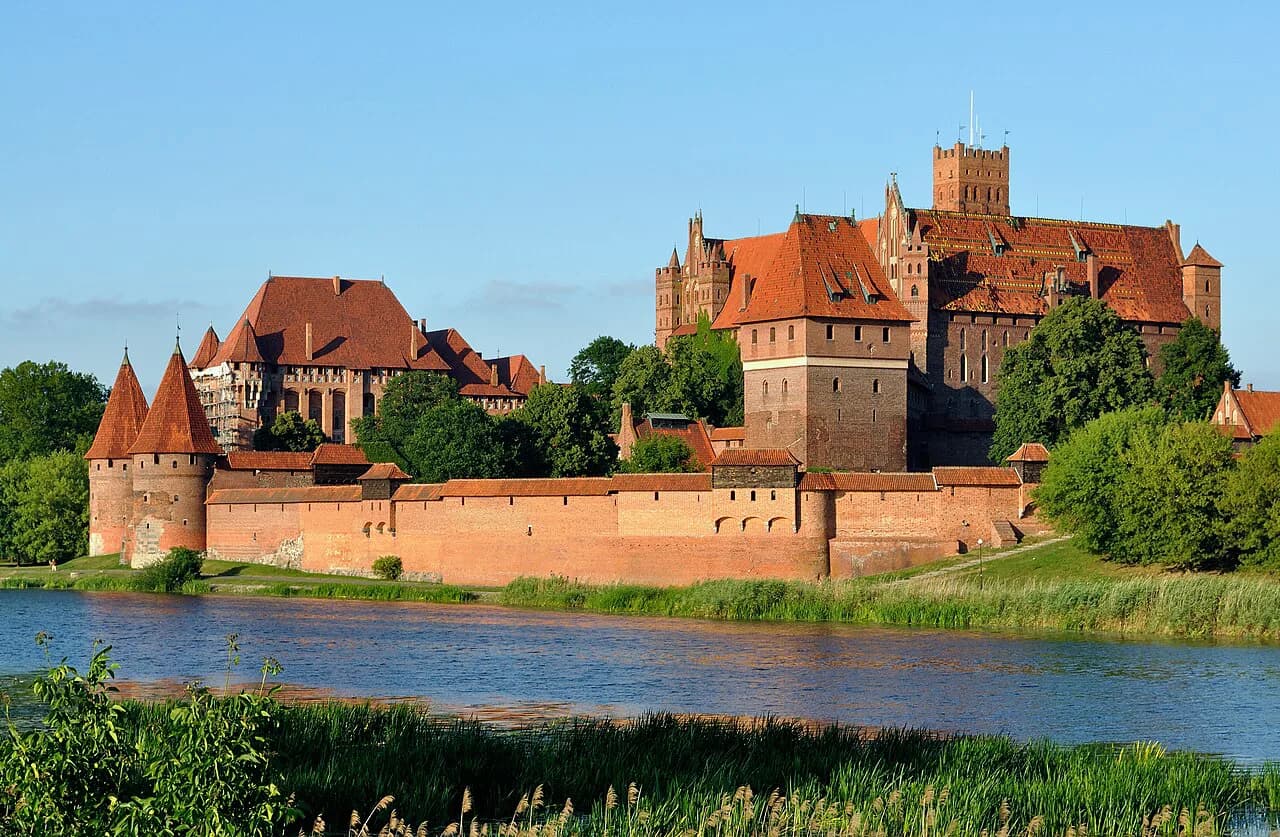
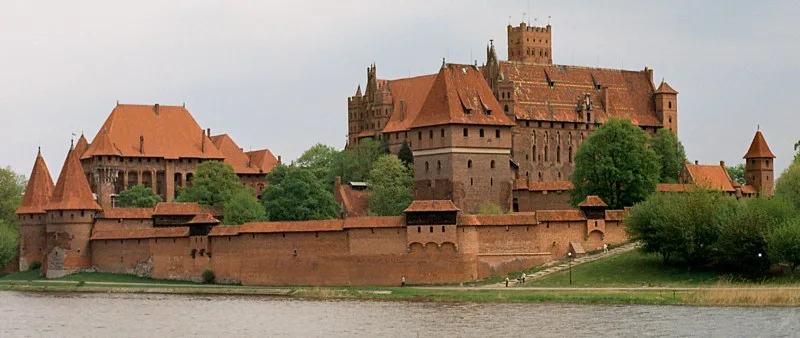
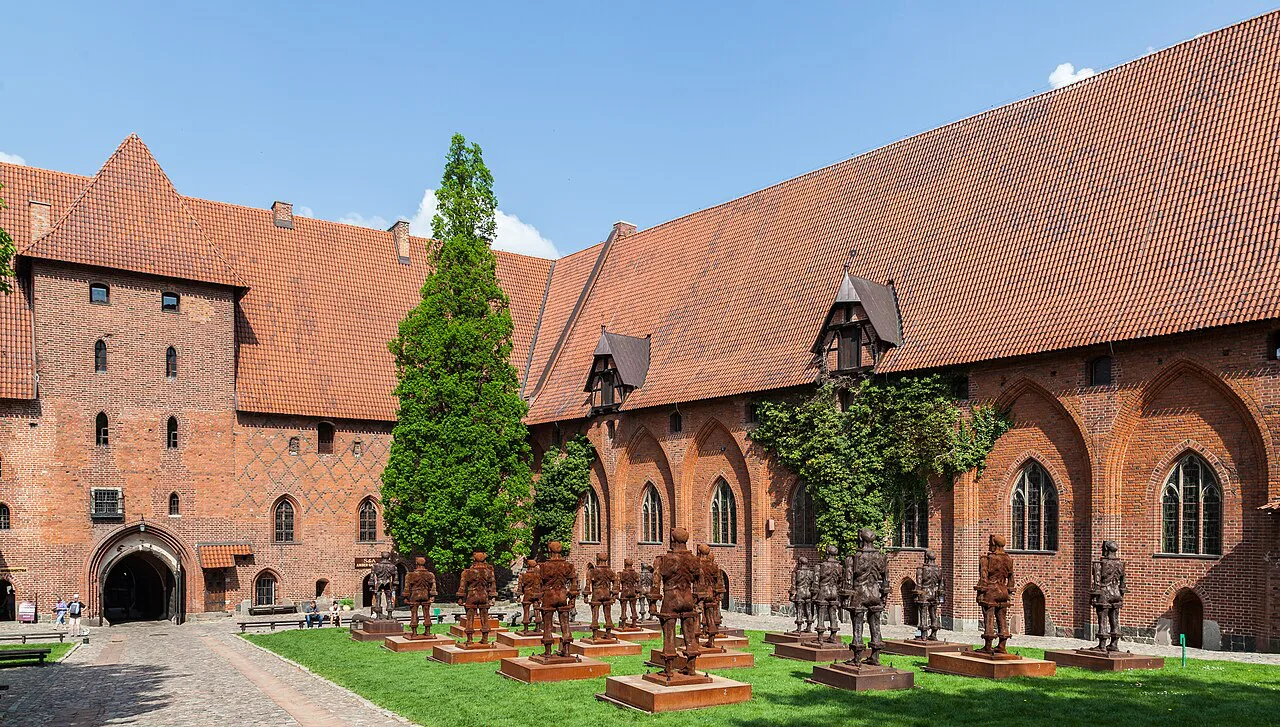
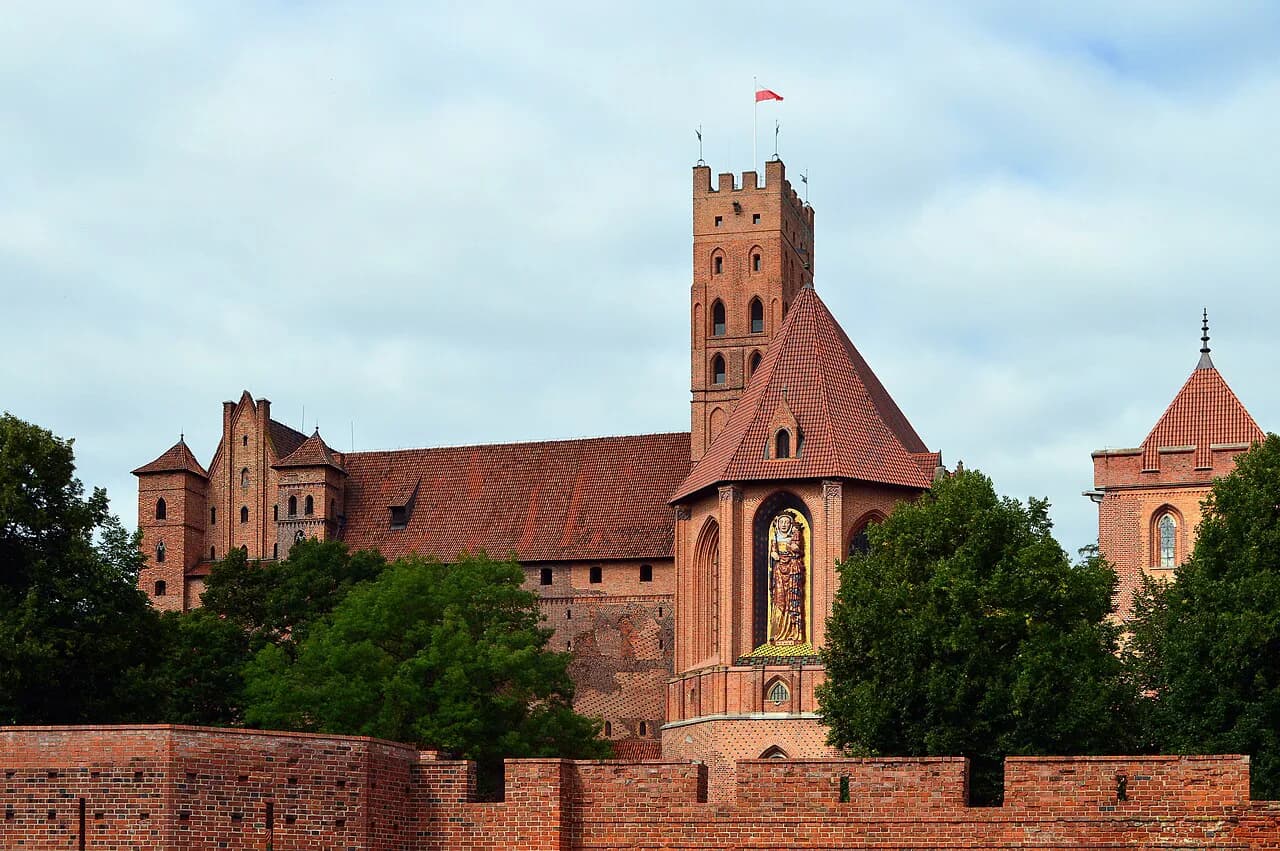
Malbork's Teutonic Castle is the heavyweight of Polish listings, a brick fortress complex on a scale that takes several hours rather than a quick circuit. It forms the northern chain with Toruń and Gdańsk, which makes it the obvious day out from a northern city break. If you are weighing up which fortresses deserve your time, our guide to castles in Poland puts Malbork in context.
The wooden churches: two separate listings, often confused
Poland holds two distinct wooden-church entries, and mixing them up is the commonest error in planning around them. The Churches of Peace at Jawor and Świdnica are large timber churches in Lower Silesia, easily reached from Wrocław. The wooden churches of southern Małopolska are a scattered group of small timber Catholic churches, which need a day of their own.
Our guide to the churches of Peace explains what makes the timber construction unusual and how to see both in one outing.
The southern Małopolska group is the harder one to organise: the buildings are spread across villages rather than concentrated on one site. Read up on the wooden churches Poland route before committing a day to it, and plan for travel between villages.
Mines and industrial heritage: Wieliczka, Bochnia, Tarnowskie Góry and Krzemionki
The Royal Salt Mines of Wieliczka and Bochnia form one listing covering two separate mining towns, which is a frequent source of confusion. Wieliczka is the famous one and sits close enough to be visited from Kraków; Bochnia is the quieter counterpart. The mines can be visited underground, and because they are working operators with their own arrangements, confirm current opening times and ticket prices in złoty with the mine before you go.
Tarnowskie Góry in Silesia is listed for its lead-silver-zinc ore mines and groundwater management system, an industrial rather than scenic visit that suits anyone interested in engineering. Krzemionki, meanwhile, protects a prehistoric mining region where flint was extracted, and it is the listing most travellers have never heard of. Both are best treated as standalone stops.
Landscape and nature listings: Białowieża Forest, Muskauer Park and the Carpathian beech forests
Białowieża Forest is the great primeval woodland of eastern Poland and a natural listing rather than a built one, so it rewards patience over a rushed circuit. Muskauer Park straddles the Polish-German border and is a designed landscape rather than wilderness, best seen on foot. The Carpathian beech forests of the Bieszczady National Park complete the nature set, protecting old beech woodland in the far south-east.
All three are best in the growing season, when the woods, paths and parkland are at their fullest. Our guide to the best time to visit Poland sets out what each season feels like before you commit to a long journey east.
Religious and memorial sites: Kalwaria Zebrzydowska and Auschwitz-Birkenau
Kalwaria Zebrzydowska is a pilgrimage landscape of chapels and paths laid out to mirror the Passion, listed as a cultural landscape rather than a single church. Visitors should remember it is an active devotional site and behave accordingly.
Auschwitz-Birkenau, the German Nazi concentration and extermination camp, is listed as a memorial site and is the most sobering entry on the Polish list. It is not an attraction to slot in casually between other stops, and visitors should give it time and treat it with quiet respect.
Which UNESCO sites work in a one-to-four-day city break and which need their own trip
For a short break, the city listings do the work: Kraków's Old Town and Wawel, Warsaw's Old Town, Toruń's medieval complex, Wrocław's Centennial Hall and Malbork's Teutonic Castle in the north. These fit one to four days without long transfers. Choose your base city first, then add the listings that fall within it.
Zamość, Białowieża, the Carpathian beech forests, Krzemionki, Tarnowskie Góry and the wooden churches of southern Małopolska all sit away from the main city circuit. Folding them into a short break usually means long hours in transit and a rushed visit. Save them for a second, more regional trip.
How to group the sites by region so you are not crossing Poland twice
The simplest geography is a southern band and a western band. In the south, Kraków anchors the Old Town, Wieliczka, Kalwaria Zebrzydowska and, with a longer stay, the wooden churches of Małopolska. In the west, Wrocław anchors the Centennial Hall, the Churches of Peace at Jawor and Świdnica, and Muskauer Park on the German border.
The north and east hold their own group: Toruń, Malbork and Gdańsk form a natural northern chain, while Warsaw works as the link between north and south. Zamość, Białowieża and the Bieszczady forests in the far east belong together. Draw the map before booking anything, and you avoid the classic mistake of zigzagging the country.
Practical notes – visitor access and tickets
Each listing is run by a different body, from mining operators and castle museums to the Auschwitz-Birkenau memorial and individual parishes, so there is no single operator to book through. Where a site has timed entry, buy for the day you actually want rather than deciding on arrival, and confirm current opening days and ticket prices in złoty directly with that site.
Historic churches, village timber buildings and the landscape listings have different constraints again, from service times to seasonal paths, so visitor arrangements vary by place. Use the official site for each place as the authority, and treat third-party listings as a hint rather than a promise.
Which UNESCO site should you build your trip around?
If you have one to four days, pick one base and let the list do the rest: Kraków for the Old Town and Wawel; Wrocław for the Centennial Hall and the Churches of Peace; Gdańsk for Malbork. Each of these gives you at least two listed sites without a long transfer.
If you have longer, add Zamość and the eastern landscapes as a separate eastern swing, and treat Białowieża, Krzemionki and the Carpathian forests as destinations in their own right. Grouping by region, rather than by order on the UNESCO list, is what keeps a Polish trip from turning into a tour of train stations.
Explore more Poland guides
Sources
Notes for your next Polish city break
Optional updates to our Poland guides.
You might also like

Continue reading
More guides you'll find useful