Communist Tour Warsaw: Which Tour Fits and What You'll See
Compare a free guided walking tour, a museum visit and a self-drive Fiat 126p tour of communist Warsaw to pick the format that suits your day.
On this page
For a short Warsaw break, the two-hour tip-based guided walk is the most efficient way to see the communist-era landmarks, with a museum visit as the deeper alternative and the self-drive Fiat 126p tour as the novelty option. This page compares the three formats on time, cost and depth, names the stops you will actually see, and helps you slot one into a one-day or two-day itinerary.
All three are in central Warsaw and can be combined with the wider story of communist Poland, from post-war reconstruction to the collapse of the system in 1989. The trade-offs are simple: the walk is broad and cheap to join, the museum is narrow and detailed, and the car tour is memorable but puts you behind the wheel rather than in a group.
What a communist tour of Warsaw covers
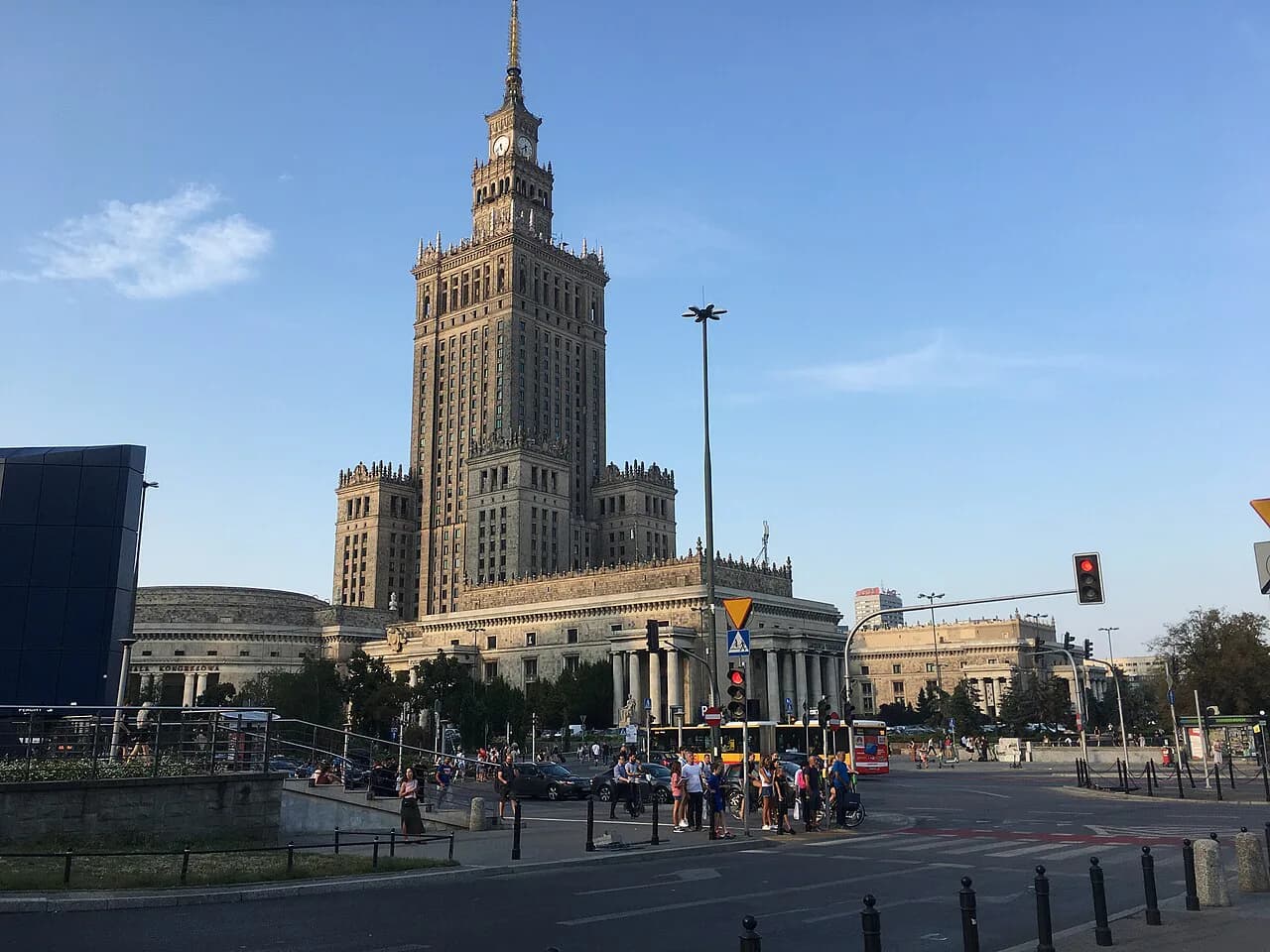
The set-piece is the Palace of Culture and Science, a skyscraper built on Stalin's orders that still divides opinion between those who see an architectural feat and those who see a symbol of oppression. Nearby, the walk passes the former Communist Party headquarters and the Monument to Freedom of Expression, a deliberate counterpoint to the era when free speech was suppressed. These buildings give you a physical timeline of post-war Warsaw rather than a list of dates.
The other anchor is the so-called Eastern Wall, where the story moves to the Solidarity movement and the role of Pope John Paul II in bolstering it. Warsaw's telling is a summary of a movement whose full story is told in depth on the Baltic coast. If the political thread is what interests you, the architecture is the hook but the narrative is the point.
Guides frame these stops around how ordinary citizens lived, not just how politicians governed, which is why the walking format works well as an introduction on your first afternoon. You come away able to read the city's post-war fabric, from the wide avenues to the blocks along the Eastern Wall. The architecture and the politics are inseparable here, and socialist realism architecture in Warsaw is best understood on foot with someone explaining what was built when and why.
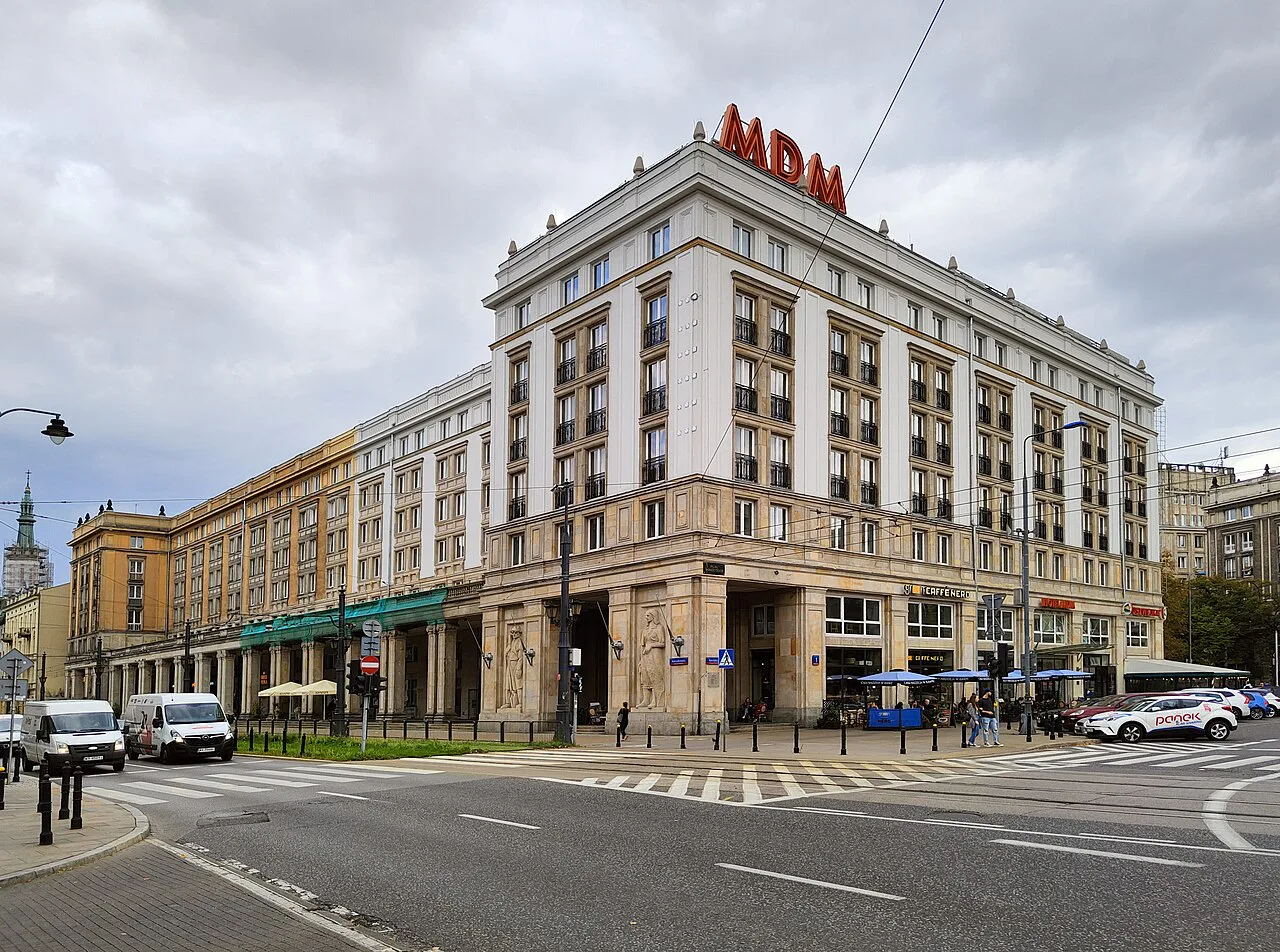
Free guided walking tour: two hours, tips not tickets
The operator runs a two-hour Free Communism Tour that is booked in advance and paid for by tipping the guide at the end, with no set price. That model keeps the upfront cost at zero but expects a fair contribution reflecting the value you received, so budget for it as you would a paid tour. Booking is free and necessary because the full meeting point details and a map arrive by email only after you reserve.
Group sizes are capped by each guide's own limit per departure, so larger parties should check availability before assuming they can all join one slot. You can also message your guide with questions after booking and up until the tour starts. The booking page runs a calendar of departures, so pick a date and see which slots are offered rather than planning around a fixed schedule.
The walk suits travellers who want an overview and can absorb a lot in two hours, and it pairs naturally with an afternoon in the wider city. If your interests lean towards the Baltic coast story instead, the Gdańsk shipyard is where the Solidarity movement is told in depth, and that is a separate trip rather than a Warsaw stop.
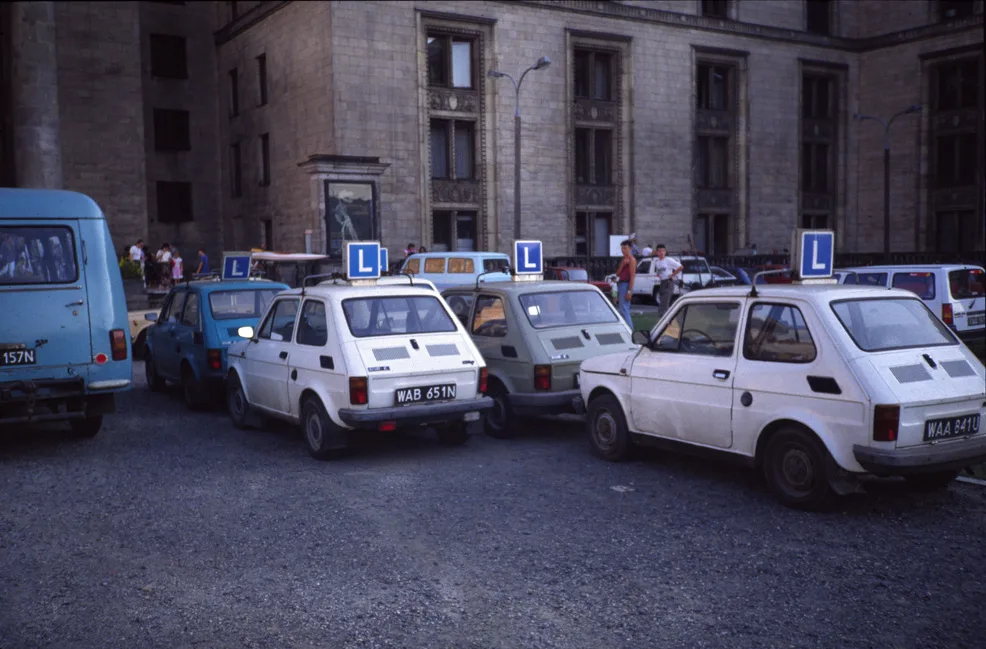
Museum of Life Under Communism: everyday objects and ticket prices
Where the walk gives you a timeline, the Museum of Life Under Communism gives you the interiors: the objects, design and daily routines of the Polish People's Republic. A published entry rate of 26zł, with concessions at 18zł, has been quoted for the visit, and a three-hour communist tour that includes a visit to the museum is also advertised. Treat those figures as a guide and confirm the current rate with the museum before you go.
This is the option for readers who want to look at things rather than listen: period furniture, packaging, gadgets and propaganda design tell the story in a way a street walk cannot. Allow more time than the walk if you read labels carefully. If you want more of the same, the wider coverage of PRL museums in Poland looks at how other cities present the same period. For the practical details, see the PRL museum.
Self-drive Fiat 126p tour: how it works and who it suits
The self-drive option puts you in a historic Fiat 126p, the tiny rear-engined car Poles nicknamed the Toddler, and follows a route through the city's communist history with commentary on the architecture, stories and automobiles of the era. You drive rather than walk, which changes the experience: less time on foot at each stop, more of a sense of the era's everyday motoring, and a novelty value the other two formats cannot match.
It suits confident drivers who want something memorable and are travelling as a couple or small group, but it is a poor fit if you would rather keep your eyes on the buildings than the road. Treat the driving format as a complement to, not a replacement for, a walk. Book it as the centrepiece of a morning rather than an add-on to a packed day.
Walking tour vs museum vs self-drive compared
On time, the walk is the shortest commitment at two hours, the museum takes as long as you give it, and the self-drive tour needs a slot of its own. On cost, the walk is tip-based, the museum has a published entry fee, and the car tour is a paid product booked through its operator page. None of these three formats includes the others, so a two-day break can comfortably fit a walk plus the museum.
On depth, the museum wins for objects and domestic detail, the walk wins for the political narrative and the city's layout, and the car tour wins for atmosphere. If you only have one afternoon, take the walk and use it to decide whether the museum deserves a return visit. If you have two days, do the walk first and the museum second, so the objects land against a story you already know.
Booking practicalities
For the free walk, reserve online in advance and watch for the confirmation email containing the meeting point and map; without it you have no address to head for. Arrive early enough to find the guide. Group bookings depend on each guide's limit, so ask before promising places to friends.
For the museum and the Fiat tour, book and confirm details with each operator before you travel; the car tour is a paid product booked through its operator page, which sets out the vehicle, the route concept and the price for your date. On a short break it is worth booking the paid elements a day or two ahead.
Warsaw's communist heritage also connects to the industrial and workers' history told elsewhere in Poland, including the Baltic coast's Gdańsk shipyard. If the political thread grips you in Warsaw, that is the natural next stop on a longer Polish trip.
Which format to pick for a one-day or two-day break
With one day, choose the two-hour walking tour and spend the rest of the day on the Old Town and the Palace of Culture area. It gives you the context for everything else you will see, costs nothing upfront, and leaves the afternoon free. Add the museum only if the weather turns or you find you want more detail on daily life.
With two days, pair the walk with the Museum of Life Under Communism and treat the Fiat 126p drive as an optional extra for a group that wants a story to tell. The museum's fixed ticket price makes it easy to budget, while the walk's tip is discretionary. That combination covers politics, objects and the city's shape without overspending your time.
If you are travelling as a family or a group of friends who drive, the car tour is the one people remember, but do not let it crowd out the walk. The best-value sequence remains walk first, museum second, novelty last. That order also means your tip reflects a guide who has already set the scene for the rest of your trip.
Which Warsaw communist tour should you book?
Book the two-hour tip-based walking tour if you have one afternoon and want the political story laid out across the Palace of Culture, the Eastern Wall and the former party headquarters. Choose the Museum of Life Under Communism if objects and everyday detail appeal more than a guided narrative, and pick the Fiat 126p self-drive if you want a memorable drive behind the wheel.
Whichever you choose, reserve ahead and keep the confirmation email with the meeting point or ticket details to hand. That single step saves the most time on a short break.
Frequently Asked Questions
How long does a communist tour of Warsaw take?
The guided walking tour runs for two hours. A separate three-hour communist tour that includes a visit to the Museum of Life Under Communism is also advertised. The self-drive Fiat 126p tour is a separate product with its own duration and booking conditions.
Do you need to book a free communist tour in Warsaw?
Yes. The operator asks you to book in advance so that the meeting point details and a map can be emailed to you before the tour. Booking itself is free, and you tip the guide at the end.
How much is the Museum of Life Under Communism?
A published entry rate of 26zł, with concessions at 18zł, has been quoted for the visit. Confirm the current rate with the museum before you go.
Sources
Notes for your next Polish city break
Optional updates to our Poland guides.
You might also like

Continue reading
More guides you'll find useful