PRL Museum in Warsaw: What You'll See at the Museum of Life in the PRL
A guide to Warsaw's PRL museum, the Museum of Life in the PRL, covering what it shows about everyday life under communism and how to pair it with a Nysa ride.
On this page
The PRL museum worth an hour of a Warsaw city break is the Museum of Life in the PRL (Muzeum Życia w PRL) on Piękna Street, a compact collection about daily life in communist Poland rather than a political history lesson. Allow about an hour inside, and decide in advance whether you want the museum on its own or paired with a guided ride in a vintage Nysa 522 van. This guide covers what PRL means, what the museum shows, what each ticket includes and whether it earns a slot in a one-to-four-day plan.
What PRL means and why these museums exist
PRL stands for Polska Rzeczpospolita Ludowa, the Polish People's Republic, the official name of Poland through the decades of communist rule after the Second World War. A PRL museum deals with the texture of those years: the flats people lived in, the goods they queued for and the state rituals they sat through. Warsaw's Museum of Life in the PRL follows that model, showing how ordinary people got by inside a system built around shortage.
These museums exist because the period is close enough to remember and distant enough to misremember. Household objects do much of the work: the phone box, the soda siphon and the typewriter that have vanished from Polish homes and streets, as the museum puts it. That focus on the everyday makes it accessible even if you know little about Polish politics.
Where the museum is and how it fits a Warsaw break
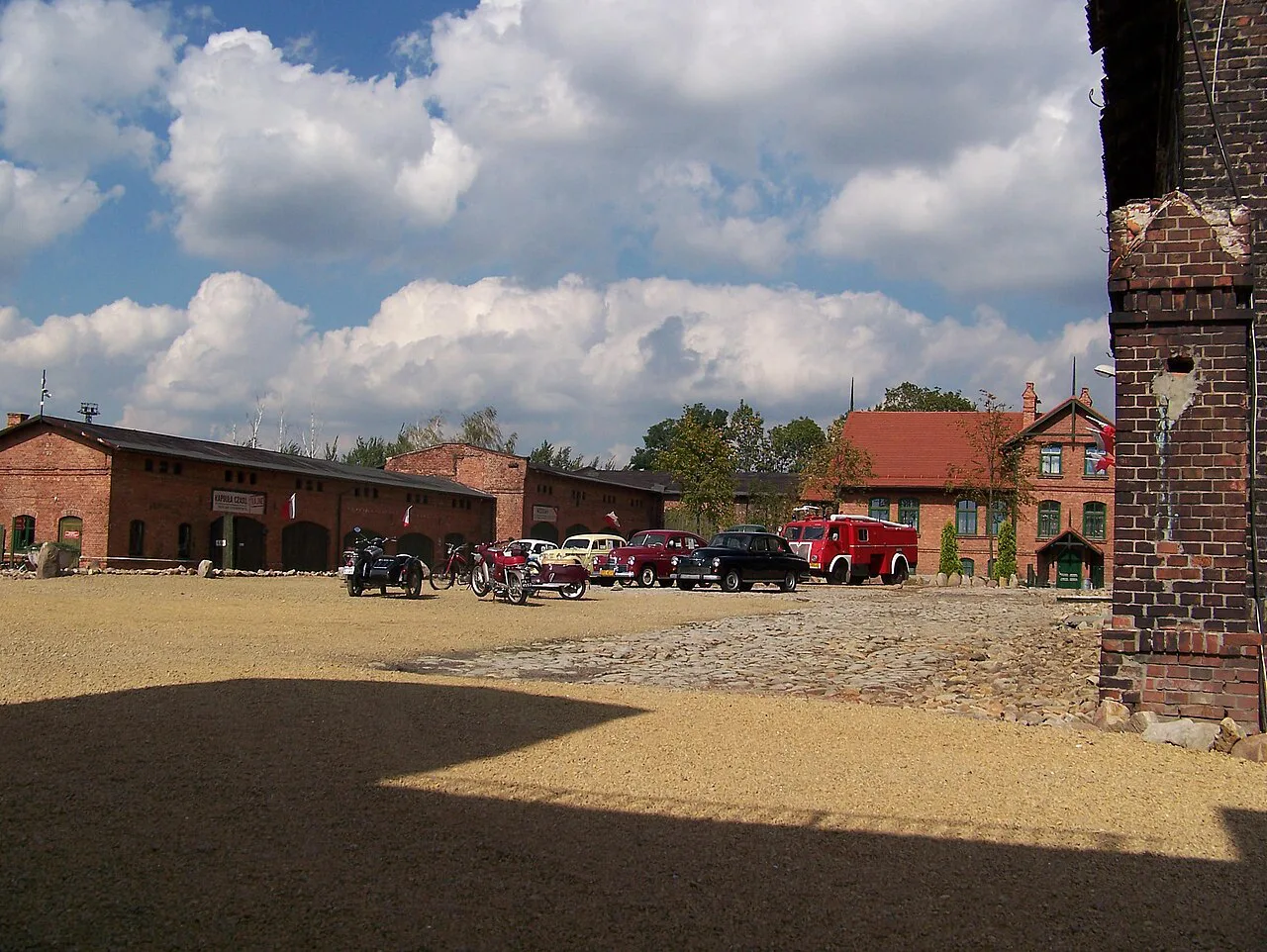
The museum sits on Piękna Street, a short walk from the government district around Aleje Ujazdowskie and the Sejm. That puts it on the same axis as Plac Konstytucji and the MDM housing estate, so you can pair a visit with a walk through the socialist realism architecture of the immediate post-war centre.
Treat it as one focused stop rather than a half day. In a one-to-four-day Warsaw itinerary it slots neatly into a morning or early afternoon before or after a walk along the Royal Route or a look at the Palace of Culture and Science. Rides in the museum's vintage buses start from outside the museum, which makes combining the two straightforward.
What you'll see: household life and the absurdities of the era
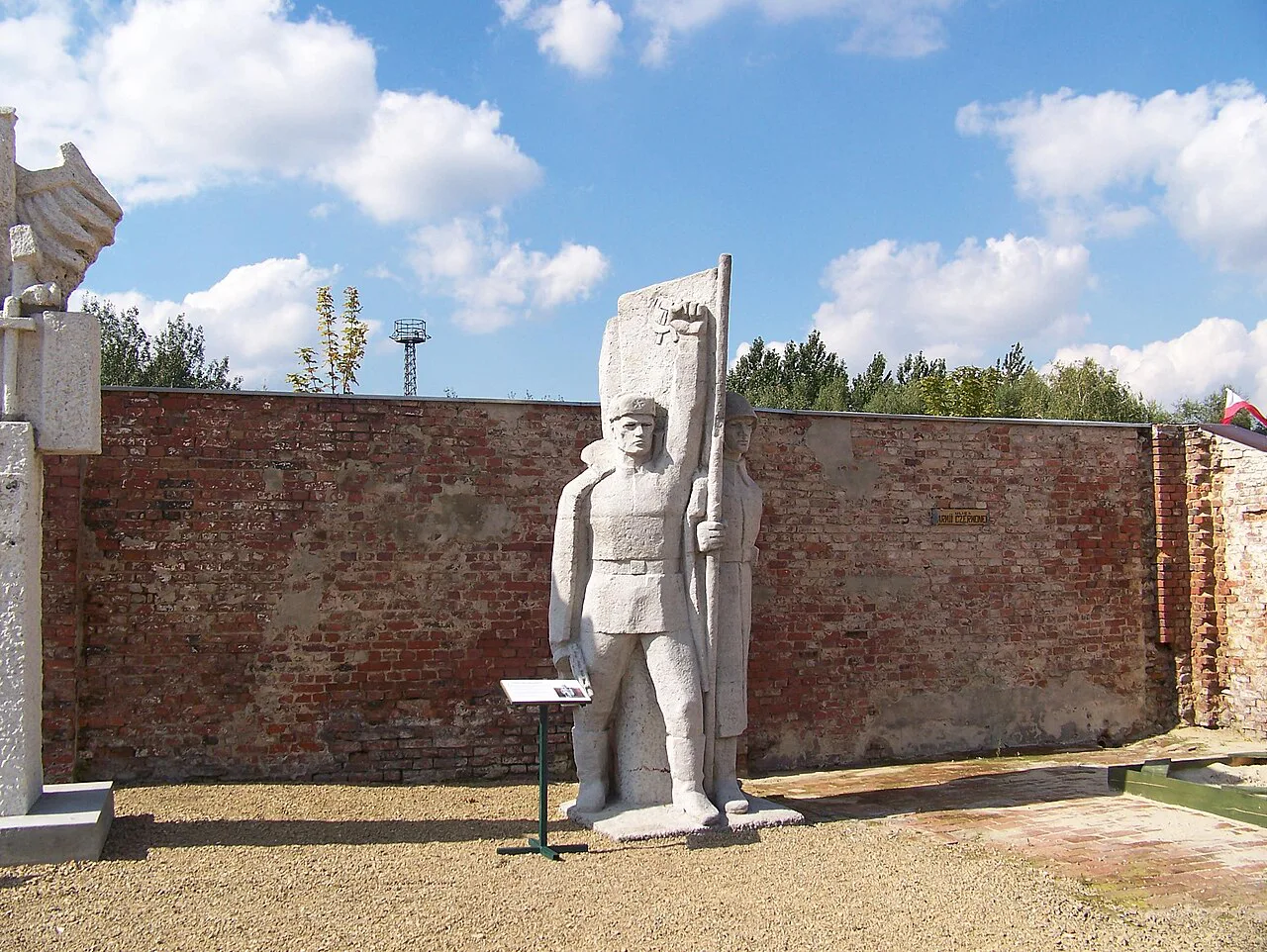
Expect an apartment-style display: a period flat with the furniture, kitchen kit and retro props of the era, including a Fiat 126p, the small rear-engined car that put postwar Poland on wheels. The museum presents daily life with its absurdities intact rather than as a nostalgia parade. Household objects carry the story, from the soda siphon to the typewriter, so read the labels rather than rushing past the props.
Visitors who go in expecting a politics exhibition often come out talking about the domestic detail instead. That is the point: the museum's strongest material is the everyday improvisation that kept households running when shops were thin. Set aside about an hour to see it without hurrying.
The Nysa 522 ride: what the route covers and what the ticket includes
The museum runs a guided ride in a Nysa 522 van, a Polish-built people carrier that was a fixture of PRL streets. The operator's route takes in Plac Konstytucji and the MDM estate, the government district on Krucza, the socialist-realist Ministry of Agriculture building, the Congress Hall in the Palace of Culture and Science, the palm tree at the de Gaulle roundabout and the Sejm on Aleje Ujazdowskie. The ride lasts 50 minutes, with departures listed at 13:00, 14:00, 15:00 and 16:00 from outside the museum, and it runs in Polish.
The normal ticket is 89 zł and the reduced ticket 79 zł, and both include entry to the museum; the ride is one way, so plan your return on foot or by tram. Do the ride first and the museum after, as the operator sets it out. For a broader look at how Warsaw's communist layer fits together, a communist tour Warsaw covering the same streets can be a useful companion.
Group bookings and hire of the museum's vintage buses, including the 1940s Chausson, the San and the Jelcz known as the Ogórek, are handled by the museum's reservations team by phone and email. Confirm the language of your ride when you book, because the standard commentary is in Polish and an English option is not advertised.
The longer option: museum, Nysa and Fabryka Norblina
A second package adds Fabryka Norblina, the former metalworks that now houses a museum and food hall, to the museum and a one-way Nysa ride. You start with about an hour of self-guided museum time, audio guide included, then take the van from Plac Konstytucji and Marszałkowska past the Palace of Culture to the Warsaw Spire and Plac Europejski, finishing at Fabryka Norblina for a guided hour. The normal ticket is 90 zł and the reduced ticket 60 zł, and the ride covers one leg only.
The timetable is fixed by the hour you buy: a 10:00 ticket means museum 10:00 to 11:00, van 11:00 to 11:30 and Norblina 11:30 to 12:30, with the same pattern repeating for 11:00, 12:00 and 13:00 starts. Arrive at the van two minutes before departure as the operator asks. This option suits anyone who wants the industrial side of Warsaw's story alongside the domestic one.
What the museum costs in złoty
For the museum plus Nysa ride, budget 89 zł normal or 79 zł reduced. For the museum, ride and Fabryka Norblina package, it is 90 zł normal or 60 zł reduced, which works out cheaper for students and seniors than the two-stop ride. Prices are set by the operator, so check the ticket page when you book rather than relying on older figures.
If you want the museum on its own without a ride, book directly with the museum and confirm the entry price when you do, since the combined ticket is the one the operator publishes. Private car tours such as Warszawa w pigułce and Warszawa nieznana start at 1,400 zł for up to seven people, which only makes sense for a group splitting the cost.
Is it worth an hour of your Warsaw itinerary?
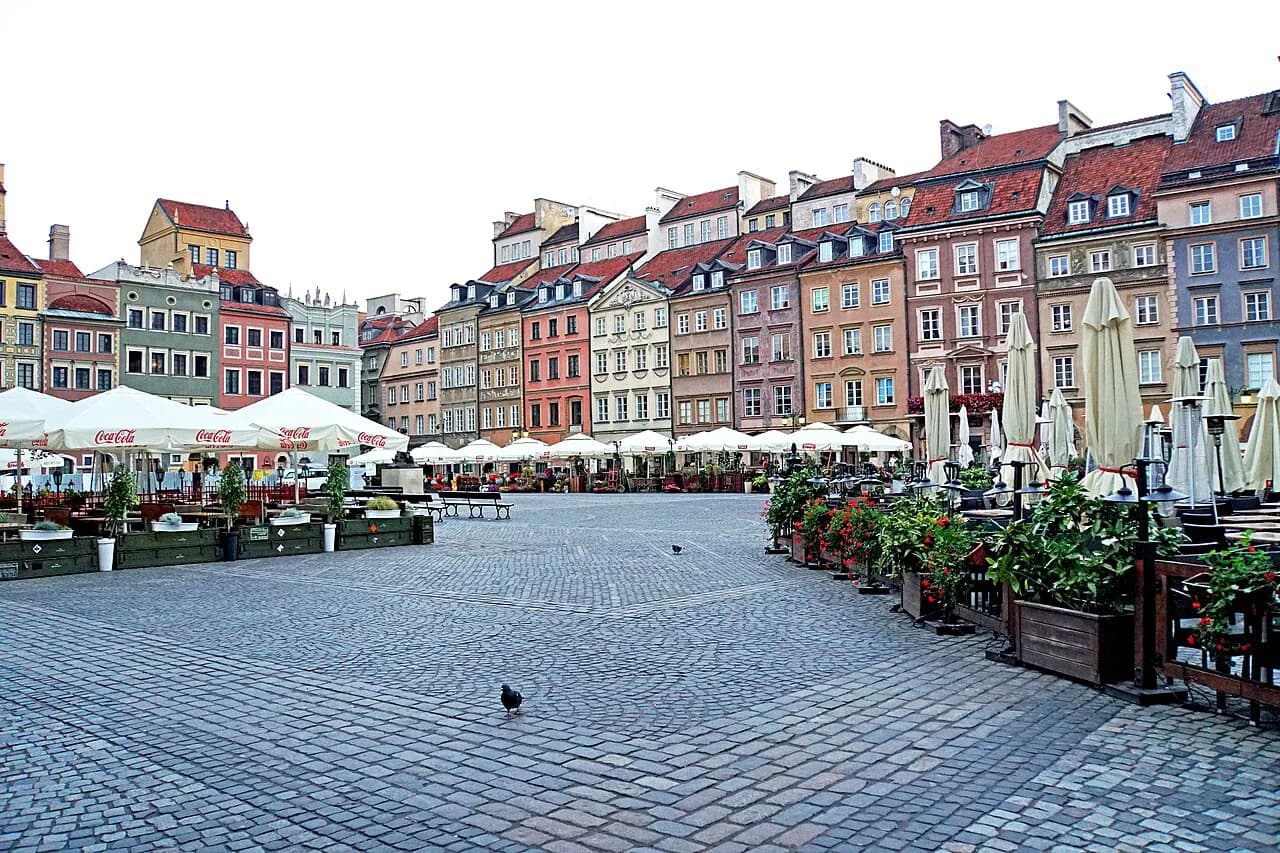
Yes, if you want to understand how people actually lived under communism rather than how the state presented itself. The museum is small, the props are engaging and the hour passes quickly; it works well as a change of pace between the Royal Route and the reconstructed Old Town. Skip it if your time in Warsaw is down to a single day and you have not yet seen the Old Town or the POLIN museum.
The ride adds context you cannot get from a display case, because Plac Konstytucji and the MDM only make sense in motion and in scale. The trade-off is language: commentary in Polish means non-Polish speakers get the route but not the detail. Group the visit with the story of how the system ended, from the Gdańsk shipyard and Solidarity movement to the round-table talks, to see the full arc of communist Poland.
Before you book: language, timing and practical checks
The standard museum ride is conducted in Polish, so book only if that suits you or if you are travelling with a Polish speaker. Departures are listed at 13:00, 14:00, 15:00 and 16:00 and last 50 minutes, with the ride running one way. Reservations are taken by phone on +48 511 044 808 or by email at rezerwacje@mzprl.pl, and general enquiries are handled Monday to Friday between 10:00 and 17:00.
Check the ticket page for current dates and availability before you commit, because the schedule shown online is the one that counts. The museum does not publish free-entry days or a weekly closing day on its tour pages, so plan around the day you book rather than assuming a Monday closure.
Museum only, or museum plus Nysa?
Choose the museum plus Nysa ride if you want the streets explained as well as the flat, and accept that the commentary is in Polish and the ride is one way. Choose the longer Fabryka Norblina package if you have a spare half day and want the industrial story too. If you only have an hour, the museum alone gives you the household detail that makes the PRL legible.
Frequently Asked Questions
What does PRL mean in Poland?
PRL is the abbreviation for Polska Rzeczpospolita Ludowa, the Polish People's Republic, the official name of the Polish state through the decades of communist rule after the Second World War. A PRL museum deals with everyday life in that period: flats, household goods, queues and state rituals.
Is there a Holocaust museum in Warsaw?
Yes, the POLIN Museum of the History of Polish Jews stands on the site of the former Warsaw ghetto and covers a thousand years of Jewish life in Poland, including the German Nazi occupation and the Holocaust. It is a separate institution from the Museum of Life in the PRL and deserves its own half day.
Do I need to speak Polish to enjoy the museum?
The exhibits are visual and the household objects speak for themselves, but the guided Nysa ride is conducted in Polish. If you do not speak Polish, visit the museum independently and treat the ride as a sightseeing circuit rather than a commentary.
Sources
Notes for your next Polish city break
Optional updates to our Poland guides.
You might also like

Continue reading
More guides you'll find useful