Gdańsk Shipyard: Solidarity History and the Post-Industrial Młode Miasto
Plan a visit to the Gdańsk Shipyard, from the December 70 monument to Elektryków Street, the M3 Crane and the old docks of the post-industrial Młode Miasto.
On this page
The Gdańsk Shipyard needs two to three hours, and it rewards treating the gate, the monument and the old yard as one continuous walk rather than three separate sights. It sits immediately north of Główne Miasto, close enough to reach on foot from the old town, so it slots easily into a one- to four-day city break. This guide covers the entry point, the Solidarity history, the post-industrial Młode Miasto that has grown inside the yard, and the honest trade-offs of a site that is still partly a building site.
Where the shipyard sits and how to approach it
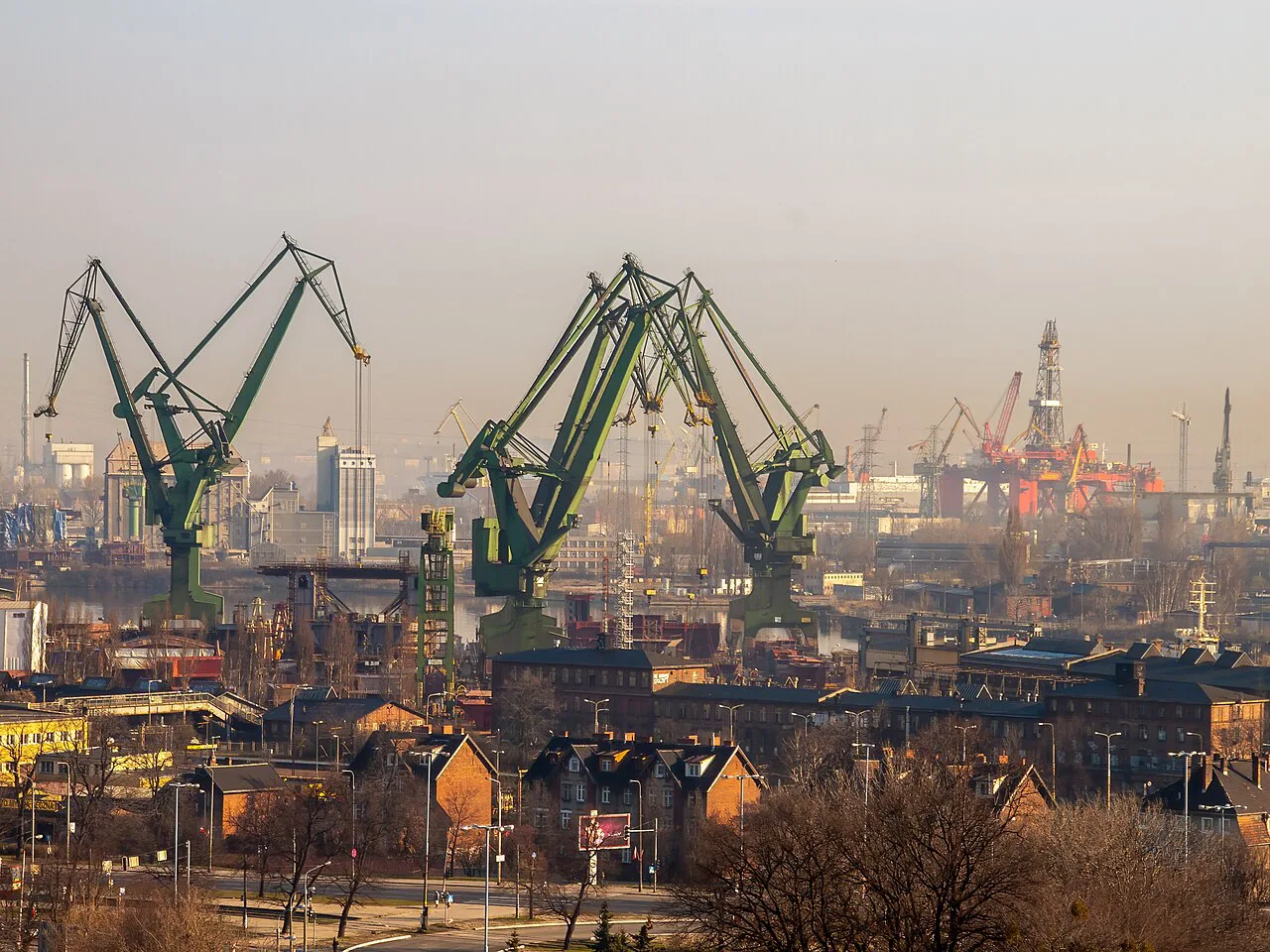
The shipyard lies directly north of Główne Miasto, the historic core, with the old town's streets running up towards the yard gates. The most useful approach from the centre is on foot along the axis towards the waterfront, passing close to the station side of town before the industrial buildings begin. Because the site spreads across a large, flat area of quays, halls and open ground, it feels much less compact than the old town and rewards a plan rather than wandering.
Treat the yard as a landscape of gates, basins and industrial buildings rather than a single ticketed attraction. That framing matters for timing: the distances between the entry gate, the modern art spaces and the waterfront installations are real, and the exposed ground makes a difference in wind and rain. The arrivals by the main gate put you straight into the historic side of the yard, which is the sensible place to start.
The historic gate and the Monument to the Victims of December 70
Enter through the historic gate beside the Monument to the Victims of December 70, which is the natural starting point for any visit. The monument commemorates the workers killed when security forces fired on shipyard strikes in December 1970, an event that shaped the yard's identity for the next decade. Stand here first, because the rest of the site reads differently once you know what the gate has witnessed.
The gate is also a working entrance, not a museum doorway, so expect ordinary shipyard traffic alongside visitors. Allow a few minutes at the monument itself rather than a long stop, and keep the historical reflection for the memorial and the surrounding yard buildings. The scale of the site only becomes clear once you are through the gate and looking across the halls and basins beyond.
Why the shipyard matters: Solidarity and the strikes of 1980
The yard is the birthplace of Solidarity, the independent trade union founded after the strikes of August 1980. Those strikes, and the Gdańsk agreements that followed, turned a Baltic industrial site into a national political force that eventually helped bring down communist rule in Poland. For travellers interested in the wider story of the Polish People's Republic, the shipyard is the physical anchor of that history.
Read the yard's twentieth-century history in general terms before you arrive, because the surviving halls, cranes and basins record the shipbuilding era rather than presenting it as an exhibition. If you want the museum treatment of everyday life under the same regime, the PRL Museum in Warsaw covers domestic interiors, propaganda and design in depth, and makes a useful complement to a Gdańsk trip built around politics.
Post-industrial Młode Miasto: what the old yard has become
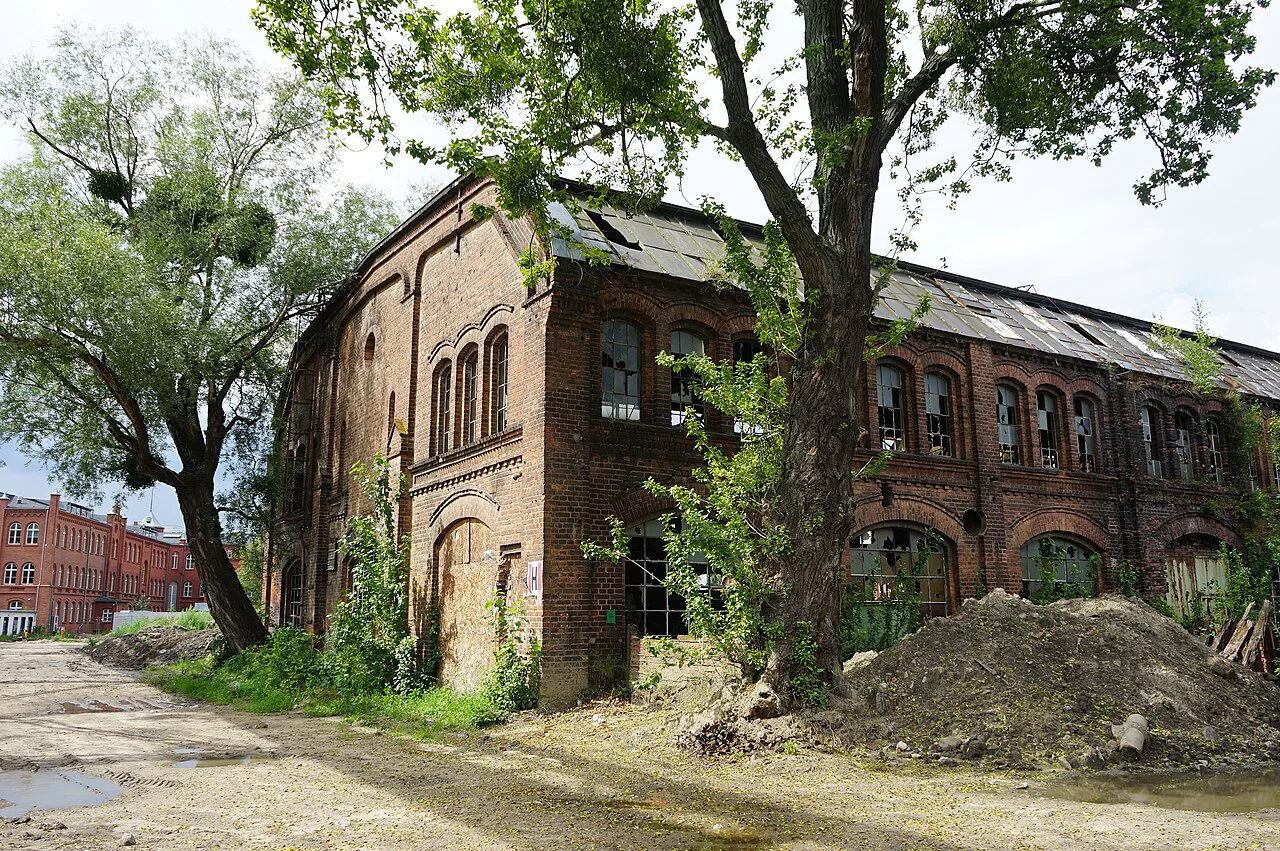
The shipyard areas now have more in common with independent culture, art, food and entertainment than with shipbuilding, though the industrial fabric remains everywhere. This is Młode Miasto, the young city growing inside the old yard, and its character comes precisely from that collision of cranes, halls and new uses. The result is a district that suits travellers who prefer rough-edged industrial heritage to polished museums.
The former shipyard is a place where history and avant-garde art merge into something you can walk through rather than queue for. Expect container structures, food trucks and artistic spaces housed in post-shipyard buildings, with the dock basin and its art installation as a landmark within the site. The trade-off is comfort: this is exposed, sometimes unfinished ground, not a landscaped park.
Elektryków Street and the container spaces around it
Head for Elektryków Street, the cluster of food trucks, bars and artistic spaces built from containers and post-shipyard buildings. It is the most obvious place to eat and linger inside the yard, and the informal set-up means the offer changes rather than being fixed to a published list. Check what is actually open on the day you visit instead of planning around a particular stall.
The street works best as a mid-visit pause between the memorial side and the waterfront, rather than as a destination in itself. Its container architecture is part of the appeal, and it gives a sense of how quickly the old yard has been reused. Outside peak hours the area can feel quiet, so combine it with the art spaces nearby rather than making a special trip for lunch alone.
WL4, the M3 Crane and the Imperial Shipyard
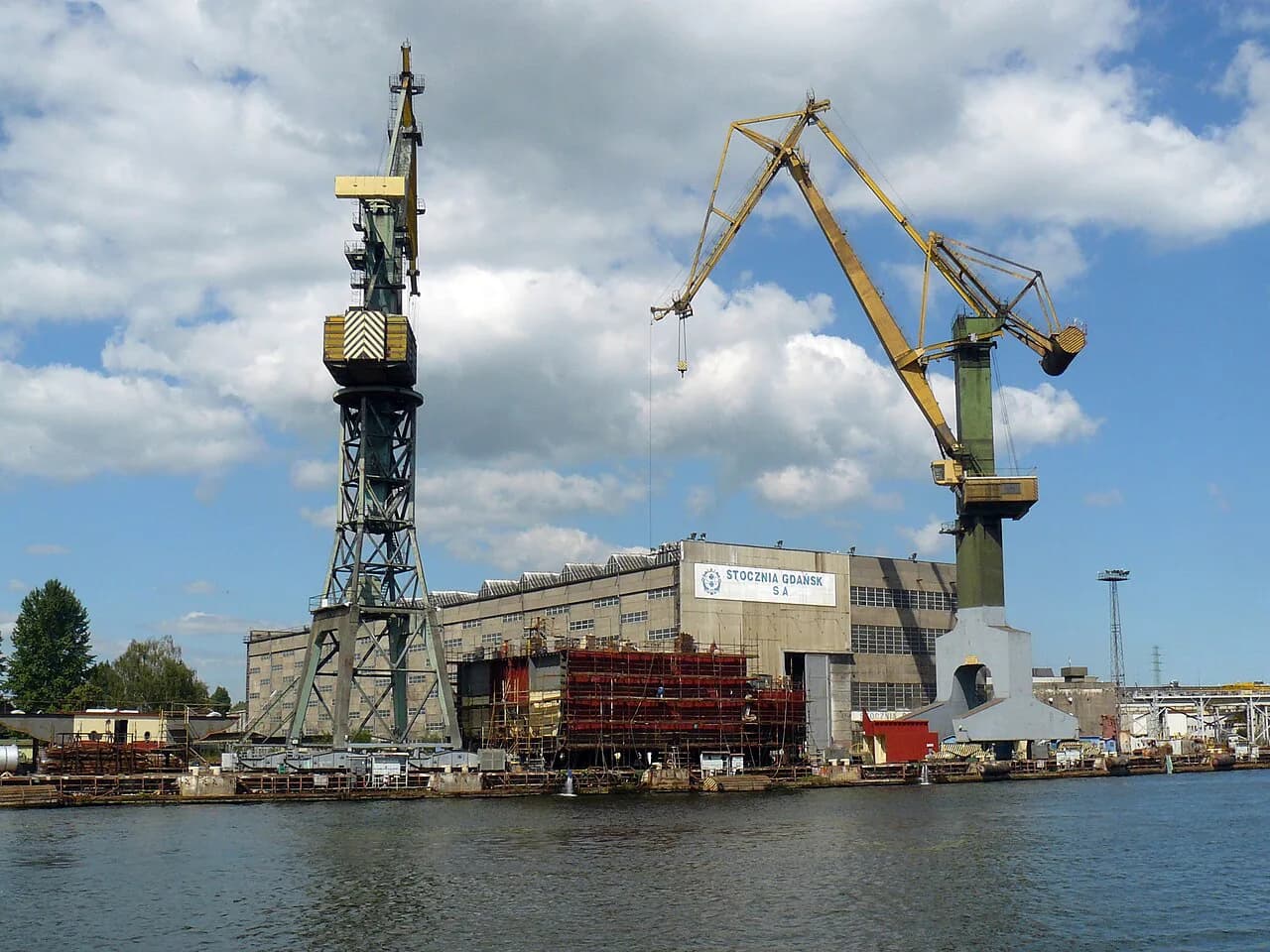
The WL4 art gallery occupies an old shipyard building and gives the site a year-round cultural anchor beyond the seasonal food and bar scene. Nearby, the M3 Crane stands as one of the must-see industrial relics of the yard, a reminder that the cranes and basins were working machinery within living memory. Pairing the two in one walk covers both the art and the heritage sides of Młode Miasto without doubling back.
The Imperial Shipyard and the dock basin complete the circuit at the water's edge, with the basin's art installation a landmark within the site. The Imperial Shipyard is the historic shipyard complex that sits alongside the modern reuse turning halls and basins into cultural spaces. Read the landscape as layered shipyard fabric rather than a single clean period.
How long a visit takes and where it fits in your trip
Two to three hours covers the gate, the monument, Elektryków Street, WL4 and the walk to the dock basin at a relaxed pace. If you only want the Solidarity side, an hour at the gate and monument is enough, and you can add the old town the same morning. The shipyard works well as a half-day on a two- or three-day Gdańsk break, paired with Główne Miasto rather than competing with it.
Travellers building a longer trip around the communist period can combine the shipyard with a communist tour Warsaw offers on the other side of the country, though that is a separate journey rather than a day trip. In Gdańsk itself, the yard is the essential stop for anyone following the Solidarity story, and the old town supplies the merchant and maritime context around it. Keep the two halves of the city in separate slots so neither feels rushed.
Practical trade-offs: building work, distances and open ground
Parts of the yard are still construction sites, so expect hoardings, diversions and uneven surfaces between the main sights. The distances are longer than they look on a map, and the site is exposed to Baltic wind and rain, so waterproof shoes and a windproof layer matter more here than in the old town. None of this is dangerous, but it is not a polished visitor attraction either.
Opening days and any entry charges vary by venue, so confirm them with each gallery or space before you set out. Build flexibility into the plan rather than pinning the day on one address, especially for the container bars and small spaces where the offer is informal and the open days can change.
Should the shipyard make your Gdańsk shortlist?
Yes, if you care about twentieth-century history or industrial landscapes, and you should give it a half-day rather than an hour. Skip it if your priority is a compact old-town break, because the yard demands walking across exposed ground and offers fewer conventional comforts than Główne Miasto. The strongest version of the visit links the monument, the Solidarity story and the container streets into one continuous route.
Explore more Poland guides
Frequently Asked Questions
Is the Gdańsk Shipyard free to visit?
There is no single ticket for the yard itself: the historic gate, the December 70 monument and the dock basin are part of an open industrial landscape. Individual venues such as the WL4 art gallery have their own arrangements, so check each space before you go.
How do I get to the Gdańsk Shipyard from the old town?
It is a walk north from Główne Miasto, and the historic gate beside the Monument to the Victims of December 70 is the natural arrival point. Allow for longer distances inside the yard than the map suggests.
Can I visit the shipyard on a rainy day?
The site is largely open ground with limited shelter, so rain makes the walk between the gate, Elektryków Street and the dock basin uncomfortable rather than impossible. The WL4 gallery and the covered container spaces give you somewhere to pause.
Sources
Notes for your next Polish city break
Optional updates to our Poland guides.
You might also like

Continue reading
More guides you'll find useful