Kłodzko: Fortress, Gothic Bridge and Underground Route
A practical guide to Kłodzko in Lower Silesia: the Prussian fortress, the Gothic St John's Bridge, the underground route and the old town, plus how long you need.
On this page
Kłodzko needs a full day if you want the fortress, the Gothic bridge and the underground route, and half a day if you only walk the old town. The town sits in the Kłodzko Valley on the Nysa Kłodzka, with a Prussian fortress on the hill above and a stone bridge below, and the compact centre stacks most of its sights within a short walk of the Rynek.
Plan the day around the fortress first, because it is the biggest single block of time, then work back through the bridge and the streets below. This guide covers the layout, the sights worth your hours, and what to drop on a short stop.
What Kłodzko is and where it sits in the Kłodzko Valley
Kłodzko is an old Lower Silesian town on the Nysa Kłodzka, at the centre of a valley ringed by the Bystrzyckie, Stołowe and Bardzkie ranges and the Śnieżnik massif. Its history runs back over a thousand years, and the town presents itself as one of the most attractive places in the region.
That geography explains the two halves of a visit: the old town in the valley bottom around the Rynek and the churches, and the fortress on the hill that controlled the crossing. Treat Kłodzko as a substantial day out rather than a base in its own right, and save your nights for a bigger Lower Silesian hub.
How much time Kłodzko needs
Allow most of a morning for the fortress, then a further pause for St John's Bridge and the old town streets beneath it. That combination fills a comfortable day once you add the underground route, a church or two and a pause on the Rynek.
With only half a day, choose between the fortress and the old town rather than trying both. The fortress is the reason most people come; the old town is easier to cover quickly on foot.
Build the day in one direction: fortress first, then descend to the bridge and finish on the Rynek, so you walk downhill through the oldest part of town at the end. Reversing that order means climbing when you are already tired.
The old town: Rynek, the town hall and the historic townhouses
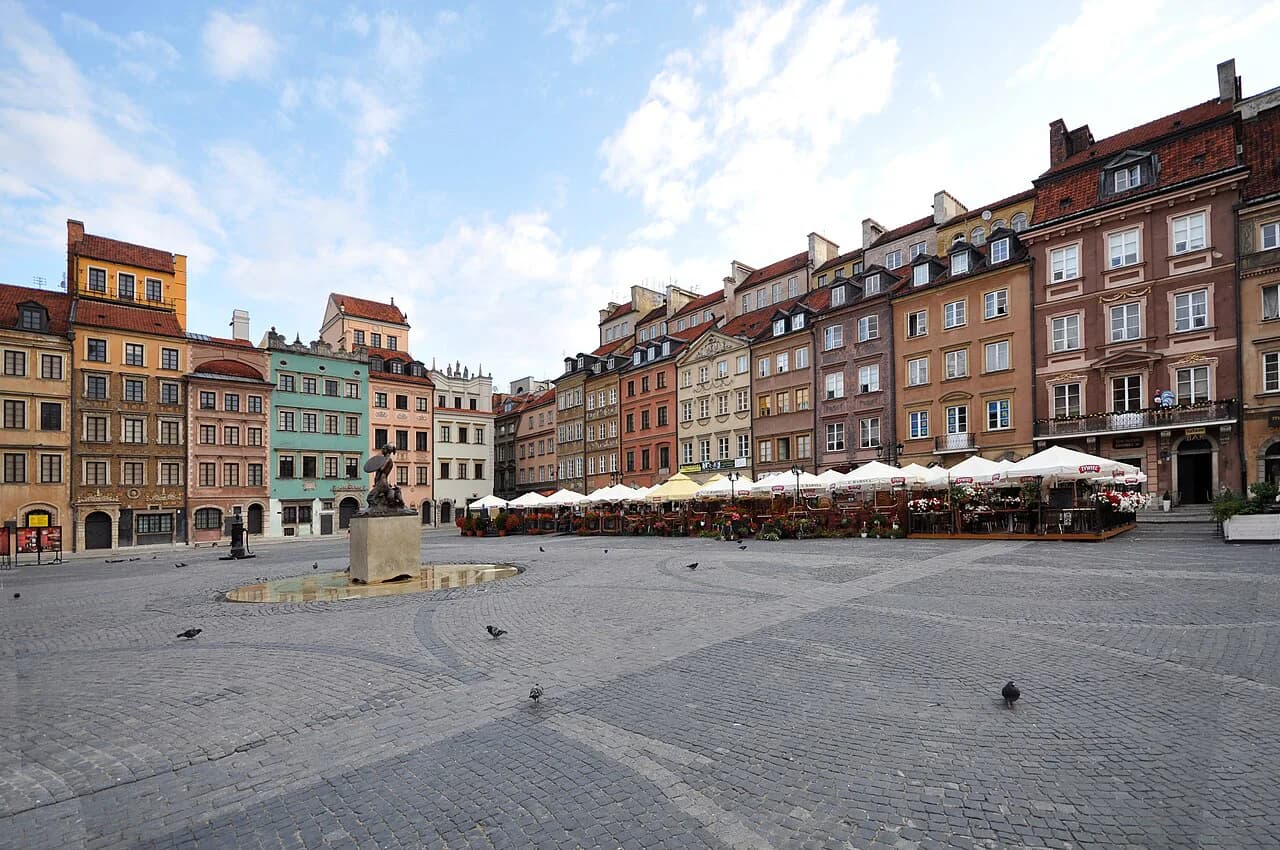
The Rynek is the natural starting point for the old town, with the Ratusz at its centre and rows of historic kamienice around the edges. The town's own sightseeing list names the market square, the town hall and the burgher houses as separate stops, which tells you how much of the centre's character sits in a single square.
Look for the votive figure as you cross the square; it is one of the small monuments listed among the town's sights alongside the larger churches and fortifications, and it is easy to walk past unawares. From the Rynek, follow the streets towards the bridge and the fortress footpath, then return by a different lane to see the townhouses from another angle. The circuit takes well under an hour at walking pace.
St John's Bridge: the Gothic stone bridge over the Młynówka
St John's Bridge is the town's Gothic stone span over the Młynówka, lined with Baroque statues of saints in the manner of Prague's Charles Bridge. It links the old town to the quarter below the fortress, so it works as the natural walking connection between the Rynek and the fortress gate.
Give it a few minutes, enough to walk the span slowly and take in the view back towards the town and up to the fortifications. It works as a link between the Rynek and the fortress rather than a destination in itself, so slot it into the walk in that order.
Kłodzko Fortress: the hilltop layout, the tunnels and the ramparts
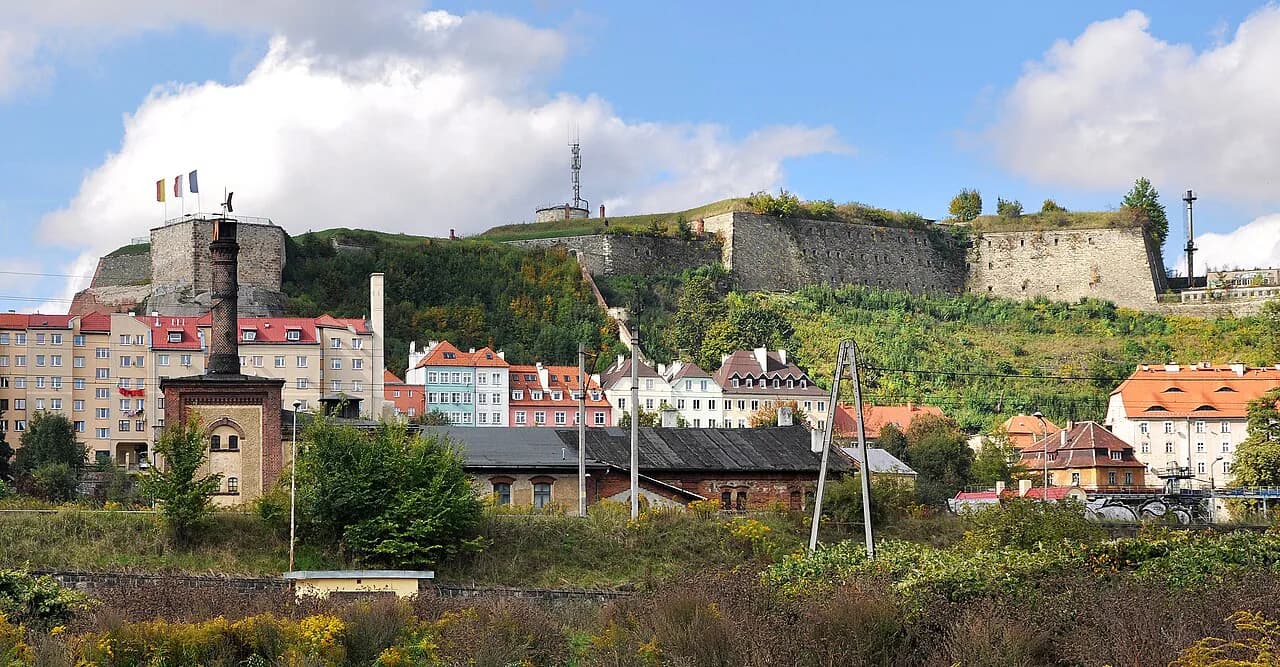
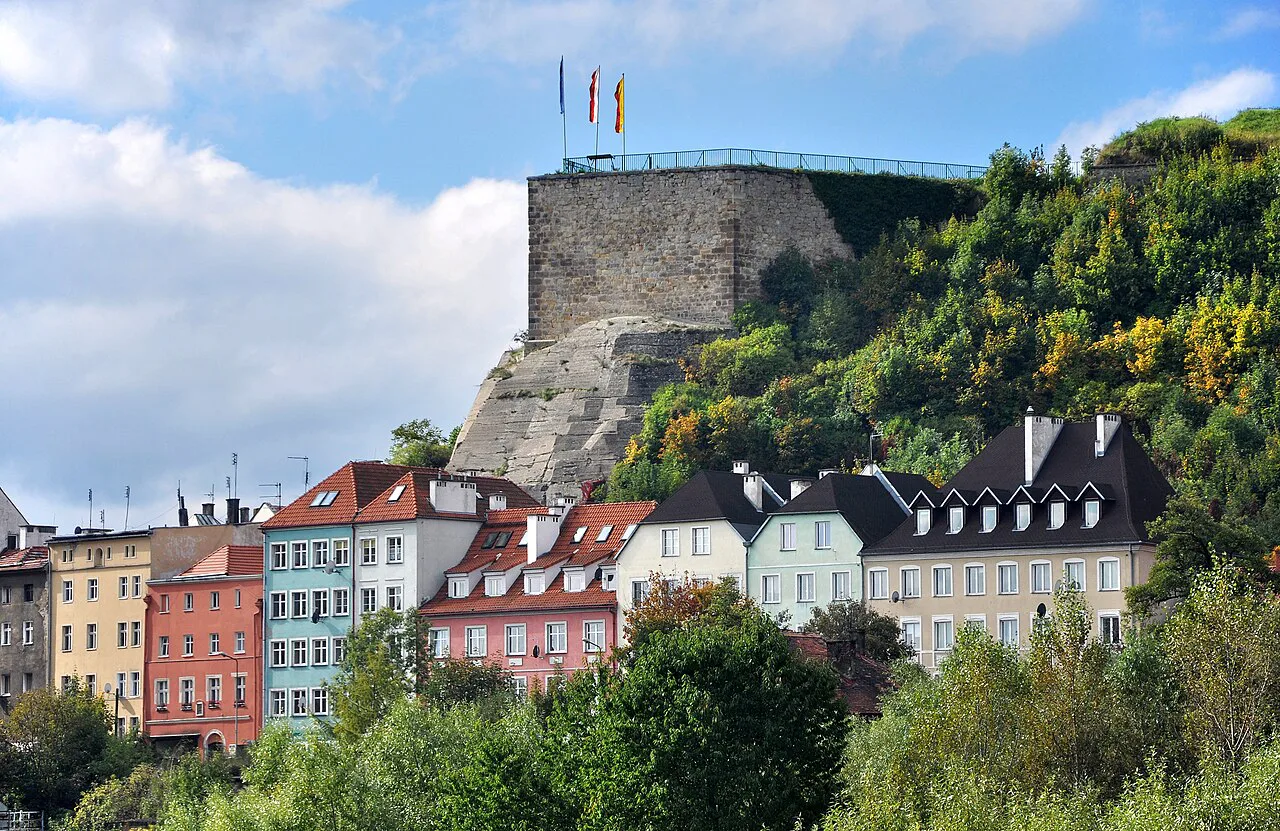
Twierdza Kłodzko is a Prussian fortress crowning the hill above the old town; the town presents it with the slogan '1000 years of history'. In summer you can swap the heat of Kłodzko for the cold, low tunnels under the fortress, then climb back out onto the ramparts.
Treat the tunnels as a warm-weather option rather than a year-round fixture, so do not build a cold-season plan around them. A jacket helps underground even on a hot day, since the temperature drop is immediate.
The town lists the fortress, the combat slopes and a historical path around the fortifications as separate experiences, so resist counting them as one visit. If time is short, the fortress interior and ramparts come first; the outer paths are a bonus for anyone staying longer.
The combat slopes and the historical path around the fortress
The Stoki bojowe, or combat slopes, are the fortified ground around the fortress, and the town presents them as a sight in their own right rather than part of the fort visit. The historical path around the fortress ties these outer works into a walk.
Walk these only if you have already covered the fortress interior and still have energy, because they add distance on open ground rather than new interiors. They suit travellers who want the military-engineering story and views back over the town more than another museum room.
Kłodzkie podziemia: the underground route beneath the streets
The Kłodzkie podziemia are the town's underground tourist route, cut beneath the streets of the old town and listed among the town's headline sights alongside the fortress and the bridge. They give you a different sense of the town's age: cellars and passages rather than facades.
The route is a natural wet-weather or hot-afternoon filler, and it pairs well with a morning at the fortress because both are indoors and cool. Confirm current opening arrangements at the tourist information point in town before committing an afternoon to it, since this is the kind of small site whose schedule can change.
Muzeum Ziemi Kłodzkiej and the regional collections
Muzeum Ziemi Kłodzkiej is the regional museum for the Kłodzko Land, listed among the sights worth seeing in the centre. It is the place to go for the wider story of the valley and its towns rather than the military narrative of the fortress.
The museum also runs public history events, so its programme can be a reason to time a visit rather than just a rainy-day fallback. If you have already spent a full day elsewhere in Lower Silesia and this is a short stop, the museum is the first thing to drop after the underground route, because the fortress and the bridge carry the town's identity on their own.
The churches: WNMP, Matki Bożej Różańcowej and św. Jerzego i Wojciecha
The town lists three churches among its sights: the parish church of the Assumption, the Kościół Matki Bożej Różańcowej and the Kościół św. Jerzego i Wojciecha. Together they give the old town skyline its shape, and all three sit within the walkable centre.
For a short visit, pick the parish church of the Assumption near the centre and leave the others for a return or for anyone following the town's sacred-heritage walking route. Church interiors reward patience more than speed.
Town walls, the Napoleon Stone and other fragments on an old-town walk
The mury obronne, the surviving town walls, and the Kamień Napoleona are listed as separate small sights scattered through the centre, which suits a self-guided loop rather than a single stop. Build them into your route between the larger sights instead of making a trip for each.
The town publishes several themed walks through the old town, including one aimed at children and one on the sacred monuments, a practical way to stitch these fragments together without planning your own route.
Minieuroland miniature park for families
Minieuroland is the town's miniature park, listed among the attractions for visitors, and it is the obvious choice for families with younger children who need a break from fortifications and church interiors. It sits outside the old-town core, so treat it as a separate excursion rather than something to fold into the fortress day.
On a one-day visit with children, the fortress tunnels are usually the bigger hit, and the park is the alternative if the weather turns or the hill has lost its appeal.
Getting there from Wrocław and how the sights sit on foot
Kłodzko sits within Lower Silesia, south of Wrocław, and is reached from the regional capital as part of a wider trip rather than as a standalone destination. Check current rail and road options before you commit to a day, since the journey is the part of the plan most likely to change.
Once in town, everything in the centre is walkable: the Rynek, the bridge, the churches and the foot of the fortress path sit within a compact area. The fortress is the one climb, so wear shoes that cope with slopes and cobbles rather than treating the day as a flat city stroll.
Where Kłodzko fits in a wider Lower Silesia trip
Kłodzko works as the southern anchor of a Lower Silesian itinerary built around Wrocław, with the Stołowe Mountains, the Bear Cave at Kletno and the Wambierzyce basilica each under an hour away by car. Base in the region for a few days and use the town as one full day among several short drives and half-day walks.
If you are collecting Polish towns rather than mountains, see our Most Beautiful Towns in Poland shortlist for places like Kazimierz Dolny and Sandomierz, which reward a day of walking rather than a checklist of museums; Kłodzko earns the same kind of slow day.
Honest trade-offs: what to skip if you have only a few hours
With three or four hours, choose the fortress and St John's Bridge and leave the underground route, the regional museum and the outer combat slopes for another time. The fortress is the sight that defines Kłodzko, and the bridge is on the way down, so the pair costs you nothing extra in walking.
If the weather is against you, swap the fortress ramparts for the underground route and the museum, both of which keep you inside. Do not try to fit the fortress, the tunnels, the museum and all three churches into one day; it turns a good town into a forced march.
For a longer Polish city-break trip, Lublin is a useful comparison: a bigger old town with its own castle to plan around, and a reminder that Kłodzko's appeal is compactness rather than scale.
Is the fortress worth building the day around?
Yes: the fortress is the reason to give Kłodzko a full day rather than a passing stop, and the bridge and old town make the descent worthwhile. Start at the fortress in the morning, take the tunnels if it is summer, then walk down through St John's Bridge to the Rynek and finish with a church or the museum.
For a half-day, keep the fortress and the bridge and accept that the underground route and Minieuroland will wait. Either way, this is a Lower Silesian day out that rewards a little planning around the one big sight.
Explore more Poland guides
Frequently Asked Questions
Is Kłodzko worth visiting?
Yes, if you want a compact old town with a genuine hilltop fortress, a Gothic stone bridge lined with Baroque statues and an underground route beneath the streets. It is a full day rather than a half-day if you do the fortress properly, and it fits neatly into a Lower Silesia itinerary based around Wrocław.
Do you need a car to see Kłodzko?
No for the town itself: the Rynek, St John's Bridge, the churches and the foot of the fortress path are all within walking distance of each other. A car helps if you want to combine Kłodzko with the Stołowe Mountains, the Bear Cave at Kletno or the Wambierzyce basilica, which are each under an hour away by road.
Sources
Notes for your next Polish city break
Optional updates to our Poland guides.
You might also like

Continue reading
More guides you'll find useful