
Most Beautiful Towns in Poland: 8 Small Towns Worth the Trip
Poland's prettiest small towns, from Toruń's Gothic skyline to Zamość's Renaissance square, with what each offers and how it fits a short city break.
On this page
Poland's most rewarding small towns include Toruń, Zamość, Sandomierz, Kazimierz Dolny and Lublin, and each works better as a one- to four-day break than a photo stop. Compact old towns make them easy to explore on foot, and this guide picks out the square, street or skyline that gives each town its character, how big it is and how long it needs.
The bigger cities are the benchmark, not the competition: Gdańsk's rebuilt Hanseatic centre shows what a beautifully restored old town looks like at scale, and the small towns trade that scale for quieter streets. Lublin is the largest of the picks here, so treat it as a small city with the atmosphere of a town. Beauty is subjective, so the order below reflects what each place gives a visitor in one to four days, not a published ranking.
Why Poland's small towns suit a short break
Compact centres are the main draw: in towns like Toruń, Zamość and Kazimierz Dolny the historic core is small enough to cross on foot in well under an hour, so a single day can cover the headline sights and a second lets you slow down. That density means less time on trams and more on the streets, which matters when you only have a long weekend.
Costs tend to work in your favour too. Poland's old towns and cobbled squares can be experienced at a comparatively affordable cost, which is one reason the country rewards travellers who look beyond the obvious stops. Expect to pay in złoty, and check individual ticket prices on each venue's own site before you travel.
The trade-off is transport. Some of these towns are easier to reach by rail and others by car or bus, so the choice often comes down to how you want to travel rather than which skyline you prefer. Pick the town that fits your route first, then build the days around it.
Toruń: Gothic brick, Copernicus and the Vistula
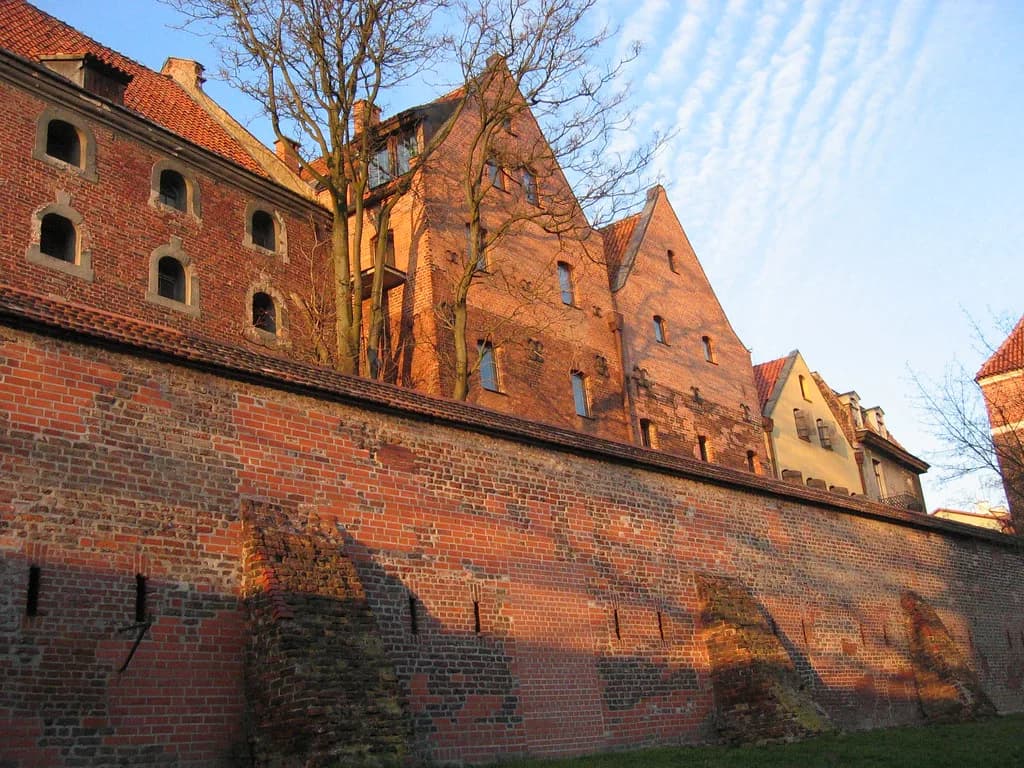
Toruń is the strongest single answer to the question of Poland's prettiest small town, with a Gothic brick old town whose skyline of red-brick churches and burgher houses is the reason to come. The streets are short enough to wander without a plan.
The architecture gives Toruń a story to follow beyond its skyline, and its compact size means you do not need to rush between sights. Allow a full day for the old town and a second if you want a slower look at the churches; the Vistula runs close by and adds an easy walk to end the afternoon.
Toruń is also the natural gingerbread town, and its compact centre makes it a good first stop if you are building a route around several of these places. Check opening days for individual museums before you commit a day to them, since smaller venues keep shorter hours than the big-city institutions.
Zamość: the Renaissance planned town
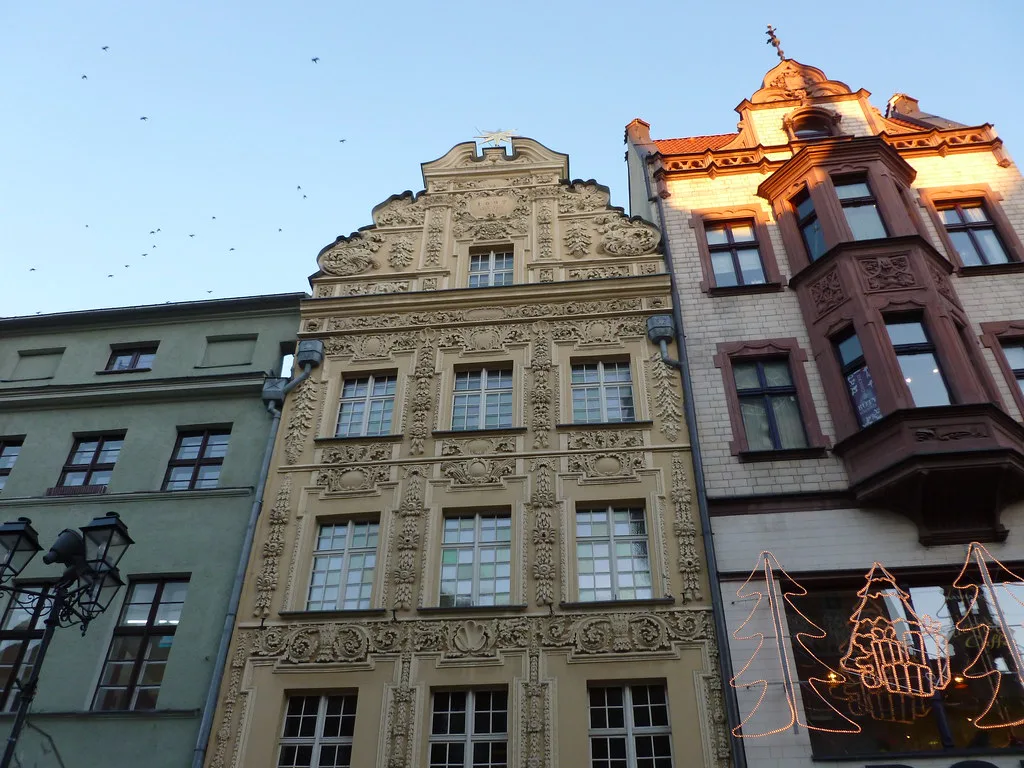
Zamość is one of the most architecturally distinct towns on this list, with a Renaissance character quite unlike the Gothic centres further north. Its arcaded Rynek is the centrepiece, with covered walkways running around the square and a town hall that anchors the whole composition.
That layout makes Zamość easy to read: you can walk the streets around the square in an afternoon and still have time for the arcades and the cathedral. It sits in the south-east of Poland, so it works best as a deliberate stop on a wider trip rather than a casual detour.
Give Zamość one full day. The reward is a square that feels genuinely different from the Gothic centres further north, and the trade-off is the distance from Poland's main rail corridors.
Sandomierz: a hilltop old town above the Vistula gorge
Sandomierz sits above the Vistula, and the approach up into the old town is part of the appeal. The compact centre clusters around the Rynek and rewards a slow morning rather than a checklist.
The town's set-piece is the panorama over the river, which is why many travellers rate Sandomierz among Poland's most scenic small towns. One day covers the square, the churches and the views; a second suits anyone who wants to explore the surrounding landscape without rushing.
Sandomierz is smaller and quieter than Lublin, so it suits travellers who prize atmosphere over choice of restaurants. If you want a fuller city break with more museums and evening options, consider Lublin instead.
Kazimierz Dolny: market square, castle ruins and the Vistula valley
Kazimierz Dolny is the most scenic of these towns, set above the Vistula with a market square at its heart and castle ruins on the hill above. The riverside lanes are the place to wander, and the setting makes it the town most likely to tempt you into a second day.
The honest trade-off is summer crowds: this is a popular weekend escape and the square fills up on warm Saturdays. Midweek in late spring or early autumn is likelier to give you the same views without the press.
It pairs naturally with Lublin, an easy journey by road, so the two make a sensible combined break if you want one big town and one small one in the same trip.
Lublin: old town lanes and the castle
Lublin is the largest town on this list and the one that behaves most like a city, with old-town lanes and a castle at its heart. It has more grit than the postcard towns, and that is part of its appeal: this is a working city with a historic core rather than a preserved exhibit.
Plan on two to three days if you want the old town, the castle and the museums without hurrying. Lublin also makes the best base for Kazimierz Dolny and the wider region, so it earns its place on practical grounds as well as looks.
If you want the fuller picture before you book, the Lublin City Break Guide covers the old town, the castle and the Majdanek memorial in detail, including how to pace a visit that includes a site of this weight.
Gdańsk's Główne Miasto as the big-city benchmark
Gdańsk is not a small town, but its rebuilt Hanseatic old town sets the standard against which the others are judged. Walking it makes clear what a smaller place like Toruń offers at a gentler scale.
If you have time for both a big city and a small town, using Gdańsk as the benchmark and Toruń or Zamość as the contrast gives you the two halves of the Polish old-town story. Kraków works equally well as a transport hub for the south, but it is the obvious big-city stop rather than a small-town alternative.
How to choose: size, transport and time
Match the town to the length of your trip. Toruń and Sandomierz fit neatly into one day, Zamość needs a full day and a deliberate journey, Kazimierz Dolny rewards two days in good weather, and Lublin justifies two to three.
Then think about transport. Lublin and Toruń are straightforward without a car; Kazimierz Dolny and Sandomierz are easier if you have wheels or are willing to use buses. Zamość is the furthest out and the most rewarding as part of a longer south-eastern route.
If you want a second town on the same trip, Bydgoszcz and its Stary Rynek make a comfortable pair with Toruń, and the Bydgoszcz Canal gives the city a waterfront character of its own. Further north, Olsztyn has a castle and an old town worth a day, which suits anyone extending a northern route.
Reaching each town and how much time it needs
Treat rail as your default for Toruń and Lublin, where services from the main cities make a car unnecessary. For Kazimierz Dolny, Sandomierz and Zamość, plan journeys around buses or a hire car, and check timetables for the season you are travelling in rather than assuming summer frequencies.
One day per town is the minimum for the old town and one museum; two days lets you add a riverside walk and a proper lunch. If your whole break is three or four days, pick two towns rather than three, and make one of them Lublin or Toruń as a base.
Crowds, closing days and złoty budgets
Peak weekends in Kazimierz Dolny and holiday periods in the bigger centres fill the squares quickly, so aim for midweek if you want quieter streets. Late spring and early autumn are likelier to give you good light and fewer people than high summer, which matters most in the smallest towns.
Plan around museum closing days: many Polish museums shut one day a week, often Monday, and some offer free entry on a set day, so check each venue's own page for the week you are visiting. Sunday trading is restricted in Poland, so buy what you need on Saturday rather than relying on shops being open.
Budget in złoty and keep a cash reserve for smaller towns, where card acceptance is less universal than in the big cities. Compare prices by checking official venue pages rather than assuming last year's figures still apply.
Which town should you book first?
Start with Toruń if you want the classic Gothic old town and easy rail access, or Lublin if you want a bigger base with more to fill three days. Add Kazimierz Dolny for scenery and Sandomierz for the river panorama if you have a car or are happy on buses.
Whichever you choose, keep the trip to two towns rather than four, book midweek where you can and leave one day unplanned for the square you did not expect to like. That is how a short break in Poland's small towns turns into the trip you remember.
Explore more Poland guides
Frequently Asked Questions
Which small town in Poland is the prettiest?
Toruń has the strongest claim for most travellers, because its Gothic brick old town survived largely intact and sits on a direct rail line. Zamość is the most architecturally distinct, thanks to its planned Renaissance layout, and Sandomierz wins on setting above the Vistula gorge.
Can you visit Poland's small towns without a car?
Yes for Toruń and Lublin, which are straightforward by rail. Kazimierz Dolny, Sandomierz and Zamość are easier with a car or by bus, and Zamość in particular is best treated as part of a longer south-eastern route.
How many days do these towns need?
One day covers the old town and one museum in Toruń, Zamość or Sandomierz. Kazimierz Dolny rewards two days in good weather, and Lublin needs two to three if you want the castle and the larger museums without rushing.
Sources
Notes for your next Polish city break
Optional updates to our Poland guides.
You might also like



Continue reading
More guides you'll find useful


