
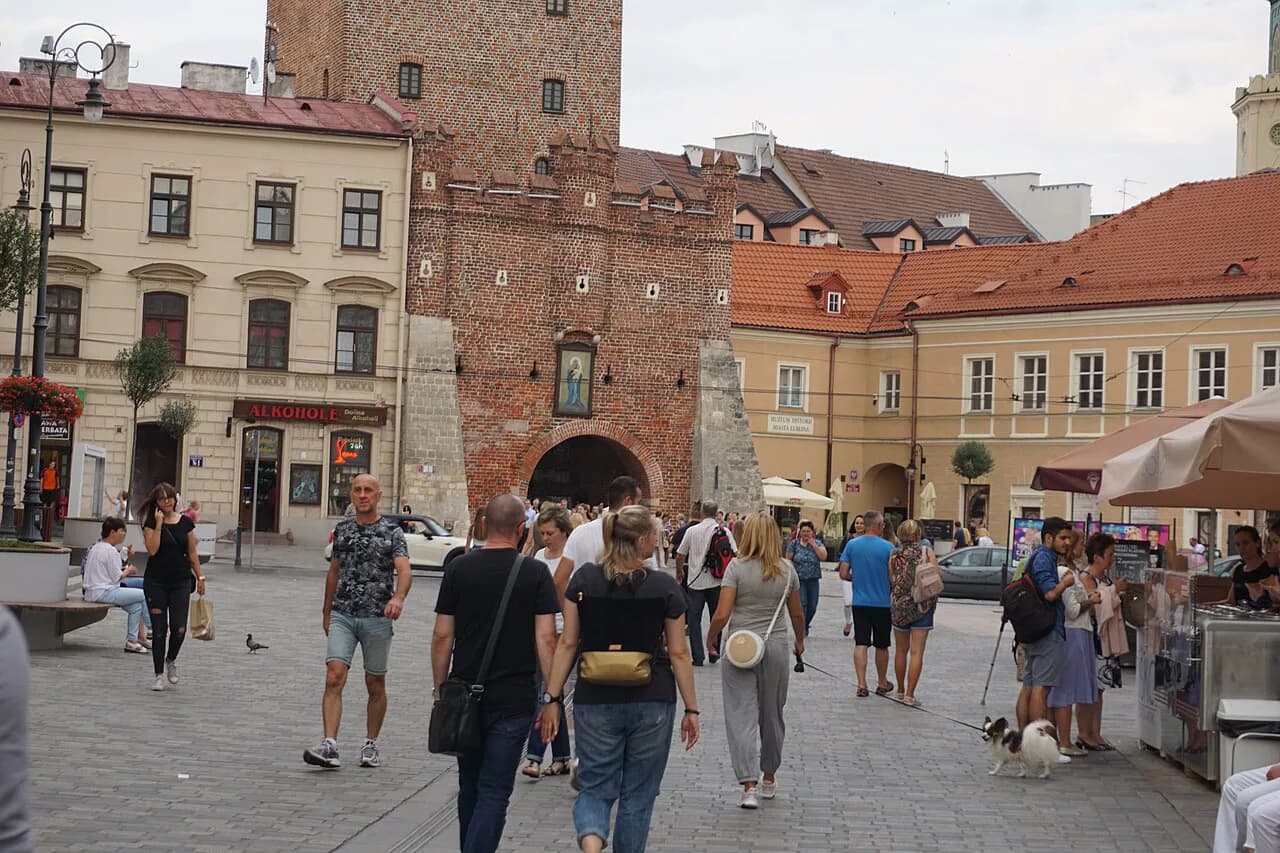
Lublin City Break Guide: Old Town, Castle and Majdanek
Plan a one to three day Lublin city break: the Old Town, Lublin Castle, Grodzka Gate and Majdanek, how the city is laid out and how long it needs.
On this page
Lublin needs one solid day for its Old Town and castle, and two or three days if you want to give Majdanek and the city's Jewish heritage the time they deserve. It is a compact eastern Polish city of about 350,000 people, so the sightseeing core sits within easy walking distance of itself. This guide covers how the city is shaped, what to see on foot, how many days to budget and what to expect from the wartime sites.
What Lublin is worth visiting for
Lublin draws visitors for three things: the Old Town, a castle on a hill beside it, and wartime history that includes the former German Nazi concentration camp at Majdanek on the city's edge. The old quarter is small enough to cross on foot in minutes, with colourful facades around the main square and the Gothic Holy Trinity Chapel inside the castle complex. It suits travellers who want a historic Polish city without Kraków's crowds, and who are prepared to engage seriously with the Holocaust.
Lublin is a working city with a large student population and a cultural scene centred on venues such as the Centre for the Meeting of Cultures. That mix means the Old Town is a place to wander rather than a museum piece, and the city has enough going on to fill a short break beyond the sights themselves. If you are weighing it against quieter historic towns, the Most Beautiful Towns in Poland guide offers a wider frame.
How Lublin is laid out
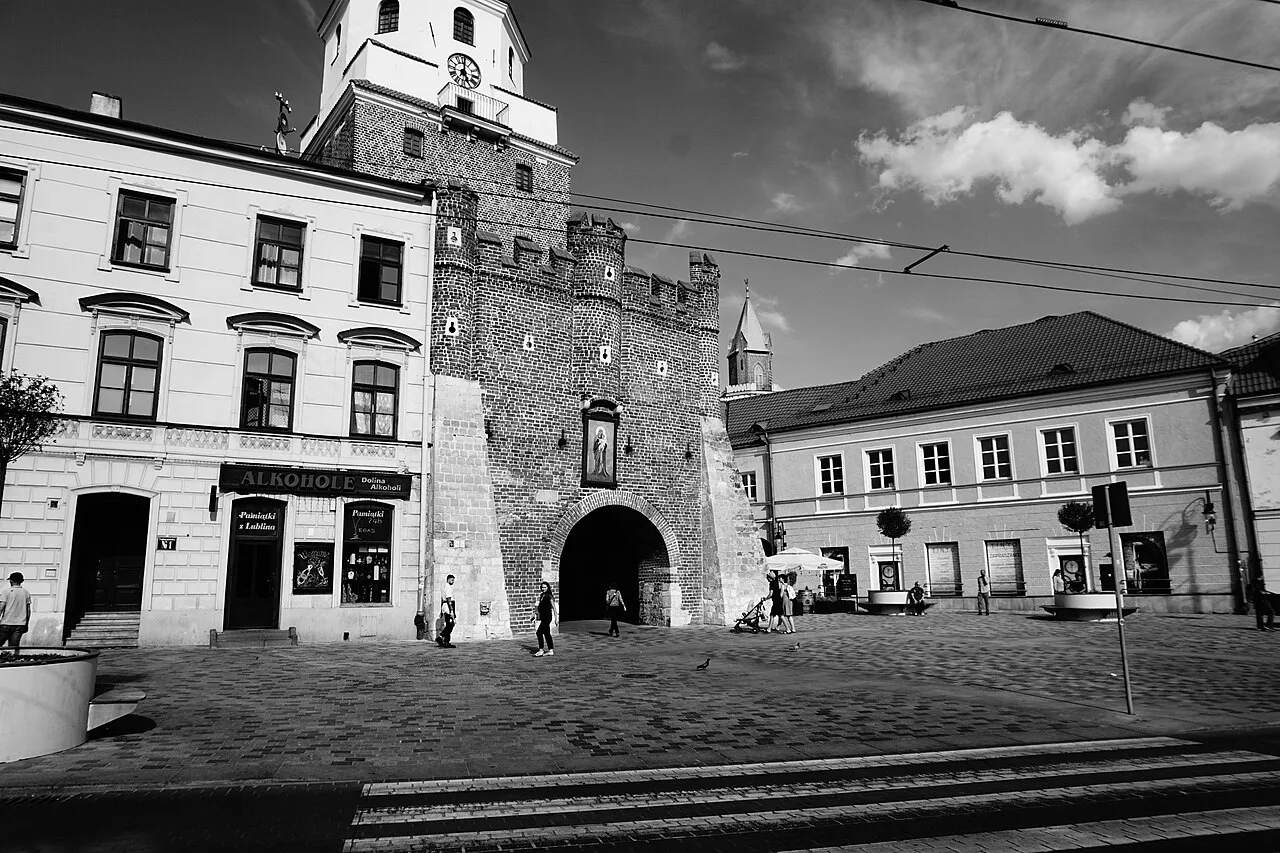
Lublin's historic core runs from the castle hill down into the Old Town, with the main square and its surrounding lanes spreading out below the castle walls. The Old Town is compact, and walking between the castle, the square and the Grodzka Gate takes only minutes rather than a tram ride. South of the Old Town the streets lead into the former Jewish quarter and on towards the modern centre.
The main practical point is that almost everything a short-break visitor wants sits in one walkable band, so you rarely need public transport within the centre. Buses and trams serve the wider city, but for the Old Town and castle the better plan is simply to walk. Majdanek is the exception: it lies outside the centre and needs a deliberate journey rather than a stroll.
Day one in Lublin: the Old Town and castle
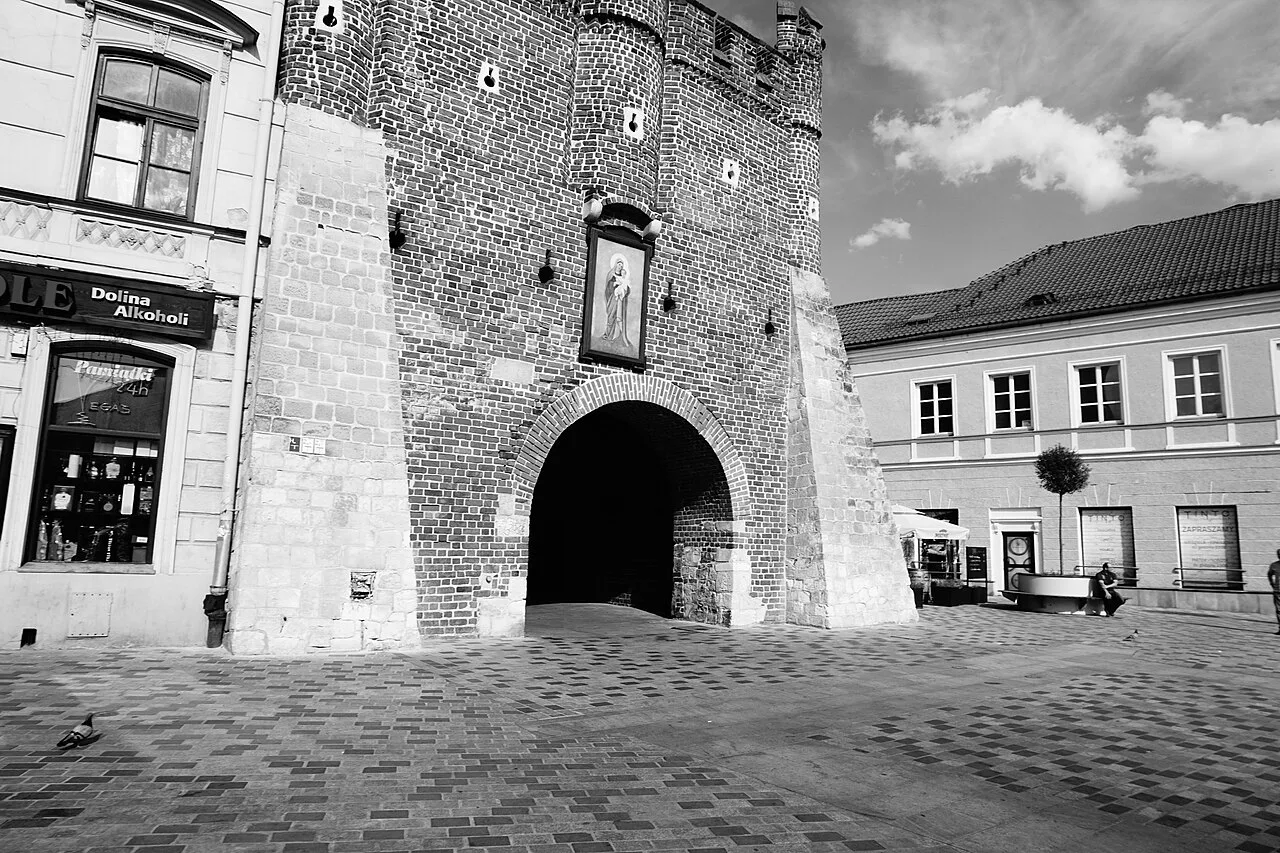
Spend your first day moving between the castle and the Old Town, which sit close enough to combine without rushing. Start at Lublin Castle on its hill, then walk down into the Old Town square for the streets and facades, and finish around the Grodzka Gate between the Old Town and the former Jewish quarter. That route gives you the city's three defining elements in a single day.
Give the castle a good share of the morning, because the Gothic Holy Trinity Chapel is a highlight worth unhurried attention, and then treat the Old Town as a loose wander rather than a checklist. The reward for going slowly is the detail: the chapel's interior and the painted fronts of the old houses are the kind of things you miss at speed. Keep the afternoon free for the Grodzka Gate area so the day ends on the city's Jewish history rather than trailing back to the castle.
Lublin Castle and the Holy Trinity Chapel
Lublin Castle sits on its hill above the Old Town and holds the Gothic Holy Trinity Chapel, the single interior most visitors remember from the city. The castle is the anchor sight of the Old Town and the obvious first stop of any short break. Its raised position also gives you a natural vantage point to orient yourself before heading down into the lanes.
Allow more time inside the chapel than the size of the building suggests, and pair it with the castle complex as a whole. The castle and chapel are the city's headline sights, but ticket prices, opening hours and any free-entry days change, so confirm current entry details and any weekly closing day on the castle's own website before you go. That way you can plan the rest of the day around confirmed opening times rather than guesswork.
The Old Town square and the streets around it
The Old Town square is the social centre of the historic quarter, ringed by tall houses with painted facades and lanes running off in every direction. Walk out along the surrounding streets rather than staying in the square, because the quieter lanes hold the best domestic architecture and the fewest crowds. The square is where the Old Town's outdoor seating and events gather, so warm months are the liveliest time to see it.
Treat the Old Town as a place to look up: the facades, the doorways and the uneven rooflines reward attention more than any single named sight. The city's compact scale means an hour of wandering covers the core and still leaves time for the castle and the Grodzka Gate. Plan the square for late afternoon or early evening, when the light softens the painted fronts.
Jewish Lublin and the Grodzka Gate
Lublin's Jewish heritage is centred on the former Jewish quarter and the Grodzka Gate, the old gateway between the Old Town and that quarter. Before the Second World War the city was an important centre of Jewish learning and culture, and the quarter's synagogues and streets remain the physical trace of that community. Approach the area as a place of memory first and a sightseeing stop second.
Walk the cobbled streets slowly and quietly, and give the memorial and heritage sites the same respect you would in any cemetery or place of worship. The former Jewish quarter sits directly beside the Old Town, so it fits naturally at the end of a castle day rather than as a separate excursion. If you are building a wider tour of Poland's historic towns, the guide to the country's Most Beautiful Towns in Poland helps place Lublin alongside smaller centres.
Majdanek State Museum: planning the time
Majdanek State Museum preserves the site of a former German Nazi concentration camp just outside Lublin, and it is the reason many visitors come to the city at all. It is a memorial and museum rather than a tourist attraction, and it deserves to be planned as the serious half of a Lublin stay rather than fitted in around shopping. The site lies outside the city centre, so getting there takes deliberate effort and should be built into the day.
Set aside a proper block of time for Majdanek and keep the rest of that day light, because the experience is emotionally demanding and does not combine well with a packed schedule. The museum is a memorial as well as a site, and opening hours, ticket arrangements and free-entry days change, so confirm current visiting arrangements on the museum's own website before you travel. The museum's and memorial's own published material is the right place for any dates and victim figures, which should always come from those sources rather than casual retellings.
The Old Town day and the Majdanek visit are best kept separate: one gives you the city's life, the other its history. If your break is only one day long, choose between them deliberately rather than trying to do both badly. For travellers comparing Lublin with other stops, Sandomierz offers a smaller, gentler historic town built around its own market square and castle.
How many days Lublin needs
One day covers the Old Town, the castle and the Grodzka Gate comfortably, and leaves the evening free. Two days lets you add Majdanek as a separate, unhurried half or full day, which is the version most travellers who care about the wartime history should choose. Three days allows for the Open Air Village Museum outside the city and a slower pace in the Old Town.
The honest trade-off is that adding Majdanek does not feel like adding an attraction; it changes the tone of the trip. If you have only a weekend, pick either the Old Town and castle in depth or the Old Town plus Majdanek, and accept that you will leave something for next time. A three-day stay is the point at which Lublin starts to feel relaxed rather than ticked off.
When to go to Lublin
Lublin is at its best in the warmer months, when the Old Town square fills with outdoor seating and the walk between the castle and the former Jewish quarter is pleasant. Monthly averages for the city run from around minus three degrees in January to roughly eighteen in July and August, which shows how wide the swing is across the year. Spring and early autumn give you the walking weather without the peak-season crowds.
Those figures are typical climate averages rather than a forecast, so check a current forecast close to your travel dates. The shoulder months are the sensible compromise for a city break built on walking between sights. Winter makes the outdoor stretches of the Old Town and the Majdanek site much harder going.
Getting to Lublin from Warsaw and elsewhere
Lublin sits in south-eastern Poland and is connected to Warsaw and other Polish cities by both trains and buses, which makes it easy to slot into a longer Polish trip. Lublin Airport lies about eight kilometres from the city centre and has connections to several European destinations, so flying in directly is a realistic option for some travellers. Warsaw is the obvious transport hub to pair with Lublin as the destination.
If you are touring Poland's smaller cities, Lublin works well as an eastern anchor, with Bydgoszcz and Olsztyn in the north offering contrasting old towns built around their own markets and waterways. Treat Lublin as a destination in its own right rather than a stopover. Farther afield, Gdynia: A City Break Guide to the Waterfront and Modernist Centre shows how different a Polish city break can look.
What things cost in Lublin in złoty
Lublin is generally considered a budget-friendly Polish city, with cheaper beds, food and short distances than the big tourist centres. Published daily-spend figures for the city are rough budget bands rather than quotes, so treat them as a starting point and not a figure to plan tightly around. Expect the everyday costs of a mid-sized Polish city and check current prices once you are planning specific bookings.
The currency is the Polish złoty, and many establishments accept cards, though it is sensible to carry some cash as a backup. As with any Polish city, the biggest variable in your budget is accommodation and the time of year rather than day-to-day spending. Prices for castle or museum entry are best confirmed on the venues' own websites, since they change and should be checked before you book.
Should Majdanek be part of your Lublin break?
Make Majdanek part of your trip only if you can give it a separate, unhurried block of time and are ready for a demanding day. If your break is one day or you want a lighter city experience, the Old Town, the castle and the Grodzka Gate already justify the journey. For a wider sense of what eastern Poland's smaller historic towns offer, Sandomierz is the natural next stop, a compact old town built around its own market square and castle.
Explore more Poland guides
Sources
Notes for your next Polish city break
Optional updates to our Poland guides.
You might also like



Continue reading
More guides you'll find useful





