Olsztyn: Copernicus's Castle, Old Town and Warmia Gateway
Olsztyn packs a Brick Gothic castle where Copernicus lived, a compact old town and a lakeside setting into one easy day. Here is what to see and how long it takes.
On this page
Olsztyn is worth one full day. The capital of Warmia and Masuria strings together a Brick Gothic castle with Copernicus's name on it, a tight old town built around a market square, and a 14th-century cathedral, all reachable on foot in a few hours. This guide shapes that day: what to see, how the streets fit together, how long to give each stop, and when the whole circuit is enough.
The old town sits on the Łyna river, with the castle on the west side and the Market Square a couple of minutes east of it. You can walk from the Upper Gate through the square to the cathedral without planning a route.
What Olsztyn is known for
Olsztyn is known for Copernicus, its Brick Gothic castle and its role as the capital of the Warmian-Masurian Voivodeship. The city began as Allenstein in the 14th century under the Teutonic Order, passed to the Polish Crown in 1454 and returned to Poland after the Second World War. That layered history left a compact old town of brick churches, a market square and defence walls that you can cross in 15 minutes.
Olsztyn has a walkable brick-Gothic centre, but it is not a rival to Gdańsk or Wrocław. Treat it as a one-day city break and a base for Warmia and Masuria rather than a destination for a long weekend. For a sense of how it compares with other Polish small towns, the Most Beautiful Towns in Poland guide covers similar centres.
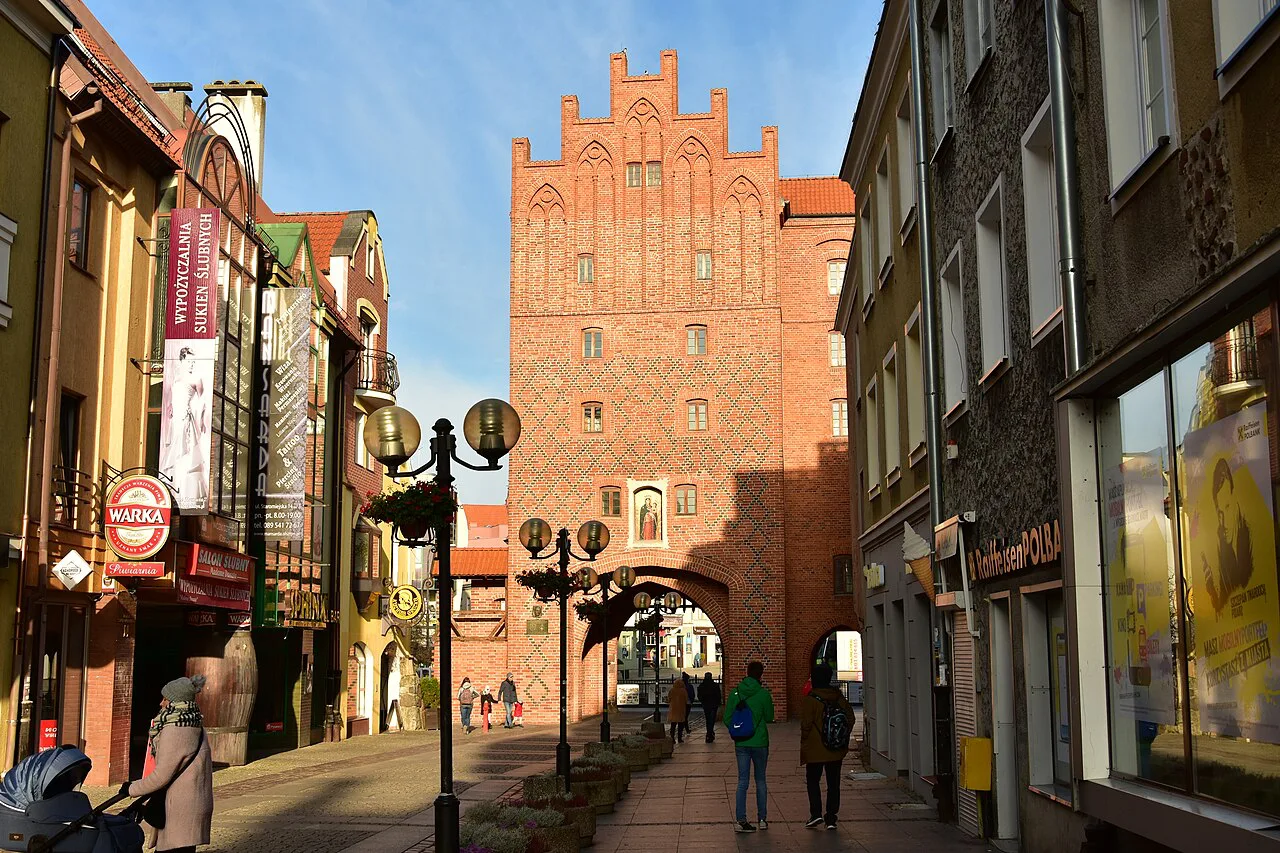
Where Olsztyn sits and how the old town is laid out
Olsztyn is in northern Poland, in Warmia, and has been the voivodeship capital since 1999. The old town is a loop of streets around the Market Square, with the castle and cathedral on the western edge and the Upper Gate on the north. If you arrive from the main roads or the station side, you will usually enter through the Upper Gate or the streets off it.
Know the shape before you walk: Upper Gate to Market Square is a few minutes, Market Square to the castle another few, and the cathedral is just south of the castle. Once you have done the circuit, the rest of Olsztyn is modern city, parks and lakes, so the old town is the part you plan around.
Olsztyn Castle: the Brick Gothic Warmian Bishops' Castle
The castle is the reason to come. Built in the 14th century as the Warmian Bishops' Castle, it is Brick Gothic, square and compact, with a tower and a courtyard. Inside, the Copernicus connection is the draw: as administrator of the castle, he prepared it for defence against the Teutonic Knights in 1520. That is a specific role, not a vague "lived here" line, and it makes the castle visit more than a photo stop.
Allow 45 minutes to an hour for the castle and its courtyard. The castle anchors the western end of the old town, so start or finish there, then walk east to the Market Square. Check the castle's current opening days and ticket prices at the official Olsztyn tourism portal before you go, because museums in Poland often close one day a week.
Market Square and Old Town Hall
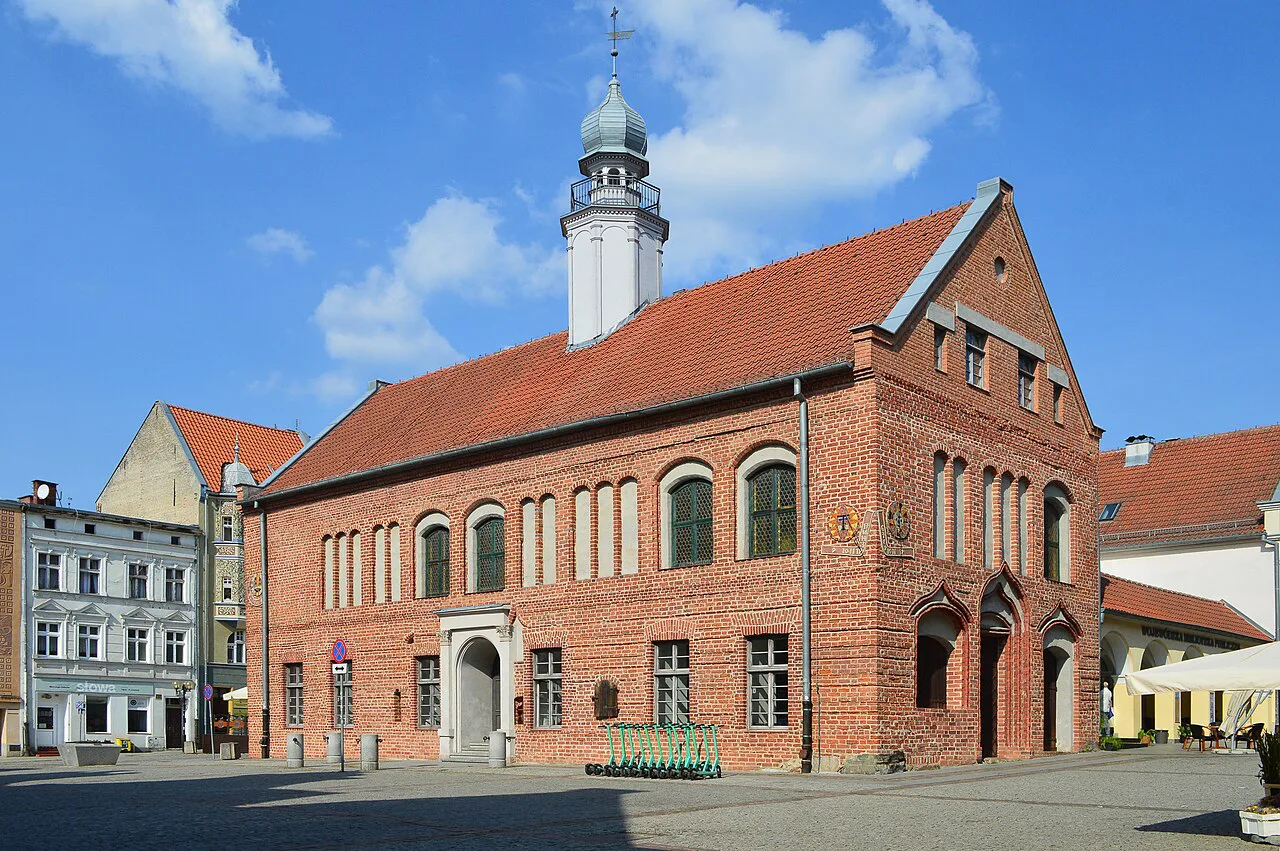
The Market Square is the heart of the old town and part of the European Route of Brick Gothic. Look for the Old Town Hall, built in the second half of the 14th century and used by the town authorities until 1915, and the Mayor's House, the oldest brick residential building in Olsztyn and the most important tenement on the square. The square is small, so give it 20 to 30 minutes, longer if you stop for coffee.
This is also where you get your bearings. From the square you can see the castle to the west and the streets leading to the cathedral and the Upper Gate. If you are comparing Polish old towns, the scale here is closer to Sandomierz than to Gdańsk, and the brick detail is the thing to notice.
Upper Gate and the defensive walls
The Upper Gate is a 14th-century city gate and part of the former defensive walls. It is the best surviving fragment of the old fortifications and the natural entry point to the old town from the north. You only need 10 minutes here, but it sets up the circuit: gate, square, castle, cathedral.
Walk through the gate and the street leads you straight into the old town. The walls are fragmentary rather than a complete circuit, so do not expect a full rampart walk. The gate is a quick stop on the way to the Market Square, not a separate sight.
Co-Cathedral Basilica of St James the Apostle
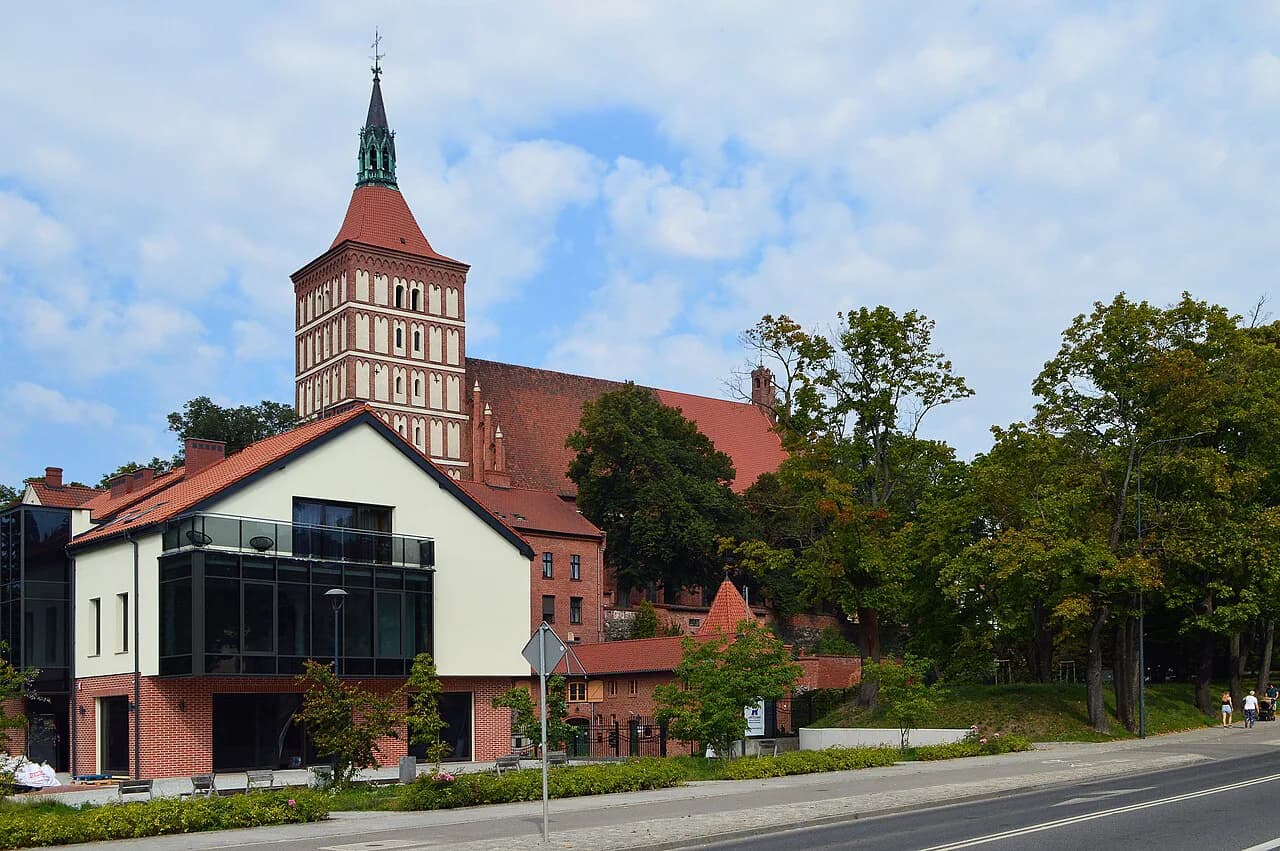
The Co-Cathedral Basilica of St James the Apostle was built in the second half of the 14th century and is the old town's main church. Inside, look for the Gothic tabernacle, the Renaissance painting on the wall tabernacle, the triptych of St Cross and the candlesticks, plus Baroque sculptures and paintings. It is a working church, so give it 20 minutes and keep your voice down if a service is on.
The cathedral sits just south of the castle, so it fits naturally between the castle and the Market Square. If you only have an afternoon, do the castle and the cathedral first, then the square. The dedication matters when you search for opening times: look for St James, not just "Olsztyn Cathedral".
The House of Gazeta Olsztyńska and the Museum of Warmia and Mazury
The House of Gazeta Olsztyńska is a reconstructed brick building that was a newspaper printing house and now houses a branch of the Museum of Warmia and Mazury. It is a small stop, worth 30 minutes if the museum is open. The building itself is part of the brick Gothic streetscape, so even from outside it adds to the old town walk.
Check the official tourism portal for the current opening days and ticket prices for this branch before you build your day around it. If it is closed, the castle and cathedral still fill a morning.
How many days Olsztyn needs
Olsztyn needs one day. The old town circuit is half a day, and the castle and cathedral fill the other half. If you have two days, use the second for Warmia and Masuria rather than for more of the city. That is the honest trade-off: Olsztyn is a gateway, not a city that rewards a long stay.
For a one-day visit on foot, start at the Upper Gate, walk to the Market Square, then the castle, then the cathedral, and finish with the House of Gazeta Olsztyńska. That order keeps you moving west and south without doubling back. Add a lakeside walk if the weather holds, and leave the evening free.
Walking times between the sights
The old town is compact: the Upper Gate, Market Square, castle and cathedral are all within a short walk of each other. The whole circuit, without stopping, is quick. With castle and cathedral visits, allow three to four hours.
Those times assume you walk at an easy pace and do not get lost. The streets are short and the landmarks are visible, so navigation is not the issue. The variable is how long you spend inside the castle and the cathedral, which is why the day is best left loose rather than timed to the minute.
When to go and what a private guided walk costs
Spring to early autumn is the comfortable window for walking the old town and the lakeside. The castle and cathedral are indoor stops, so a mixed day works. There is no need to plan around a specific event; the circuit is the same year-round.
For a concrete cost benchmark, one operator lists a private guided walking tour of the Old Town at 400 PLN for one person, falling to 200 PLN per person for two, 140 PLN for three, 110 PLN for four, 90 PLN for five, 80 PLN for six and 70 PLN for seven, for a tour of up to 2.5 hours. Those are that operator's listed rates, so treat them as a guide to what a guided walk costs rather than a fixed price. Museum and cathedral entry are separate. Check current prices on the official portal.
Olsztyn is the largest city in Warmia and the capital of the voivodeship, so it has the services of a regional centre. That makes it a practical base, but it also means the old town is small relative to the city around it. Budget for a day, not a week.
Is Olsztyn worth visiting?
Yes, if you want a Brick Gothic castle with a real Copernicus story, a compact old town and an easy day on foot. Skip it if you are looking for a big-city break with major museums and a long list of sights; Olsztyn is a one-day stop and a gateway to Warmia and Masuria. The Most Beautiful Towns in Poland guide is the right place to see how other small Polish centres compare.
If you like the scale, Lublin is a larger old-town city break with a castle and a darker history, and it makes a useful contrast. Olsztyn is the quieter, smaller version of that shape. Come for the castle and the walk, not for a packed itinerary.
Is Olsztyn worth the stop?
Olsztyn earns a day, not a weekend. The castle and Copernicus's 1520 defence preparations give it a specific story, the Market Square and cathedral fill the rest of the circuit, and the whole old town fits into a morning and an afternoon on foot. Build the day around the castle and leave the rest loose.
If you are weighing it against other Polish towns, treat Olsztyn as a Warmia and Masuria gateway rather than a rival to Gdańsk. Check the official portal for current opening days and ticket prices, then plan the walk and leave the evening free.
Explore more Poland guides
Sources
Notes for your next Polish city break
Optional updates to our Poland guides.
You might also like

Continue reading
More guides you'll find useful