Łańcut Castle: What to See, Tickets and Getting There
A practical guide to Łańcut Castle in Poland: what to see inside, how tickets and opening days work, and how to get there from Rzeszów or Kraków.
On this page
Łańcut Castle is worth a half-day of anyone's time in south-east Poland, and it slots neatly into a Rzeszów stay. The draw is a complete aristocratic residence with state rooms and a landscaped park around it. This guide covers what a visit involves, how opening days and booking work, and how to reach the town.
The castle sits in Łańcut itself, a small town in the Podkarpacie region, and it is the reason most travellers come. Set aside three to four hours if you want the interiors and a walk in the park; two hours covers the main route and nothing else.
What Łańcut Castle is and why it is worth the trip
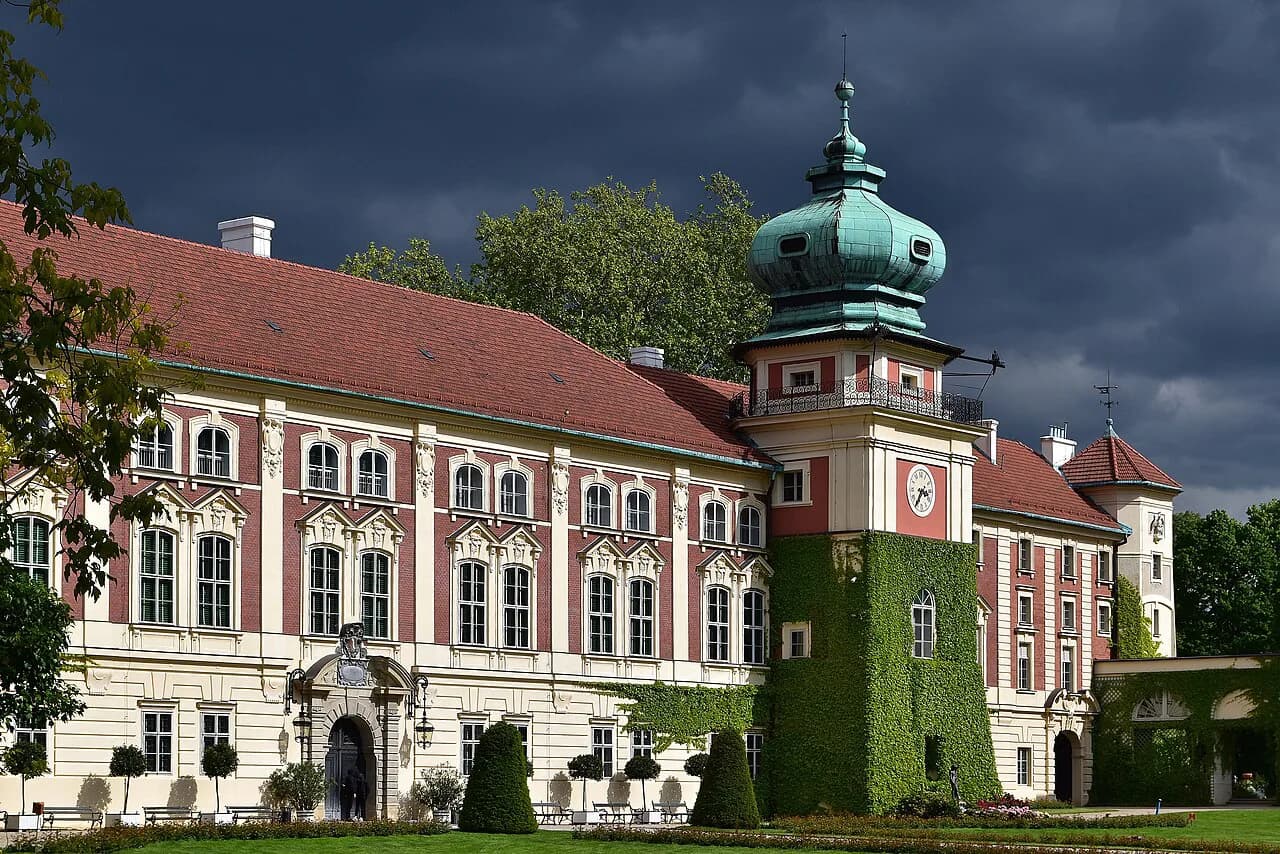
Łańcut is one of the great aristocratic residences of Poland, and it sits in the same league as the country's best-known palaces, which is why it belongs on any shortlist of palaces in Poland. The museum documents the family and the house, so you are looking at rooms in their historical setting rather than empty architecture.
For comparison, Pszczyna Castle in Silesia also presents a furnished aristocratic interior, but Łańcut's draw is its scale and its separate park. If you have already enjoyed one Polish residence, Łańcut still justifies the journey because the setting and the layout are different in character.
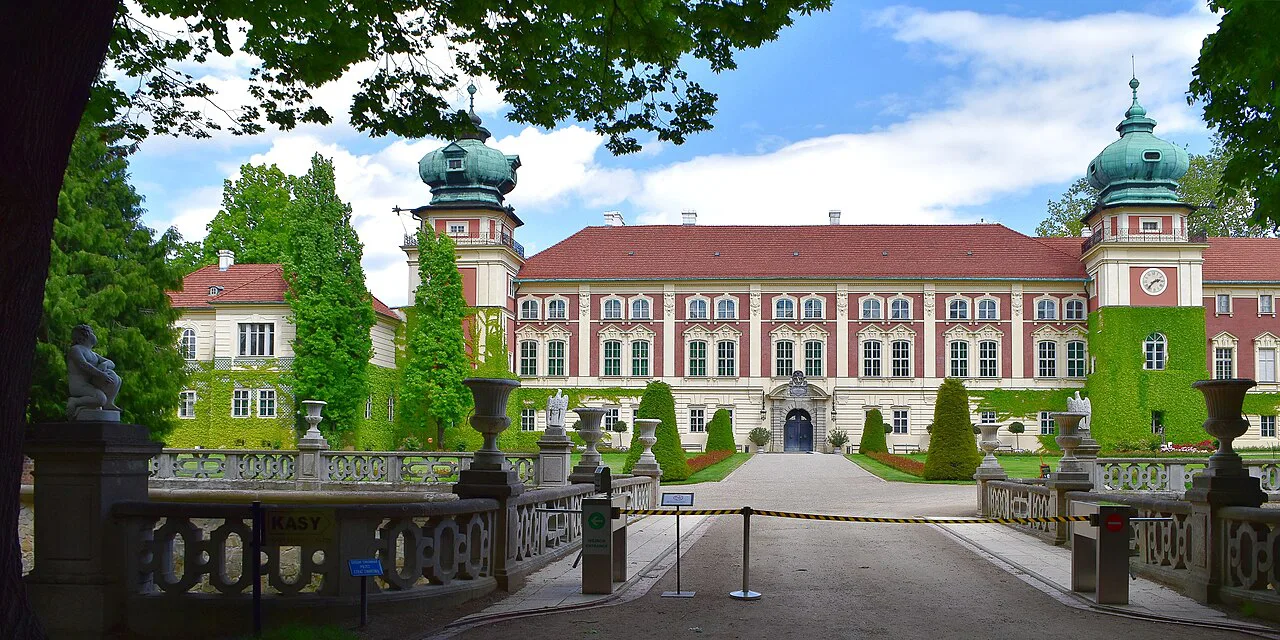
Where the castle sits in the town and how the grounds are laid out
The castle museum is addressed at Zamkowa 1 in Łańcut, and its own site publishes the contact telephone and email for tour enquiries. Expect to move between the residence and the park, so wear something you can walk in for a couple of hours.
The park is part of the visit, and the museum runs guided walks of it on a set schedule rather than at any hour you choose. Those walks run Tuesday to Sunday and need booking in advance by email. That matters if the gardens are a priority, because turning up without a reservation may leave you with the interiors only.
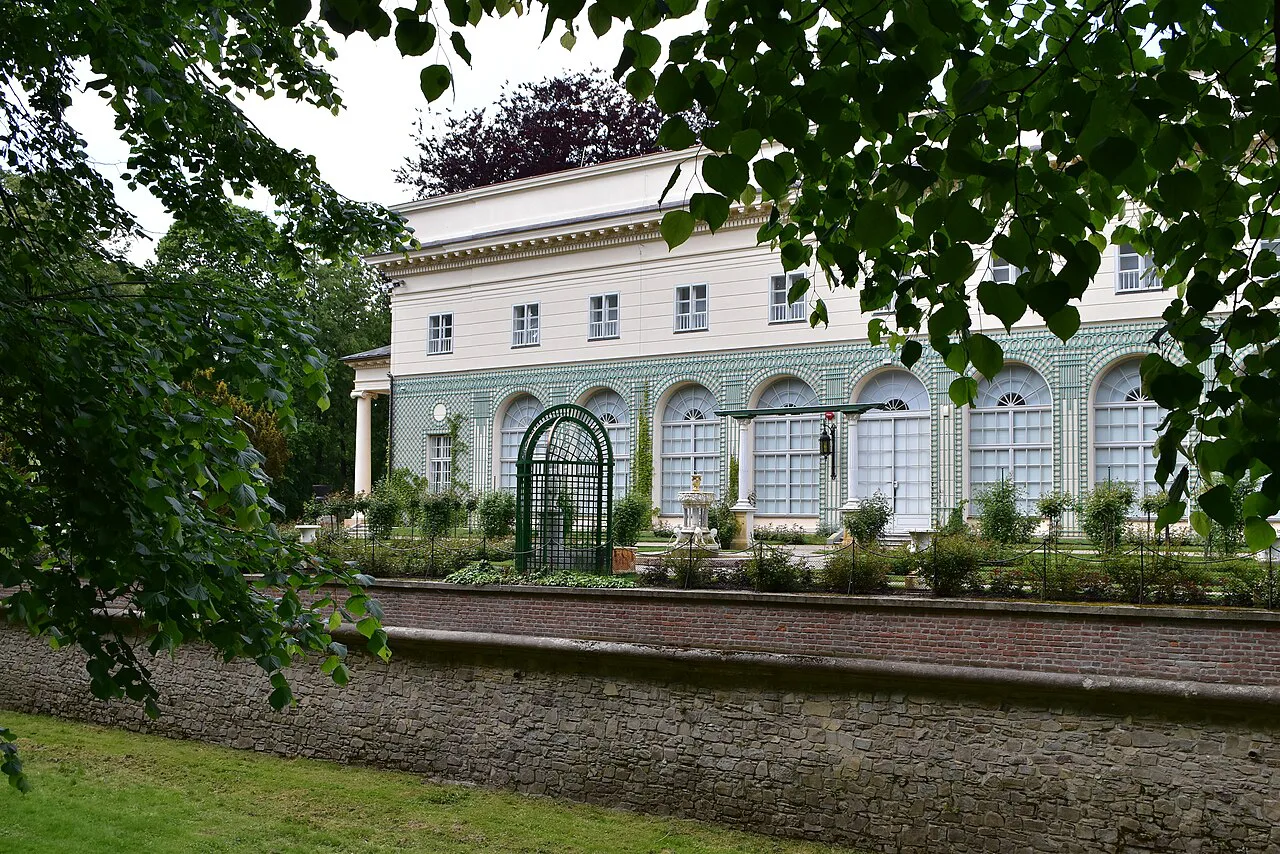
The state rooms and interiors: what a visit covers
The interior route takes you through the family's rooms, kept as a museum of the residence rather than a gallery of isolated objects. The value is in the sequence: you see how the rooms related to one another, which is the part photographs never convey. Budget most of your time here, because it is the heart of the visit.
Because the castle operates as a museum, the practical details of the day are set by the institution. Check the displayed opening hours before you travel, since they vary by day, and plan your arrival around them rather than the other way round.
The grounds and outbuildings
The residence and its outbuildings together make up the visit, and the scale is what surprises people who expect a single house. Allow a good half-hour or more on top of the interiors to see the grounds and the outbuildings, rather than treating the castle as one room after another.
If your interests run to landscaped grounds and interiors rather than a single grand residence, Kórnik Castle near Poznań offers a different combination, with a park and a lake that make a gentler, more domestic visit. Łańcut remains the larger and more formal of the two.
The park and gardens around the castle
The park wraps around the residence and gives the castle its setting, so it is not an optional extra if you have the time. A guided walk is the way to see it properly, held Tuesday to Sunday with advance reservation by email to the museum. Book before you fix your travel dates, because the walk, not the castle, is the constraint.
Poland's climate shapes when a garden visit works best. Spring days range from about 5 to 15 degrees Celsius, summer sits around 20 to 25, and the recommended months for touring are May to June and September to October, when it is still warm and crowds are thinner. Those averages argue for a shoulder-season visit with the park included.
Opening days and hours
Opening hours are set by the museum and change by day, so read the official schedule before booking transport. The opening-hours page also gives the museum's telephone and email for tour enquiries, which is where you confirm arrangements for your group. Building the visit around the published hours is the single most useful planning step.
Do not assume the Polish museum habit of a weekly closing day applies here; go by what the castle's own page shows for your date. Likewise, if a free-entry day exists, it will be stated there rather than assumed.
Ticket prices in złoty and what each ticket includes
Ticket prices in złoty are published by the museum, and the options separate the interiors from other parts of the visit. Read the inclusions carefully, because the park walk and any other element are not automatically part of the same entry. The page at Zamkowa 1 also gives the telephone contact and email for tour enquiries, useful if your group has special requirements.
Plan the budget around what you actually want to see rather than buying the largest option by default. Travellers who mainly want the state rooms can keep costs down, while those adding a guided park walk should expect to pay for each element. Confirm the current figures in złoty on the day you book.
Guided tours and how long a visit takes
The park can be seen on a guided walk from Tuesday to Sunday, arranged in advance by email. Guided formats matter in a residence museum because they turn a sequence of rooms and paths into a narrative about the family who lived there. Reserve through the museum's published email address rather than a third-party seller.
For time budgeting, allow two hours for the interiors at a steady pace and add the park on top. A three-hour visit covers the essentials comfortably; four hours lets you take the park walk without rushing to a train. If you only have half a day, choose the interiors and leave the park for another visit.
Getting to Łańcut from Rzeszów and Kraków
Łańcut is easiest as a rail trip from Rzeszów, the regional capital, which makes it a natural addition to a city break in the south-east rather than a standalone destination. Check current connections and journey times with the national rail operator before fixing your day, since timetables change by season. The station sits in the town, with the castle museum itself addressed at Zamkowa 1.
From Kraków the journey is longer, so treat Łańcut as a full day out rather than a half-day add-on. Poland's network of historic houses is spread across the country, and comparing distances is part of choosing which ones fit. Rogalin palace near Poznań, associated with the Raczyński family, sits at the other end of that calculation.
Practical constraints: seasonality, closure days and booking ahead
Two things decide whether a Łańcut visit works: the museum's hours for your date and whether a guided park walk can be reserved. Fix the walk first if you want it, then build the day around the castle's opening times and rail connections. Reading the official history of the town and the residence before you go makes the interiors far more legible on the day.
Spring and autumn are the most comfortable windows for combining interiors with the park, given typical temperatures of 5 to 15 degrees in spring and mild conditions into October. Summer is warmer but busier, and the park is at its best earlier in the season. Weather figures are averages, not forecasts, so keep a wet-weather alternative in mind.
If your itinerary already leans towards smaller residences, Kozłówka Palace in Lubelskie, run as the Zamoyski Museum in Kozłówka, is a useful counterpoint with a very different scale and setting. Nieborów Palace, linked to the National Museum in Warsaw, is another option for a longer Polish palace tour. Łańcut remains the strongest single choice in the south-east.
Is Łańcut worth a day of your trip?
Yes, if you are already in the south-east or can reach it from Rzeszów by train without losing a whole day. The combination of furnished interiors and a landscaped park is hard to match elsewhere in Poland in one visit.
Skip it if your trip is built around a single city with no spare day, and save it for a return visit when you can add the guided park walk. For travellers comparing residences across the country, the wider set of palaces in Poland gives you the distances and alternatives to weigh against Łańcut.
Frequently Asked Questions
How long does a visit to Łańcut Castle take?
Allow about two hours for the state rooms and add time for the park, which gives a comfortable three to four hours in total. If you have only half a day, concentrate on the interiors and treat the park as optional.
Do you need to book the park tour at Łańcut in advance?
Yes. Guided walks of the park run Tuesday to Sunday and require advance reservation by email to the museum, so request your slot before fixing travel dates. The castle's own site gives the current arrangements and contact details.
Can you visit Łańcut Castle from Kraków in a day?
It makes for a long day, so plan it as a full-day outing rather than a half-day add-on. Check current connections and journey times with the rail operator before committing.
Sources
Notes for your next Polish city break
Optional updates to our Poland guides.
You might also like

Continue reading
More guides you'll find useful