Rogalin Palace: Visiting the Raczyński Palace Near Poznań
Plan a visit to Rogalin Palace near Poznań: the Raczyński state rooms, painting gallery, carriage house, park and the famous Rogalin oaks, with tickets in złoty.
On this page
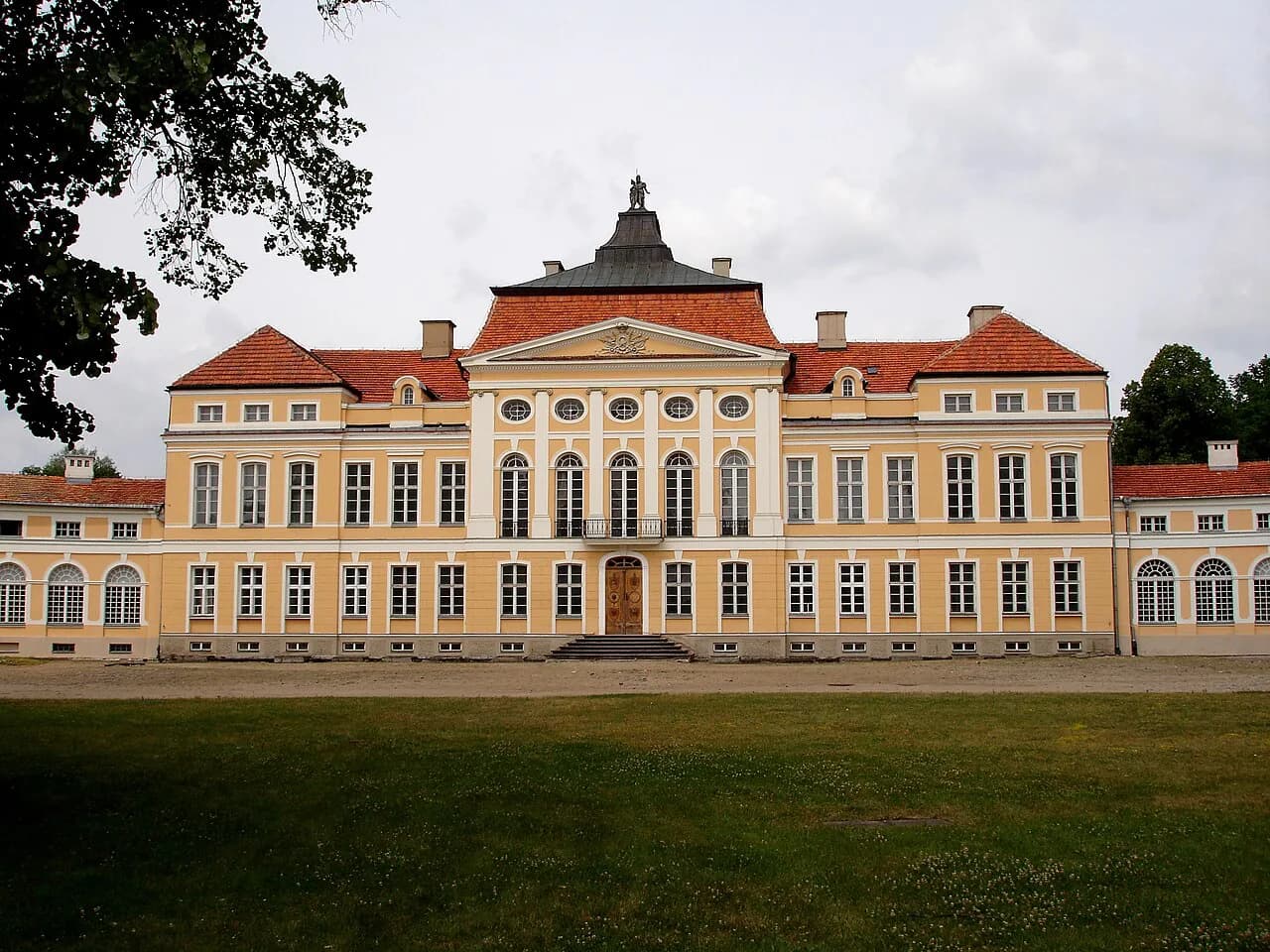
Rogalin Palace makes a satisfying half-day from Poznań: a Raczyński family seat about 20 km south of the city, with a picture gallery, a carriage house and a landscape park around it. The palace is the centrepiece, but the gallery and the park with its celebrated oaks are what justify staying longer than the interiors. This guide covers the separate parts of the complex, the museum's published hours and ticket prices, and how to sequence a visit.
Rogalin Palace belongs to the National Museum in Poznań and is one of the strongest aristocratic residences in Wielkopolska, sitting comfortably alongside the wider circuit of palaces in Poland. Treat the palace, painting gallery, carriage house and park as distinct stops rather than a single ticket, and the day plans itself.
Where Rogalin Palace sits
Rogalin is a small village in Wielkopolska, about 20 km south of Poznań, and the palace is its reason for drawing visitors. The museum publishes the palace branch address as Arciszewskiego 2, 62-022 Rogalin, with its own contact line. Think of the complex as four parts: the palace, the painting gallery under the south wing, the carriage house to the east, and the park with the Raczyński mausoleum and the three oaks.
Individual tickets are available for the different parts of the complex, which means you can see the palace and gallery and leave the park for a slow walk afterwards. The palace tour is the anchor, so use the other parts to fill your time around it.
The Raczyński family and the palace's look
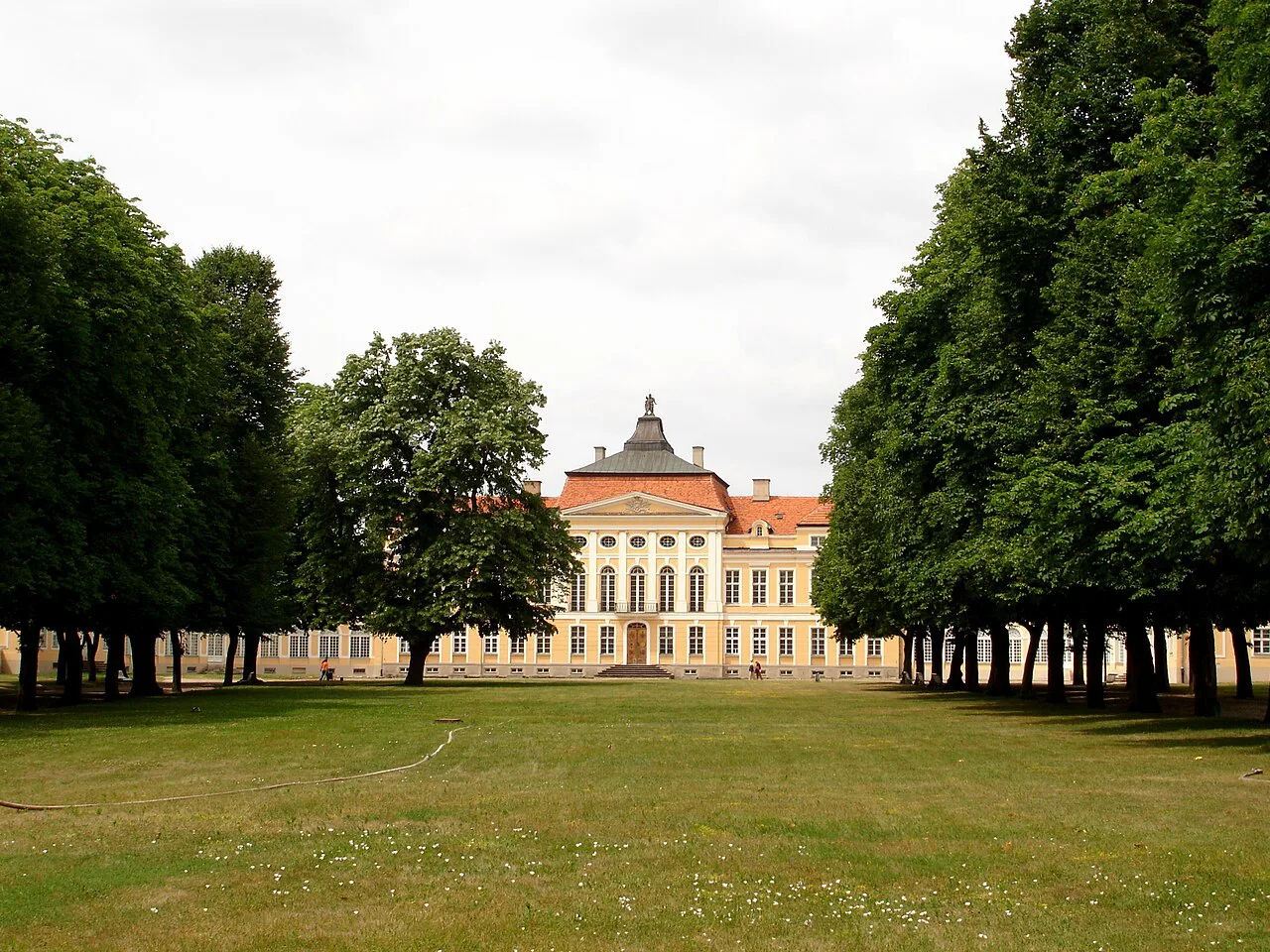
Kazimierz Raczyński acquired Rogalin in 1766 and commissioned the palace, which was ready for occupation by 1774. The basic plan, a main building with two quarter-circle wings, survived later generations, but the palace was partly remodelled in Rococo and Neoclassical taste, so it is not a single-style building. Edward Raczyński, Kazimierz's grandson, added the mausoleum and the landscape park in the nineteenth century.
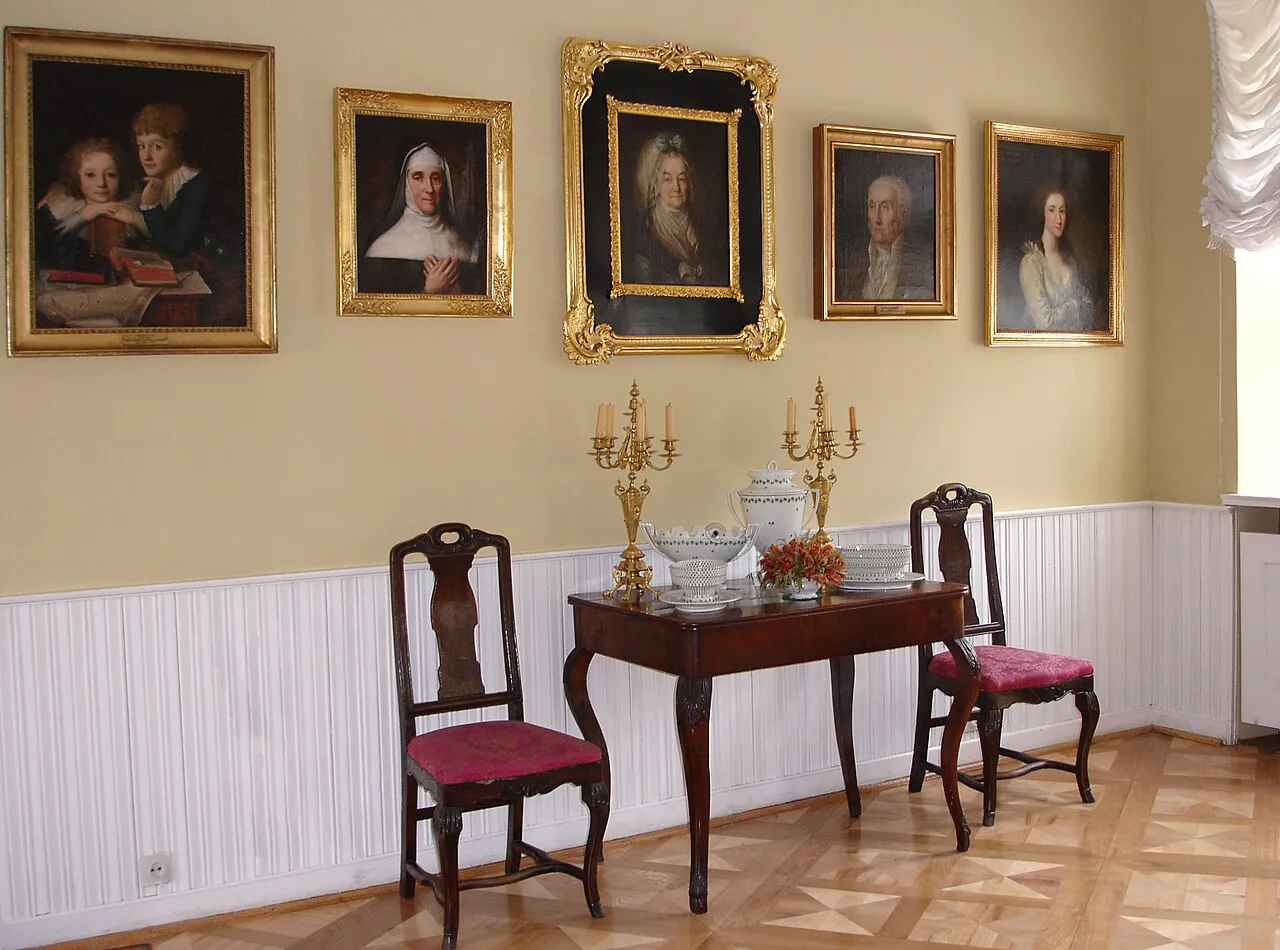
Atanazy Raczyński's collecting formed the basis of today's National Museum in Poznań, while Edward Aleksander Raczyński built up the painting collection that fills the gallery at Rogalin. After careful renovation the palace was restored to its 1930s appearance, which is why the interiors read as a lived-in family home rather than a stripped state apartment.
Opening hours and closing days
The museum splits the year into two schedules. From 1 January to 30 June, the exhibition is open Tuesday to Sunday from 09:00 to 16:00 with Monday closed. From 1 July to 31 August, it opens Tuesday to Friday 09:00–16:00 and Saturday to Sunday 10:00–17:00, again closed on Monday.
The museum also lists fixed closing dates: 1 January, Good Friday, Holy Saturday, Easter Sunday, Easter Monday, Corpus Christi, 1 November, 24–26 December and 31 December. The garden and park keep their own hours by month, from 09:00–20:00 in May to August, 09:00–18:00 in March, April, September and October, and 09:00–16:30 from November to February. Check these published hours before booking travel around a public holiday, because Easter and Corpus Christi move each year.
Tickets in złoty, including the Tuesday free day
The museum's price list gives a normal palace ticket at 20 PLN and a discounted ticket at 13 PLN, with children and students aged 7 to 26 paying 1 PLN. A group ticket for up to 25 people is 250 PLN. Temporary exhibitions cost 7 PLN normally and 5 PLN discounted.
Tuesday appears on the price list at 0 PLN, which is the museum's free-entry day. If your dates are flexible, that saves money, but a free day also tends to draw a crowd, so expect more company in the state rooms. If you want a quieter tour, pay for a weekday outside Tuesday.
For a couple visiting on a normal day, the palace comes to a modest sum in złoty. Budget separately for the gallery, the carriage house and any temporary exhibition, since the museum sells individual tickets for all of the areas.
The palace tour: library, Delft tiles and garden views
Inside, an audio guide in several languages leads you through the rooms and takes about an hour. The library, panelled almost entirely in wood, is the room most visitors remember, and the route passes Delft tiles, old fireplaces, Brussels tapestries and chandeliers designed by Friedrich Schinkel.
The windows open onto the French landscape park, so the interiors and the grounds reinforce each other rather than competing. If you are short of time, the palace tour is the part to keep and the carriage house the part to drop.
The painting gallery under the south wing
Edward Aleksander Raczyński bought more than 500 contemporary works from the 1880s onwards, and in 1910 a gallery designed by Mieczysław Powidzki was built beneath the south wing to house them. Natural light comes through the ceiling, which suits the Symbolist canvases on display. The gallery is ticketed separately from the palace, and it is the part of Rogalin that most rewards travellers who think they have seen enough country-house interiors.
The centrepiece is the vast Maid of Orleans, and the ancestral gallery and the London Cabinet round out the collection. Allow 45 minutes to an hour here if you actually want to look rather than tick off rooms. Collections of this kind sit alongside the aristocratic galleries you find in Łańcut Castle and Nieborów Palace, and Rogalin holds its own against both.
The carriage house
East of the palace, the former carriage house displays historic coaches, sleighs, sedan chairs, travel accessories and horse harnesses across several centuries. A wooden carriage house went up soon after the palace was finished and was replaced by the brick building in 1801. A restaurant sits in the complex east of the palace, which makes the area a sensible lunch stop between the palace and the park.
This is a niche collection, and it is the first thing to cut if your half-day is tight. Families with children often find it more engaging than the state rooms, and the vehicles give a concrete sense of how the Raczyńskis travelled.
The park, the mausoleum and the three oaks
The landscape park was laid out in the early 1770s alongside the palace and later reshaped by Edward Raczyński, who also built the family mausoleum and planted the chestnut avenue. The three famous Rogalin oaks, ancient and protected, are the reason many Polish visitors come at all. The park keeps longer hours than the interiors, so it is the natural place to end the day; check the park opening times on the museum site before you go.
The French landscape park is best in late spring and early autumn, when the light through the trees is at its best and the garden hours still run to 18:00 or later. Combine the mausoleum, the oaks and the long view back to the palace into a single loop of around an hour.
Getting there from Poznań and how long to allow
Rogalin is close enough to Poznań for a half-day, and the palace pairs well with the National Museum's main building on Marcinkowskiego Avenue in the city. The museum gives a phone line and email for the palace branch, which is the reliable way to confirm access and group arrangements. Travelling by car gives you the most flexibility, since the park and the village are spread out.
Allow three to four hours on site: an hour for the palace, an hour for the gallery, 30 to 45 minutes for the carriage house and an hour for the park and oaks. That fits a morning or an early afternoon from Poznań with time left for the city in the evening. If you only have two hours, do the palace and the park and skip the gallery and carriage house.
Trade-offs and how to sequence the visit
Arrive early and use the gallery or park before the palace rather than after, since the interiors take the longest and set the pace. Tuesday's free entry saves money but raises the crowd level, which matters most inside. If you are building a palaces itinerary, Rogalin works as a Poznań add-on, while Kórnik Castle is the other obvious Wielkopolska stop near the city.
Skip the carriage house if you are short of time, and skip the gallery only if you have already seen the big aristocratic collections elsewhere. The park and the oaks are the parts that make Rogalin more than another country house, and they are the reason to plan the visit at all. For a broader comparison across Poland, the Pszczyna castle and Kozłówka Palace show how differently Polish residences present their interiors.
Is Rogalin worth the half-day from Poznań?
Yes, if you want a Raczyński family seat with a genuine painting collection and a park you can walk at your own pace. The palace, gallery, carriage house and park are separately ticketed, so you can shape the visit around your time and budget rather than committing to everything. Three to four hours on site is enough to see it properly.
Go on a Tuesday if you want free entry and can handle the crowds, or on another weekday for a calmer palace tour. Either way, end with the oaks and the mausoleum, which are the parts of Rogalin that stay with you after the interiors blur together.
Frequently Asked Questions
Can I visit the park without a palace ticket?
The garden and park keep their own monthly opening hours, separate from the palace interiors, and are the natural place to walk to the oaks and the mausoleum. The museum's published hours cover the park on its own schedule; confirm on arrival whether any interior ticket is needed.
How far is Rogalin from Poznań?
Rogalin sits about 20 km south of Poznań, which makes it a comfortable half-day trip. A car gives the most flexibility, since the palace, carriage house and park are spread across the village.
Sources
Notes for your next Polish city break
Optional updates to our Poland guides.
You might also like

Continue reading
More guides you'll find useful