Project Riese: Visiting the Owl Mountains Tunnels
Project Riese is Nazi Germany's unfinished tunnel complex in the Owl Mountains. See what survives, what a visit involves and how to reach it from Wrocław.
On this page
Project Riese is the code name for a German Nazi construction programme of 1943 to 1945 that carved seven underground complexes into the Owl Mountains in Lower Silesia, and it remains unfinished, its purpose still uncertain. One of those complexes, Rzeczka near Walim, is open to visitors as the Walimskie Drifts, with a route of more than 500 metres through three parallel tunnels. This guide explains what the project was, what you actually see underground, what a ticket costs and how to get there from Wrocław.
It is a place of remembrance as much as a military curiosity: thousands of people from across occupied Europe died during the work. The practical trade-off is real too, because the tunnels sit well outside Wrocław and eat most of a day. Read on for the numbers that matter before you commit.
What Project Riese was
Riese means giant in German, and the project was a German Nazi undertaking between 1943 and 1945 covering seven underground structures in the Owl Mountains, a region that was German territory before the war and is now part of Poland. The works were never completed, and what survives is a series of tunnels and chambers whose original function is still debated. Treat any confident claim about a single purpose, including the popular bunker story, with caution.
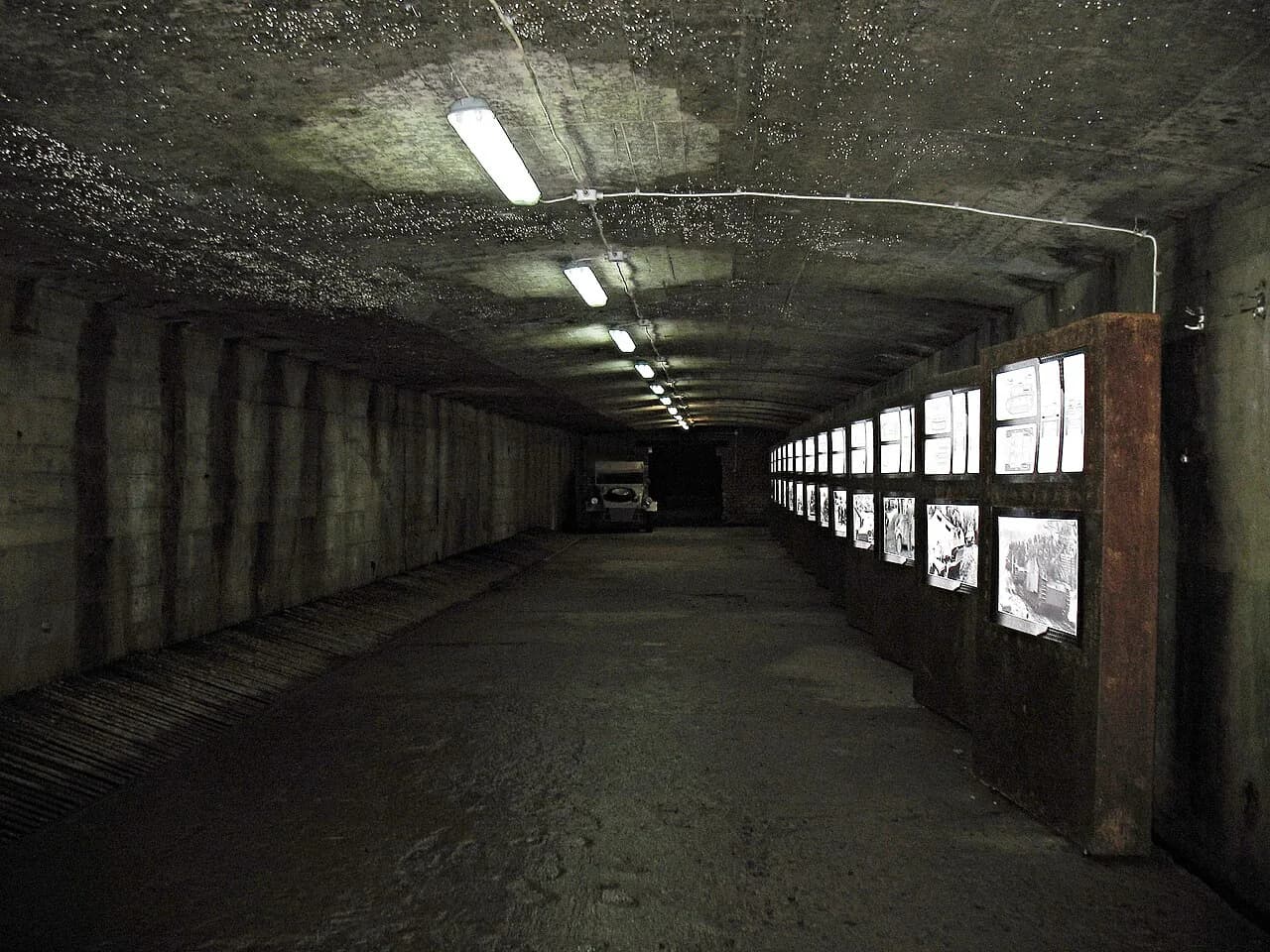
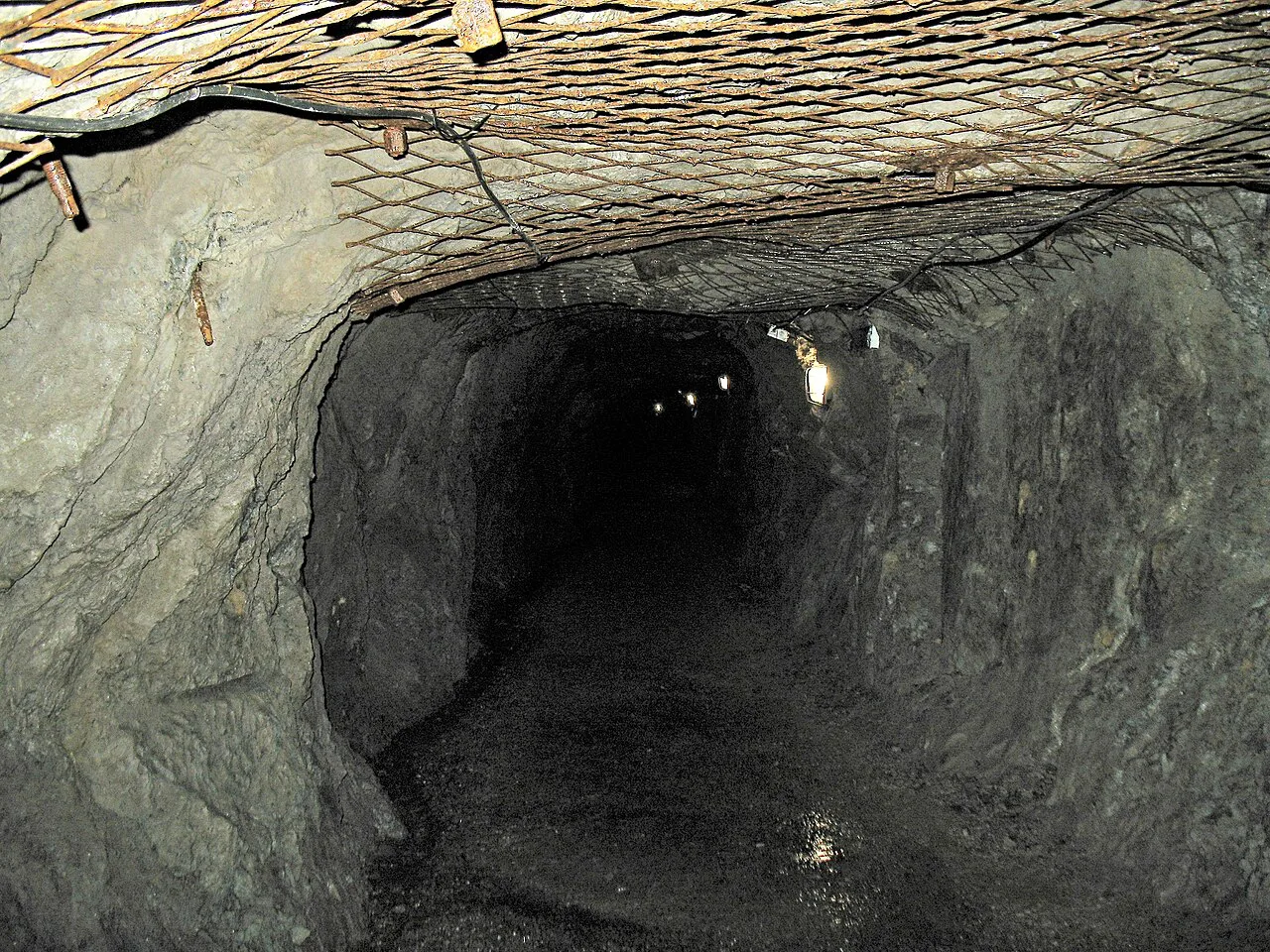
Because the project was never finished, you are not walking through a completed facility but through a construction site frozen in 1945: rough-cut rock, incomplete chambers and connecting passages. That is precisely what makes it worth seeing, and it is also why the site rewards a guide or an audioguide over guesswork. Visitors who come expecting polished exhibition halls tend to leave disappointed; those who come for the raw evidence of the construction do not.
Where the complexes are
The Owl Mountains sit in Lower Silesia in south-west Poland, between Wrocław and the Czech border, with Walim and the surrounding villages as the usual base for the tunnels. Wrocław is the nearest large city and the practical starting point for most travellers arriving by air. The driving distance is substantial rather than a quick hop, so plan the day around the site rather than squeezing it into an afternoon.
Public transport exists in the region but is thin on the ground and poorly suited to stringing several complexes together in one day. A car, or a guided tour with transport included, is the realistic way to see more than one. If you are building a wider itinerary, our collection of WW2 sites in Poland sets these tunnels alongside the country's other wartime memorials.
Which complexes you can go inside
Several of the seven structures are open to tourists, and the best documented for visitors is the Rzeczka complex, marketed as the Walimskie Drifts and run from Walim by the local culture and tourism centre. Osówka and Włodarz are the other names that come up most often in trip planning, but each is run separately with its own arrangements. For Rzeczka, the operator publishes the hours, ticket prices and closures directly, so confirm your chosen complex's details before setting out rather than assuming one set of rules covers all of them.
The differences between complexes are not cosmetic: they vary in how much tunnel you can walk, what interpretation is on offer and how developed the visitor infrastructure is. Rzeczka is the one that can be planned in detail from the operator's published information, which makes it the sensible choice for a first visit. If you have time for a second, add another complex rather than repeating the same experience.
Visiting the Rzeczka complex
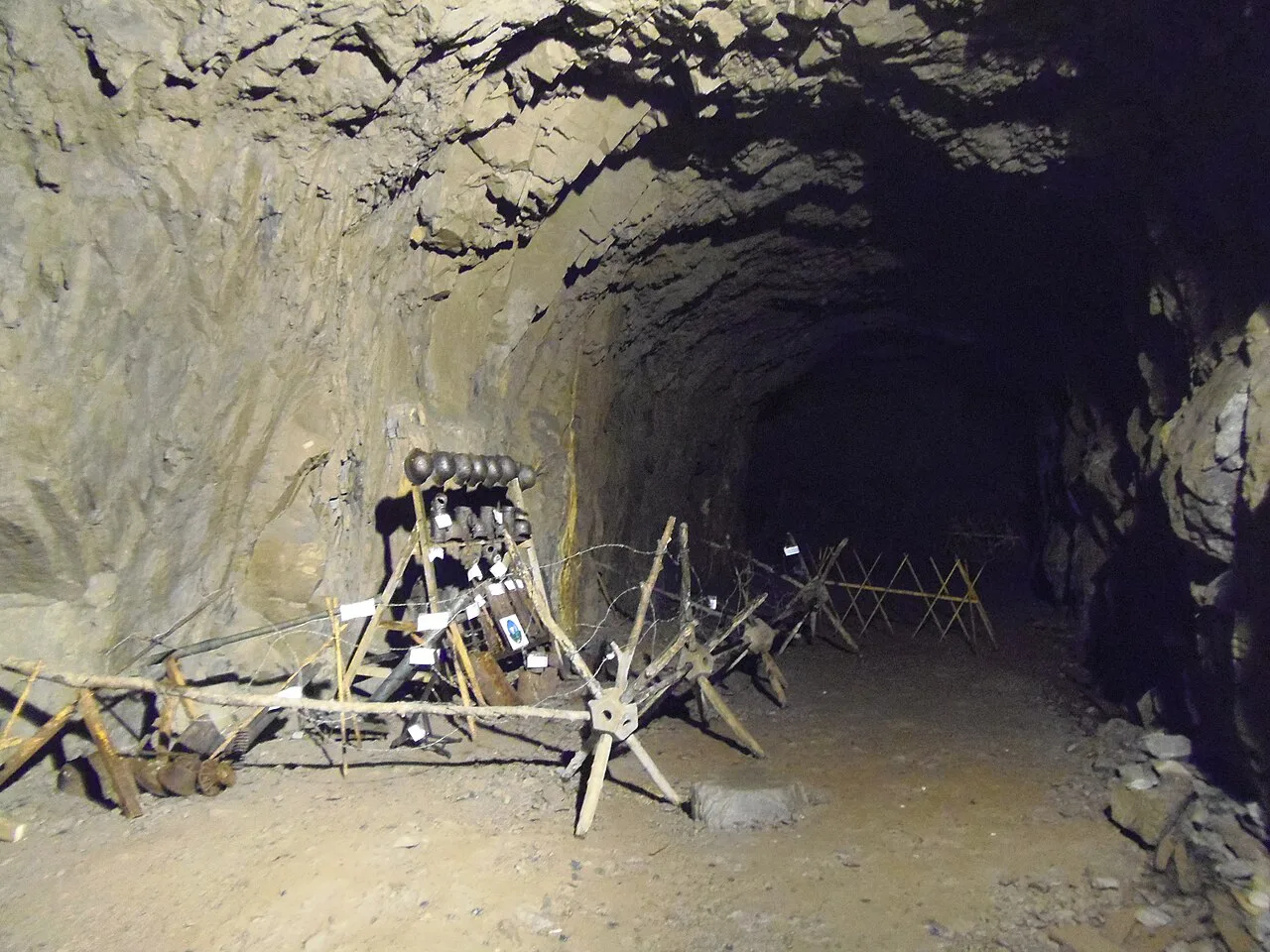
At Rzeczka the tourist route runs for more than 500 metres through three parallel tunnels cut into Ostra Mountain, with an interior volume of around 14,000 cubic metres. The walk is enhanced with audio-visual effects, and the exhibition includes a full-scale 13-metre model of a V2 rocket alongside a model of the V1 flying bomb, the weapon used against Britain and Belgium. Seeing these indoors, in the cold rock, lands harder than any photograph.
The site lies on the boundary between the villages of Rzeczka and Walim, inside Ostra Mountain, with free parking on site. You can rent an audioguide in English, German, Czech or French, which suits travellers who want to move at their own pace. Free parking removes one small logistical worry on a day that already involves a lot of driving.
What you see underground
Inside, expect raw drilled rock, high chambers and long straight tunnels rather than museum galleries. The temperature holds at roughly 5°C all year and humidity is high, so the cold is damp and seeps in within minutes. This is the detail most first-time visitors underestimate.
The scale is the point: you are looking at kilometres of tunnelling driven through solid rock by hand and machine under appalling conditions. Lighting and AV effects do some of the interpretive work, but the bare rock carries most of the weight. Give yourself longer than you think you need, because the route rewards slow walking and close looking.
The human cost and remembrance
The Walimskie Drifts are explicitly presented as a place of remembrance, and thousands of innocent people from various European countries died here during the construction. The work was carried out under German Nazi occupation from 1943 to 1945, and the tunnels are the physical residue of that. Visitors should treat the site accordingly: quiet, unhurried and respectful.
If you are following a broader wartime itinerary, the State Museum at Majdanek and the memorial at Stutthof show how German Nazi camps and labour sites are documented for visitors today. Riese belongs to that map of remembrance, not to the world of military tourism.
Tickets, prices and opening hours at Rzeczka
The operator publishes a normal ticket at 40 PLN and a reduced ticket at 30 PLN, with an audioguide rented at 14 PLN per person on top of the ticket. Audioguides are available in English, German, Czech and French, and tickets can be bought online as well as on site. The published hours include a last-entry cut-off that ends admissions before the site closes, so check it against your arrival time.
Opening hours shift with the season. From October to April the site runs Monday to Friday 9am to 5pm with last entry at 4pm, and Saturday and Sunday 9am to 6pm with last entry at 5pm; from May to September weekday hours extend to 6pm and weekend hours to 7pm, with last entry an hour before closing. It closes on Easter Sunday, 1 November and 24 to 25 December. Prices and hours are the operator's published figures, so confirm them when you book.
What to wear and bring
Bring warm clothing even in high summer, because a constant 5°C underground is colder than most people pack for in July. A fleece, a waterproof layer and closed shoes with grip are the right call; the humidity makes the cold feel sharper and the floor can be uneven.
An audioguide is an optional extra rather than included, and it is the main way to follow the story if you are not on a guided tour. If you plan to visit more than one complex in a day, layer up once in the morning rather than carrying a bag you will resent underground.
Getting there from Wrocław
Without a car, the tunnels are awkward: public transport in the Owl Mountains does not lend itself to a quick return trip, and you will spend a lot of the day waiting. Organised tours from Wrocław bundle transport with entry and remove that problem in one step. That convenience is worth paying for if you have a single day and no hire car.
Driving yourself gives you the freedom to add a second complex or stop in Walim, and free parking at Rzeczka takes the sting out of arrival. Either way, treat the journey as a full day: the distance means a late start leaves you squeezing the visit. If you are comparing wartime sites across the country, the Wolf's Lair (Wilczy Szaniec) in Masuria is the other major German command complex worth reading about.
Is it worth the day from Wrocław?
Yes if you want the unvarnished evidence of the German Nazi occupation rather than a curated museum experience, and if you are willing to give up most of a day to get it. No if you are short on time, dislike cold and dark enclosed spaces, or want a collection you can browse in an hour.
The honest calculation is that the site is raw, remote and uncomfortable, and that is exactly what makes it memorable. Pair it with the history of the Warsaw Uprising of 1944 if you are tracking the war through Poland's memorials, and you will come away with a fuller picture than any single site can give.
Should the tunnels be on your itinerary?
Put Project Riese on your itinerary if you are based in Wrocław for two or more days and have a car or a booked tour, and pick Rzeczka as your first complex because it is the one the operator documents in full. Check the season's opening hours before you go, wear more layers than the forecast suggests and leave the rest of the day free.
If you only have one day in the city, spend it in Wrocław instead and use the WW2 Sites in Poland guide to choose the war memorial that best fits your route. The tunnels will still be there, still cold, and still waiting for a day you can give them properly.
Frequently Asked Questions
Where are the Owl Mountains?
The Owl Mountains are in Lower Silesia in south-west Poland, in the hill country between Wrocław and the Czech border. Walim and the neighbouring villages are the usual base for visiting the Riese tunnel complexes.
What was the purpose of Project Riese?
That question is still open. The German Nazi works of 1943 to 1945 were never completed, and the surviving tunnels and chambers have never been conclusively explained. The bunker story is a popular theory rather than an established fact, and the sites are best understood as unfinished construction rather than a working facility.
Sources
Notes for your next Polish city break
Optional updates to our Poland guides.
You might also like

Continue reading
More guides you'll find useful