
Tykocin Synagogue: Visiting the Great Synagogue
The Tykocin Synagogue is a 17th-century baroque former synagogue in north-east Poland, now a museum. Here is what you see inside and how to reach the town.
On this page
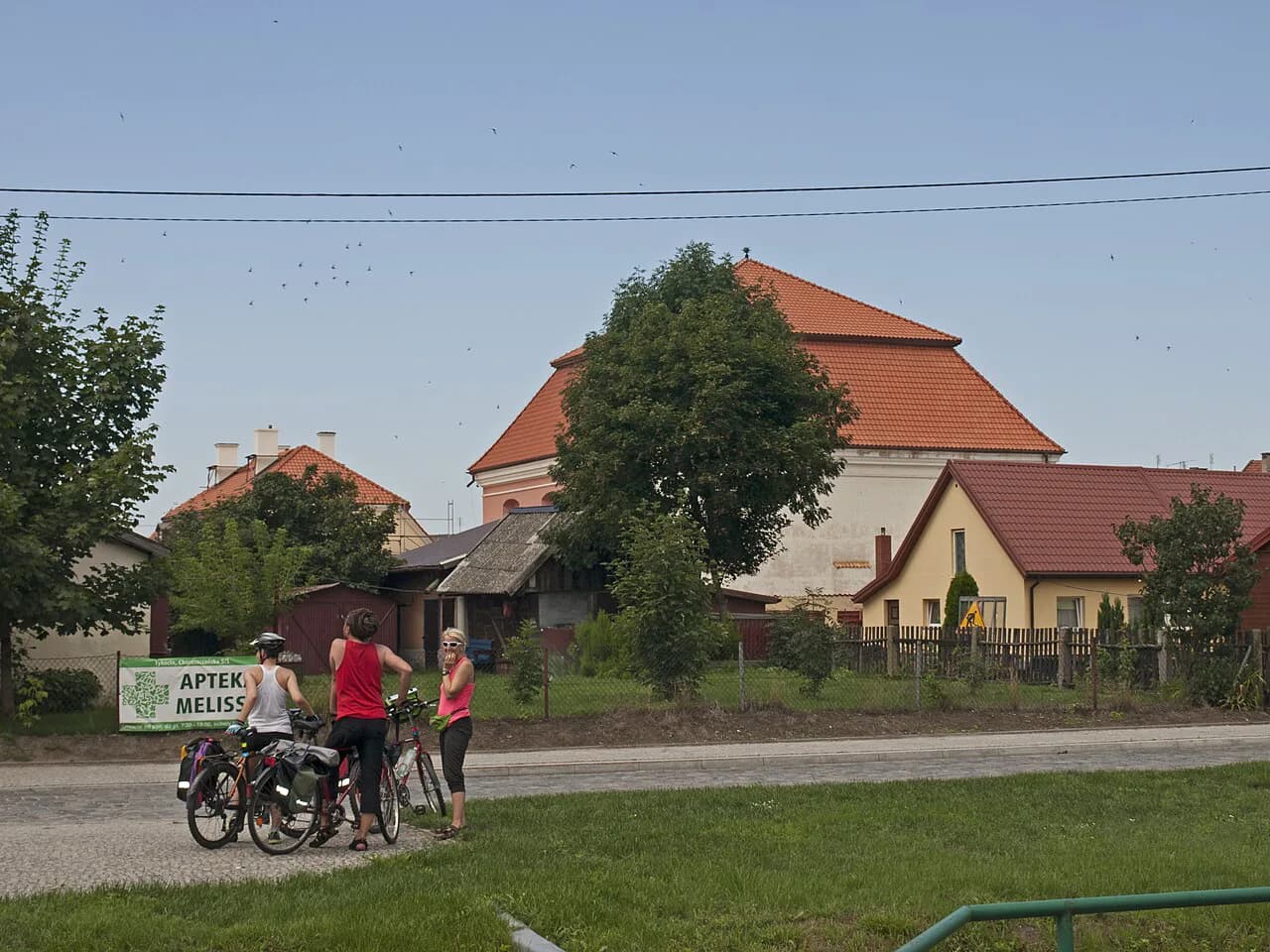
The Tykocin Synagogue is a baroque former synagogue completed in 1642, now presented as a museum in the small town of Tykocin, in Poland's Podlaskie Voivodeship. It is worth the detour because the building itself survives, with its main prayer hall still legible as a place of worship rather than a stripped shell. This guide covers what the building is, how the town wraps around it, and how to decide between a base in Warsaw and one in Białystok.
It is also part of a wider map of surviving Jewish sites in the country, which is why it sits naturally alongside the broader story of Jewish heritage Poland preserves in towns far smaller than the big cities. Treat it as a half-day stop with its own logic, not as an appendage to a Kraków itinerary.
What the Tykocin Synagogue is and why it matters
This is a former synagogue rather than an active congregation: the building dates to 1642 and is presented to visitors as a museum. Its importance lies in survival. The 17th-century Great Synagogue in Tykocin was named one of Poland's Seven New Wonders in 2013, and the fact that a Jewish house of prayer of this age still stands in a small Polish town is the reason people travel to see it.
The building is a rare survivor: many Jewish houses of prayer in Poland did not outlast the twentieth century. This is a survival story before it is a design story. If you are mapping a route through several such buildings, the wider set of synagogues in Poland you can visit gives useful context for what has and has not endured.
Where Tykocin is and how the town is laid out
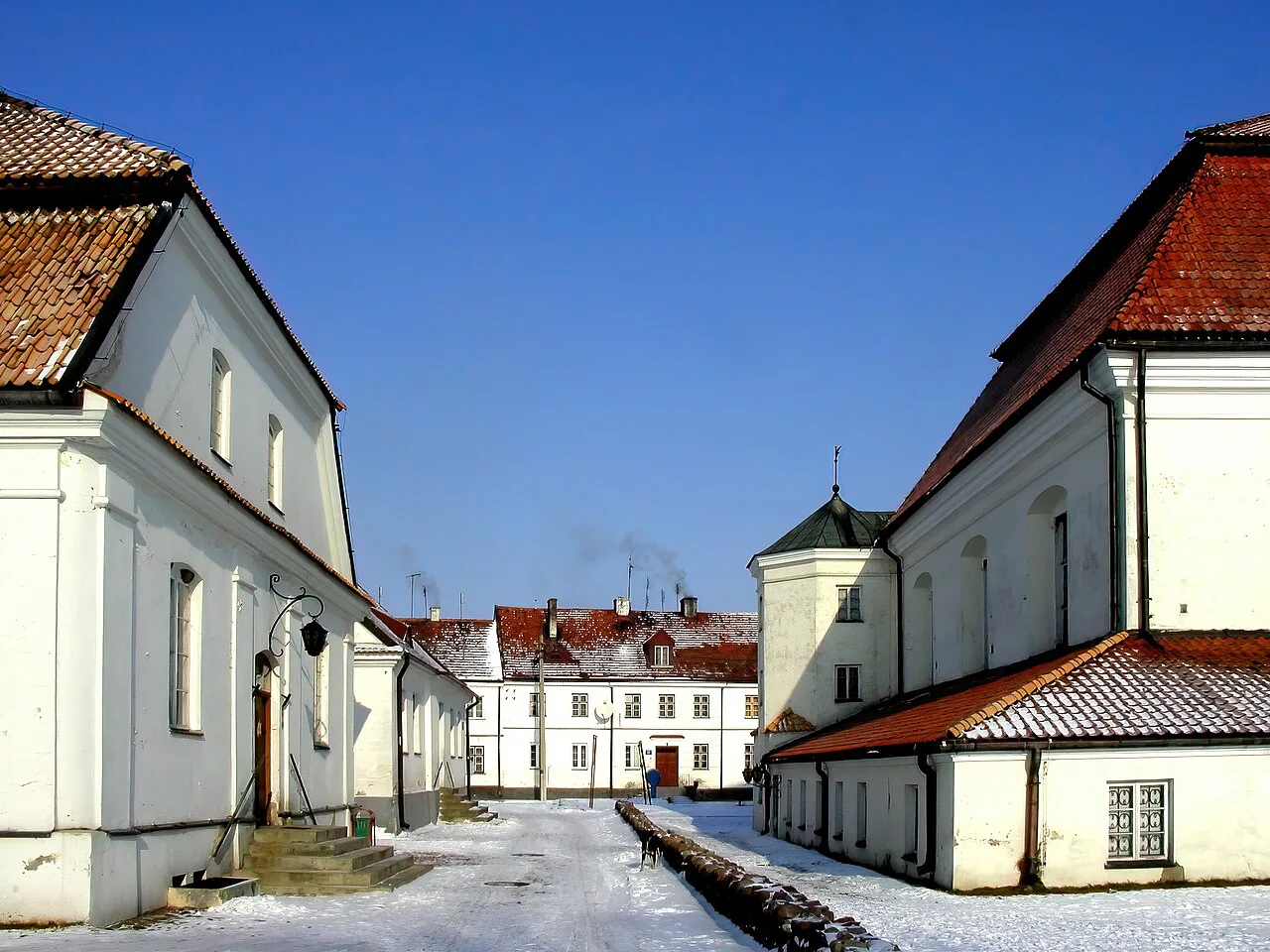
Tykocin sits in Podlaskie Voivodeship in north-east Poland, the region that also contains Białystok. It is a small town, and the synagogue is its principal monument, so orientation is simple: you arrive, you walk in, and the historic core is compact enough to cover on foot. Allow the building itself to anchor the visit rather than treating the town as a preamble.
Because the town is small, the sensible plan is to arrive, see the synagogue, and then use the remaining time on the surrounding streets rather than trying to build a full day of ticketed sights. The same instinct applies across the country's smaller heritage sites: the building is the reason you came, and everything else is a bonus.
The building: what survives of the 1642 structure
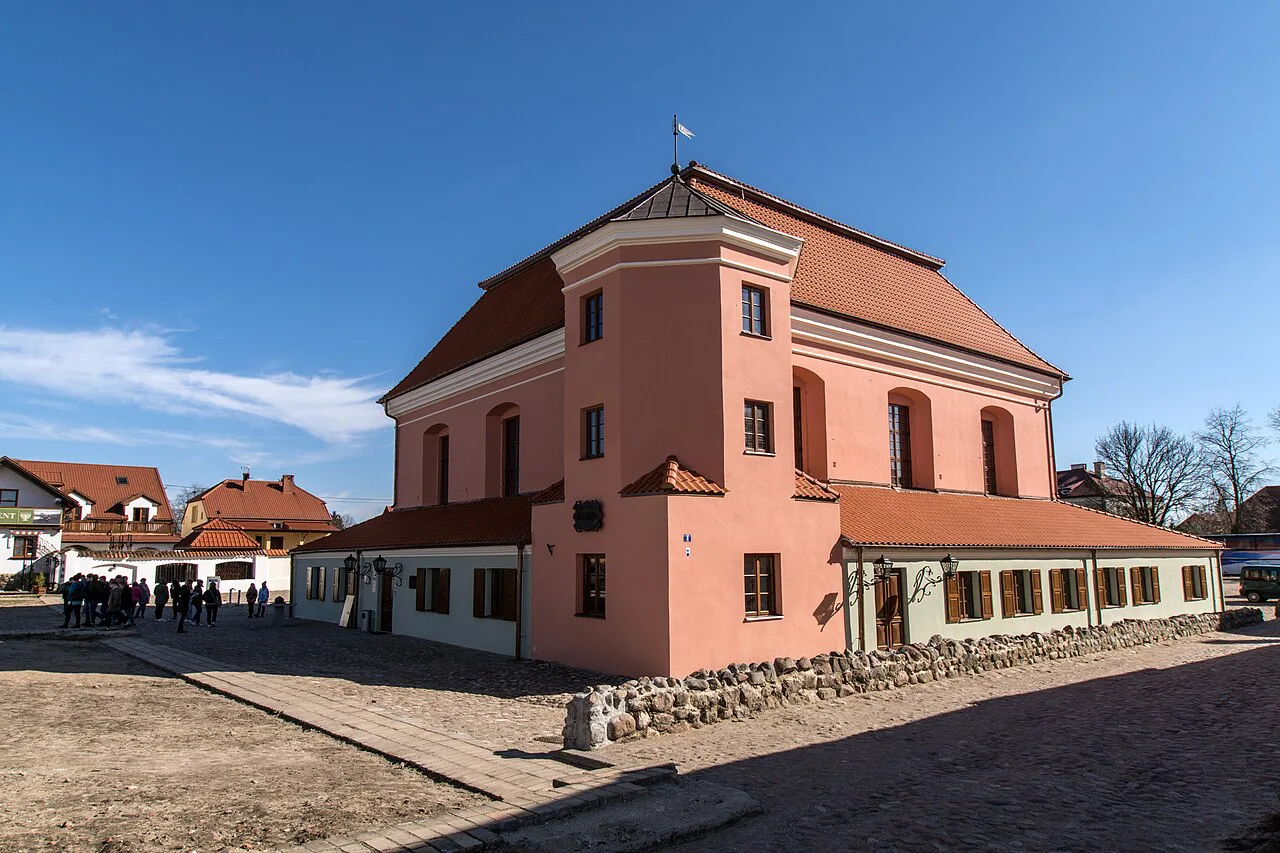
The synagogue dates to 1642 and is described as baroque in style, which tells you what to look at: massing, the roofline and the way the prayer hall is framed rather than ornament for its own sake. Because it is presented as a museum, what you see is a conserved historic building rather than an untouched original interior. Approach it as you would any carefully repaired old building, where the interest is in proportion and survival rather than in pristine surfaces.
The wider Polish heritage context is useful here: the country's historic monuments span settlement, defensive, sacred and industrial architecture, and a great many are presented to visitors as museums. That is exactly how to read Tykocin, as a sacred building converted to museum use within a long tradition of caring for old structures.
What you see inside: the prayer hall and the visit route
The core of the building is the main prayer hall, the volume it was designed around. Move through the space slowly and look up and around rather than reading every panel first; the proportions do more work than any label. The building is presented as a museum, so expect interpretation alongside the space, but let the hall itself set the order of your visit.
Allow roughly 45 to 60 minutes inside if you read the displays, or 30 minutes if you are mainly there for the architecture. If you have seen other former synagogues on the same trip, the comparison is part of the pleasure, and the White Stork Synagogue, Wrocław guide sits alongside this one for that reason.
The Jewish community the synagogue served
A synagogue of this age implies a substantial Jewish community in Tykocin, one wealthy and established enough to build and maintain a baroque house of prayer. The building's survival into the present is the material trace of that community, which is the respectful way to read it: as the remaining physical evidence of people who lived and worshipped here. Keep the visit focused on the building and the community it served rather than on spectacle.
For the wider story, including sites in the cities, the Jewish Heritage in Poland overview is the natural companion piece, and it sets Tykocin's small-town survival against the larger urban sites. If your trip also touches Warsaw, the Warsaw ghetto wall and the Okopowa Street Cemetery add the city chapter to this small-town one.
How long to allow and what else to see in Tykocin
Budget half a day for Tykocin: roughly an hour in the synagogue, the same again for the town's compact centre, and the rest for wandering and a meal. The town is small, so the trip succeeds or fails on the journey, not on the sightseeing. Pair the synagogue with a walk around the historic core rather than trying to stack a second museum into the same afternoon.
If you are assembling a longer heritage route across the region, a Jewish tour Poland itinerary can help you see how Tykocin fits with other sites without turning the day into a checklist. The honest trade-off is that Tykocin rewards a slow hour more than a fast one. For the practical details, see the Poland itinerary.
Getting there from Warsaw or Białystok
Choose your base by what else you want to see. Warsaw gives you the capital's heritage sites and a natural pairing with the synagogue on a longer trip; Białystok puts you in the same region as Tykocin and makes the town a workable excursion. Both are viable, and the decision is really about whether Tykocin is the main event or one stop on a wider route.
Tykocin is not served the way the big cities are, so check current bus and rail connections and journey times before you commit. For a single-stop visit, going by road from Białystok is the shorter proposition; from Warsaw, plan Tykocin as part of a multi-day trip rather than a quick dash.
When to go: season and typical Polish weather
Poland has four clear seasons, and the best months for a heritage trip are May to June and September to October, when it is still warm and the tourist numbers are lower. Spring runs from March with daily temperatures typically between 5°C and 15°C and occasional rain and light frost; summer, from late May or June to the end of August, is often hot at around 20–25°C.
Those are climate averages rather than forecasts, so pack a waterproof layer whatever the month. Autumn is changeable, with moderate warmth in September and October and more rain in November, which matters if your Tykocin day depends on walking between the station and the town. Spring, from March, brings daily temperatures typically between 5°C and 15°C with occasional rain and light frost.
Should you base yourself in Warsaw or Białystok?
Base in Białystok if Tykocin is the point of the trip and you want the simplest excursion; base in Warsaw if Tykocin is one stop on a heritage route that also includes the capital's sites. Either way, give the synagogue a proper hour rather than squeezing it between two other stops.
If you want more of the same, see the Synagogues in Poland guide before you book, and build the route around the buildings rather than the towns. That is how Tykocin earns its place on a short itinerary.
Frequently Asked Questions
What is the oldest synagogue in Poland?
The Tykocin Synagogue dates to 1642 and is one of the older surviving Jewish houses of prayer in the country, but the evidence here does not establish which building is the absolute oldest. If that ranking matters to your itinerary, compare dates for each candidate building rather than assuming Tykocin takes first place.
Sources
Notes for your next Polish city break
Optional updates to our Poland guides.
You might also like



Continue reading
More guides you'll find useful





