Warsaw Ghetto Wall: Where the Surviving Fragments Are
Where the surviving fragments of the Warsaw Ghetto wall stand, how they mark the November 1940 boundary, and how to visit them factually and respectfully.
On this page
Yes, fragments of the Warsaw Ghetto wall survive, but they are pieces of a boundary rather than a continuous monument, and you should plan the visit as a short heritage stop within a longer city walk. This guide explains what the wall was, where the surviving stretches stand, what is original brickwork and what is a memorial plaque, and how to see the site quietly and respectfully.
What the Warsaw Ghetto wall was
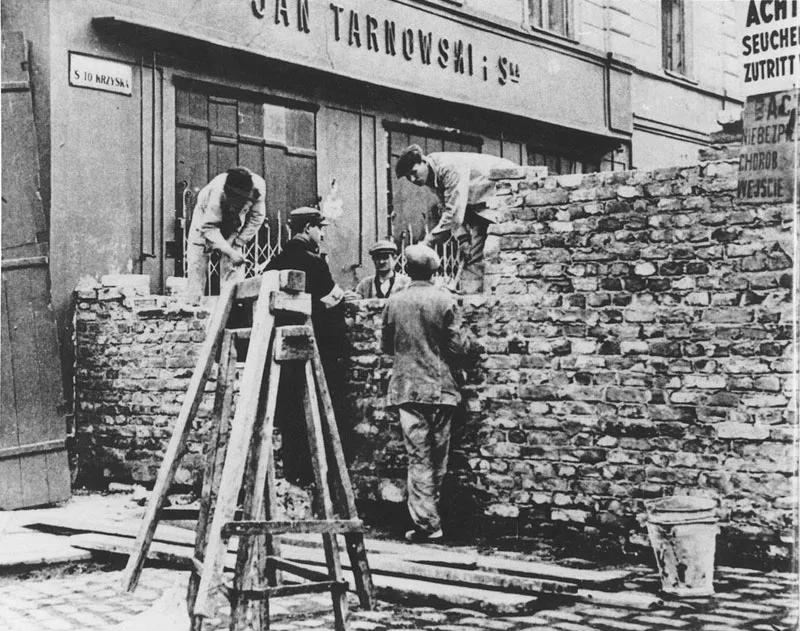
The Germans announced the creation of a ghetto in Warsaw in October 1940 and closed it off from the rest of the city in mid-November of the same year. The wall was the physical expression of that separation, built along a line that ran through streets and across pre-war property boundaries.
Because the boundary of the ghetto was defined partly by walls that already existed between properties and alongside pre-war buildings, the wall as built was in places an adaptation of what already stood as much as a purpose-built barrier. That matters for visitors, because it helps explain why what survives today appears as uneven stretches of brick rather than as a single continuous ruin.
Keep the focus of a visit on the chronology: the announcement of the ghetto in October 1940, its sealing off from the rest of Warsaw in mid-November 1940, and the years of occupation that followed.
Where the surviving fragments are today
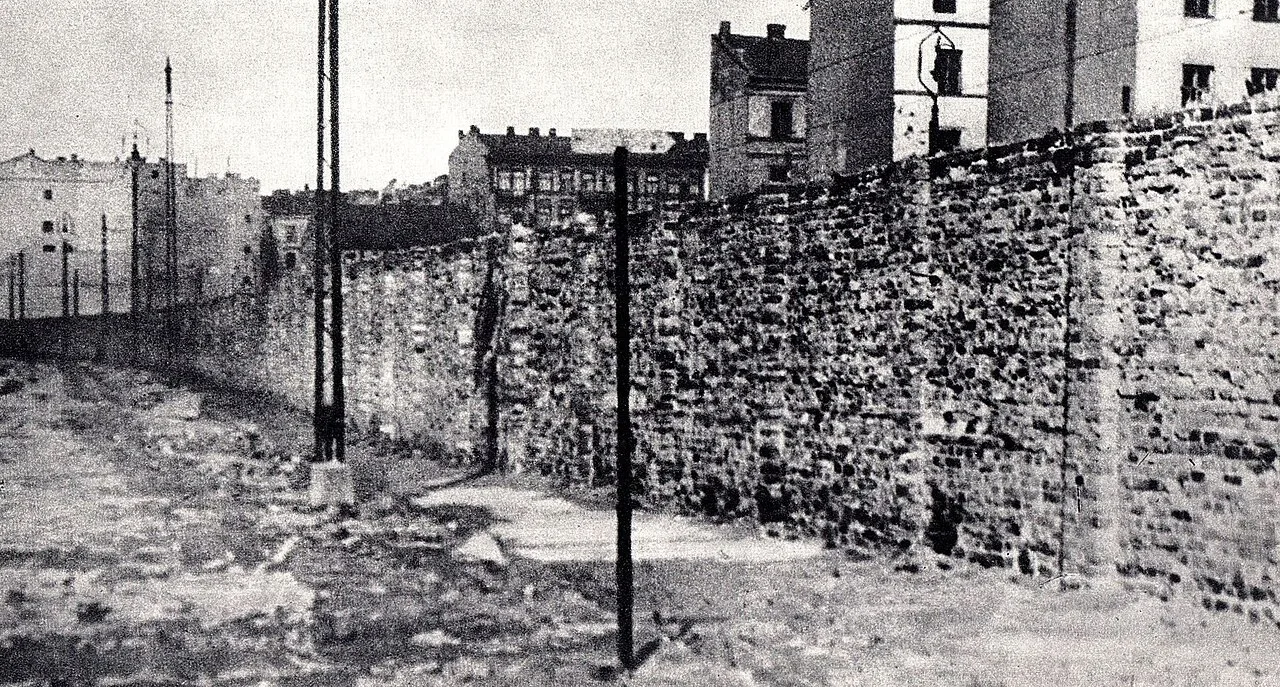
The surviving stretches are uneven and incomplete rather than a single continuous monument. A map of Warsaw alone will not make the site obvious on the ground, so approach the fragments as individual pieces to be found rather than as a formal route with an entrance.
Because the fragments sit in streets that are lived in today, a visit works best as a short, quiet detour rather than a dedicated excursion.
The memorial plaques and markers
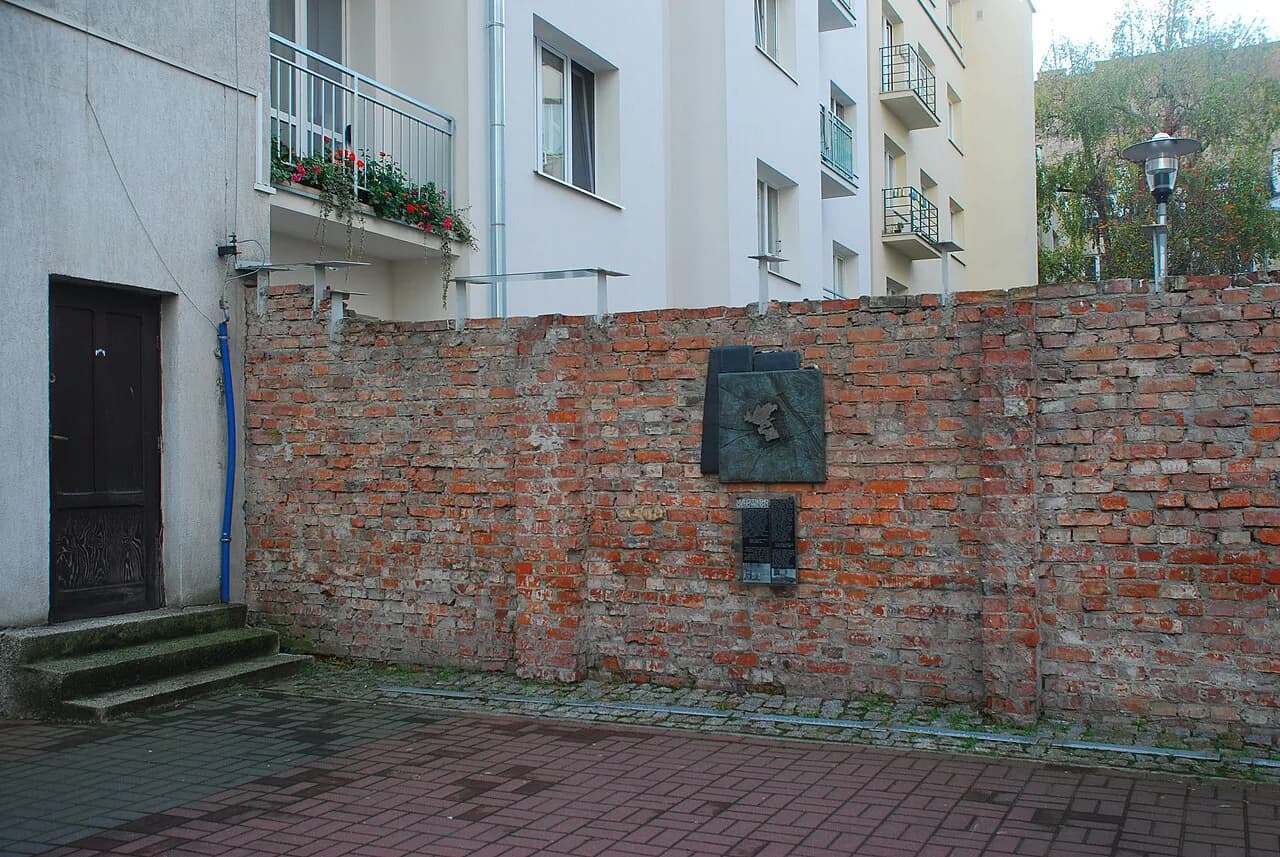
Memorial plaques mark and explain surviving fragments, and one such plaque records that the walls marked the boundary between the ghetto and the rest of the city from November 1940. The markers matter because a plain brick wall on its own would not tell a passer-by what it was.
Read the plaque before you look at the brickwork. The inscription establishes which part of the boundary you are at, and it is the reading of that line, together with the wall itself, that makes the stop meaningful.
What you are actually looking at
The distinction between original fabric and later intervention is the main thing to work out at each fragment. Some pieces are surviving wall, and the plaque is a separate memorial object placed to explain them.
The honest trade-off is that very little stands compared with the length of the original boundary, and the surviving material is modest in scale. That restraint is the point: this is heritage to read and absorb, not a sight to tick off.
How long to allow, and how it fits a Warsaw walk
Minutes rather than hours is the right allowance for each fragment. The wall is best treated as a stop of a few minutes while walking through central Warsaw, and the value comes from seeing the pieces and their plaque together rather than from a long single viewing.
If your Warsaw trip is built around Jewish heritage, read the surviving boundary alongside the city's other sites, such as the Jewish cemetery on Okopowa Street, for a fuller picture of the community that existed before the occupation.
Broader context on the buildings and communities covered by Jewish heritage across the country helps you decide which sites to prioritise in a short city break, and it places the wall fragments in a wider story.
Visiting respectfully
Keep your voice low, do not climb or lean on the fragments, and do not stage cheerful posed photographs against the brickwork. The plaques are the visual record; your visit is for reading and reflection.
The wall is part of the city's living streets, so give way to residents and keep the site clear. Treat the fragments as a memorial place rather than a backdrop.
Reading up before you go
The United States Holocaust Memorial Museum's photographs of the wall being built are the clearest starting point for the October 1940 announcement and the sealing of the ghetto. Read them before you arrive, so the plaque dates mean something when you stand in front of the brickwork.
Polish cities each handle this history differently, and a wider look at Synagogues in Poland is a useful complement to Warsaw's street-level remnants.
Warmer months make walking between fragments easier, and the middle of the day tends to be busier near central streets; early morning is quieter.
Is the wall fragments walk worth the detour?
Yes, if you accept it as a short, sober addition to a Warsaw day rather than a headline sight. The surviving stretches and plaques take minutes each, so group them with other Jewish heritage stops.
Choose the fragments that sit closest to the rest of your route, plan them for a quieter part of the day, and read the plaque at each one before moving on. That is the difference between seeing a wall and understanding what it separated.
Explore more Poland guides
Sources
Notes for your next Polish city break
Optional updates to our Poland guides.
You might also like

Continue reading
More guides you'll find useful