
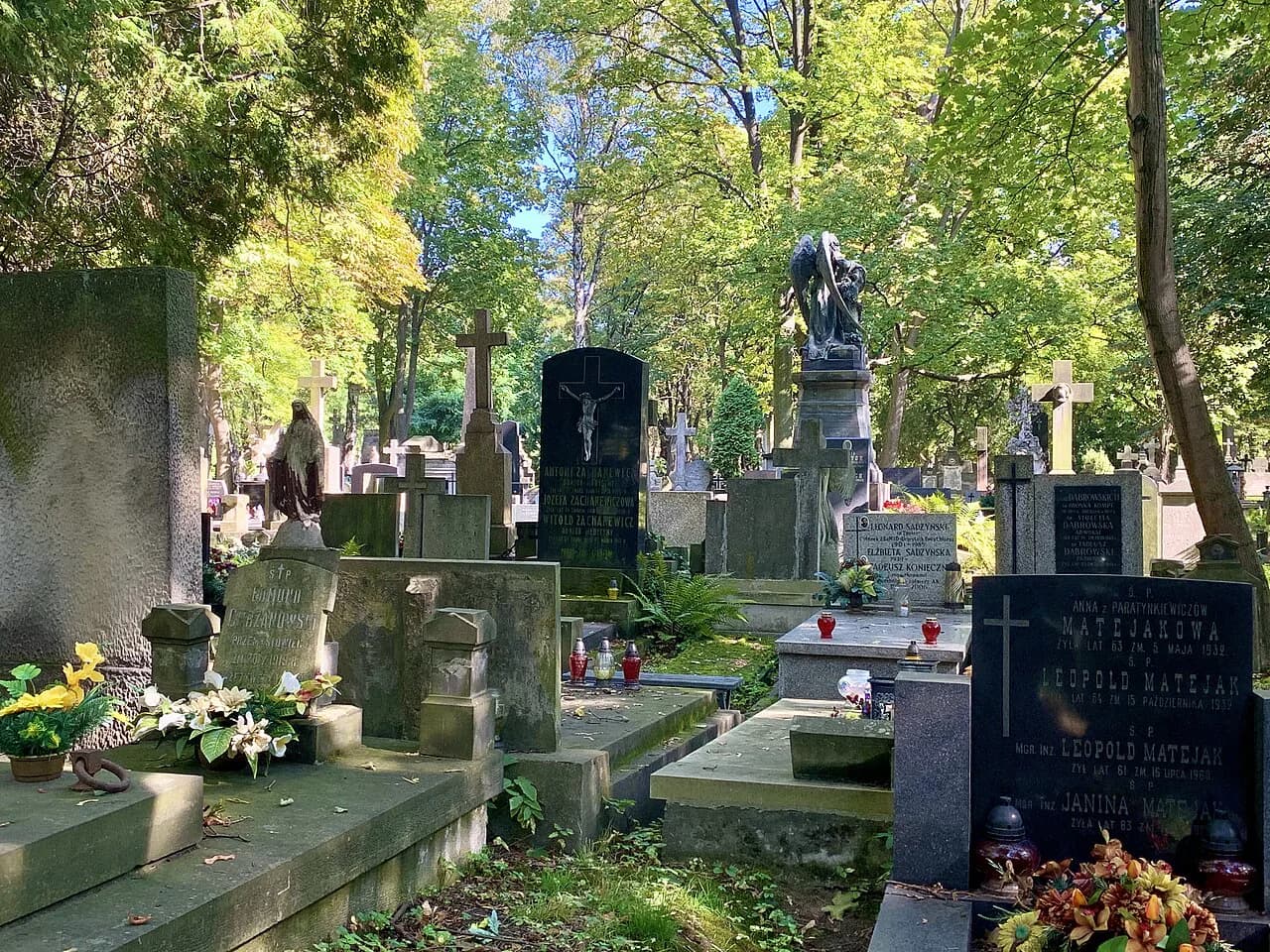
All Saints' Day in Poland: What Happens on 1 November
All Saints' Day on 1 November is a bank holiday in Poland, when families fill cemeteries with flowers and candles. Here is what a visitor will see and how to behave.
On this page
All Saints' Day in Poland falls on 1 November and is a national bank holiday, so plan that date around cemeteries rather than galleries. The day is dedicated to remembering the dead, and most Poles mark it by gathering at family graves with flowers and candles. This guide covers what you will actually see, how the following day differs, and how the holiday reshapes a short city break.
The holiday is one of the busiest family occasions in the Polish calendar, comparable to Christmas and Easter in the way people travel back to hometowns. Understand that rhythm and the day becomes one of the most striking things you can witness in a Polish city, rather than an inconvenience to work around.
What All Saints' Day is and why it matters
1 November is a bank holiday in Poland, officially Dzień Wszystkich Świętych. Although its Christian origin is a feast for all saints, it has become chiefly a day for remembering loved ones who have died, and it is observed by most Poles regardless of how religious they are.
Because it is a day off, people travel long distances to reach family graves, meeting relatives along the way. For a visitor, that means the atmosphere in cemeteries is familial rather than solemn and remote, and the day sits comfortably alongside Poland's other family-centred customs.
Treat it as a cultural event you can attend, not a spectacle staged for tourists. The people around you are visiting their own dead, and the candles they leave are personal.
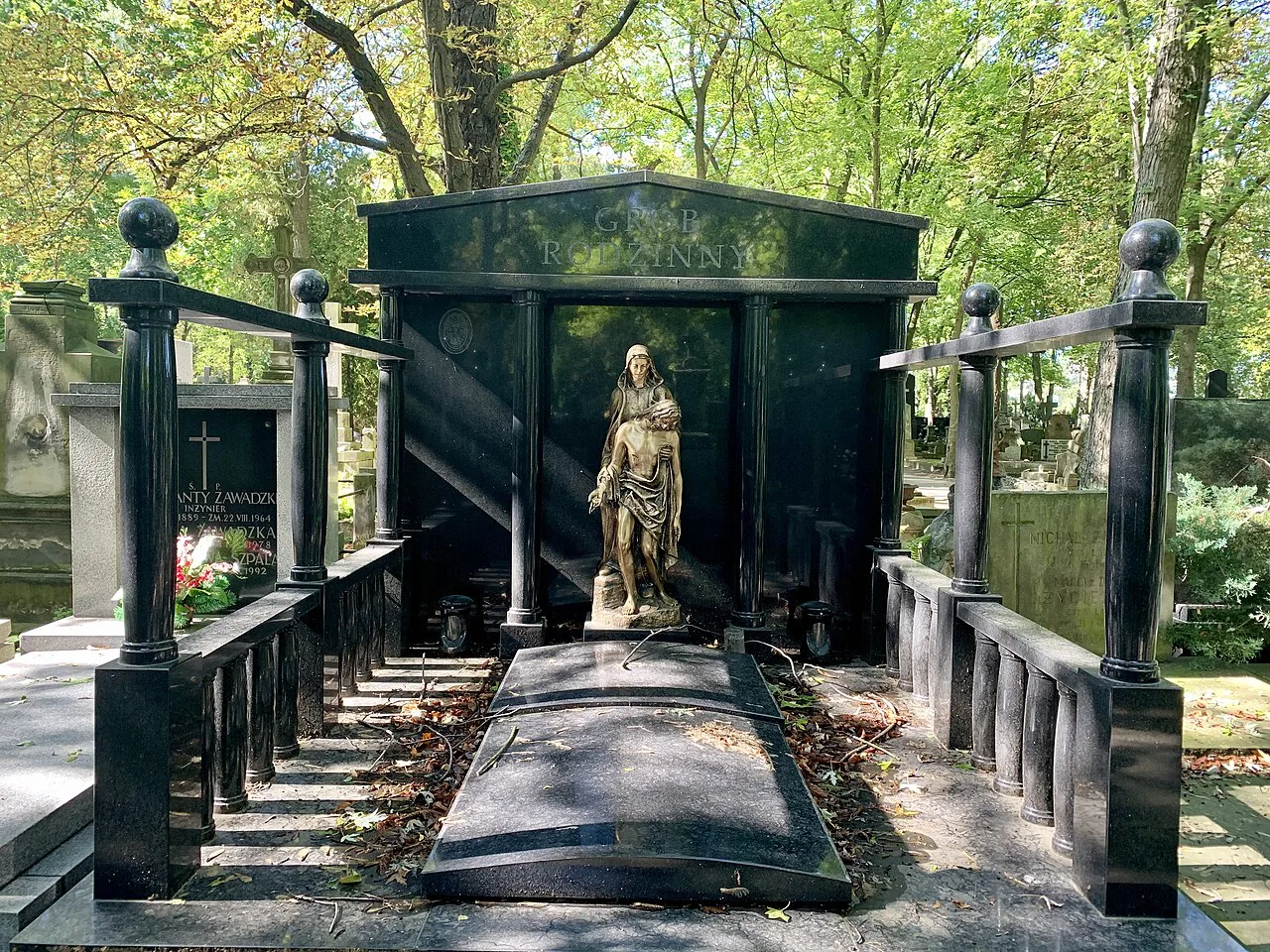
What you actually see: flowers and glowing candles after dusk
During the day, families clean and decorate graves with flowers and specially made candles designed to burn for many hours. These are placed so that the departed are thought to find their way through the darkness, which is why the effect is strongest at night.
After dusk, the candlelight turns cemeteries into fields of small flames, visible from a distance and often from the road. The glow is the reason locals tell visitors to come late rather than at midday.
Expect crowds of families walking the lanes, quiet conversation, and religious services held at set times during the day. It is a social evening as much as a religious one, and you will hear ordinary chatter between the graves rather than silence.
All Souls' Day (Zaduszki) on 2 November and how it differs
The commemoration stretches into 2 November, Zaduszki or All Souls' Day, when prayers are said for those who have died but are not recognised as saints. Unlike 1 November, it is not a bank holiday in Poland, though many people still spend it at home or travelling to more distant family graves. This sits within the wider pattern of Polish Traditions that shape the calendar.
If 1 November is the public, candlelit occasion, Zaduszki is the quieter family day, and shops and offices are more likely to keep normal hours. Older Polish custom held that souls returned to their former homes on these days, so floors were covered with sand and doors left open overnight.
Practical effect on a city break
On 1 November, commercial activity in Poland is largely limited to the sale of candles and flowers, so do not build the day around shopping. Roads fill with traffic as people drive to family graves, and the congestion concentrates around cemeteries rather than in city centres.
City councils commonly add extra bus lines, sometimes free of charge, to help people reach cemeteries and ease the traffic. In larger cities, public transport routes may be adjusted around the crowds. Use those services rather than driving, and allow slack in any plan that passes a major cemetery.
Powązki in Warsaw is the cemetery most often named as the one to see, and it rewards a slow walk rather than a quick photo stop. Beyond the capital, every Polish city has its own main cemetery, and the display is much the same wherever you are; the Powązki Cemetery guide covers the Warsaw one in detail.
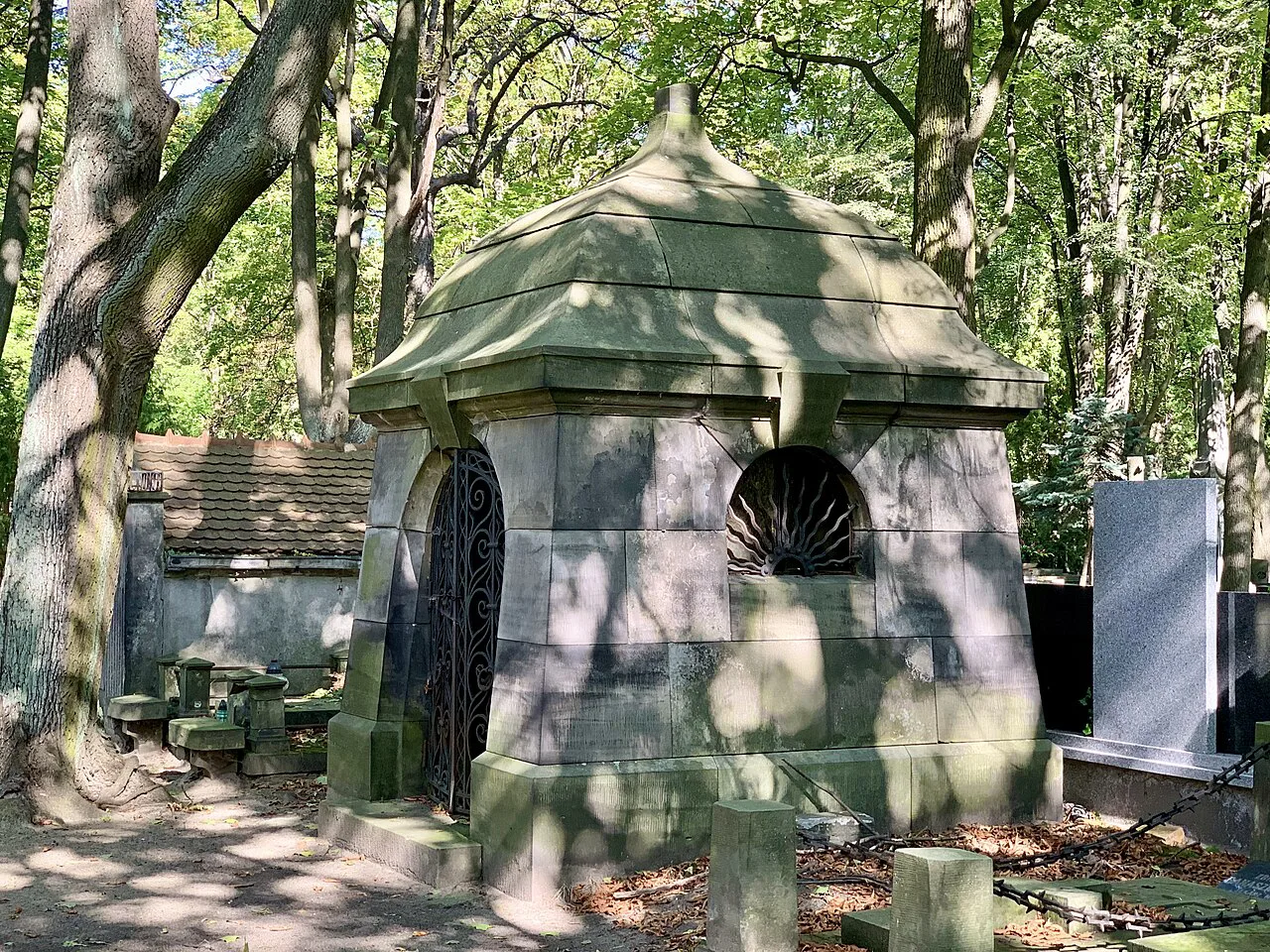
Visiting a cemetery respectfully
These are working cemeteries full of families, not tourist sites, so keep your voice low, stay on the paths and do not step between graves for a better angle. Lighting a candle yourself, even on a neglected grave or a nearby war memorial, is accepted practice and a fitting way to take part.
Photography is the point to think hardest about: the candles are beautiful, but the people tending them are grieving. If you photograph, keep it wide and unobtrusive, avoid faces and never rearrange flowers. A phone kept low in a pocket is often the better decision.
Dress as you would for any European city break evening in autumn, warmly and without ceremony. Your role is to walk quietly along the illuminated lanes for half an hour or so, then leave the families to it.
Timing your visit: arrive before dusk, stay into the evening
Arrive in daylight to see how the graves are decorated, then stay as the candles are lit and the light fades, because the transformation is the point. The evening is when cemeteries glow most strongly and when the atmosphere is at its most memorable.
Allow about an hour at a large cemetery, more if you want to find a specific section, and remember that crowds build near the main gates as evening falls. Late afternoon arrival avoids the midpoint crush while still giving you the switch from flowers to flame.
Fitting 1 November around museums and sightseeing
Many Polish museums close one day a week, commonly Monday, and public holidays often change opening arrangements, so the honest plan for 1 November is to leave museums out and give the day to a cemetery and an evening walk.
Shift your indoor sightseeing to 31 October or 2 November, when most institutions follow normal hours, and check each museum's own page for the holiday week rather than assuming. The contrast works in your favour: a gallery on the quieter days, the candlelit cemetery on the holiday itself, with the City Break Tips guide useful for planning the rest of the stay.
If your trip coincides with Easter instead, the same logic of family-first days applies, and the guide to Easter in Poland explains how the holiday calendar reshapes a short break.
Should you plan a city break around 1 November?
Yes, if you want to see a Polish city at its most communal: build the day around a cemetery visit that starts before dusk and ends in candlelight. No, if a full museum programme matters more, because 1 November is a bank holiday with commerce limited to candles and flowers.
Either way, use public transport on the day, allow extra time near cemeteries, and keep your photography discreet. The date is fixed, the glow lasts into the evening, and the rest of the trip fits around it.
Explore more Poland guides
Frequently Asked Questions
Is 2 November a public holiday in Poland?
No. Zaduszki, or All Souls' Day, is not a bank holiday in Poland, although many people still spend it quietly at home or visiting more distant family graves. Shops and offices are more likely to keep normal hours than on 1 November.
Do Polish shops close on 1 November?
Commercial activity on 1 November is largely limited to the sale of candles and flowers. Plan shopping for another day of your trip and treat the holiday itself as a day for cemeteries and walking.
Can I attend a cemetery service as a visitor?
You can walk through the cemetery and light a candle, which is accepted practice. Religious services are held at set times during the day, so follow the crowd and stand at the edge rather than joining a family's grave.
Sources
Notes for your next Polish city break
Optional updates to our Poland guides.
You might also like



Continue reading
More guides you'll find useful





