
Bolesławiec Pottery: What It Is and How to Buy It
Bolesławiec pottery is stamped, hand-decorated stoneware made in the Lower Silesian town of Bolesławiec. Here is how to recognise it and what pieces cost in złoty.
On this page
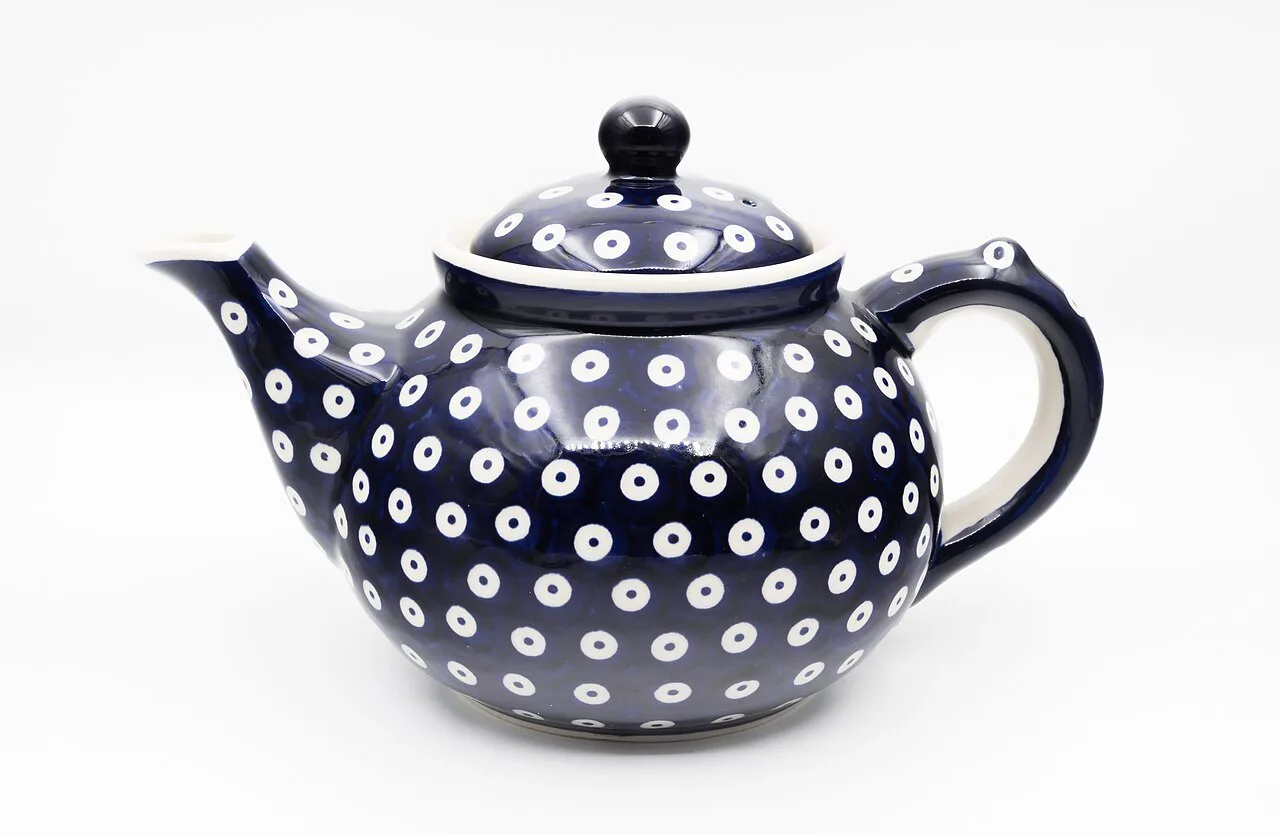
Bolesławiec pottery is hand-decorated stoneware made in the Lower Silesian town of Bolesławiec, and the quickest way to judge a piece is to turn it over: the maker's stamp identifies the producer, not the pattern. This guide covers what the pottery actually is, how stamps and hand-painting separate originals from lookalikes, which producers turn up on shop shelves, and what real pieces cost in złoty so you can budget before you lift anything.
It is a buying guide for a city break rather than a factory history. The practical constraint most travellers hit is weight: a full dinner service is lovely in a shop and brutal in a rucksack, so plan for a few chosen pieces or for shipping. Pottery fits naturally alongside the country's other seasonal and decorative traditions explored in Polish Traditions, and pottery hunting works well as a stop on a longer Polish trip rather than a trip in itself.
What Bolesławiec pottery is and where it is made
Bolesławiec sits in Lower Silesia, in south-western Poland, and the town's name is the label shoppers recognise on the base of the pieces. The ware sold as Bolesławiec is stoneware finished with hand-painted decoration, and the retail trade treats it as a distinct craft product rather than generic household china. That distinction matters when you are comparing a stamped piece in a specialist shop with a cheaper blue-and-white lookalike.
The retail trade in this pottery describes the pieces as hand-painted and made by local craftsmen using older potting techniques, which is why two pieces in the same pattern can differ slightly in brushwork. The wider tradition of decorated Polish craft has deeper roots than any single workshop, and accounts of the region's potting history stretch back thousands of years. Treat a slight irregularity in a painted flower or a difference in brush pressure as part of the craft, not a defect.
If you want to place pottery alongside the other craft and folk-art traditions that fill Polish markets and museums, it belongs in the same mental category as painted houses, paper cut-outs and embroidered textiles. It helps to see similar decorative traditions side by side, which you can do on a city break by pairing a shop visit with a folk-art museum.
How to tell an original Bolesławiec piece from a lookalike
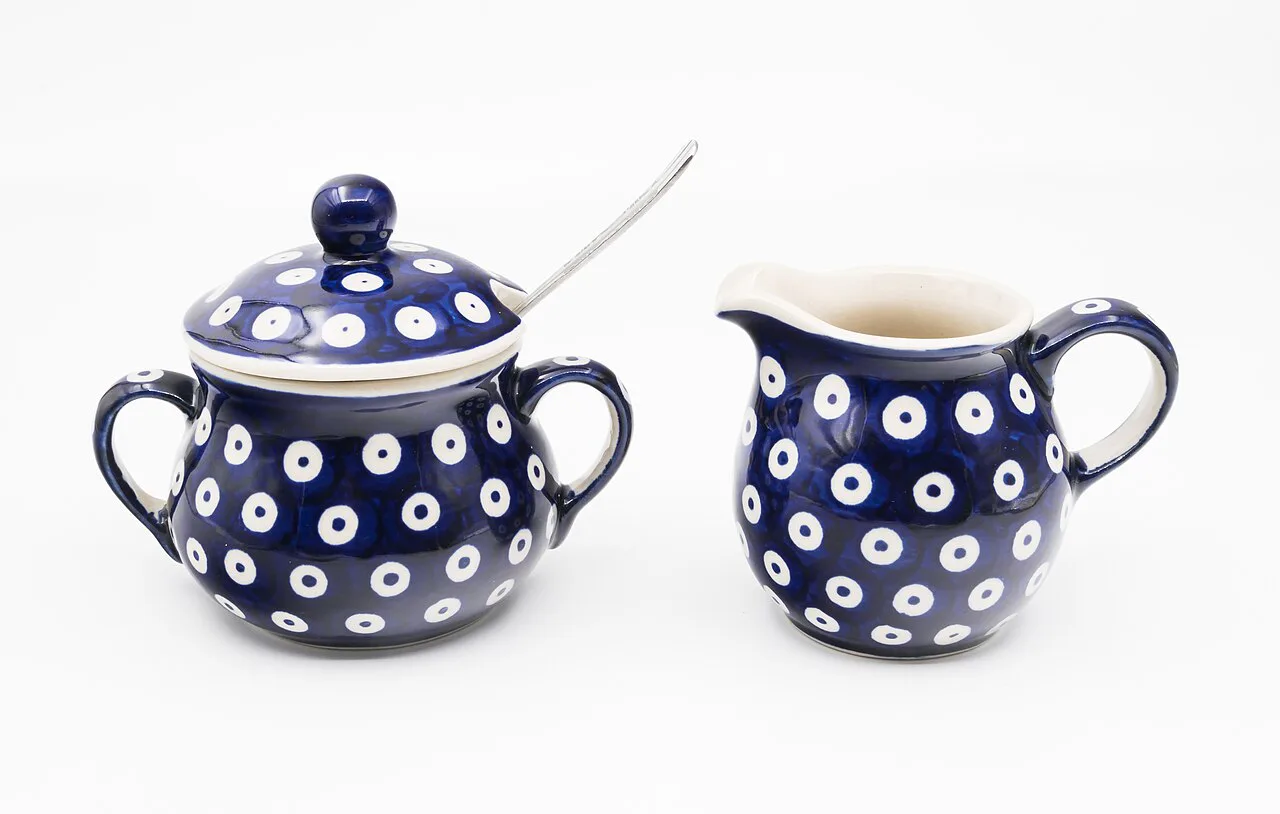
The single most useful test is the maker's stamp on the base. Genuine pieces carry the mark of the specific producer, and the stamps are the thing to read rather than the colour palette. Blue-and-white floral decoration is widely copied, so colour alone proves nothing; the stamp, the finish on the base and the quality of the brushwork are what separate a real piece from an import.
Look closely at the painting: hand-decorated stoneware shows visible brush strokes, small variations in weight of line and occasional tiny adjustments where the decorator lifted and reapplied the brush. Printed or transfer decoration looks clean and mechanical under close inspection, with edges that repeat identically. Turn the piece over and feel the foot ring; a well-finished base is a reasonable secondary check when a stamp is hard to read.
Buyers who want certainty should buy where the producer's name appears alongside the product, as in specialist retail listings that identify the maker for each item. If a stall cannot tell you which workshop made a piece, that is a useful warning sign rather than a guarantee of anything. When in doubt, ask to see a second example of the same stamp, which makes the mark easier to read.
The main producers whose stamps appear on pieces
A handful of names dominate the stamps you will see in shops. Specialist retail listings gather pieces by Ceramika Artystyczna, Ceramika Artystyczna Vena, Zakłady Ceramiczne Bolesławiec, Manufaktura w Bolesławcu, Moja Faktoria, Ceramika Amfora and Freska Bolesławiec. Learning four or five of these names is more useful than memorising dozens of pattern names.
Different producers mean different hands and slightly different styles of finish, so two pieces with the same blue-and-white mood can come from separate workshops and cost different amounts. Read the maker's name before you compare prices between two plates that look similar.
Patterns and shapes: what you will actually see on shelves
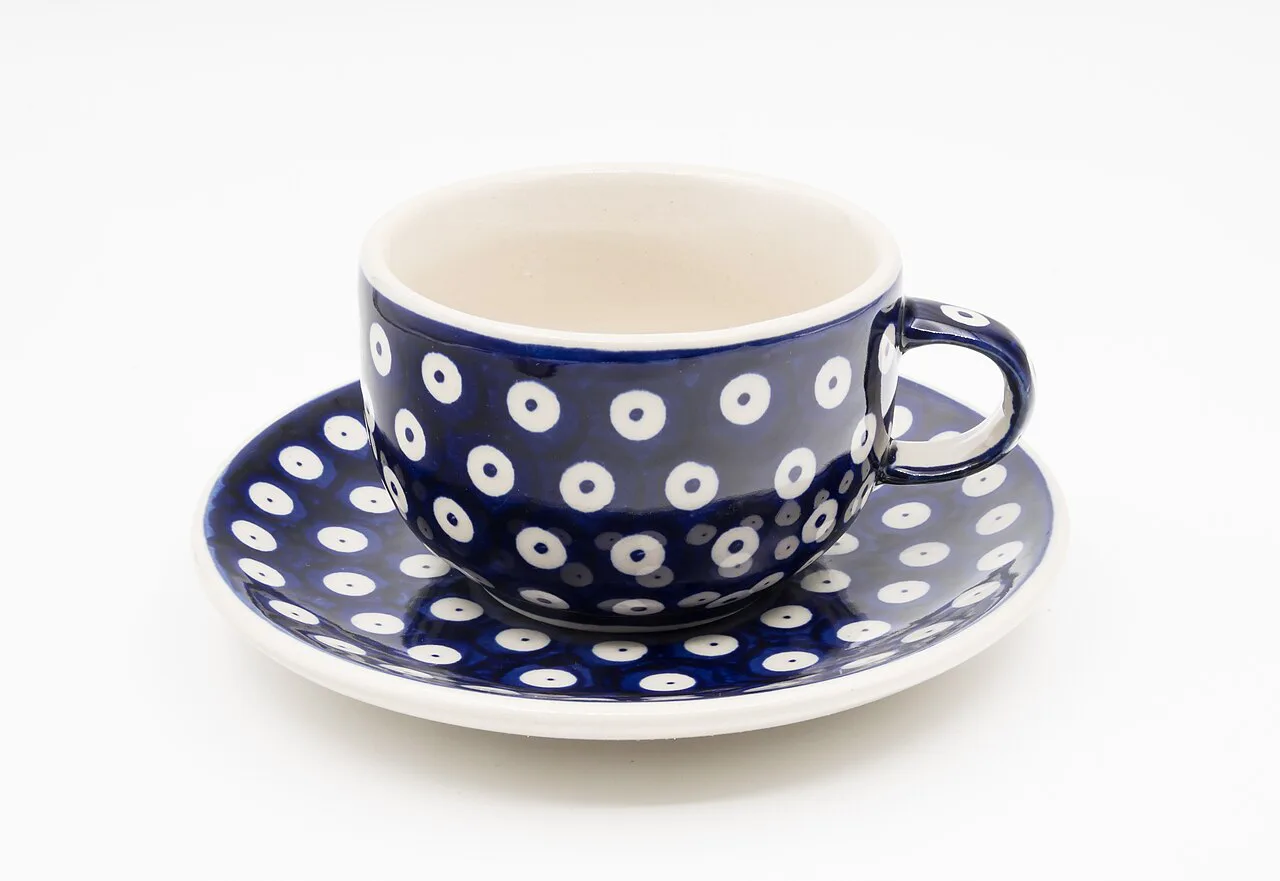
The shelves lean heavily towards tableware: mugs, cups, teapots, jugs, bowls, plates, butter dishes, vases and figurines. A single product line can run through many shapes, which is why a pattern you like can be bought as an espresso cup, a 1.3-litre jug or a large butter dish. It pays to decide the shape you need before you fall for a decoration.
Patterns range from small repeating dots and check-like motifs to floral designs built around poppies, roses, pansies, cornflowers and butterflies. Because decoration is applied by hand, the same named pattern can look different from piece to piece, with brushes producing bolder or finer lines. This is the trade-off of handmade ware: you choose the actual piece in front of you rather than trusting a photograph.
For anyone who enjoys the decorative side of Polish culture, pattern hunting has a wider context beyond pottery. You can see this in painted floral motifs on village houses, where the same love of hand-painted flowers covers walls rather than plates.
What it costs in złoty, with examples from a specialist retailer
Prices vary with size, pattern and producer, and the specialist retailer's listings on 24 October 2026 show the spread clearly. A small espresso cup in the 60 ml 3428X line was listed at 82.25 zł, while a 200 ml cup in the 3481X-based ranges sat between roughly 105 zł and 144 zł. A 1.3-litre jug in 3481X was 231.75 zł and a 1.2-litre teapot in the same decoration was 210.50 zł.
Larger serving pieces move into a different bracket: a large butter dish 20 cm in D-120 came in at 233.75 zł, and a dessert plate in the wiatraki pattern was 89.95 zł. The pattern carries real weight here, since a 200 ml cup in the hearts pattern reached 143.70 zł against 106.90 zł for a dotted version. Budget by the shape you want and accept that decoration can add a substantial premium.
The gap between a modest cup and a full dinner service explains why many buyers start small and add pieces over years. If you are spending several hundred złoty, compare the cost per piece rather than the headline price of a set.
Why handmade pieces cost more than supermarket china
A large part of the price reflects handwork: each piece is formed, fired and then painted by hand, so labour sits in every item rather than being spread thinly over thousands of identical units. Decorated stoneware is also heavier and more breakable than basic porcelain, which affects packing and transport before it ever reaches a shop. That is the straightforward reason the stamped original costs more than a mass-market floral mug.
A second factor is that patterns carry their own value, and some decorations take more brushwork than others. Producers' names matter too, since established workshops can charge more for the same shape. When you compare two cups, check whether the difference is the maker, the pattern or simply the size before deciding one is overpriced.
Where to buy: online specialist shops and the town's own shops
The easiest way to see the full range of shapes and producers is a specialist online retailer, where each product lists its maker, pattern code and price. Uniceramic, for example, sells work from the producers named above and shows free Polish delivery above a stated basket value. Browsing online first is useful for working out which shapes and patterns you actually want before you reach a shop.
In Poland itself, market halls, craft stalls and museum shops in the larger cities often carry a small selection, and dedicated pottery shops in Bolesławiec sell the town's own output. Stock varies by season, so a city-break purchase is best treated as a lucky find rather than a guaranteed one. If a particular pattern matters, order it rather than hoping to spot it on a shelf.
Visiting Bolesławiec: what a pottery-focused stop involves
Bolesławiec is a small Lower Silesian town rather than a big-city destination, so a pottery-focused stop works best as a half-day or an overnight added to a Wrocław or Dresden trip. The appeal is concentrated in the workshops and shops rather than in a long sightseeing list. Check what is open before you commit a day to the journey.
A pottery visit pairs well with the other decorative traditions travellers seek out in Poland, from painted village houses to the flower-covered cottages of Zalipie. Seeing both makes the Bolesławiec style look less like an isolated product and more like part of a national habit of decorating surfaces by hand.
Practical buying on a city break: weight, hand luggage, shipping
Stoneware is heavy and fragile, so the realistic limit is your airline's cabin allowance rather than your enthusiasm. A few mugs and a small jug will usually travel wrapped in clothing inside a hard-sided case; a dinner service will not. Weigh your bag before you buy the last piece.
If you want a larger set, shipping is the sensible route. Uniceramic, for instance, offers free delivery within Poland above a stated basket value, so confirm what applies to your address and ask about packing for international transit before you pay. Buy one small piece in person as a memento and order the rest.
For travellers who like seasonal shopping, pottery fits neatly into a calendar that includes other Polish gift-buying occasions, such as Easter in Poland and the run-up to All Saints' Day in Poland. Pottery is not tied to either festival, but the shop displays and gift packaging often are.
Matching pottery to Polish seasons and gift-giving
Pottery sells year-round, but Polish gift-giving has its own rhythms. Easter brings decorated eggs, spring flowers and table settings, while All Saints' Day in Poland is a quieter, candle-lit occasion in early November. A hand-painted bowl can serve either, which is part of why it makes a durable present.
Name days still matter in Poland and give another reason to buy a small, personal piece, such as a single cup or a small dish. If you are buying for someone who follows Polish customs, a named pattern is a thoughtful choice. For a broader look at what is happening across the country, the festivals in Poland calendar covers the main seasonal events.
Buy one good piece, not a full set
Buy one or two pieces you genuinely like and check the stamp on the base before you pay. A single well-made cup or butter dish will survive the flight home and remind you of the trip; a heavy dinner service is likely to be left behind or broken.
If you want a wider range or a specific pattern, order from a specialist retailer and have it shipped, using the złoty prices above as your budget guide. Pottery hunting also slots neatly into a longer Polish trip built around seasonal traditions, so treat it as one pleasure among several rather than the whole reason for the journey.
Explore more Poland guides
Frequently Asked Questions
Where is Bolesławiec pottery made?
It is made in Bolesławiec, a town in Lower Silesia in south-western Poland. Pieces sold as Bolesławiec carry the stamp of a producer based there, and specialist retailers list the maker by name for each item.
How can I tell an original from a lookalike?
Turn the piece over and read the maker's stamp, then look closely at the painting. Hand-decorated stoneware shows slight variations in brushwork, while printed decoration repeats mechanically. Colour alone is not a reliable test, because blue-and-white floral designs are widely copied.
Is Bolesławiec pottery expensive?
Prices depend on shape, pattern and producer. Specialist listings show a small espresso cup at about 82 zł, 200 ml cups from roughly 105 zł to 144 zł, and large serving pieces above 200 zł, so start with a single piece and compare cost per item rather than the total for a set.
Can I have pottery shipped home?
Specialist retailers deliver, and Uniceramic offers free delivery within Poland above a stated basket value. Ask about packing and delivery for international addresses and confirm the cost before you pay, because a heavy parcel can cost more than the pottery inside it.
Sources
Notes for your next Polish city break
Optional updates to our Poland guides.
You might also like



Continue reading
More guides you'll find useful





