Zalipie, Poland's Painted Village: What to See and How to Visit
Zalipie is a small village in Małopolska known for cottages painted with flowers. Here's what to see, how the visit works and whether it's worth the trip.
On this page
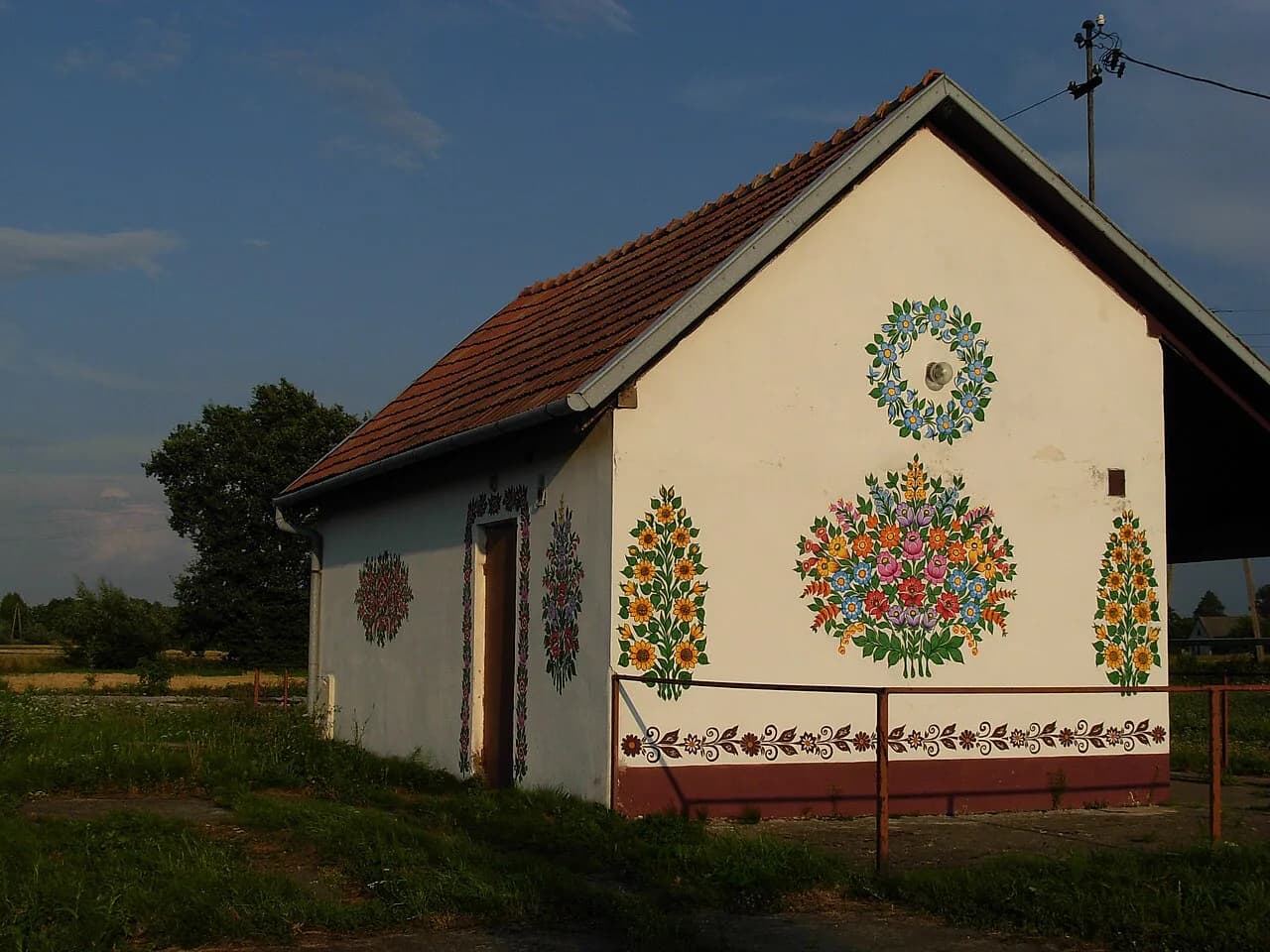
Zalipie is a small village in Małopolska, in south-eastern Poland, known for cottages painted with bright flowers. It suits a short half-day visit rather than a full day out, because the pleasure comes from walking the lanes and looking closely rather than ticking off big sights. This guide covers the painting tradition, what you actually see and the honest trade-offs before you commit to the trip.
The village sits in Lesser Poland Voivodeship, in Dąbrowa County, within Gmina Olesno. That places it in the Małopolska region, the same province that draws visitors to Kraków and the surrounding countryside. It is rural, quiet and small, so plan it as a gentle excursion into the countryside.
Where Zalipie is and how it fits into a Małopolska trip
Zalipie lies in Małopolska, the region that also contains Kraków, and that proximity is why most visitors encounter it at all. Kraków works as the practical base and transport hub for the area, and the village is the kind of rural counterpoint that balances a few days of city sightseeing. Treat it as a countryside interlude rather than a standalone trip.
The region holds a dense share of Poland's castles, palaces, churches, national parks and historic towns. Zalipie is a different kind of attraction, a living village rather than a managed monument, which is exactly why it works best in a longer trip that leaves room for something quieter.
Why the cottages are painted with flowers
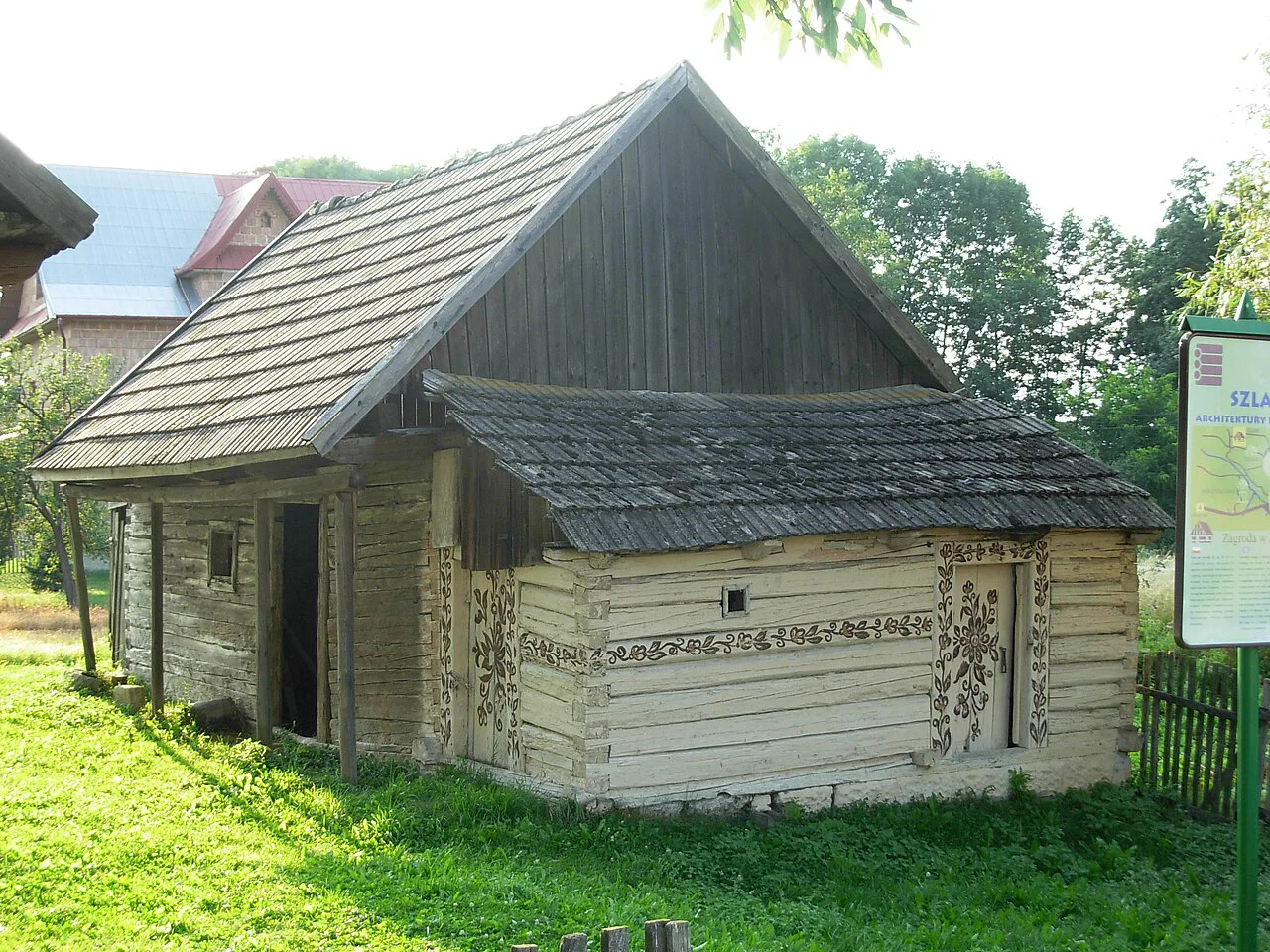
The flower painting is a folk custom rather than a staged display, and it belongs with the wider body of Polish Traditions that mark homes and seasons rather than museum cases. Designs go onto walls, and the habit spills onto whatever surface the household chooses to decorate. That is why the painted houses remain homes and outbuildings rather than exhibits behind glass.
The custom continues a long strain of Polish folk art, in which makers embellish everyday objects and surfaces with pattern and colour. Look at the painting as part of that continuum rather than as an isolated curiosity. If folk decoration appeals, the same instinct appears across the country in pottery and paper cutting.
What you actually see: houses, wells, fences and outbuildings
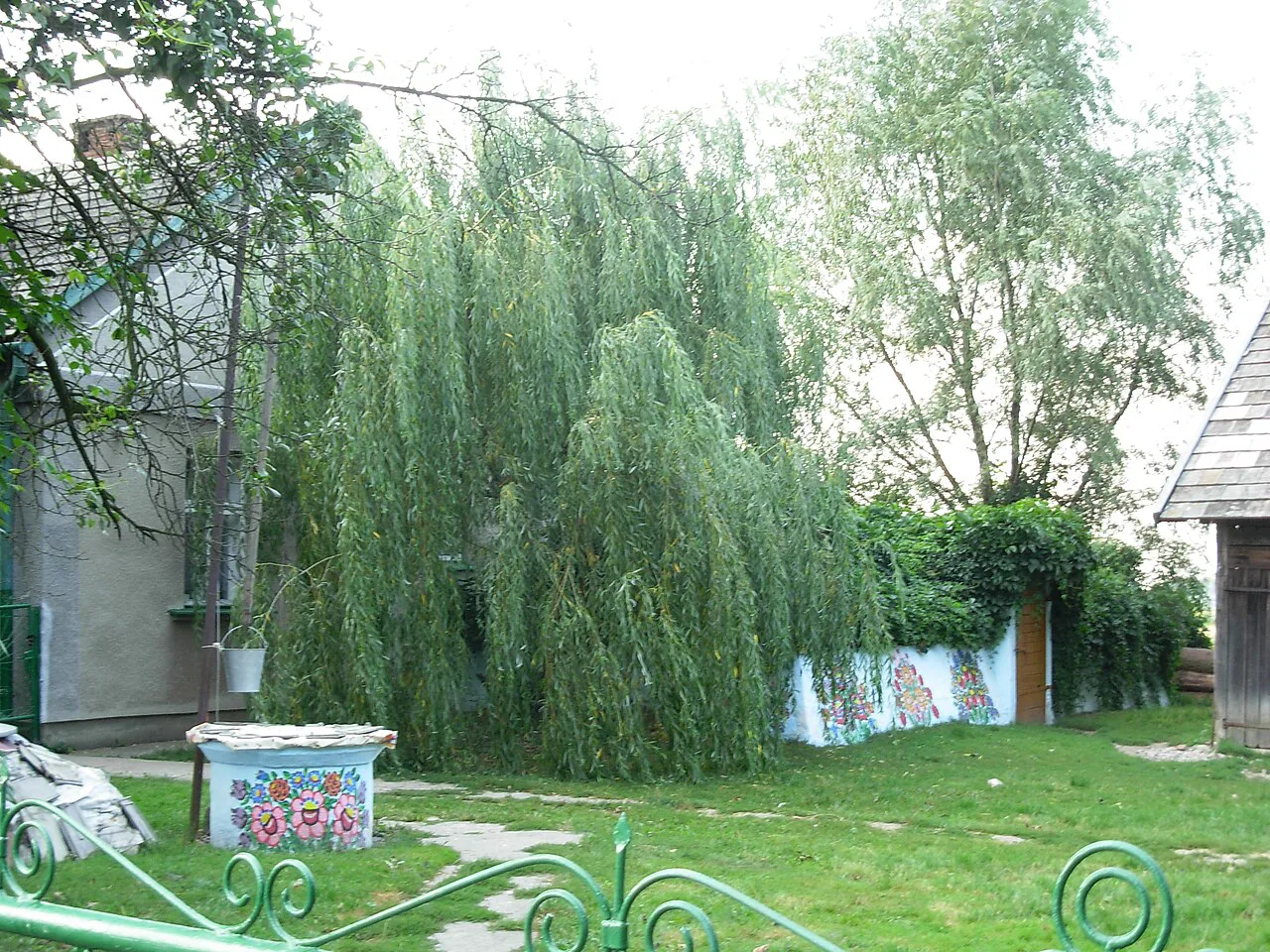
The painted surfaces are not limited to front walls. Cottages, wells, fences and outbuildings all carry floral motifs, so the interest is spread along the lanes rather than concentrated at one address. Walk slowly and look up at gables and down at gates; the smaller structures are often the most charming.
Because the decoration sits on private property, the visit is a matter of looking from the road rather than wandering into gardens. Keep to public lanes, keep your voice low and ask before pointing a camera at anyone's home. The atmosphere depends on visitors behaving accordingly.
Dom Malarek and the Painters' House
Dom Malarek, the Painters' House, is named in Zalipie visitor listings alongside the painted cottages and the church. Whether it is open on the day you visit is not something to assume: treat it as a possible bonus rather than the reason for the trip. If it is closed, the lanes still deliver what you came for.
A building visit and a walk are two different experiences, so it helps to decide which you are primarily there for. The Painters' House suits travellers who want the story and context, if it happens to be open; the lanes suit those who simply want to look at painted gables and fences up close. Do both if time allows.
The church and the lanes
The church is the other named sight in Zalipie, appearing in the same visitor listings alongside the painted houses and Dom Malarek. A village of this size rarely offers much more than a church and the lanes themselves, so set expectations accordingly. The reward is atmosphere and detail, not a checklist of attractions.
Beyond the church and Dom Malarek, the painted cottages are the sight. That is a thin itinerary on paper and a rich one in practice if you enjoy folk art, photography and quiet places. If you need ticketed attractions and cafés at every stop, the village will feel slight.
How much time Zalipie needs on the ground
Allow roughly half a day including travel, with an hour or two actually in the village. That is enough to see the church, walk the lanes at a relaxed pace and look in at the Painters' House if it is open. Longer stays make sense only if you are combining Zalipie with other countryside stops on the same loop.
The bigger constraint is transport rather than things to see. Fit the village around whatever service you use to get there and back, and build in slack so a missed connection does not spoil the day. A short visit done comfortably beats a rushed one.
Getting there from Kraków and by car
Kraków is the nearest large city and the obvious starting point for a Zalipie excursion. A car gives the most flexibility for a rural village and lets you combine the trip with other stops in Małopolska; public transport requires matching your day to whatever services run. Check current connections with the operator before fixing your plans.
If you drive, remember that a small village has limited parking and narrow lanes; park considerately and do not block farm entrances. The visit works best when transport is settled first and the sightseeing fits around it.
When to go: seasons and weather
Spring is the season most associated with Małopolska's countryside, when the region shakes off winter and flowers appear in the fields and glades. Zalipie's flower painting is a folk custom rather than a seasonal event, so the painting is not confined to spring, but a visit in the warmer months fits naturally with a countryside loop.
Polish weather is best described in seasons rather than forecasts: spring days commonly range from about 5 to 15 degrees Celsius, summer sits around 20 to 25, and early autumn stays moderately warm before November turns wetter and colder. May to June and September to October are generally the most comfortable months for exploring on foot.
Summer in Poland is warm and lively, and rural regions fill with cyclists and walkers making the most of long days. That makes June and September good compromises for Zalipie: enough light and warmth for the lanes, without the peak-season press elsewhere.
Practical points: village etiquette and limited facilities
Zalipie is a working village with few facilities, so arrive with water, cash in złoty and a plan for food elsewhere. Do not expect a strip of cafés, gift shops and toilets; the appeal is precisely that it has not been turned into an attraction. Treat shops and any open venue as a bonus rather than a guarantee.
Etiquette is simple: stay on public paths, keep noise down, do not touch painted surfaces and ask before photographing people. An annual painting tradition survives because residents keep it up, and respectful visitors help that continue. For another strand of Polish seasonal custom, see Easter in Poland.
Is Zalipie worth visiting, and who should skip it
Zalipie is worth the detour if you like folk art, photography and slow countryside afternoons, and it fits neatly beside a Kraków city break. It is not worth restructuring a short trip for if you want substantial museums or a full day of programmed activity. Decide based on what fills your ideal afternoon.
Skip it if you rely on frequent public transport or if the group needs constant programmed activity. The village rewards walking and patience, and a rushed visit in poor weather is unlikely to deliver.
Should Zalipie make your shortlist?
Put Zalipie on the shortlist if your Poland trip already includes Kraków and you want one unhurried rural day with real folk character. Book transport first, allow half a day, and set expectations at painted cottages and a church, with the Painters' House as a possible extra. In that framing it is a memorable half-day rather than a headline destination.
If your days are few and packed with city sights, leave it for a longer trip when the countryside can be enjoyed properly. Either way, the village rewards the traveller who arrives curious and leaves the lanes as they found them.
Explore more Poland guides
Sources
- Spring in Małopolska – a magical adventure in the rhythm of nature! - Poland Travel (EN)
- Sun-Kissed Poland Summer - Poland Travel (EN)
- Visit Poland - Poland Travel (EN)
- Poland weather – everything you need to know about Polish climate - Poland Travel (EN)
- Zalipie, Lesser Poland Voivodeship
- THE 5 BEST Things to Do in Zalipie (2026)
Notes for your next Polish city break
Optional updates to our Poland guides.
You might also like

Continue reading
More guides you'll find useful