
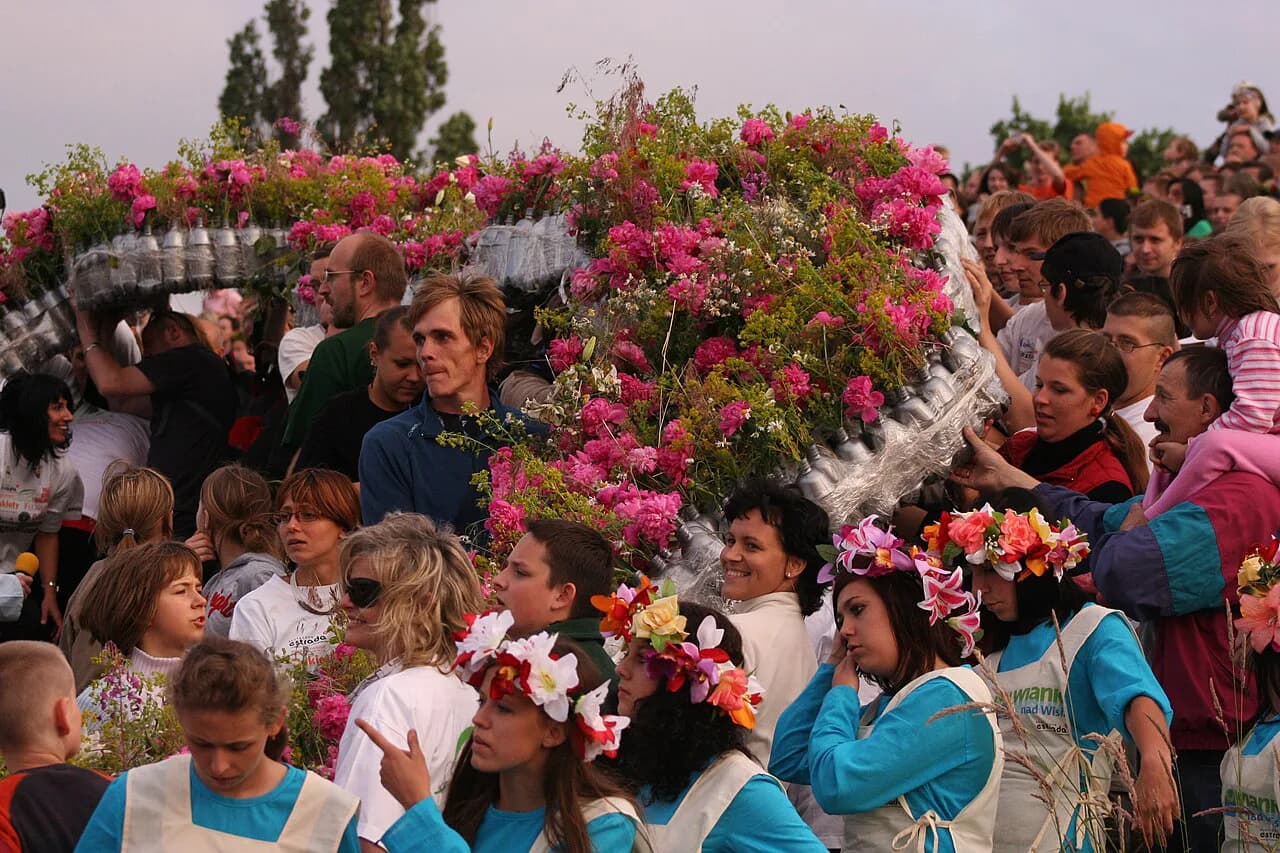
Wianki: Poland's Midsummer Wreath Festival Explained
Wianki is Poland's midsummer festival of wreaths, fire and water. Here is what the name means, how Kraków and Warsaw each mark it, and when it falls.
On this page
Wianki is Poland's midsummer festival, built around flower wreaths floated on water on the shortest night of the year. Its roots lie in the pagan sobótka celebrations, and today Kraków and Warsaw each give it a distinct shape: Kraków a themed programme over several days, Warsaw a riverbank evening marking the start of summer. This guide explains what the name means, when it falls, and how to fit it into a one-to-four-day city break.
The timing matters more than any single concert. Because the date tracks the summer solstice rather than a fixed day, Wianki moves each year and each city publishes its own programme separately. Plan around the June window first, then read the organiser's announcement for the year you are travelling.
What Wianki actually is
Wianki is a midsummer celebration tied to the shortest night of the year, when Poles gather by rivers and lakes for wreaths, fire and music. Its older layer is sobótka, the pre-Christian solstice rite that the wreath custom and the fire imagery both come from. That places Wianki among the seasonal customs that structure the Polish year, alongside Easter and the November remembrance days covered in Polish traditions.
It is an outdoor evening event, so weather decides how pleasant it is. Polish summer temperatures typically sit around 20–25°C, with hot days above 28°C occurring from May to September, which makes a June night by the river usually comfortable rather than cold. Rain is possible at any time of year, so a light waterproof layer earns its place even in midsummer.
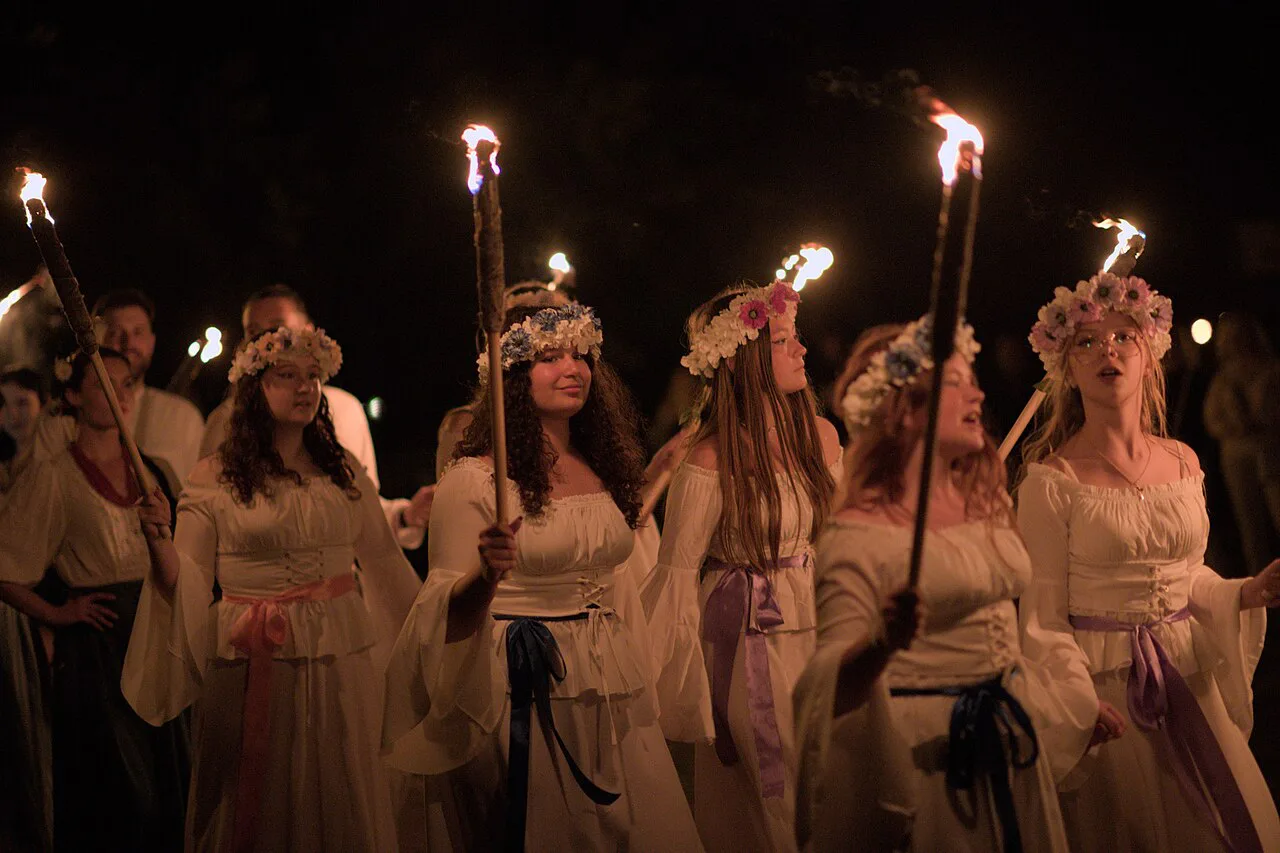
What the name means: the wreaths
Wianki is the plural of wianek, a wreath, and the flower garlands are the heart of the festival rather than a decoration. The wreaths belong to the old sobótka rites and the festival's fire-and-water imagery. The custom travels with the celebration to whichever city stages it.
If the craft side appeals, the midsummer wreath belongs to the same tradition of floral decoration that runs through Polish folk art, kept alive in villages and museums and worth a look before the night itself.
When Wianki falls
Wianki is tied to the summer solstice, so it falls in the second half of June rather than on a fixed calendar date. In 2026 Kraków's edition ran from 19 to 21 June under the theme 'Między ogniem a wodą' (Between Fire and Water). Read that as history rather than a guide to the coming year's dates, because each edition is arranged separately.
For planning, late June is a strong time for a Polish city break regardless of the festival. Late May to June and September to October are the most comfortable months for walking and sightseeing, with warmth and thinner crowds than high summer.
The Kraków version
Kraków treats Wianki as a multi-day event rather than a single evening. The 2026 edition ran for three days, 19–21 June, and was built around a theme, 'Między ogniem a wodą', which framed the programme around fire and water. A multi-day format lets the festival cover more than one night of a trip.
Kraków's tourism site keeps a Wianki page that explains the festival's pagan origins and its sobótka roots, which is the most useful background reading before you go. It answers the 'what is this?' question, while the city's news pages carry the current edition, so read the background first and the announcement second.
The Warsaw version: Wianki nad Wisłą
Warsaw holds its own Wianki as Wianki nad Wisłą, described by its organisers as the city's way of celebrating the arrival of summer, with concerts and a picnic by the river. That makes the Warsaw version a riverside summer celebration rather than Kraków's multi-day themed programme. The Vistula setting is the point: the city's summer life turns toward the river.
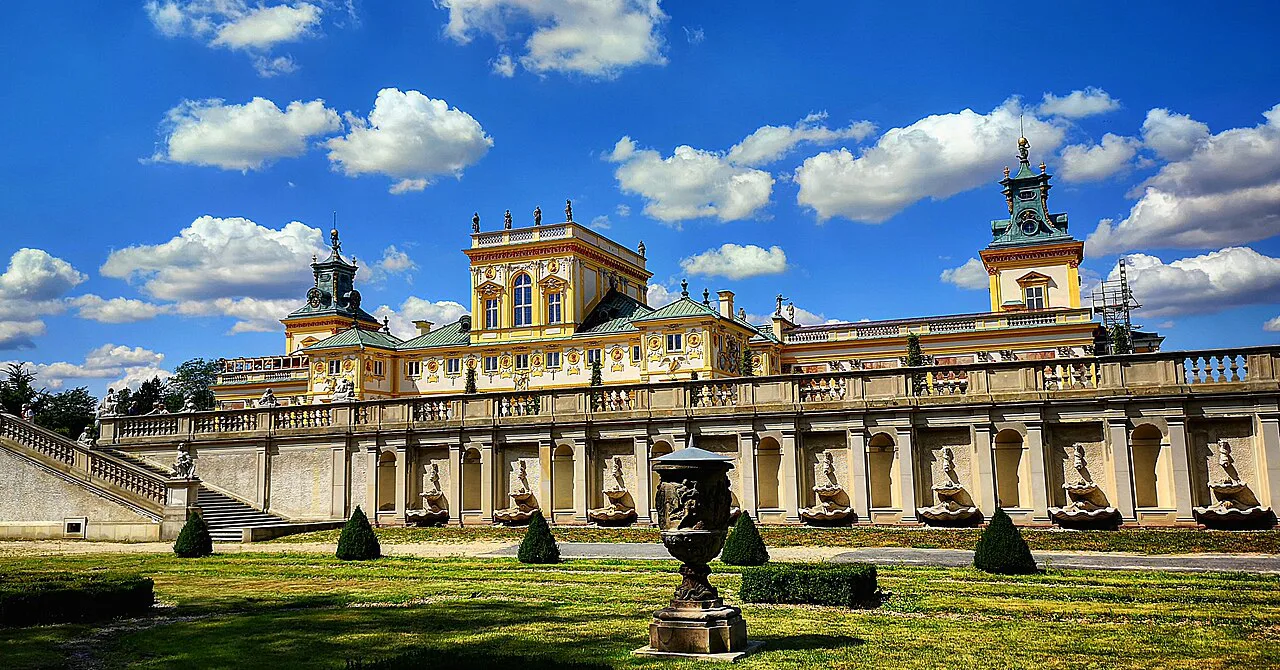
Poland's summer calendar leans on outdoor city life, and Warsaw is a good example of it, with must-sees such as the Old Town, Łazienki Park and Wilanów Palace sitting alongside the Vistula Boulevards and a beach on the Praga side of the river.
What actually happens on the night
The recurring elements are wreaths on the water, fire and music. The wreath carries the old sobótka meaning, the fire echoes the solstice bonfires, and the music turns the ritual into a public party. Treat the evening as one to spend on your feet by the water.
The event is outdoor and centred on spectacle by the water and the fire rather than a seated performance. The usual riverside cautions apply: keep children close near the water and the fire elements, and agree a meeting point before you set off.
Kraków or Warsaw: which version suits your trip
Kraków's multi-day, themed format suits travellers who want the festival to be a feature of the break. Warsaw's single riverbank celebration suits a trip where Wianki is a bonus alongside the city's sights. Choose by how much of your itinerary you want the festival to occupy, not by which city is better.
Both cities reward the rest of the day independently of the festival, and wider Polish festivals follow the same seasonal logic, filling weekends with outdoor programming from late spring.
Fitting Wianki into a one-to-four-day city break
Treat Wianki as an evening anchor and build the day around it rather than rebuilding the trip for it. On a short break, keep museum and old-town sightseeing in the daytime and leave the late afternoon and evening free for the riverside. The mistake is to schedule a museum visit for the same slot as the wreath floating.
Check the announced dates before you book, because an edition close to the solstice and on a particular weekend changes the shape of a short break. Wianki follows the solstice rather than a fixed public-holiday date, so build the trip around the published programme instead of assuming a fixed slot.
Practical expectations for the night
Expect an outdoor gathering rather than a seated event: dress for the weather, wear shoes you can stand in for a couple of hours, and check the city's programme for facilities on the night. Arrive with time to spare and build slack into getting home afterwards.
The experience is a public celebration rather than a performance with a start time you must not miss. If you want a structured evening, check the city's programme for the edition; if you want atmosphere, the riverside supplies it. Either way, the wreaths are the moment worth waiting for.
Should you plan a trip around Wianki?
Plan a trip around Wianki only if the midsummer atmosphere is what you want from the break; otherwise use it as an evening highlight inside a broader itinerary. Kraków's multi-day format can justify shaping a short break around it, while Warsaw's single riverbank celebration works best as the closing note to a day of sightseeing. Neither requires you to rebuild a trip.
Explore more Poland guides
Frequently Asked Questions
Do you need tickets for Wianki?
Each city arranges its own Wianki, with its own programme and any access arrangements. Check the host city's announcement for the year you are travelling before you build an evening around it.
When does Wianki fall?
Wianki tracks the summer solstice, so it falls in the second half of June rather than a fixed date. In 2026 Kraków's edition ran from 19 to 21 June under the theme 'Między ogniem a wodą'.
Is Wianki suitable for children?
It is an outdoor public festival centred on wreaths, fire and music, which suits families, but riverside crowds and open flames call for close supervision. Agree a meeting point and keep younger children near you once the crowds build.
Sources
Notes for your next Polish city break
Optional updates to our Poland guides.
You might also like



Continue reading
More guides you'll find useful





