Pierogi: Polish Dumplings Explained, Fillings and How They're Served
Pierogi are dumplings of dough around savoury or sweet fillings, boiled, fried or baked. Here is what is inside and how to order them.
On this page
Pierogi are filled dumplings: dough wrapped around a savoury or sweet filling and cooked in boiling water. They are a staple of Polish food and turn up on menus from milk bars to smart restaurants, so knowing the fillings and the cooking styles is what makes an order go well. This guide explains what is inside them, how they are served, what to try first and how they fit into a short city break in Warsaw, Gdańsk or Wrocław.
What pierogi actually are
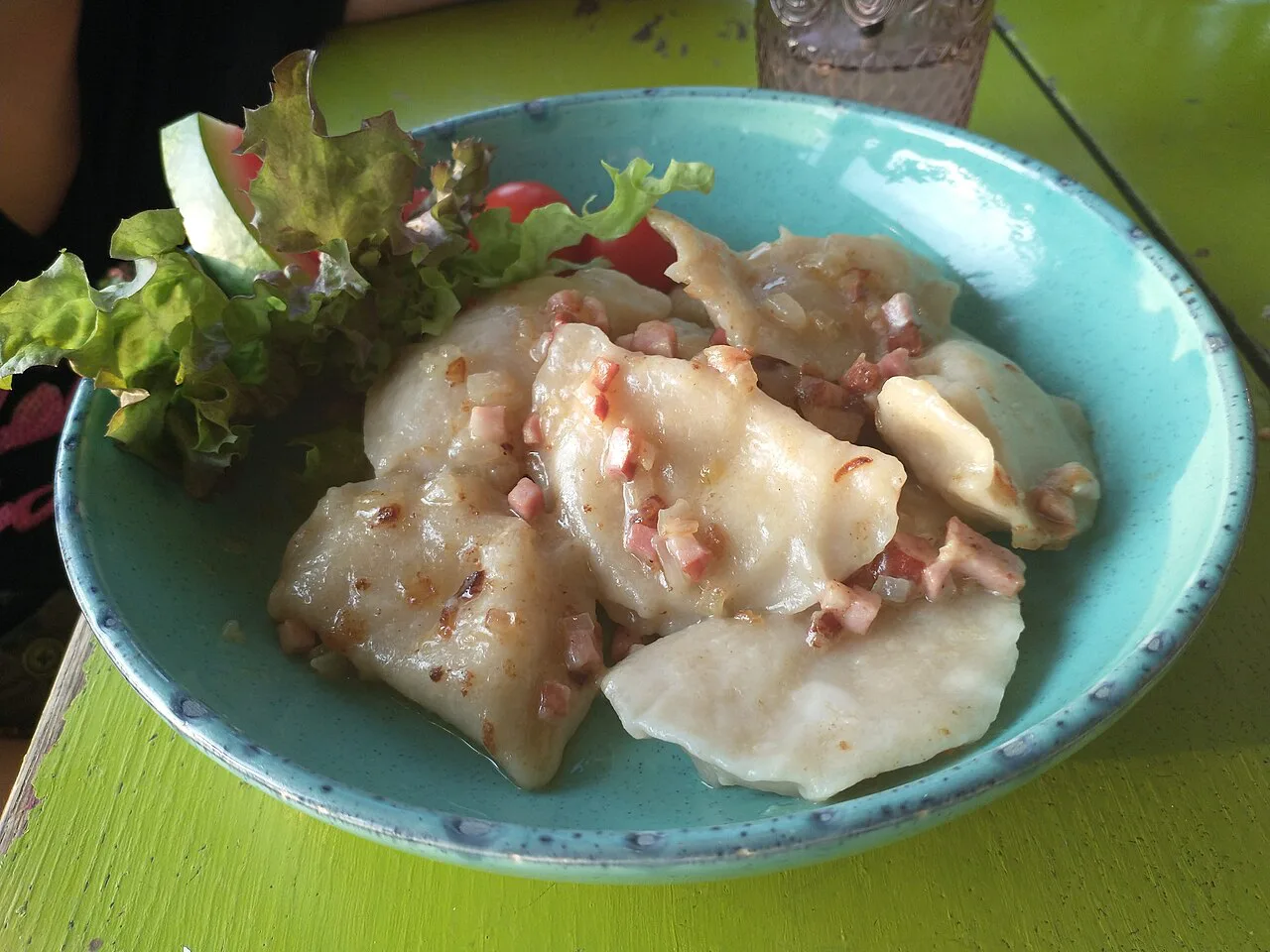
A pieróg is a parcel of thin dough sealed around a filling, then boiled. The parcel is roughly crescent-shaped with a crimped edge. Treat them as a dumpling family rather than one fixed dish: the filling and the finishing step change everything about what lands on your plate.
Because the dough carries little flavour, the filling does the work. That is why menus list pierogi by filling first and cooking method second, and why two orders under the same name can taste quite different from one kitchen to the next. If you only remember one thing, make it this: you are choosing a filling, not just a dumpling.
The fillings you will see most often
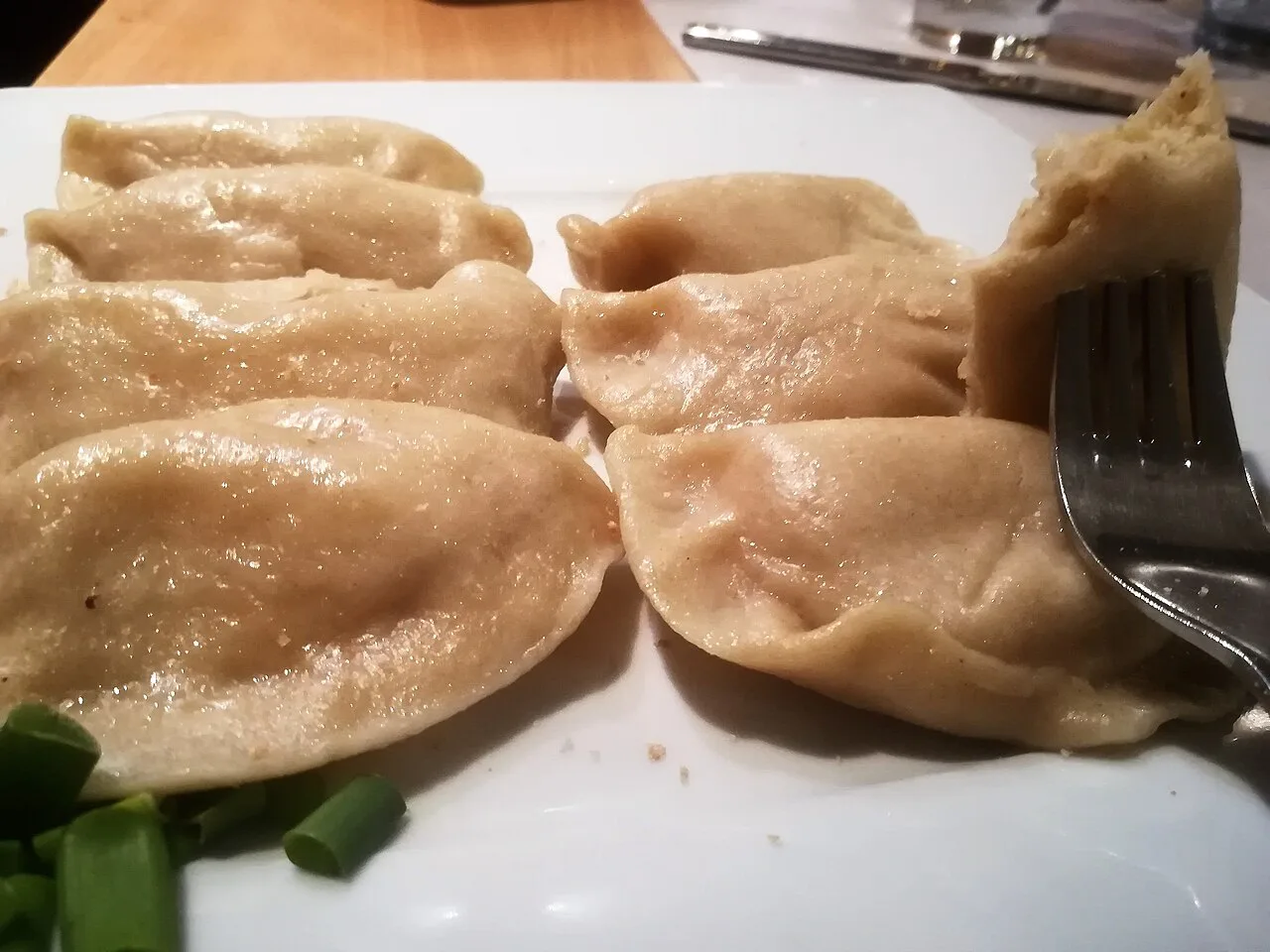
The potato and curd cheese combination is the one most travellers meet first. A home-cook version published online lists potatoes, pressed cottage cheese, onion and plain flour among its ingredients, which gives a fair picture of what a savoury pieróg can be built from. Curd cheese, called twaróg in Polish, is a fresh, slightly tangy cheese rather than a hard one, and it is what gives the filling its body.
Menus usually include both savoury and sweet fillings, so scan the whole list before deciding; the potato-and-cheese version sits firmly on the savoury side while fruit and sweetened cheese fillings appear as desserts.
Pierogi sit alongside other starch-led plates in the Polish repertoire, including kotlet schabowy and placki ziemniaczane. If you are building a meal around several dishes, read up on traditional Polish dishes so you do not end up ordering three heavy plates in a row.
Boiled, pan-fried or baked: the three ways they arrive
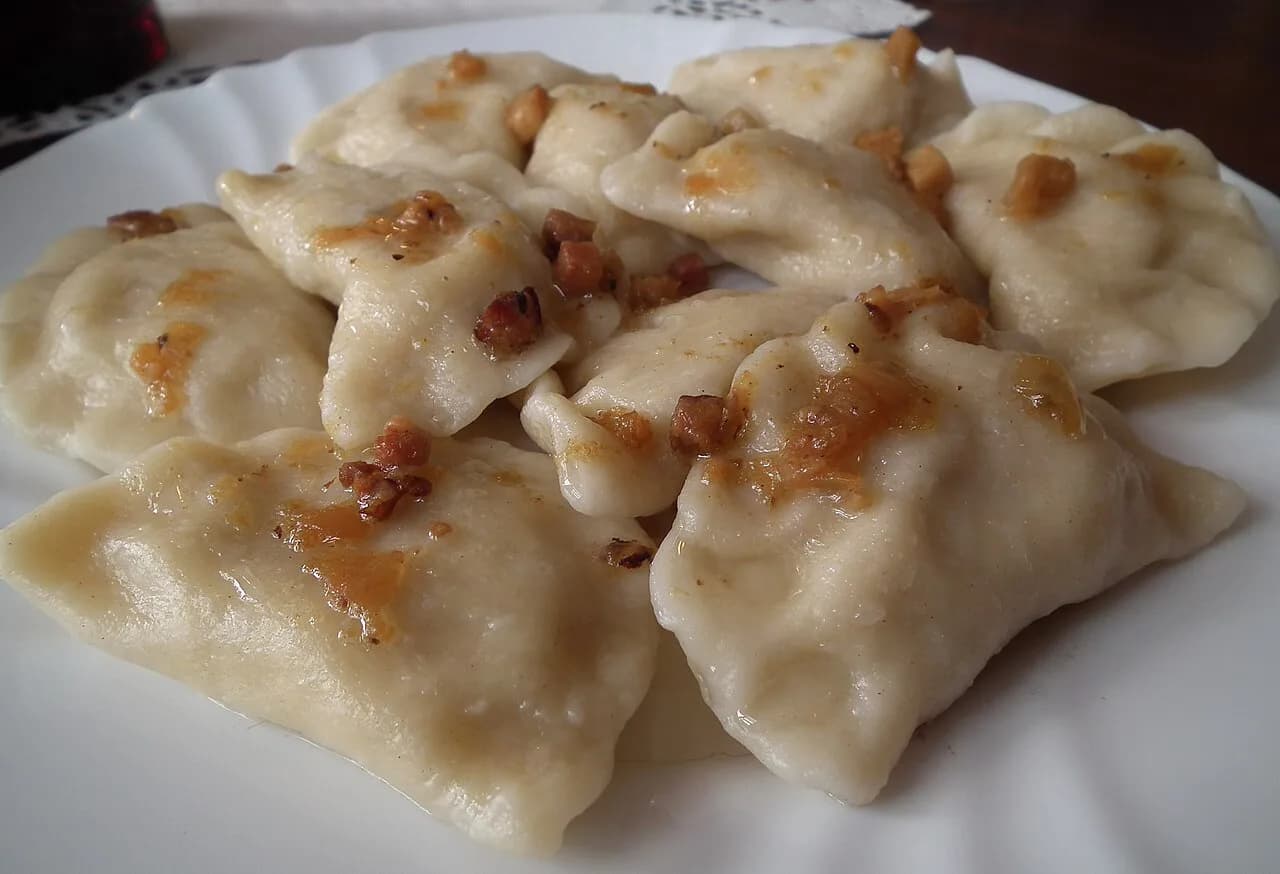
Boiled is the baseline. The dumplings are lifted straight from the water, dressed with melted butter or fried onion, and served soft and pale, which is how most home versions are eaten. Pan-frying takes boiled pierogi and gives them a crisp, browned base and edges, a texture many people prefer and a common restaurant option. Baking is the third route, usually under a topping or in a tray, giving a firmer, more casserole-like result that suits a shared plate.
The practical consequence is that pan-fried pierogi hold their heat and texture better on a plate, while boiled ones can cool and firm up quickly. If you are sharing one portion between two people as a starter, boiled and buttered is the lighter choice; if pierogi are your main meal, the fried version is more satisfying.
What to order alongside
Pierogi are rich, and a portion is usually enough as a main course on its own. If you want a second dish, choose something sharp or light to cut through the butter: śledź w śmietanie, herring in cream, or a plain cucumber salad works better than another potato dish. A bowl of Żurek, the sour rye soup, is a common opener in the same restaurants.
For a cheaper, faster lunch, look for a bar mleczny, the canteen-style milk bar where pierogi are a standard line on the board. These places are covered in more detail in the guide to milk bars in Poland, including what they serve and how to order at the counter. On a cold day, pierogi plus a hot soup is a reliable, filling combination.
Ordering is straightforward once you know the vocabulary: pierogi ruskie for the potato and cheese version, pierogi z mięsem for meat, and pierogi z kapustą i grzybami for sauerkraut and mushroom. Standard Polish weather guidance suggests May to June and September to October for warm but less crowded travel, and a hot plate of pierogi is welcome in any of those months.
Pierogi ruskie and what to try on a first order
Start with pierogi ruskie: potato and curd cheese with fried onion, mild, savoury and the least challenging flavour on the menu. If you like them, move on to sauerkraut and mushroom, which is sharper and more intensely savoury, and then to a meat version. This order builds up the flavours rather than starting at the strongest point.
Pierogi are among the easier orders for vegetarians, since the potato and cheese version and the sauerkraut and mushroom version contain no meat. If you want to test a few fillings cheaply, a milk bar is a sensible place to start.
Sweet pierogi and when they appear
Sweet pierogi are real and common enough to plan around. Fruit fillings are the usual choice, sometimes with a little sugar and butter rather than a savoury sauce. They appear on dessert menus and are served as a sweet course in their own right.
If you want a dessert that leans into fruit, sweet pierogi stand alongside other fruit-led Polish desserts worth comparing. Both kinds of dish suit the warmer months rather than the depths of winter.
Portions, temperature and over-ordering
Pierogi are best eaten straight away, while hot. They are dense, so order one portion per person to start with and add a side only if you are genuinely hungry. Sharing one portion as a starter is the sensible move for a table of two.
Polish hospitality runs to generous tables, and it is easy to over-order when the menu is unfamiliar. The Polish tourism board describes a long tradition of welcoming guests, and Polish restaurants still reflect that spirit. Order less than you think you need, then add a second plate if you are still hungry.
Where pierogi fit into a city break in Warsaw, Gdańsk and Wrocław
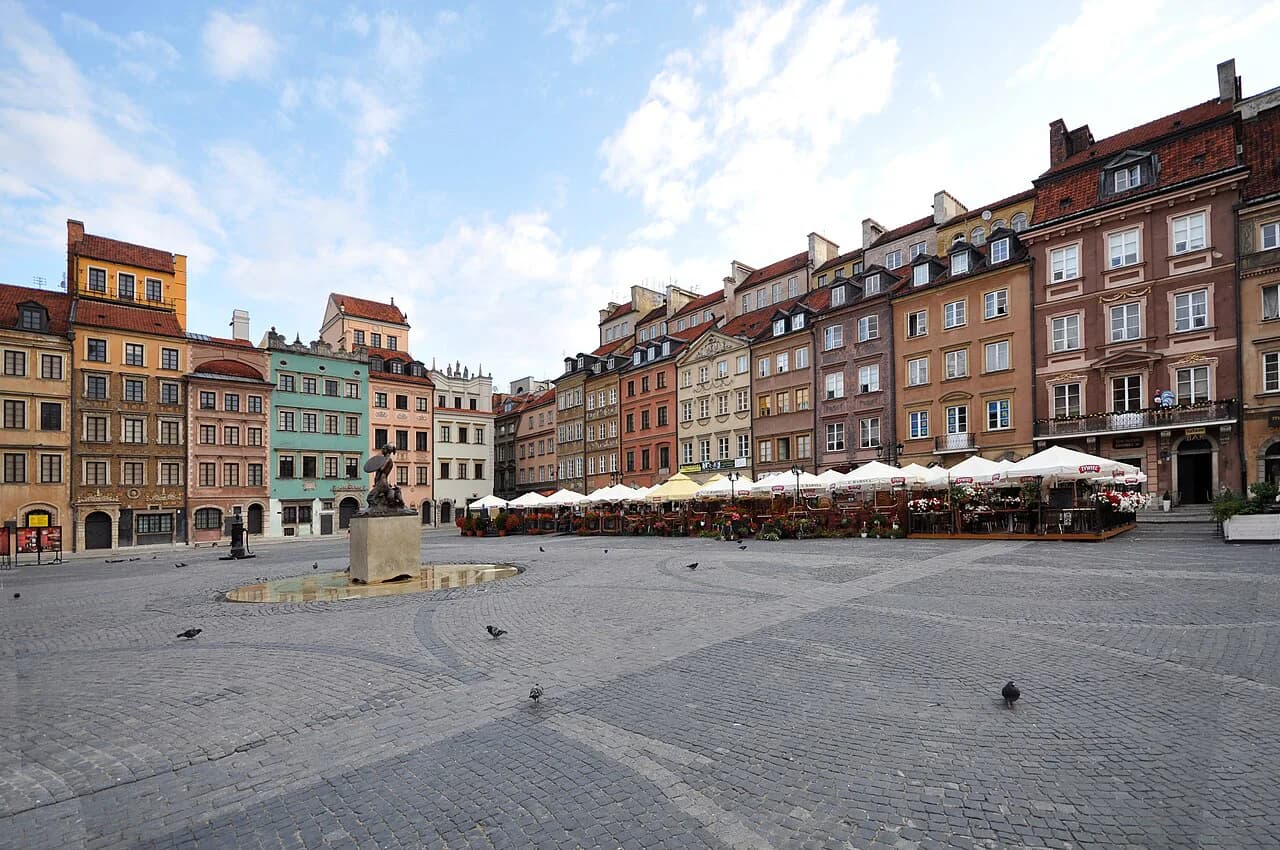
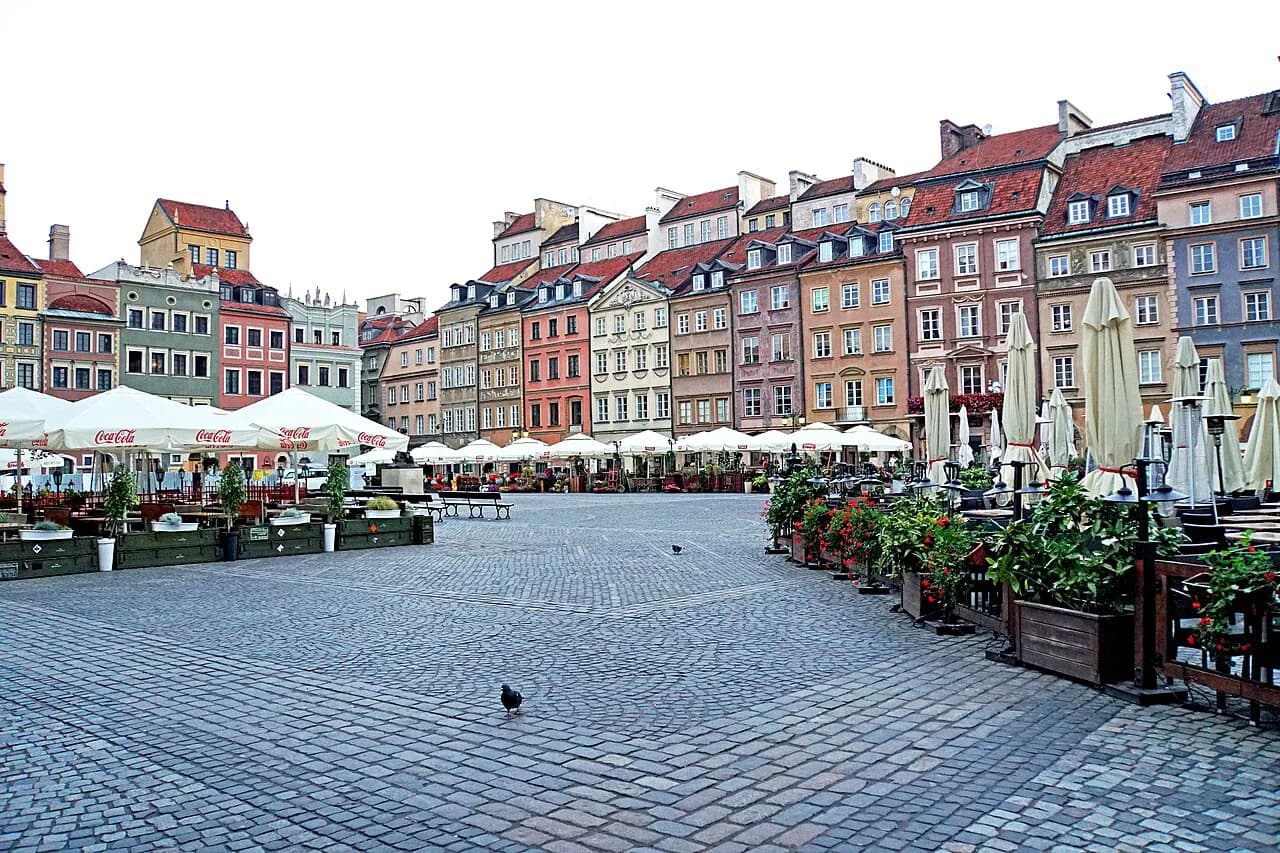
On a two- or three-day break, pierogi work best as one lunch and one dinner rather than as every meal. In Warsaw, use them for a filling midday stop between the Old Town and the Vistula Boulevards. In Gdańsk, pair them with a walk along Długi Targ in the Główne Miasto, and in Wrocław use them as a break between the Rynek and Ostrów Tumski.
In Warsaw, the garden on the roof of the University of Warsaw Library is a viewpoint worth combining with a pierogi lunch, since the library sits close to the river and the Old Town. In Gdańsk, Długi Targ, the Long Market, is the natural anchor for a half-day of walking and eating. Both cities make pierogi easy to slot into a short itinerary rather than a destination in themselves.
Spring is a good time for a pierogi-focused break, with March and April bringing warmer days, occasional frost and rain, and temperatures typically between 5 and 15 degrees Celsius. Autumn is the other favourite, with mild September and October weather before the wetter days of November. In either season, a midday plate of pierogi is an easy way to warm up between sights.
If you want to go deeper into the Polish menu, oscypek, the smoked sheep's cheese from the highlands, is another named food to look for, and Polish beer pairs easily with a savoury plate. These are the neighbouring stops rather than the centre of the meal, which is the pieróg itself.
Which pierogi should you order first?
Order pierogi ruskie, boiled and buttered, on your first sit-down meal in Poland. If you like them, come back for the pan-fried version, then move on to sauerkraut and mushroom and a sweet fruit plate at the end of the meal. One portion per person is usually enough, and pairing them with a sour soup or herring keeps the plate balanced. Confirm prices and opening hours at the venue before you set out.
Explore more Poland guides
Sources
Notes for your next Polish city break
Optional updates to our Poland guides.
You might also like


Continue reading
More guides you'll find useful