Polish Beer: The Brands, Styles and How to Order a Round
Polish beer explained for visitors: the big lager groups and their brands, the vocabulary on the tap, and how beer fits around a Polish city break.
On this page
Polish beer is overwhelmingly pale lager, served cold by the half-litre and ordered at the bar. The everyday drink is a clean, fizzy, moderately bitter lager, and the real variety comes from the vocabulary on the label and from craft bars in the bigger cities. This guide decodes the words on the tap, separates brewery-owned brands from independents, and shows how beer slots into a Polish city break.
Lager-led, and how it compares with British and German beer
The default Polish pour is Jasne, meaning pale, and it is a bottom-fermented lager in the Czech and German mould rather than an ale. Where a British pub might offer a rotating handpull of bitter, Polish bars stack a short list of pale lagers, one dark beer and often one wheat beer. The result is consistent rather than adventurous: cold, carbonated and easy to drink with food.
Strength varies by brand, and the percentage is printed on bottles and usually shown on tap handles, so read it before ordering a second round. Summer runs hot, with typical July averages around 17.5°C nationally according to the Polish Tourism Organisation, which is exactly the weather that makes a cold lager at lunch feel sensible.
If you want the best drinking weather without the crowds, aim for late spring or early autumn. The same tourism portal names May to June and September to October as the best times to visit, when it is still warm and visitor numbers are lower. A pavement table on a market square in September beats one in a July heatwave.
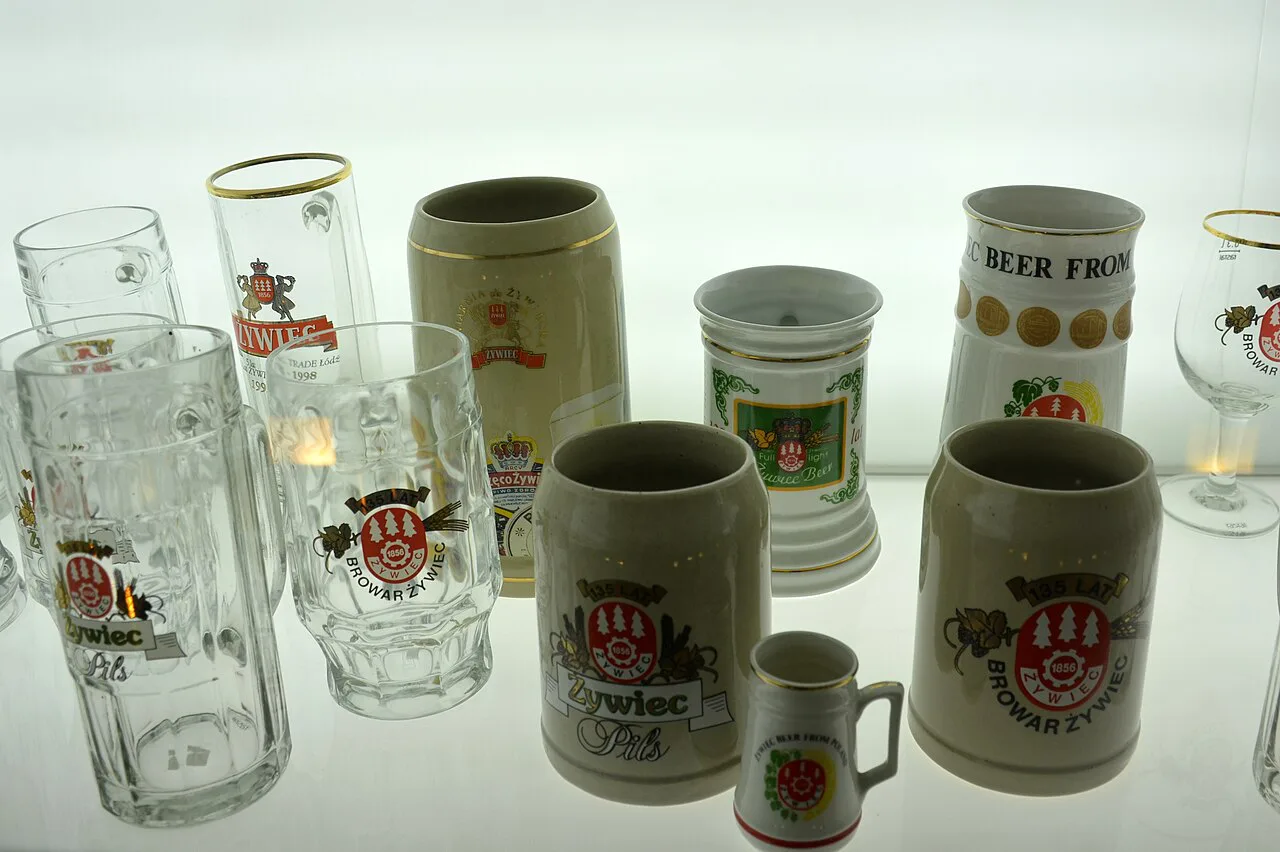
The vocabulary on the tap: Jasne pełne, lane, pils, pszeniczne, ciemne, miodowe and koźlak
Jasne pełne is the standard full-bodied pale lager and the phrase you will see most often; lane is a lighter, lower-strength pour, and pils signals a crisper, hoppier lager in the German and Czech style. Pszeniczne is a wheat beer, usually cloudy and banana-scented, while ciemne is a dark lager, malty and gently sweet rather than stout-bitter. Miodowe is honey beer, sweet and easy, and koźlak is a bock: a stronger, richer lager worth sharing rather than drinking alone.
Ordering by these words instead of pointing at a tap handle is the fastest way to get what you actually want. If you like hop bitterness, say pils; if you want something soft and dark with a pork dinner, say ciemne; if you want the lightest thing on the list, ask for lane.
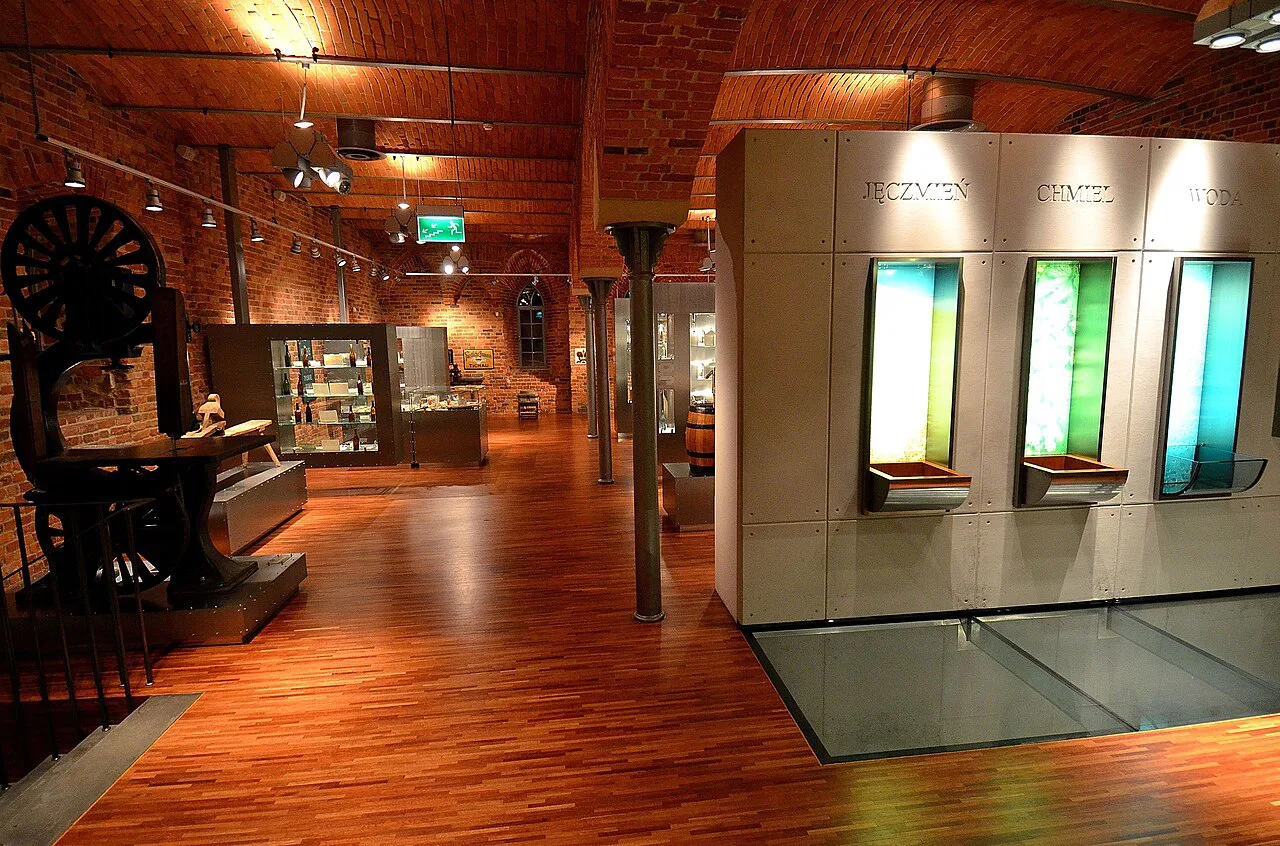
The big brands you will see everywhere, and how they are owned
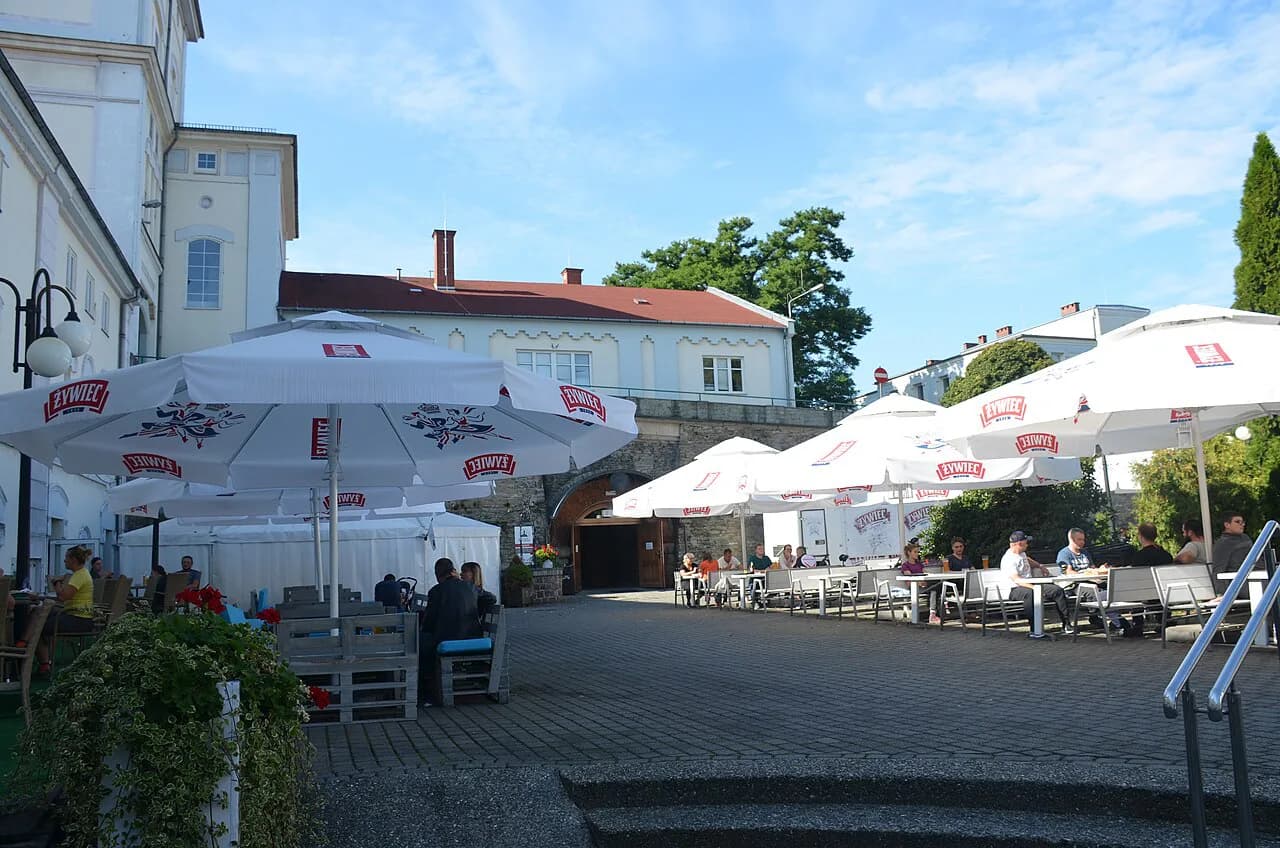
Polish beer is dominated by a handful of large groups, and their brands fill almost every fridge and tap. A 2026 commercial beer guide names Kompania Piwowarska, Grupa Żywiec and Carlsberg as the three market leaders. Treat that as a pointer to the structure rather than an official industry ranking: the brand on your bottle is often one label among several owned by the same large group.
Knowing this changes how you read a menu: a bar listing five different lagers may be pouring several brands from the same large groups, which is why they can taste more similar than the labels suggest. That is not a reason to avoid them, because these are well-made, consistent beers and they are what most Poles actually drink with dinner. Independent craft beer is the exception, sitting in separate bars with their own chalkboards, and that split between group-owned lager and small-batch craft is the useful distinction to carry rather than a ranking of brands.
Tyskie, Żywiec, Żubr and the rest: what differs in strength and style
Tyskie, Żywiec and Żubr are among the names a visitor will meet first, and they are widely sold as pale lagers. Beyond that, treat any ranking of them as a matter of taste rather than fact: the differences come down to strength, bitterness and availability.
Rather than memorising brands, read the numbers. Bottles carry the alcohol content on the label, and draught handles usually show it too, so compare two brands by strength before choosing. Strong speciality lagers sit at the top of the range and are usually sold in smaller bottles, so keep one strong beer in a group round at most and let the rest be standard pale lager.
Ordering by volume: 0.3 l, 0.5 l and how a round is ordered at the bar
Beer in Poland is ordered by volume, and the two sizes you will meet are 0.3 l and 0.5 l, with the half-litre as the normal adult pour. Say the number and the style together, for example half a litre of Jasne, and you will get exactly that. Table service exists in restaurants, but in bars you order and pay at the counter, then carry the glasses yourself.
Buying a round works the same way: order every drink in one go at the bar rather than sending one person back and forth, and carry them on a tray if the bar has one. Nobody will bring the drinks to your table, and nobody will ask you to settle up mid-round. For a group of four, two half-litres each is a sensible first order.
Tipping is straightforward: rounding up or leaving a small amount is normal in bars and restaurants, and it is done when you pay rather than left on the table. If you pay by card, say the amount you want to pay out loud.
Bottle shops and supermarket shelves versus pub taps
The gap between shop and bar prices in Poland is one of the widest in Europe, which is why you will see Poles buying bottles to drink at home or in a park rather than settling into a bar every evening. Supermarkets and bottle shops carry the full brand range in cases and single bottles, while bars sell the same beer by the glass at several times the shelf price. Neither is a rip-off; they are different products, one with a seat, a glass and someone washing up afterwards.
Sunday trading is restricted in Poland, so a Sunday arrival can leave you without a supermarket run for beer and snacks. Plan a shop for Saturday, or look for a small convenience store or a bar instead.
The craft beer scene and where to find taprooms in the site's cities
Craft beer has grown in Poland's larger cities, and multi-tap bars with changing boards are the place to find styles the mainstream range ignores. Gdańsk, Wrocław and Poznań are the cities where this scene is most established for a city break.
The way to find them is to look for a chalkboard or a numbered tap list in the window rather than a big-brand sign, and to check what is pouring on the day, since these bars often change their line-up as beer runs out. Ask for a small taste or a set of small glasses if you want to compare styles.
Museum and brewery visits worth planning a day around
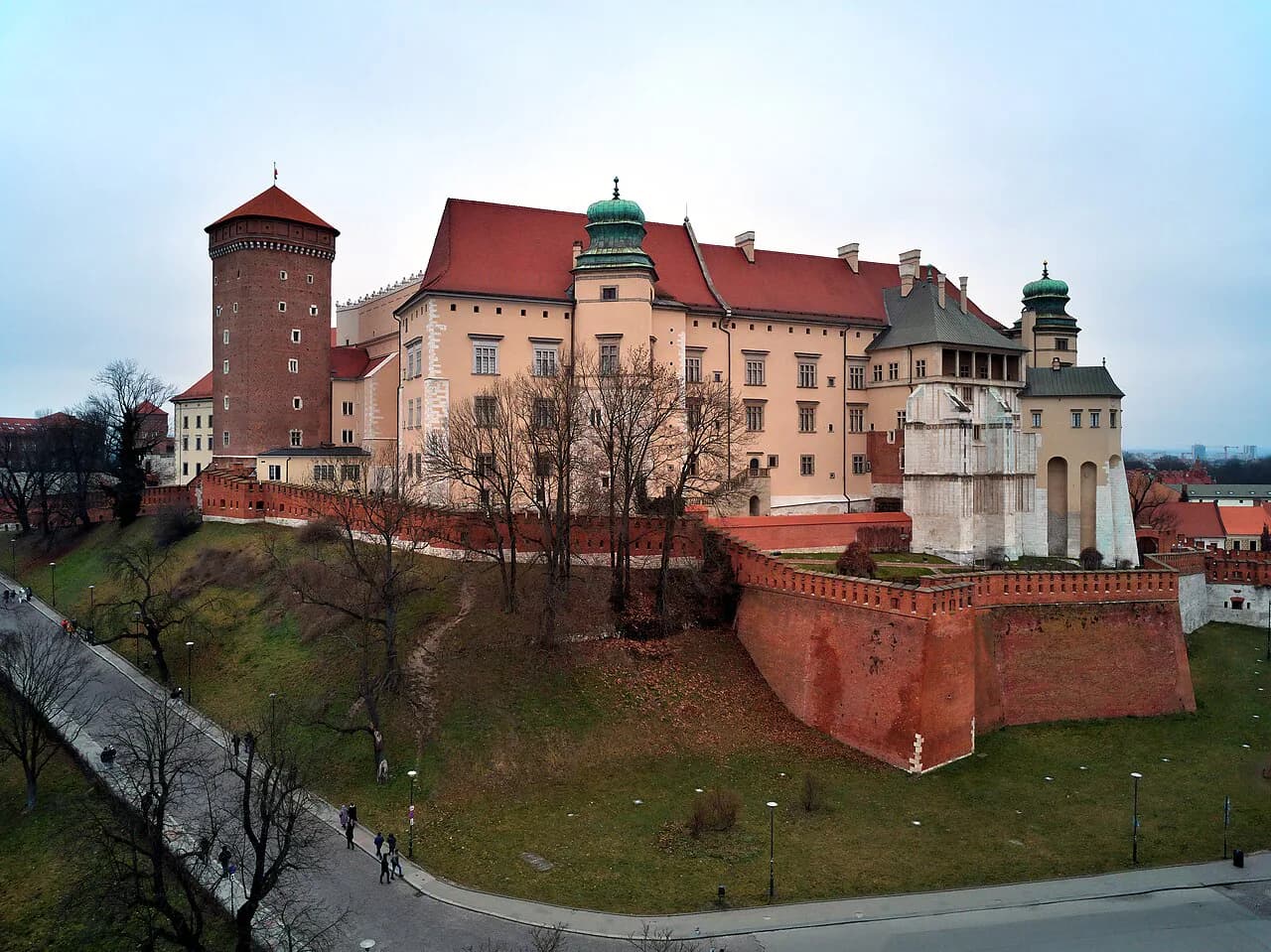
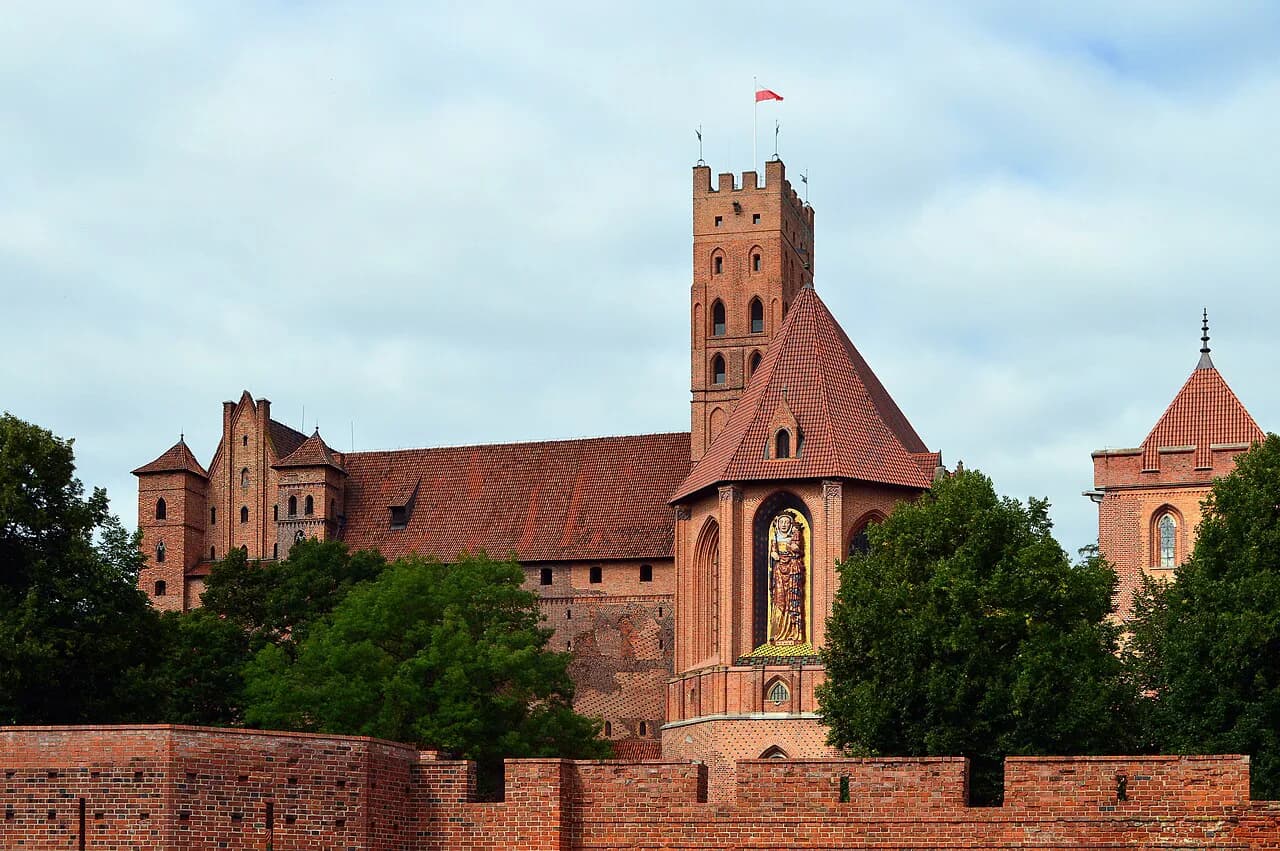
Poland's visitor attractions are broader than its breweries, and the official tourism portal points travellers towards the country's castles, palaces, museums and national parks rather than a brewery trail. Its guidance on sightseeing names Wawel Royal Castle, the Royal Castle in Warsaw, Książ Castle and the Castle of the Teutonic Order in Malbork as headline monuments, with Jasna Góra in Częstochowa among the religious sites worth planning around.
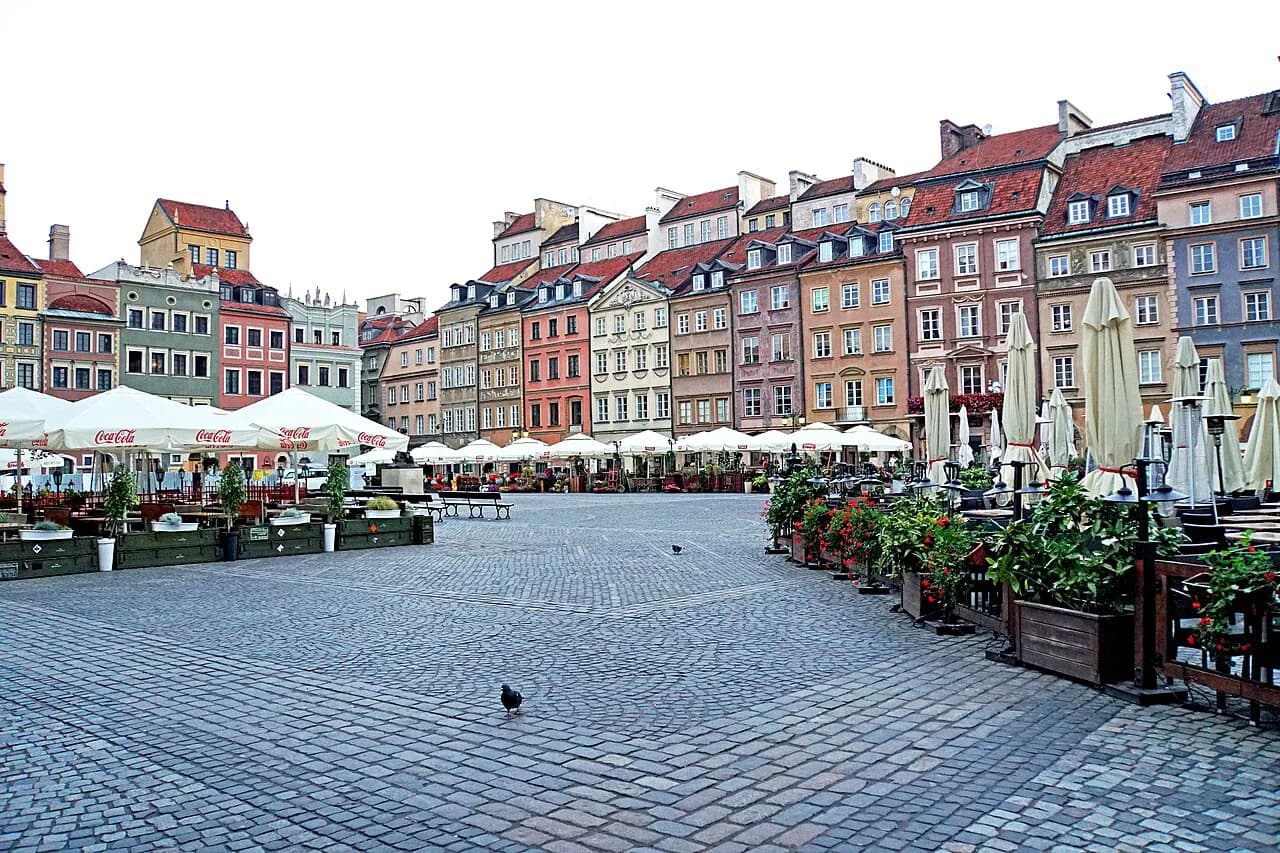
That matters for planning: a city break built around beer alone will run thin in a day, so pair a taproom evening with a museum or castle morning. Poland's heritage listing also covers 17 UNESCO World Heritage sites, including the rebuilt Old Town in Warsaw and the Renaissance old town of Zamość, which gives you plenty to build a day around.
Prices: what a half-litre costs in shops and in bars, in złoty
Beer prices change with the year, the city and the venue. What you can rely on is the shape of the difference: a supermarket bottle is cheaper than the same beer served by the glass in a bar, and a craft taproom charges a premium for small-batch beer. Check the price board or ask before ordering, especially in a craft bar where the strength and the pour size both vary.
Beer with food: what Polish bar snacks and pub menus pair with a lager
A cold pale lager is a common partner for the heavy, savoury core of Polish food. Kotlet schabowy, the breaded pork cutlet, and placki ziemniaczane, potato pancakes, both suit something crisp and carbonated, which is exactly what pale lager is. A dark lager works well with smoked meats, bigos and mushroom dishes.
For bar snacks, the same logic applies: salted peanuts, pickles and fried cheese all suit lager, while a wheat beer is the friendlier choice for a plate of pierogi ruskie, the potato and curd cheese dumplings. For the practical details, see the pierogi.
Herring dishes are another classic bar-table order, and the vinegar-heavy versions go down well with a crisper lager; śledź w śmietanie, herring in cream, is a good plate to share with a round of pale lagers. If you want one stop that pairs beer with cheap home cooking, head to a milk bar, the Polish canteen institution, for lunch, then a craft bar later for the drinking.
Is a Polish beer evening worth planning into a city break?
Yes, as one evening rather than a theme. Drink the mainstream lagers with dinner to see what everyday Polish beer is like, then spend a second evening in a craft bar in Gdańsk, Wrocław or Poznań to taste what small breweries are doing with wheat, dark and sour styles. Read the strength on the label before the second round, order at the bar by volume and style, and do your supermarket run before Sunday.
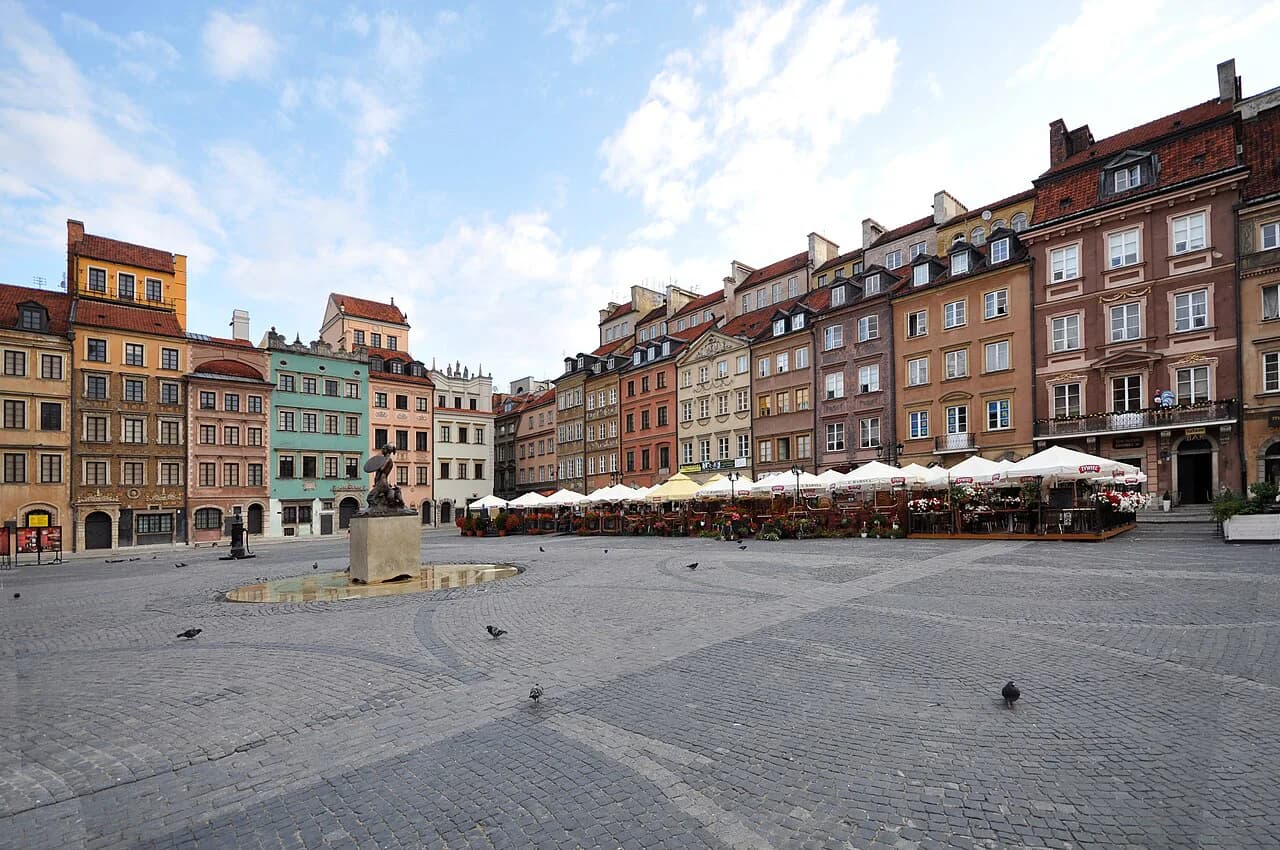
Build the rest of the day around a castle, a museum or a market square, since the beer is the garnish rather than the itinerary. That way a rainy afternoon or a closed museum does not leave you with nothing but the bar.
Explore more Poland guides
Frequently Asked Questions
What is the most popular beer in Poland?
A commercial beer guide names Kompania Piwowarska, Grupa Żywiec and Carlsberg as the market leaders, and the brands you will see most often include Tyskie, Żywiec and Żubr. Treat any single 'most popular' answer as approximate, since sales vary by region and year.
Is Polish beer strong?
Strength varies by brand and style, and speciality styles are stronger than standard pale lager. The alcohol content is printed on the bottle and usually shown on the tap, so read it before ordering a large round.
Do Poles drink beer with meals?
Beer is a common accompaniment to a pork cutlet or a plate of dumplings, and many casual restaurants list it alongside water and soft drinks. It is an everyday table drink rather than a separate occasion.
Can you buy beer in a Polish supermarket on a Sunday?
Sunday trading is restricted in Poland, so a supermarket run is not something to count on at the start of a trip. Shop on Saturday or use a convenience store or a bar instead.
Sources
Notes for your next Polish city break
Optional updates to our Poland guides.
You might also like

Continue reading
More guides you'll find useful