Poland in Spring: Weather, Where to Go and What to Expect
Poland in spring brings a brisk March, warmer days by May and thinner crowds than summer. Here is what the weather does and where to go month by month.
On this page
Late spring, meaning May, is the sweet spot for a short break in Poland: days are long, the weather is warmest of the three spring months, and the crowds of July and August have not arrived. March and April can still be cold and changeable, so treat them as a bargain-hunter's option rather than a safe bet. This guide sets out what each spring month feels like, where to go in the mountains and cities, and how Easter and the clock change shape a trip.
Spring in Poland month by month: March, April and May
Poland has four distinct seasons with a continental climate in the south and a more maritime feel in the north. Spring generally means a brisk March and April followed by warmer weather in May, and it tends to be drier than both winter and summer, which suits city walking.
Typical averages put March at roughly 30°F to 45°F, April at about 39°F to 58°F and May at around 47°F to 67°F — approximately −1°C to 7°C, 4°C to 14°C and 8°C to 19°C. Those are climate averages rather than a forecast, so pack layers you can shed at midday and put back on after dark.
May is the month that most reliably delivers the version of Poland people picture: blossom in the parks, café tables outside and enough daylight to walk a city after dinner. If your dates are fixed to March or early April, build in an indoor museum or two as insurance rather than planning every hour outdoors.
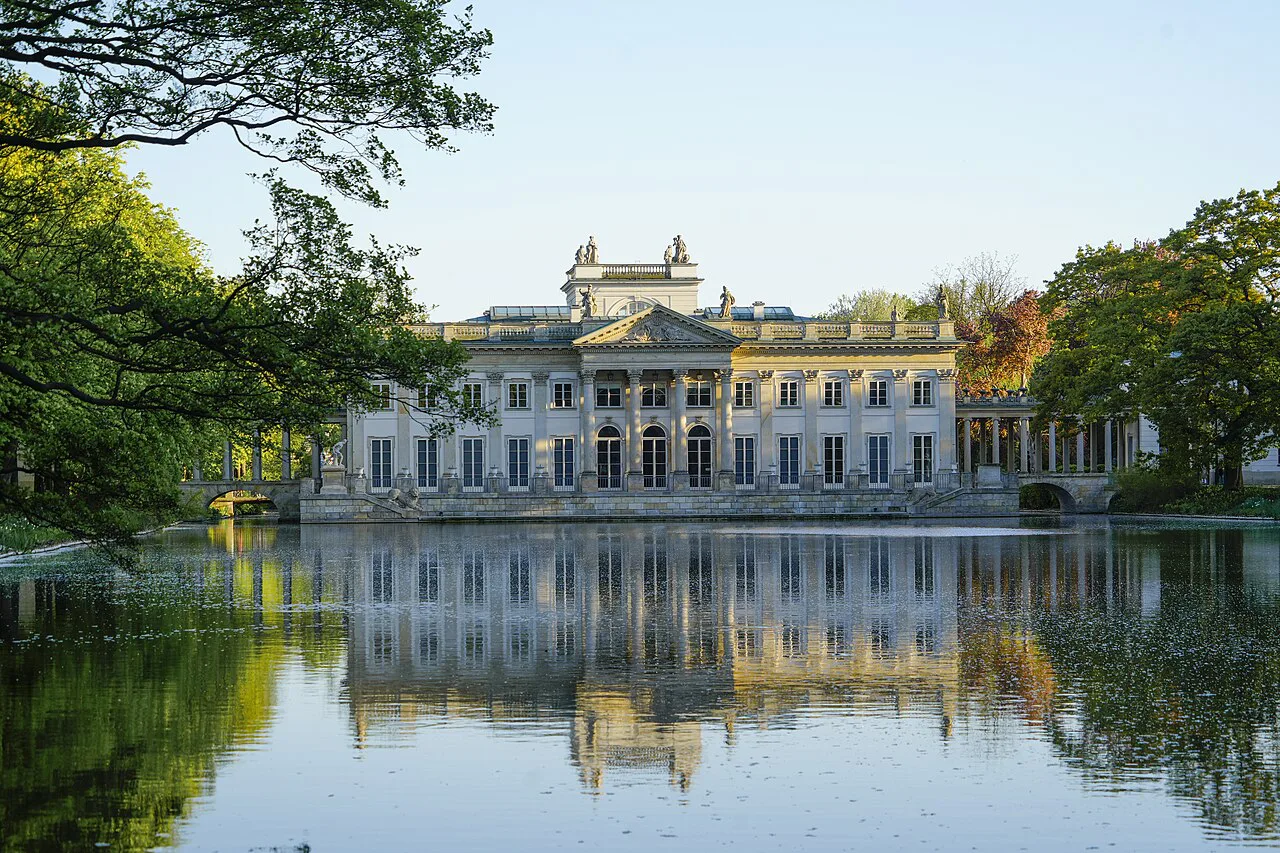
What spring weather in Poland actually feels like
Early spring has a sharp edge. You should not leave the winter coat at home in March, and occasional snowfall is possible in March, while April and May are typically much warmer. Wind and damp air make the perceived temperature lower than the number on a weather app, especially in open squares and along rivers.
The practical implication is a two-layer day: a warm mid-layer you keep on in the morning and a waterproof shell for the showers that punctuate spring. Spring being drier than winter and summer does not mean rain-free, so a compact umbrella earns its place in a small day bag.
Sunset times swing enormously across the season, so late March and late May feel like different trips. Check sunrise and sunset for your actual dates before booking an evening walking slot or planning a viewpoint visit after a museum closes.
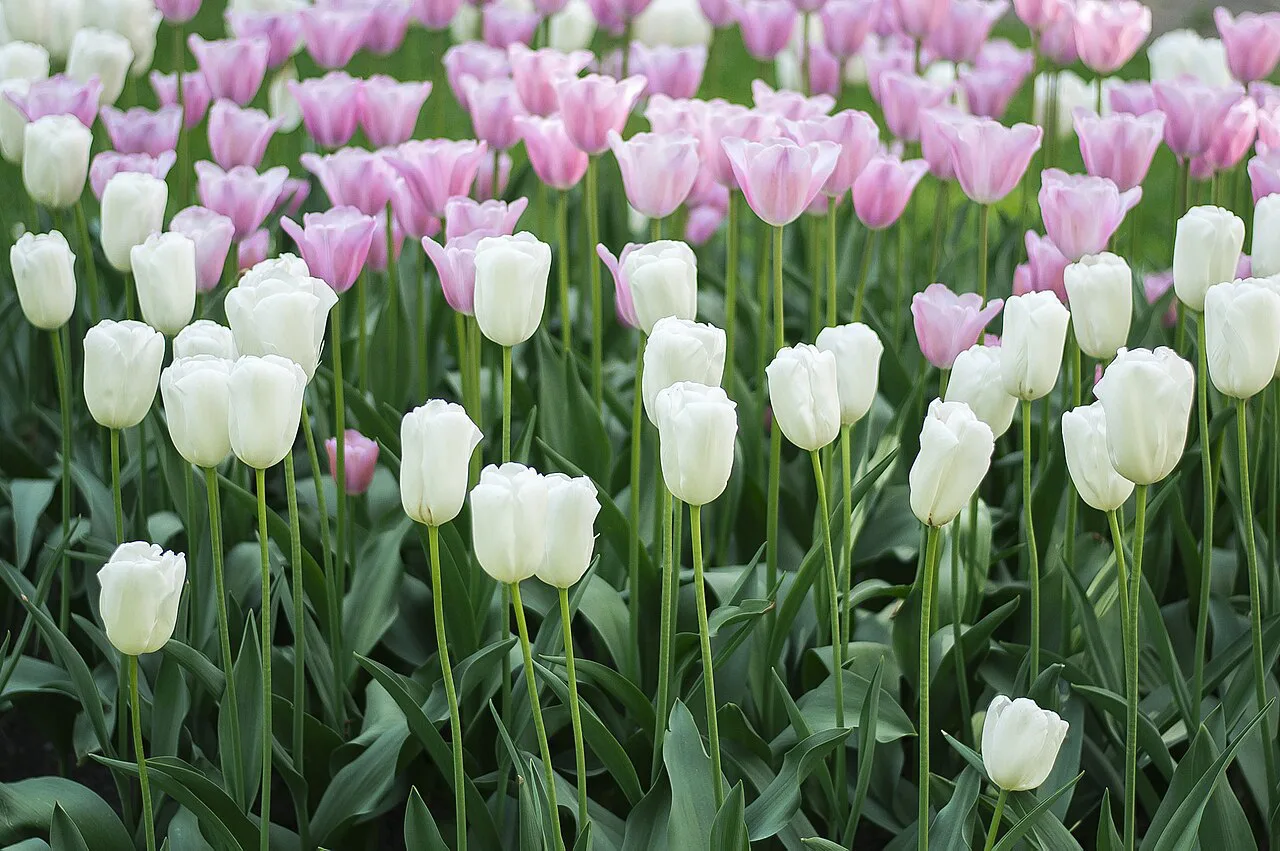
Why late spring is the sweet spot for a city break
For a one-to-four-day city break, May gives the best balance: comfortable temperatures for six or seven hours of walking, long evenings, and streets that are lively without the peak-summer crush. The trade-off is that May also attracts Polish weekend visitors, so book the obvious attractions for the start of the day.
Compare the alternatives honestly. A crisp April trip means thinner queues and lower prices but a real chance of cold rain; a June trip is warmer and greener but busier. The broader month-by-month comparison sits in this guide to the best time to visit.
Whatever the month, plan around daylight rather than clock time: a cathedral tower or riverside promenade is far better value in the late afternoon light of May than at 10am in March. Save the indoor set pieces, such as a museum or a castle interior, for the middle of the day when queues peak outdoors.
Spring in the mountains: crocuses, glades and the Tatra
One of the most striking signs of spring in Małopolska is the crocus bloom, which in March and April turns Tatra and Gorce mountain glades purple. The best-known spot is the Chochołowska Glade in the Western Tatras, where thousands of flowers appear once the snow melts.
For fewer people, the Kalatówki Glade and the Lejowa Valley offer the same spectacle with thinner crowds, and the Gorce Mountains are a further alternative if the Tatras are heaving. Treat the flowers as a fragile carpet: observe from the path rather than walking or sitting among them.
Blooming depends on snowmelt, so the exact week shifts year to year and no fixed date can be promised. If crocuses are the reason for the trip, the Tatra Mountains deserve a dedicated day rather than a rushed afternoon squeezed between city sights.
Rafting on the Dunajec and the start of the season
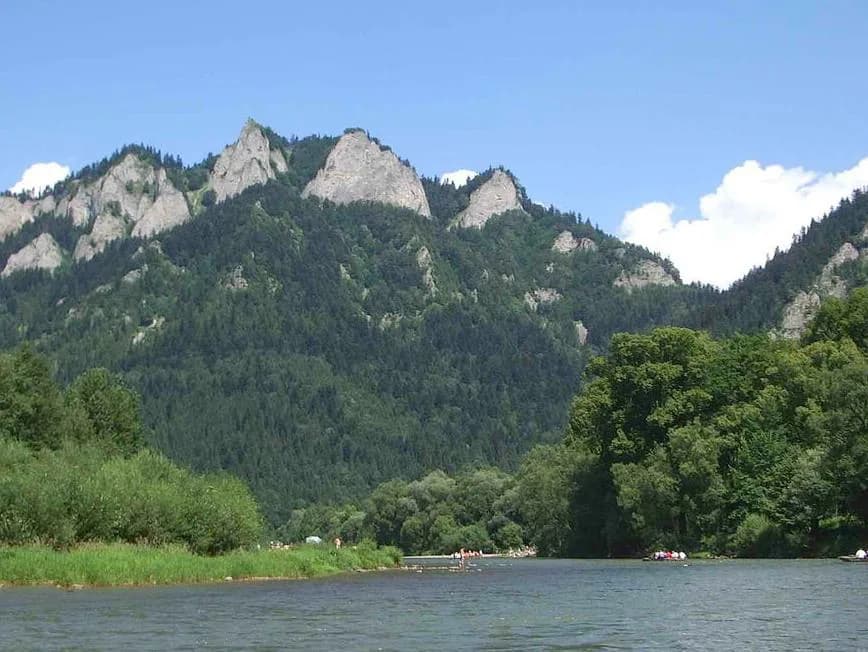
Spring also opens the rafting season on the Dunajec River Gorge in the Pieniny Mountains, where wooden rafts steered by raftsmen in folk costume pass limestone cliffs inside Pieniny National Park. It is a scenic float with a gentle rush rather than an adrenaline sport, and it works well as a half-day excursion.
Operating dates vary by year, so confirm the current season and departure points directly with the operator before building a day around it. Spring water levels and cold mornings can affect comfort, so dress warmer than you would for a summer float and expect wind on the gorge.
Spring in Poland's cities: parks, riversides and long daylight
City parks come into their own in spring. In Kraków, the historic Planty Park ringing the old town, the wild Zakrzówek lake, the Wolski Forest and the open Błonia Park all reward a slow walk, and the city's smaller parks fill with residents as soon as the sun appears.
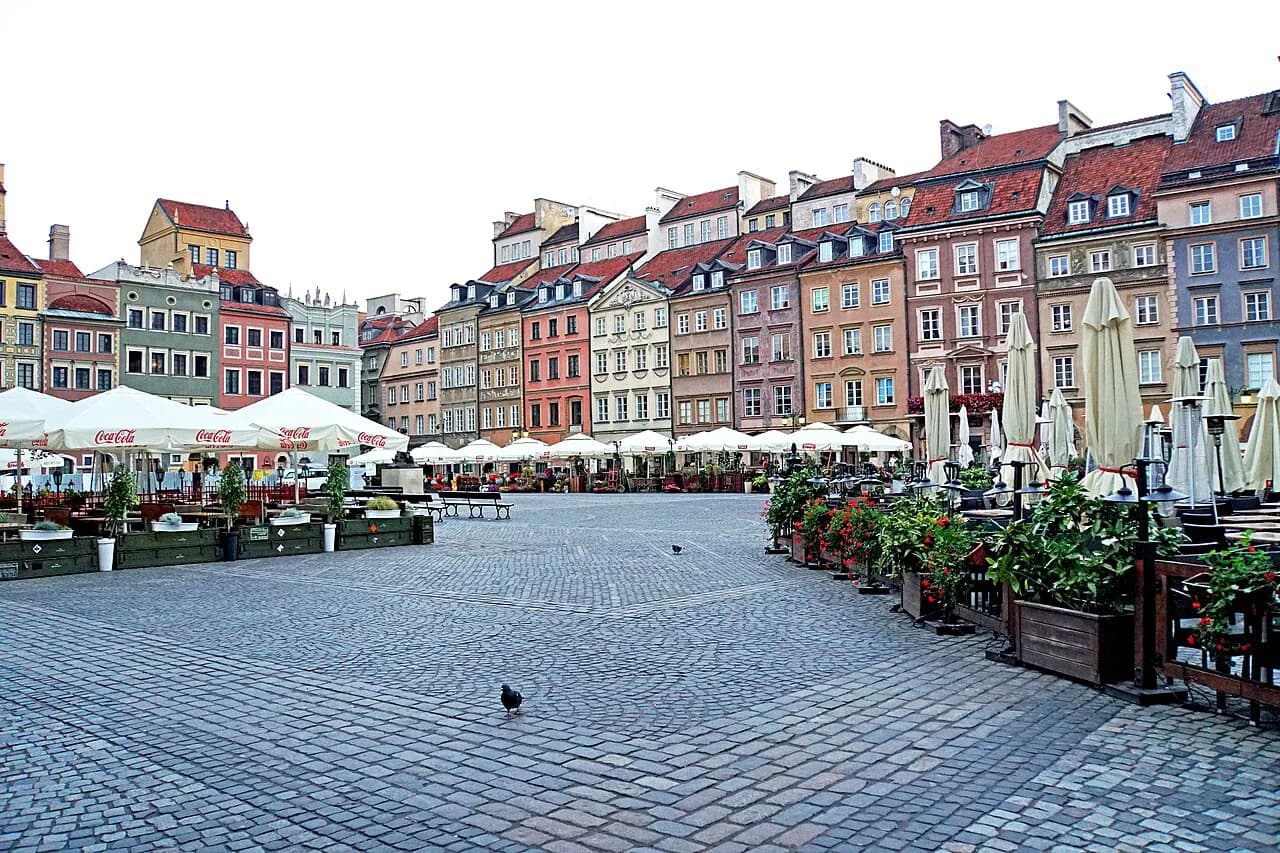
Beyond Małopolska, spring suits the northern cities too: Gdańsk's Główne Miasto and Długi Targ are pleasant to cross on foot before the summer crowds, and the riverside setting makes a windy day bracing rather than unpleasant.
Lublin is worth a thought for a spring weekend: it has fewer tourists than the largest Polish cities and a calmer atmosphere on the streets, which pairs well with unpredictable early-season weather.
Easter traditions in Poland and what they mean for a spring visit
Easter is the fixed point of the Polish spring calendar, and its customs are a genuine reason to time a trip around it rather than a footnote. Easter traditions in Poland are widely observed, so expect family-focused days and a national rhythm that differs from an ordinary weekend.
Easter falls on a different date each year, so check the calendar for your travel year before booking, and treat Easter Sunday and Easter Monday as days when the city is quieter than usual. If you want a full sightseeing programme, place Easter at the edge of the trip rather than in the middle.
Planning around spring dates: clocks changing and Sunday trading
Poland changes its clocks in spring, moving to summer time, so the last weekend of March is shorter by an hour. That matters if you are taking an early train or booking a timed entry on the Sunday.
Sunday trading in Poland is restricted, and selected shopping Sundays fall on particular dates rather than every week. Check the calendar for your dates if a Sunday shop or mall visit matters to your plans, and build Sunday around parks, churches and walking instead.
Museums often keep one weekly closing day, frequently Monday, and many run a free-entry day, but these vary by venue and season. Confirm the specific museum's current days and ticket prices in złoty on its own site before you commit a day to it.
Which Polish city suits a spring break
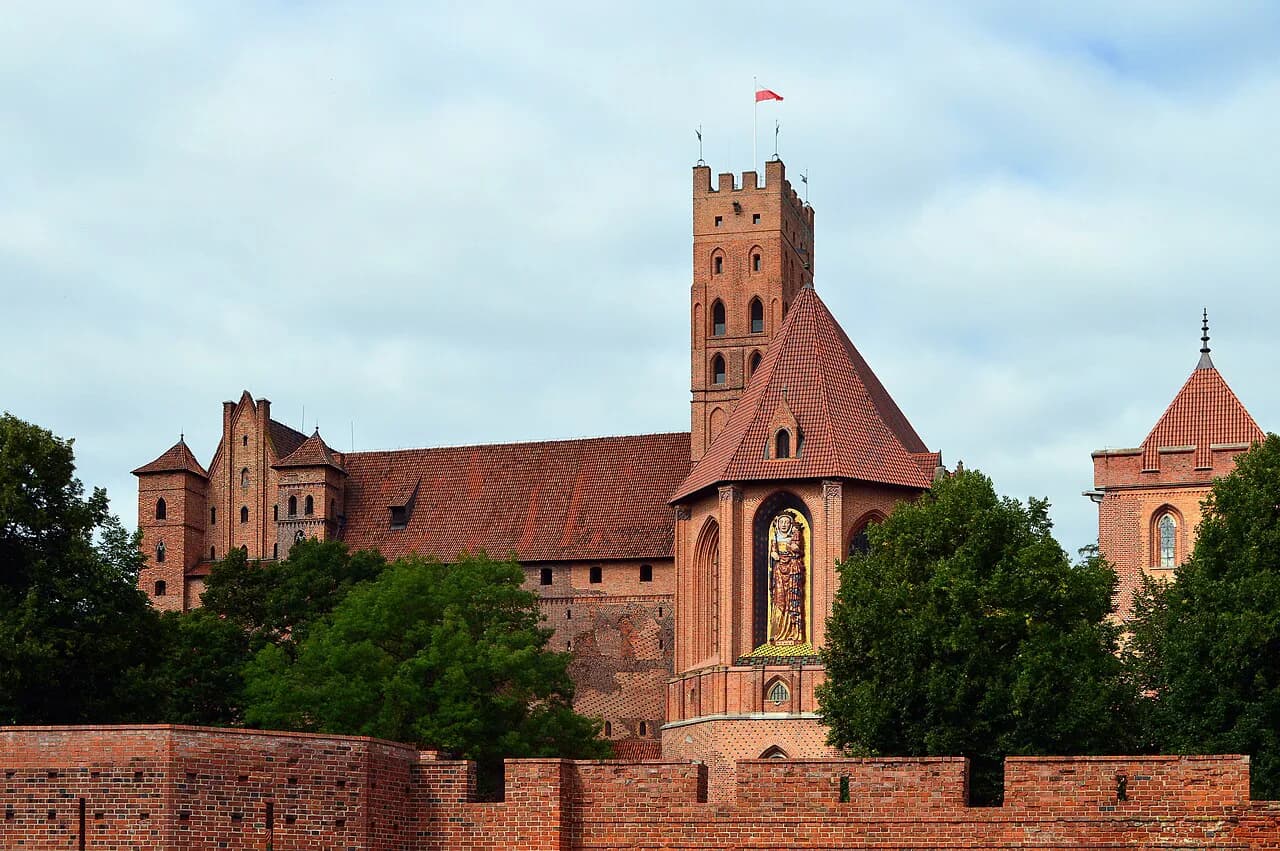
Gdańsk rewards a spring visit with its rebuilt Główne Miasto, the riverside Długi Targ and the Żuraw crane, all walkable within a day or two. Malbork Castle is about 50 minutes away by train from Gdańsk, making it an easy add-on when the weather holds.
Wrocław and Poznań both have compact, walkable centres that suit a two- or three-day spring break, with the added advantage that a sudden shower only costs you a few minutes indoors. Łódź's Piotrkowska and the workers' district of Nikiszowiec in Katowice are better in dry, mild weather, so keep them for late spring.
Warsaw works in any spring month thanks to its dense museum coverage, and its riverside promenades are at their best once the evenings stretch. Treat the capital as a flexible option when the forecast looks unsettled.
Spring versus summer and autumn for a short trip
Summer is the most popular season, especially July and August, when cities are at their busiest and Polish travellers head for the Baltic coast. Spring trades a little warmth for noticeably thinner crowds and cheaper accommodation outside Easter.
Autumn offers mild, sunny days in September and October, often more settled than March or April, but daylight shortens faster. If your priority is reliable weather, early autumn competes well with late spring; if it is longer evenings and fresh greenery, May wins.
Should you book Poland for spring or wait?
Book May if you want the most dependable spring weather and long evenings for a three- or four-day city break, and accept slightly higher prices than March. Choose March or April only if you are chasing crocuses, rafting or a quiet, cheap city, and plan indoor anchors for the wet days.
Whichever month you pick, lock in the fixed dates first: Easter, the clock change and any Sunday trading restrictions shape what is open, and those are the details most worth verifying before you book flights.
Explore more Poland guides
Frequently Asked Questions
Is Poland warm in spring?
Not uniformly. March is cold, with typical averages around 30°F to 45°F (roughly −1°C to 7°C), while May is genuinely mild at about 47°F to 67°F (roughly 8°C to 19°C). Treat these as climate averages, not a forecast, and pack layers for changeable days.
When is the best time to see crocuses in Poland?
The crocus bloom in the Tatra and Gorce glades falls in March and April, with the exact week depending on when the snow melts. Chochołowska Glade is the best-known spot, while Kalatówki Glade and the Lejowa Valley are quieter alternatives.
What seasons does Poland have?
Poland has four distinct seasons, with a moderate climate that is more maritime in the north and more continental in the south. Spring runs roughly from March to May and is generally drier than winter or summer.
Can you go rafting on the Dunajec in spring?
Rafting through the Dunajec River Gorge in the Pieniny Mountains opens in spring, but the season start varies year to year. Confirm current operating dates and departure points with the operator before you build a day around it.
Sources
Notes for your next Polish city break
Optional updates to our Poland guides.
You might also like

Continue reading
More guides you'll find useful