Poland in September: Weather, Crowds and Where to Go
Poland in September brings mild days, thinner crowds and a quieter old town. Here is the typical weather and which cities suit a short break that month.
On this page
September is one of the best months for a Polish city break: mild, largely dry and noticeably quieter once the school holidays end. The month suits Gdańsk, Wrocław and Poznań in particular, with days that still feel like summer early on and turn distinctly autumnal by the end. This guide covers the typical temperatures, the shift from early to late September, the cities worth choosing and the practical points that shape a short trip.
Treat every temperature here as a climate average rather than a forecast, and pack layers for cool evenings. The September average is commonly put at around 14°C to 17°C depending on location and method, so expect warm afternoons and noticeably cooler evenings. The Best Time to Visit Poland for a City Break guide sets out how the other months compare.
What September in Poland is like: temperatures, daylight and rainfall
Across Poland, September averages around 14°C to 17°C, and the daylight hours stay long enough for a full day of sightseeing. Rainfall figures vary by month and source, so plan around showers rather than expecting a dry month. The practical effect is that mornings and evenings need a jacket while midday often calls for just a shirt.
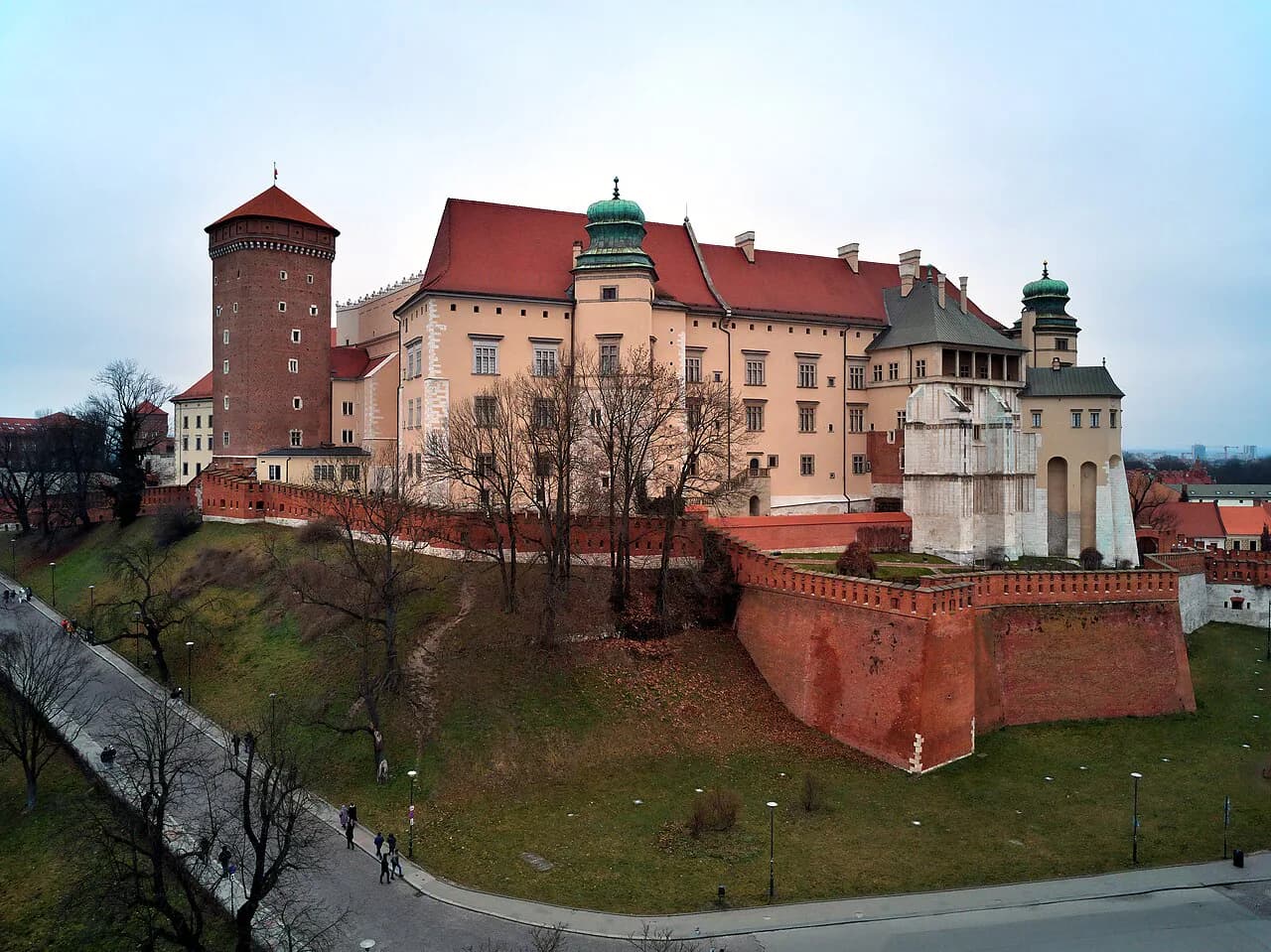
In Kraków, September averages about 14°C, which is comfortably warm for walking the old town and the riverbank. For a one-to-four-day city break, layers rather than heavy clothing will cover almost every day.
Hotel costs and rainfall patterns sit in the middle of the year's range in September, below the July and August peak. Pack a light waterproof and a warm layer, and you can handle both the bright first half and the cooler close of the month.
September weather compared with August and October
August averages about 22°C, so early September gives you similar warmth with thinner crowds. October drops to roughly 11°C, so September sits neatly between summer heat and autumn chill; Poland in April shows the spring equivalent for comparison.
Comparing the three months, September trades a couple of degrees of heat for shorter queues at the major museums and a calmer old town. If you want the warmest evenings, August wins; if you want space to walk and photograph the squares, September wins.
Why early September still feels like summer and late September turns autumnal
The first fortnight carries real summer warmth: September can feel more like summer than autumn in temperature terms. Use those early days for open-air sights such as riverbanks, parks and market squares, where a warm afternoon makes the difference.
By late September the daylight shortens and evenings turn cool, which is a good reason to book museums and interiors for the second half of your trip. Poles call this season złota jesień, golden autumn, and the change in colour is the cue to shift your plans indoors after mid-afternoon.
If you want both moods, pick dates around the middle of the month: a warm arrival and a crisp departure, with layers covering the gap.
Gdańsk and the Baltic coast in September
Gdańsk and the Tri-City area of Gdańsk, Gdynia and Sopot are especially rewarding in September because the summer crowds have thinned. The season is past swimming, though, so treat the water as scenery rather than a plan. Instead, use the quieter weeks for the old town, the museums and the coast path.
The Museum of the Second World War in Gdańsk is a strong choice on a showery day, and the cultural sites are less crowded once families have gone home. Walk the Główne Miasto and Długi Targ early in the day, then save an interior for the afternoon.
Sopot's beach is fine for an hour's walk, but don't plan a day around it. Amber sometimes washes up after storms, which makes a windswept beach walk worth the detour.
Wrocław and Lower Silesia in September
Wrocław mixes a lively modern feel with a historic core, so September's mild temperatures make walking the market square a comfortable experience rather than a hot slog. The city is the natural base for exploring Lower Silesia's forests and castles while the trees hold their colour.
Around Wałbrzych, Książ Castle sits among rolling wooded hills that change with the season, and there are walking trails through the surrounding countryside. Allow a full day for the trip out and back, and check bus or train times before you go, as services thin out in the villages.
Which other Polish cities suit a September break
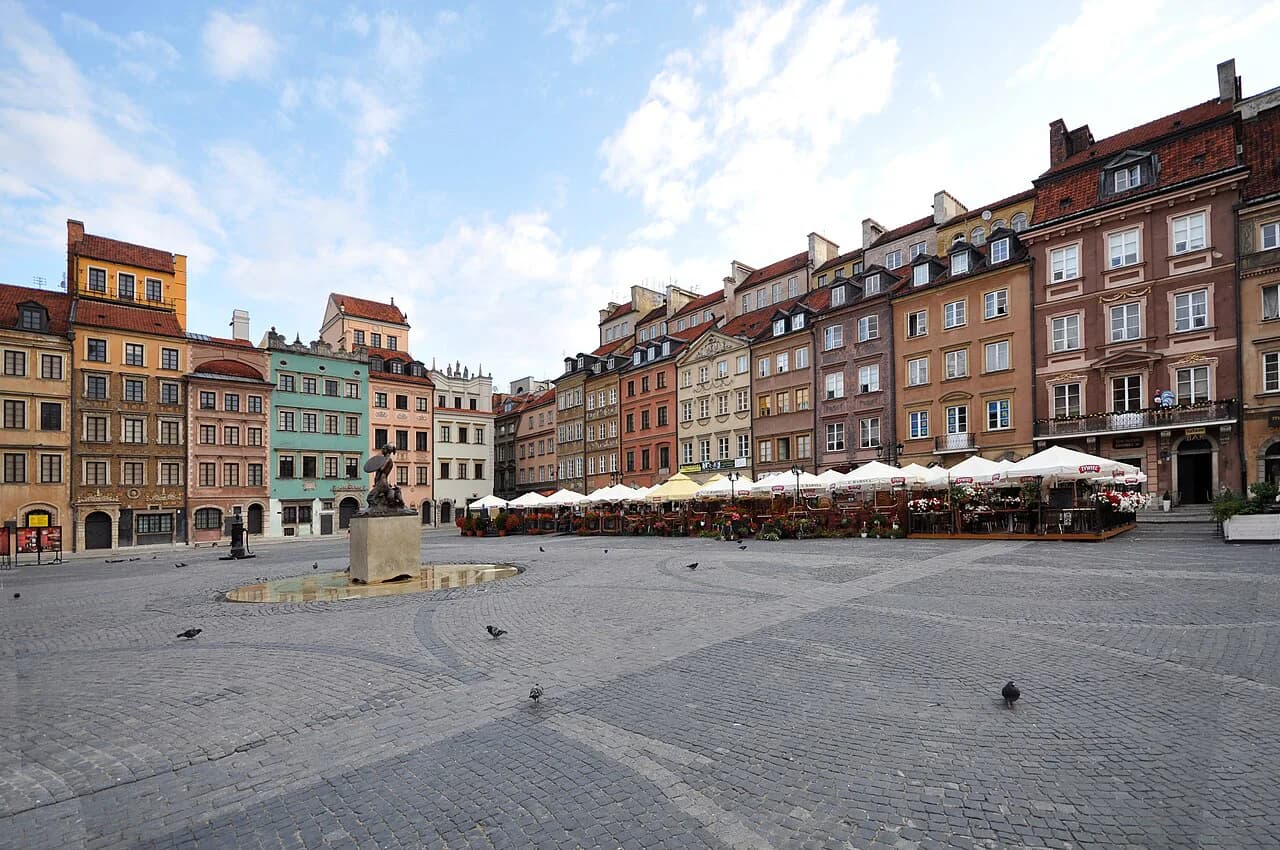
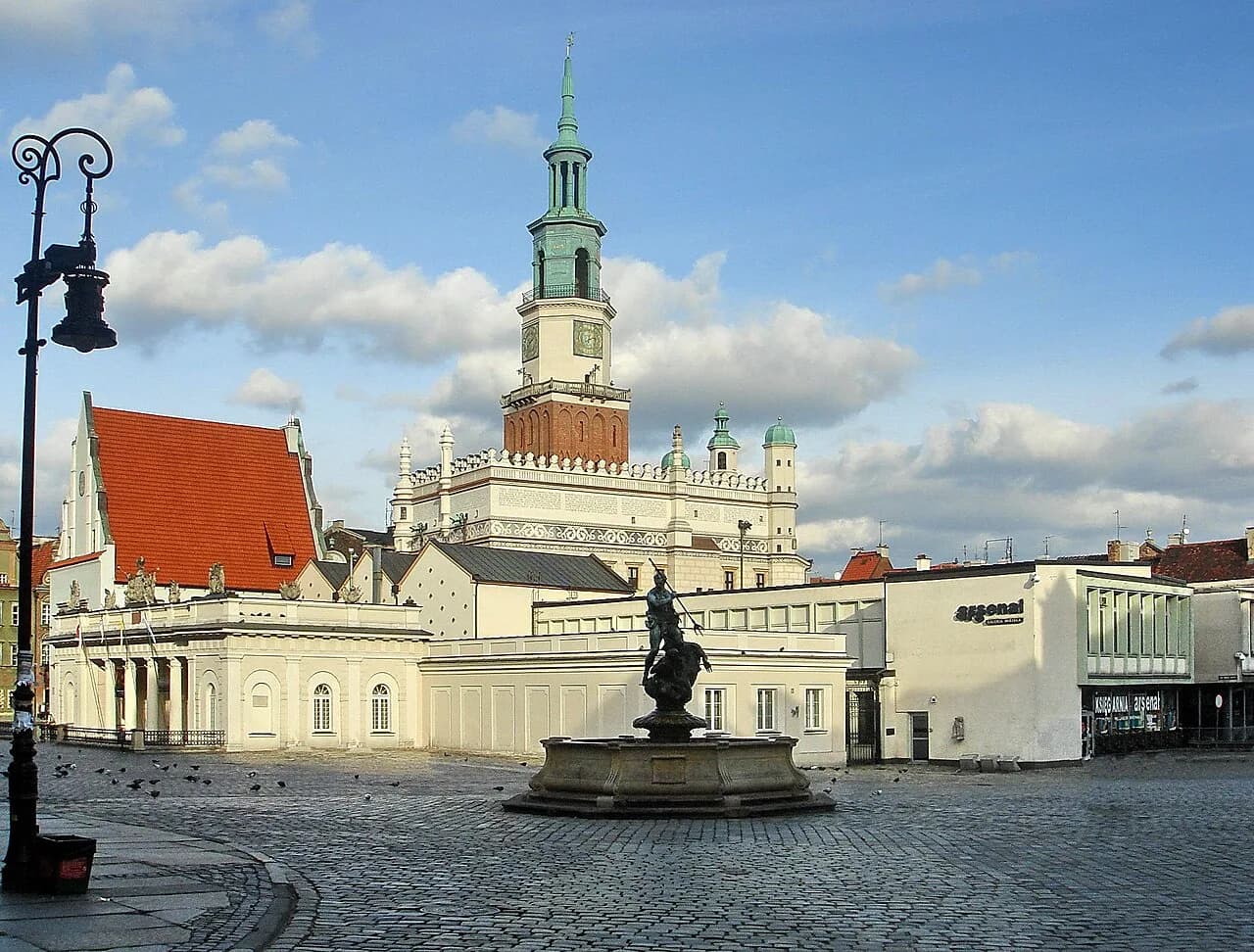
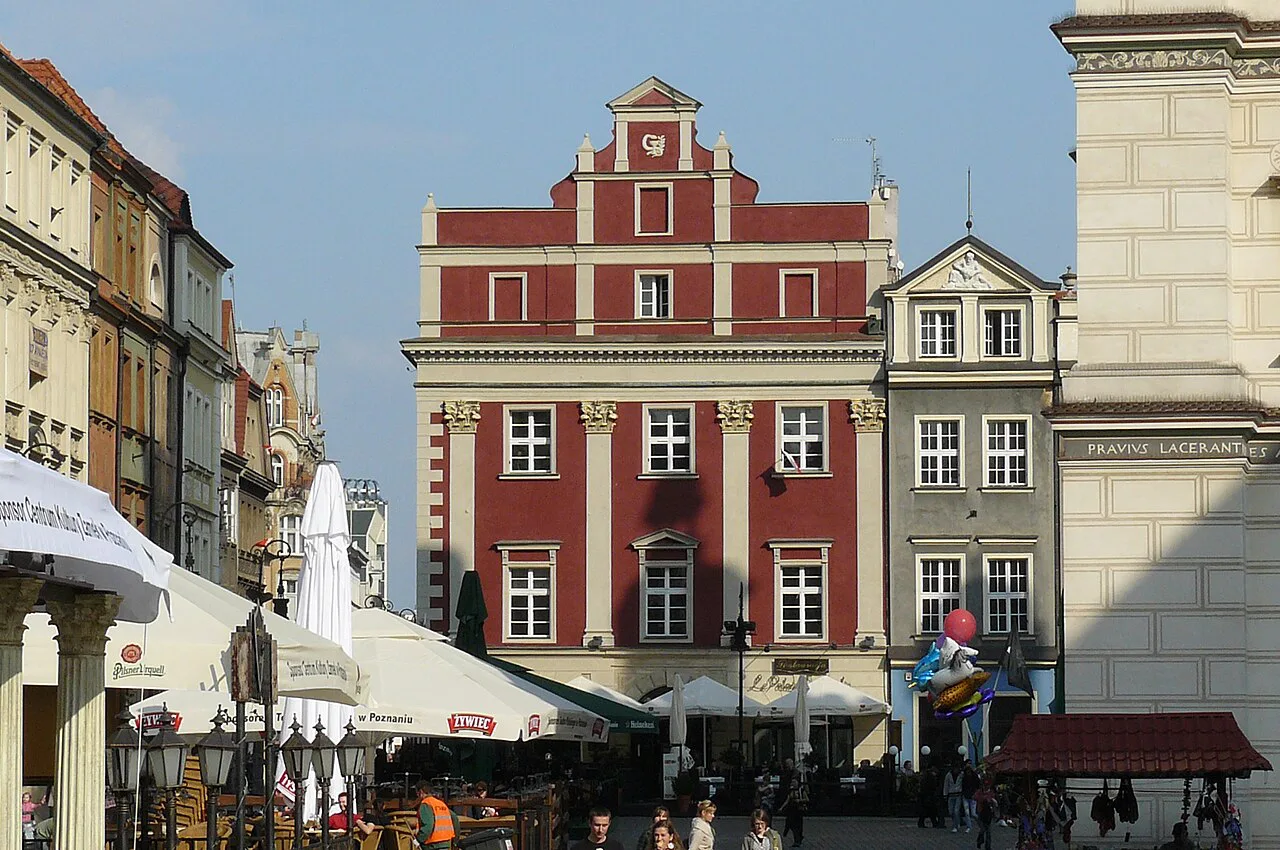
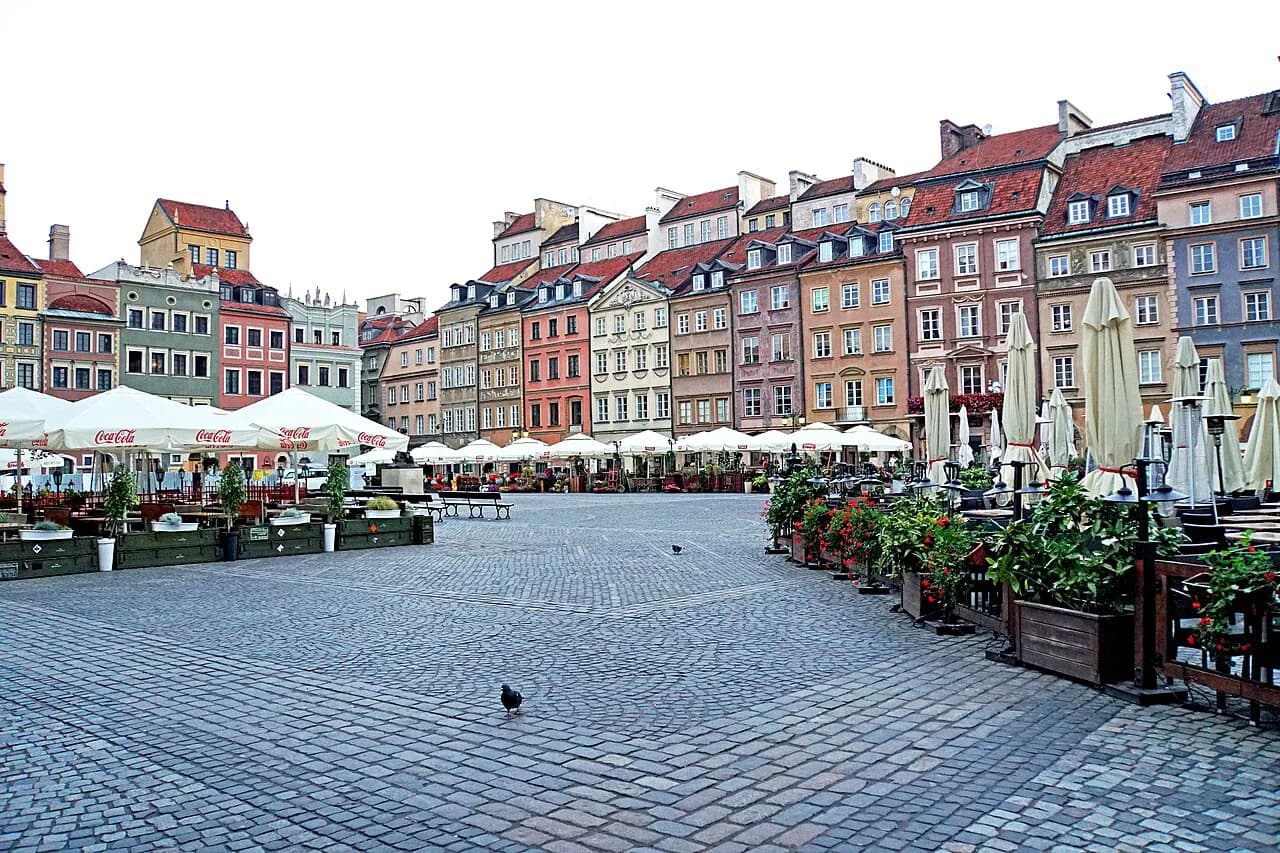
Poznań, Warsaw and Łódź all work well for a one-to-four-day trip in September, since a mix of museums, squares and parks needs no beach weather. Poznań's main square and Warsaw's rebuilt old town are at their most pleasant when the summer heat has broken.
If you have already seen the main cities in warmer months, September gives you a second chance to see the sights under softer light and in smaller groups. Compare that with the spring months, when the same cities are greener but cooler.
Save the Tatra Mountains for a longer stay, since a one- or two-day city break can't do them justice.
Events worth planning around
September itself brings no national public holiday. Poland's holidays cluster in November: All Saints' Day on 1 November, a public holiday where families visit cemeteries, and Independence Day on 11 November, both marked with ceremonies around the country. In Poznań, 11 November also brings Saint Martin's Day, when Saint Martin's Croissants are baked and sold across Poland.
If a September festival is the reason for your trip, check the organiser's own site for this year's dates before you book flights, because programmes and timing change year to year.
Move your trip to late October or early November only if you want the festive autumn atmosphere, since the milder weather sits earlier in the season. Otherwise, let the weather, not the calendar of holidays, make your choice.
Practical points: opening days and what a September trip costs
Many Polish museums close one day a week, often Monday, and several run a free-entry day. Check each venue's own site before you build a day around it, because opening days vary from museum to museum.
There's no single rule for ticket prices in September, and any figure becomes out of date quickly, so check the museum's current price page when you buy. Budget in złoty and keep a card for card payments in larger museums and galleries.
For the bigger sights, book a timed ticket in advance if your short break falls over a weekend, when local visitors swell the numbers. A weekday visit is usually calmer.
Rainy-day alternatives when the weather turns
When showers arrive, museums and galleries are the obvious answer, and September's smaller crowds make them a pleasure rather than a crush. The autumn months are a good time to be indoors, with shorter queues at the major cultural sites.
Pick one big museum per city and let the rest of the day be flexible. In Gdańsk that might be the Museum of the Second World War; in Wrocław, an afternoon in a gallery followed by a coffee. The quieter streets and lower off-season rates make that easy.
Save the open-air sights for the drier early part of the month, when September still behaves like summer. If the forecast is poor from the start, shift the plan towards interiors and short walks between them.
Should you book September or wait for mid-autumn?
Book September if you want warm, mostly dry days and thinner crowds, choosing the first half of the month for outdoor sights and the second half for museums and galleries. Compare the trade-off with the other months before you commit, and check each museum's current opening days and prices as you plan.
Explore more Poland guides
Frequently Asked Questions
Is September warm in Poland?
September is mild rather than hot, averaging around 14°C to 17°C depending on location, with the first half often feeling more like summer than autumn. Mornings and evenings are cool enough to need a jacket, so pack layers.
Do and don'ts in Poland?
Do carry some złoty for small kiosks and market stalls, and do check each museum's opening day before you travel. Don't assume Sunday shopping is unrestricted, and don't treat a climate average as a forecast.
Is three days enough for Warsaw?
Three days is enough for Warsaw's main sights, and September's milder weather makes walking between them comfortable. It is a city-break length rather than a full week.
Sources
Notes for your next Polish city break
Optional updates to our Poland guides.
You might also like

Continue reading
More guides you'll find useful