Poland in August: Weather, Crowds and Which Cities to Visit
August is one of Poland's hottest, busiest months. See what the weather is like, why cities and the coast fill up, and which destinations suit a short city break.
On this page
August is Poland's peak month: the warmest weather of the year arrives with the longest days and the biggest crowds, especially on the Baltic coast and in the mountain resorts. For a one-to-four-day city break the trade-off is simple, because you get the year's most reliable outdoor weather in exchange for busier streets and higher room prices. This guide sets out what August typically feels like, which cities handle it best and how to pace a short trip.
Sightseeing in Poland generally rewards late spring and early autumn, so it helps to know up front what August buys you. The sections below cover typical August conditions, the crowd and price picture, the case for Gdańsk, Wrocław, Poznań and Warsaw, the events worth planning around, and the shoulder-season alternative if your dates are flexible.
What August is like in Poland
August brings the country's warmest weather and longest days, and the season reaches its peak across Poland. That combination makes it the most popular month for outdoor travel, with riverside cafés, old towns and coastal towns at their busiest.
For a city break the practical consequence is that you plan around heat rather than rain. Start early, use the middle of the day for a museum or a long lunch, and save the late afternoon and evening for squares, waterfronts and viewpoints. August days are long enough that an evening walk still has full light.
It is worth separating the coast from the interior. Gdańsk and the Baltic shore behave differently from Warsaw or Wrocław, and the sea breeze can make a coastal evening cool enough for a light layer even after a hot afternoon. Treat the two as different trips rather than one national climate.
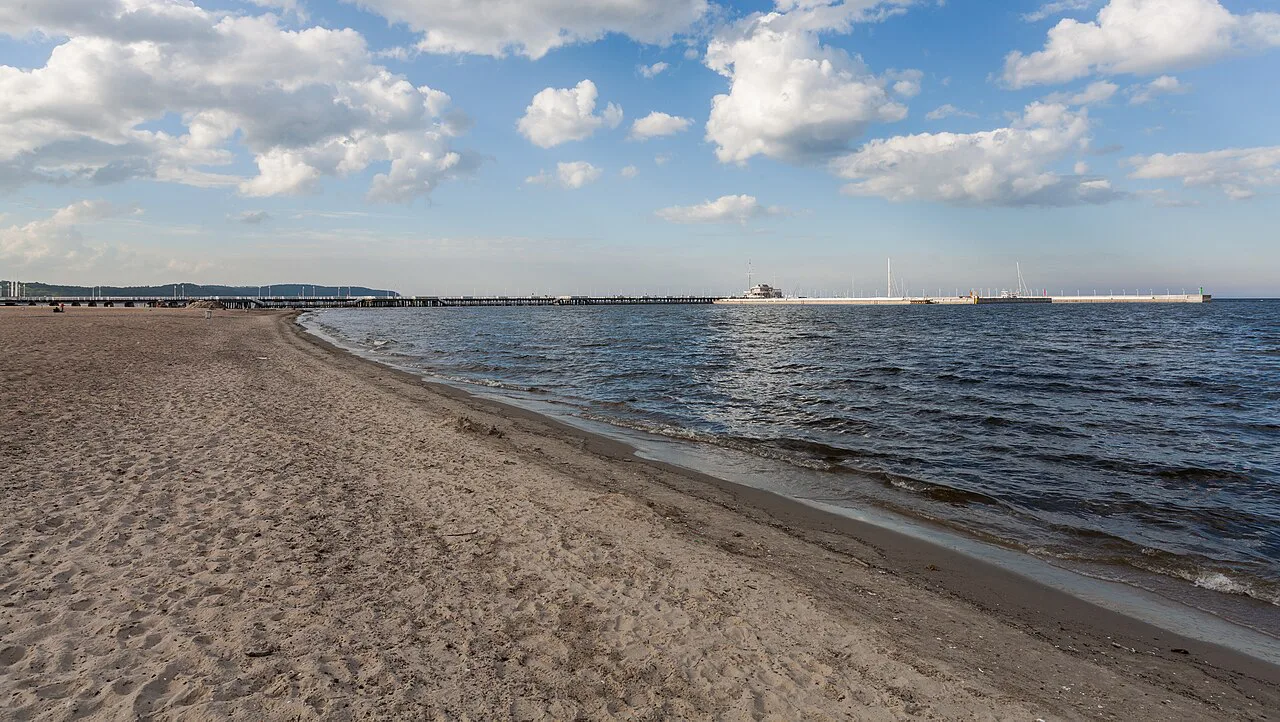
Typical August weather and what it means for sightseeing
Summer in Poland means the warmest temperatures of the year and the longest daylight, with July and August the hottest months nationally. August specifically is usually drier than July, which helps when you are building a day around outdoor sights.
Average temperatures tell you what to pack for, not what any given day will do. Build each day around one indoor anchor, whether a museum, a market hall or a cathedral interior, so a hot or stormy afternoon costs you nothing. Keep water with you and treat the middle of the day as the slow part of the schedule.
Heat is the bigger planning risk in the cities, where stone squares and tram interiors hold warmth into the evening. If you are travelling with children or older companions, front-load the walking and leave the afternoon free. Coastal wind is the one thing inland cities do not give you.
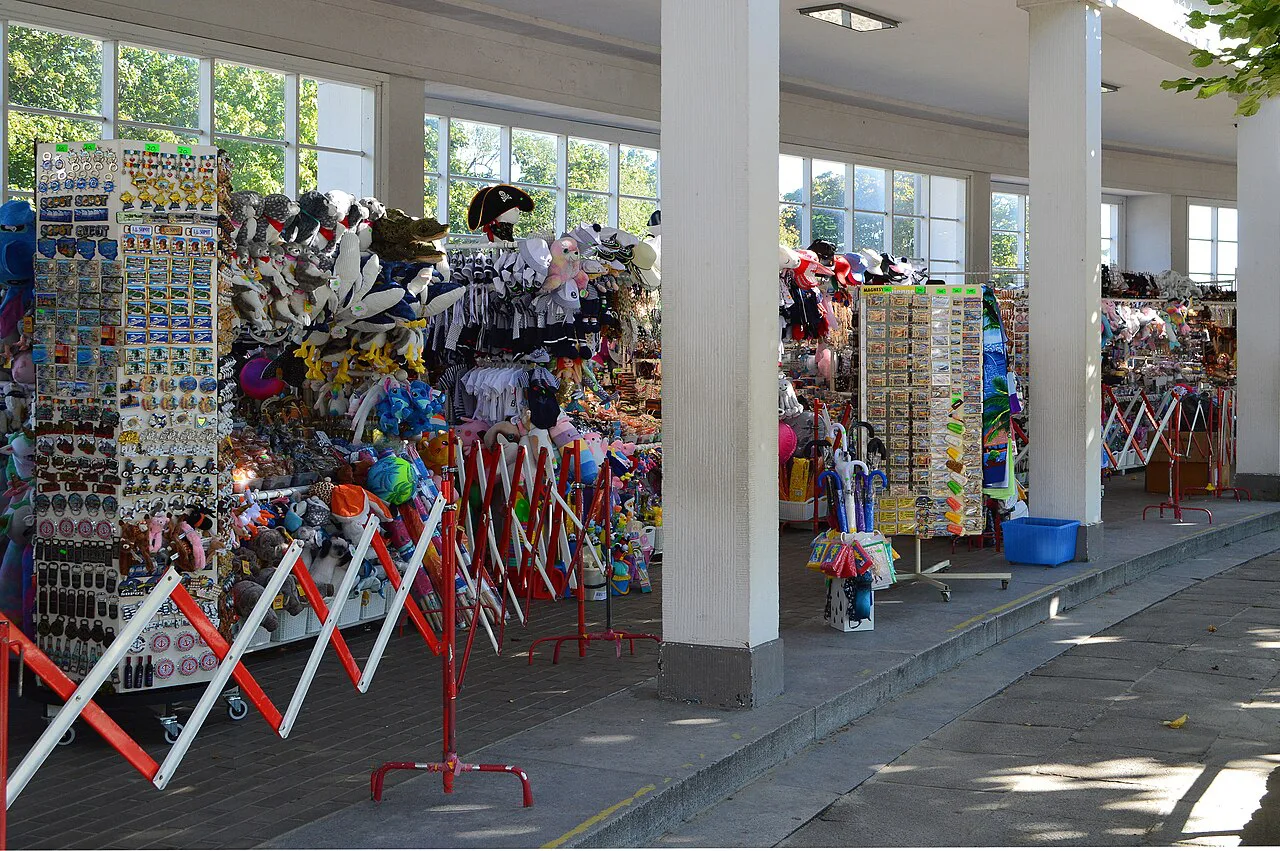
Why August is the busiest and most expensive month
August is peak season nationwide, and the coast and mountain resorts feel it most. Outdoor festivals, riverside cafés and beach towns are at their busiest, and accommodation generally costs more than in spring or autumn.
For a short break the counter-move is to book accommodation early and to favour weekdays. Rail connections between the major cities are frequent, so you can base yourself in one place and reach another without committing to a second hotel.
Expect queues at the headline sights and book table-service meals rather than assuming a walk-in. A tight two-day schedule in August works better with one fixed reservation each day and the rest left loose. If your dates can move, it is worth comparing months side by side: the Best Time to Visit Poland for a City Break guide sets out the trade-offs.
Gdańsk in August: the waterfront, Długi Targ and the fair
Gdańsk suits August better than most Polish cities because the Motława waterfront gives you a natural place to spend a hot afternoon. Długi Targ and the streets around it stay pleasant enough for long walks into the evening, and the weather along the coast is milder than inland.
St Dominic's Fair runs from late July into August and is one of the largest outdoor fairs in Europe, filling the city centre with crafts, food and performances. It is the main reason August in Gdańsk feels different from August anywhere else, so plan your days around the crowds it brings rather than against them.
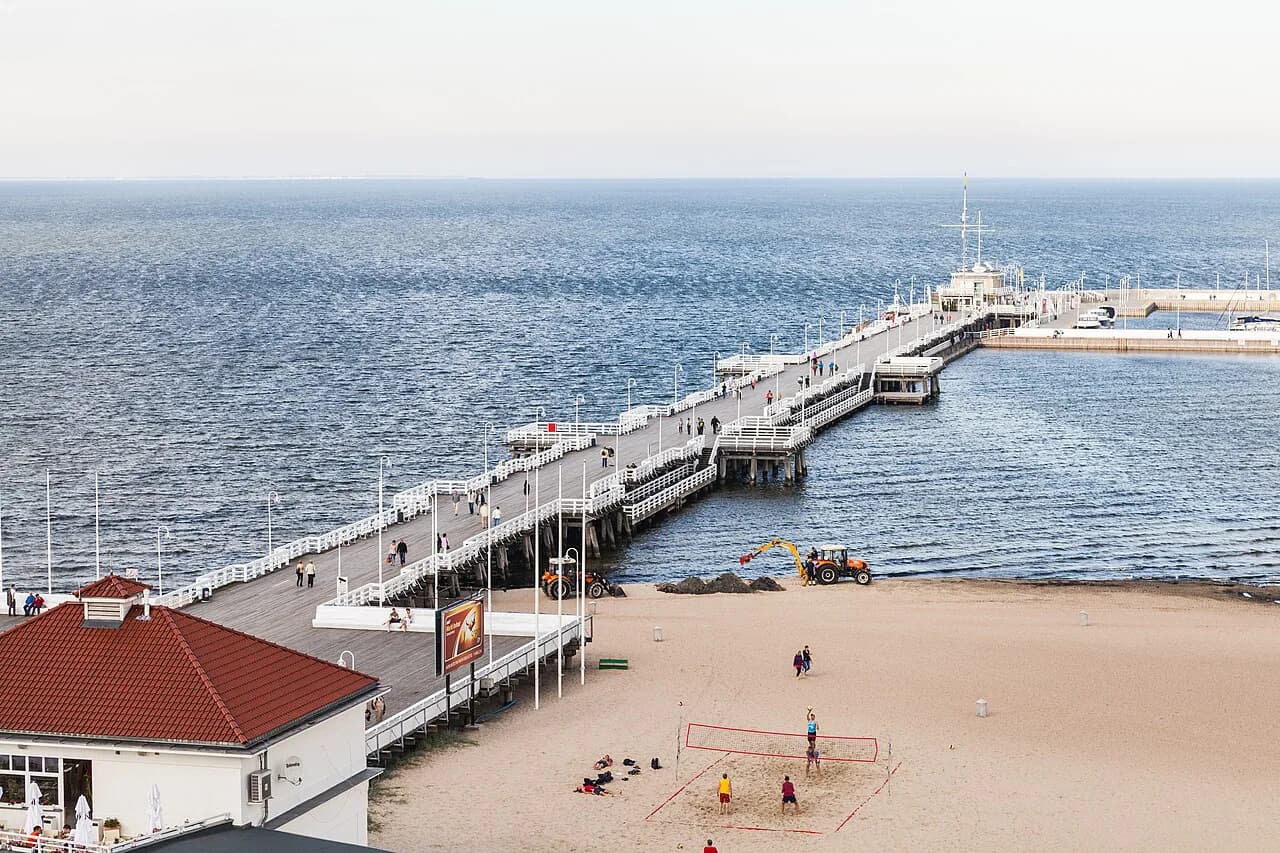
Sopot's beach is a short trip along the coast if you want an afternoon by the water. Otherwise keep Gdańsk as a walking city, with the lanes of the Główne Miasto, the Motława embankment and the riverside museum quarter filling two days comfortably.
Wrocław, Poznań and Warsaw in August
Wrocław works well as a compact August base: the Rynek and the Ostrów Tumski cathedral quarter are close enough to cover on foot, and the city's bridges and islands give you shade and water when the squares heat up. Two days is enough for the centre, with a third for a slower pass through the museums.
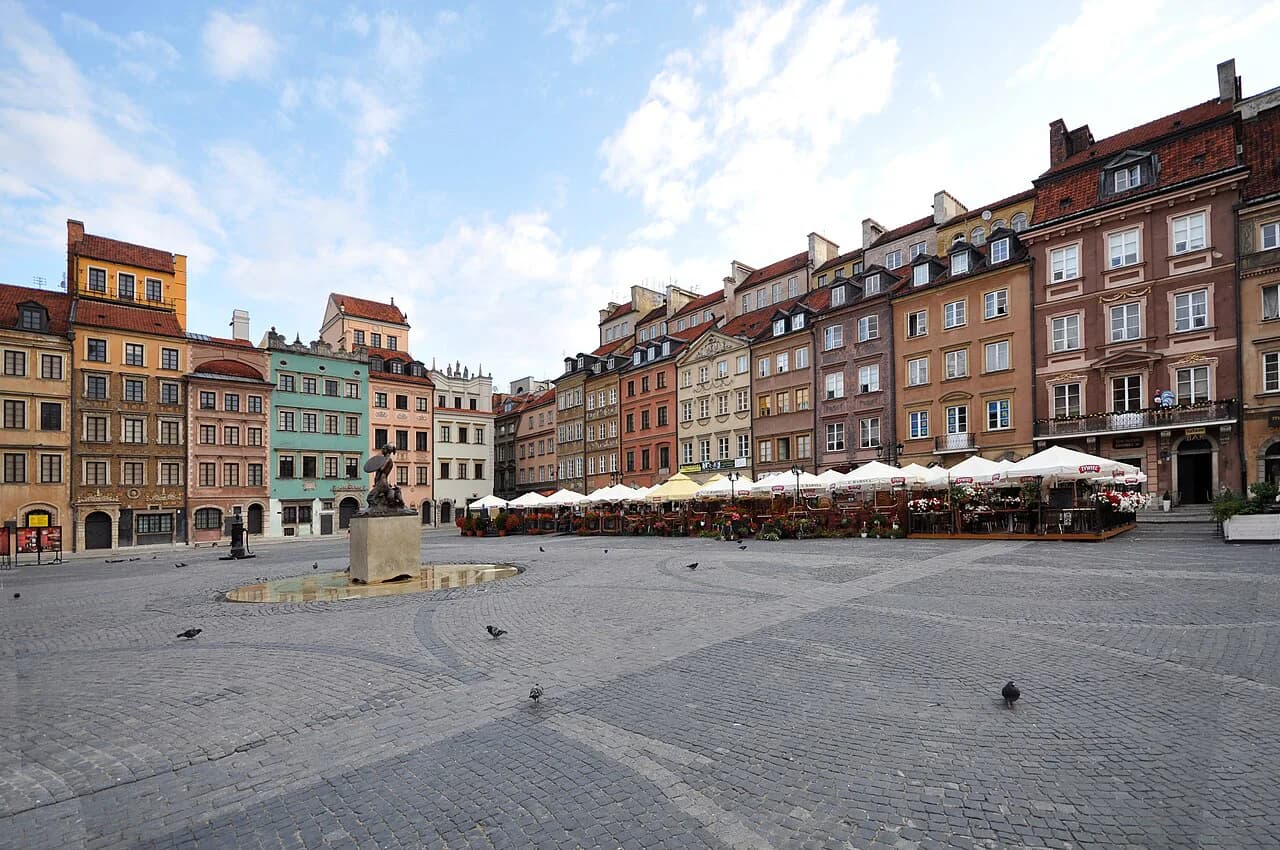
Poznań is the smallest of the four for a city break, which makes it a good fit when you want a short trip with less pressure. The old market square is the anchor, and the day is easy to shape around one museum plus an evening outdoors.
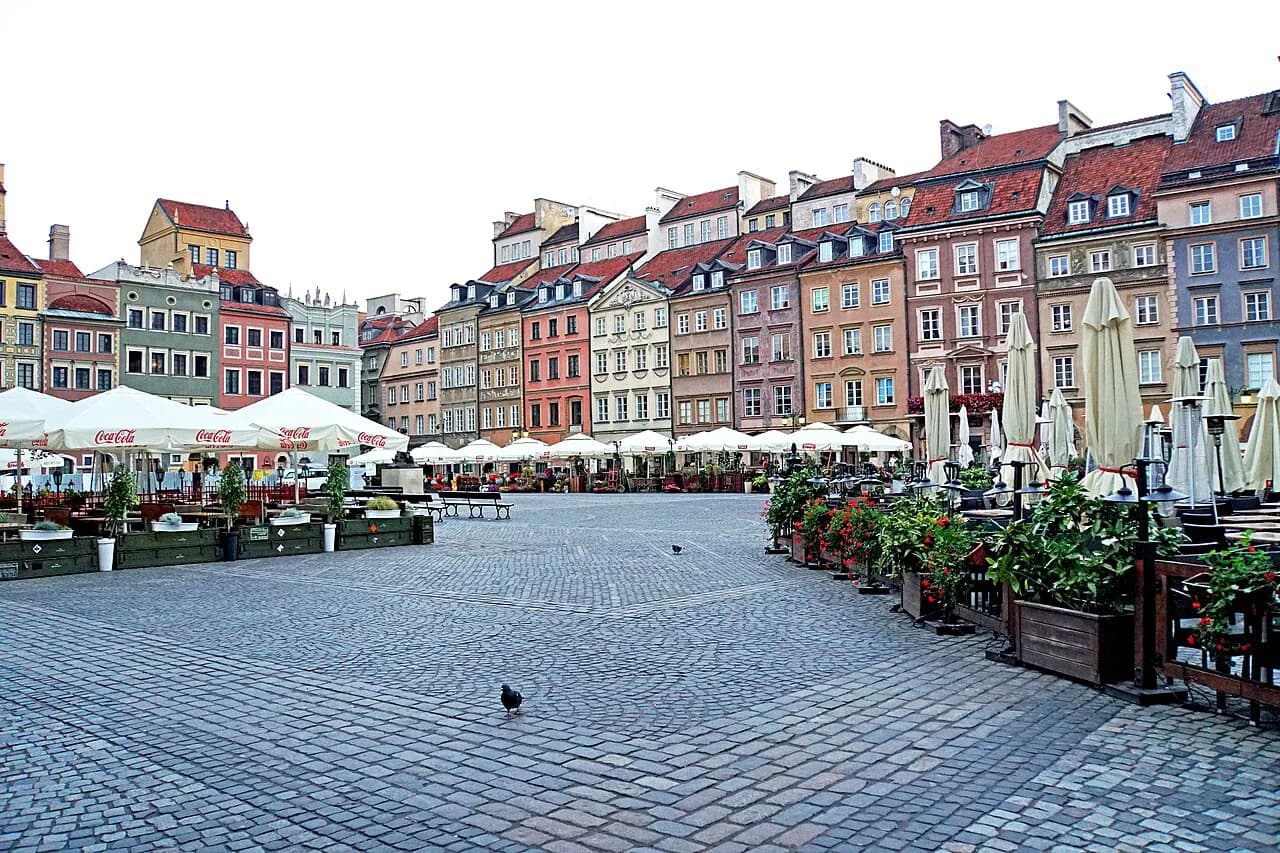
Warsaw is the biggest and the one where August heat is most likely to slow you down, because the sights are spread out. Use the Royal Route and the Old Town as one day and the museums as another, and take the tram rather than walking between districts in the afternoon.
August events worth planning around
The Polish event calendar peaks between June and early September, so August sits at the height of it. Beyond St Dominic's Fair, the summer brings Wianki in Kraków in June, the Pol'and'Rock Festival in August and Open'er in Gdynia in early July, all of which pull crowds and lift prices in their regions.
If a festival is the reason for your trip, fix your accommodation first and build the city days around it. If it is not, check whether your dates collide with a major event before you book, since a fair or festival can change how a small centre feels. Wrocław and Poznań stay calmer than the coast in a normal August week.
For readers who would rather trade the warmest weather for thinner crowds, Poland in October is the other end of the same decision. September and early October keep much of the warmth with fewer visitors.
Rain, heat and coastal wind: pacing a short break
A three-day August trip works best as one outdoor day, one museum day and one flexible day. Put the outdoor day first while you still have energy, keep the museum in reserve for the hottest or wettest hours, and leave the last day free for whichever part of the city you liked most.
On the coast, wind changes the plan more than rain does. An afternoon that feels hot inland can be cool on the Motława embankment, so carry a layer even in August and eat outside at midday rather than late evening. Inland cities hold their heat, which makes a late dinner outdoors realistic in Warsaw or Wrocław.
Two days is tight for Warsaw and comfortable for Poznań or Wrocław; Gdańsk sits between the two, with the fair adding a half-day of wandering. Pick the city to match the days you have rather than trying to compress a capital into a weekend.
Shoulder-season alternatives to August
If your dates are movable, late May to June and September to early October give you the most comfortable sightseeing weather without the high-season crowds. Spring and early autumn are the periods most often recommended for walking historic centres, and accommodation is generally cheaper than in summer.
April and September often see the lowest rainfall, which makes them strong for outdoor sightseeing even though they are cooler. Late spring and early autumn also keep the long evenings without the peak-month prices, and museums are quieter on weekday mornings; Poland in April covers the cooler end of that window.
The trade-off is real: you lose the guaranteed warmth and the festival calendar. For a compact city break built on walking, churches, market halls and viewpoints, that is usually a good swap, and it leaves August as the better choice only if heat and events are the point of the trip.
August or the shoulder months for your city break?
Choose August if warm weather and long evenings matter more to you than quiet streets, and build the trip around one city rather than three. Gdańsk is the strongest August pick thanks to the waterfront and St Dominic's Fair, with Wrocław and Poznań close behind for a shorter, calmer break and Warsaw needing the most days.
If you can move your dates, late May to June or September to early October gives you easier walking and lighter crowds for the same sights. Either way, book the city before the itinerary and let the weather shape the days rather than the other way round.
Explore more Poland guides
Frequently Asked Questions
Is August a good time to visit Poland?
It is one of the two hottest months and has the longest days, which suits outdoor sightseeing and the coast, but it is also peak season with the biggest crowds and the highest accommodation prices of the year. A short city break works well if you book early and favour weekdays.
What is the weather like in Poland in August?
August is one of the two hottest months nationally and is usually drier than July, with long daylight hours. Temperatures vary between the Baltic coast and the interior, so treat coastal evenings as cooler and carry a light layer even on a hot day.
Are winters harsh in Poland?
Winters are cold, with January and February the coldest months and snow most reliable in the south around Zakopane. Christmas markets fill the cities in December and ski resorts reach full operation from January, so winter suits a different kind of trip from an August city break.
Sources
Notes for your next Polish city break
Optional updates to our Poland guides.
You might also like

Continue reading
More guides you'll find useful